
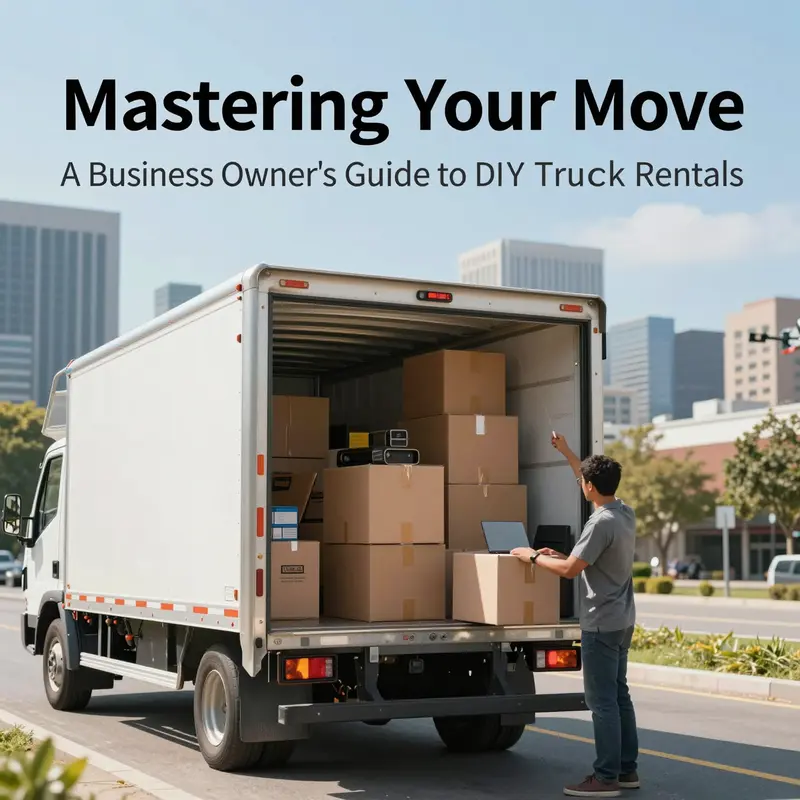
For business owners, moving can be a significant logistical challenge that requires efficient planning and execution. Renting a moving truck for a do-it-yourself (DIY) move not only saves costs but also provides flexibility in managing the relocation of your assets. From selecting the right size truck and ensuring safety during transit, to effective packing strategies and specific considerations for unique situations like military relocations or student moves, understanding these elements is crucial. This guide delves into each aspect to equip you with the confidence and knowledge needed for a successful moving experience.
Sizing the Move: Selecting the Right DIY Moving Truck Size for a Smooth, Budget-Smart Relocation
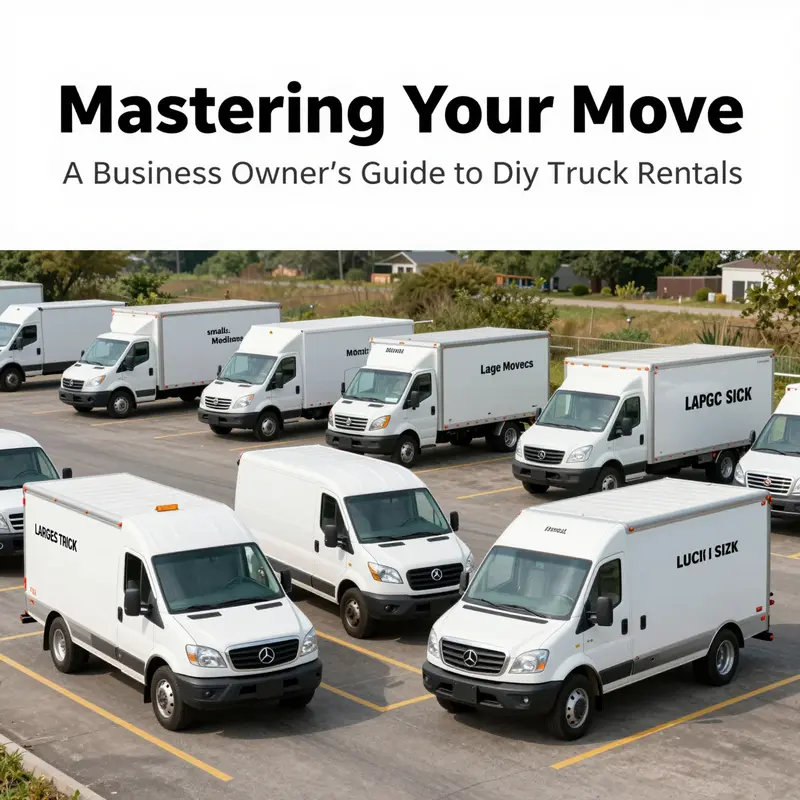
Choosing the right truck size is not a sidebar decision; it sits at the heart of a successful do-it-yourself move. The space you pick determines how smoothly the loading goes, how many trips you’ll need to make, how much you’ll spend on gas, and how quickly you can settle into your new place. A truck that’s too small forces you to cram items in, stack awkwardly, or leave pieces behind. A truck that’s too large can waste fuel, complicate parking, and inflate rental costs for space you don’t actually need. Getting this choice right is less about chasing the biggest vehicle and more about balancing your inventory, your timeline, and your comfort with loading and driving a larger vehicle.
The starting point is to translate your current living space into a moving footprint. Think in terms of volume rather than the number of boxes alone. A studio or small one-bedroom apartment often yields a lean move with a compact truck. A classic guideline is that a studio or one-bedroom place can be accommodated in a 10-foot or 12-foot truck. This size covers a bed frame, mattress, dresser, several boxes, a few shelves, and the rest of the essentials without forcing you to squeeze in. When you step up to a two-bedroom setup, the math shifts. For many people, a 15-foot or 17-foot truck becomes a practical middle ground. These sizes provide a comfortable buffer for larger furniture pieces, extra wardrobe boxes, and a more forgiving loading ramp for bulky items that need careful maneuvers. The same logic holds as the home grows: three bedrooms or more typically require a 20-foot truck, and in some cases a 26-foot unit to avoid multiple trips.
These figures aren’t rigid quotas but reasonable benchmarks grounded in experience across a wide range of moves. They reflect typical room layouts, common furniture dimensions, and the practical realities of packing and securing items for transport. It’s not just about counting the big pieces either. The way you organize and protect items matters a lot—and that ties directly back to the size you choose. Bulky furniture like sofas, beds, and armoire-sized wardrobes can dominate space, even if they don’t appear to fill the entire truck when you preview the move. Delicate items—fragile art, glassware, or electronics—require extra padding and separate compartments to prevent shifting. If you’re unsure, you’re better off opting for a size that offers a little extra space for padding and for the inevitable last-minute additions.
One way to approach this without overthinking is to conduct a careful inventory of what you’re moving. Start with a room-by-room tally, listing each large item and estimating the volume it will occupy in a standard box or crate. Then add boxes by category: small, medium, and large, plus any odd-shaped items like gym equipment, musical instruments, or heavy appliances. The idea is to generate a rough cubic-foot estimate that you can compare to the capacity of available truck sizes. While you may not be able to calculate cubic feet with surgical precision, a practical approximation helps you avoid the two extremes: paying for more than you need or paying extra for additional trips.
To translate inventory into a truck choice, it’s helpful to think in terms of real-world space use. A compact 10-foot or 12-foot truck is designed to accommodate tight city moves, studio layouts, or relocations where every inch counts. The interior can feel surprisingly efficient when you stack packing boxes in a stable pyramid and place furniture with care. Remember, careful loading is an equal partner to having the right size. A well-planned layout within the truck can liberate space you didn’t know you had and reduce the risk of damage during transit.
As the size increases to 15, 17, or 20 feet, you gain not just additional room but also greater flexibility in how you arrange items. The extra height and width can make it easier to preserve the condition of delicate pieces, to secure heavy appliances, and to create clear zones for loading, securing, and driving. For many people, the jump from a 12-foot to a 15-foot truck represents a meaningful shift: the extra length translates into easier maneuvering for larger items and a more forgiving load height, which lowers the chances of items tipping or sliding while the vehicle is in motion. When a full house demands it, a 26-foot truck can become the most efficient choice, reducing the number of trips and allowing professional-like loading techniques to come into play in a way that’s still manageable for a DIY move with a few helpers.
If you’re unsure where your move lands on the scale, think about the key decision points rather than chasing an exact number. Do you have a grand piano, a large sofa, a king-size bed, or a vaulted wardrobe? Are you moving through a meandering staircase, through tight building corridors, or across a long driveway? Will the move require passing through doors, elevators, or narrow hallways? Each of these questions has a practical carryover into the truck choice. A slightly larger vehicle can simplify the logistics of getting bulky items out of a current residence and into the truck, while also providing more space to use moving blankets and straps to secure items properly. Conversely, if you’re working with a strict budget or a tight time window, a smaller truck that’s truly adequate can keep costs down and reduce the complexity of driving a larger vehicle through dense traffic or unfamiliar neighborhoods.
The practicalities of the driving experience can influence the size choice more than people expect. Larger trucks come with different handling characteristics, longer stopping distances, and altered visibility. If you’re new to driving a truck of substantial length, you’ll want to test the feel of the vehicle during a cautious practice run in a quiet space, ensuring you’re comfortable with lane changes, turning radii, and parking maneuvers. This isn’t a moment to push your comfort; the goal is to minimize stress and risk during a potentially hectic moving day. On the other hand, a smaller truck often provides a more nimble driving experience and can reduce fuel costs if you’re making a long move through varied terrain or urban routes.
A practical tip that helps many movers is to treat the size decision as a two-step process. Step one is inventory and volume estimation. Step two is a sanity check against real-world constraints: access to loading zones, elevator usage, parking availability, and the number of people helping on moving day. For many moves, a compact option such as the 16-foot truck can be a practical starting point 16-foot truck. This size often strikes a balance between capacity and maneuverability, offering enough room for a couple of bedrooms’ worth of belongings when organized with care. If after this check you still feel crowded, step up to the next size band. If you’re confident you can keep things tight and organized, staying at the smaller end can yield savings that compound across fuel and rental costs. The key is to avoid the trap of underestimating because a second trip adds not just cost but emotional fatigue to the day.
To bring this decision into sharper focus, consider the layout of your current living space. A studio with a Murphy bed that folds flat, a few dressers, and a handful of shelves might fit efficiently into a 12-foot truck when paired with well-labeled boxes and a disciplined loading sequence. A one-bedroom with a moderate amount of furniture and a larger wardrobe collection, however, may require a 15-foot or 17-foot truck to avoid stacking items in ways that compromise safety or damage walls during unloading. A two-bedroom with a full dining set, a sectional sofa, a king bed, multiple dressers, and a substantial number of boxes will often move more smoothly in a 20-foot unit. If you anticipate a lot of bulky items, including oversized wardrobes, a piano, or a large appliance that’s not easily disassembled, you’ll likely benefit from a 26-foot option, which provides generous room to create distinct zones for wrapped items, tools, and moving blankets while keeping everything secure.
Another factor that many movers overlook is the impact of distance and route planning on the size you choose. If you’re moving locally within the same metro area, you may tolerate a slightly smaller truck because shorter trips reduce the effects of weight distribution challenges and fatigue. If the move spans longer distances or involves multiple loading points, the extra space becomes more valuable, letting you stage items without cramming everything at once. The return trip considerations can also matter. A one-way rental typically means you don’t have to drive back to the origin, which can tip the decision toward a slightly larger vehicle when you know you’ll be visiting multiple stops or when you have a heavy amount of furniture but limited time.
A practical, left-brain approach to sizing can be coupled with a right-brain gut check on comfort. If you’ve ever attempted to close a garage door with a packed truck that sits two inches from the ceiling, you know how quickly a small margin turns into a headache. If you’ve had a move where you spent hours rearranging items in a truck below the ceiling line, you know the frustration of wasted space and the risk of damage. The aim is not to maximize the space at all costs but to secure space for padding, straps, and the occasional last-minute addition, such as a bookshelf or a household plant that you forgot to account for. The mental image to hold onto is simple: a well-chosen size is the one that enables a single, unhurried loading sequence, followed by a calm, steady drive to the new place, with a clear plan for unloading that preserves both the items and the home you’re entering.
In practice, you’ll often find that rental providers and their staff can help you translate your inventory into a truck size. They may ask about the number of rooms, the biggest pieces you own, and any items that require extra protection. While it’s tempting to rely entirely on a formal recommendation, your on-site judgment matters just as much. If your sofa seems to swallow most of the available space in a 12-foot truck, that’s a clear signal to upgrade. If you’re unsure whether a particularly heavy mattress or glass-framed mirror can ride safely alongside other items without cramping, consider opting for the next size up and loading with careful padding and secure strapping.
The broader lesson here is to balance foresight with practicality. Do not chase a perfect number; instead, aim for a confident range where you can reasonably expect to fit all items with proper padding and sequencing. The size range you choose will subtly shape the rest of your move—from how you pack and label to how you assemble furniture at the destination. If you go too small, the day becomes a scramble, forcing you to decide which items matter most to move now and which you can leave behind or move later. If you go too large, you’ll be paying for space you don’t fully use, and you may face unnecessary parking and fuel challenges that complicate an otherwise simple relocation.
As you finalize your choice, keep the broader arc of your relocation in view. DIY moving is as much about discipline and preparation as it is about the truck you drive. A well-planned inventory, a realistic expectation of how you’ll stack items, and an awareness of the drive and loading logistics will save time, money, and nerves. The truck size you settle on becomes the scaffolding for the entire operation. It sets the tempo for the day, influences how you schedule helpers, and even affects how you optimize your tie-downs and packing materials. In the end, the goal is straightforward: to move with as little friction as possible, to protect your belongings from damage, and to reclaim your new space with a sense of control rather than chaos.
For many moves, a compact option such as the 16-foot truck can be a practical starting point 16-foot truck. If you’re balancing a modest inventory with a desire to minimize cost and complexity, that size often marks a sweet spot between capacity and maneuverability. It provides enough room to house a typical two-bedroom setup with careful packing, yet remains easier to drive through urban corridors and tighter streets than the larger rigs. Of course, the specifics of your space will determine whether you stay on the smaller end or decide you need a touch more room to ensure a smooth, single-trip experience. The beauty of a DIY move is that you can tailor your approach to your actual needs, rather than bending your belongings to fit a preselected vehicle.
As you wrap your head around these considerations, remember that size is the most visible but not the only factor in a successful DIY relocation. The integrity of your packing, the quality of your moving blankets and straps, and the method you use to distribute weight inside the cargo area all interact with the truck size to produce a safe, efficient move. A well-calibrated approach reduces the risk of shifting loads during transit, minimizes the likelihood of door or wall damage at either end, and helps safeguard fragile items from jostling and impact. It also makes the unloading process at the destination more straightforward, because a tidy, well-planned interior layout translates into faster, smoother offloading and placement of furniture in the new space.
In short, take the time to inventory, to visualize your volumes, and to translate that vision into a practical truck size. Use the size ranges as a guide, but let the actual items and the realities of your move steer the final decision. If you can secure the space to move all items in one go without forcing awkward fits or risky rearrangements, you’ve likely found your sweet spot. And as you move toward the actual day, pairing the right size with a thoughtful loading plan—one that respects weight distribution, item protection, and orderly staging—will pay dividends in a calmer morning, cleaner unloading, and a smoother transition into your new home.
External resource: https://www.uhaul.com/moving-trucks/choosing-the-right-size-moving-truck.aspx
Steering Safety: A Safety-First Guide to Mastering a DIY Moving Truck Rental
Moving yourself from one location to another offers undeniable control over the pace, sequence, and placement of every item. Yet that control only stays valuable when safety and preparation undercut the chaos that can accompany a DIY moving day. This chapter threads together the practical steps a mover can take to reduce risk, protect belongings, and stay focused behind the wheel. It treats safety not as a checklist for the moment you sign the rental agreement but as a continuous discipline that begins the moment you decide to move and runs through every mile of the journey. In this sense, a DIY moving truck rental becomes less a single transport and more a careful orchestration of packing, loading, fueling, driving, and unloading, all tuned toward minimizing surprises and maximizing security for people and possessions alike.
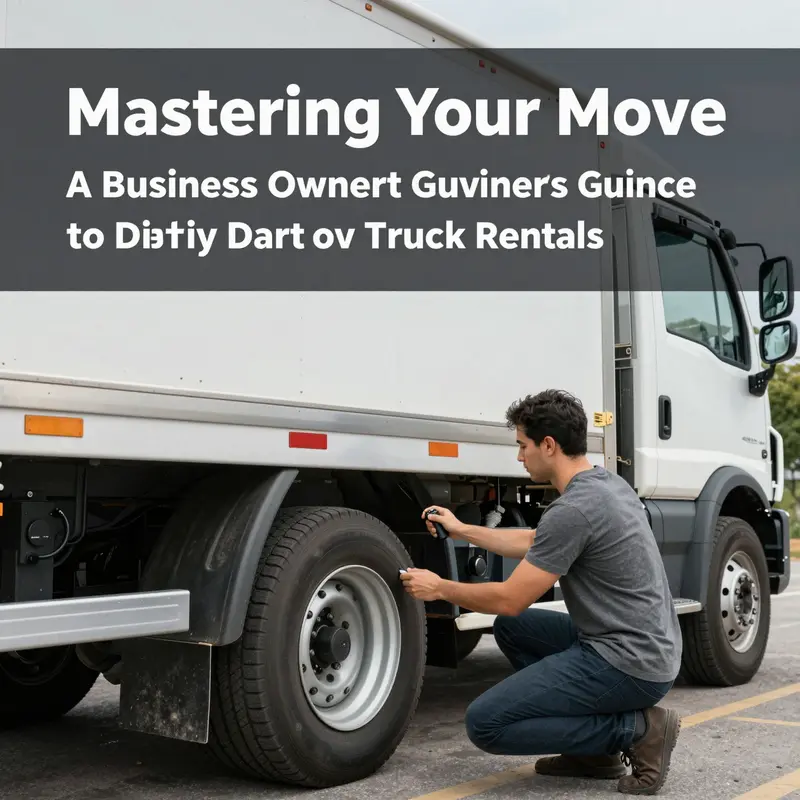
The journey toward a safe move begins long before the truck leaves the driveway. It starts with a pre-rental assessment of the vehicle, a step often underestimated by first-timers and overlooked in the rush of planning. Before signing any contract, walk around the truck with a critical eye. Look for dents, scratches, or any lighting or tire irregularities that could complicate your drive. A quick video walkthrough—recorded with a smartphone—can capture the truck’s exterior and interior condition from tires to mirrors to the dash. This isn’t vanity footage; it’s a practical record that can protect you if pre-existing damage appears later in the rental period. Do not skip this moment. The recorded evidence serves as a shield against unexpected charges and helps you manage expectations with the rental company if questions arise about the vehicle’s condition when returned.
Equally important is confirming that all safety equipment travels with you on day one and remains accessible throughout the rental period. A functioning spare tire, a lug wrench, a jack, wheel wedges, a fire extinguisher, and reflective warning triangles are not relics of a bygone era of road safety. They are essential tools for responding to common incidents, especially in unfamiliar neighborhoods or on longer hauls. Take a moment to verify that the emergency brake engages smoothly and that the truck’s indicators and gauges read correctly during a short test drive in a quiet area. If any item is missing or appears compromised, address it before you start loading. The extra five or ten minutes spent here can prevent a cascade of delays later, particularly if you encounter a minor emergency after hours or in a sparsely populated area.
Understanding the terms of the rental is another pillar of safety that often gets pushed aside in pursuit of price or convenience. A careful read of the contract clarifies the rental period, mileage limits, fuel policy, and any additional fees that could surface mid-move. The reality is that standard insurance often does not cover all moving-related incidents. An informed mover will explore available options and consider protections that provide coverage for the unique risks of loading, transit, and unloading. In practice, that means recognizing the distinction between basic liability coverage and an excess or collision protection option that can lessen out-of-pocket costs if an accident or cargo damage occurs. The effort here pays off during the move itself, when a single mishap can derail plans and strain nerves. It’s not about fear; it’s about creating a margin of safety that helps you stay calm and capable when the road gets unpredictable.
With the vehicle secured and the terms understood, the process shifts to how you load the truck and how you drive it. The principle of weight distribution governs everything that follows. Place the heaviest items low and toward the front of the cargo area. This placement lowers the truck’s center of gravity, improving handling and minimizing the risk of tipping or sway in wind, during acceleration, or when braking. Tie down every item with straps, ropes, or nets, and check that nothing can shift or come loose, especially during a long or bumpy drive. It’s easy to underestimate how much a single shifting box can affect the vehicle’s balance, but even a modest move can translate into a sudden pull or a change in direction that tests your capacity to control the truck. Regularly check that tie-downs remain secure as you progress through the loading and driving phases, not just at the outset.
Beyond properly loading, the constraint of the truck’s payload capacity matters. If you’re tempted to squeeze in one or two extra boxes beyond what the weight rating allows, you’re inviting trouble. Keep a running mental or written tally of weight as you load, and make sure you’ve stopped loading before you reach the limit. Overloading not only strains the engine and suspension but also worsens braking performance, making it harder to stop safely and to maneuver through crowded streets or tight driveways. When possible, arrange a practice run to feel how the truck responds to loaded weight. A short, deserted loop can reveal handling quirks you might otherwise miss in a static inspection.
Driving a larger vehicle demands a different rhythm than driving a passenger car. Blind spots extend in all directions, and stopping distances grow noticeably as weight and length increase. Adopting a defensive, slower cadence is not a sign of hesitation but a prudent approach to safety. Allow extra room for braking and anticipate lane changes well in advance. Slow down when approaching intersections, narrow streets, or entryways that require precise alignment. In urban settings or areas with frequent pedestrian traffic, the combination of a higher driving profile and heavier loads can magnify risk. The safest strategy is to anticipate challenges before they arise and to execute controlled, deliberate actions rather than rapid, impulsive moves.
Route planning for a large vehicle is not merely about choosing the fastest path. It’s about selecting a path that accommodates the truck’s size, weight, and maneuverability. Modern navigation tools include filters or modes for larger vehicles, designed to route you away from low bridges, steep grades, or restricted corridors. While such tools are invaluable, it remains essential to cross-check the route with a human sense of practicality. Wide turns, shared-lane modes, and one-way street configurations can reveal hidden hazards that a GPS might not fully account for. A well-chosen route also considers rest points or service stops where you can take a brief break, inspect security of the cargo, and ensure that all systems remain in good condition.
The on-the-road phase brings with it a distinct set of precautions that merge attentiveness with preparedness. Distracted driving becomes particularly dangerous when steering a large vehicle with a heavy load. A simple habit—storing the phone out of reach and using hands-free communication when necessary—helps maintain focus on the road, the load, and the surrounding traffic. An emergency kit should ride along with you, easily accessible and well stocked. Include a flashlight, a first-aid kit, water, non-perishable snacks, a blanket, and any items essential to your family in transit. Keeping a roadside assistance number readily available reduces stress if you encounter a mechanical hiccup, a flat tire, or a lockout. Preparedness is not paranoia; it is a practical way to reduce downtime and keep everyone safe.
Loading and driving safety dovetail with the need to understand and respect weather conditions. Rain can dramatically alter visibility and traction, and it can also magnify the risk of skidding as loads shift. In wet conditions, reduce speed further, increase following distances, and avoid abrupt maneuvers that could unsettle the cargo. A wind-driven tremor on a highway can affect stability even when the load is well secured, so adjusting speed to the environment remains essential. In colder climates, be mindful of ice or frost, which can reduce tire grip and extend stopping distances. In all weather conditions, maintain awareness of surroundings and adapt the plan as needed. The objective is not merely to arrive with intact items but to arrive with everyone and every item in the same condition they left—unbroken, undamaged, and safe.
As the move unfolds, it’s possible to encounter moments that test planning and resilience. A door or stairwell that’s tighter than expected, a couch that won’t fit through a doorway without disassembly, or a disorganized pile of boxes that requires re-tethering—these are the realities that can derail even the best-laid plan. In such moments, the virtue is patience and re-organization rather than force. Break down oversized pieces, re-stack boxes with lighter items on top, and ensure your reconfigured load remains evenly distributed. This iterative attention to detail preserves safety, reduces the risk of damage, and keeps the move progressing toward a successful completion. It also helps keep stress from spiraling, which is a common hazard when the clock is ticking and the stakes feel high.
Fuel management, mileage, and return procedures complete the practical frame of a safe DIY move. Knowing your fuel policy and how to plan refueling stops helps prevent run-ins with penalties or empty-fuel surprises at the end of a long day. Track mileage and understand any excess charges that might apply if you exceed the agreed limit. Returning the vehicle with the expected fuel level, the correct route, and a clean interior reduces friction and supports a smoother handoff. Reading the warranty and rental agreement through the lens of safety—not just cost—keeps you aligned with a disciplined approach that can pay dividends over the course of any relocation.
The path to a secure, efficient DIY move also invites looking outward for practical resources, especially when road conditions diverge from the plan. In moments when on-road support or guidance beyond the basics would be welcome, a focused resource on roadside assistance can be a helpful companion. This kind of resource centers on practical, real-world contingencies—like a flat tire at a remote rest stop or a stuck vehicle in a tight urban alley—and provides guidance on how to respond quickly and effectively, without compromising safety. Including this kind of support into your overall plan ensures you’re not just prepared for the ideal day but resilient in the face of the unexpected. Roadside services, when understood and accessible, turn what could be an arduous setback into a well-managed interruption that you can handle with confidence. For more practical insights, see this resource focused on roadside support.
In addition to these on-the-ground considerations, a broader awareness of safety resources fosters a more informed approach to moving truck safety. While each rental experience will differ, the core principles stay constant: begin with a thorough vehicle check, understand protective options, load and drive with care, prepare for weather and contingencies, and plan for fuel, mileage, and return with equal care. The move then becomes less a test of nerve and more a measured orchestration of steps that protect people and possessions while preserving momentum. In practice, this creates a rhythm that aligns with a single objective: arrive with everything in its place, intact, and safely.
For those who want to explore further safety guidance beyond the basics, the following external resource offers a structured framework to extend your planning and risk management. The guidance emphasizes preparing for the move as a whole—how to approach the task methodically, how to monitor every aspect of the journey, and how to respond when the unexpected arises. This additional reading can help you translate the personal discipline described above into a formal, repeatable safety process that you can apply to future relocations as well.
In sum, a safe DIY moving truck rental rests on a triad of thorough preparation, thoughtful loading, and disciplined driving. The pre-flight checks keep surprises at bay; loading smart keeps the vehicle stable; and driving with vigilance converts unknowns into manageable challenges. Together, they form a cohesive approach that not only reduces risk but also builds confidence. The move is not merely a physical transfer of items; it is a careful practice in managing risk, maintaining control, and protecting the people who matter most throughout the journey.
Internal link reference: If you’d like to explore additional on-road support options, you may consult a concise roadside resource designed to guide drivers through common contingencies during a move. Roadside assistance.
External resource: For a formal safety framework and more comprehensive guidelines, consult the official safety guide from a leading rental provider at https://www.enterprise.com/en/moving-trucks.html.
Maximize Space, Minimize Stress: Mastering the Art of Packing for a DIY Moving Truck Rental
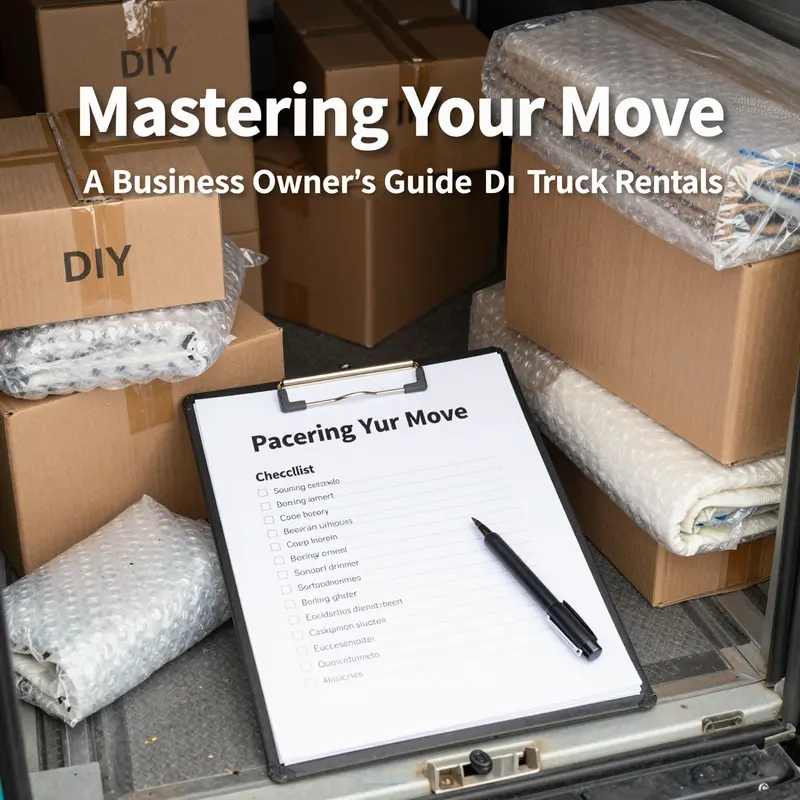
Packing for a do-it-yourself move is more than stacking boxes and hoping for the best. It is a careful blend of strategy and care, a choreography of space, weight, and protection that sets the tone for the entire relocation. The goal is not just to fill a truck; it is to create a moving system that preserves your belongings, speeds up the unloading process, and keeps everyone safe on the road. When you approach packing with a plan, you gain confidence, you reduce the chance of damage, and you unlock a smoother, more predictable move. The process begins long before you lift the first box and continues through the last item set in place at your new doorstep. The more deliberate you are about what to pack, how to wrap it, and where to place it inside the truck, the more your DIY move will feel like a well-executed, efficient operation rather than a chaotic sprint to the finish line.
A central, practical truth about packing for a moving truck is that every item has a home and every home has a better and a worse place to rest in transit. To turn that truth into habit, begin with the supplies. High-quality boxes of varied sizes form the backbone of any successful packing plan. Small boxes are your friends for heavy items like books and canned goods; large boxes carry blankets, pillows, and bulky but lighter items. The mix of sizes matters because boxes that are too large for their contents invite awkward lifting and fragile items that shift under way. In addition to boxes, you’ll need wrap for protection and tape that can withstand the twists and turns of a road trip. Bubble wrap is indispensable for truly fragile items, while packing paper cushions without adding unnecessary bulk and weight. A supply of moving blankets protects furniture and appliances from scratches and dents. Strong, reliable tape keeps everything secure, and some reinforcements—straps or rope—help anchor the heaviest loads once they are stacked.
With the materials laid out, the next layer of planning is labeling. Clear, readable labels save untold minutes during unpacking and prevent you from tearing through boxes in search of a single item. A simple system works well: label each box with the room it belongs to and a general contents note. For example, “Kitchen – glasses.” If you want to elevate efficiency further, color coding by room adds another quick visual cue. It’s not essential to label every plate separately, but it is worth distinguishing fragile items and items that require hand-carry versus those that can ride in the back of the truck. You can also mark boxes that contain items you’ll need first upon arrival, such as basic kitchenware, a change of clothes, or medical supplies. The aim is to minimize guesswork when you lift the first box at the destination and to reduce the risk of misplacing something essential.
Packing techniques themselves deserve attention because they govern how well the truck remains balanced during transit and how gently your possessions travel through the miles. A widely adopted principle is to fill empty spaces inside boxes with soft items. Clothes, towels, or bubble wrap used as filler not only stabilize contents but also absorb shocks that can bruise delicate objects. For fragile items, the rule is clear: smaller, well-balanced boxes outperform larger ones. A heavy, fragile item in a big box invites tipping and crushing under the weight of surrounding boxes. Instead, wrap fragile pieces individually in bubble wrap or packing paper, and place them into snug, medium-weight boxes that don’t overstrain the hand truck or the back when lifting. Layering matters. When you close a box, press down firmly to remove air pockets and create a compact, sturdy package that won’t collapse under shifting loads. Tape the box shut with several long strips, not just one, to prevent the flaps from peeling during the move.
Disassembly is another critical step. Large furniture that can be taken apart should be broken down as much as reasonably possible. Drawer rails, bed frames, and table legs are easy targets for disassembly that yield spare inches in the truck and reduce the risk of damage to both the furniture and other items. Keep the small hardware in labeled bags or a dedicated container so you don’t lose screws or brackets during transit. Mattresses deserve special protection; encasing them in mattress bags or covers helps shield them from dirt and moisture. Elevation matters in the truck too. Heavier items belong lower and closer to the vehicle’s center of gravity, while lighter, bulky items can occupy upper layers or narrower sections along the sides of the cargo area. If you’re packing a large sofa or a delicate armoire, laying moving blankets at the bottom and on top creates a soft buffer that reduces scuffs and dents when boxes settle or shift during braking or acceleration.
The rhythm of loading is as important as the packing itself. A well-balanced load reduces the risk of tipping and makes the driving experience safer and more controlled. Start with the heaviest boxes first, placing them on the floor along the sides closest to the driver and the truck’s center. Nestle medium-weight items against these, followed by lighter items. Fill any gaps with soft, cushiony pieces, such as clothing or bedding. Think of the truck as a compact inventory of your household: you want it to feel sturdy, not top-heavy or unstable. When you fill a row, step back and gauge how the stack behaves; if a box wobbles or the stack looks top-heavy, adjust by shifting weight downward or rearranging the arrangement. Straps and ratchets are your friends here. Once you have a stable pile, secure it with straps anchored to solid points in the cargo area. The goal is to prevent shifting, which can cause damage to items and create dangerous movement when the truck brakes or turns.
Your packing plan should also acknowledge the realities of time and logistics. You may be juggling work, a moving date, and a handful of helpers. In that context, a clean, efficient packing workflow reduces stress and frees energy for the actual drive. A practical approach is to set a loose schedule where you label rooms one by one, gather all items from a space, and then move through the sequence with a measured pace. This reduces the tendency to overfill a single box or to unpack the basement and scramble for a missing lamp while already on a deadline. The process becomes a sequence of small, manageable wins rather than a single overwhelming feat. The result is a quiet confidence as the truck fills, rather than a scramble that leaves you second-guessing your choices at sunset on the day of departure.
If you need a concrete reference point for truck dimensions and how they influence packing decisions, consider exploring a detailed guide for a typical mid-size moving truck. A focused resource like a dedicated guide can illuminate how the dimensions of a 16-foot truck affect stacking height, doorway clearance, and the shape of the cargo area. While the guide you follow may vary by rental company, the underlying geometry remains similar: you want a boxy, rectangular space to maximize usable volume, with easy ingress and egress for loading and unloading. For readers who want to connect the packing logic to a specific vehicle profile without becoming overwhelmed, a compact, well-illustrated guide can be a real confidence booster. You can find a practical, field-tested overview in a resource dedicated to the 16-foot box truck profile, which helps you map your items to the space you’ll actually use. This reference is especially useful when you’re planning to do a local move or a shorter cross-town relocation, where every inch counts and every minute matters. 16-foot box truck guide provides a concise look at how items fit into a compact cargo area and what packing strategies align with that form factor.
Even with a detailed packing plan, you should keep a few fundamental habits in mind. The first is to maintain a single, clean identity for your essentials. Pack an Essentials Box with items you’ll need immediately upon arrival—soap, towels, a change of clothes, a few kitchen basics, a first-aid kit, and any important documents. This box stays with you, either in the front passenger seat or in a separate carry-on bag, so you’re not rifling through boxes on arrival day. The second habit is to protect your most valuable or irreplaceable items with a combination of protective padding and secure, dedicated space. Electronics, heirlooms, and delicate works of art deserve extra attention: wrap each piece individually, cushion it with padding, and place it in a smaller, tightly packed box to avoid shifting within a larger container. The third habit is to leave the truck smoother and tidier than you found it. As you pack, rehearse a brief checklist in your mind: have I disassembled the largest items? Are the fragile items adequately protected? Is there a clear path from the doorway to the truck to minimize trips and tripping hazards? Small rituals like these keep the process orderly and reduce the mental load you carry on moving day.
There is also a social dimension to packing that deserves mention. Moving is a team effort, and even the most prepared mover benefits from clear communication with helpers. If you have family members or friends assisting you, assign simple roles—one person handles boxes by room, another controls the placement of heavier items, and a third keeps an eye on the packing tape and padding stock. Short, precise instructions prevent miscommunication and mistakes, but they should be kept light and flexible. A calm, encouraging tone goes a long way toward maintaining momentum and keeping morale high as the hours pass. The sense of control you cultivate through careful labeling, protective wrapping, and thoughtful stacking translates into a more predictable loading experience and a better end result at the new home: the chance to start unpacking with a clear plan rather than discovering a maze of boxes in the living room.
In the broader arc of the move, you’ll also want to maintain awareness of the rental agreement’s specifics. Even within a DIY framework, rental terms govern the fuel policy, mileage allowances, and return conditions. Staying aligned with these rules prevents surprises when you finally return the truck and settle the bill. A disciplined approach to packing and loading—grounded in the practical tips described here—helps you ride the wave of the relocation with less friction and more confidence. It keeps you aligned with the original objective: moving your belongings on your terms, in your time, and with a clear sense of what comes next when you reach the destination.
For readers who want additional guidance on packing strategies and moving supplies, a trusted external resource offers more structured tips and checklists that can complement your plan. You’ll find practical, field-tested advice that emphasizes space optimization, secure loading, and efficient unpacking. External resource: https://www.uhaul.com/moving-tips/packing-tips-for-your-diy-moving-truck-rental/
Riding the Road with Purpose: DIY Moving Truck Rentals for Military Families and Students
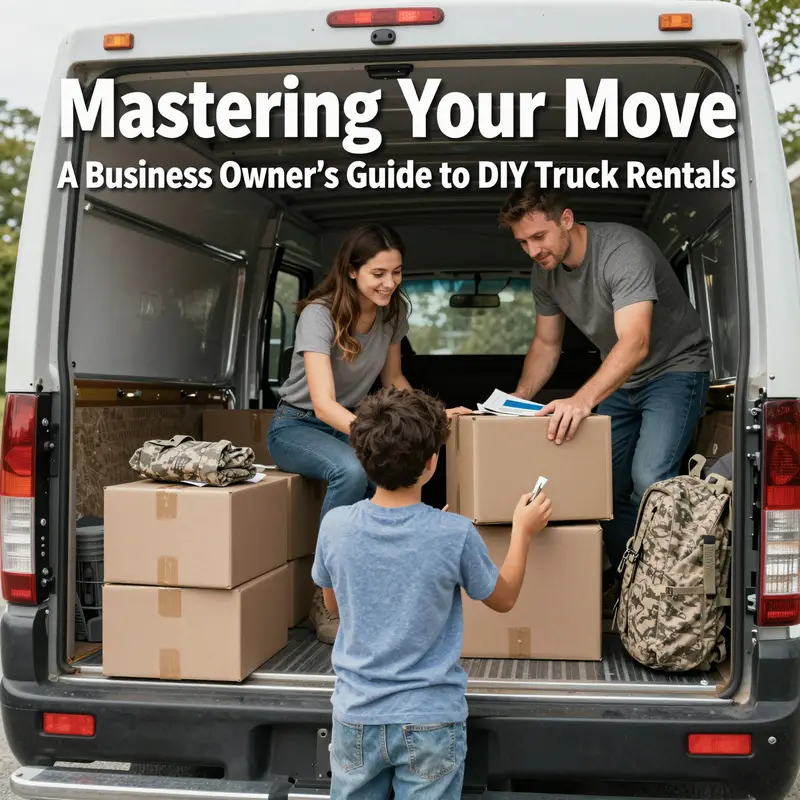
Moving is rarely just about moving boxes; it’s a mission with constraints, rituals, and small decisions that compound into a successful relocation. A DIY moving truck rental offers the control and predictability that military families preparing for a PCS and students transitioning to a new campus need—provided you treat it as a deliberate process rather than a last-minute scramble.
For military families, a PCS often comes with command deadlines, housing availability, school calendars, and the need to secure temporary lodging. A DIY truck becomes a disciplined tool that can compress or expand time in your favor, letting you reserve a truck on your schedule, load it, and drive it toward your destination with a clear plan and a clear finish.
Weight management is central: you may need to certify empty weight and loaded weight, and you must plan to distribute weight low and toward the cab, secure items with tie-downs, and use blankets to minimize shifting. An accurate loading plan reduces surprises at checkpoints and keeps you below regulatory limits.
Start with a precise inventory and think in layers. Place heavy items low and near the cab to keep the center of gravity stable; lighter items go toward the back. Use proper straps, moving blankets, and corner protectors. Make items accessible on arrival: a box with tools, a change of clothes, and essential documents should be reachable without unloading the whole truck.
Schedule matters too. Rental terms vary—how many days you can keep the truck, fees for extra days, and whether you’re choosing one-way or round-trip. For a PCS, one-way routes often reduce backtracking; for a campus move, consider your next term and potential return trips. Always verify fuel policies, mileage allowances, and penalties for early or late return before signing.
Safety runs through every decision. Check tires and brakes, ensure mirrors are set, plan routes with safe driving in mind, and build in time for weather, rest stops, and meals. A slower, deliberate pace reduces stress and protects your family and belongings.
Packing materials deserve their own attention: label boxes by room and content, use moving blankets for bulky furniture, and choose sturdy boxes for heavy loads like books. Organized packing saves time at unload and helps avoid misplacing items during storage or donation.
Insurance and protection are risk-management tools. Basic coverage is common, with options to increase protection for valuable items. For items with sentimental value, consider the cost of additional protection against loss or damage, balanced against the rental price. Also budget for fuel, mileage, and return procedures to avoid surprises.
Cost-saving strategies matter for both military families and students on tight budgets. Military relocations come with programs and discounts that ease the cost of moving and storage. Students may rely on flexible rates, student-friendly terms, and careful vehicle sizing to minimize wasted space. The principle is to plan ahead, compare terms, and adjust as needed if a window shifts.
An essential decision is one-way versus round-trip. One-way rentals align with a forward-moving relocation, while round-trips can bundle services when returning or moving between nearby locations. Confirm all terms and fees before you commit, including fuel, mileage, and any penalties for early return or late return.
Ultimately, the guiding maxim is simple: preparation reduces risk and preserves energy for what matters most—settling into your new environment. The detailed steps—inventory, weight planning, loading order, rental terms, and safety—transform a potentially stressful day into a smooth transition. Your truck becomes a partner in the journey, carrying the moments that matter from one place to the next.
For further guidance on discounts and programs, seek official resources that summarize eligibility and how to apply. The key is to approach relocation as a coordinated operation and use the DIY truck rental toolkit to maintain control while staying safe and within budget.
Final thoughts
Successfully navigating a do-it-yourself moving truck rental as a business owner involves careful planning in each phase of the move. By understanding how to choose the right truck size, prioritizing safety, employing effective packing techniques, and considering unique circumstances, you can ensure a smooth transition. Whether you are relocating your entire operation or just shifting office spaces, empowering yourself with knowledge leads to a seamless moving process that supports your business’s growth.