

Moving truck rentals play a critical role for business owners, particularly in the food industry, where the timely transportation of goods and equipment can make or break a day’s service. Whether you’re a caterer transporting delicate dishes, a restaurant owner shifting equipment due to renovations, or a food vendor on the go, understanding auto insurance coverage for moving truck rentals is essential for safeguarding your assets. Many business owners are unaware that their standard auto insurance policies may not extend to rental vehicles, potentially leaving them vulnerable to financial loss in case of accidents or damages. Thus, securing appropriate coverage is not just a smart decision but a necessity for protecting your business investments.
In this article, we will delve into the specifics of auto insurance for moving truck rentals, examining the types of coverage available, what is typically included, and what business owners in the food industry should consider before renting. We’ll also explore options for purchasing additional insurance coverage through rental companies and the potential benefits of opting for such solutions. Understanding these elements will not only help ensure that your business remains operational through any unforeseen incidents but will also provide peace of mind knowing that your investments are shielded. Learn more about essential trucking coverage and discover rental options that suit your business needs.
When renting moving trucks, especially for businesses, understanding the types of auto insurance coverage you may need is crucial. Here’s a breakdown of common auto insurance coverage types relevant to moving truck rentals and their significance for business owners:
-
Liability Insurance: This covers damages to other vehicles or injuries to others in the event of an accident. For business owners, liability insurance is essential to protect against expensive lawsuits and claims that could arise from accidents involving rental trucks.
-
Collision Coverage: This type of insurance helps pay for repairs to your rented truck after an accident, regardless of who was at fault. For businesses relying on moving trucks, this coverage is vital to minimize financial losses from unexpected damages.
-
Comprehensive Coverage: This protects against theft and non-collision-related damages (like vandalism or natural disasters). For business owners, comprehensive coverage ensures that your investment in rental trucks is safeguarded against a variety of risks.
-
Personal Injury Protection (PIP): This covers medical expenses for you and your passengers, regardless of fault. For businesses, protecting employees on the move ensures worker safety and mitigates potential liability.
-
Cargo Insurance: Covers the goods being transported. This type of coverage is crucial for businesses that transport valuable products or inventory.
By understanding these coverage types, business owners can make informed decisions while renting moving trucks. For more insights, you can learn more about truck rental insurance.
The Importance of Insurance for Business Moving
Moving a business can be a complex and risky endeavor. Every step, from packing and transportation to the unpacking process, carries potential hazards that could lead to significant financial losses. Here’s why having appropriate insurance coverage is essential for business owners during a move:
Mitigating Financial Risks
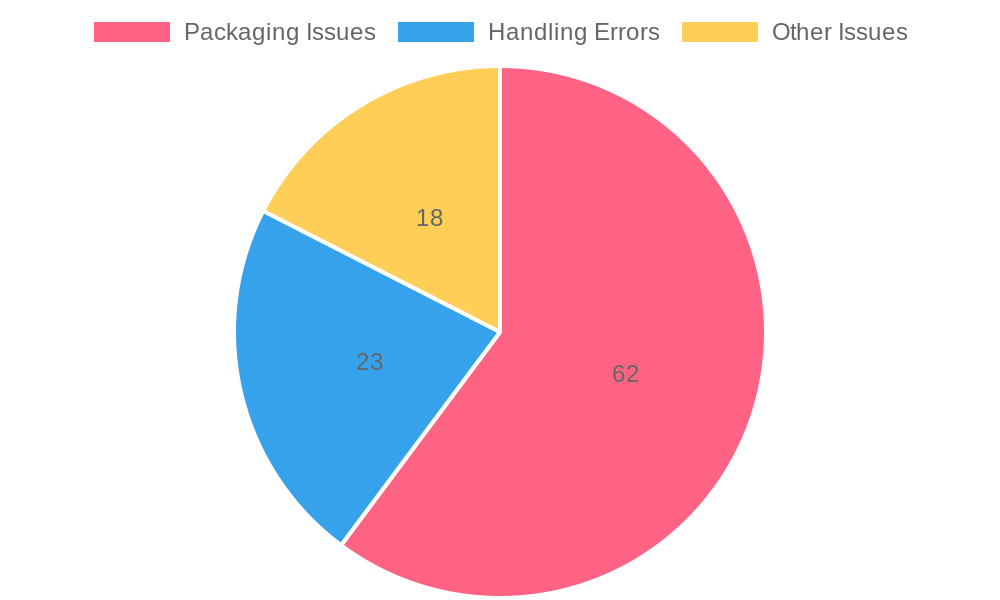
In 2025, it was reported that approximately 18% of commercial relocations experienced damage to equipment or inventory during transit. The most common causes of this damage were attributed to improper packaging (62%) and handling errors (23%). The average cost of damages per incident was impressive, coming in at about $4,700. In contrast, businesses that utilized insured professional movers reported a 41% lower incidence of damage compared to those relying on internal logistics.
Importance of Various Insurances
Having the right insurance essentially covers different scenarios:
- Commercial Property Insurance protects against losses or damages to physical assets during the move.
- General Liability Insurance shields businesses from claims arising from accidents that may occur during the moving process, such as injuries to third parties.
- Workers’ Compensation Insurance is critical when employees are involved, covering medical costs associated with worker injuries sustained during the move.
Moreover, depending on the specifics of the move and the assets involved, specialized moving insurance may be necessary to cover unique risks.
Business Continuity Considerations
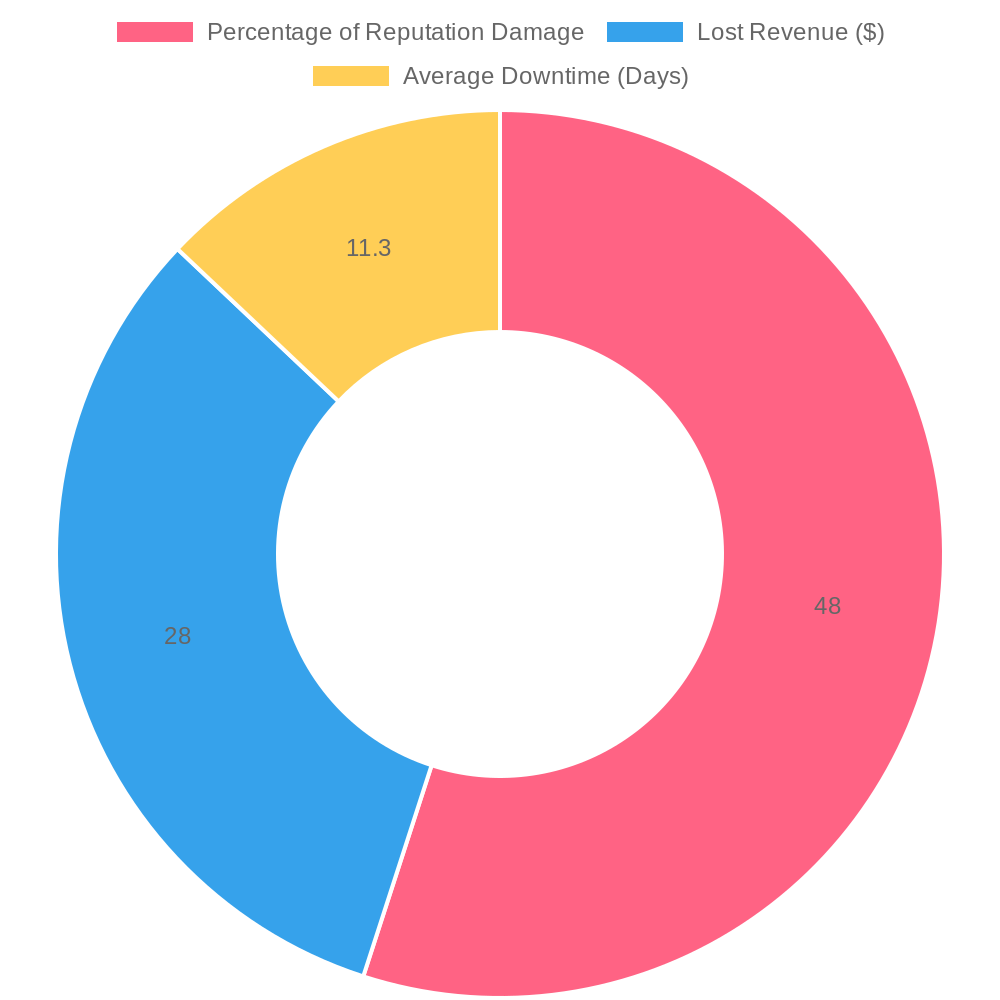
Beyond the immediate financial implications, moving damages can disrupt operations significantly. Studies have shown that businesses facing damage during a relocation encounter an average downtime of 11.3 days, costing around $28,000 in lost revenue. Further, nearly 48% of such businesses reported long-term reputational harm due to service interruptions. Thus, proactive risk management strategies-such as ensuring coverage with certified movers and having detailed inventory documentation-can reduce damage likelihood by up to 65%.
For business owners, these statistics underscore the necessity of having robust insurance coverage to manage the risks associated with a move. Understanding the potential financial repercussions, along with the type of insurance required, is vital to maintaining continuity and safeguarding assets. This not only protects the bottom line but also ensures that your business can continue to run smoothly during transitions.
For more information on various moving options and assistance, learn more about our services.
Summary Statistics of Business Impact
| Indicator | Data |
|---|---|
| Average Downtime | 11.3 days |
| Lost Revenue | $28,000 |
| Percentage Reporting Reputation Damage | 48% |
User Experiences with Moving Truck Insurance
When it comes to renting a moving truck, understanding insurance options can be a complex and critical part. User experiences reveal both the benefits and pitfalls that can affect business owners who frequently rent moving trucks or assist clients in doing so. Here’s a look at three sets of experiences that highlight important aspects of moving truck insurance.
1. Lack of Coverage Awareness
Many renters are initially unaware of the limitations of their personal auto insurance when it comes to moving truck rentals. According to a U-Haul report, customers who skipped insurance often faced substantial out-of-pocket costs after accidents. For instance, one user recounted saving $20 by waiving insurance, only to incur $3,500 in repairs from a minor accident. This highlights a vital lesson for business owners: always verify coverage options prior to selecting insurance plans.
2. The Importance of Rental Insurance
Consumer Reports detailed that nearly 60% of renters faced financial loss after declining insurance from the rental company. One case involved a renter who accidentally damaged a neighbor’s property; despite having personal auto coverage, the claim was denied because the rental was for business purposes. The report urged customers to purchase rental insurance to avoid overwhelming costs and potential disputes. This serves as a critical reminder that standard personal insurance policies typically do not cover moving-related incidents.
3. Credit Card Coverage Exclusions
Many customers mistakenly believe their credit card’s benefits provide the necessary coverage when renting moving trucks. A Trustpilot review echoed a common sentiment-consumers didn’t realize that exclusions existed in their credit will not cover vehicles leased for moving goods. A user shared, “I thought my Amex travel insurance covered me, but it didn’t apply as the rental was for moving, not leisure.” This points to the necessity for consumers and business owners to thoroughly check their card’s insurance transactions.
Conclusion
The findings from user testimonials about moving truck insurance underscore the critical need for awareness and due diligence when it comes to coverage. Business owners managing rentals should inform clients about the risks of declining rental insurance, as well as the limitations of personal auto and credit card insurance.
This proactive approach not only helps mitigate potential financial losses but fosters trust between businesses and their clients. For a deeper understanding of your options, consider reading about Penske one-way moving truck rental.
Comparison of Insurance Coverage for Moving Truck Rentals
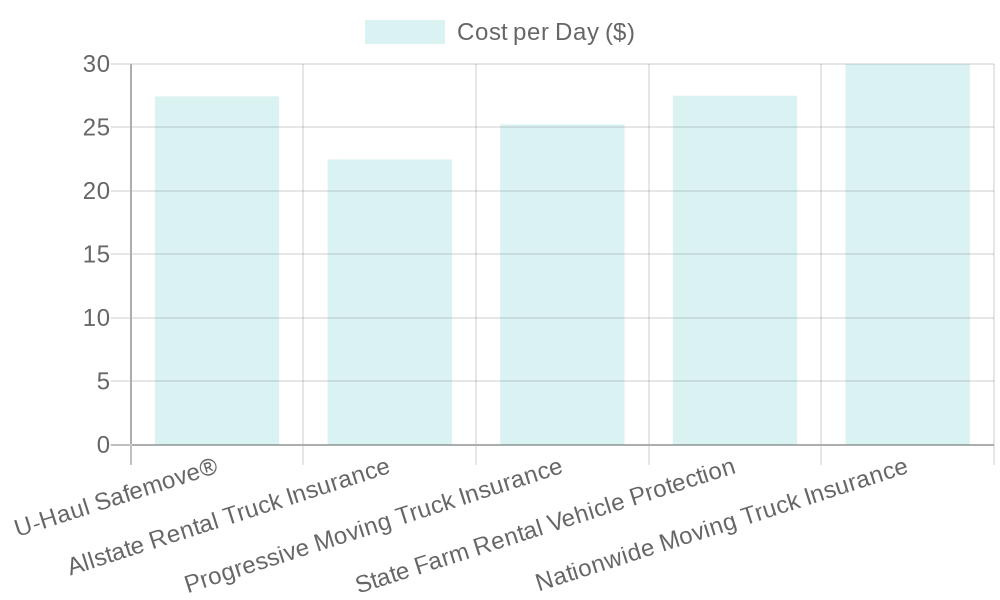
For business owners renting moving trucks, understanding the insurance coverage options available is essential for protecting assets during transportation. Below is a comparison table that highlights various insurance providers, their coverage options, costs, and customer ratings.
| Provider Name | Coverage Options | Cost (per day) | Coverage Limits | Customer Ratings (out of 5) |
|---|---|---|---|---|
| U-Haul Safemove® | Collision Damage Waiver (CDW), Theft Protection, Personal Accident Insurance, Cargo Protection | $19.95 – $34.95 | Up to $25,000 for cargo; $50,000 for personal injury | 4.3 |
| Allstate Rental Truck Insurance | Collision Damage Waiver, Supplemental Liability, Personal Accident & Cargo Insurance | $15.95 – $30.00 | Up to $100,000 liability; $50,000 cargo coverage | 4.6 |
| Progressive Moving Truck Insurance | Basic CDW, Enhanced Liability, Personal Injury & Cargo Protection | $18.50 – $32.00 | $100,000 liability; $50,000 cargo; $5,000 personal injury | 4.4 |
| State Farm Rental Vehicle Protection | Collision Damage Waiver, Liability Extension, Personal Accident & Cargo Coverage | $20.00 – $35.00 | $100,000 liability; $25,000 cargo; $5,000 personal injury | 4.5 |
| Nationwide Moving Truck Insurance | Comprehensive CDW, High-Liability Option, Cargo & Personal Injury Protection | $22.00 – $38.00 | $150,000 liability; $75,000 cargo; $10,000 personal injury | 4.7 |
For more details, you can check the individual provider’s coverage options:
How to Choose an Insurance Provider for Moving Truck Rentals
Choosing the right insurance provider for moving truck rentals is crucial for business owners. The right coverage can protect your assets and ensure smooth operations. Here are some guidelines to help you make an informed decision:
1. Assess Coverage Options
Before finalizing a provider, understand what coverage is available. Basic rental truck insurance often includes minimal liability and limited damage coverage. Inquire about additional coverage options such as:
- Liability Protection: Covers damages to other people or property.
- Physical Damage Insurance: Protects against damage to the rental truck itself.
- Medical Payments: Covers medical expenses for injuries sustained during an accident. Businesses should also check whether their existing commercial auto policy extends coverage to rental vehicles. Learn more about rental truck insurance options.
2. Compare Prices
Insurance costs can vary significantly. Ensure that you gather quotes from multiple providers to find competitive pricing. Average insurance costs for moving trucks in 2026 are estimated to range from:
| Type of Coverage | Estimated Cost |
|---|---|
| Basic Personal Truck Insurance | $950 – $1100 |
| Commercial Insurance | $2000 – $6000 |
| Medical Payments Coverage | $30 – $80 |
| Total Average Estimated Insurance Range | $3000 – $8000 |
3. Evaluate Customer Service
Good customer service can make a significant difference when dealing with claims. Research reviews and ratings of potential providers. Look for:
- Responsiveness: Are they available 24/7?
- Claims Process: Is it simple and straightforward? Providers such as Progressive and The Hartford emphasize the importance of tailored solutions and reliability. Check more information on rental truck insurance.
4. Check Special Features and Endorsements
Some providers offer specialized endorsements such as coverage for non-owned vehicles or roadside assistance. These additional features may provide extra value, especially if your business involves transporting goods regularly.
By considering these factors-coverage options, pricing, customer service, and additional features-you can select the best insurance provider that meets your business needs for moving truck rentals. Making an informed choice ensures you are protected and helps maintain your daily operations efficiently.
In the context of moving businesses, it’s essential to recognize the value of proper insurance coverage. As Sarah Chen, a certified business insurance specialist at National Risk Solutions, stated:
“A commercial move is one of the most vulnerable periods for a company’s assets. Even with careful planning, accidents like equipment damage, data loss, or delays can occur. Without proper coverage, businesses risk facing out-of-pocket costs that could jeopardize operations. A tailored moving policy isn’t just about protecting physical items-it also covers liability, temporary relocation expenses, and business interruption losses.”
This highlights how critical it is for business owners to secure comprehensive insurance during transitional periods. To learn more about car rental options for your move, check out our guide on Penske one-way moving truck rentals.
Cost Variations of Insurance Coverage for Moving Truck Rentals
Understanding the costs associated with insurance coverage for moving truck rentals is crucial for business owners. Below is a breakdown of the average daily costs and coverage options available:
| Insurance Type | Daily Cost Range | Coverage Details |
|---|---|---|
| Basic Coverage | $15 per day | Included in Safemove and Safemove Plus plans |
| Supplemental Liability Insurance | $15 per day | $1,000,000 in liability coverage |
| Collision Damage Waiver (CDW) | $20 – $30 per day | Covers damage to the rental truck |
| Full Coverage | $25 – $35 per day | Comprehensive protection including CDW and liability |
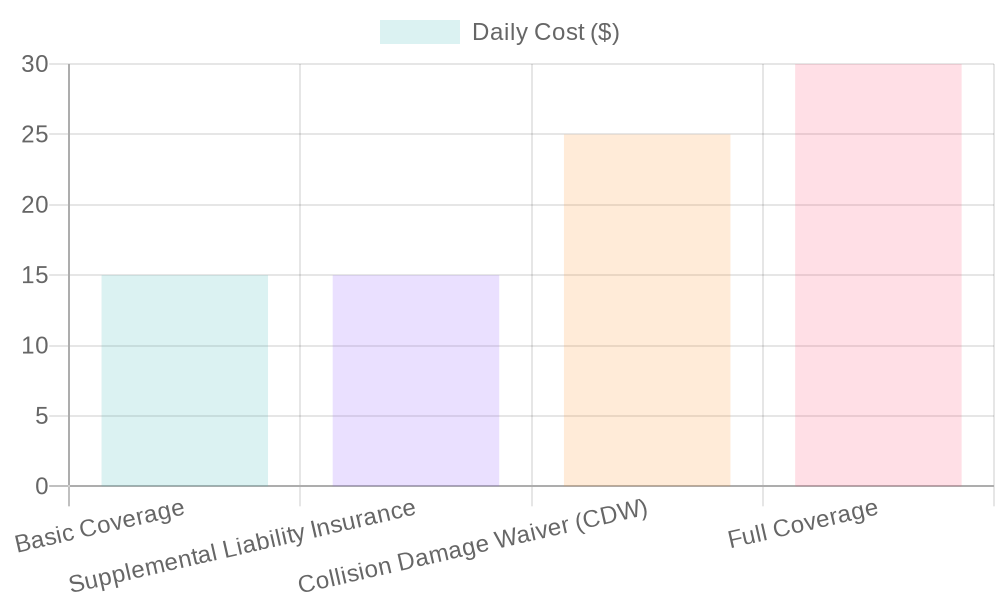
These options offer varying levels of protection depending on your specific needs. For more information about moving truck insurance, check this guide on moving truck insurance options.
In addition, if you’re considering renting a truck, you might be interested in reading about Penske truck rental options.
In conclusion, understanding the importance of proper insurance coverage for moving truck rentals cannot be overstated, especially for business owners who rely on these vehicles for transporting goods. As we’ve discussed, many personal auto insurance policies do not extend coverage to rental trucks, and relying solely on such policies can lead to significant financial risks if accidents or damages occur during your move.
Moving truck insurance provides essential protection for a variety of incidents, including theft, damage to your cargo, or damage caused to the rental vehicle itself. Each of these risks can have substantial financial implications, potentially putting your business’s bottom line at risk. Many truck rental companies offer insurance options that can help alleviate these concerns, allowing you to focus on your move without unnecessary stress.
It’s also worth noting that choosing to rent a truck that includes insurance will offer more comprehensive coverage than standard auto insurance might provide. For business owners, investing in appropriate insurance for moving trucks is not just an option; it is a necessity that safeguards against unforeseen events and enhances operational reliability.
As you weigh your moving truck options, consider looking into specialized models such as pizza trucks which can cater to unique business needs. Explore pizza truck options at truckpizza.net and ensure you are covered for a smooth transition.