
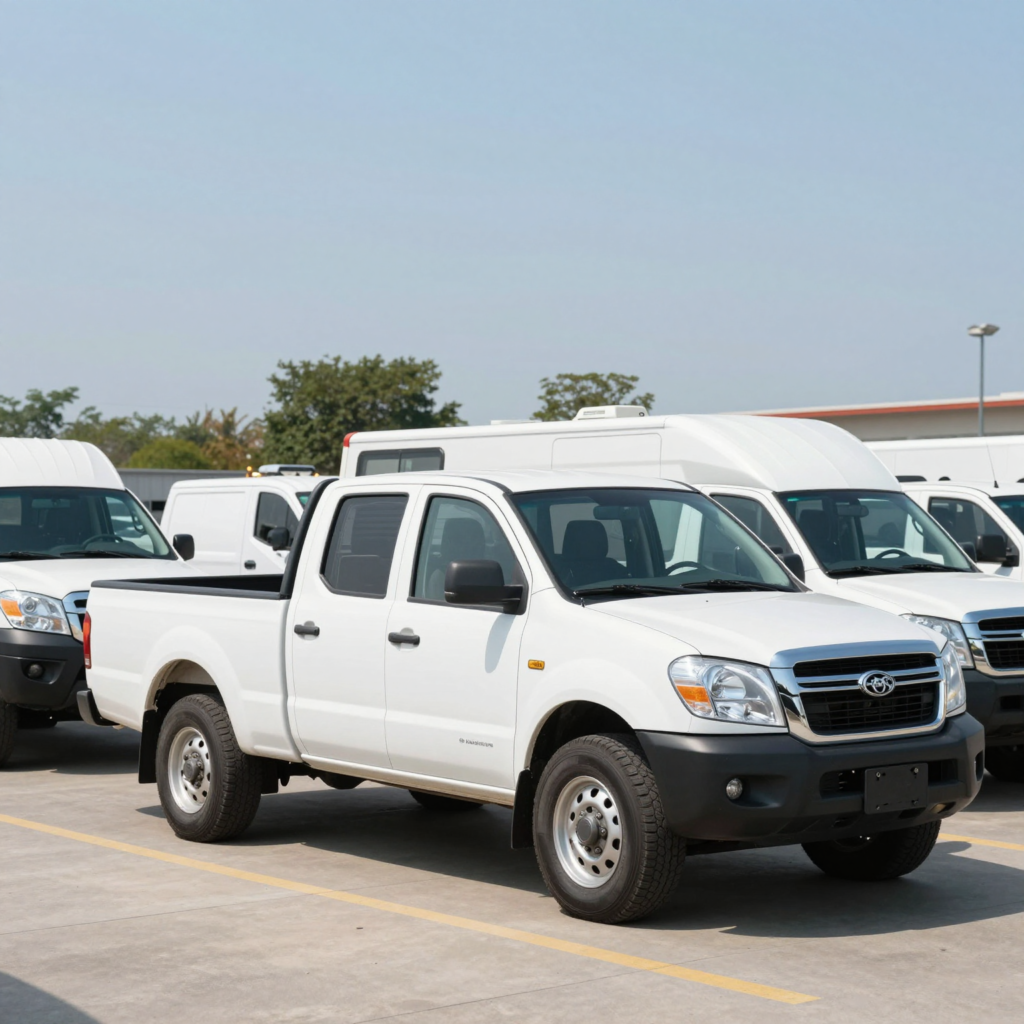
Introduction to Budget Rental Pickup Trucks
In today’s dynamic business environment, flexibility and cost-effectiveness are paramount, especially when it comes to transportation needs. Many business owners are discovering the significant advantages of opting for budget rental pickup trucks. These versatile vehicles not only provide ample space for transporting goods but also come equipped with powerful engines that can handle heavy loads efficiently. Whether you’re moving equipment, transporting inventory, or taking on a new project, budget rental pickup trucks offer a reliable and economical solution tailored to your business requirements.
Moreover, renting a pickup truck can save you from the high costs associated with truck ownership, such as maintenance and insurance. With the right rental plan, you can access a fleet that meets your fluctuating demands without the long-term commitment. For more insights into how these trucks can aid your business operations, check out our detailed guide on moving truck rentals.
Benefits of Budget Rental Pickup Trucks for Business Owners
Using budget rental pickup trucks can be a game changer for business owners. These vehicles offer a variety of advantages that can streamline operations, cut costs, and enhance flexibility in day-to-day activities. Here’s a closer look at some of the key benefits:
Cost Efficiency
- No Upfront Costs: Renting eliminates the need for significant upfront investment in purchasing a vehicle. This is particularly beneficial for small businesses that may face tight cash flows.
- Included Maintenance and Insurance: Many rental agreements cover maintenance and insurance, which reduces financial risk and administrative tasks for business owners. According to a study by the Harvard Business Review, using budget rental pickup trucks can reduce vehicle-related overhead costs by up to 30% compared to ownership.
Flexibility
- Scalable Operations: Budget rental trucks allow businesses to scale their fleet up or down based on demand. Whether it’s during a peak season or a special project, having access to rental trucks ensures you are prepared without long-term commitments. Often, rental providers have a variety of truck sizes and models available on short notice, making it easy to adjust as needed.
Ease of Use
- Simplified Logistics: Renting a pickup truck simplifies the logistics of transportation. Business owners can quickly arrange for a truck when they need it without worrying about long-term leases or paperwork.
- Access to Reliable Vehicles: Rental companies provide well-maintained vehicles, boosting reliability and performance. This means less time spent on repairs and a greater focus on business operations.
In summary, budget rental pickup trucks can significantly empower business owners by providing a cost-effective, flexible, and easy-to-manage transportation solution. For further insights on specific rental options, check out our blog on moving truck rental.
Popular Business Use Cases for Budget Rental Pickup Trucks
Pickup trucks are versatile vehicles that can serve a variety of business needs. Here are some of the most popular use cases for budget rental pickup trucks:
- Moving Equipment: Ideal for transporting tools, machinery, and other equipment for contractors and tradesmen.
- Transporting Goods: Perfect for small businesses needing to deliver products to clients or transport materials between locations.
- Mobile Advertising Tools: Pickup trucks can be wrapped in branding materials, turning them into effective mobile billboards for local businesses.
- Event Setup and Breakdown: Great for event planners who need to move event furniture, equipment, and decorations from one site to another.
- Landscaping Services: Used to haul plants, soil, and landscaping tools to and from job sites, aiding in the efficient completion of landscaping projects.
For more insights on truck rentals, you might want to learn more about our moving trucks or explore options with Penske truck rentals.
Satisfied Customer Testimonial
“Using Budget rental pickup trucks has significantly enhanced our delivery efficiency. The ease of booking and the quality of the vehicles we received allowed us to meet tight deadlines without compromising service quality. We easily transported large materials, and the savings on rental costs meant we could allocate those funds to other critical areas of our business operations!”
- John D., Owner of a Construction Business
For effective business solutions, consider this detailed overview of Budget truck rentals, focusing on benefits for business owners.
Cost Comparison: Renting vs Purchasing Budget Pickup Trucks
When deciding between renting and purchasing a budget pickup truck, one of the primary considerations for business owners is cost. Each option has its advantages and drawbacks, depending largely on the specific needs of the business and its budget.
Renting Costs
Renting a pickup truck can be significantly less expensive in the short term. The average rental cost for a budget pickup truck is approximately $100 per month. Over a five-year period, this translates to a total rental cost of $6,000.
Purchasing Costs
In contrast, purchasing a budget pickup truck generally requires a considerable upfront investment. The average purchase price for a budget pickup truck is around $30,000. Additionally, businesses must account for annual maintenance costs, which average about $1,000 per year. Over five years, this results in a total maintenance cost of $5,000. Thus, the total cost of purchasing a truck over five years can reach approximately $35,000.
Comparison Summary
The numbers below summarize the cost differences clearly:
| Category | Renting (5-Year Period) | Purchasing (5-Year Period) |
|---|---|---|
| Average Monthly Rental Cost | $100 | – |
| Total Rental Cost (5 Years) | $6,000 | – |
| Upfront Purchase Price | – | $30,000 |
| Estimated Annual Maintenance Cost | – | $1,000 |
| Total Maintenance Cost (5 Years) | – | $5,000 |
| Total 5-Year Cost | $6,000 | $35,000 |
The total cost of renting ($6,000) is significantly lower than the total cost of purchasing ($35,000) over a five-year period. This encourages businesses to carefully consider their long-term needs before making a decision. For a more in-depth view, you can learn more about truck rentals and the implications of each option.
Comparison of Budget Rental Pickup Trucks
When it comes to renting pickup trucks, it’s important for business owners to consider not just the rental price but also the key specifications that meet their operational needs. Below is a detailed comparison table featuring some of the most popular budget rental pickup trucks available, along with their specifications.
| Model | Rental Price (EUR/day) | Payload Capacity (kg) | Fuel Efficiency (L/100 km) | Key Specifications |
|---|---|---|---|---|
| Ford Ranger 2025 (Gasoline) | €65 | 840 | 9.0 | 2.3T EcoBoost® gasoline engine (258 PS), 8-speed automatic, 4×4, 12.3″ digital cluster, 12.8″ touchscreen, 3,000 kg towing capacity. |
| Ford Ranger 2025 (Diesel) | €70 | 840 | 8.8 | 2.3T Puma® diesel engine (186 PS, 470 Nm torque), 8-speed automatic, 4×4, 3,000 kg towing, 900 mm wading depth (Sand Fox Edition). |
| Toyota Hilux 2024 (Diesel) | €60 | 1,000 | 7.2 | 2.8L turbo-diesel engine (177 PS), 6-speed manual or 6-speed auto, 4×4, 2,500 kg towing, 800 mm wading depth. |
| Isuzu D-MAX 2024 (Diesel) | €55 | 1,000 | 6.8 | 2.3L turbo-diesel (150 PS), 6-speed automatic, 4×4, 3,000 kg towing, 850 mm wading depth. |
| Mitsubishi Triton 2024 (Diesel) | €58 | 900 | 7.0 | 2.4L turbo-diesel (148 PS), 6-speed automatic, 4×4, 2,500 kg towing, 800 mm wading depth. |
Note: Rental prices are based on average daily rates for standard agreements with unlimited mileage, as of April 2026. Payload and fuel efficiency data sourced from manufacturer specifications.
For a more comprehensive understanding of rental terms and vehicle options, consider checking our guide on Penske truck rental discounts and explore Penske truck rental promotion codes.
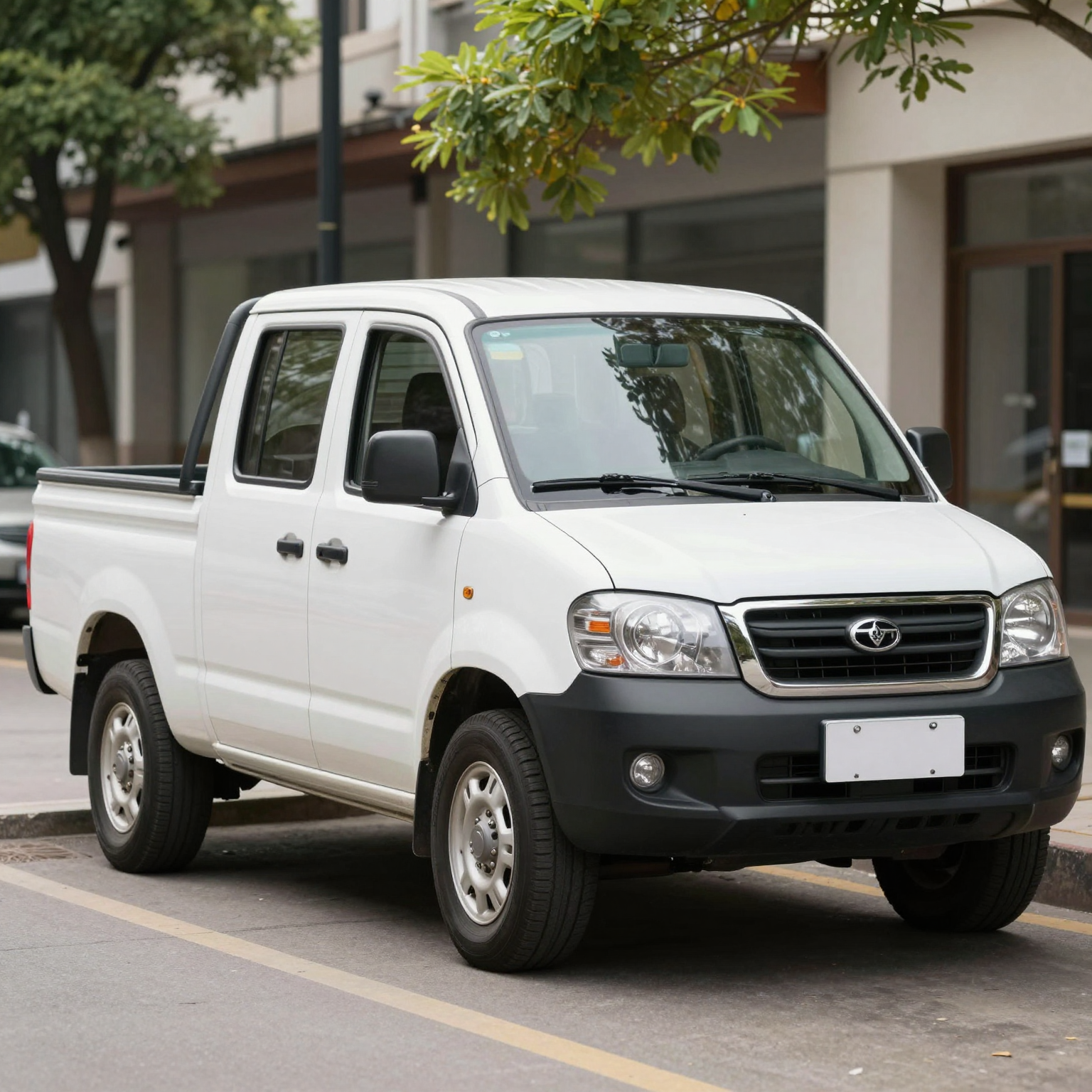
Step-by-Step Process for Renting a Pickup Truck
Renting a budget pickup truck can be straightforward if you follow a systematic approach. Here’s how you can navigate the process:
1. Determine Your Needs
- Assess the size of the truck required based on the load you plan to transport. Common options include mid-size trucks like the Ford F-150 or Toyota Tacoma.
2. Book in Advance
- For the best rates, aim to book your rental at least 6 weeks prior to your intended pickup date. This can often lead to significant savings.
3. Use Comparison Websites
- Utilize platforms such as KAYAK or Expedia to compare prices across multiple rental companies. Look for special deals or discounts that may be available.
For instance, KAYAK often highlights the best rental options based on user searches.
4. Flexibility Helps
- Be open to adjusting your pickup and drop-off locations or dates. Mid-week rentals typically offer lower rates compared to weekends.
5. Review Rental Policies
- Thoroughly read through the rental agreement and check for terms related to mileage limits, cancellation policies, and possible hidden fees. Evaluate coverage options to ensure you’re adequately protected.
6. Pickup the Truck
- On the day of your rental, arrive at the pickup location with all necessary documentation (driver’s license, credit card, etc.). Inspect the vehicle for any existing damage before signing the rental agreement.
7. Return Process
- Return the truck at the designated time and inspect for any damages that may have occurred during your rental. Ensure the vehicle is filled with gas as per the rental agreement.
Tips for Securing the Best Rates
- Avoid peak periods such as holidays.
- Consider smaller truck models if suitable; they can save up to 30% compared to full-size models.
- Use rental discount codes or loyalty memberships when booking.
For detailed comparisons on the latest rental rates, including a breakdown of average costs for popular models, check out current trends in rental prices.
In conclusion, renting budget pickup trucks presents numerous benefits for business owners, including financial flexibility, reduced upfront costs, and access to newer models without the depreciation risks associated with ownership. By utilizing rental services, businesses can allocate their resources more efficiently and adapt to changing operational needs without the burden of heavy capital investments. Furthermore, as the demand for agility in operations increases, truck rentals can provide the operational flexibility required to support growth and sustainability. For those considering this option, I encourage you to explore our offerings at truckpizza.net to find the right vehicle to meet your business needs.
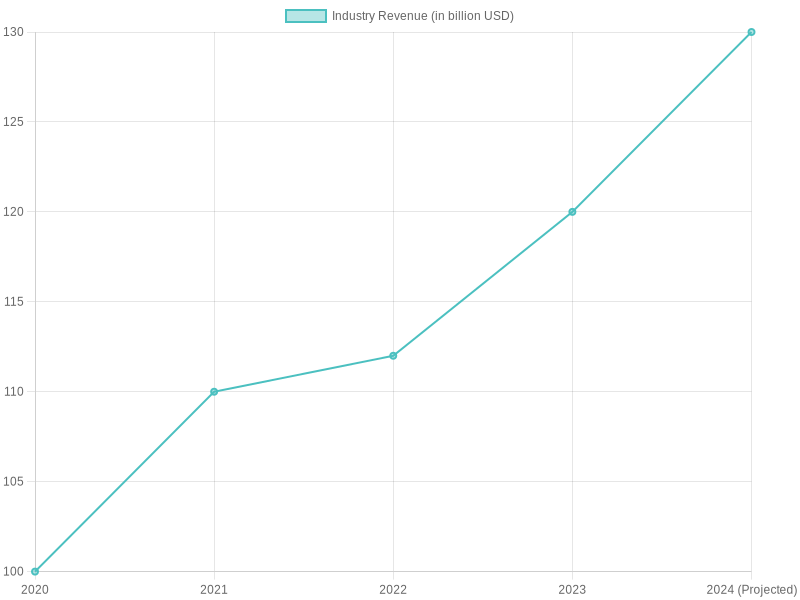
Rental Truck Usage Trends: 2020-2024
Understanding the trends in rental truck usage can help business owners make informed decisions for their logistics and transportation needs. Below is a graph that illustrates the projected industry revenue in the rental truck market from 2020 to 2024.
| Year | Industry Revenue (in billion USD) |
|---|---|
| 2020 | $100 |
| 2021 | $110 |
| 2022 | $112 |
| 2023 | $120 |
| 2024 (Projected) | $130 |
The data indicate a consistent growth in the rental truck market, reaching approximately $120 billion in revenue by 2023, with projections estimating $130 billion in 2024. This trend highlights the increasing demand for flexible logistics solutions, driven by a rise in e-commerce and the need for cost-effective fleet management.
For further insights into the rental truck industry, you might want to learn more about the market trends and explore consumer insights.