
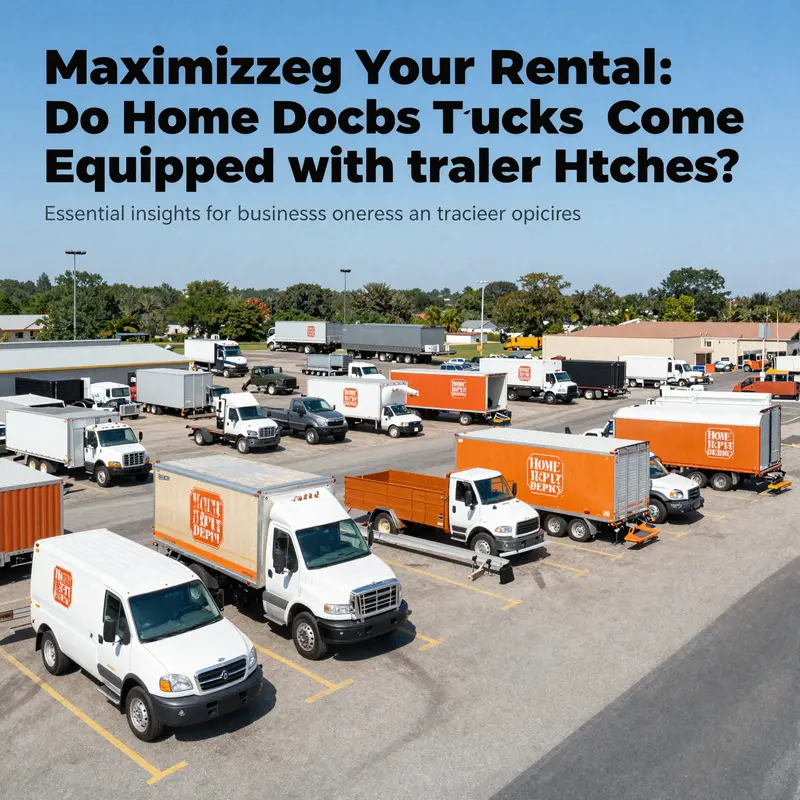
As a business owner, understanding your options when renting a truck can significantly impact your operations. Home Depot offers a variety of rental trucks that may come equipped with trailer hitches. Given the specific needs of businesses—whether for hauling equipment, transporting goods, or managing logistics—it’s crucial to be informed about what is available. This article delves into four key aspects: the availability and options of trailer hitches on Home Depot rental trucks, the types of hitches you might find, how to confirm hitch availability, and understanding the use and capacity of these hitches. Together, these insights will ensure you make informed decisions that suit your business needs.
Tow Ready: Understanding Trailer Hitches on Rental Trucks from a Major Home Improvement Retailer
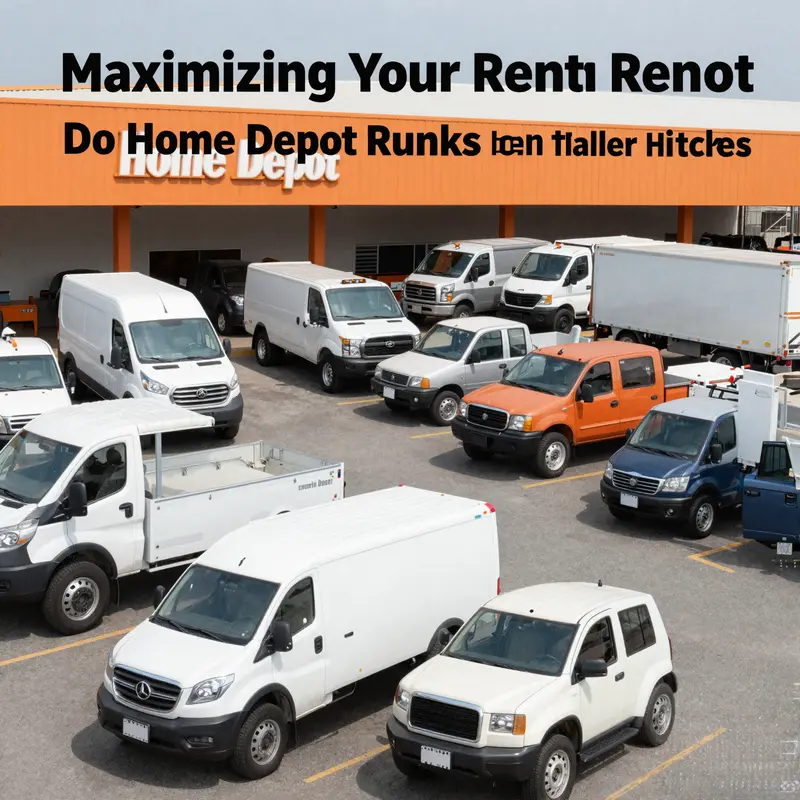
When you set out to move or haul a trailer from a large home improvement retailer, a simple question often invites a longer answer: do their rental trucks come with trailer hitches? The short version is yes, but like many practical questions in the world of vehicle rental, the full answer requires a little nuance. Availability is not a universal constant; it depends on the specific vehicle model, the particular location, and even the day of the week. What you gain from that nuance is a clearer sense of when you can rely on a hitch and when you should plan an alternative. In a practical sense, the hitch is less a single feature and more a small doorway to a broader set of considerations about capacity, compatibility, and safety that hold true whether you are towing a tiny utility trailer, a bike rack, or a more substantial load. A chapter of planning accompanies every rental decision, and the hitch question is no exception.
One way to think about the hitch is to picture the range of vehicles that retailers typically offer for rent. At the upper end, you’ll encounter larger cargo vans and box trucks, vehicles designed for moving and hauling with heavier duty options. These larger platforms often come with a receiver hitch or a hitch receiver built into the frame, a modular connection point that accepts a standard trailer ball and a range of towing accessories. In practical terms, a 2-inch receiver hitch—by far the most common size in consumer and light-commercial towing—sits behind the bumper and accepts a variety of couplers, from small utility trailers to bike racks that can transform a rental into a portable storage solution or a mobile work site.
Smaller pickups and some smaller cargo vans can also feature hitches, but the likelihood varies. A compact pickup may or may not have a hitch, depending on the trim, the market region, and the stock that the rental facility has on hand at any given time. This variability is not a flaw; it’s a reflection of how rental fleets are assembled, used, and refreshed. The fleet is built to cover a broad spectrum of customer needs, from quick, intracity deliveries to longer, multi-stop moves that require a trailer. In other words, a hitch is often present where it would be most useful and practical for towing small trailers or mounting a bike rack, while some configurations are streamlined for light urban transport where towing is not the priority.
To translate this into a simple rule of thumb: if you are renting a larger van or a box truck, you should plan for the likelihood of a hitch; if you are renting a smaller pickup, you should verify its presence before relying on it. The safest approach is to confirm hitch availability before you even select a vehicle. This can be done by checking the vehicle details during the online booking process, calling the local rental location, or reviewing the pickup form at the time you sign the rental agreement. The process is straightforward because the rental platform generally lists included accessories alongside the vehicle’s descriptive details. If a hitch is essential to your plan, confirm explicitly that the chosen vehicle includes a receiver hitch and, crucially, that it is the correct receiver size for your trailer and coupler.
A more technical layer of planning concerns hitch type and rating. The prevailing standard for light towing is the 2-inch receiver hitch, and you will commonly find Class I or Class II configurations in rental fleets. These classes describe the hitch’s mounting and preliminary load-carrying capacity. Class I and Class II receivers are designed for lighter loads, with tongue weight and gross trailer weight ratings that align with small trailers, bike racks, and similar equipment. It’s essential to match the hitch rating to the trailer’s weight and to the ball mount and safety chain setup you intend to use. A mismatch here isn’t merely inconvenient; it can compromise steering, braking, and overall vehicle control.
Another practical consideration is the question of how the hitch is factored into the rental price. In most cases, the hitch is an included feature on eligible vehicles, but there are caveats. Some rental configurations assume you will supply your own trailer, or you may need to provide a compatible hitch adapter or ball mount specific to the trailer you plan to pull. If you are borrowing a trailer from a friend or renting a separate trailer from a different company, you should confirm whether any additional equipment you need—such as a hitch ball, a 7-pin connector for lights, or a brake controller—will be part of the rental or if you must bring your own. This level of detail becomes especially important when your move involves longer distances or heavier loads, where even small oversights in hitch hardware can create delays or safety concerns on the road.
Beyond the hardware, there is a human element to the hitch equation: the staff at the location you visit. While most stores strive to maintain consistent fleets, the actual vehicle you see on the lot may differ from the one you saw online. A quick, friendly confirmation with a rental associate can save you time. If the store confirms a hitch, you can also ask about the trailer capacity and whether any special equipment for securing and braking is available at the facility. The goal is to ensure you have not just the hardware but also a clear understanding of the load limits, required safety equipment, and the procedures for hitching and towing using the specific vehicle at hand.
For customers who want a concrete reference point, there are practical resources that discuss hitch installation and compatibility in more technical terms. If you are curious about how a hitch is integrated into a truck rental context, a dedicated guide on hitch installation and towing compatibility can be a helpful companion to your planning. These resources provide accessible explanations of how adapters, towing balls, and safety chains work together with the receiver to create a towing system that is both functional and safe. To explore this topic further, you can refer to a detailed guide available at one of the retailer’s affiliated content hubs, which covers installation considerations and common compatibility questions. Penske trailer hitch installation
As you map out your towing needs, keep in mind a few practical tips that apply regardless of the exact vehicle or location. First, always confirm the hitch’s presence and capacity before you sign the rental agreement. A simple way to do this is to check the listed vehicle details online when you book and then call the store to verify in person. If you reach the store and the specific truck you want is missing a hitch, ask for an alternative vehicle that does have a hitch rather than attempting to retrofit a hitch on a non-hitch vehicle at the last minute. The goal is to avoid the mismatch between your trailer’s needs and the truck’s capabilities, which can lead to overloading the hitch, stressing the frame, or failing to meet roadway safety requirements.
Second, be mindful of the trailer’s gross vehicle weight rating (GVWR) and tongue weight. The hitch rating is not a standalone permission to tow heavy gear. You must ensure that your trailer’s weight does not exceed the hitch’s rated capacity and that the load is distributed in a way that the tongue weight remains within the hitch’s design envelope. If you are not sure, consult a weight calculator or the trailer manufacturer’s data, and bring this information to the rental location. An explicit discussion about weight capacity during the booking and pickup phases can prevent surprises on the highway and reduce the risk of mechanical failure or unsafe driving dynamics. Even when the hitch is present, the vehicle’s own engine, transmission, and braking system contribute to the overall ability to tow, so you should assess the entire towing package rather than treating the hitch as a stand-alone feature.
Third, verify the needed safety equipment and electrical connections. A 2-inch receiver hitch might be accompanied by a ball mount, a hitch pin, and safety chains. Some trailers require electrical connections for lights, which means you may need a 4-pin or 7-pin wiring harness and, in some cases, a separate brake controller. If you plan to tow at night or in challenging weather, ensure that the trailer’s lighting and braking systems are synchronized with the towing vehicle. This is not just a matter of compliance; it’s critical to maintaining visibility, signaling, and control as you navigate traffic and road irregularities. If you are unsure about how wiring works on a rental truck, consider asking for a quick tutorial from the staff or consulting the user guides that accompany the vehicle.
In terms of the broader rental landscape, the availability of a hitch tends to be higher for the larger, more purpose-built moving options. Box trucks and cargo vans are frequently equipped with hitch receivers, precisely because their use cases often involve towing or mounting additional equipment at the job site or during a move. The smaller end of the spectrum, such as compact pickups or certain compact vans, may or may not include a hitch. This is not a failure of the rental program; it’s a reflection of the fleet’s alignment with common customer needs. If your plan centers on towing, you should prioritize a vehicle that has a hitch and the right class rating, rather than settling for a smaller option that may not support your towing requirements.
As you plan, consider the practical pace of your project. If your move is straightforward—boxes, household goods, some furniture—the hitch can simplify logistics and reduce the number of trips you need to make. If you anticipate carrying a small trailer with lawn equipment or bikes, the hitch becomes a practical enabler that helps you optimize space and time. In either case, the question of whether a hitch is present is not a mere checkmark; it’s a strategic element of your move plan, influencing route choices, fuel strategy, and even the sequence of loading and unloading.
To help the reader navigate the decision without getting lost in the details, think of the hitch as a tool with a clear purpose and a few boundaries. Its purpose is to extend the vehicle’s usefulness by enabling safe, simple towing of lighter trailers and racks. Its boundaries are defined by weight and safety constraints, which can be easily misunderstood if the information is incomplete. The best practice, therefore, is to confirm, confirm again, and then prepare accordingly. Confirm the vehicle’s hitch presence and class, confirm the trailer’s weight compatibility, confirm that you have the right hitch hardware, and confirm you can meet all safety and lighting requirements. With those confirmations in place, you can move forward with confidence, knowing you have chosen a vehicle whose towing capability aligns with your needs.
For readers who want more practical depth on hitch installation and compatibility, consider additional reading that translates the theory of towing into actionable steps. The linked resource provides a focused look at hitch installation and the nuances of connecting a trailer to a truck rental setup. It can be especially useful if you find yourself moving more equipment or seeking to understand the limits of a particular vehicle’s towing system. By tying together the on-site confirmation process with this deeper technical resource, you create a robust framework for planning and execution that reduces risk and improves outcomes on moving days.
Finally, while this discussion centers on a major retailer’s rental fleet, the approach applies broadly. Whether you are renting a truck for a DIY project, a small business task, or a personal move, the essential steps remain consistent: verify the hitch, verify the weight limits, verify the electrical connections, and plan your load with safety in mind. If you want official confirmation and current rental options, you should consult the retailer’s dedicated truck rental page and confirm the details with the local store. For a practical starting point with hitch information and options, you can explore the retailer’s truck rental overview online and ask a staff member to walk you through the available trucks and their towing capabilities. External resources can provide additional context about standards and best practices for safe towing, but the most actionable information will come from the local store and the vehicle’s own documentation.
In sum, trailer hitches are common on larger rental trucks at major home improvement retailers, with a 2-inch receiver hitch being the most typical configuration. Availability varies by model and location, so a quick confirmation before you commit is essential. With the right vehicle, a properly rated hitch, and the correct safety equipment, you can tow smaller trailers and racks with confidence, turning a rental into a flexible and efficient transportation solution that fits your project timetable.
External resource: For official confirmation and current rental options, refer to the retailer’s truck rental page at https://www.homedepot.com/c/ab/truck-rentals.
null
null
Confirming Hitch Availability on Home Depot Rental Trucks: A Practical, Tow-Ready Guide for Renters

When you rent a Home Depot truck, the question of whether it has a trailer hitch is more than a convenience. It is a practical hinge on which your move, project, or hauling plan can swing. The Home Depot rental fleet spans a spectrum of vehicles, from nimble pickup trucks and cargo vans to bulkier box trucks. Within that mix, the hitch is not guaranteed to be present on every unit, and availability can shift with location, season, and the specific vehicle in the reservation. The most honest, useful starting point is this: do not assume every truck is hitch ready, but do not despair either. By understanding the typical configurations and following a simple, proactive verification routine, you can lock in a hitch when you need it or adjust your plan without last minute surprises.
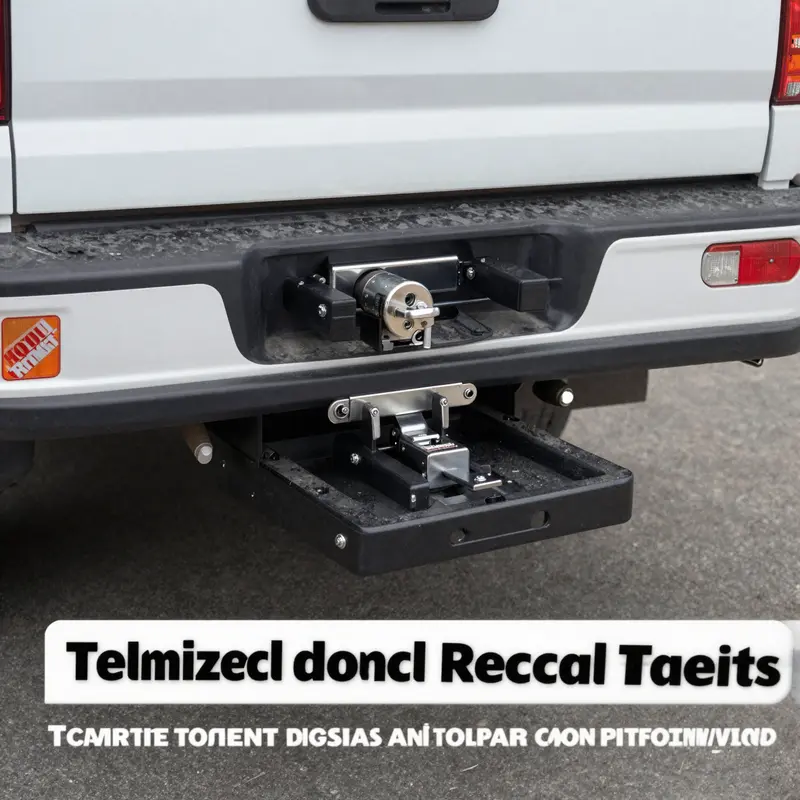
Most of the hitch equipped options in the rental lineup tend to appear with pickup trucks and larger cargo vans. In practical terms, that often means a factory installed hitch that fits a Class I or Class II receiver. Those sizes are designed to handle light to moderate towing tasks and are commonly paired with small trailers, bike racks, or lawn equipment carriers. A hitch in this category is handy for a bike rack that attaches to the rear of the vehicle, or for towing a small trailer intended for moving equipment or yard supplies. However, even within this commonly seen setup, there are important caveats. A truck offered by one Home Depot store in a neighboring town may arrive with a hitch, while a similar model at another location may not. A box truck, a cargo van, or a smaller van may or may not have a hitch at all, and the presence of a hitch on a given model can change from week to week as fleet needs evolve. This is an ordinary wrinkle of renting from a large retailer that maintains a broad and rotating fleet, and it is one you can navigate with a little preparation and a quick check at the moment of booking and pickup.
The practical course is to integrate three verification steps into your planning. The first is direct, store level contact. Hitch availability can differ not only from one city to another but from one store to the next within the same region. A quick phone call or a short email to the specific store that will fulfill your rental is often the fastest way to confirm whether the exact vehicle you plan to book includes a hitch. When you call, have your reservation date, the vehicle type you intend to rent, and the approximate class of hitch you expect in mind. If the store does not list details online, a live conversation can reveal whether a hitch is present, and whether the store can guarantee it for your rental window. The second step leverages the Home Depot online rental system. While the level of detail shown online can vary, the vehicle details page sometimes indicates whether a hitch is included or accessible as an accessory. It is worth revisiting the reservation as the date approaches and again during the booking process to catch any changes in the fleet. The third step is the fallback safety net: the rental agreement at pickup. At the counter, carefully review the documentation to verify that the hitch is listed as part of the vehicle’s specifications for your rental. If a hitch is not listed, do not assume it will be installed upon arrival. Instead, request confirmation of the hitch status in writing and consider selecting a different unit if towing is essential for your plan. The process is simple, but it is easy to overlook until you arrive at the pickup desk, so a proactive, documented check is well worth the slight extra effort.
If you want to understand the broader context of hitch installation beyond the rental unit itself, you can explore related guidance that explains how installers verify fit and secure attachments. For readers who want a deeper technical reference, consider this resource: Penske trailer hitch installation.
In practice, here is how you translate these steps into action. Start by selecting the vehicle category that best fits your task, then call the store to confirm the exact unit you plan to reserve includes a hitch or can be equipped with one. If the store confirms hitch availability, proceed with the online reservation if that option suits you, and note the store name, contact person, and a reference number for your call. When you receive your booking confirmation, scroll through the vehicle details and look for an explicit note about the hitch. If the note is absent, do not assume it is present; contact the store again for explicit confirmation and, if possible, request the exact vehicle make and model that will be assigned to you. Some renters have found it helpful to ask the counter staff to attach a note to the reservation stating that a hitch is required for the rental, especially in high-demand periods where vehicle assignments can change.
A subtle but important aspect of hitch readiness concerns the vehicle’s towing capability and the compatibility of equipment you intend to use. A factory installed hitch on light-duty pickups is typically paired with a receiver designed for smaller loads. This does not automatically translate to unlimited weight or any trailer size you might imagine. The user must verify three things before loading up a trailer: the actual hitch class installed on the truck, the rated towing capacity of the hitch as installed by the manufacturer, and the weight limits of the trailer and the load you intend to haul. The vehicle’s manual or the manufacturer specifications for the specific rental model will outline these limits. Since rental fleets are mixed and the exact model can vary, the only reliable source of capacity for your rental is the vehicle’s documentation or the store’s staff. If your plan involves a trailer with significant weight or a long hitch line, it is prudent to confirm that the rental truck’s hitch and the vehicle itself can safely handle the load your project requires. The goal is to prevent overstressing the hitch or the vehicle and to safeguard the trailer’s stability on the road.
Beyond capacity, you should confirm the correct hitch hardware and trailer wiring. A hitch alone is not enough for safe towing unless the electrical connection is functioning. The lighting and signaling of your trailer rely on a properly wired harness that the truck must support. At pickup, test the wiring by connecting the trailer harness and verifying the trailer lights, turn signals, and brakes function as expected. If you are towing in a location with limited daylight, having the lighting working correctly is not a luxury; it is a legal requirement in many jurisdictions and a crucial safety measure to keep you and other road users visible and informed. If the truck is equipped with a towing package, it may include trailer brake integration or a more robust electrical connector; verify these elements with the rental agent and test them in a controlled environment before you hit the road.
As helpful as these checks are, you may still encounter a store that cannot accommodate a hitch in the class you need. In such cases you have reasonable alternatives that keep your project on track without compromising safety. One option is to select a different truck in the same store that already has a hitch installed. The fleet at some locations includes multiple pickup options, some of which will be hitch ready, while others may not. If your plan strictly requires a hitch for a larger trailer or your load surpasses a small-tow capacity, it may be advisable to adjust the rental period or pick another store location with a hitch equipped unit in the fleet. It is better to adjust the plan now than to discover a hitch is unavailable on the day you intend to move or haul.
The discussion above presumes the hitch you need is a standard rear mounted receiver, most commonly found on light-duty pickups and some cargo vans. The reality is that a trailer hitch is not a universal add-on that is present on every vehicle in a rental fleet. This means your decision to book should factor the possibility of either a hitch or no hitch at a given store. It also means that when you are comparing rental options, you should treat the presence of a hitch as a differentiating feature that could influence which vehicle you choose. If you anticipate frequent need to tow or mount equipment, you may wish to prioritize stores that consistently stock hitch ready trucks or to preemptively confirm availability for the entire window of your rental period. A small amount of foresight can save you the stress of rearranging plans at the last minute.
In addition to verifying the hitch itself, you should consider how the hitch will function in real-world use. A hitch is only as good as the mounting points on the vehicle, the hitch receiver, and the associated hardware. In many cases the hitch is designed to be compatible with standard trailer couplers, pickups, and light trailers, but you still need the correct ball size, the proper coupler, and the safety chains that match the trailer. If you plan to carry a bike rack, a cargo carrier, or a light trailer, ensure your chosen hitch supports the accessory in question and that the weight distribution is appropriate for the truck. Do not attempt to adapt a hitch to work with a trailer it was not designed to tow. If your plan calls for a nonstandard trailer or a heavy load, be prepared to search for a different rental option that includes more robust towing capacity or to adjust to a hitch equipped model that can handle the weight and stability requirements of your specific trailer.
A final piece of practical wisdom is to document your hitch status and the rental details beyond the store visit. Keep a copy of the reservation, the vehicle details listing the hitch, and note the date and the staff member who confirmed the hitch. Having this information at hand when you pick up the truck reduces the risk of miscommunication and gives you recourse if something goes awry at pickup. If you are sharing the rental with a colleague or family member, consider sending the confirmation to them as well so everyone involved in loading and towing is aligned. It also helps to photograph the hitch area and the trailer ball and coupler after you confirm the installation. A little visual documentation goes a long way toward ensuring you arrive at your destination with the confidence that your towing setup is secure and compliant with basic safety standards.
Throughout this process, you may find that the simplest, most reliable path is to begin with a hitch ready truck and use that as your baseline. If the exact vehicle you want is not hitch ready at your local store, you can still resolve your needs by selecting another unit that does have a hitch or by coordinating an alternative pickup that is known to stock hitch ready trucks. The fleet itself is not static, and the staff generally understands the importance of verifying hitch availability for customers who plan to tow. The more you engage with store staff and leverage the online system to visualize the vehicle details, the more likely you are to avoid surprises. Remember that the availability can fluctuate with demand, so a proactive approach—checking ahead, confirming in writing, and testing the hitch at pickup—creates a smoother experience and ensures you can complete your task safely and efficiently.
For official confirmation and current rental options, visit Home Depot’s truck rentals page. https://www.homedepot.com/c/ab/truck-rentals
Tow Ready at the Big-Box Fleet: Unpacking Trailer Hitches on Rental Trucks
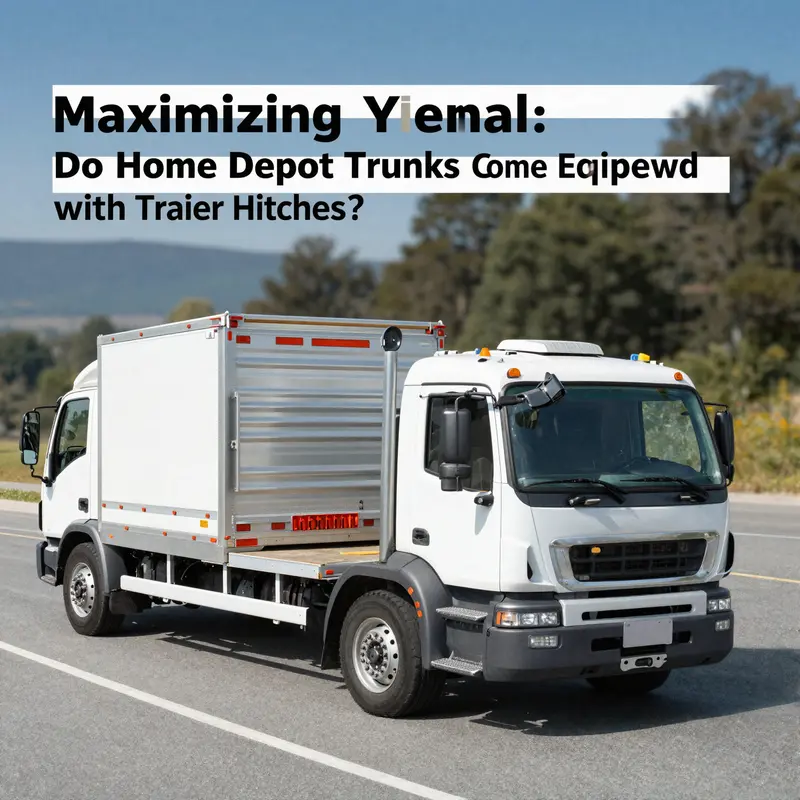
When a move or a shop-haul demands more than a sedan can handle, the rental fleet of a well-known big-box retailer becomes a practical bridge between space and feasibility. The question often comes up early in planning: do these rental trucks come with trailer hitches, and if so, what can they tow? The answer is nuanced. It hinges on the specific vehicle you select, the year and model of that vehicle, and the store’s current fleet. What remains consistent across many locations is a shared approach to safety, standardization, and clear communication about what the hitch is capable of and what it is not. This chapter weaves together the practical realities renters encounter when they approach a hitch on a rental truck, the capacities these hitches typically support, and the steps a careful renter can take to avoid surprises on pickup day or en route to the new address.
At a high level, trailer hitches on rental trucks are not an automatic feature across every class in the fleet. They are more commonly found on larger, heavier-duty options in the lineup, which include full-size pickup trucks and certain larger cargo vans. For many users, the appeal of a hitch is that it enables a straightforward, efficient way to move an attached trailer, a bike rack, or a small platform for hauling lawn equipment, building materials, or other light to moderate loads. The kinds of items you might expect to tow with a hitch on these trucks fall into a familiar range: small utility trailers, a handful of landscape or construction products, and accessories or equipment that can be transported safely with the right mounting hardware and tie-downs. The practical takeaway is simple: a hitch expands what you can move with a single vehicle, but it does not magically raise the truck’s overall towing capacity beyond what the chassis and engine can bear.
The capacity question is where renters tend to pause. Hitches in rental fleets are typically rated for moderate loads. A common ballpark is a gross trailer weight (GTW) range roughly between two thousand and five thousand pounds, depending on the specific truck. It is tempting to read this as a fixed rule, but the true limit lives in the combination of the hitch rating, the vehicle’s own gross vehicle weight rating, and the trailer’s own weight plus its cargo. Even if a hitch is listed on a given truck, the entire towing arrangement must stay within both the tow rating published for that model year and the trailer’s gross weight as loaded. In other words, the hitch sets the upper bound, but the vehicle’s powertrain and wheelbase do as well.
To navigate these limits safely, every renter should start with the hitch label. You can usually find a label on the hitch receiver itself, often on the frame near the receiver, that lists the maximum GTW and the tongue weight rating. The tongue weight is the downward force the trailer imposes on the hitch and is a separate metric from GTW. Together, these numbers guide you in pairing the truck with a trailer that won’t destabilize the vehicle or exceed its design limits. If the label is missing or hard to read, the owner’s manual or a quick call to the rental desk can confirm the numbers. A responsible approach is to verify the hitch capacity before you book and again at pickup, because fleet configurations can shift with changes in inventory and model year.
One word often heard in this conversation is compatibility. The most common hitch found on these trucks is a standard 2-inch receiver. This size is widely used in the trailer and hitch ecosystem, which means you’ll be able to connect a broad range of small trailers and hitch-mounted devices with relative ease. But compatibility goes beyond the receiver size. You must ensure you are using the correct ball size for the coupler on the trailer, the proper safety chains, and the lighting connection for the trailer’s brake and tail lights. A mismatch here is not just a mechanical error; it can create legal and safety hazards. The rental agreement, the vehicle’s manual, and the store staff are all sources of guidance, and it’s worth taking a few extra minutes to verify that you have the right hardware and wiring before leaving the lot.
For renters who want a sense of how to interpret the information they see, a practical framework helps. Start with the trailer’s weight: what does the empty trailer weigh, and how much cargo will you add? Compare that sum to the GTW limit of the hitch and the vehicle’s own towing capability. If your trailer weighs more than the hitch and vehicle can handle, you risk overloading the drivetrain and braking system, and you could invalidate the rental agreement. If the trailer’s weight approaches or exceeds the limit, you should reconfigure your plan—perhaps using a smaller trailer, moving fewer items at a time, or renting a different truck with a higher tow rating. These checks are not just about avoiding damage; they’re about ensuring your trip is safe for you and others on the road.
The practical reality is that not every vehicle in the fleet includes a hitch, and even when a hitch exists, it does not automatically guarantee that every rental scenario will accommodate towing a trailer. Some smaller cargo vans and compact trucks may come sans hitch, or they might be equipped with a hitch but with a relatively modest capacity. The same applies to some larger box trucks, where a hitch is possible but not universal. For any rental, the best path is to confirm details online during the booking process, then double-check at pickup with a quick look at the Vehicle Specifications or a direct confirmation from the store staff. The process is straightforward, and the clarity it provides saves time and avoids confusion when you’re physically loading the trailer and tying down the cargo.
As you consider the mechanics of towing, it is worth highlighting a few safety-oriented best practices that apply whether you’re moving across town or hauling equipment to a job site. First, ensure you are using a properly rated hitch ball mount and that the trailer coupler and ball size match. A loose or mismatched connection can lead to hitch failure, loss of trailer control, and serious damage. Second, always attach safety chains in a crisscross pattern under the trailer tongue. This simple step can prevent the trailer from detaching if the hitch connection fails. Third, verify that your taillights and brake lights on the trailer are wired correctly and that they operate in sync with the towing vehicle. The rules of the road extend to trailers, and compliant lighting is essential when sharing the road with other drivers.
Another often overlooked dimension is load distribution. For any worthwhile towing scenario, tongue weight—the downward force the trailer imposes on the hitch—should be considered, especially for smaller vehicles with lighter frames. If you overpack the trailer behind a light vehicle, you can shift the center of gravity forward or backward in unexpected ways, affecting steering and braking. The safer approach is modest loads, proportionate to the vehicle’s capabilities, and a plan that stages cargo across trips if necessary. This is particularly important for renters who reserve a truck with a hitch primarily to move a handful of heavy items rather than a full trailer full of materials. By thinking in terms of stages rather than a single heavy payload, you preserve both safety and the rental agreement’s terms.
Reading the official fleet specifications page of the rental program offers a crisp, up-to-date picture of which models come with what capabilities. The page outlines current fleet options, the hitch configurations, and the rated capacities for each vehicle. It serves as a valuable reference when you’re deciding which truck to reserve for a given job. The fleet can evolve, with newer models rolling in and older ones exiting, so cross-checking the latest specifications before you reserve keeps you aligned with reality on pickup day. The process is a reminder that the world of rental trucks is dynamic; the right hitch today does not automatically guarantee the same tomorrow, which is why ongoing attention to the official specifications matters.
For readers who want to dig deeper into hitch-related topics or who may consider expanding their own knowledge beyond the rental context, practical guidance exists in dedicated resources about hitch installation and compatibility. A useful overview is available here, which offers a focused look at hitch installation considerations and the steps involved in using a hitch safely and effectively: Trailer hitch installation. This resource, while framed in a different fleet context, mirrors the core concerns renters should have when engaging with any hitch-equipped vehicle: selecting compatible components, understanding load limits, and following safe connection procedures. Keeping in mind that the rental context imposes its own constraints, the underlying principles translate well to any hitch operation.
While the technical details form the backbone of safe towing, the practical logistics of securing a trailer in a rental setting are equally important. Always inspect the hitch, receiver, and mounting hardware for wear before you leave the lot. If you notice any looseness, rust, or corrosion, request a different vehicle or consult the store. The chain of responsibility in rental fleets rests with the operator, and a small precaution—like a quick inspection—can prevent a late-night call with a roadside assistance scenario that could have been avoided with a simple check at pickup.
If your plan includes multiple trips or a longer journey, you’ll also want to understand how the rental program handles mileage and fuel planning in a towing context. Tow ratings do not exist in isolation from the vehicle’s own performance characteristics. On average, a truck with a hitch will still require considerate fuel budgeting, particularly if the trailer weight plus cargo pushes the vehicle into a higher drag profile or a steeper grade. Planning for fuel, route efficiency, and potential weather conditions becomes part of the towing calculus, and it’s wise to integrate these considerations into your moving plan from the outset. As with any rental, reading the terms and conditions and asking questions upfront is the best way to prevent misunderstandings that could affect the trip or its cost.
In sum, the presence of a trailer hitch on a rental truck is a meaningful enhancement for many renters, but it comes with boundaries. The hitch capacity is not an unlimited invitation to haul everything, and the vehicle’s own limits still apply. By confirming the exact model, verifying hitch and GTW ratings, using the right mounting hardware, and following safe towing practices, you can turn a hitch-equipped rental into a dependable tool for a smooth move or a careful delivery. The process is a reminder that the rental experience—when approached with attention and care—can align closely with the best practices of towing and logistics outside the rental context. The goal is not merely to move items but to do so with confidence, safety, and efficiency, minimizing risk to people, property, and the vehicle itself.
For readers preparing a plan that may involve a trailer, a bike rack, or light construction equipment, the key takeaway is to verify the specifics well before departure. Check the vehicle details online during booking, contact your local store to confirm hitch availability and capacity, and review the rental agreement at pickup for any listed accessories or limitations. This approach ensures you will not encounter unwelcome surprises on the day of pickup or en route. And if you want a quick, practical reference on how hitch installation concepts translate to real-world use, consider exploring additional resources linked above and within the fleet’s official documentation. For broader context and ongoing updates, the fleet specifications page remains the best single source of truth about which models are currently equipped with hitches and their respective capacities. External reference: https://www.homedepot.com/c/ab/truck-rental-vehicles
Final thoughts
Understanding the availability and types of trailer hitches on Home Depot rental trucks is essential for business owners who rely on these vehicles for their operations. Each chapter provided valuable insights into how to navigate the options available to you, ensuring you choose the right vehicle for your specific needs. Be proactive in checking for hitch compatibility and capacity, and don’t hesitate to reach out to Home Depot for clarification. With the right information, you can make informed decisions that enhance your business logistics.