
Towing with a rental truck presents unique opportunities and challenges for business owners. Whether you’re moving equipment, ensuring logistics efficiency, or expanding your service offerings, understanding the intricacies of towing rental trucks is crucial. The capacity of various rental trucks to tow diverse loads relies heavily on vehicle specifications, legal regulations, and necessary safety protocols. This comprehensive guide will delve into towing capacity, key specifications, vital legal considerations, safety and equipment requirements, and the services offered by rental truck companies. Each chapter will equip you with essential knowledge to make informed decisions when considering towing options with rental trucks for your business operations.
Tow It Right: Understanding Towing Capacity and Safe Practices When Renting a Truck
Towing behind a rental truck is possible, but it is not a universal feature built into every vehicle or every rental agreement. The realities of towing with a rental rig begin with the basics: not all trucks are created equal when it comes to pulling power, and even among similar-looking vehicles, the ability to tow depends on exact specifications for that model, year, and configuration. Before you attach any trailer, boat, or other load, you must confirm two things: the rental agreement’s terms and the truck’s actual towing capacity. The terms will tell you whether towing is permitted at all, if an extra fee applies, or if a special permit is required. The capacity determines how much you can safely pull. These checks save you from unknowingly exceeding limits that could compromise the engine, brakes, and steering, or worse, put other road users at risk.
Towing capacity is more than a single figure. It hinges on the truck’s engine power, its transmission, the drivetrain, and the structural strength of the chassis. A practical way to think about it is that towing capacity is the maximum weight the vehicle can pull behind it, not including the weight of the truck itself. This distinction is essential because the total load the drivetrain must manage is the sum of the trailer weight and the truck’s own curb weight. In real-world terms, this matters when you’re charting a move, pulling a small trailer, or taking a boat or a camper along for the ride. In many common rental pickup options, you might find capacities up to around 6,000 pounds for certain configurations. That number, however, is a ceiling, not a target you should chase without careful calculation and planning.
The formula is straightforward enough on paper: Towing Capacity equals GCWR minus Curb Weight. GCWR stands for Gross Combined Weight Rating, which is the maximum allowed weight of the vehicle plus the trailer and cargo combined. The curb weight is the weight of the truck as built, with standard equipment and all fluids, but without passengers or cargo. Subtract the curb weight from the GCWR and you get the theoretical towing limit. If a model lists a GCWR of, say, 12,000 pounds and a curb weight of 6,000 pounds, the maximum trailer weight you should consider is about 6,000 pounds. In practice, you would not want to run at that exact limit; a margin of safety is wise because every ride contributes to dynamic stresses that the rating can’t fully capture on every road or grade. If you routinely plan to tow closer to the limit, you should discuss capacity with the rental provider and consider a more capable truck.
To plan accurately, you need to look up the specific model’s published specifications for the rental you’re considering. The same general principle applies across makes and models: capacity is not universal. Even within a single fleet, different trim levels, axle ratios, or hitch configurations can shift the practical towing limit. Alongside capacity, pay attention to hitch type and how the trailer is wired. A compatible hitch is not just about connecting a ball mount; it’s about ensuring the right class and rating for the load. A simple ball mount may work for light trailer use, but heavier trailers require a weight-distributing hitch and proper wiring harnesses to ensure brake lights, turn signals, and running lights operate in harmony with the truck’s electrical system. And never overlook the safety chains—the backup tie for keeping the trailer attached if the hitch connection fails.
An often-overlooked part of planning is how the load itself behaves on the road. Trailers complicate braking, steering, and stability, particularly in adverse weather or on uneven terrain. Heavy trailers increase stopping distance and change the vehicle’s handling characteristics. The braking system on the truck may be adequate for highway speeds with light loads, but a heavier trailer can overwhelm it if the trailer brakes are not properly connected or if the load is poorly distributed. This is why many professionals insist on brake synchronization between the tow vehicle and the trailer and, for heavier setups, the addition of trailer brakes. Think of the trailer’s weight distribution, tire condition, and how the load is secured. A well-secured, evenly distributed load reduces the chance of sway and improves overall control, especially in gusty winds or during lane changes.
Beyond physics, there are practical, legal, and safety consequences to towing with a rental truck. Rental agreements often come with conditions designed to limit risk. Some companies require an extra fee or a specific permit for towing, while others restrict towing to certain vehicle classes or weights. Insurance coverage may also differ when towing is involved, with some policies requiring additional riders or endorsements. Drivers should ensure their license class is adequate for towing the expected weight and comply with local regulations that govern trailer weights, speed limits when towing, and required lighting or braking standards. In places with strict rules, failing to meet licensing or equipment requirements can invalidate coverage in the event of an accident, compounding the consequences of a mishap on the road.
To reduce risk, many rental providers who offer towing-capable vehicles also provide guidance on safe towing practices. The goal is not to push the limits but to empower you with reliable data and checklists that keep your move on track. In practice, this means verifying capacity, securing the correct hitch, wiring, and safety equipment, and avoiding conditions that amplify risk. If you find yourself near the upper end of the truck’s capacity, slow down, allow extra distance for braking, and plan routes that minimize steep grades or sustained high speeds. The caravan of factors—weight, wind, road grade, braking, and tire condition—combine to determine how safely you can tow on any given trip.
For readers seeking a quick reference to related topics, a concise primer on selecting and using a moving truck can be found in the guidance for the 16 moving truck option. This resource is helpful for understanding how different truck sizes influence load capacity, maneuverability, and fuel efficiency during a move. You can explore it here: 16 moving truck.
As you map out a towing plan, keep the load within the calculated capacity and respect the truck’s own weight. Do not be tempted to push the numbers to the limit to save trips or time. The reality is that every added pound shifts how the vehicle accelerates, decelerates, and handles steering inputs. Your truck—designed to haul a certain weight—has built-in margins to absorb dynamic forces from acceleration and braking. Once you approach those margins, the margin shrinks because road conditions, weather, and even tire pressure matter. The practical takeaway is simple: know the limits, prepare comprehensively, and approach each move with deliberate caution.
To illustrate how these ideas play out, imagine you have a rental pickup that can pull up to roughly 6,000 pounds under ideal conditions. You plan to tow a trailer carrying a load that weighs about 4,800 pounds, plus the weight of the trailer itself at 1,200 pounds. The combined total is exactly 6,000 pounds, which sits at the edge of the stated capacity. In this scenario, you would want to implement a more conservative plan: reduce the load by even a few hundred pounds, or upgrade to a truck with a higher GCWR and curb weight rating, if the move involves frequent towing. This approach minimizes risk and preserves both safety and long-term reliability.
If you are unsure about a specific load or vehicle configuration, err on the side of caution and speak directly with the rental agent. They can confirm the exact GCWR, curb weight, and available hitch configurations for the vehicle you’re considering. They can also advise on whether a weight-distribution hitch or trailer brakes are recommended for your trailer’s weight and length. And if you need a practical reminder of the steps and requirements, there is a concise reference at the end of this chapter that you can consult before you leave. For a standard reference on official limits, consult this resource: pickup truck rental specifications.
In sum, towing with a rental truck is a viable option when approached with clarity and caution. The key is to treat towing as a calculated extension of your move, not a casual add-on. Check the rental agreement, confirm the exact towing capacity and vehicle configuration, secure the appropriate hitch and wiring, and factor in the road, weather, and load behavior. Keep the load conservative, test all connections, and never compromise safety for convenience. With careful planning, you can tow with a rental truck confidently, keeping both your cargo and the road safe for everyone who shares it.
Tow-Ready Rentals: Decoding Vehicle Specs, Safety, and Compliance for Towing with a Rental Truck
When you rent a truck for a move, the question of towing often arises. Can you pull a small trailer, a camper, or even a boat behind a rental truck? The short answer is yes in many cases, but the truth is more nuanced. The ability to tow depends on the exact vehicle you select, the equipment included or addable with that rental, and the rules laid out in the rental agreement. A thoughtful, safety-first approach is essential because towing engages forces that can quickly overwhelm an engine, brakes, and suspension if the numbers don’t line up. In practice, rental trucks are commonly used for light to moderate towing tasks, such as hauling a utility trailer with personal gear, hitching a small boat on a trailer for a weekend, or moving a compact recreational vehicle. Yet the critical word is “capacity”—and capacity is not one size fits all. The vehicle you rent must be explicitly rated for the load you intend to tow, and you must confirm that rating before you hook anything up.\n\nTowing capacity is the anchor of any safe tow. It flows from several core specifications that the manufacturer and the rental listing will reveal. Engine power influences how quickly the rig can accelerate with a trailer in tow and how well it maintains speed on grades. The drivetrain—whether two-wheel drive or four-wheel drive—modulates stability and traction, especially on slick or uneven surfaces. The suspension system matters because a robust setup helps the truck manage the oscillation and sway that trailers introduce. Braking capabilities are also a must; when you tow, stopping power effectively shifts from the truck alone to the combination, and undersized brakes can lead to dangerous heat buildup or reduced stopping distance. The vehicle’s gross vehicle weight rating (GVWR) and gross combined weight rating (GCWR) crystallize the official limits; these numbers exist to prevent overloading and to preserve control under braking, cornering, and acceleration. If you’re unsure about these figures, consult the manual, check the manufacturer’s site, or speak with the rental agent to confirm the exact towing limits for the specific truck you plan to rent.\n\nBeyond raw numbers, many rental fleets vary in the hardware that makes towing possible. Tow setups can include a standard hitch and basic wiring harness, with or without a brake controller, depending on the vehicle level and the rental package. Some trucks may offer more integrated towing options, while others are essentially standard trucks configured for light duty. A winch, a hydraulic lift, or a heavy-duty flatbed are typically beyond the scope of consumer rental fleets, reserved for professional heavy-duty towing operations. When you’re selecting a rental truck, ask specifically what kind of towing equipment is included or available as an add-on, and verify that the harness and hitch are compatible with the trailer you plan to tow. A practical detail to keep in mind: the wiring harness must match the trailer’s lighting system, and the trailer should have compatible lighting and braking connections. For many, the simplest, most reliable approach is to use a conventional hitch with a properly matched wiring harness and, if your load demands it, a brake controller that interfaces with the truck’s electrical system. And if you’re unsure about compatibility, seek guidance from the rental desk or a qualified technician before you attempt any hookup. For hands-on guidance on installing a hitch on a rental truck, see the Trailer Hitch Installation guide.\n\nVehicle dimensions also matter. A truck with a longer wheelbase or a larger overall length can handle a trailer more confidently on open highways but becomes less forgiving in tight spaces. Parking lots, narrow streets, and crowded campgrounds challenge larger tow setups, especially when you’re maneuvering with limited visibility from the cab. Length and turning radius influence how easily you can back up and align the hitch to a trailer hitch ball, how much space you need to swing wide through a turn, and how carefully you must plan every maneuver. These physical realities mean that even if a rental truck is technically capable of towing a trailer, practical feasibility should be weighed against your route, parking options, and the geometry of the load you’re pulling. A quick on-site evaluation of space and a dry run in an empty lot can save you from a tight-squeeze moment on moving day.\n\nThe importance of operator know-how cannot be overstated. Modern towing equipment, especially on larger or more specialized trucks, can demand a level of precision and awareness that exceeds ordinary driving. What looks straightforward in theory—hook up, drive, and stop—becomes a coordinated operation when a trailer adds weight, drag, and sway. In some cases, advanced setups require training or hands-on practice to ensure the load remains stable and the brakes engage properly when needed. If you’re not confident in your ability to handle a trailer’s dynamics, it’s prudent to seek a rental option that includes a basic towing orientation, or consider hiring professional assistance for the hookup and initial movement. The safety margins widen if you treat towing as a learned skill rather than a casual extension of driving.\n\nBefore you tow, a disciplined check-list can prevent costly mistakes and unsafe scenarios. Start with the rental agreement: some companies allow towing only with certain vehicles or require additional insurance, permits, or a fee. Confirm that towing is permitted for the specific truck you’re renting and learn whether any restrictions apply to your intended use. Next, confirm the truck’s towing capacity for your exact vehicle, not just a generic figure from a brochure. Capacity can vary by engine, drivetrain, and trim level, and the single most important fact is that the trailer’s weight is within the vehicle’s listed limits. Ensure you have the proper equipment: a compatible hitch mounted securely to the frame, a trailer wiring harness that matches the trailer’s lights and brakes, and safety chains that meet local regulations. If your trailer has electric brakes, a compatible brake controller installed in the truck might be required, and you should know how to test it before leaving the lot. Don’t overlook legality and insurance: check local laws that govern towing weight, permissible routes, and required insurance coverage. Some jurisdictions require additional insurance reconciliation for towed loads, while others have tail-light and braking standards that you must meet to stay compliant.\n\nA practical, safety-first mindset guides every tow decision. It’s wise to map out your route, including fuel stops, rest breaks, and potential reloading points, and to check road grades and weather forecasts. High winds or steep hills magnify towing challenges, so choose routes that minimize elevation changes and avoid overly tight corridors if possible. Make a habit of inspecting both the hitch and the trailer just before departure, test lights at the rear, and perform a gentle test drive in a quiet area to feel how the tow geometry responds to acceleration, braking, and cornering. If anything feels off—unusual noises, swaying, or inconsistent braking—stop and recheck. It’s not worth the risk to press forward with a questionable hookup.\n\nChoosing the right rental truck for a tow is not just about meeting a weight limit. It’s about aligning the vehicle’s capabilities with your load, your route, and your comfort with towing dynamics. If you anticipate towing frequently or pulling heavier trailers, consider selecting a rental option that explicitly lists towing-capable vehicles and offers guidance on safe towing practices. A fleet that provides clear specifications, a straightforward add-on for towing equipment, and a brief orientation can save you both time and trouble on moving day. In the end, the decision to tow with a rental truck hinges on safety, compliance, and sensible preparation. Treat towing as a careful pairing of vehicle capability and careful operation, rather than a throw-and-go task, and you’ll move forward with confidence rather than risk.\n\nExternal reference: For a broader, industry-focused perspective on how rental-truck specifications align with towing requirements, see https://www.britishtrucking.com/rental-truck-specifications-for-towing-key-factors/.
Towing with a Rental Truck: Navigating Rules, Contracts, and Road-Ready Compliance
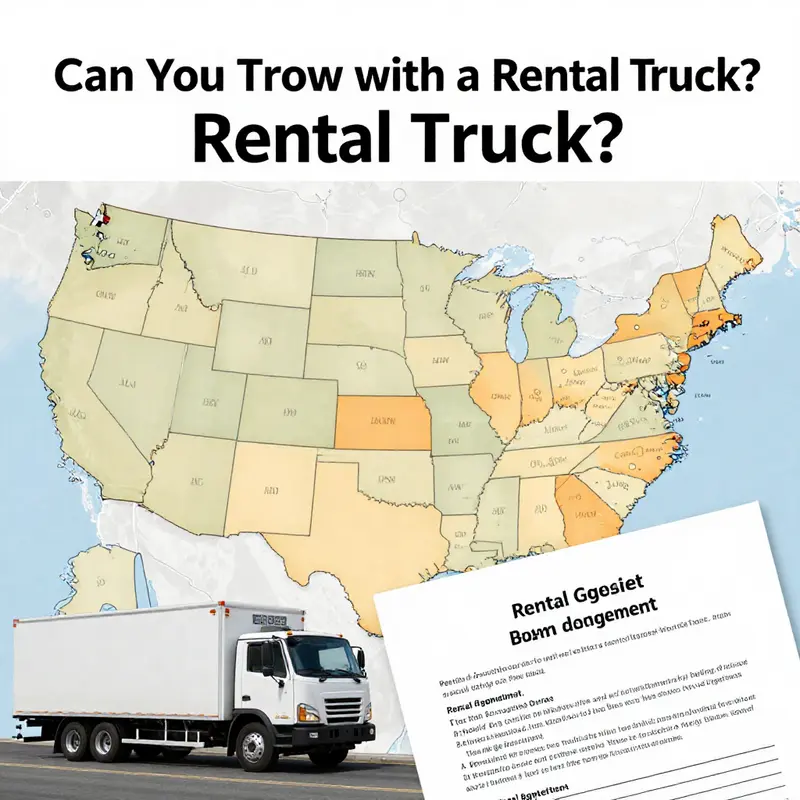
Towing with a rental truck is not a blanket yes or no. It is a qualified, practical possibility that hinges on the specific vehicle you’re renting, the terms etched into your rental agreement, and the legal framework of the places you’ll drive. The chapter you’re reading aims to ground that possibility in careful, actionable detail. It isn’t about mystifying the process but about building a clear map: what to check before you attach a trailer, where the risks lie, and how to stay on the right side of policies, laws, and safety standards. When you know the terrain—vehicle ratings, hitch compatibility, and the rules that govern your route—you can tow more confidently and more safely than you would by guessing or hoping for the best.
First comes the hard boundary between capability and liability: the vehicle’s ratings. Each rental truck carries a Gross Vehicle Weight Rating (GVWR) and a Gross Combined Weight Rating (GCWR). The GVWR tells you the maximum weight the truck itself is designed to carry, including cargo inside the cabin and payload in the bed or box. The GCWR extends that boundary to include the entire combination—truck plus trailer. Respect these numbers with discipline. Exceeding them isn’t just a strain on the engine or brakes; it risks sudden handling quirks, tire blowouts, or a failure in the braking system that the truck simply cannot compensate for. The numbers aren’t hidden: they appear in the vehicle’s manual, on a door sticker, or on the manufacturer’s official site. If you’re unsure, ask the rental location for the exact GVWR/GCWR of the specific truck you plan to tow with. A few pounds can make a difference, especially when road grades turn steep or when wind gusts compound the load.
Along with the weight math, the hitch you attach must be up to the task. Rental fleets often require that the hitch be compatible with both the truck and the trailer, and many agreements specify acceptable hitch types. A misfit hitch is more than an inconvenience; it can lead to dangerous sway, improper trailer alignment, or failure of the electrical connections that power lights and brakes. Before you even hitch the trailer, confirm the correct class and mounting points for your rental truck. If you’re new to hitching, annual inspections and proper torque on the mounting bolts matter as much as anything else. The wiring harness, too, must be matched to the trailer’s lights and brakes; a mismatched or damaged harness can leave you with a dead-taillight on a busy highway, which is a hazard and a legal liability.
One policy nuance that often trips renters is trailer braking. Some rental companies require that the trailer being towed has its own braking system, especially when the trailer weight crosses certain thresholds. If the trailer lacks brakes, you may be prohibited from towing it with that particular truck, or you might need to rent a trailer with brakes and a separate braking system that complements the truck’s own capability. This is not merely about comfort or stopping distance; it’s about ensuring consistent deceleration and steering control under load. If you’re planning to tow a heavier trailer, verify whether the trip requires a trailer with brakes and, if so, whether the truck’s GCWR accommodates the combined weight with the trailer’s braking setup in place.
Beyond the mechanical fit, the legal and contractual frame governs what you can and cannot do. Rental agreements are written to protect both the renter and the company, and they spell out the conditions under which towing is authorized. A careful read is essential because violating terms can void your insurance coverage, trigger fines or additional fees, and complicate any claim in the event of an incident. Contract language commonly highlights: the maximum weight limits tied to GVWR and GCWR, hitch requirements, and whether the trailer brakes are mandatory for certain loads. If the renter signs without fully understanding these clauses, the consequences can appear long after the truck has been dropped off. The practical implication is simple: if you intend to tow, confirm explicitly that towing is permitted with the specific truck, understand any additional fees or permits required, and keep a copy of the relevant sections of the agreement during transit.
State and local laws add another layer of complexity. Towing regulations shift from place to place, even within the same country. Some jurisdictions need special permits for certain trailer types or weights, and some urban areas restrict or ban towing in limited zones or during certain hours. Highway and municipal rules may also dictate lighting, signaling, and speed limits when towing. The safest approach is to check local regulations ahead of your trip and to carry documentation of the truck’s specifications and the trailer’s braking system, if applicable. When you’re navigating unfamiliar terrain, local police or highway patrol can be helpful resources to confirm what is required on the road you’re about to travel.
Insurance remains a practical, not theoretical, concern. Towing imposes additional risk, and many rental agreements carefully describe what is and isn’t covered in the event of an accident or damage. If you deviate from the stated guidelines—such as adding a non-approved trailer, altering wiring, or towing beyond the permitted weight—the insurer may deem the coverage invalid. That is a consequence no renter wants, especially on the road where a small incident can escalate quickly. Maintaining a meticulous, rule-abiding towing setup keeps liability with you while keeping the relationship with the rental company clear and straightforward. In short, the safety of your passengers, the protection of the truck, and the integrity of your insurance all hinge on this precise alignment of policy terms with practical action.
Preparation up front is the clearest path to safe, compliant towing. Start with a planning checklist: confirm the exact towing capacity of the specific truck you’re renting, verify hitch compatibility and the correct wiring harness, and ensure the trailer’s brakes, lights, and tires are in sound condition. Then review the rental agreement line by line, noting any prohibitions or additional fees for towing, and clarifying whether you’ll need a permit or a special endorsement for your route. Finally, check the laws of every jurisdiction you’ll traverse so that you aren’t surprised by a permit requirement or a prohibitive local ordinance. Safety and compliance aren’t bureaucratic hurdles; they are practical safeguards that protect you, others on the road, and your rental investment.
With that framework in mind, you can approach towing with a rental truck as a coordinated, responsible process. If you’re unsure about any element of hitch selection or installation, consider consulting a guide that focuses on the practicalities of matching the right trailer hitch to your truck. For example, many renters find value in basic installation guidance that helps them verify a proper fit and secure connection before leaving the lot. To explore such guidance, you can consult a dedicated resource on hitch installation: Penske trailer hitch installation guide. This kind of reference can help you translate policy and theory into a real-world, hands-on setup that respects both the truck’s limits and the road’s demands.
All told, towing with a rental truck is a practical, doable option when you treat it as a carefully engineered operation rather than a casual add-on. The key is to respect the numbers—the GVWR and GCWR—along with the hitch and brake requirements, the contractual terms, and the local laws. The safest, most cost-effective trips begin with clear permission from the rental company, a correctly matched hitch and trailer system, and a road plan that anticipates the realities of weight, momentum, and weather. When you stay within those boundaries, towing with a rental truck becomes not only possible but predictable and secure. For broader context and safety guidelines that align with professional towing standards, consider reviewing industry resources from established rental providers. For a broader context, see Hertz Towing FAQ. https://www.hertz.com/vehicle-rental/faq/towing-with-a-rental-truck
Tow Ready and Safe: Mastering Safety, Equipment, and Compliance When Towing with a Rental Truck
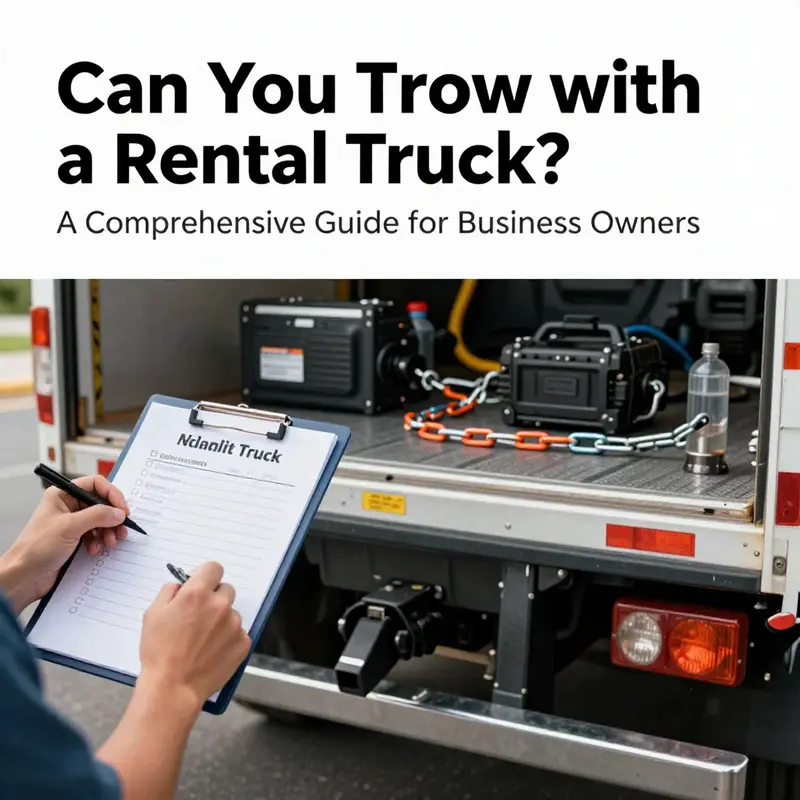
Towing with a rental truck is a practical option for many moving days, road trips, or the occasional haul of a small trailer, camper, or boat. Yet it isn’t a blanket capability baked into every rental agreement. The reality is that whether you can tow, and how safely you can do it, hinges on the specific truck you’ve rented, the trailer you plan to pull, and the rules set by the rental company. The journey from curiosity to a secure tow begins with a clear-eyed assessment of capacity, equipment, and the legal framework that governs your route. When approached with care, towing from a rental truck can be done without drama; when rushed or misinformed, it quickly becomes a risk to your vehicle, your cargo, and everyone else on the road.
The first checkpoint is the towing capacity. This isn’t a numbers game you can guess at. Each rental truck comes with a maximum weight it can safely pull, and exceeding that limit invites a cascade of problems. The total towed weight must consider the weight of the trailer and the weight it carries, plus any additional accessories. Even when you’re simply moving a small trailer, the math matters. The ball size, hitch type, and weight distribution affect how the load behaves behind you. Rental companies often require proof that you’re using appropriate equipment and that your setup stays within the listed limits. If there’s any doubt, pause and consult the vehicle manual or the manufacturer’s site for the exact towing specs. It’s a simple step that prevents a long afternoon of post-accident explanations and insurance hassles.
Equipment choice is the second pillar of a safe tow. Here, the needs diverge sharply depending on the drive configuration of the towed vehicle. Front-wheel-drive vehicles can typically be towed with a two-wheel dolly that lifts only the front axle. This setup is generally sufficient for many light to moderate loads and tends to be more affordable. The key is ensuring the dolly’s weight capacity matches the vehicle’s weight and that the mounting system stays secure throughout the journey. The risk with a mismatched dolly is shifting weight that can loosen straps, bend axles, or affect steering control in ways you can’t anticipate during acceleration or braking.
All-wheel drive and four-wheel drive vehicles demand a different approach. The complexity here isn’t cosmetic. AWD and 4WD systems require dollies or trailers that lift both axles so all wheels can rotate freely. Using a standard dolly designed for FWD on an AWD vehicle can lead to drivetrain damage and expensive repairs. In addition to the correct dolly, consider a trailer with integrated braking, reinforced frames, and advanced sway control. These features aren’t just conveniences; they’re safety-critical components when you’re moving at highway speeds with a heavier or more complex vehicle behind you. The right equipment can mean stable tracking, predictable braking, and fewer surprises when navigating hills or curves.
Whatever the configuration, verify compatibility. Radiating out from the vehicle you’re towing are practical constraints—the hitch size, ball mount type, and weight distribution all need to be aligned with the rental truck’s towing package. Rental centers often insist on documentation of proper towing equipment and may have specific requirements around hitch class and connection points. Even seemingly minor mismatches can cascade into poor weight distribution or insecure connections, which are common sources of trailer sway and tire or brake overheating on long drives. The responsibility falls on you to confirm these details before you pull out of the lot.
Once the physics and hardware are accounted for, the daily ritual of safety checks becomes non‑negotiable. Before you roll, test the braking system with the trailer attached, ensuring that the towed unit responds predictably to pedal pressure. Inspect tire pressure not only on the rental truck but on the trailer or dolly tires as well; a slow leak can become a dangerous issue in a few miles. Secure the vehicle to the trailer with reliable straps or chains, and double-check the load’s balance so there’s no shifting during acceleration or deceleration. Confirm that all lights, including brake and turn signals on the trailer, are functioning in harmony with the truck’s lighting. If the route includes mountain grades or long stretches of highway, plan for periodic stops to recheck connections and tire temperatures, recognizing that heat can degrade fasteners and rubber alike on a hot day.
The practical realities of legal compliance must ride with your basket of precautions. Towing laws vary by state, country, and even municipality, and the rules aren’t uniform about weight limits, required braking, or insurance obligations for private towing. A rental truck may come with insurance options specifically tailored to the towing scenario, or it may require you to add coverage for your trailer and load. The safest path is to review the rental agreement for terms related to towing up front, then verify these terms against local regulations along your planned route. This dual check—understanding the vehicle’s capacity and verifying legal requirements—addresses both risk and accountability.
Documentation and proof of equipment aren’t merely formalities. Rental agencies often request evidence of proper hitching, including the ball mount, hitch, and wiring harness that connects the trailer’s lighting system to the truck. Weight distribution considerations also come into play here: the way you load and balance weight affects how the entire assembly behaves on the road. If you’re new to towing with a rental truck, seek guidance early in the process. Some rental companies explicitly offer towing-capable vehicles or provide written guidelines on safe towing practices. When in doubt, ask for support before you attach the hitch and hit the open road.
A practical mindset for moving forward is to treat towing as a two-part skill: understanding the vehicle’s limits and mastering the equipment you use. This isn’t just about getting from point A to point B; it’s about creating a balance sheet of safety between your vehicle, your load, and the road atmosphere around you. If you decide to proceed, consider reviewing a specialized checklist tailored to rental trucks. The checklist should cover the fundamentals—towing capacity verification, equipment compatibility, and a pre‑departure safety review—while also addressing route planning, weather contingencies, and the possibility of roadside assistance in case of a hiccup. For many people, the decision to tow with a rental truck becomes straightforward when they know the limits, have the right hardware, and commit to a disciplined safety routine.
When the moment comes to tie the knot between towed and tow vehicle, a few practical anchors help maintain calm under pressure. Pick a route with gentle grades, allow extra stopping distance, and keep speeds within a range that your setup can comfortably manage. Avoid aggressive lane changes, anticipate the added stopping distance when descending grades, and give yourself space to respond to any trailer sway or trailer-light malfunctions. The goal isn’t to push the truck’s performance to the edge but to harmonize the entire system—truck, hitch, dolly or trailer, and load—so that all components work in concert rather than at cross purposes.
In addition to the hands-on preparation, a ready reference can be valuable. For readers who want a deeper dive into the specifics of hitch setup and compatibility, consider the dedicated hitch installation guidance that explains step by step how to connect the trailer wiring and secure the hitch properly. Trailer hitch installation offers a focused overview that complements the practical, on‑the‑ground advice here. It’s not a substitute for reading your vehicle manual or the rental agreement, but it can be a helpful quick reference when you’re sorting out equipment choices at the curb. This kind of resource helps you visualize the correct connection sequence, the safety checks that should occur after installation, and the signs of an improper setup before you head onto the highway.
Finally, a note on staying within safe and legal boundaries: towing with a rental truck is feasible, but it requires deliberate preparation and respect for the rules that govern your route. Always rely on official sources for standards and procedures, and make use of the support channels provided by the rental company when planning a tow. The aim is confidence on the road, not a rushed, improvised solution that could compromise your safety or that of others. For those who want to supplement their knowledge with formal guidance, the Federal Motor Carrier Safety Administration offers comprehensive information on towing standards, equipment specifications, and safe operation procedures. More details can be found at their website: https://www.fmcsa.dot.gov/.
Tow-Ready Services: Exploring the Towing Support Rental Truck Companies Provide
Towing with a rental truck sits at the intersection of practicality and careful planning. It’s not simply a matter of attaching a hitch and pulling two loads through city streets; it requires understanding the vehicle’s design, the equipment available, and the rules that govern towing in your area. Rental truck companies recognize this reality and often structure their services to help customers manage light to moderate towing tasks—whether you’re moving a project vehicle, borrowing a trailer to retrieve a disabled car, or transporting a small trailer for a weekend project. The core idea is straightforward: towing is possible with many rental trucks, but it is not a one-size-fits-all arrangement. Capacity, equipment, and policy all shape what you can safely tow and how you should go about it.
At the heart of any towing plan is the vehicle’s stated capabilities. A rental truck may be able to handle small trailers, car dollies, or lightweight campers, but those loads vary widely by make, model, and year. The only reliable way to proceed is to check the truck’s towing capacity before you ever connect a trailer. This information is usually found in the vehicle’s manual or on the manufacturer’s website. It is not something you guess. Exceeding the listed weight can compromise steering, braking, and overall stability, turning a routine move into a high-risk situation. Additionally, fleet policies differ: some rental companies require an added fee or a special permit for towing, while others may limit the types of trailers or the weights they’ll permit. Reading the rental agreement carefully before you tow protects both you and the rental company from unexpected charges or coverage gaps.
Beyond capacity numbers, the equipment that makes towing possible matters just as much. A compatible hitch is the starting point. The hitch must match the receiver on the rental truck and the trailer’s coupling. Wiring is the next critical piece. A functional trailer wiring harness ensures brake lights, turn signals, and running lights operate in sync with the truck, which is essential for other drivers to anticipate your moves on the road. Safety chains are a non-negotiable backup, offering a fail-safe if the hitch disconnects. Some trailers require brake controllers if the load exceeds a certain weight or if the trailer’s brakes operate independently of the truck’s. These elements are not cosmetic add-ons; they are the lifelines of a safe, compliant tow.
Another layer to consider is the rental agreement’s framing of responsibility. Even when the truck’s data confirms it can tow a given load, you must verify whether the rental company provides towing equipment as part of the rental or as an add-on. Some providers offer towing gear rentals or installation services for a fee, aiming to streamline the process and reduce the risk of misconfigured setups. If you’re towing a vehicle or a heavy trailer, you may need to arrange the equipment separately through the same provider or a partner service. The goal is to minimize guesswork: you want a setup that aligns with the truck’s capabilities and your intended load so that you travel consistently and safely from start to finish.
The practical steps begin with a clear assessment of your payload and the tow’s purpose. How heavy is the trailer you intend to pull, and what does it carry? How much is the combined weight of the load, the trailer, and the truck’s own weight? These questions aren’t abstract; they translate into how you drive the route, how you brake, and how you maneuver through turns and tight spaces. Once you’ve confirmed that your destination load stays within the declared limits, you must confirm the exact equipment in your rental package. If the truck comes with a built-in hitch or a pre-installed receiver, you still need to confirm the hitch’s rating and compatibility with the trailer or car dolly you plan to use. If you need a wiring harness or a brake controller, check the availability and whether installation is included or charged separately.
Operating a tow with a rental truck also involves adjusting driving habits. Towing changes how you accelerate, brake, and steer, especially with a longer wheelbase vehicle that behaves differently when a trailer is attached. Plan extra time for braking distances, and practice smoother throttle transitions to avoid jackknifing on slippery surfaces or in crowded traffic. If you’re transporting a vehicle, use a car dolly or a trailer designed for cars rather than attempting to tow directly with a flatbed if the alignment or balance isn’t appropriate. When a trailer is added, the truck’s turning radius increases and blind spots widen. These are not minor adjustments; they are the practical realities of keeping yourself and other road users safe.
To navigate the balance between convenience and compliance, many customers lean on the on-site expertise of rental locations. Staff can explain what equipment is available for a given truck model, what weights are permissible, and what local regulations may apply. Local rules vary, especially for weights and the need for insurance coverage or specific licensing for towing. The safest approach is to treat towing as a coordinated effort between the truck you rent, the trailer or dolly you attach, and the route you intend to travel. If you’re unsure about any aspect—capacity, equipment, or legal requirements—pause and seek guidance rather than making assumptions. Safety and compliance should drive your planning, not the hope that a particular setup will somehow be sufficient.
An important practical resource to consider is the structured support some rental providers offer for towing under a defined plan. For instance, one-way arrangements sometimes include the option to rent towing gear or to arrange a compatible trailer for a one-way trip. This kind of service reduces the friction of coordinating a compatible hitch, wiring, and a trailer from separate sources. It also helps ensure that the entire towing package—from hitch receiver to brake lights—is integrated and tested before you hit the road. If you’re curious about how to approach these options, you can explore a dedicated page that outlines one-way trailer rentals and related configurations. One-way trailer rentals. This link points to a page that discusses the logistics of renting equipment and trailers for flexible, short-term needs and can be a helpful reference as you map out your plan.
In the broader landscape, it’s important to remember that not every rental truck is equipped for every kind of tow. A small cargo van might handle a lightweight trailer or a basic car dolly, while a larger moving truck could be capable of pulling a utility trailer with a modest load. The key is aligning the vehicle’s towing capacity with the trailer’s weight and the cargo’s distribution. Even when everything lines up on paper, a cautious approach is wise. Double-check the connections, ensure the lights are functional, and perform a brief test drive in a safe area to confirm that steering and braking respond predictably with the added load. If the vehicle seems unsteady, if the hitch shows any sign of movement, or if the wiring harness is noisy or unreliable, halt the operation and re-check or adjust your plan. It’s better to delay a move than to press forward with a setup that could fail on the highway.
The practical path forward also includes budgeting for towing-related costs. Towing gear, installation, and potential permits or insurance add-ons can affect the overall price of your rental. While many customers anticipate only the base rental rate, the towing elements—hitches, wiring harnesses, safety chains, brake controllers, and possible trailer rental fees—carry their own line items. Understanding these costs upfront helps prevent sticker shock and ensures you’re making decisions that reflect the total scope of the task. As with capacity and equipment, these costs vary by location and by the provider’s policies. When you compare options, consider not just the lowest price but the value of a towing setup that is properly installed, tested, and documented for your trip.
In sum, towing with a rental truck is a viable and sometimes economical option for a range of tasks, from moving small trailers to retrieving a vehicle. The usefulness hinges on three factors: the truck’s actual towing capacity and configuration, the availability and adequacy of towing gear, and your ability to comply with the rental agreement and local laws. By approaching the task with a clear assessment of weight, equipment, and policy, you can plan a tow that is safe, legal, and effective. When in doubt, seek the guidance of the rental location’s staff, verify every connection, and treat each step—from hitch to highway—with the seriousness it deserves. If you’re exploring broader options on how to access trailers or related gear, you can look into one-way trailer rentals as a resource for coordinating a convenient, efficient towing setup. One-way trailer rentals can be a helpful starting point for understanding available configurations and scheduling.
External resource: for a broader context on towing equipment and practices, refer to this external guide: https://www.uhaul.com/.
Final thoughts
Understanding your options for towing with a rental truck is essential for business owners looking to streamline operations and logistics. Each critical aspect, from towing capacity and specifications to legal implications, safety measures, and available services, creates a complex framework for effective decision-making. By carefully navigating these considerations, you can maximize the utility of rental trucks for your business needs while ensuring compliance with safety standards. Ultimately, ensuring you are well-informed will facilitate your ability to leverage rental trucks as a reliable resource for towing and hauling, letting you focus on what matters most: running your business.