
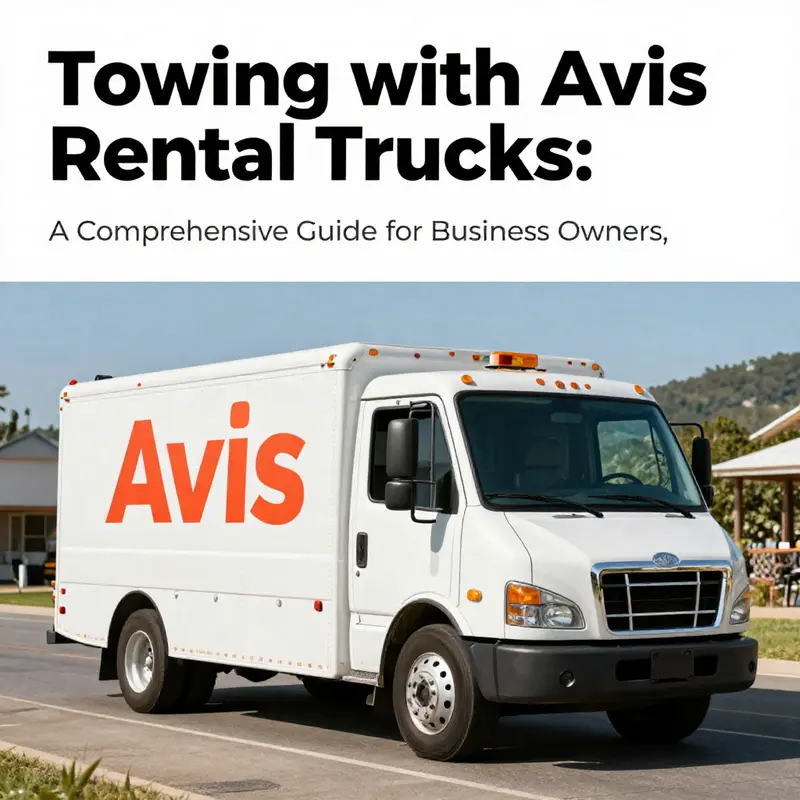
Understanding the towing capabilities of Avis rental trucks is crucial for business owners who need to transport additional equipment or goods. Towing with a rental truck can be an efficient solution, but several factors influence its feasibility, including specific truck models, insurance concerns, and policies on trailer types. This guide unpacks these elements in detail, ensuring that you are well-informed on how to utilize Avis rental trucks for towing while staying compliant with their regulations. By examining the essential aspects of towing capabilities, insurance considerations, and trailer policies, you will be equipped to make better rental decisions for your business logistics.
Tow Power with a Rental: Navigating Avis Truck Towing Safely and Within Limits
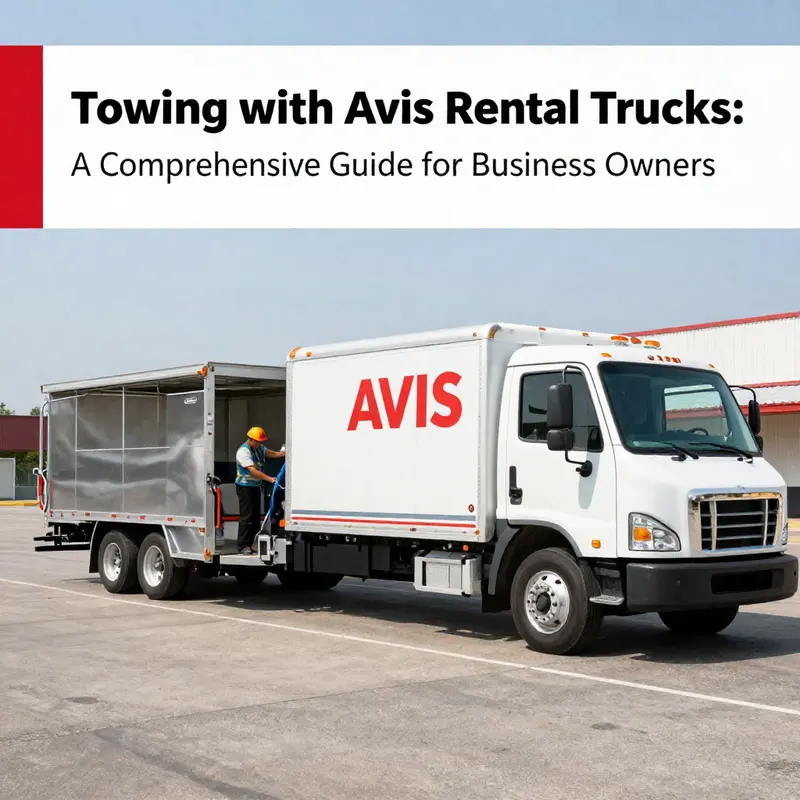
Towing with a rental truck from a major provider can feel like a straightforward move from point A to point B, but it quickly reveals a landscape of rules, capacities, and configurations that require careful attention. When the conversation turns to Avis, the topic broadens beyond simply renting a vehicle to include practical questions about what kind of trailer you can haul, how much weight the truck can safely pull, and what kind of insurance coverage will protect you if something goes wrong on the road. The central idea that threads through all of these considerations is simple: towing with an Avis rental truck is possible, but it is not a free pass to haul any load you want. It is a conditional arrangement, defined by model specifications, equipment readiness, and contractual terms that you must satisfy before you ever attach a hitch. This chapter follows that thread, weaving together the practical realities you’ll face, the steps you should take to prepare, and the mindset you should adopt to stay safe and compliant on the road you plan to share with your trailer, your truck, and your passengers.
First, the notion of a tow package or tow-ready configuration is not universal across Avis’s fleet. Not every rental truck comes with a factory-installed or approved tow package, and this distinction matters as soon as you start planning your move. When you book, you must explicitly request a truck that is approved for towing if your plan involves pulling a trailer. The difference between a vehicle that can tow and one that can tow without risking mechanical stress or insurance complications is encoded in the hitch type, the frame reinforcement, and the overall gross vehicle weight rating (GVWR) of the truck. These specifications are not cosmetic; they are the boundary lines within which you must operate. The success of your towing effort depends on staying within those lines, which are standardized for safety and liability.
Weight considerations are the second axis along which towing with Avis trucks must be understood. Each model has a maximum towing capacity, and you should pay particular attention to the trailer’s weight, including its tongue weight and any additional cargo loaded into the trailer itself. The towing capacity is determined by a combination of factors: engine output, transmission tuning, chassis design, hitch class, and the trailer’s own weight distribution. If you push past these limits, you are not simply risking a slightly slower trip; you are potentially voiding your insurance and risking damage to the vehicle. This is not hypothetical fear but a practical, verifiable constraint. The chart of capacities grows clearer the moment you have the exact model in hand because the numbers vary widely—from a smaller pickup that might tug around 3,500 pounds to larger, more capable models that can approach 10,000 pounds or more when properly equipped. The crucial step is to confirm the precise figures in your rental agreement or on Avis’s vehicle pages for the exact truck you’re considering. The devil, as they say, is in the details.
The kind of trailer you intend to tow matters almost as much as the weight you intend to pull. Avis generally approves towing of light to medium utility trailers or small travel trailers, but the policy is less permissive when it comes to heavy-duty commercial trailers or large fifth-wheel rigs. The distinction is not merely about size but about the hitch system, the braking requirements, and the trailer’s own load dynamics. Some trailers require electric or surge brakes, others rely on the vehicle’s braking system to manage stopping power. The compatibility between trailer and truck is a function of the hitch class and whether the vehicle’s electrical system supports brake signals and lighting for the trailer. When you rent, you should verify that the trailer you plan to use is within the supported categories for the specific truck and that any required additional equipment, such as brake controllers or stabilizers, is in place.
Insurance is the fourth cornerstone of safe, responsible towing with Avis. Standard rental coverage may not extend to towing-related damages, particularly if the trailer is connected and in motion. In practice, this means you will likely need to purchase additional coverage, sometimes described as a towing endorsement or a loss damage waiver that specifically accounts for any incident involving the trailer. The exact terms can vary by location, so you should not assume coverage is automatic. A conversation with the rental location, ideally supported by written confirmation, is essential to ensure you have the right protections in place before you hitch up. Beyond coverage, you’ll want to understand what the policy says about damage risks to the truck when towing—scenarios such as misalignment, improper hitch installation, or overloading can create liability that differs from standard vehicle use.
The rental agreement itself is the final, formal guardrail to keep your towing plans on track. Avis policies are not monolithic across every location, and small deviations can influence what you are allowed to tow and under what conditions. Thoroughly reviewing the terms, including any location-specific caveats, is not a bureaucratic holdover but a practical safeguard that can spare you a dispute after you return the vehicle. If you walk away with one sole takeaway, let it be this: confirm, in writing, that the specific truck you’ve booked is tow-capable, and confirm the weight limits and insurance terms for your exact rental. Do not assume that the general rule applies to your booking without checking.
To translate these rules into a plan you can actually execute, start from the ground up. Identify the exact truck you will rent and pull up the specification sheet for that model. Look for the GVWR and the maximum trailer weight that the truck is rated to pull. Check the hitch type—whether it is Class III or Class IV—and confirm whether the hitch provides the appropriate tongue weight support for the trailer you intend to tow. Tongue weight is a critical metric because it affects how much load sits on the hitch itself and how the trailer’s weight is distributed between the truck and the trailer axles. If you are unsure how to interpret tongue weight or the trailer’s weight ratings, engage a knowledgeable rental agent who can walk you through the numbers and show you the actual equipment you will be using. This step is not cosmetic; it’s essential to safe operation on the highway, particularly when navigating on-ramps, hills, or windy conditions.
As you plan, your route and loading strategy should evolve alongside these technical checks. The payload you carry in the truck itself matters because it reduces the available payload for towing. A truck’s payload impacts how much weight the rear axle combination can handle without exceeding the safe vertical load on the hitch. Cargo distribution within the bed of the rental truck also matters. If you overload one side or pack items too high, you can affect the trailer’s stability and the truck’s steering response. The practical upshot is that a well-rounded towing plan looks like a careful balance: it aligns the truck’s maximum towing capacity with the trailer’s weight, including any cargo in the trailer, while accounting for fuel, passengers, and any additional equipment you may carry in the truck bed.
The operational aspects of towing with an Avis rental truck deserve equal attention. Before you leave, inspect the hitch, the trailer connections, and the lighting system to verify that all signals, brake lights, and turn indicators illuminate correctly when the trailer is connected. If your trailer has its own braking system, ensure that the brake controller (if required) is installed and functioning. This is not simply a matter of compliance; it is essential to your ability to stop safely and to communicate your intentions to following traffic. When you hit the road, monitor the trailer’s sway and the truck’s handling, especially during lane changes and at highway speeds. Even a modest gust can induce trailer sway if your load distribution is off or if the hitch is not tightened and secured properly.
In the end, the practical path to towing with an Avis rental truck is a disciplined blend of proactive verification, careful loading, and critical attention to the legal and insurance boundaries. It begins with recognizing that not all trucks are tow-ready by default and ends with a well-executed, safety-first operation that respects weight limits, hitch specifications, and the rental agreement. If you approach the process as a planning exercise rather than a last-minute improvisation, you will find that the constraints become a helpful guide rather than an obstacle. You will know which truck to request, how to load the trailer and cargo to stay within limits, what kind of insurance you need for peace of mind, and how to confirm all terms before you sign on the dotted line. This is the framework that allows you to move forward with confidence, ensuring that your towing task is not only possible but also responsible and safe.
Along the way, you may find it helpful to consult practical, hands-on resources that address the specific steps of hitching, mounting, and towing safely. For readers who want a focused primer on hitch installation and trailer compatibility, a widely referenced guide on trailer hitch installation offers clear, step-by-step insights that can help you prepare for a rental-towing scenario. You can explore that practical resource here: Penske trailer hitch installation.
To keep your planning grounded in current policy and vehicle configurations, it is worth reviewing an official reference that summarizes the kind of trucks Avis lists for rental and what those trucks can reasonably be expected to pull. The carrier’s own vehicle overview provides the latest details on truck classes, available configurations, and any changes to towing support across locations. For the most up-to-date information about towing with a specific Avis rental truck at your location, it is essential to contact Avis directly before booking. They can confirm which vehicles are available for towing and provide details on their current towing policy and insurance requirements. The explicit caution that applies here is that the towing capacity and the availability of a tow package can vary by model year, location, and fleet updates, so a direct confirmation from the source ensures there are no surprises at pickup or on the road. For a general reference to Avis’s truck offerings, you can visit the official Avis truck information page before you speak with a rental agent to prepare your questions and confirm your needs.
External reference: https://www.avis.com/vehicle-rental/vehicles/trucks
In closing, towing with an Avis rental truck is a legitimate option for many moving and transport scenarios, but it demands a careful, numbers-driven approach. By starting with the specific truck model, confirming the tow package status, closely reviewing weight limits, and ensuring appropriate insurance coverage, you create a pathway that respects the vehicle’s engineering and your safety on the highway. The process is more about disciplined preparation than about making a bold, impulsive move. With the right truck, the right trailer, and the right protections in place, you can achieve a smooth, predictable towing experience that aligns with your moving goals while staying within the boundaries that keep you and others safe on the road.
null
null
Tow Ready: Understanding Avis Rental Truck Towing Policies
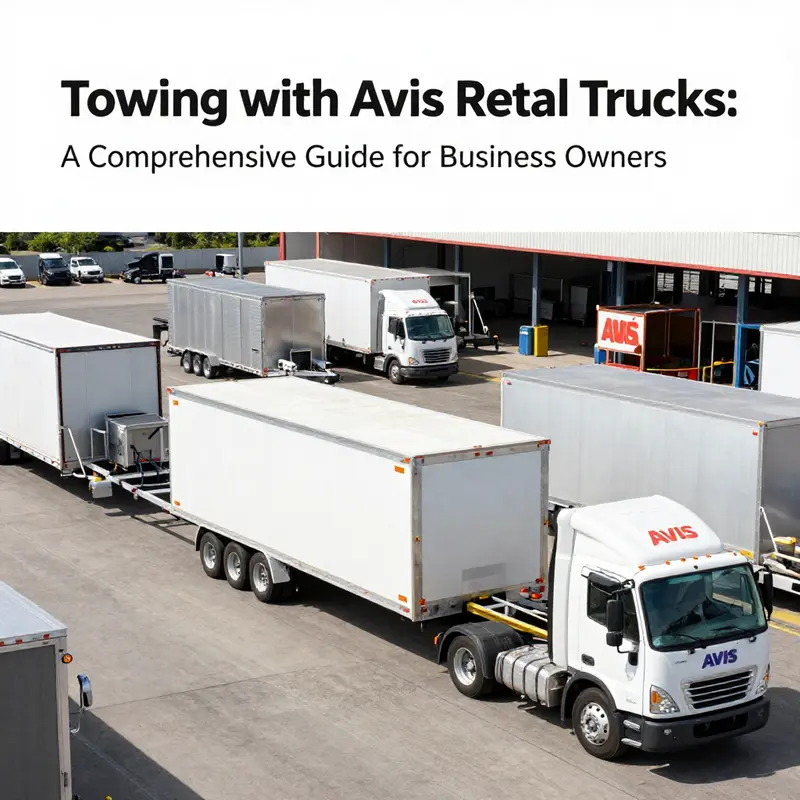
Planning a move or a deliberate haul with an Avis rental truck requires clarity about what towing is allowed, under what conditions, and how to stay safe and insured. Towing with a rental truck is not universal; it depends on the specific vehicle, equipment, and location. Start by confirming the tow package, hitch type, and electrical connections on the unit you intend to rent. The vehicle’s GVWR and the trailer’s rating determine the maximum allowed load, and exceeding those limits can void insurance, violate the rental agreement, and increase crash risk. Always verify the exact numbers for the chosen truck and trailer before you hitch up. The policy typically restricts certain trailer types (for example, heavy travel trailers and motorhomes) unless the rental location authorizes them for a given vehicle. Insurance coverage for towing often requires an endorsement or a Loss Damage Waiver that explicitly includes towing; review your contract and ask questions at the desk to avoid gaps in protection. In addition, ensure the trailer and tow setup meet local laws: lighting, brakes, safety chains, secure loads, and proper license registration where required. Plan the route with extra stopping distance and consider weather and road conditions, especially when towing increases length and braking demands. Finally, document approval for towing in writing from Avis before departure to avoid disputes if something goes wrong on the road.
Final thoughts
Towing with an Avis rental truck can be a smart choice for business owners needing to transport equipment or goods. Understanding the towing capacities of different truck models, having the right insurance coverage, and knowing the types of trailers permitted for towing are essential components that contribute to a seamless and safe rental experience. Make sure to inquire directly with Avis for the most current information and requirements tailored to your needs. Planning ahead ensures you utilize these trucks effectively without compromising safety or incurring extra costs, ultimately adding efficiency to your business operations.