
Towing a camper offers businesses the flexibility of mobile operations, but it raises critical concerns about safety and legality. Understanding the intricacies of pulling a camper with a rental truck is essential for business owners looking to transport goods, equipment, or even venture into mobile services. This article will navigate the vital aspects one must consider, including towing capacity, legal requirements, necessary equipment, safety protocols, and cost factors like insurance. Each chapter will provide in-depth insights to help you make informed decisions when renting a truck for towing purposes, ensuring that your mobile operations remain seamless and compliant.
null
null
Hauling with a Rental Truck: Navigating Legal Boundaries, Insurance, and the Fine Print
Towing a camper with a rental truck sits at the intersection of practical logistics and legal responsibility. It’s not enough to know the truck can pull a trailer; you must understand the contractual limits, the insurance landscape, and the local laws that shape every mile on the road. This chapter grounds the topic in the realities you face before you ever back up to a hitch. It begins with the rental agreement itself, the document that defines what is allowed, what isn’t, and who bears financial risk if something goes wrong. The towing clause might state explicitly that the vehicle can haul only trailers within a certain weight range or that certain models require additional endorsements. Some rental companies reserve the right to refuse towing altogether for specific trucks or configurations, and others may attach a fee for a “tow package” or extended liability, fearlessly shifting costs if an incident occurs. In practice, the first move is to read the agreement with a careful eye, noting any language about maximum towing capacity, GCWR, and required equipment.
The maximum towing capacity, along with the Gross Vehicle Weight Rating (GVWR) and the Gross Combined Weight Rating (GCWR), forms the backbone of safe towing. These numbers aren’t decorative labels; they are the safety margin that keeps the truck stable on turns, hills, and highway ramps. Your fully loaded camper will exceed its dry weight the moment you add water, fuel, propane, groceries, and people. The difference matters. A standard rule of thumb is that the tongue weight should stay around 10 to 15 percent of the total trailer weight. Getting this balance wrong can invite sway, reduced steering control, or even loss of control in a critical moment. When in doubt, weigh the fully loaded camper at a certified scale to capture the true weight and verify it against the GCWR.
Insurance is the other hinge on which safety and financial risk swing. A standard rental agreement often does not extend coverage to the towed camper or to towing-related liabilities. If an accident happens while the camper is hitched to a rental truck, the policy that travels with the truck may not respond the way you expect. This is where endorsements or supplemental liability coverage come into play. The rental company may offer a dedicated tow package or require you to purchase extra protection to secure the trailer, the third party’s property, and any potential medical costs. If you skip these protections, you risk large out-of-pocket expenses and a potential denial of a claim. Clarifying these terms before you sign the rental contract protects you from surprises that can ruin a trip before you reach the first rest stop.
Beyond the insurance and weight constraints, the selection of equipment matters. A compatible hitch system—ball mount, proper hitch receiver, and a trailer ball rated for the load—must be installed and compatible with both the truck and the trailer. The trailer’s electrical system must be wired to power brake lights, turn signals, and running lights, and you should always use a functioning wiring harness. Safety chains form a critical backup, typically arranged in an X pattern, so a hitch failure does not lead to a detached trailer. For trailers with electric brakes, an emergency brake line is essential to ensure the trailer’s brakes engage if the connection to the truck is severed. The rental agreement may also specify whether a weight-distributing hitch is permitted or required for a given trailer. Adhering to these requirements minimizes the chance of a sweep of penalties and helps ensure that the trailer remains stable, especially during long highway stretches.
The legal landscape extends beyond the rental company’s paperwork. States and municipalities impose rules about trailer width, lighting, braking systems, and even the permissible length of a trailer in certain contexts. Some jurisdictions require brake lighting verification at setup or inspection along the route, while others may demand extra reflection or visibility devices for night travel. Knowing these rules before departure reduces the risk of fines and avoids the scenario where your trip is interrupted by a stop at a roadside inspection. In practical terms, the safest approach is to prepare as if you are commuting with a large, openly loaded load that requires precise handling and predictable responses to driver input. This means planning a route that avoids tight toll booths, narrow mountain passes, and complex interchange ramps, especially if you are operating with unfamiliar equipment or a slightly heavier load than you have towed before.
To keep this process anchored, refer back to trusted guidance from the rental industry and the safety community. A single, unified thread runs through all these considerations: respect the limits of the equipment, protect yourself with appropriate coverage, and verify that your understanding aligns with the contract. One practical step is to confirm towing permission with the rental company in writing. Some fleets allow towing but require a specific model or class of vehicle, while others may impose an additional fee or restrict certain destinations. This is not merely a courtesy; it is a contractual requirement that can affect insurance in the event of a claim. The same applies to the use of any add-on towing gear. If a weight-distributing hitch, a sway control device, or a compatible braking system is required or prohibited by the agreement, you should know now rather than encountering a hitch after you’ve loaded up and left the depot. For drivers seeking practical pointers on equipment, one can consult guides that discuss hitch installation and compatible gear, such as this resource on Penske trailer hitch installation.
The most reliable path forward blends preparation, documentation, and humility on the road. Before you pull away, confirm that the combined weight of the camper and its contents does not exceed the truck’s GCWR, and carry the scale ticket or measurement data you used to arrive at that number. Carry copies of the rental agreement and any endorsements or insurance certificates in the vehicle so you can present them if questioned by authorities or the rental desk at a subsequent pickup. If you plan to travel through multiple states, a quick check of local traffic laws at the start and end points of each leg can spare you a roadside citation or a legal headache when you’re far from home. The goal is straightforward: a well-supported, legally compliant tow that prioritizes safety and minimizes risk.
In the end, the decision to tow with a rental truck hinges on a clear-eyed understanding of the contract, the weight realities of the camper, and the insurance protections that will shield you from financial exposure. It is not a mysterious obstacle, but it is a three-part puzzle that rewards careful reading, precise weighing, and deliberate planning. If any piece feels uncertain, pause and seek confirmation from the rental provider or a safety professional. The road is long enough without friction born from misinterpretation or overconfidence. For those who want a concise, practical primer on hitch setup and alignment, the linked hitch installation guide offers a grounded starting point, while broader safety resources from the National Highway Traffic Safety Administration provide official context on towing safety practices. See the official NHTSA guide for vehicle towing safety for comprehensive, nationwide guidance on best practices and regulatory expectations: https://www.nhtsa.gov/vehicle-towing-safety
Gear Up and Go: Essential Equipment for Pulling a Camper with a Rental Truck
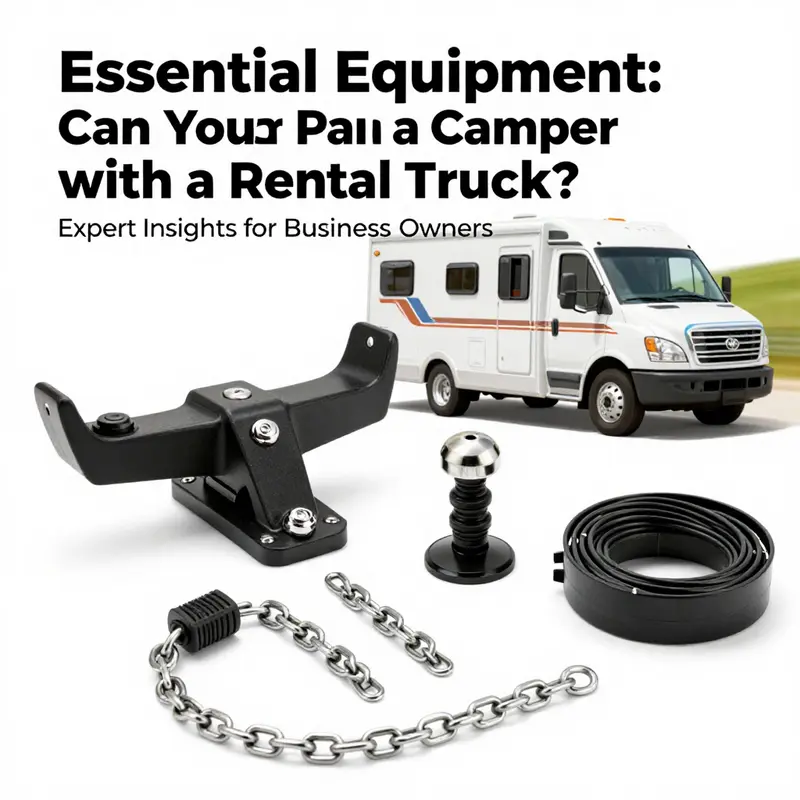
Pulling a camper with a rental truck can unlock flexible travel and cost-effective trips, but it also places a premium on the right equipment and disciplined preparation. The idea is simple: the truck does the moving, the camper provides the shelter, and together they form a towing system that must behave predictably in ancient and modern road conditions alike. The reality is that the safety and efficiency of the journey hinge not on bravado but on a carefully assembled toolkit, a clear understanding of weight and balance, and a respect for the rules that govern towing. When you approach the task as a system, you start with the essentials: a compatible hitch setup, a reliable electrical connection, secure fastening, and attention to weight distribution. Each piece of gear serves a purpose far beyond convenience. It is a bridge between the potential energy of a loaded camper and the steadiness required to keep it aligned with the truck through highway curves, sudden gusts, and the occasional imperfect road surface. The following considerations knit together into a practical, ready-to-tow mindset that aligns with the realities of using a rental truck for camper transport, rather than a best-case vignette that never encounters potholes, rain, or the variability of load weights.
First, the hitch and receiver establish the anchor for the entire setup. Rental trucks vary in their hitch configurations, and many do not come with the exact receiver you need out of the gate. The most common formats are 2-inch and 2-1/2-inch receivers, and the choice of receiver ultimately determines what hitch ball and coupler you can safely pair with. This is not a detail to skim. A mismatch between the hitch ball size and the camper’s coupler is the fastest route to a dangerous disconnect. Check the truck’s specifications and confirm with the rental agency what equipment is provided. If a hitch is absent or undersized, you’ll need to arrange a compatible hitch and ball mount—either through the rental company or a reputable third-party supplier—and ensure it is rated for the trailer’s weight class. The connection is not passive; it must be tight, secure, and capable of handling the dynamic loads that come with acceleration, braking, and turns. For a deeper dive into hitch setups, you can consult a practical guide on hitch installation.
The fuse box for safety, however, is the trailer wiring harness. A camper needs power for brakes, running lights, and turn signals, and your truck must deliver that power reliably to the trailer harness. In most rental arrangements, the wiring harness is provided, but it is not universal. Verify that the connector type matches your trailer’s sockets, and test the lights before you depart. A failure in signaling or brake lights doubles the risk of rear-end mishaps and complicates roadside legal compliance. If there is any doubt about wiring compatibility, arrange a quick test with the rental agent or bring a basic tester to verify function across all circuits. The connection should be protected from dirt and moisture, and the harness itself should lie in a way that it cannot interfere with the truck’s steering, wheel movement, or exhaust heat.
Beyond connection hardware, safety chains form an indispensable redundancy. These chains should cross underneath the trailer tongue in a characteristic X pattern. That arrangement provides a fail-safe in the unlikely but real event that the hitch fails. Chains must be rated for the trailer’s gross weight and kept taut enough to prevent excessive slack, yet not so tight that they impede hitch articulation. The chain system is not decorative; it is a critical line of defense that can prevent a trailer from detaching and veering off the roadway. A related component, the emergency brake line for trailers equipped with electric brakes, must be connected and unobstructed. If the connection is severed, the brake system should engage to slow and stop the trailer safely, providing a crucial margin of safety in the event of a hitch failure.
When the load shifts from the camper to the hitch, weight distribution becomes a central theme of stability. Heavier campers, or setups that cause the truck’s rear suspension to sag, may benefit from a weight distribution system. This kit helps balance forces between the tow vehicle and the trailer, reducing sway and improving steering response. Tongue weight—the downward force the trailer exerts at the hitch—should generally account for about 10 to 15 percent of the trailer’s total weight. This ratio supports stable towing dynamics, especially when negotiating freeway ramps or gusty crosswinds. If you find the rear end of the truck squatting noticeably, or if a gust feels like it wants to nudge the trailer, a weight distribution system is worth considering. It is not a luxury; it’s a stabilizing tool that makes the entire setup behave more like a single, cohesive machine rather than a two-part problem.
Visibility remains a recurring challenge when towing. Standard mirrors on a rental truck are often insufficient for tracking a long trailer. Extendable tow mirrors can make the difference between confident lane changes and uneasy blind spots. The extra width and height give you a better sense of how the load tracks behind you, which is especially important when negotiating tight turns, merging onto a busy highway, or navigating in urban environments with frequent stops. The right mirrors reduce the cognitive load of driving and mitigate the risk of misjudging how close the trailer is to adjacent vehicles or obstacles. The emphasis on visibility is not cosmetic; it is directly linked to safer lane positioning and clearer signaling for other road users.
Pre-trip checks extend beyond the hitch and wiring. A reliable toolkit includes a tire pressure gauge and a portable air compressor. Proper tire inflation is critical for both fuel efficiency and safety. Under-inflated tires are more prone to blowouts and heat buildup, while over-inflation can reduce traction and ride comfort. Regularly checking tire pressures on both the truck and the trailer tires, and adjusting as needed for distance, weather, or loads, is a simple habit with outsized safety benefits. While the camper is on the road, it is prudent to perform periodic checks during longer trips. A small emergency kit should accompany you on every leg of the journey. Include a spare tire with a jack and lug wrench, duct tape for quick field repairs, a bright flashlight for nighttime inspections, basic first aid supplies, and a charged mobile phone to coordinate with roadside assistance if needed. These items are not flashy; they are practical, reliable lifelines should a hiccup occur far from your original departure point.
Tow equipment does not end with the mechanical and electrical. Stabilization features to place under the camper once you park—leveling jacks or stabilizer bars—can transform an uneven campsite into a comfortable living space. These tools are not necessary for driving but are invaluable once you arrive. They allow the camper to settle securely on uneven ground, supporting safe use of the living space and equipment inside. While on the move, the emphasis should be on maintaining proper payload distribution and secure connections. Some operators prefer to keep their camper lightly loaded during transit to reduce the tongue weight and improve management of sway, but any such decision needs careful consideration of the camper’s full loading state, including water, propane, and cargo.
The rental agreement itself deserves a calm, deliberate review. Some rental agencies explicitly permit towing with certain trucks, while others impose restrictions or fees. Insurance coverage is another critical area; typical rental policies may not cover damage to a towed camper or liability arising from towing, so you may need to purchase extra coverage or a tow package. Verifying terms in advance avoids disputes and ensures you understand what is covered if something goes wrong. The preparation you invest here pays dividends in the event of a roadside incident, a wet turn, or a sudden lane change by another driver. In parallel with hardware readiness, you should confirm weight limits, hitch compatibility, and any handling cautions that the rental agency communicates. A practical approach is to run a mental rehearsal: imagine a weather scenario, a lane merge, a steep ramp, and a need to stop suddenly. The toolkit described above is what keeps such moments manageable, not a panic response.
Load calculation, a sometimes overlooked step, anchors the safety framework. The overall weight of your camper when fully loaded—not just the dry weight—drives your decisions about hitch size, tongue weight, and the permissible combined weight. Water capacity alone can swing the numbers by hundreds of pounds; for instance, an average freshwater tank can add around a few hundred pounds depending on capacity. Weighing the loaded camper at a certified scale before you depart gives you the true figure to compare with the truck’s towing capacity and the GCWR, the maximum combined weight of the truck and trailer. Exceeding GCWR is not merely unwise; it is potentially catastrophic. The principle here is straightforward: accuracy in the load translates to predictability on the road. With that in mind, every step—from hitch selection to tie-down points—receives practical significance.
If you want to explore the specifics of hitch configurations further, a dedicated guide on trailer hitch installation can provide exact compatibility checks, torque values, and best practices. This chapter’s emphasis is on building a dependable baseline so you can hit the road with confidence. As you assemble gear and verify connections, keep the to-do list visible in your pocket or vehicle. A short checklist kept on the dash helps you resist the temptation to rush through the critical safety steps, especially when deadlines loom or weather turns unfavorable. The sequence matters: confirm towing permissions, verify insurance, inspect connections, test lights, secure the load, and perform a final walk-around to ensure nothing rattles loose on a drive. Safety, after all, is a continuous process rather than a single act.
In closing, the allure of towing a camper with a rental truck rests on disciplined preparation rather than impulse. The equipment described here—hitch and receiver, proper coupler and ball size, affixed wiring, crossed safety chains, appropriate weight distribution, enhanced visibility, dependable tires, and a ready emergency kit—creates a coherent, resilient system. When these elements are in place, pulling a camper becomes less about risk management and more about reliable mobility, allowing you to focus on the journey, the scenery, and the experiences that lie ahead. And for those who want to dig deeper into a specific piece of the setup, the linked hitch installation guide offers practical steps to tailor your rig to your exact camper. For authoritative safety guidelines to support your planning, consult the NHTSA towing safety resources available online: https://www.nhtsa.gov/equipment/towing-safety-tips
Towwise and Safe: Mastering Camper Hauling with a Rental Truck
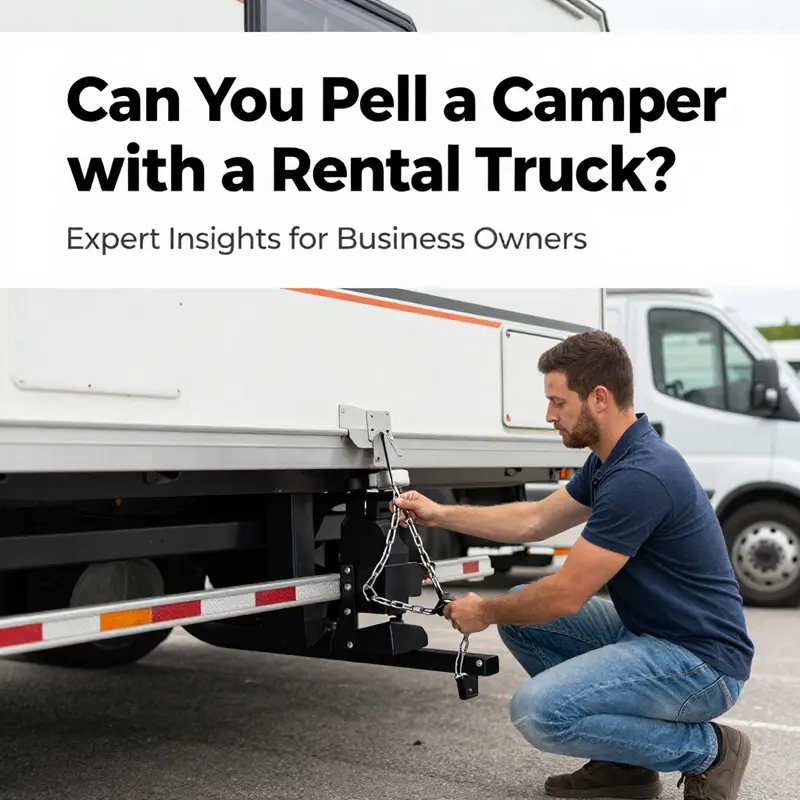
Towing a camper with a rental truck can unlock flexible travel plans and cost efficiency, but it demands a careful, methodical approach. The journey from choosing a truck to arriving at your campsite hinges on safety, compliance, and smart load management. The moment you start planning, you should treat the rental truck not as a vehicle for a weekend errand but as a moving part of a larger system that includes the camper, its contents, and the road you travel. The core truth is simple: every weight element matters. Not only does the truck need to pull the total load, it must do so with stable handling, predictable braking, and reliable steering through varying road conditions. With attention to capacity, connections, and driving style, you can create a towing setup that performs well and keeps everyone on board safe. The preparation you undertake before leaving the lot often determines the outcome of the entire trip.
When you start assessing a rental truck for towing, the first concrete step is to verify the towing capacity. This figure is not a suggestion; it is the hard limit for what the truck can safely haul under typical driving conditions. You find this data in the vehicle specifications, usually on the driver side door jamb or in the manual. The real test is to compare that number to the loaded weight of the camper, not just its dry weight. A camper’s weight can balloon once you add water, propane, gear, and passengers. A full freshwater tank can add hundreds of pounds, and even modest cargo increases the total weight significantly. Do not rely on the trailer’s empty weight as a stand‑alone measure. A prudent approach is to weigh the loaded camper at a certified scale to know its true loaded weight. Beyond the trailer weight, you must factor in the Gross Combined Weight Rating, GCWR, which caps the sum of the truck and trailer. Exceeding GCWR is not a risk it is a direct danger, reducing control and increasing the likelihood of a loss of traction, brake failure, or a sway event.
Once capacity checks out, the next layer is the rental agreement itself. The legality and practical coverage of towing with a rental truck vary by company and by model. Before you hook up anything, confirm that towing is explicitly allowed for the chosen vehicle. Some rental options restrict towing on certain models or impose additional fees or requirements for towing. Insurance is another critical piece. Standard rental coverage often excludes damage to a towed camper or liability during towing. You will likely need to purchase an add‑on coverage or a dedicated tow package to protect yourself financially. Read the exclusions with care, and ask questions about what is covered if you are in an accident or if a component fails while on the road. This is not a place to assume and hope for the best. It is a direct line to financial protection and risk avoidance.
Once you have the go‑ahead on capacity and coverage, you can turn to the equipment side. A compatible hitch system is essential, and it must be rated for the weight you are pulling. The hitch should be properly installed and aligned with the trailer coupler. A sway control device becomes highly valuable with larger campers because it helps minimize the dangerous side‑to‑side movement that can lead to rapid instability. If you are new to towing with a rental truck, this is a system worth prioritizing and learning to use correctly. In addition to the hitch and sway control, you should ensure the trailer wiring harness is connected to power the camper’s brake lights, turn signals, and running lights. Safety chains are nonnegotiable and should cross under the trailer tongue and attach to the truck frame with enough slack to allow for turns without a disconnect. An emergency brake line is essential for trailers with electric brakes, ensuring brakes engage if the connection to the truck is severed.
Safety in motion relies as much on how you drive as on the equipment. The driving plan needs to reflect the added length, weight, and momentum. Do not accelerate or brake abruptly; instead, anticipate traffic, plan lane changes well in advance, and monitor for sway especially when crossing wind gusts or narrow roadways. A conservative following distance is advisable, and in many situations a cushion of several seconds more than you would use with a non‑towed load is prudent. Longer distances give you time to react to a sudden stop, a sudden turn, or a rough patch in the road. When you do brake, apply smooth, progressive pressure to prevent the trailer from pushing the truck forward or yawing. Steering inputs should be deliberate and gradual, particularly when navigating curves or merging onto highways.
A practical, often overlooked aspect is how you balance and load the camper. Tongue weight should sit between roughly ten and fifteen percent of the total trailer weight. Correct tongue weight helps ensure the tow vehicle maintains front‑ axle stability and improves overall handling. Too little tongue weight and the trailer can push the back of the truck around, reduce steering control, and invite trailer sway. Too much tongue weight, on the other hand, can overload the hitch and rear axle, degrade suspension performance, and stress the braking system. A well‑balanced load means distributing heavier items toward the trailer’s axle, securing loose items to limit movement, and checking that the hitch and coupler are holding fast before you set off. It is also wise to verify tire pressures on both the truck and the camper and to inspect the tires for wear and possible damage before every leg of the journey. A simple, daily walk‑around to tighten connections and recheck lights can avert a range of electrical or mechanical failures that might otherwise go unnoticed until it is too late.
Beyond mechanical checks, there is a practical, day‑to‑day discipline to towing with a rental truck that reduces risk. Plan your route with knowledge of road grades, wind exposure, and typical traffic patterns. Be mindful of height and width restrictions, especially when approaching bridges or narrow lanes that are commonly negotiated with campers in tow. If possible, schedule longer stretches of travel during daylight and favorable weather, and plan for extra rest stops to inspect the hitch, tires, and connections after every few hours on the road. It is not unusual to pause at a rest area to re‑secure gear, verify that all lights are functioning, and confirm that the load remains within safety parameters after a stint of rough pavement. These routine checks are not tedious add‑ons; they are the essential maintenance that prevents breakdowns and reduces the risk of an accident.
The relationship between the rental company, the vehicle capabilities, and your towing practices creates a safety net that keeps people safe and reduces liability. If you are unsure about any policy or procedure, reach out to the rental provider for explicit guidance. Some renters offer add‑on services, such as trailer hitch installation or specialized insurance options, which can make towing with a rental truck significantly less stressful. Speaking with the rental company also helps clarify how to handle emergencies or roadside issues while towing. For a quick practical reference on the physical setup itself, you can consult the guidance on hitch installation in this dedicated post: Trailer Hitch Installation. This resource can help you confirm that your hitch, wiring, and safety chains are correctly installed and that you understand the effects of weight distribution on handling.
As you reflect on these layers of safety and planning, keep in mind that the overarching aim is not merely to complete a move or a road trip but to do so with a high margin of safety and a clear understanding of the risks involved. You are balancing weight, mechanical integrity, human factors, and environmental conditions. Although the calculated numbers and checklists can feel exacting, the reality of towing is that careful preparation and disciplined driving reduce the chances of loss of control far more than any single feature of the truck. If you approach the process with respect for the weight your vehicle is carrying, an honest appraisal of the hitch and wiring system, and a commitment to steady, anticipatory driving, you can enjoy the freedom of traveling with a camper and the peace of mind that comes with knowing you have prepared thoroughly for every mile.
For those who want additional safety resources, it is helpful to consult authoritative guidance on towing safety from national regulators. The official resource from the National Highway Traffic Safety Administration provides comprehensive, research‑based recommendations on load distribution, hitch selection, braking, and emergency procedures. Relying on such guidance reinforces the practical steps outlined here and offers a broader framework for staying safe on the road.
External resource: NHTSA Vehicle Towing Safety https://www.nhtsa.gov/vehicle-towing-safety
Budgeting the Ride: Insurance, Fees, and the Hidden Costs of Towing a Camper with a Rental Truck
Choosing to pull a camper with a rental truck is as much a financial decision as a practical one. The decision demands careful forecasting, not just for the up-front price of the rental but for the layers of cost that accompany towing. Insurance, added charges, and the tolls of operating a heavy vehicle with a trailer all stack up, sometimes in surprising ways. For many, the math isn’t glamorous, but it is essential to determine whether this option is affordable and sensible for the trip you have planned. The core financial reality is straightforward: the rental price is just the first line item. The real cost picture includes the insurance needed to protect you and the asset, any towing-specific fees, and the ongoing expenses of fuel, maintenance, and potential mileage surcharges. When these components are laid out clearly, a traveler can compare this approach against alternatives—such as a purpose-built moving rental or hiring a professional towing service—and decide which option provides the best balance of safety, convenience, and value.
Insurance stands at the heart of the financial equation. Standard auto insurance policies typically do not cover rental trucks or any trailer attached to them. This isn’t a marginal caveat; it means most renters will need to purchase insurance specifically for the moving vehicle and, in many cases, for the trailer as well. The rental company will often offer a dedicated insurance package or “tow package” that provides liability coverage and damage protection while the truck is in use. There can be notable differences in policy limits, deductibles, and exclusions, so the prudent step is to compare terms side by side before you commit. The goal is to avoid a scenario where a mishap leaves you financially exposed for structural damage, medical costs, or liability. If your own personal or homeowner policy glances at coverage for a rental vehicle, confirm whether it extends to a towed camper and whether any exclusions apply when the vehicle is used to tow a trailer. This due diligence matters because even small incidents—like a tire blowout or a misjudged turn—can trigger out-of-pocket costs that eclipse the basic rental rate.
Beyond the coverage itself, there is a pricing calculus to weigh. Insurance on a moving truck with a trailer can add a meaningful daily premium, especially if you are renting for an extended period or traveling through areas with higher perceived risk of theft or damage. Some renters discover that the insurance add-on is priced as a daily rate, while others publish a flat fee for the entire rental term. Either way, it’s essential to quantify this expense in your overall budget rather than letting it appear as an afterthought. The sum becomes clearer when you request formal quotes that itemize the base rental rate, any towing-related surcharges, the insurance package, and the possible deposit requirements. A transparent quote helps you avoid surprises at the counter and in the return process.
The rental itself is the next big piece of the cost puzzle. Large moving trucks capable of towing a camper carry higher daily or weekly rates, and sometimes even a higher base mileage charge. If you plan a one-way trip, there may be a substantial one-way fee or a premium for returning the vehicle to a different location. It’s not uncommon to encounter minimum rental periods that don’t align with your actual trip duration, which can lock in days you don’t need. It’s worth negotiating terms such as a shorter rental window with a guaranteed pickup and drop-off times, and asking whether the company offers a cap on mileage for your route. Even when you have a rough itinerary, clarifying these terms up front helps prevent a bill that balloons as the trip unfolds.
Maintenance and auxiliary charges deserve attention as well. Renting a heavy truck means burdening a vehicle with wear and tear that is not your regular concern when using a personal car. Some rental agreements include routine maintenance items in the stated price, but many require you to foot the bill for things like oil changes, tire wear beyond a predefined limit, or even routine servicing if you return the truck with issues. You should also anticipate charges for additional equipment required to tow safely. A properly rated hitch, a functioning wiring harness to power brake lights and running lights on the camper, safety chains, and a functioning emergency brake line are not optional extras; they are essential components of a lawful and safe tow. These items can be billed separately if you did not verify their presence or condition at pickup. If you are renting, you may be offered a bundled package that includes the hitch and wiring; if not, you’ll need to price these out in advance to avoid last-minute add-ons that alter the total.
Fuel efficiency is another critical price driver. Rental trucks designed to tow are heavier and less fuel-efficient than the standard passenger vehicle you may drive daily. The added weight of a loaded camper compounds the fuel use, and long-distance trips can turn into a sizable fuel bill. The cost per mile can feel negligible in the moment, but it compounds over the course of a trip. When budgeting, it helps to estimate fuel costs using the truck’s published miles-per-gallon and multiply by the anticipated distance and expected fuel price along the route. Don’t forget to factor in potential fuel stops for safety checks of the hitch, wiring, and tires. These checks are not only prudent; they’re cost-saving in that they prevent larger problems that could lead to expensive emergency services or road-side repairs.
There is also the practical reality of risk management. Fees for roadside assistance or lockout protection can vary widely between providers. If you anticipate a rougher driving route or unfamiliar terrain, you may want to insure against breakdowns or misadventure with a comprehensive roadside plan. While this is a cost, it can translate into real savings if a mechanical hiccup occurs far from a trusted service network. The bottom line is simple: the price tag of towing a camper with a rental truck is a composite of the base rental rate, insurance, mandatory equipment, fuel, maintenance, and potential ancillary services. Each element deserves careful scrutiny so that the final number reflects what you truly need rather than what is offered as a bundled upsell.
From a decision-making perspective, building a realistic budget requires more than collecting quotes. It calls for a careful trade-off analysis between risk and reward. A rental truck that promises convenience might also lock you into higher costs if you discover the insurance is steep or the required equipment adds an unexpected charge. Conversely, a more modest rate with limited insurance coverage might leave you exposed to uninsured losses. In some cases, the numbers align more favorably with an alternative approach, such as renting a vehicle specifically designed for towing, or hiring a towing service for the camper portion of the move. When evaluating options, treat the insurance terms as a non-negotiable line item and place the rest of the costs in a comparative framework. A well-constructed budget should also include a contingency for detours or delays that require extending the rental period.
For readers seeking practical navigation through the insurance maze, an accessible resource that breaks down coverage options and common exclusions is useful, especially when you are balancing risk against cost. If you want to explore a focused guide on moving-truck insurance and coverage nuances, consider a dedicated reference such as the one found in consumer finance resources. This can help you compare how coverage works in real-world scenarios, including what constitutes a covered incident and how deductibles influence your out-of-pocket costs.
In sum, the financial calculus of towing a camper with a rental truck is not a single number but a landscape of interlocking costs. The smart approach is to obtain transparent, itemized quotes from the rental company, confirm the exact insurance coverage and exclusions, and forecast fuel, maintenance, and potential mileage charges with a realistic travel plan. Simultaneously, compare this approach against alternative arrangements to determine whether the combination of safety and value meets your needs. A thorough, honest assessment of the financials will illuminate the best path for your trip and protect you from unwelcome surprises when you return the truck and camper. For a concise starting point on one-way moving truck options and practical considerations, you can consult a dedicated guide on one-way moving truck rental. one-way moving truck rental guide.
As you prepare, remember that the final decision should balance peace of mind with price. Insurance is not a luxury when you tow a camper; it is a necessity that shields you from significant financial risk. The rental rate may seem high, but when paired with careful planning—transparent quotes, clear terms, and an organized equipment checklist—it becomes a predictable expense rather than a financial surprise. Consider doing a dry run with a shorter trip or a test tow in a controlled area to confirm you understand the towing dynamics, the hitch setup, and the truck’s handling characteristics. This practical rehearsal can prevent costly mistakes once you are on the road and under time pressure. If the numbers still feel daunting, reframe the plan toward options that emphasize safety, reliability, and overall value. In the end, the best choice aligns your budget with your risk tolerance and your comfort with driving a heavy vehicle while towing.
External resource: https://www.bankrate.com/insurance/car-insurance/does-car-insurance-cover-a-moving-truck-rental/
Final thoughts
Understanding the complexities of pulling a camper with a rental truck is vital for business owners. Properly evaluating the towing capacity, legalities, and essential equipment prepares you for safe and legal transportation. Implementing best practices and accounting for financial considerations ensures a smooth towing experience. Armed with this knowledge, you can confidently rent a truck that meets your needs while keeping your operations safe, efficient, and compliant with the law.