
For business owners traveling with rental trucks, understanding the nuances of toll payment options can significantly impact logistics planning and expenses. As many entrepreneurs increasingly rely on rental vehicles for freight, moving, or delivery services, the question arises: Can I use my E-ZPass on a rental truck? This comprehensive guide provides vital information about E-ZPass functionality in rental trucks across various rental companies and states, clarifying policies, potential fees, and how to ensure seamless toll payments during your journey. Each chapter will delve into these intricacies, empowering business owners to navigate the toll landscape confidently.
Toll Pass on the Move: Using E-ZPass with a Rental Truck
Toll systems follow vehicles like weather follows a plan to cross a citys borders, and when the vehicle is a rental truck, the stakes shift in ways that surprise first time movers and occasional weekend road trippers alike. The core question can I use my E Z Pass on a rental truck is not a binary yes or no. It is a layered decision built from the specifics of the rental company toll policies, the tolling region you plan to traverse, and how your own E ZPass account is set up. The practical answer usually tilts toward yes, but with important caveats. Before you depart, take a moment to confirm with the rental company about their toll payment policy. Some fleets are equipped to accept personal transponders, especially when the vehicle is intended for longer moves or trips across multiple tolling authorities. Others may require you to rely on the rental companys own tolling arrangement or a post transaction system that bills tolls by license plate images. The difference is not merely bureaucratic. It can affect charges, timing, and even eligibility for certain promotions or discounts that you might rely on during a big move. In short, a quick call or a careful read of your rental agreement can save you from an unexpected bill, a failed transaction, or a misapplied toll charge later on.
If your rental truck is already equipped with an E Z Pass transponder, you can typically use your own E ZPass account to cover tolls, provided the rental company explicitly allows it and the transponder is properly managed. The device ought to be mounted in a location that both preserves the trucks visibility and aligns with the tolling systems field of recognition. The standard practice is to place the transponder inside the windshield, near the rearview mirror. It should be secured so it wont swing or detach during driving, even on rougher roads or during turns. The aim is simple you want the toll lane to recognize the tag consistently, not trigger a picture based toll record because the device is loose blocked or misaligned. If the transponder belongs to you, the appropriate fees might be billed directly to your E ZPass account, or to the rental company depending on the arrangement you negotiated. Either way, the important detail is that the tag is active, funded, and linked to a valid account with sufficient balance or available credit to cover the tolls incurred on your route.
Placement is more than a matter of mechanics its a matter of compliance with the rental contract and the toll agencys rules. Some states and toll authorities have specific guidance about mounting a third party transponder in a rental vehicle. You may find that the policy emphasizes safety and unobstructed views, with emphasis on avoiding any device that could interfere with the drivers line of sight or air bag deployment. Your trailer or cargo area might require different considerations if youre towing. If the truck youre driving has a built in E ZPass tag provided by the toll system, make sure your use of it is consistent with both the toll authoritys expectations and the rental agreement. On the other hand if youre allowed to bring your own transponder, be mindful of the potential for the rental company to be billed for tolls in certain circumstances, such as when you drive through a toll plaza in a lane that requires a specific tag, or when a vehicle account status changes mid trip.
But what if the rental company does not permit personal transponders in their trucks? That is a common scenario youll encounter, especially with fleets that want to maintain direct control over toll billing. In those cases, there is usually an alternative payment pathway most often a post trip toll settlement based on license plate recognition. Toll authorities can switch to a per plate billing model where cameras read the plate and bill the renter or the company. This can lead to invoices arriving after the trip, sometimes weeks later, and it may involve processing fees or administrative charges. The risk here is not merely an extra line item on a receipt its the possibility of a mistaken plate misidentification, or a mismatch between the rental period and the toll records. The prudent traveler will keep a copy of the rental agreement, note the toll policies, and monitor any toll bills with the same attention given to fuel receipts and maintenance charges during a move.
Beyond the policy landscape, it helps to be aware of regional variations in tolling practice. In some jurisdictions the policy is explicit rental vehicles must be billed via the rental companys tolling solution, even if the traveler has an active personal E ZPass account. In others there is room to use your own transponder, so long as you adhere to the installation guidelines and ensure the transponder is recognized by the tolling network. A couple of examples from the policy field illuminate the point. For instance one toll system and a major highway corridor in the northeastern United States emphasize that customers with rental vehicles should review the rental companys tolling agreement to confirm whether E ZPass is accepted or tolls will be processed via license plate imaging. Similarly toll authorities in other parts of the region confirm that some rental fleets either carry E ZPass tags or coordinate toll payments through license plate based billing. The thread that runs through these cases is clear before hitting the road know how your tolls will be paid and who will be billed when tolls accumulate on a long journey. This is not merely a convenience or a budgeting concern its a matter of compliance and accountability.
If you do decide to bring your E ZPass into a rental truck journey, there are a few operational considerations to keep in mind. First, make sure your E ZPass account is active and in good standing. A still valid tag is useless if the account has expired or if there are insufficient funds when you pass through a toll plaza. It is worth double checking your account status a few days before you depart, especially if your move involves crossing multiple toll corridors or if youll be driving through areas with frequent toll points. Second, confirm that the transponder is compatible with the trucks windshield and mounting location. A tag that shakes loose in a high velocity lane can cause a toll lane to fail to recognize the device, resulting in a toll by plate scenario in which a camera captures your license plate and bills the account on file rather than the tag. If necessary, request guidance from the rental staff about the most secure mounting technique and whether there are any prohibited areas of the windshield where a transponder cannot be placed. Third, remember that the tolling transaction is a record of your journey. If you notice an unfamiliar toll charge after your trip, dont assume it will disappear. Reach out to the toll authority and the rental company to reconcile any discrepancies, providing your travel dates, route, and the exact vehicle used during the trip.
For travelers who want to connect their move with practical resources there is value in taking a broader view of the moving truck ecosystem. When planning a move consider exploring resources that address long distance rental logistics, route optimization, and toll management across state lines. A helpful resource you can consult is a guide focused on moving truck rental options and mile configurations. It offers context on how you can prepare for a cross state move, balancing mileage flexibility with toll considerations along the way. If you prefer you can also check the toll authority guidance and the E ZPass resources for the latest rules about transponders, account linking, and compatible devices. With those steps in place you can keep your route moving smoothly and avoid the friction that often accompanies toll related misunderstandings on long moves.
A final consideration is risk management during a long move. Even when you have a plan for tolls, trips through unfamiliar terrain increase the chance of missed turns, detours, or unexpected toll points. A methodical, proactive mindset helps. If your route includes toll heavy corridors, map out the toll plazas along the way and estimate costs so you are not blindsided by a large bill at the end of the trip. Keep a backup plan for toll payments in case one channel experiences a hiccup. Simple precautions such as maintaining up to date contact information with the rental agency, keeping a copy of your toll policy on the dashboard, and having a secondary payment method for tolls can help you stay ahead of issues and reduce stress during a move.
In sum you can use an E ZPass in a rental truck, but the path to doing so smoothly depends on the rental companys policies and the tolling regime in your travel zone. If the policy is friendly to personal transponders, ensure proper mounting and active accounts, and be mindful that some regions may bill by license plate instead. If the rental company does not permit personal transponders, you may still complete tolls by plate based billing, which requires timely attention to post trip charges and reconciliation. The most reliable preparation is straightforward confirm policy in advance, ensure the transponder is properly mounted and funded if allowed, and stay aware of how tolls will be settled on your route. As you plan your move you can also leverage resources focused on moving truck logistics to make the journey as efficient as possible, including pages that address mileage flexibility and regional availability. And when you want the most current, official guidance on E ZPass usage consult the toll systems or toll authorities official resources. An important external reference is the E ZPass official site, which provides the framework for understanding how transponders work and how tolls are assessed across regions
Toll Transponders and Rental Trucks: Navigating Toll Payments Without Surprise Fees
Renting a truck for a long move or a cross-country haul raises practical questions beyond just size and fuel economy. One of the most common concerns is tolls, and specifically whether a renter can use their own toll transponder to handle toll payments. The answer depends on the rental company and the local tolling rules, but with clarity and a bit of planning, you can avoid a tangle of charges, fines, or surprise fees.
Most rental fleets treat tolls as a separate service. Many operators offer a toll transponder as an optional add-on—often at a modest daily rate—and place the transponder inside the vehicle so it interacts with tolling systems automatically. When you drive through a toll booth, the toll is paid with the transponder linked to your rental account, rather than from a personal wallet or an unpaid balance tied to your name. The charges then appear on your rental bill later, typically billed to the payment method you provided when you reserved or picked up the vehicle.
One of the biggest advantages is convenience. You don’t need to watch a balance or hunt for cash at every plaza. You don’t risk getting caught with a toll violation because your account ran dry. The rental company handles the lifecycle of tolls, from payment to dispute resolution, and you simply receive a consolidated toll bill at the end of the rental or at return, depending on the policy. This can be especially valuable when traversing regions with high toll density, such as corridors along the Northeast and mid-Atlantic, where tolls accumulate quickly on interstates and major expressways.
However, the arrangement is not universal. Some rental companies require you to add the transponder to the rental at the time of booking, while others provide the option during pickup. The daily fee varies, but a typical range is a few dollars up to ten dollars per day. The important point is that tolls are billed to the credit card on file, not to a separate personal account you manage. This means you do not balance or top up funds; the system simply charges each toll as you go, and the final billing aggregates all charges, including any administrative fees that may apply if a toll charge fails or is disputed.
Another crucial detail concerns liability and insurance coverage. If you attempt to use your own personal toll tag in a rental vehicle, many rental agreements either do not allow it or warn that doing so could affect insurance coverage or the rental company’s liability for tolls. In some instances, using a personal tag could void certain protections if tolls go unpaid or if the transponder is not linked correctly to the vehicle. To reduce risk, renters should treat the rental company’s toll service as the primary option. It is designed to interface with the vehicle, the toll system, and the billing system in a way that keeps everyone in the loop and reduces the chance of an inadvertent violation.
Geographically, the tolling networks across the country are broad, with the most widely used systems serving a large swath of the Northeast and Midwest. A transponder tied to a tolling program can work across many toll roads without needing multiple accounts or juggling across jurisdictions. Yet coverage alone does not guarantee freedom from charges or policies. Toll authorities in different states may have distinct rules about how rental vehicles are billed, whether by transponder, license plate imaging, or a combination of both. Some authorities may require rental-supplied toll devices for automatic payment, while others permit the use of a renter’s own transponder only if it is declared and linked to the rental contract.
Practically, before you hit the road, take a moment to confirm with the rental provider what you are allowed to use. Ask whether a toll transponder is included as an add-on and what the daily rate will be. Request that toll charges be billed to the card on file for your booking, and verify whether you will receive a separate toll statement or a single consolidated invoice at the end of the rental. If the vehicle is equipped with a transponder and your account will be used, ensure that the transponder is properly activated and linked to the rental record. If you must rely on license plate tolling or if the vehicle lacks a transponder, you should understand how those tolls will be collected in each jurisdiction you plan to pass through. In some places, automatic tolling is achieved by license plate imaging, which can result in a toll notice sent by mail and possibly additional processing fees when the notice is paid late.
For drivers who like to bring their own tags, there is a caveat. In practice, many providers do not accept third-party transponders in rental vehicles, because the liability for toll payments and compliance falls on the rental company. Even if a tag is physically readable by the tolling system, it may not be recognized by the rental agreement, and the toll charges might end up billed to the rental account or, in the worst case, unpaid and resulting in fines or penalties. If the rental agreement explicitly states that personal tags are not permitted, do not attempt to mount one in the windshield. If you must, ensure you have written authorization and understand any potential impact on the coverage or your responsibility for tolls. The rule of thumb remains: rely on the vehicle’s toll service as arranged by the rental agency, and keep the paperwork clear in case any dispute arises later.
On the ground, how this translates into a smooth trip is simple: pick a rental package that aligns with your route, especially if you know you’ll be crossing multiple tolling jurisdictions. Decide whether the convenience and predictability of a bundled toll service fits your budget and your trip’s needs. If you choose to go without the transponder option, map out the toll roads you expect to encounter and be prepared for possible license plate tolls or alternative payment methods. In high-toll corridors, the extra few dollars per day for an official toll transponder can pay for themselves by avoiding late fees or violation notices. And remember, you will not be tracking a balance; charges will appear on your rental bill, and you can contest any discrepancy through the rental company’s toll disputes process.
Ultimately, the decision rests on your priorities: simplicity, cost certainty, and the risk of toll notices. If you travel through toll-rich regions with an unfamiliar rental vehicle, the safest course is to opt for the rental company’s toll service. It provides a straightforward payment path, minimizes the chance of fines, and places toll management under the umbrella of the rental provider’s policies and support system. It also shields you from the weight of paying attention to every plaza and every balance. The downside, of course, is the incremental daily cost, and in some cases a slightly higher overall rent, but the trade-off is predictability and peace of mind during a potentially hectic move.
For anyone planning a cross-country or multi-state route, the prudent approach is to read the rental agreement aloud, discuss toll options with the agent, and document the agreed method of toll payment. Keep a copy of the agreement with you, and save any correspondence about toll charges or disputes. On return, review the toll charges carefully against the miles you drove and the routes you took. If you notice anomalies, contact the rental company promptly to rectify the billing before the account closes. With the right preparation, using a rental vehicle without worrying about tolls becomes a near certainty, allowing you to focus on the road ahead and the heavy cargo you may be moving.
Finally, if you want to dive deeper into the official mechanics of how tolling works in different states and how transponder-based systems are integrated with rental fleets, consult the tolling authority’s official guidance and consider bookmarking the toll system’s homepage for the states you’ll traverse. These resources provide current policy details and any updates to coverage, rates, and acceptance for rental vehicles. As always, a quick call to the rental provider before departure can save a lot of hassle and money by clarifying the exact method of toll payment for your specific trip.
External resource: https://www.e-zpass.com/
Toll Tactics on the Move: Navigating E-ZPass Use with Rental Trucks Across State Lines
When you map out a move that spans state lines with a rental truck, one practical question rises early: can I use my personal E-ZPass on this vehicle to pay tolls? The short answer is nuanced. E-ZPass is designed to streamline toll payments across a broad network, but whether you can rely on your own transponder in a rental truck depends on the rental company, the vehicle’s equipment, and the tolling rules in the states you’ll traverse. The reality is that most major rental fleets treat tolls as a cost to be managed through their own billing systems. Your personal transponder is not a guaranteed passport to toll-by-plate convenience when you’re behind the wheel of a rental truck. Yet there are patterns worth understanding, and a few smart steps you can take to minimize surprises on the road.
First, it helps to know how the E-ZPass network operates. The system spans many states in the Northeast and Mid-Atlantic, with coverage that includes several key corridors you’ll encounter on a cross-country move. But the mere presence of E-ZPass in a state doesn’t automatically grant permission to use a personal tag in a rental vehicle. The permission is not universal, and some tolling authorities distinguish between private vehicles and rental fleets. In practice, you’ll find that while some regions and agencies recognize E-ZPass transponders attached to rental vehicles, many rental companies prefer to route toll charges through their own accounts rather than through a customer’s personal tag. This distinction is more than a technical detail; it’s about accountability, billing cycles, and the ease of reconciling toll charges when a rental ends.
The policy landscape is further shaped by how tolls are actually collected in particular jurisdictions. A number of rental providers have built-in toll programs that use temporary transponders or toll-by-license-plate systems, and those programs are designed to keep tolls from slipping through the cracks while you’re driving their equipment. Where a personal transponder might be accepted in theory, the rental company’s liability structure and billing framework often require the vehicle’s toll charges to be consolidated in one place—on the renter’s final bill. In short, the default assumption should be that a personal E-ZPass tag is not a reliable control for a rental truck’s toll charges across multiple states.
This is where understanding the local rules becomes important. In practice, you’ll hear about two main pathways for tolls on rental fleets: the rental company-supplied toll service, and the plate-imaging or license-plate tolling that some states employ. The former is straightforward: you request a toll service as part of the rental, and the charges attach to your rental agreement, often billed automatically to your credit card at the end of the rental. The latter is a broader tolling approach that doesn’t depend on a transponder on the windshield. Instead, cameras capture your license plate, and the toll is billed to the vehicle’s rental account or to you, depending on the jurisdiction and the rental contract. In states where toll-by-plate is predominant, having a personal transponder inside the car won’t necessarily spare you the plate charge if the rental vehicle isn’t registered to that transponder.
There are concrete examples that emphasize this nuance. A well-known regional system notes that rental customers should review their rental agreement to confirm how tolls will be paid when a rental vehicle is involved. In some cases, the rental company provides guidance on whether a temporary transponder is available, and if so, how it’s linked to the rental agreement. In other cases, tolls are handled via license-plate imaging and billed to the renter. Some states also clarified that rental vehicles may be subject to the same tolling rules as personal vehicles, but the billing and collection mechanism remains under the rental company’s control. This means that even if you own a valid E-ZPass account, you should not assume it will automatically work with a rental truck in the same way it would work in your own car.
To keep the journey smooth and the costs predictable, the most reliable approach is to engage with the rental company before you hit the road. Ask about the toll option they offer for trucks. Many fleets provide a toll pass service designed for larger vehicles—sometimes free, sometimes for a modest daily or per-mile fee. If a temporary transponder is available, it’s typically issued under the rental agreement and billed to your card along with the rental charges. If no transponder is provided, you’ll likely rely on toll-by-plate arrangements and the rental company’s billing method. In either case, having a clear understanding of who pays which tolls, and how those charges are itemized on your receipt, helps prevent unwelcome surprises when you return the truck.
Long trips that cross multiple tolling authorities require a bit more foresight. The Pennsylvania Turnpike, for instance, has explicitly requested that rental customers review their rental agreement to confirm toll payment methods, whether through E-ZPass or license plate imaging. E-ZPass Maine has echoed a similar sentiment, noting that some rental cars do come equipped with E-ZPass tags or accounts where tolls are paid via license plate images. The point is simple: travel plans that sweep across diverse toll regimes demand advance verification. The toll authorities and the rental agency won’t coordinate a single, universal solution for you on the road unless you arrange it beforehand.
If you’re determined to use your own E-ZPass tag, the most important step is to speak with the rental company and the toll authorities for every state you’ll drive through. This isn’t a matter of personal preference but of procedural compatibility. The vehicles, the transponders, and the accounts are not always aligned. A simple phone call or a careful read-through of the rental contract can save hours of confusion and the possibility of late toll charges. And when you do talk to the rental agency, ask about any licensing or registration requirements tied to the vehicle’s tolling equipment. Some carriers require that the toll service be associated with the renter’s profile only, not with a third-party E-ZPass account. If that is the case, attempting to run a personal transponder through a rental truck could lead to misreads at toll points or, in the worst case, a toll dispute.
In many ways, the practical path through this maze is to treat the rental’s toll service as the default, and your personal E-ZPass as a supplementary tool only when the rental company explicitly allows it. The rationale is straightforward: the rental provider wants a clean, auditable toll record tied to that specific rental period. This arrangement ensures that there are no billing mismatches when you hand back the keys and the vehicle. If your route comprises a handful of high-toll corridors, factoring a temporary transponder into the plan may still make sense. Some fleets offer temporary transponders for a small fee, and that approach can reduce the risk of toll-by-plate charges in busy corridors. When you’re moving a large truck, the potential for toll confusion is higher than with a compact car, simply because larger vehicles may travel on toll roads with different lanes or in different payment zones.
If you’re reading this chapter for practical guidance, you’ll want to keep a few steps in mind. First, carefully read your rental agreement before departure. Second, contact the rental agency’s toll services desk to confirm what options exist for the vehicle you’re renting, whether a temporary transponder is available, and how charges will appear on your final bill. Third, check with the toll authorities in the states you’ll cross to understand whether toll-by-plate will apply to rental vehicles and how those charges are processed when a rental agreement is active. Fourth, if you’re tempted to attach your own E-ZPass tag to the windshield, don’t assume it will work without issue. In many cases, it will not be recognized by the tolling system, and you may face enforcement actions or fines if a toll is not properly paid.
For readers who want more context on rental options and the kinds of toll-related considerations you might encounter, it’s useful to look at how rental agencies present their toll services. Some sites discuss discounts or special programs that can help with toll charges during a move. In particular, you might explore resources that discuss rental promotions and toll-related savings, which can offer practical tips on avoiding extra fees when moving across state lines. For example, readers may find useful guidance under topics like Penske truck rental discounts, which covers how rental promotions can influence the overall cost of a move—including toll services available through the rental channel. Penske truck rental discounts
The overarching message is clear: you don’t want to be blindsided by toll charges when you’re in the middle of a cross-state move with a truck. The safest, most transparent approach is proactive planning. Confirm the toll process with your rental agency, understand whether your own E-ZPass can be used in the vehicle, and familiarize yourself with the toll-by-plate practices that may apply in the states you’ll traverse. If the path involves regions with robust E-ZPass networks, there can be real convenience in having a compatible solution, but that depends on the rental agreement and the specific vehicle you’ve booked. In the end, the goal is to keep your move on track, to minimize unexpected expenses, and to ensure that you’re paying tolls in a way that’s traceable and fair for both you and the rental company.
As you plan, keep in mind that official guidance is best sourced directly from toll authorities and the E-ZPass interagency group. The E-ZPass network is a powerful tool, but its use on a rental vehicle is not guaranteed and is not universally interchangeable with a personal transponder. For authoritative information about which regions are covered by E-ZPass and how to use it in practice, consult the official E-ZPass website. External resource: https://www.e-zpass.com/
Tolls Without Surprises: Using Your E-ZPass on Rental Trucks and Avoiding Hidden Fees
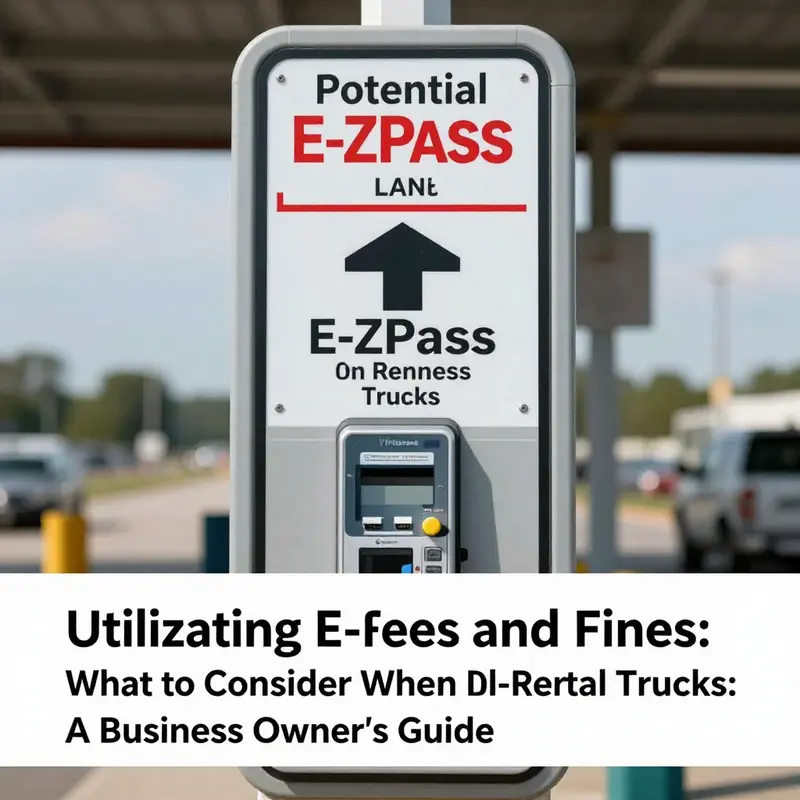
If you’re moving or transporting a rental truck across regions where toll roads are a fact of life, you’ll want to know how your personal E-ZPass fits into the equation. The short answer is nuanced but generally favorable: in many cases you can use your own E-ZPass with a rental truck, but the exact rules depend on the rental company, the state tolling system, and how the particular vehicle is configured for tolls. The decision isn’t just about whether the transponder will read correctly; it hinges on how tolls are processed, how accounts are billed, and what the rental agreement allows or forbids. When you’re behind the wheel of a larger vehicle that’s not your everyday car, you want a simple, transparent method for paying tolls, and you want to avoid penalties, surprises, or costs that aren’t clearly explained in advance. Understanding the path from your E-ZPass to the toll authority’s ledger requires a careful read of the rental contract, a quick check of the regional toll rules, and a practical plan for how to handle exceptions if the truck you’ve rented doesn’t come equipped with a transponder of its own. The landscape isn’t uniform, but there’s plenty of common ground you can rely on to minimize stress on a move.
The first piece of the puzzle is whether the rental truck you’ve chosen has an E-ZPass transponder installed. Some major rental fleets offer E-ZPass as an optional add-on or as part of a tolling program that links directly to your personal account. In those cases, you can simply drive through toll points as you would in your own vehicle, and the charges flow into your established E-ZPass account. If the truck is equipped, the workflow is straightforward: the tolling authority recognizes the transponder, bills the account, and you receive a monthly or per-transaction summary just as you expect. This smooth path can save you money and time, especially on routes with frequent tolls or where cashless tolling dominates. When this setup exists, the experience feels almost normal, and you can plan your route with a familiar toll budget in mind.
But not every rental truck will come with a built-in E-ZPass transponder or a direct link to your personal account. In cases where the truck is not preconfigured for E-ZPass, two main routes emerge. One is that the rental company may permit you to mount your own E-ZPass tag inside the windshield, provided it’s allowed by the rental agreement and by state rules. The other route is that some toll authorities allow tolls to be paid by license plate imaging if the vehicle isn’t equipped with a transponder. These options require proactive steps: you must confirm in advance which method applies to your rental and travel plans, and you should follow the exact placement and mounting guidelines so the tag, if present, does not obstruct the driver’s view or contravene the vehicle’s terms of use.
Before you hit the road, make the contract a traveling companion. Rental agreements often spell out how tolls must be paid and what happens if tolls aren’t resolved quickly. Even if your truck is compatible with E-ZPass, there can be caveats. Some rental companies will require you to settle tolls through the company’s own billing mechanism or may charge a service fee for E-ZPass usage that isn’t configured through their preferred provider. In other cases, a noncompliant setup—such as mounting a tag that isn’t correctly linked to the rental account—can trigger unexpected costs. Fees may appear as service charges, convenience fees, or as adjustments when a toll is attributed to the rental vehicle rather than your personal account. The bottom line is clear: avoid ambiguity by confirming the exact toll payment flow before you drive away.
A particularly practical layer of this conversation concerns unpaid tolls. Tolls that aren’t paid promptly can trigger late fees, administrative charges, or other penalties that accrue over time. In the worst scenarios, unresolved tolls may affect the rental agreement or lead to a suspension of service until the balance is settled. The risk isn’t merely financial; it can interfere with your ability to complete the move or return the vehicle on schedule. The torque behind these potential costs underscores why proactive management matters. If you’re using your E-ZPass with a rental truck, track every toll charge, keep the receipts or trip logs, and ensure that the toll authority’s record aligns with the rental company’s accounting. Mismatches can generate confusion, and, in the worst case, disputes may lead to fees that feel disproportionate to the actual tolls paid.
State specifics add another layer of complexity. Take the Pennsylvania Turnpike as a concrete example. The Turnpike Commission itself tends not to fine renters directly, but the rental company can report unpaid tolls to credit bureaus or pursue collection actions that ultimately affect your credit history and chance of future rentals. That nuance matters because it reframes the stakes: you aren’t just avoiding a late fee on a single trip; you’re guarding your longer-term rental reputation. In Pennsylvania, as in several other states, the renter’s responsibility is what matters most, and the rental company’s policy may drive the practical outcome more than the toll agency’s rule. For travelers who spin through multiple states, the web of state-specific policies means you should not rely on a single source of truth. You must confirm with both the rental agency and the toll authority in every state you intend to travel through so that you’re aligned on payment flow, responsibility, and potential penalties.
Given these realities, the most reliable path is a proactive, documented approach. Start by reviewing your rental contract with care. Look for sections that address tolls and the use of E-ZPass. If the policy isn’t crystal clear, call the rental counter before your trip and write down the exact steps you should follow. If E-ZPass is permitted, ask whether the truck’s account will be charged or if your personal tag will be billed under your own account. If a license plate tolling option applies, verify how it will be billed and who is responsible for any notices that come via mail or an online portal. These steps transform potential friction into a simple checklist, letting you focus on the road rather than the paperwork.
To illustrate how these considerations play out in real-world decisions, consider the scenario of a mid-size truck driving through a toll-heavy corridor. If the rental company has a standard tolling setup that accepts E-ZPass, you’ll want to confirm the account linkage and ensure your account has available funds or a linked payment method for the duration of the rental. If the truck lacks a transponder, you might be tempted to simply mount your own tag or rely on plate imaging in the worst case. In either case, you should verify the mounting adequacy, the permission to mount, and the exact process for toll posting and dispute resolution. A small misstep—like mounting the tag incorrectly or missing a toll notice because it’s routed to a different account—can lead to administrative fees or a dispute that takes time to resolve while you’re trying to complete a move. The overarching guidance is practical: confirm, document, and monitor.
For readers who want a tangible example of how these policies intersect with rental specifics, explore the practical guidance available in industry resources that discuss the nuances of rental truck tolling in relation to E-ZPass. The experience varies, but the throughline remains constant: clear communication with the rental company, a precise understanding of the tolling method chosen, and vigilant record-keeping throughout the rental period. When you combine these practices with a careful review of state tolling rules, you can minimize the chance of unexpected charges and keep your move moving smoothly. If you’re curious about the operational details of a specific rental truck option and how its tolling terms might apply to your route, you can look into truck rental guides that address the 16-foot class and similar configurations to better anticipate what you might encounter on the road. See this practical resource for context: Penske truck rental—16 ft.
Beyond the mechanics of payment, there’s a broader mindset that helps keep tolls from turning into a financial headache. Treat tolls as a predictable line item in your moving budget rather than an afterthought. Build a cushion for unexpected tolls, particularly if you’re traveling through regions where plate-based tolls or hybrid approaches are common. Keep a running tally of tolls by leg of the journey, compare the tolling portal’s invoices with your route plan, and reconcile any discrepancies soon after a toll is posted. If you do encounter a discrepancy—or if a toll shows up on your bill that you don’t recall paying—contact the rental company and the toll authority promptly. Resolve the issue while the records are fresh, and request a written confirmation of the resolution for your files. This practice protects not only your current rental period but also your future rental history, and it reduces the risk that a single unaddressed toll becomes a longer-term problem.
The core takeaway is simple: whether your truck carries an E-ZPass transponder, or you rely on license plate tolling or the rental company’s own tolls, the key to minimizing fees and avoiding fines lies in clarity and confirmation. The contract is your baseline. The toll authority’s rules are your operating manual. Your own track record—receipts, toll notices, and trip logs—becomes your defense against misapplied fees. And when in doubt, reach out to the rental company before you drive off the lot. Proactivity is your best protection against the kind of administrative friction that can turn a straightforward move into a cascade of small, unexpected charges. This approach keeps your focus on the road ahead, not on the minutiae of how tolls are collected on a vehicle you didn’t own, but you are temporarily responsible for.
If you want to explore more about rental truck policies and how tolls intersect with different truck sizes and rental terms, keep this guidance in mind as you plan your route and your budget. The experience can vary by fleet and by state, but the underlying principle remains: confirm the toll payment method, monitor toll postings, and address discrepancies promptly. When you approach tolls with this level of preparation, you’ll find that using E-ZPass on a rental truck can be a convenient bridge between your personal account and the road ahead, rather than a tangle of potential charges and notices. For a broader look at how rental truck terms translate into tolling realities, you can consult official guidelines and rental vehicle policies that address the Pennsylvania Turnpike and other tolling authorities as you map out your trip.
For official information, refer to the PA Turnpike Rental Vehicles page: https://www.paturnpike.com/rental-vehicles
Toll Tag Onboard: Verifying Your Personal Transponder Works Seamlessly in a Rental Truck
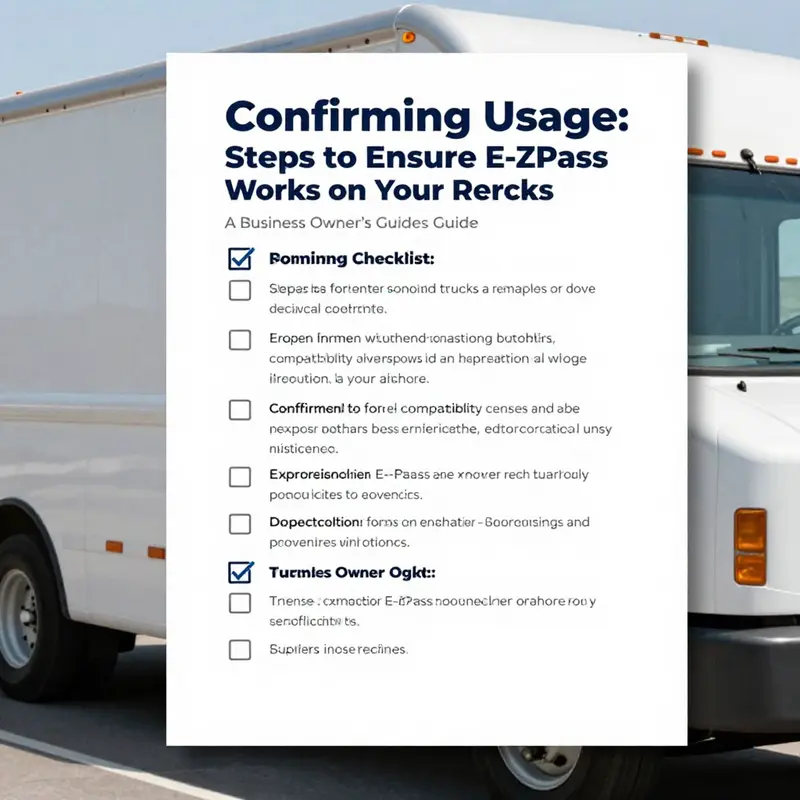
When you move with a rental truck, tolls can surprise you along the route. A personal toll transponder can simplify payments, but only if your rental company permits it and the device is properly prepared. This chapter walks you through a practical, step-by-step approach to making sure your toll tag will function smoothly in a rental truck.
First, check compatibility with the rental company before you choose a truck or sign the contract. Toll policies vary widely. Some carriers allow you to bring a personal transponder and mount it in a designated area of the windshield or dash; others restrict third-party devices to prevent misbilling. A few fleets rely on license plate tolling or a company-controlled account. A quick call to the rental desk can save confusion later. If they approve, ask for exact mounting instructions and whether a bracket is provided or must be supplied by you. The goal is a secure mounting that won’t vibrate loose at highway speeds.
If mounting is approved, request a bracket that fits the truck’s windshield or dashboard. Vehicle interiors differ, and a bracket that fits a compact car may not suit a heavy moving truck. The right bracket keeps the transponder in a direct line of sight to toll gantries, minimizes sun glare, and reduces the risk of signal loss in tunnels or under overpasses. If the rental company cannot provide a compatible bracket, you may bring your own, but only after confirming policy. A poor mounting can cause misreads or a failed read.
With mounting settled, verify the device itself. Ensure the toll tag is active and properly linked to your account. Your account should have funds or a valid payment method on file, and the tag should be attached to the correct account. If you’ve used the device before, you may recognize a functioning display and a recent transaction history. If the truck is a new rental with a fresh account linkage, ask the tolling provider for a quick activation confirmation and note it on your rental record.
Testing the system should be one of the first checks you perform before hitting the road. If the fleet allows a live toll plaza test, drive through one and observe the signal at the lane. A green light usually indicates the toll is being deducted, while a red or amber signal, or no signal, indicates a problem. If a live test isn’t possible, ask for a controlled simulation or a mock toll scenario. You want to confirm that the device reads correctly and that the transaction appears in your toll account promptly.
Understand the rental company’s billing policy. Fleets may apply a daily access fee or a per-use surcharge, and some bill tolls with the base rental rate while others charge per toll crossing. Read the agreement carefully and ask for a precise breakdown of charges, including any plate-image tolling when a read does not occur. Having a written understanding helps if a dispute arises later.
Always have a backup plan. Carry cash for tolls if you’re unsure whether the transponder will be accepted, and make sure your payment method can handle a toll charge if the tag fails to read. Document any issues with the device or the rental staff, including dates, times, and locations, so you have a clear trail if needed. Finally, remember that toll policies can vary by state; verify policy with the rental company and plan your route accordingly.
By approaching tolling with a calm, proactive mindset, you keep the move moving and minimize surprises at the plaza. A well-prepared transponder in the right truck can be a seamless part of your journey rather than a roadside complication.
Final thoughts
Utilizing E-ZPass on rental trucks can streamline travel for business owners, reducing the stress of toll payment logistics. By understanding how rental companies operate regarding E-ZPass, as well as state-specific regulations, entrepreneurs can make informed decisions that affect their operations. Keeping abreast of potential fees and knowing how to confirm the functionality of your E-ZPass system will not only help in avoiding unexpected charges but also optimize overall travel costs. Whether you’re transporting goods or moving to a new location, mastering E-ZPass usage is an invaluable aspect of running your business efficiently.