
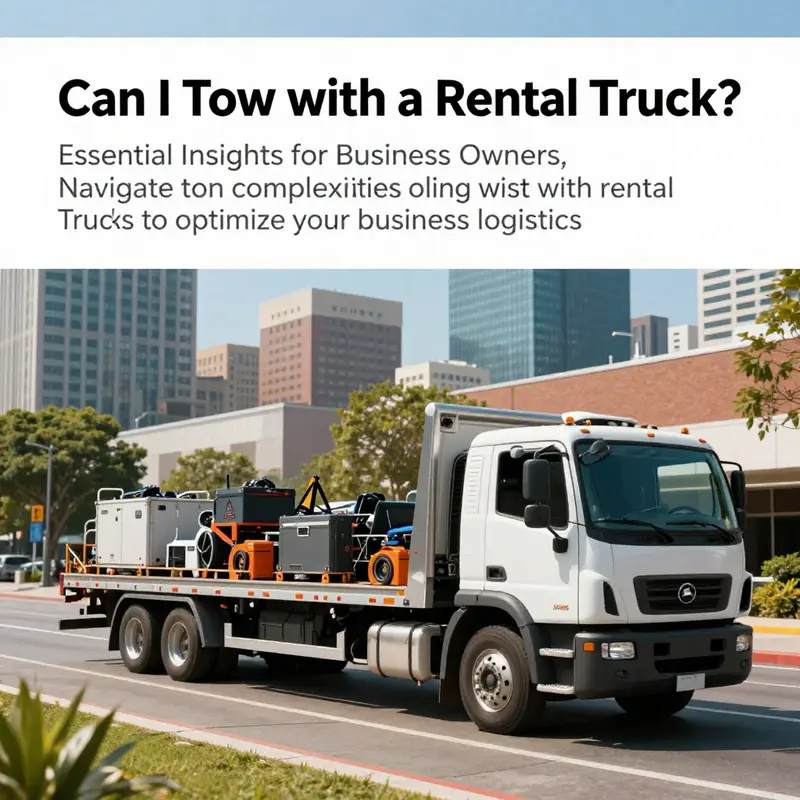
As a business owner, understanding the logistics of renting a truck and towing equipment is crucial for operational efficiency. Whether you’re moving inventory, equipment, or vehicles, the ability to tow can greatly enhance your capabilities. However, potential complexities arise regarding rental agreements, truck capabilities, and legal requirements. This article will delve into five key areas to provide you with a comprehensive understanding of whether you can tow with a rental truck: the nuances of rental agreements, the importance of knowing towing capacities, selecting the right type of trailer, essential towing equipment, and critical legal considerations. Each chapter aims to equip you with the information necessary to make well-informed, safe, and compliant towing choices.
Tow or Tote: Navigating the Realities of Towing with a Rental Truck
Towing with a rental truck is not a blanket yes or no. It hinges on the specifics of the truck you rent, the trailer you intend to pull, and the exact terms of the rental agreement. In practice, the safest path is to treat towing as a conditional option that requires careful verification rather than assuming permission. The backbone of a smooth, lawful, and safe tow begins with the rental contract. Read it with a critical eye, because most rental companies, including the major national chains, spell out whether towing is allowed, which trucks are rated for it, and under what circumstances. Some contracts will make towing conditional on using a truck that is explicitly rated for towing, on selecting a compatible trailer, or on adding endorsements or liability protections. The contract can also state penalties or voided insurance if you fail to comply. The reality is that policies vary not only by company but by location and even by branch. If you’re planning a move or a transport that requires a trailer, the first practical step is to confirm the policy in writing through the local rental office before you sign. In doing so, you set a solid baseline for what you can and cannot do, and you avoid surprises at the pickup desk or on the highway.
Beyond the contract, the physical limits of the rental truck determine whether towing is feasible at all. Each truck carries a maximum towing capacity, typically listed in the truck’s operator manual or a sticker attached to the driver’s door frame. This number is not optional; it marks the safety boundary for what you attach behind the truck. Vehicles, trailers, and load weights are all measured in pounds or kilograms, and exceeding the limit invites unwanted strains on the engine, transmission, brakes, and hitch, not to mention the added risk of a dangerous sway or wheel lift that can jeopardize your safety and that of others. For the towing plan to hold, you must know the trailer’s weight, the cargo’s gross weight, and how it distributes across the axle system of the trailer. If the trailer is heavier than the truck can safely pull, or if the load distribution is off, you’ll want to rethink the pairing or upgrade to a vehicle with a higher rating. The check here extends beyond the truck: you must also account for the trailer’s weight and how it interacts with your route and overall travel time.
Choosing the right trailer is a narrative of compatibility. A small utility trailer or flatbed might be perfect for lighter, bulkier items or tools, while heavier equipment demands a more robust setup. For recreational items like boats or large RV gear, you’ll need a trailer type designed for that purpose. In every case, the trailer you rent must be compatible with the truck’s hitch system and weight distribution capabilities. The hitch itself is not a mere accessory; it is a critical safety device that transfers the load properly and keeps the trailer aligned with the tow vehicle. A mismatched hitch, or a hitch that is not secured with the correct ball size and mounting hardware, can lead to dangerous sway, detachment, or brake failure. The chain of safety doesn’t end there. Safety chains, a properly wired braking system on the trailer, and working lights are essential. If the trailer exceeds a weight threshold, many jurisdictions and rental policies require a breakaway system that can engage the trailer brakes if the connection to the truck fails. These mechanical and electrical safeguards are the quiet guardians of road safety, often invisible until they’re not there.
Insurance and liability coexist with these technical requirements. The rental agreement may require additional coverage for towing, and some policies explicitly note that towing coverage can be voided if the trailer or the truck is operated outside the permitted conditions. The risk is not only financial but practical: if you’re involved in an incident, the insurer may scrutinize whether you adhered to the terms, whether the trailer had brakes, lights, and registration, and whether the combination was within the rated limit. It’s not uncommon for a rental location to require an extra towing endorsement or liability protection for a full towing setup. If you anticipate heavy usage or multi-state travel, confirming these options in advance can save you both money and trouble on the road. Remember that local regulations can layer on additional obligations. Some states have specific rules about trailer length, weight distribution, lighting, and even the maximum permissible trailer-to-truck ratio. If you plan to move across state lines, you should know where those rules become stricter and where they relax. The last thing you want is a roadside stop or a citation that halts your move and undermines the trust you place in your plan.
Practical verification is the bridge between policy and pavement. Before you reserve a truck, call the local rental office and ask explicit questions: Is towing permitted with this truck model? What is the exact maximum towing capacity, and how is it measured (gross trailer weight, tongue weight, or combined)? Which trailers are allowed, and are there restrictions on trailer length or type? What equipment is mandatory—hitch, ball size, safety chains, lighting, brakes, and a breakaway system? What insurance coverage applies when towing, and are endorsements or liability protections required? Are there fees for towing, storage, or penalties if the load or trailer is not correctly prepared or registered? The answers you receive may differ from branch to branch, and that is not a sign of unreliability but a consequence of the varied regulatory and logistical landscape that governs rental operations. If you’re unsure, request the exact contract language in writing or ask for a printed checklist to take with you.
As you map the plan, it’s helpful to visualize the entire journey from pickup to drop-off. You’ll want to ensure that the trailer you join to the truck is properly registered and insured, and that its safety features align with the journey you intend to undertake. For any significant or complex towing, it’s prudent to consider a momentary practice session in a safe area to get accustomed to how the trailer responds during acceleration, braking, and turning. The dynamic changes are not merely about speed but about how the load shifts when you brake or navigate curves. If this is your first experience towing behind a rental truck, take extra time to inspect all components—hitch connection, hitch ball, and the integrity of the trailer’s brakes and lights—before you depart.
A note on sourcing and local knowledge: different regions may have distinctive requirements, and the local office is your most reliable resource for current policies. The plan you sign in the morning may not perfectly align with a mid-day coaching session you receive from a staff member on-site, so verify with the person who will process your rental. If you encounter a policy that seems unclear or overly restrictive, ask for a supervisor or a written policy reference. The goal is to eliminate guesswork and to confirm that your entire chain of custody—from hitch to trailer, from insurance to route—operates in clear, compliant alignment.
For movers who want to explore their options beyond a single rental encounter, there are practical ways to consider alternatives. Some renters prefer to review a broader set of trailer and truck combinations, evaluating which pairing yields the best efficiency, reliability, and cost. In some cases, you may find that a one-way move is best served by a provider that specializes in flexible, one-way trailer rentals. To learn more about how one provider approaches these one-way arrangements, you can explore detailed guidance on Penske trailer rentals on one-way trips. This resource can provide a helpful framework for evaluating options and understanding how one-way arrangements can fit into your overall move strategy. Penske trailer rentals on one-way trips.
In any case, the overarching guideline is simple: never exceed the truck’s towing capacity, ensure your trailer is properly equipped, and confirm the rental terms before you take the road. The scale of responsibility is not just about avoiding a breakdown; it’s about preserving lives and protecting property while you move through a landscape of shared roads. Towing with a rental truck is a viable possibility for many moves, but it requires deliberate preparation, precise compliance with the contract, and a readiness to adapt to the specifics of your route and cargo. When done thoughtfully, towing can expand your options without compromising safety or legality.
External resource: for a broader look at official towing policies in rental contexts, consult the rental-truck provider’s policy pages at the official site before you finalize arrangements. https://www.uhaul.com/
Tow It Right: Decoding Towing Capacity and Safe Practices When Using a Rental Truck
Towing with a rental truck is not a fantasy hidden in the fine print of a contract. It’s a practical option for moving largish loads, boat trailers, or small equipment, but it hinges on one essential truth: the truck’s towing capacity is a hard limit, set by the manufacturer and etched into every model’s design. This capacity represents the maximum weight the vehicle can safely pull behind it, considering the engine, transmission, braking system, suspension, and axle strength. It’s not a number to be skirted around or guessed at on a whim. Exceeding it can compromise control, shorten the life of critical components, and create dangerous situations on the road. The chapter that follows unpacks how to approach towing with a rental truck with both caution and clarity, so you can plan a load that sits comfortably within safe limits while still accomplishing your move or transport task. \n\nCrucially, you must always verify the exact towing capacity for the specific model and configuration you’re renting. The capacity isn’t universal even within the same truck family; it can differ from one trim level to the next, and it can change with options like heavy-duty packages or upgraded suspensions. The most reliable sources are the vehicle’s owner’s manual and a sticker on the driver’s door jamb, but rental companies often publish model-by-model specifications on their websites or through their customer service. When you book, take a moment to confirm the precise configuration of the truck you’ll drive. \n\nThe numbers you encounter can be strikingly different. Some rental trucks might top out at a modest 1,500 pounds, while others, equipped with stronger engines and reinforced systems, can tow well over several thousand pounds. Those numbers reflect the truck’s own structural capability and are separate from the trailer’s own weight. To ensure a safe towing setup, you must evaluate both sides of the equation—the truck’s capacity and the trailer’s load. This is where the concept of the Gross Combined Weight Rating (GCWR) becomes essential. GCWR is the maximum allowable combined weight of the vehicle, its occupants, cargo, and the trailer. It’s the ceiling you must not surpass. Paired with the truck’s curb weight—the weight of the vehicle as built, with fluids and equipment but without passengers or cargo—you can determine how much trailer weight you can safely pull. The simple, practical approach is to apply the formula: Towing Capacity = GCWR − Curb Weight. This yields the maximum weight of trailer plus its load that you can carry while staying within the vehicle’s designed limits. \n\nUnderstanding this relationship helps you see why simply knowing the truck’s advertised payload isn’t enough. A rental vehicle might be able to handle a certain payload on its own, but once you attach a trailer, the total weight adds up quickly. If the trailer weighs a few hundred pounds plus its contents, that reduces the allowable payload of the truck dramatically. The trailer’s weight isn’t just a number in a spec sheet; it’s a factor that changes how you load the entire rig. To stay compliant, you should weigh the trailer and its cargo before you hit the road. In practice, you’ll want to know the trailer’s gross vehicle weight rating (GVWR) and the trailer’s actual loaded weight, then compare that total to the GCWR. With this information, you can decide whether your intended combination stays safely under the limit. \n\nThis is not merely an abstract exercise. It translates into real-world actions. Before any move, confirm the exact towing capacity of the truck you’ve rented for the specific configuration you’ll use. Look for the capacity in the owner’s manual or a door jamb sticker, and don’t hesitate to call the rental company if you’re unsure. Cross-check the numbers with the GCWR and curb weight to compute the practical limit for your trailer. If you’re tallying a heavy load, consider alternatives such as a different truck or a two-trip strategy to stay within safe limits. The goal is not to maximize payload but to maximize safety and reliability on the road. \n\nWhen it comes to selecting a trailer, the trailer type matters as much as the truck’s capacity. The weight you intend to tow sits on the shoulders of the truck’s rating, but the trailer itself has to be matched to that capacity. For smaller, lighter loads like furniture, cases, or tools, a modest utility or flatbed trailer may suffice. For heavier equipment or vehicles, you’ll need a heavier-duty trailer design. If your plans include a recreational vehicle or a boat, you’ll require a specialized trailer with its own weight distribution, lighting, and braking considerations. In every case, you’ll need the correct hitch and safety equipment to maintain control. A compatible hitch receiver on the rental truck, a ball mount, and a hitch ball of the correct size are non-negotiable. Safety chains are essential, and a breakaway system becomes critical for heavier trailers to prevent uncontrolled movement in a disconnect scenario. \n\nThe practical upshot is that towing with a rental truck can be safe and effective when you follow the rules of the road and the limits etched into the vehicle. It begins with a careful read of the rental agreement, because some rentals explicitly allow towing while others restrict it or require additional equipment or insurance. The liability question is not just about legality; it’s about who is financially responsible for damages in an accident. If your policy or contract requires additional coverage for towing, arrange that in advance. When you cross state lines, local and state towing laws come into play as well. Rules about trailer length, lighting, braking, and weight distribution can vary, and you’ll want to stay compliant wherever you travel. \n\nTo bring the plan into action, start by weighing the trailer and its cargo in advance. Add the trailer weight to the cargo weight, then consider passengers and all other items inside the truck. Subtract that total from the GCWR, and you’ll know your maximum allowable trailer load. If you’re unsure about the hitch setup, you can consult a practical, manufacturer-aligned guide on hitch installation penske-trailer-hitch-installation. This resource can help you verify that the hitch is compatible with the truck and that you’ve installed it correctly. While the specifics of a hitch installation may vary by model, the core principle remains the same: a secure, properly connected hitch and safety chain configuration are foundational to a safe pull. \n\nBeyond the numbers, there are practical, day-to-day considerations that keep towing predictable. Avoid sudden accelerations and abrupt braking, especially when starting from a stop on an incline. Leave extra distance for braking, since a heavier combined mass requires longer stopping distances. Ensure the trailer’s lights are synchronized with the truck’s lighting system, and confirm that the brakes on the trailer (if present) operate correctly. Load distribution is another silent ally: place heavier items low and forward in the trailer to maintain stability, and avoid a tongue-heavy configuration that can destabilize steering. The overall approach is to treat the entire rig as a single system where the vehicle’s capacity supports the trailer’s total weight and every link in the chain—hitch, brake, lighting, safety devices—works harmoniously. \n\nInsurance considerations deserve equal attention. Some rental agreements provide towing coverage as part of the base package, while others require riders to purchase additional liability or cargo protection specifically for towing. Clarify who bears responsibility for damages in a collision or equipment failure. If you rely on a third-party towing plan or an umbrella-style policy, verify that it extends to rental trucks and to towing activities. You should also be mindful of maintenance items that influence safety on the road. A well-maintained truck—tires, brakes, suspension, steering—paired with a properly chosen trailer and correctly installed hitch reduces risk considerably. \n\nAll of these elements—capacity, GCWR, trailer weight, hitch integrity, insurance, and compliance with local rules—come together in a single framework: you must know your limits, plan within them, and secure every component before you depart. As you assemble your load, keep a running check on numbers and equipment. If the load looks like it will push toward the boundary, consider splitting the move or renting a larger vehicle with a higher GCWR. This approach protects not just your cargo but also your safety and that of others on the road. The framework for safe towing with a rental truck is not about pushing the envelope; it’s about respecting the envelope and using it wisely. \n\nFor readers who want to connect practical loading steps with further guidance, a concise hitch installation reference can be consulted through the linked resource above. It’s a reminder that the mechanics of attachment matter just as much as the mathematics of weight. The road rewards forethought and preparation, not improvisation. By grounding every decision in the truck’s documented towing capacity and the trailer’s weight, you build a predictable, controllable towing experience. This is how you make a rental truck a capable partner in transportation rather than a source of risk. If you need to explore more about how to maximize efficiency while staying within limits, you can also browse related topics on the site that discuss moving truck dimensions, fuel considerations, and how to optimize routes for one-way moves. \n\nFor further safety guidance beyond the scope of this chapter, consult external resources such as the National Highway Traffic Safety Administration at https://www.nhtsa.gov.
Choosing the Right Trailer for a Rental Truck Tow: A Practical Guide to Safe Hauling
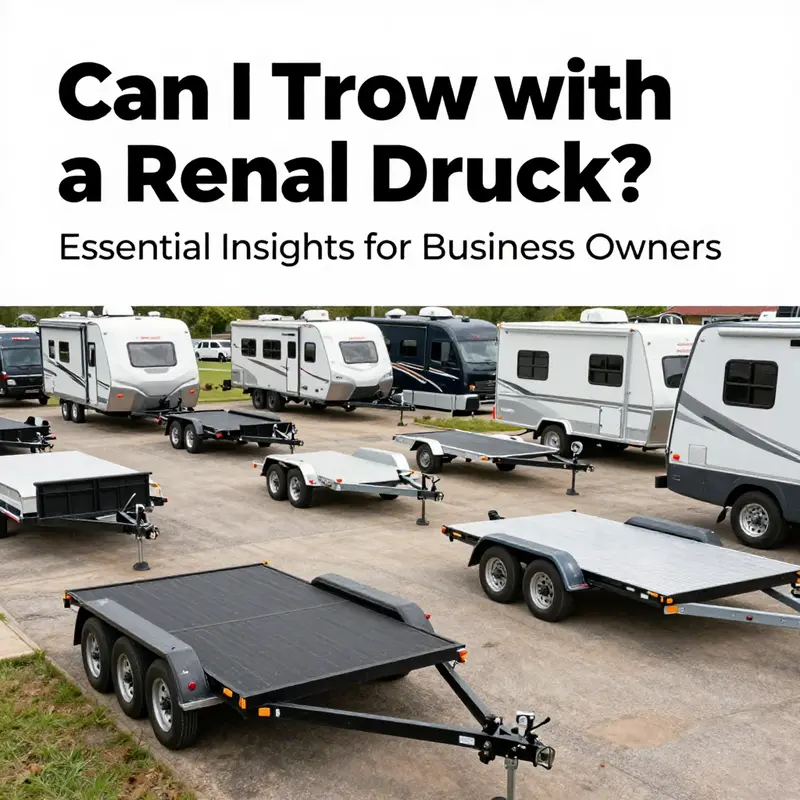
Towing with a rental truck is a viable option when you’re moving, transporting equipment, or shuttling goods between sites. It can save time and money, but it isn’t a free pass to hook up any trailer and hit the highway. The decision hinges on a careful alignment of the rental truck’s capabilities, the trailer’s type and weight, and the legal and safety requirements that govern your route. A smooth, safe tow starts well before you hitch anything. It begins with a clear understanding of the rental agreement, because the contract is the boundary between possibility and risk. Some rental contracts allow towing with specific conditions, while others restrict it entirely or require additional insurance, endorsements, or equipment. Reading the terms with a careful eye helps you avoid unexpected charges, denied coverage, or dangerous situations on the road. Once you know what’s permitted, you can make informed choices about the trailer and the load you intend to carry. Without that groundwork, even the strongest truck can become a liability when a heavy or ill‑matched trailer is involved.
Towing capacity and weight management sit at the heart of any towing decision. Every rental truck has a maximum towing capacity, expressed in pounds or kilograms. Exceeding this limit invites damage to the drivetrain, brakes, and steering system, and it also raises the risk of trailer detachment or loss of control. The capacity is not a single number; it factors in the gross vehicle weight rating (GVWR) of the truck, the payload you’re carrying inside the cab and bed, and the combined weight of the trailer and its cargo. When you plan a tow, you should know the trailer’s gross vehicle weight rating (GVWR) and ensure that the sum of the trailer and the load remains within the vehicle’s towing limit. If you’re unsure, consult the rental company’s staff or reference the owner’s manual or the information placard inside the driver’s door frame. Understanding these figures gives you a concrete boundary to work within and helps you select a trailer that fits without pushing the truck beyond safe operating thresholds.
Trailer choice is the practical way to translate capacity into a real‑world plan. The most common options fall into two broad categories: lighter, easier‑to‑manage trailers and heavy‑duty configurations designed for larger, more demanding loads. For many rental trucks, lighter duties are best served by open‑frame or enclosed trailers in the under‑10,000‑pound range. An open‑frame trailer is typically straightforward to hitch and maneuver, while an enclosed trailer protects contents from weather and theft. These options work well for household moves, tools, or smaller equipment. The risk with light trailers, however, is underestimating weight distribution and braking needs when the cargo shifts during transit. Weight distribution becomes more critical the faster you go, and on winding or uneven roads poor loading can amplify sway, making steering feel unpredictable. Keeping the cargo centered and secured reduces this risk and helps you maintain control, even on imperfect pavement.
At the other end of the spectrum lie heavier configurations that are often associated with specialized towing gear such as fifth wheels and goosenecks. These setups deliver superior stability and weight distribution, features that pay off on long hauls, when transporting large RVs, heavy machinery, or substantial commercial loads. Fifth wheels connect in the truck bed via a large hitch, providing enhanced control and improved tow dynamics, especially at highway speeds and on uneven terrain. Gooseneck trailers connect through a hitch mounted in the truck bed with a ball hitch configuration, offering a tight turning radius and strong load rigidity that benefits heavy, concentrated weights. But here’s the important caveat for rental users: not every rental truck will come with a fifth‑wheel or gooseneck hitch preinstalled. If you anticipate needing one of these high‑capacity options, confirm with the rental provider whether the truck you’re renting can accommodate it, and whether any installation, insurance, or weight constraints apply. If the rental truck cannot support a fifth‑wheel or gooseneck setup, you’ll need to choose from compatible alternatives or adjust your plan to a trailer type and load that match the truck’s capabilities. When such configurations are possible, always verify the combined weight of trailer and cargo does not exceed the vehicle’s maximum gross combined weight rating (GCWR). The GCWR is a crucial figure because it caps the total mass the vehicle can safely operate with—including the tractor, trailer, cargo, and passengers. Pushing beyond GCWR compromises braking, steering, and tire performance, and it increases the likelihood of heat buildup in the drivetrain and brakes on longer trips.
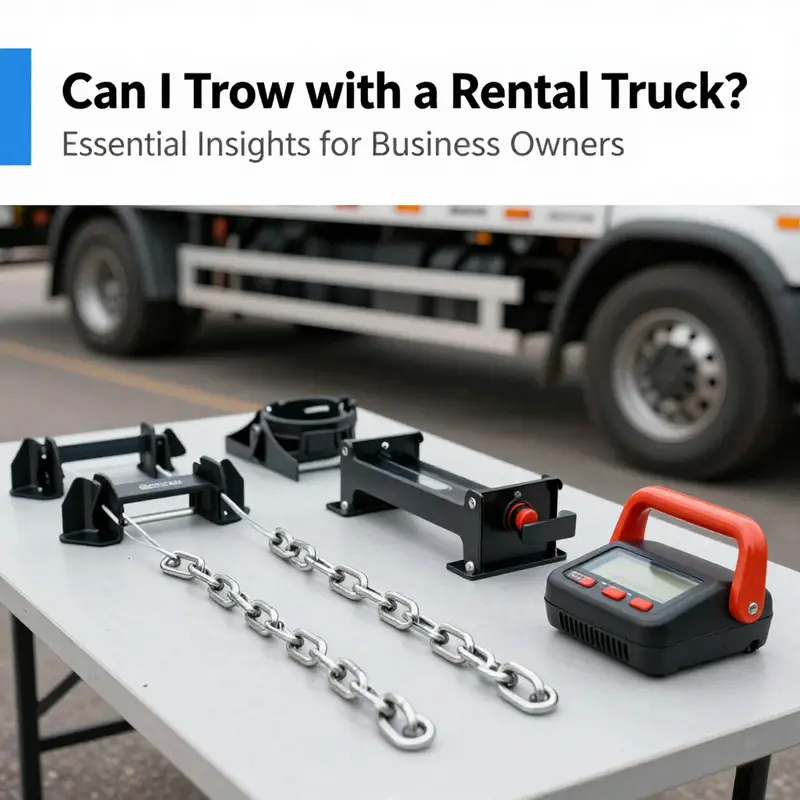
With the general trailer categories in mind, the next factor is proper equipment. A successful tow hinges on the needful hitch and safety hardware. To connect a trailer safely to a rental truck, you’ll require a compatible trailer hitch receiver on the truck, a ball mount with the correct hitch ball size, and safety essentials such as safety chains and, for heavier trailers, a breakaway system that engages the brakes in the event of a separation. Hitch compatibility is not a mere formality; it defines how securely the trailer will attach and how it will respond to turns, stops, and bumps in the road. If you’re unsure about your hitch setup, consult the rental provider or a qualified technician before you hit the road. There is also the matter of lighting and breakaway connections, which are not just helpful for visibility but often legally required when towing beyond personal property. Your trailer’s lighting must synchronize with the truck’s signals, and the breakaway system must be tested to ensure it engages properly if the connection is broken. Insurance and liability considerations also come into play. Your rental agreement might require additional coverage for towing a trailer, and it’s prudent to clarify who bears responsibility for damage or injury should an incident occur. This is not a minor detail; it shapes your risk exposure and financial protection as you travel.
Beyond equipment and weight, there are practical considerations for the journey itself. Drive planning should account for the trailer’s length and width, your route’s road grades, and the potential for wind or weather to influence towing stability. Cross‑state travel can bring a patchwork of local regulations, with differences in trailer length, lighting, and weight distribution rules. It’s wise to know the basic regulations for the states you’ll traverse, so you don’t encounter unexpected restrictions or penalties. In addition to legal requirements, your pacing and braking strategy deserve attention. Heavier trailers require longer stopping distances, and accelerating or decelerating smoothly helps maintain trailer stability. Avoid abrupt maneuvers on highways and approach curves with caution. Your tires, too, deserve a moment of inspection before departure: check tread depth, pressure, and any signs of wear or damage that might affect traction or stability while towing. Properly inflated tires not only extend tire life but also improve braking and handling, which is especially important when hauling a sizable trailer.
So how do you put all of this into a single, coherent decision about which trailer type to use with a rental truck? Start with your load: measure the mass, consider its distribution, and determine whether weather protection or security is a priority. Then consider the trailer type that can accommodate that load without exceeding the truck’s capacity. If your cargo is relatively modest and portability matters, an open‑frame or enclosed trailer in a reasonable weight range is often the simplest and most economical choice. If your load is heavy and your route demands stability, and your rental truck can be equipped appropriately, a fifth wheel or gooseneck option could offer superior control, provided you have access to the appropriate hitch and the capacity to withstand GCWR limits. If you’re unsure about hitch compatibility or the availability of a particular trailer type, a practical step is to consult the rental provider for guidance and, where possible, to arrange the hitch and trailer with the truck in a controlled, close‑to‑on‑site setting. You can also reference a practical guide on hitch installation to better understand the steps involved in securing the correct equipment. For a concise overview of hitch setup, see this guide on trailer hitch installation.
Ultimately, the decision rests on aligning your trailer choice with the truck’s limits, the load’s requirements, and the legal framework of your travel. Approaching the tow with a deliberate, safety‑first mindset helps ensure a smooth transport, minimize the risk of damage, and keep you compliant with regulations along the way. If you’re seeking a solid starting point for safe towing practices and updated standards, you can consult the National Highway Traffic Safety Administration’s towing resources, which offer authoritative guidance on how to tow safely and perform routine checks before departure. NHTSA Website
In summary, towing with a rental truck is not about pushing the envelope; it’s about matching the trailer’s capabilities to the truck’s capacity, choosing the right hitch and equipment, and planning the journey with an eye toward safety, legality, and practical realities on the road. When you balance these elements—agreement terms, capacity limits, trailer type, and safe operation—you can move forward with confidence, knowing your tow is built on solid ground and designed for the road ahead.
null
null
Tow with Care: Practical Guide to Towing a Rental Truck
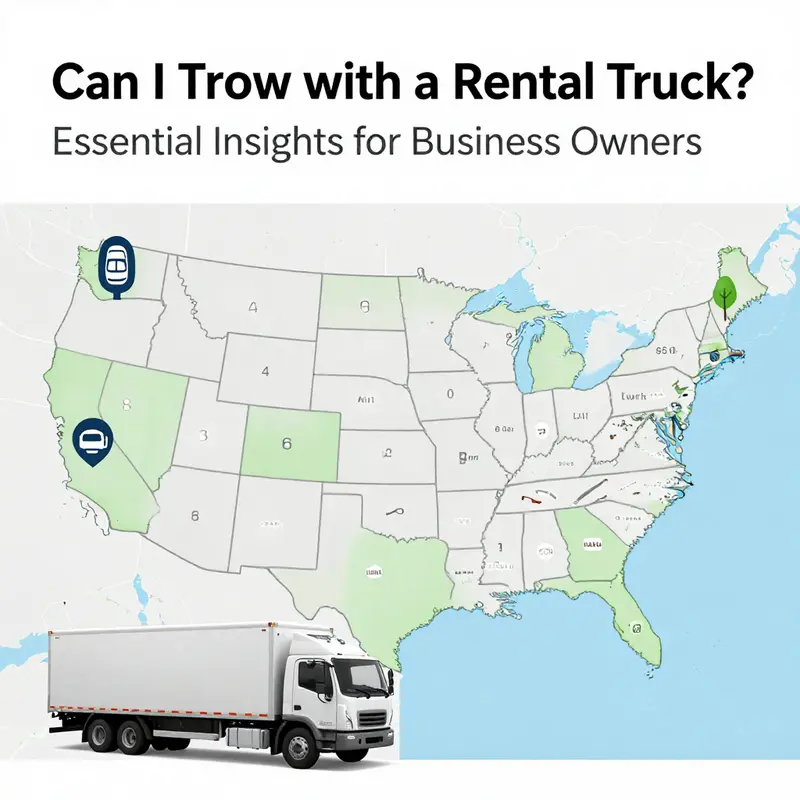
Towing with a rental truck offers new hauling possibilities, but it also requires attention to contracts, weight ratings, and safe operating practices. Start by reading the rental agreement to learn what is allowed, what equipment is provided, and any endorsements or coverage you may need. Then verify the truck’s towing capacity and its GCWR (gross combined weight rating) so the loaded trailer stays within safe limits. The combined weight is the key: ensure loaded trailer plus truck does not exceed GCWR. Choose the right trailer and hitch for your load, and attach safety chains, a proper load distribution, and the correct hitch ball size. Check the electrical connection so brake lights and turn signals work with the truck. Test all lights before leaving the staging area. Review insurance details: some policies exclude towing incidents unless you have an endorsement. Local rules vary; check requirements for trailer brakes, lighting, permits, and driver qualifications. In many places, towing heavy trailers requires a special license or endorsement, even if your regular license would allow you to drive the truck. Plan the loading carefully: balance tongue weight, secure cargo, and use padding and straps. While driving, allow extra following distance, make wider turns, and monitor trailer sway via mirrors. If you notice sway or loss of control, pull over safely, recheck connections and load distribution. After unloading, reconnect and store equipment properly and confirm you left the rental truck in the same condition. By following the contract, respecting weight limits, and practicing safe towing techniques, you reduce risk for yourself and others on the road.
Final thoughts
In conclusion, renting a truck with the intent to tow involves understanding and adhering to specific rules set forth in rental agreements, evaluating towing capacities, selecting appropriate trailers, ensuring you have the right equipment, and complying with local regulations. As a business owner, acknowledging these factors is essential to ensure safety and efficiency in your operations. By equipping yourself with knowledge about towing with rental trucks, you can make informed decisions that benefit your logistical needs while keeping safety and compliance at the forefront.