
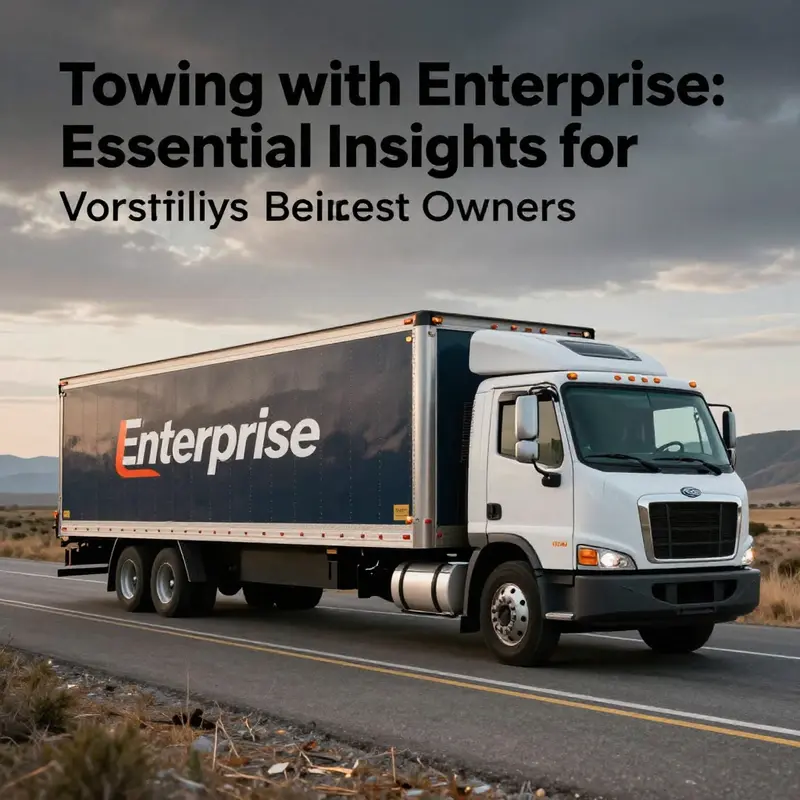
Renting a truck to tow a trailer can be a practical solution for business owners needing to transport equipment or goods. However, not all rental vehicles are created equal when it comes to towing capabilities. This guide will delve into the important aspects you need to consider before renting a truck from Enterprise for towing purposes. By understanding vehicle specifications, rental agreements, necessary equipment, safety guidelines, and customer support, you will be well-equipped to make informed decisions that keep your business operations running smoothly.
Tow Ready: Understanding Vehicle Specifications and Requirements for Enterprise Rental Truck Towing
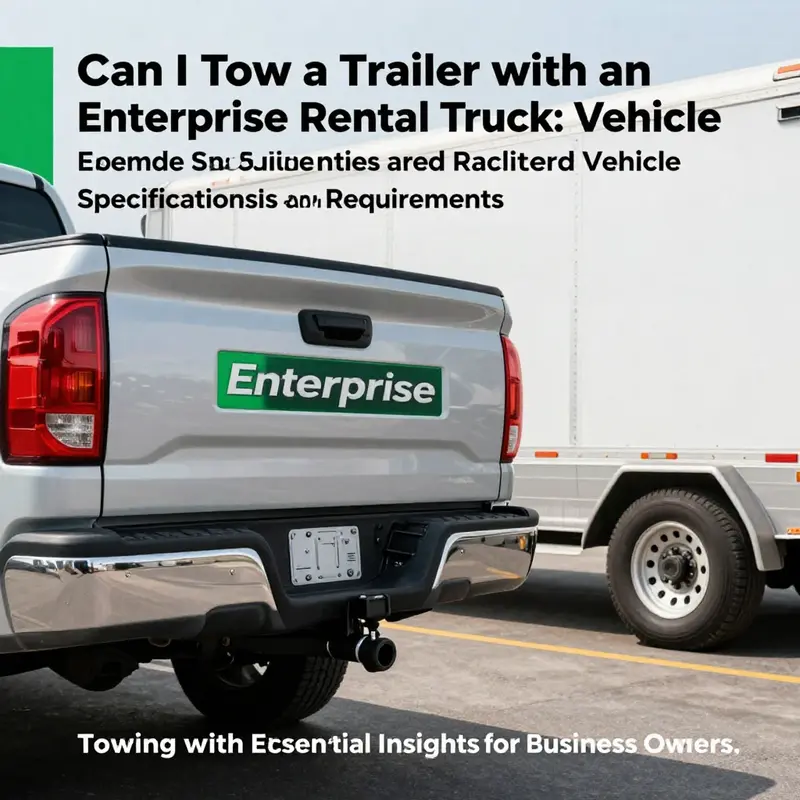
Tow Ready: Understanding Vehicle Specifications and Requirements for Enterprise Rental Truck Towing
When planning a move or a light-duty transport, the question of whether a rental truck can tow a trailer often comes up. The short answer is yes, but with important caveats. Enterprise, like several major fleet rental providers, allows towing but only with certain trucks and only under specific conditions. That means the decision to tow starts well before you hitch a trailer to a rental vehicle. It begins with the vehicle you choose, the terms of the rental agreement, and a careful, confirmable checklist that protects you, the equipment you’re pulling, and everyone on the road. The difference between a simple towing project and a risky, potentially costly misstep is precision up front and a respect for the limits built into the rental program.
Safety is the core reason behind the towing restrictions. Heavy-duty capability, frame strength, suspension tuning, and brake systems all influence how well a truck can handle a trailer. Enterprise’s towing policy explicitly limits approved models to 3/4-ton and 1-ton trucks within its specialized Truck Rental fleet. This is not a flexible, catch-all allowance; it is a defined boundary grounded in engineering reality and insurance considerations. A standard pickup, such as a light-duty model, generally isn’t approved for towing under the rental terms. Renting such a vehicle and attempting to tow a trailer can void insurance, trigger penalties, and create dangerous handling characteristics for your load. The practical effect is that the choice of model matters as much as the choice of trailer.
To navigate this correctly, the process begins with a clear understanding of specifications. When you book online or speak with a counter agent, you should actively look for towing information tied to the exact vehicle you’re considering. This is not a generic feature; it is model-specific. The vehicle page will typically indicate whether towing is allowed, and it will specify the kind of hitch or hitch class supported, if any. If you don’t see this information, ask. It’s your right as a renter to know the exact capabilities of the truck you will drive. The specification sheet should also list the towing configuration, such as the maximum gross trailer weight (GTW) and the tongue weight limit. GTW refers to the total weight of the trailer plus its contents, while tongue weight is the downward force the trailer tongue exerts on the hitch. If the numbers don’t align with your trailer’s weight, you need a different vehicle, a different trailer, or a different rental arrangement.
The rental agreement itself is a critical reference. It codifies the restrictions on towing, including not only weight limits but also conditions around hitch type, trailer brakes, lighting connections, and required safety equipment. Reading the terms and conditions is not a formality; it’s a legal protection for you and for the rental company. Deliberately ignoring or bypassing these terms can have consequences that extend beyond the rental period. For example, exceeding the specified GTW or tongue weight can affect the vehicle’s warranty and insurance coverage, and it can lead to penalties if authorities or the rental company detect noncompliance during an inspection or after an incident.
Once you identify a model that is approved for towing, a physical pre-check becomes essential. At pickup, inspect the truck to confirm a trailer hitch receiver is installed and that the hitch ball is securely attached. The hitch rating must match or exceed the requirements of your trailer system. A mismatched or loose hitch is a common fault that leads to unsafe towing experiences, unpredictable tongue weight behavior, and, in worst cases, hitch detachment. If you’re unsure about the hitch’s capacity, don’t guess—pause the pickup and verify with a representative. This is the moment to confirm you have the correct hardware, including any required safety chains, wiring adapters, and electric brake connections. See the equipment list in the rental terms and, if needed, arrange for the appropriate components through the rental office. Enterprise may offer these as add-ons for a fee, so you’ll want to factor this into your total cost and plan accordingly.
Beyond the hitch itself, safety and compliance hinge on matching your trailer to the truck’s capacity. The vehicle’s GVWR (gross vehicle weight rating) and its payload capacity define what the truck can safely haul. A trailer’s GTW must stay within the GVWR constraints of the truck, and the tongue weight must be within the hitch’s rated limit. Small miscalculations here can lead to overloading, which degrades braking performance, steering response, and overall stability. Proper weight distribution on the trailer is also crucial. If you’re towing with a larger, heavier trailer, you may need a brake controller and a wired connection that ensures the trailer’s brakes synchronize with the tow vehicle. On the heavier end of the spectrum, some fleets require specific brake configurations for safety, which is another reason to rely on the vehicle’s documented specs and guidance from the rental team.
A core piece of practical guidance is to treat towing as a formal, policy-driven task rather than a casual add-on. If your trailer is on the heavier side or you plan frequent towing, you should discuss load limits and duty cycles with the rental agent. They can confirm whether the model you’re considering is designed for the job and whether any additional equipment is necessary. They can also confirm the vehicle’s towing configuration, such as the engine torque requirement, transmission cooling capacity, and whether the truck can sustain the load on extended trips. These are not abstract numbers; they translate into predictable handling on the highway, stable braking at speed, and safer cornering under load. If you’re unsure about your trailer’s weight rating, you can calculate the GTW by combining the trailer’s empty weight with the weight of cargo on board, then compare that with the GTW limit published for the truck you’re renting.
It is also wise to plan the logistics before you ever attach a trailer. Road speed, distance, and terrain all influence how much stress you place on the powertrain and braking system. Heavy trailers exert more inertia, and uphill grades demand more torque and cooling. If your route includes long climbs or frequent stops, you’ll want to ensure the truck’s cooling and transmission are up to the task. In some cases, you may need a heavier payload option or a different configuration within the same fleet category. Your planner’s brief should include not just the trailer’s weight but also the anticipated travel conditions, so you can confirm that the rented model will stay within safe operating margins for the entire journey.
For renters who want a hands-on reference during the process, a practical note is to consult model-specific towing information during the booking phase. Enterprise’s towing guidelines emphasize that only the heavy-duty 3/4-ton and 1-ton trucks in the dedicated Truck Rental fleet are approved for towing. This means the simplest way to avoid missteps is to restrict your plan to those models after confirming the option is available for the exact configuration you’ll pick up. It’s unrealistic to assume any random pickup will be suitable for towing; the policy is explicit about which trucks qualify, and the difference in capacity between a light-duty pickup and a heavy-duty work truck is not incidental. A responsible approach is to confirm towing eligibility directly with a representative when you book and to re-confirm at pickup. If there is any doubt, you should not attempt to tow until you’re certain the truck and trailer combination is within policy and within the vehicle’s capabilities.
For further hands-on guidance, many renters find it helpful to reference a dedicated hitch installation guide. A reliable resource in the broader content ecosystem covers the necessary steps for installing a trailer hitch safely and correctly. This kind of resource can help you understand the components you may need and the general process—without substituting for the vehicle-specific instructions provided by the rental company. See the hitch installation guidance here: trailer hitch installation guidance.
The core takeaway is straightforward, even if the decision process is nuanced. Towing with an Enterprise rental truck is feasible, but only with approved heavy-duty models and within clearly defined weight limits. Before you hitch anything up, verify the exact vehicle specifications, read the rental agreement for towing restrictions, inspect the truck for proper hitch installation, and ensure you have the necessary equipment. If the numbers don’t align, don’t improvise—ask for a different truck that can safely handle your trailer. Insurance coverage, contract terms, and roadside support hinge on staying within these boundaries. The road you save may be your own.
As you prepare to embark, remember that the policy’s intention is safety—yours, others’ on the road, and the integrity of the truck and trailer system. A cautious, informed approach minimizes risk and keeps your move efficient and predictable. If you need to verify current policies or model-specific towing eligibility, consult the rental counter or the company’s official towing guidelines before attaching any trailer. For a broader sense of how towing guidelines are communicated in the industry, you can review the external policy referenced by the responsible fleet operator at: Enterprise towing guidelines.
Tow-Ready on the Move: Navigating Towing with an Enterprise Rental Truck, from Agreement to Safe Haul
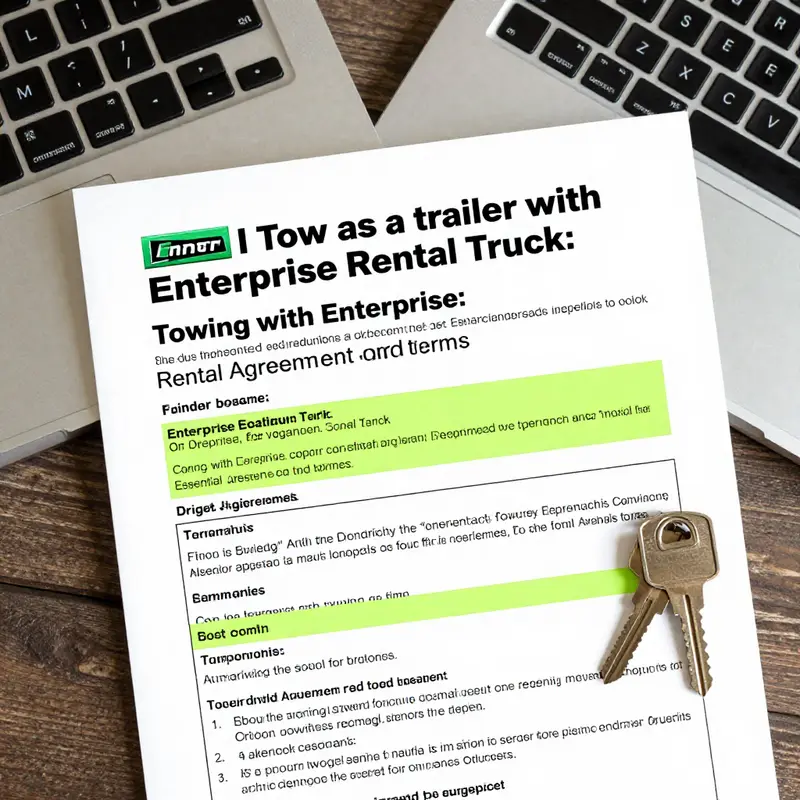
When you’re planning a move or a heavy haul with an Enterprise rental truck, the question isn’t simply, can I tow at all? It’s which specific truck in the fleet is approved for towing, and what the rental terms allow. Enterprise does offer heavy‑duty pickup trucks and certain box trucks that are equipped and rated for towing, but you cannot assume any rented vehicle can pull a trailer. The safest path is to confirm towing eligibility before you reserve, and then to follow the exact rules laid out in the vehicle’s specification and your rental agreement. This approach protects you, your equipment, and your insurance, and it keeps you moving without surprises when you pick up the truck.
The first step is to check the vehicle specifications during booking and again at the counter. Look for a towing option or a trailer hitch note tied to the exact model you intend to rent. This small label can be the deciding factor between a straightforward rental and a vehicle that can handle a trailer. If you don’t see a towing designation, don’t assume the vehicle is tow-ready. Towing a trailer with the wrong vehicle is not only unsafe, it can violate the rental terms and void coverage the moment you attach a trailer. The importance of this step cannot be overstated. A quick confirmation now prevents misalignment between your payload, your vehicle’s limits, and the policy language you signed.
Even when a truck is listed as capable, the rental agreement itself is the final referee. The contract will spell out whether towing is permitted and any limits that apply. In plain terms, you’ll find constraints such as maximum gross trailer weight (GTW) and maximum tongue weight. GTW is the total weight of the trailer plus everything it carries, while tongue weight is the downward force the trailer exerts on the hitch. Exceeding either limit raises safety concerns and can trigger penalties or denial of insurance coverage. Read the terms carefully and make sure you understand both the numbers and the conditions under which towing is allowed. Some contracts also require you to use specific towing equipment or to have a weight-distributing hitch or trailer brake system in place. The incremental details matter because they determine not just what you can tow, but how it must be towed.
As you plan, remember that towing is not a feature of the standard car rental segment. Enterprise reserves towing capability for heavy‑duty pickups and certain box trucks that have the necessary frame stiffness, engine torque, and hitching hardware. If you show up with a car-class rental and a trailer, you’ll likely be turned away at the lot. The fleet strategy is clear: towing is a capability designated to models that can safely haul the added mass, and that means choosing the right vehicle from the outset. A responsible renter approaches this with a clear plan: identify the towing option on the exact vehicle you need, verify the GTW and tongue weight limits in the agreement, and then proceed with the booking only after those checks are complete.
Once the right vehicle is identified and reserved, the practical work begins. On pickup, inspect the truck yourself. Check that the hitch receiver is properly installed and that the hitch ball is securely attached. The hitch hardware must match the trailer’s requirements, including the ball size and the rated capacity. If you find any mismatch or insecurity, do not drive away. Have the staff correct it or exchange the vehicle for one that meets the towing specification. This isn’t a cosmetic check; it’s a fundamental safety test. A loose ball or an undersized hitch can fail at the worst possible moment, especially when you’re accelerating from a stop or negotiating a highway on-ramp.
Beyond the basic hitch, you’ll also need the trailer-tow package that aligns with the trailer you plan to haul. This typically includes a compatible trailer hitch, a ball mount, a hitch ball, and safety chains. Some branches offer these items as add-ons for an extra fee, while others may require you to supply your own. If you’re renting from a location that provides add-ons, confirm what you’ll receive and what you’ll need to bring. Even with a hitch installed, you’ll want to verify the load path: ensure the hitch rating matches your trailer’s gross weight and tongue weight. The goal is to achieve a secure, stable pull that won’t sway under gusts of wind or during lane changes.
A practical mindset for towing with a rental is to plan conservatively. Start with a trailer that is well within the vehicle’s stated limits. If you’re unsure about the trailer’s weight, weigh it or consult the trailer’s documentation. It’s better to err on the side of a lighter load than to push a hauling capacity beyond what the vehicle was designed to handle. Also, coordinate with the rental agency about insurance coverage for towing. Some policies extend to towing operations if they’re within the rental agreement’s terms; others may exclude off-policy scenarios or require endorsements for towing. Confirming this in advance is essential. If you’re towing without explicit authorization, or if you exceed the stated capacity, you risk voiding insurance coverage and facing penalties or fees, sometimes substantial ones. The risk isn’t worth the convenience.
With the plan in place, you’ll find that the real work of towing a trailer with an Enterprise rental truck is about alignment and discipline. Align the trailer with your vehicle before you connect any safety chains or lights. Verify that the coupler height is suitable for the hitch, and check that the trailer’s lights and brakes connect properly to the vehicle’s electrical system. If your trailer requires a brake controller, make sure it’s correctly configured and tested before you hit the road. Secure all cargo in the trailer to prevent shifting; an unbalanced load can drastically affect handling, braking distance, and overall stability. And while you drive, maintain a higher following distance than usual, anticipate longer braking distances, and stay mindful of the trailer’s wider footprint in turns and lane changes. These are not add-ons in the sense of optional features; they are essential safety practices that keep you and others safe on the road.
For those who feel uncertain about what to choose in terms of equipment or model, there are practical resources that can help. If you need a detailed, step-by-step guide on hitch installation, there are dedicated resources that walk through the process, including specifics on compatibility with rental-truck configurations. You can explore a practical hitch installation guide here: Penske trailer hitch installation guide. This kind of guide can be a useful reference when you’re arranging a tow with a rental and want to double-check the components you’ll be using. While the source is not Enterprise documentation, it provides actionable, vendor-agnostic guidance that complements the safety checks you perform at pickup.
Throughout this process, keep a simple, reliable rule in mind: towing with a rental truck is only as good as the vehicle you choose, the terms you sign, and the care you take when connecting and towing. Renter responsibility begins long before you attach the trailer. It begins with choosing a tow-capable model and ends only after you’ve secured all equipment, confirmed insurance, and validated the entire rig against the rental contract’s limits. If you’ve done that work, you can focus on the job at hand—moving your load efficiently and safely to its destination, with the confidence that you’re operating within the boundaries defined by the rental agreement and the manufacturer’s guidance.
For the most authoritative, model-specific guidance, always consult Enterprise directly or review your signed rental agreement. Official policy details and towing information are available on their site, and a quick double-check can save you time and trouble later: https://www.enterprise.com/en/truck-rental/towing.html. This resource consolidates towing eligibility, weight limits, and any brand-specific requirements that might affect your plans. If you want further reading on related aspects of truck rental and moving logistics, you may also find value in related internal resources that discuss moving equipment, trailer hitch installation concepts, and fuel considerations as you prepare for a successful tow.
Haul It Right: A Practical Guide to Towing with a National Rental Truck Fleet
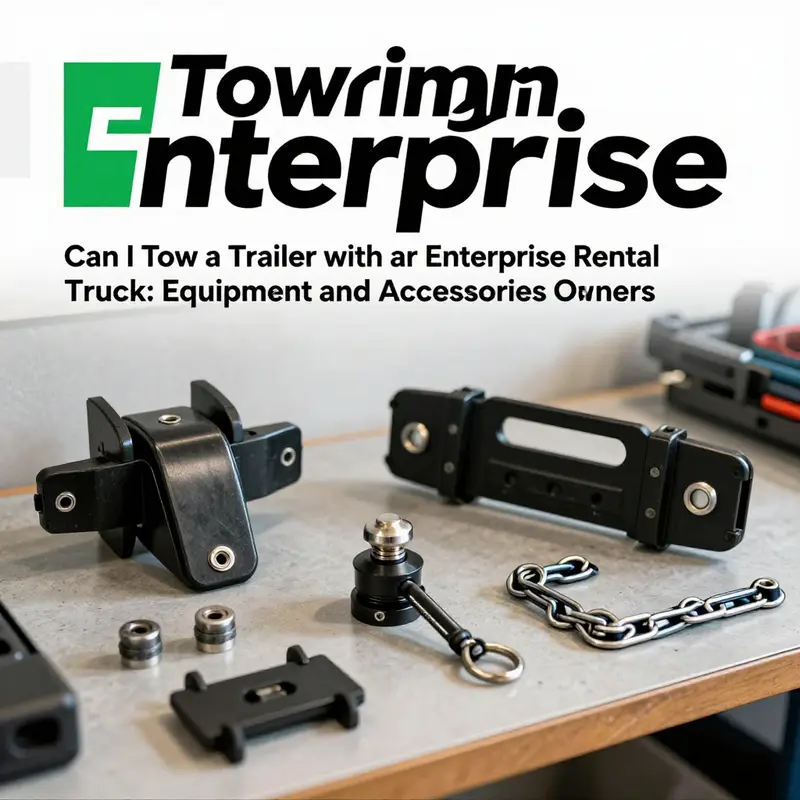
Towing a trailer with a rental truck is not out of the question. The core idea is simple: you can tow if the specific truck you rent is rated for towing, and you follow the policies laid out by the rental provider. The practical challenge lies in separating the scenarios where towing is allowed from those where it isn’t, and then navigating the steps to do it safely, legally, and without voiding insurance. This chapter guides you through the mindset, the checks, and the careful preparation that keep a move or a haul on track rather than turning it into a roadside scramble. Think of it as a path of due diligence rather than a quick workaround. Before you even pick up the keys, you should know that not every truck in a national fleet is equipped or approved for towing. Some models may support a hitch and a light towing task, while others are strictly for cargo-only transport. The difference often comes down to the vehicle’s Gross Vehicle Weight Rating and its engine, transmission, and braking system. The first question you should ask when planning a tow is whether the exact truck you intend to rent is approved for towing. When you book online or at the counter, look for explicit indicators such as a towing option or a trailer hitch note for the model you’re considering. If the vehicle page or the agent’s guidance doesn’t show a towing capability, don’t assume. It is better to pick a model that has a stated towing capability rather than improvising with a non-towing vehicle in a situation that demands it. The second layer of due diligence involves the rental agreement itself. The terms and conditions will spell out restrictions like the maximum trailer weight, often summarized as Gross Trailer Weight, and the maximum tongue weight the hitch is designed to handle. This is not a curiosity item; exceeding these limits can trigger a host of consequences, including liability gaps or cancellation of insurance coverage. The third step is the physical check at pickup. You want to see a properly installed trailer hitch receiver and a hitch ball that is securely attached. Confirm that the hitch rating matches your trailer’s requirements. If you’re unsure, ask for the installation details and verify the receiver size and the weight rating against your trailer’s GTW and tongue weight. If the location doesn’t have a hitch ball or ball mount installed, or if the hardware looks worn or mismatched, request the correct components or arrange for them as an add-on. Many locations offer hitch-related equipment as add-ons, but you’ll want to know the cost and availability ahead of time so you’re not caught scrambling on move day. This is where the sometimes-overlooked practicalities become essential. A towing setup isn’t just about the hitch and the ball. You’ll also need a compatible wiring harness to power the trailer lights and signals, safety chains for a secondary attachment, and, depending on the trailer and its load, perhaps a braking controller. If you are unsure whether the truck includes a hitch or whether you must rent one separately, confirm during the booking and again at pickup. The policy and the hardware you’ll need should be clear to you before you sign the rental agreement. The overarching reminder is simple: towing without proper authorization, or exceeding the vehicle’s capacity, can void insurance coverage and expose you to substantial penalties. The risk is not merely financial; it extends to safety and liability. A careful approach begins with a clear confirmation from the rental provider about towing eligibility for your chosen model. It’s not enough to rely on secondhand information or a general policy; you need the model-specific confirmation. If you can, maintain a copy of the approval in your vehicle or on your phone during the trip. With the model approved, you’ll then map out the equipment you’ll need. A compatible trailer hitch, a ball mount, a hitch ball, and safety chains form the core hardware set. Some locations offer these items as part of a package or as optional add-ons, each with its own fee structure. When you add them to your rental, review the terms to understand whether they’re included in the daily rate or billed separately. Alongside the hardware, you’ll probably want a reliable wiring solution to power trailer lights and signals, plus perhaps a spare wiring kit in case you encounter a fault on the road. The goal is to arrive at your destination with a fully functional, compliant rig that’s safe to drive and easy to unload. The towing setup becomes more than a legal checkbox once you consider driving dynamics and load management on the road. You’ll be sharing control with a trailer, which means your perception of steering responsiveness, braking, and acceleration changes. Heavier trailers require longer stopping distances, which means you’ll need to plan for extended braking and more gradual acceleration. It’s wise to practice in a safe, open area before venturing into traffic, especially if you are new to towing with a truck of this class. The load distribution matters too. If your trailer is top-heavy or the weight isn’t evenly distributed, you’ll notice sway or two-wheel instability that can challenge even a seasoned driver. A basic rule of thumb is to keep the trailer loaded so that most of the weight remains toward the trailer’s axle, not the front hitch. Tie-downs, straps, and proper cargo securing practices will keep the contents from shifting during transit, reducing the risk of trailer sway. In addition to hardware and load management, you’ll want to consider legal and safety requirements. A towing setup generally requires the driver to have a license that covers the operation of vehicles with a trailer in tow and to understand the combined weight limits that apply to the vehicle and the trailer. Some jurisdictions may impose additional rules on lighting, signaling, or the use of auxiliary mirrors when towing. The towing plan should also address what you’ll do if you encounter a trailer issue, such as a blown fuse, a broken hitch, or a misaligned light. Having a basic plan for roadside assistance and a point of contact within the rental provider’s network can save you from a stressful detour. When it comes to the practicalities of purchasing or renting necessary equipment, again, the rental provider’s policies will determine what you can rely on. If the hitch or wiring kit is part of the rental agreement, you may be able to secure it on-site or in advance. If not, you should arrange for the appropriate add-ons, ensuring they match your trailer’s specifications. It’s worth noting that some readers want a hands-on reference for the hardware installation process. For those readers, a practical guide such as Penske trailer hitch installation offers a step-by-step overview of mounting and securing the hitch equipment. You can explore this resource to better understand how the components fit together and what to check during the installation process: Penske trailer hitch installation. The combination of formal checks and practical preparation creates a solid foundation for towing with a rental truck. Planning also includes considering the route and the driving conditions you’ll face. If you anticipate rugged terrain, steep grades, or long distances, you may need to adjust your pace, increase following distances, and plan more frequent stops to inspect the hitch, the chains, and the wiring. The logistics of moving a trailer extend beyond the mechanical; you’ll want to ensure your schedule includes time for setup, hitch checks, and alignment verification before you depart. After the trip, a thorough post-trip check helps ensure the towing equipment remains in good shape. Inspect the hitch receiver for any signs of stress, examine the safety chains for wear, and confirm that the wiring harness is free of damage. If you find any issues, report them immediately to the rental provider. The overall approach—confirm eligibility, secure the right equipment, understand the weight limits, and drive with caution—reduces risk and helps you stay within policy and safety guidelines. For further reading and a comprehensive overview of towing policies and safety considerations, you can consult an external resource that sums up the practical realities of towing with a rental truck: https://www.carinterior.com/towing-with-enterprise-trucks-what-you-need-to-know/. Keeping these considerations in mind makes the process of towing with a rental truck a more predictable and safer experience. In short, towing with a rental truck is feasible, but it hinges on model-specific approval, proper equipment, and strict adherence to weight and safety requirements. By treating the approval as a first step, preparing the right hardware, and approaching the task with measured, safety-conscious habits, you position yourself to move efficiently without compromising on safety or policy. The journey from booking to delivery is not merely a transaction; it becomes a controlled process that protects you, your cargo, and everyone on the road.
Tow Ready: Safety and Compliance for Towing with a Rental Truck
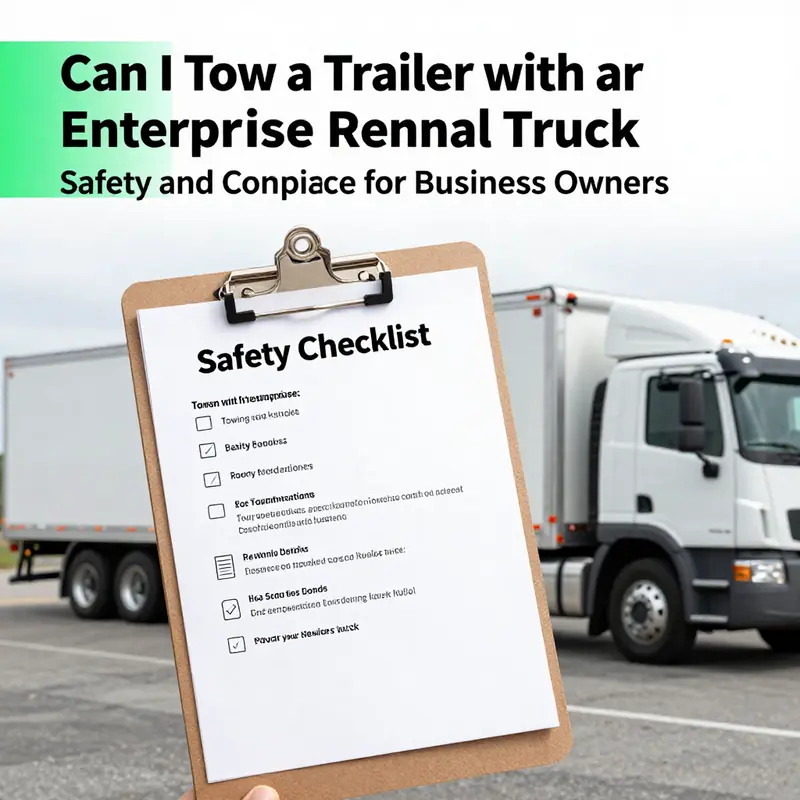
When you rent a moving or utility truck from a major rental company, towing a trailer is possible, but it requires careful preparation and awareness of limits. The most important step is confirming the vehicle’s towing capacity and the trailer’s GTW and tongue weight. GTW is the total weight of the trailer and its cargo; tongue weight is the downward force the trailer places on the hitch. Stay within both limits to maintain control and to protect insurance coverage. Look for explicit towing specifications in the online listing or at pickup, and ask a staff member to verify the exact model’s rating if it’s not shown. Even among trucks that can tow, capacity varies; do not assume a model can tow based on a general impression of a ‘truck with a hitch’.
Licensing and regulatory considerations: in many places, towing a trailer above a certain weight requires an endorsement or a separate driver’s license class. Check your local rules and obtain any needed endorsements well before the trip. Driving a rental truck with a trailer is different from regular driving, so ensure you are legally equipped and comfortable with the combination before you depart.
Trailer equipment and setup: ensure brakes function, hitch compatibility, proper rated hitch ball, secure connections, and safety chains. Load distribution matters: center the load, use tie-downs in good condition, and aim for balanced tongue weight.
Compliance on the road: ensure trailer lights, reflectors, braking, and signaling work; ensure wiring is correct; consider stricter rules when crossing jurisdictions. If unsure, review local regulations or ask staff.
Pre-trip checklist: verify towing capability, confirm hitch and wiring, inspect receiver, hook up, perform a road test, check lights and alignment, and correct any issues before leaving.
Loading and handling: aim for even weight distribution; tongue weight typically about 10 to 15 percent of GTW, but verify per setup. Use a weight distribution hitch if required to spread weight and improve stability.
Driving tips: increase following distance, use lower gears, tow/haul mode if available, make wide turns, be mindful of longer stopping distances and sway. When not towing, maintain steady speeds but remain aware that you may still have to adjust for trailer effects.
Insurance and policy considerations: towing is governed by your rental agreement; towing without authorization or exceeding capacity can void coverage or incur penalties. Confirm eligibility during booking and again at pickup, and document any deviations with staff before you depart.
Contingencies and planning: map your route with fueling stops, rest breaks, and potential hitch adjustments; check weather and road conditions, and allow extra time if needed. Keep a printed or digital copy of the towing guidelines from the rental provider for quick reference.
Helpful resource: for a quick reference, review the provider’s hitch setup guides and official towing tips; consult the rental company if you need clarification before departure.
Tow Ready on the Road: A Practical Guide to Towing with a Fleet Rental Truck
Tow projects often arrive with a mix of practicality and caution. If you’re considering hauling a trailer with a rental truck from a major fleet, you’re weighing a convenient solution against the realities of vehicle limits, safety requirements, and legal rules. The core truth is straightforward: towing with a rental truck is possible, but only if the specific vehicle you rent is cleared for towing, and only if you follow the company’s policies to the letter. This isn’t a universal permission slip—towing needs a match between the trailer’s weight, the truck’s capacity, and the equipment available at pickup. When you start planning, you’ll likely search online or speak with a counter associate, looking for a vehicle that lists towing as a feature or option. The moment you see a model described as capable of towing, treat that designation as something to verify rather than take at face value. Vehicle specifications, rather than assumptions, govern what you can safely pull. The process begins at booking: the system will often present a towing option for some trucks, but not all, and the option can be easy to miss if you don’t know where to look. In practice, the most reliable approach is to identify the vehicle first and then confirm that towing is explicitly allowed for that exact model.
Once you’ve identified a candidate truck, you’ll turn to the details that truly matter for any towing task: the technical parameters. The vehicle’s towing capacity is not a vague number; it’s a carefully defined limit, expressed as a combination of Gross Vehicle Weight Rating (GVWR) and the maximum Gross Trailer Weight (GTW) the setup can safely handle. A match between GTW and your trailer’s weight is non-negotiable. Even if a truck can technically tow a certain trailer, other factors—such as tongue weight, the hitch category, and the braking requirements of the trailer—can constrain what you should actually pull. Before you sign the rental agreement, take a moment to scan the terms for any towing-specific restrictions. Some fleets impose a maximum tongue weight to protect the hitch and the frame, while others cap GTW to reflect the truck’s braking and suspension limits. These limits are not simply bureaucratic; they translate into real-world effects on handling, braking distance, and tire wear.
The next layer of due diligence is even more hands-on: confirm that the truck you’ll drive is physically prepared for towing. This means inspecting the hitch receiver and confirming that the hitch ball, ball mount, and the trailer’s coupler are compatible with the truck’s hitch. If you’re renting a model that is marketed as towing-capable, it should come with a properly installed hitch and a high enough rating to handle your trailer’s drawbar and tongue weight. If you’re unsure, ask to see the hitch rating and compare it with your trailer’s requirements. This step isn’t just about compatibility; it’s about confidence on the road. A secure connection, with reliable safety chains and a trustworthy electrical wiring setup for brake and signal lights, is the backbone of safe towing. Some fleets will offer these as optional add-ons, bundled or separately priced. If you need a ball mount, a hitch ball of the correct size, or a wiring harness, you’ll want to arrange those in advance so you’re not scrambling at the pickup counter.
Beyond the hardware, there is a language of policy that every renter must learn and heed. The rental agreement will lay out the critical boundaries: who is allowed to tow, the permissible weight ranges, the responsibilities during operation, and the consequences of exceeding limits. It’s easy to skim and miss a paragraph about GTW or tongue weight, but that information is the map you’ll follow on moving day. A violation—such as towing without explicit authorization for the selected model or trying to pull a trailer heavier than the vehicle’s rating—can void insurance coverage, trigger penalties, and complicate any claims if something goes wrong. The sentence is simple and easy to remember: towing is allowed only with an approved vehicle and within the capacity and policy limits specified for that vehicle.
If you are contemplating the practicalities of equipment beyond the physical hitch, you should plan for the essentials well before you roll out. A compatible trailer hitch is not a luxury; it is a necessity, and the correct ball size and mount contribute to a secure connection. Safety chains are not optional; they provide a failsafe should the coupler unexpectedly separate. Wiring that powers brake lights and turn signals is another non-negotiable, especially if your trailer has its own braking system or if you’re traveling through areas with heavy traffic. Some rental fleets offer these items as optional add-ons, often with a daily or flat-rate fee. The decision to add them should be driven by the trailer’s requirements, the length of your trip, and the anticipated driving conditions. If you are renting a truck for a one-way move, please consider whether you’ll need a return of equipment or additional support upon arrival. The equipment and policies are designed not only to protect the trailer and truck but to safeguard you, your payload, and other road users.
As you map out the trip, a conversation with customer support can be an invaluable part of the process. The support team can clarify towing regulations that may vary from state to state, explain the exact equipment you’ll need for your trailer (including hitch types and wiring), and describe what roadside assistance coverage looks like when towing. The aim of this conversation is not to win a debate about your capabilities but to confirm the facts that will keep you and others safe on the highway. Knowing where to turn if you encounter issues on the road—whether it’s a broken hitch or a tire problem—can reduce stress and prevent a small problem from becoming a major disruption. In practical terms, you should come away from the booking with a clear sense of the maximum GTW and tongue weight you’re permitted to tow with the chosen truck, a list of required equipment, and a straightforward plan for loading and securing your trailer so that weight is distributed in a way that preserves control.
The choreography of towing with a rental truck also invites a moment of realism about the journey itself. Even when the math checks out, your driving habits must adapt to the heavier, longer profile of a towed load. Increase your following distance, anticipate longer braking distances, and practice lane position that accommodates the trailer’s sway and width. You’ll want to stay alert for trailer sway, crosswinds, and the added rollover risk of heavily loaded trailers on uneven roads. If you are new to towing, investing time in a short, safe practice session before hitting busy highways can pay dividends in confidence. The goal is not to surprise yourself on the open road but to move with deliberate caution, to respect the truck’s handling envelope, and to keep your cargo secure from pickup to destination.
For readers who want to dive deeper into the practicalities of towing with rental fleets, there is value in looking at targeted guides that address gear, procedures, and scenarios in more detail. If you’re curious about how gear choices like tow dollies fit into the broader towing toolkit, you can explore a focused guide on that topic here: tow dolly guide. This resource helps connect the dots between the hitch and the trailer and can illuminate decisions that keep your setup stable and compliant.
To bring this into a broader, real-world frame, it’s helpful to consult external resources that synthesize policy, practice, and safety in one place. A practical article on towing with rental fleets discusses eligibility, documentation, and the nuances of insurance when towing. It reinforces the theme that towing is a conditional right, not an automatic entitlement, and it underscores the importance of confirming towing eligibility with the rental provider when you book. For deeper guidance, you can read an external overview here: https://www.carinterior.com/towing-with-enterprise-trucks-what-you-need-to-know/
As you finish planning, keep in mind that the heart of your towing plan rests on choosing a model that is explicitly approved for towing, understanding the GVWR and GTW limits, securing the appropriate hitching hardware, and aligning with the rental agreement. The experience should feel like a well-managed project, with every step—from booking to hitch inspection, from equipment add-ons to the final walk-around of the vehicle and trailer—executed with calm precision. When done correctly, towing with a fleet rental becomes more than a convenience; it becomes a carefully choreographed process that expands your moving and hauling options without surrendering safety or compliance. And while the journey may add a layer of planning, the payoff is clarity: you know what you’re allowed to tow, you know how to tow it safely, and you know where to turn if something goes wrong.
Final thoughts
Understanding the ins and outs of towing with an Enterprise rental truck is crucial for any business owner. From verifying vehicle specifications to reviewing rental agreements and ensuring you have the right equipment, every detail matters. Adhering to safety guidelines not only protects your business but ensures compliance with regulations. By leveraging Enterprise’s customer support, you will also have peace of mind while on the road. Equip yourself with this knowledge to enhance your business’s efficiency and reliability in all your transportation needs.