
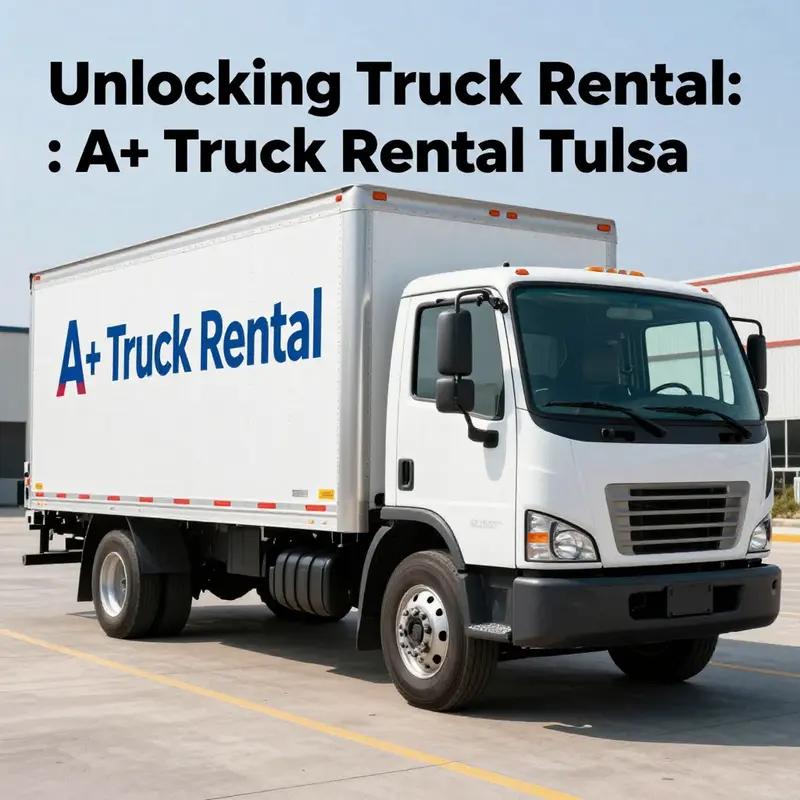
A+ Truck Rental Tulsa emerges as a pivotal resource for business owners needing reliable truck rental options and comprehensive driver training. Situated strategically behind the Drivers Testing Center, it not only offers rental services but also focuses on equipping drivers with the necessary skills and knowledge to meet Entry-Level Driver requirements. This article delves into the invaluable services offered by A+ Truck Rental, its accessible location, dedicated operating hours for customer service, and the positive impact it has on the local community of drivers. Understanding these facets will reinforce the brand’s importance in facilitating logistics and transportation for businesses in Tulsa.
From Classroom to Cab: How Tulsa’s A+ CDL Truck Rental Bridges Training and Trucking Success
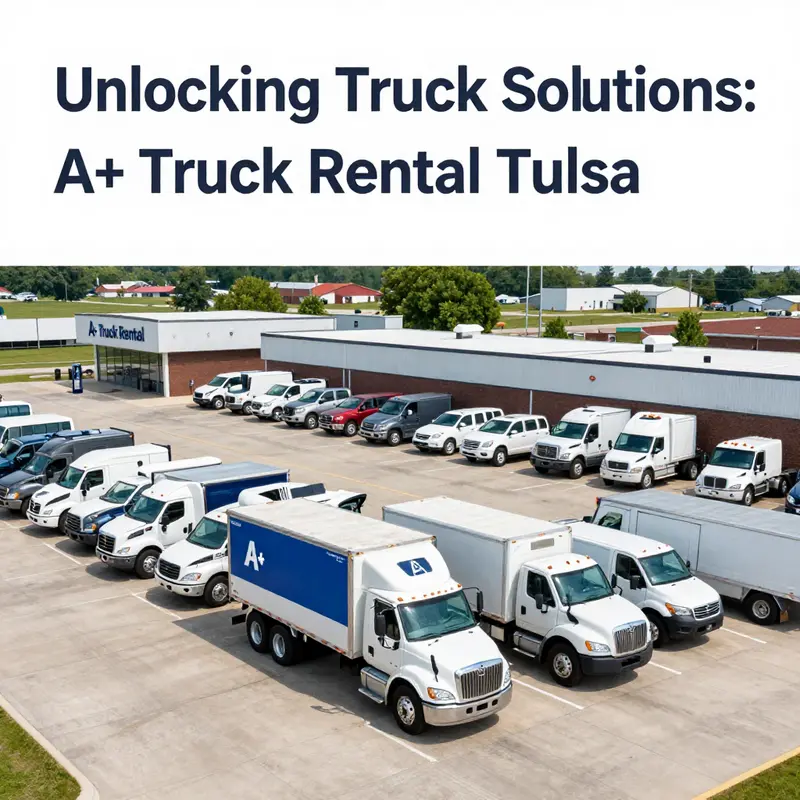
From the moment a trainee steps into the Tulsa campus behind the Drivers Testing Center, the journey from novice to licensed professional begins not with a single exam but with a sequence of careful steps that blend training, hands-on practice, and real-world familiarity with the equipment the industry uses. A+ CDL Truck Rental sits at 3190 W 21st St, Ste 306, Tulsa, OK 74107, a location chosen for proximity to the testing center and the heart of the city’s transportation corridor. The small but purposeful footprint is part of a larger ecosystem that supports new entrants to trucking and provides a bridge between the classroom and the cab. In truth, the effectiveness of such a bridge depends less on a flashy facility and more on a thoughtful program that accounts for the realities newcomers face: the pressure of the road, the complexity of equipment, and the sheer scale of the industry.
The programs offered center on Entry-Level Driver Training, a framework that aligns with state and federal expectations for new drivers who seek Class A or Class B licenses. The emphasis is not simply on moving a vehicle from point A to point B but on building a set of competencies that translate into safety and reliability on actual highways. The curriculum is designed with the modern trucking world in mind, where technology, regulation, and practice must work in concert. Trainees learn to operate both automatic transmissions and standard transmissions, acknowledging that the fleet they will encounter in the field may require comfort with different gear systems. The dual presence of these transmission options reflects a practical philosophy: the road welcomes drivers who can adapt, who understand the mechanics beneath the hood, and who can make sound, split-second decisions at the wheel.
For many students, the appeal of a program like this lies in its integrated approach. The same facility that hosts the training also offers access to rental equipment, which means learners can put theory into practice without wandering across town to arrange vehicles for practice. The same street that carries the weight of truck traffic also hosts a testing center nearby, reinforcing a cycle of learning that culminates in a formal evaluation. This arrangement is not incidental; it is a deliberate design to reduce friction and to create a more predictable path from learning to licensure. In Tulsa, where the trucking industry supports both local distribution and longer routes, having a reliable, centrally located option for training and rental matters more than showy marketing. It matters because every hour spent behind the wheel is a demonstration of readiness, not just a ticking off of a schedule.
The contextual advantages of being near the Drivers Testing Center extend beyond convenience. For someone starting out, the ability to observe testing processes, to attend a review session, or to practice with guidance from instructors who understand the exact expectations of the exam can be a meaningful difference. The location behind the testing hub signals a deliberate alignment of resources: instructional time, supervised practice, and licensing steps are positioned to flow together rather than to clash. It is a pragmatic approach to career entry in a field where the margin between success and setback can hinge on a few accurate maneuvers and a confident pre-trip inspection. In practical terms, learners can schedule sessions during the hours the staff operates each week, specifically Monday through Tuesday from 8:00 am to 6:00 pm. Those four blocks of time, spread across two days, may be enough for a student to complete the essential elements of the program, especially when combined with additional hands-on practice and review opportunities. The schedule is not about overloading; it is about providing predictable access for those balancing work, family, or school commitments while they pursue a vocational path that offers stability and growth.
Taking the next step often involves engaging directly with the staff through the contact number provided, (918) 585-1323. A conversation can reveal current class openings, vehicle availability, and any special accommodations for new students. The practical realities of rental pricing, the occasional fluctuations in demand, and the specifics of equipment configurations are typically discussed during these calls, which helps learners plan a realistic timeline. Prospective students are advised to check the official Yelp listing for the latest information. A listing that is regularly updated can reflect changes in service offerings, hours, and pricing that are not always visible in static brochures. In the dynamic world of trucking training and rental, staying informed matters as much as staying behind the wheel.
Within the broader landscape of CDL training, the A+ program emphasizes a blend of core skills and hands-on experience. The curriculum begins with the fundamentals—pre-trip inspections, vehicle controls, and the safety mindset that every driver must cultivate. It extends into more advanced competencies, including lane control, merging with evolving traffic patterns, and the discipline required to maintain logbooks and comply with regulatory standards. The instruction acknowledges the realities a student will encounter when treading the highway, including weather variations, competing traffic, and the constraints of delivery timelines. The use of both automatic and standard transmission trucks is not simply a matter of preference; it is a practical preparation for the variety of fleets a new driver might encounter once licensed. Some companies prioritize one type of transmission, while others require familiarity with both. By exposing learners to both configurations, the program reduces the anxiety of transition and builds a flexible skill set that can adapt to different employers and different routes.
The rental aspect of the offering is not a mere appendage to training. It is a deliberate component that reinforces the key idea behind CDL readiness: practice under supervision translates into confidence on test day and, more importantly, on the road. Rental provides a controlled environment in which trainees can repeat maneuvers, fine-tune backing and turning techniques, and compare performance over time. The process is supported by a policy framework that centers on safety, accountability, and responsible operation. Instructors watch carefully, providing corrective feedback that helps learners internalize proper practices rather than merely memorizing checklists. This approach is especially valuable for drivers who may feel pressured to rush lessons; steady, incremental progress becomes a reliable predictor of success when licensing tests loom.
Another aspect worth noting is how this Tulsa hub integrates training with ongoing career support. The trucking industry values ongoing education and adherence to evolving regulations. The A+ program appears to recognize this reality by offering a training track that is explicit about entry-level requirements while leaving room for advancement. For those who complete the basic course, the next steps may involve acquiring seat time, seeking employer partnerships, and pursuing additional endorsements. The environment in Tulsa, with its mix of local distribution networks and regional routes, provides a fertile ground for new drivers to establish a stable career path. The campus atmosphere, with classrooms near real-world driving experiences, makes the learning process tangible and relevant. Students are not merely studying theory; they are preparing to operate heavy equipment under real traffic conditions, while being supported by mentors who understand the pressures of the initial months on the job.
For readers plotting a path toward CDL attainment, the path at this Tulsa location also highlights the importance of aligning training with a realistic budget and schedule. The cost of training and the associated rental rates can vary with demand, seasonality, and the level of equipment used for instruction. The Yelp listing serves as a practical starting point to gauge what current students and alumni report about value and outcomes. Prospective drivers should consider the balance between the breadth of training, the quality of instruction, and the opportunity to practice with trucks that reflect the types of fleets they might join after earning their license. The narrative around a training program is strengthened by its ability to connect with the broader community: the city’s driving instructors, local trucking companies, and the state’s licensing authorities share the same objective—ensuring that new drivers emerge from training ready to handle the demands of the road.
Beyond the mechanics of the training itself, there is also a broader story about how access to practical rental options at a location like this one can influence decisions about pursuing a CDL career. For some applicants, the prospect of a two-day, focused training module paired with ample practice time reduces the barrier to entry and makes the idea of becoming a professional driver more attainable. For others, the strategy involves using the rental component to perfect specific skills that will be tested during the licensing exam. In either case, the combination of learning, practice, and evaluation in close proximity helps demystify the process and empower individuals to take confident steps forward.
To readers who want to explore how similar programs structure their offerings, the case study of Tulsa’s A+ CDL Truck Rental offers a meaningful reference. The emphasis on entry-level readiness, the dual-transmission approach, and the practical access to rental gear are all attributes that more programs could adapt to their own markets. While every city has its own regulatory environment and economic realities, the underlying principles—clear objectives, supportive supervision, and opportunities to apply new skills in realistic settings—translate across contexts. The result is a more streamlined pathway from learning to licensure to first employment, which in turn supports the broader labor market and the community’s mobility. For those who want to jump-start their learning or for readers who want to frame a conversation with an advisor, reaching out to the Tulsa location offers a concrete first step. A simple phone call or a scheduled visit can reveal current class sizes, equipment availability, and the steps needed to enroll.
In sum, the chapter on Tulsa’s A+ CDL Truck Rental illustrates a pragmatic approach to building a trucking career that takes learners from the desk to the cab with clarity and purpose. It shows how a thoughtfully designed program can combine formal instruction with the tactile discipline of behind-the-wheel practice, all within a single, accessible facility. It is not merely about earning a license; it is about cultivating the confidence and resilience a driver needs to navigate the dynamic realities of modern freight transportation. The result is a pathway with tangible outcomes—clear prerequisites, structured practice, and a license that opens doors to a spectrum of opportunities in the Oklahoma and national trucking landscape. And because the operation is anchored by a hands-on training ethos and a rental option that accommodates ongoing skill development, it stands as a model for how apprenticeship in trucking can be made efficient, humane, and effective.
For those who want to learn more, the program’s official site is a good starting point. See the details on their training offerings and contact information for scheduling and inquiries. And if you are curious about how rental models can complement training, you can explore related options such as Penske One-Way Truck Rental to see how different providers structure their programs and support the growth of new drivers. Penske One-Way Truck Rental. To stay current with the latest developments and pricing, check the local Yelp listing and call the center at the number above. A more in-depth exploration of the industry’s fuel economy considerations, route planning, and cost estimators can broaden understanding, including moving-truck-specific resources and calculators for fuel and mileage.
In closing, the Tulsa story is one of practical alignment: training, vehicle access, and real-world readiness converging in a single neighborhood and at a single address. The proximity to the testing center accelerates the journey from student to licensed driver, while the flexible hours ensure that learners with varying schedules can participate meaningfully. The emphasis on both automatic and standard transmissions reflects a mature understanding of how fleets operate and how drivers must adapt to the equipment at hand. The chapter above is a reflection not just of one company but of a broader philosophy that values hands-on experience, safety, and a supportive path forward for people who want to enter a field that moves goods, people, and communities. The ultimate goal remains straightforward: equip new drivers with the skills, confidence, and access they need to succeed, one truck at a time.
External resource: A+ CDL Truck Rental official site
Where Tulsa’s Wheels Turn: The Strategic Location and Accessibility of a Local Truck-Rental Hub
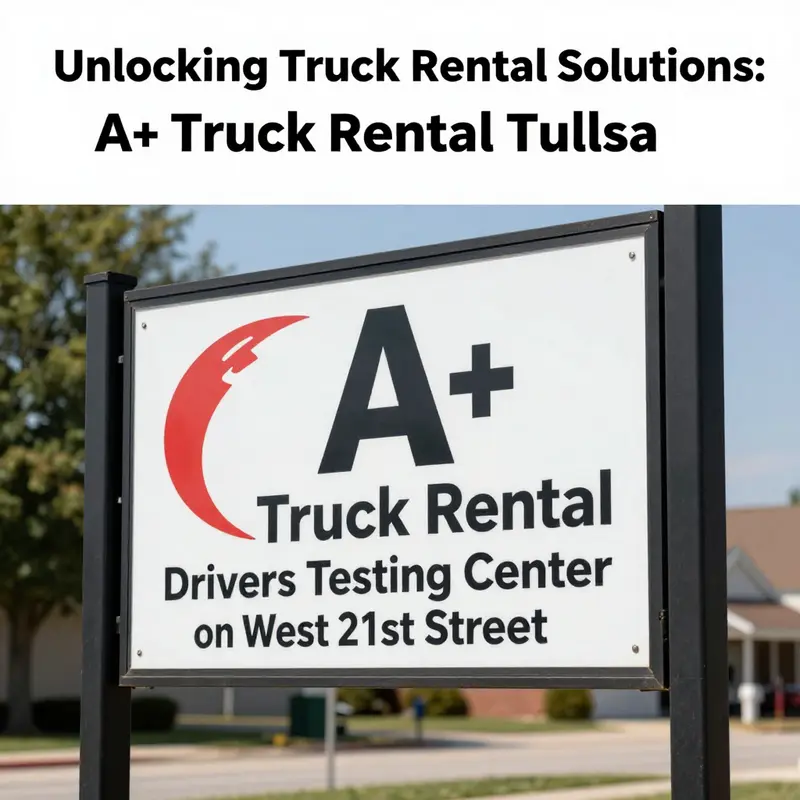
Tulsa sits at a crossroads of commerce and route networks, where steady demand for dependable trucks meets a city that rewards practical logistics. In this context, the location of a local truck-rental and training facility becomes more than a point on the map. It acts as a bridge between readiness and capability, turning written requirements into real, drivable paths. For drivers just starting out or for small businesses moving goods through Oklahoma’s urban corridors, the interplay between where a rental facility sits and how easily it can be reached matters as much as the fleet itself. This chapter focuses on a particular Tulsa hub that sits at 3190 W 21st St, Ste 306, Tulsa, OK 74107, a site that has been chosen for more than convenience. It is placed behind the Drivers Testing Center on West 21st Street, a strategic alignment that weaves training and rental into a single flow. The physical positioning behind the testing center is not random; it is a deliberate design to minimize the friction that often accompanies the transition from learning to operating. When a future CDL holder finishes an assessment or a practice run, the next logical step is to stand up behind the wheel in a rental that has been tuned to the same standards that earned the learner their credential. In this sense, the Tulsa location is less about a storefront and more about a turnkey progression from classroom to cab, from knowledge to muscle memory. The practical resonance of such proximity becomes clear only when a driver envisions a day spent moving a rental truck along a few local routes that mimic the actual handling challenges of city streets and business districts. Access to a training-focused rental in the same complex creates a continuity that reduces downtime, makes scheduling more predictable, and reinforces a disciplined approach to post-graduation driving life. Accessibility is not merely about hours or a phone call; it is about the entire journey from the moment a student or business leader contemplates a rental to the moment the truck becomes a partner in daily operations. The Tulsa hub’s official address, 3190 W 21st St, Ste 306, Tulsa, OK 74107, marks more than a point of collection. It anchors the idea that learning and deployment can occur within walking distance of each other. Behind the testing center, the site leverages a campus-like cadence that can ease the anxiety that often accompanies early CDL experiences. Students benefit from the built-in rhythm: practice, test, and then immediately transition to practical application with a test-ready vehicle at hand. For many new drivers, that continuity is the difference between hesitation and confidence when they first pull away from a curb. It is also a constant reminder that professional trucking is not only about the vehicle’s mechanical reliability but about the systems that support a driver’s progression—from training to real-world operation, and from learning to earning. The hours of operation play a practical role in shaping that rhythm: the facility is open Monday through Tuesday, 8:00 am to 6:00 pm, a window that aligns with daytime classes and mid-week training cohorts. In a city where traffic patterns shift as schools reopen and business districts wake, those hours provide a predictable cadence that helps students, instructors, and fleet managers plan their days with clarity. The open weekdays also reflect a philosophy of accessibility that values steady, manageable steps over rushed, weekend surges. The recurring question for a potential renter or trainee is not merely “Can I get a truck?” but “Can I fit this into my schedule, with the level of support I expect?” In Tulsa, the answer at this address tends toward yes. A direct line of communication is available at (918) 585-1323, offering a bridge to the latest information on service availability and rental pricing. While phone calls provide a personal touch, potential customers are also encouraged to consult the facility’s Yelp listing for current details, updates, and peer insights. This is not simply about price, but about transparency and the confidence that a client can rely on the information they find when planning a move, a training session, or a small fleet rollout. The presence of a Yelp listing as a go-to information source reflects the broader ecosystem in which this Tulsa hub operates: user feedback, real-time availability, and the ongoing conversation between provider and customer. It is the kind of real-world touchpoint that complements official channels, delivering practical, on-the-ground nuance to a process that can otherwise feel abstract. The address’s placement near major corridors—near the intersection of West 21st Street and Memorial Drive—extends its reach beyond the immediate neighborhood. I-44 and US-64 are nearby arteries that connect Tulsa to surrounding towns and to interstate commerce routes that many trucking professionals rely on for training routes, test routines, and daily tasks. The accessibility story here is straightforward: clear signage, straightforward routing, and a campus-style layout that sets expectations for what a student or small business should encounter when they arrive. Map-based directions are widely available and can help drivers avoid peak traffic or detours on busy weekdays. The facility notes that step-by-step directions are provided by MapQuest, a small but meaningful detail that underscores the importance of practical navigation in the training-to-rental journey. For drivers who travel through Tulsa or who are new to the city, the ability to route directly to a known training and rental hub is a powerful form of reassurance. The personal touch of a direct contact number and the promise of the latest pricing terms further reinforce the sense that this location is focused on reliability and consistency. The route to the door is more than a physical path; it is the pathway to a complete learning-to-earning cycle, which in many cases becomes the backbone of a local trucking routine. A learner who begins at the testing center and transitions to the rental facility within the same complex can benefit from the momentum of that day, choosing equipment that matches the class schedule and selecting vehicles sized appropriately for the planned routes. The practical advantages extend to safety protocols, equipment checks, and the training ecosystem that often thrives on recurring, structured practice. It is this operational synergy—the alignment of test space, rental inventory, and training resources—that makes the Tulsa location a meaningful node in the wider narrative of truck readiness. When one considers the broader city and its immediate surroundings, the value of such integrated access becomes even more evident. For a small business, daily operations demand dependable, predictable transportation solutions, and for a student, the path from learner to licensed operator often hinges on the opportunity to practice with dispatch-ready equipment in a familiar environment. The location’s accessibility—through major highways, straightforward map directions, and a consistent set of hours—creates a reliable baseline from which planning can emerge. In this way, the Tulsa hub connects the practical demands of logistics with the educational rhythms that build competence. It is not merely about owning or renting a vehicle; it is about stepping into a workflow designed to minimize friction, maximize learning, and support steady progression toward professional reliability. Those who plan a site visit can also consider the value of additional resources that sit adjacent to the core offering. The surrounding infrastructure supports a broader experience: nearby testing, potential practice routes, and a network of related services that can help a driver shape a more robust readiness profile. Before scheduling a time to walk through the doors, prospective renters may take comfort in the ability to verify current pricing and availability through online listings, or by calling the number provided. This level of transparency, coupled with the geographic advantage of being positioned behind the testing center, makes the Tulsa location an appealing option for many who want a practical, end-to-end preparation pathway. For readers who want a quick, tangible reference to the practicalities discussed here, consider this: the entry point is not just a building or a storefront; it is a doorway to a tested routine that aligns learning, practice, and real-world operation in a single, efficient sequence. In that sense, Tulsa’s local hub embodies a straightforward truth about trucking readiness: accessibility matters as much as the equipment, and the easiest route to competence often runs through a centralized, well-connected training-to-rental corridor. If you are planning around the logistics of a move, a fleet exercise, or a practical CDL preparation, the location’s proximity to major routes and its clear pathways can help you map out a realistic plan. It is a reminder that the best urban trucking solutions are those that reduce the distance between learning moments and the day-to-day realities of the road. For readers seeking an additional practical touchpoint, a compact consideration of vehicle sizing is often warranted. In dense urban settings, a smaller truck can offer maneuverability that a larger unit cannot. The most common choice is a 16-foot truck, a size that balances cargo capacity with city-friendly handling. An in-depth guide to 16-foot trucks can be found in a dedicated resource on this topic. 16-foot truck. This kind of guidance supports a thoughtful decision-making process about which vehicle best suits a given route, load, and pace of operation. In the end, the Tulsa hub’s strategic location, its proximity to testing and training, and its clear paths for navigation create a practical resonance that extends beyond the physical walls of the building. It represents a model for how a truck-rental and training operation can be woven into the daily rhythm of a city, standing ready to support both the learner and the veteran through a reliable, streamlined experience. As Tulsa continues to grow as a crossroads of commerce, the value of accessible, well-located services becomes ever more essential. A facility that deliberately places itself in a position where testing, learning, and renting converge is more than a convenience; it is a dependable partner in the work of getting trucks safely onto the road, on time, and in good working order. Prospective clients who want the latest information about service availability and pricing are encouraged to consult the Yelp listing for current details, or to reach out via the provided phone number. The combination of a strong physical location, easy accessibility, and a clear commitment to operational transparency creates a compelling case for choosing this Tulsa hub as a practical first step in a truck-rental and training journey. Ultimately, location is not just about being easy to find. It is about being easy to use, easy to trust, and easy to integrate into the daily routines that define professional trucking. In that sense, the Tulsa hub stands as a thoughtful example of how a well-positioned facility can support a more confident, capable, and prepared driver, ready to take their place on the road. External reference: http://www.cdlrental.com
Hours, Help, and the Road Ahead: Tulsa’s Local Truck Rental and Training Hub
In a city where the pace of construction, business deliveries, and community moves never sleeps, a practical truck rental option can feel like a quiet backbone. It is not merely about renting a vehicle; it is about the choreography of timing, training, and access that keeps things moving. Tulsa, with its spreading West 21st Street corridor and the bustle that sits a short drive from the Drivers Testing Center, hosts a rental operation that operates at the intersection of convenience and competence. The location sits just behind that testing hub, a strategic placement that makes it easier for aspiring drivers to translate classroom lessons into real practice behind the wheel. When people think about getting on the road for a commercial project or a personal move, they often begin with a simple question: where can I both learn and rent a vehicle in a single, efficient stop? This Tulsa operation answers that question with a thoughtful blend of availability, training emphasis, and straightforward service.
The rhythm of its hours mirrors the practical needs of drivers who balance training with real world tasks. The standard schedule leans toward accessibility: the doors open and the keys become available from early in the day through the late afternoon, with a steady cadence that covers Monday through Saturday. In plain terms, most weekdays see a teller of the keys from 8:00 AM to 6:00 PM, a window designed to accommodate early risers and late-day planners alike. Saturdays mirror this pattern, offering the same 8:00 AM to 6:00 PM window so that weekend projects and moves can proceed without rushing. The natural counterpart to this accessibility is a dependable Sunday rest. On Sundays, the doors close, and the rhythm naturally slows, inviting planners to line up their pickups for the start of the new week. The practical upshot is clear: for customers whose needs revolve around training alongside rental, the facility aligns well with typical work and move schedules, reducing the friction that can come from a split, multi-venue approach.
Of course, schedules are not a rigid script. Special dates—holiday observances, city events, or occasional operational adjustments—can nudge hours in a different direction. The best practice, especially for first-time students and occasional renters, is to confirm in advance. A quick call can forestall delays and ensure a smooth pickup or return. The primary and most reliable way to confirm current hours is to reach the location directly at the appointed number. This direct line is more than a convenience; it is a lifeline for urgent questions, last-minute changes, and specific reservations that depend on the exact truck size or equipment you need for a given day.
That direct line is a doorway into a broader service philosophy. The Tulsa operation has built its reputation around more than just a vehicle rental. It emphasizes up-to-date training designed to meet entry-level driver requirements. In practical terms, this means the team can align rental options with a customer’s current training stage, helping a new driver not only access a vehicle but also practice in a way that supports certification readiness and safety discipline. The collaboration between training content and rental access can streamline a process that otherwise might require separate visits to different facilities. Practically, a student can coordinate with staff to select a truck that matches the size and maneuverability appropriate for the training progress, then use the same location to practice routes or complete supervised trips that build confidence on the road.
The logistical value of the site grows from its positioning. Located along West 21st Street, the rental operation sits in a corridor that has long served as a local backbone for transportation, logistics, and the moving needs of residents and small businesses. Behind the neighboring Driver Testing Center, the facility is not just easy to find; it is easy to connect with. For many customers, that proximity translates into a smoother sequence: arrive for a rental, take care of paperwork, and depart with the vehicle that will enable a practice session or a real-world delivery run. The flow matters. It reduces back-and-forth, it lowers the chance of miscommunication, and it helps people get on the road with less downtime. In times when every mile counts, this kind of operational efficiency matters as much as the vehicle itself.
The customer service framework follows a straightforward path. When questions arise or when urgent assistance is needed, the most reliable path is to pick up the phone and speak directly with staff at the location. The phone line functions as the central conduit for inquiries and reservations, and a real-time conversation is often the most effective way to confirm availability, pricing, and any special requirements. That immediacy is essential for people who are balancing schedules, budget constraints, and the necessity of having a vehicle that meets the dimensions and load requirements of a specific job or move. In this setting, good service is not a luxury; it is a practical necessity that helps customers move from planning to action without unnecessary delays.
From the moment a person steps through the door or makes that first phone call, the interaction centers on clarity and reliability. A common scenario runs like this: a prospective renter explains the task at hand—moving, delivering, or practicing for certification. The staff member explains the truck sizes available, outlines the rental terms, and confirms any insurance or licensing prerequisites. The goal is simple: ensure the renter has the right truck for the job and understands the expectations around fuel, mileage, and return conditions. The conversation often touches on the practical realities of a rental, such as fuel levels upon pickup, the condition of the vehicle at the time of handover, and the process for reporting issues or arranging a roadside assist if something unexpected happens. In cities the size of Tulsa, where a driver may be new to large vehicle operation, this practical, no-nonsense approach to service matters as much as the truck itself.
The training and rental synergy is more than a marketing line. It is a deliberate choice to cultivate a space where new drivers can gain confidence in a vehicle while gaining practical exposure to the rental process that will carry them into real-world assignments. This synergy is particularly valuable for those who are preparing for proficiency tests or seeking to accumulate the hands-on experience that underpins safer, more efficient operation. The training components typically emphasize fundamentals relevant to entry-level driving—pre-trip checks, basic vehicle control, and safe maneuvering—while the rental side provides a vehicle that is appropriate for the level of practice and the type of task at hand. This approach reduces the friction between learning and doing, helping a student transition from the classroom to the road with a clearer understanding of what to expect on schedule, on budget, and behind the wheel.
For readers who want to explore broader context about how promotional strategies intersect with rental choices, a useful starting point is a resource that outlines common promotions and discounts within the truck rental space. While the Tulsa operation operates independently, the industry’s broader conversations about value and negotiation offer a helpful backdrop for planning. You can explore a concise overview of discounts and promotions at this resource: penske-truck-rental-discounts.
The practical takeaway, then, is straightforward. If you are preparing for a move, a delivery route, or an entry-level driving certification, you can rely on a local hub that blends timely access with a readiness to assist. The schedule supports the realities of student timetables, weekend work demands, and weekday project deadlines. The location behind the Driver Testing Center isn’t just a matter of geography; it signals a commitments to a workflow that emphasizes efficiency, training alignment, and dependable support. The human element—clear communication, willing staff, and a straightforward rental process—turns a simple transaction into a reliable step in a driver’s progression. In a landscape where every hour on the calendar can determine the outcome of a move or a training milestone, having a nearby, approachable resource makes more than a difference; it makes the road ahead feel achievable.
External resources, like any primer on the logistics of moving and renting, can broaden understanding of how these decisions fit into a broader pattern of consumer choices and industry norms. For readers who want to see a broader example of how rental programs discuss promotions, the linked resource serves as a reference point, complementing the practical experience of this Tulsa hub without duplicating its services. External resource: https://larentaltrucks.com/blog/hello-world/ .
A Tulsa Truck-Rental Nucleus: How a Local Hub Shapes the Lives of Nearby Drivers
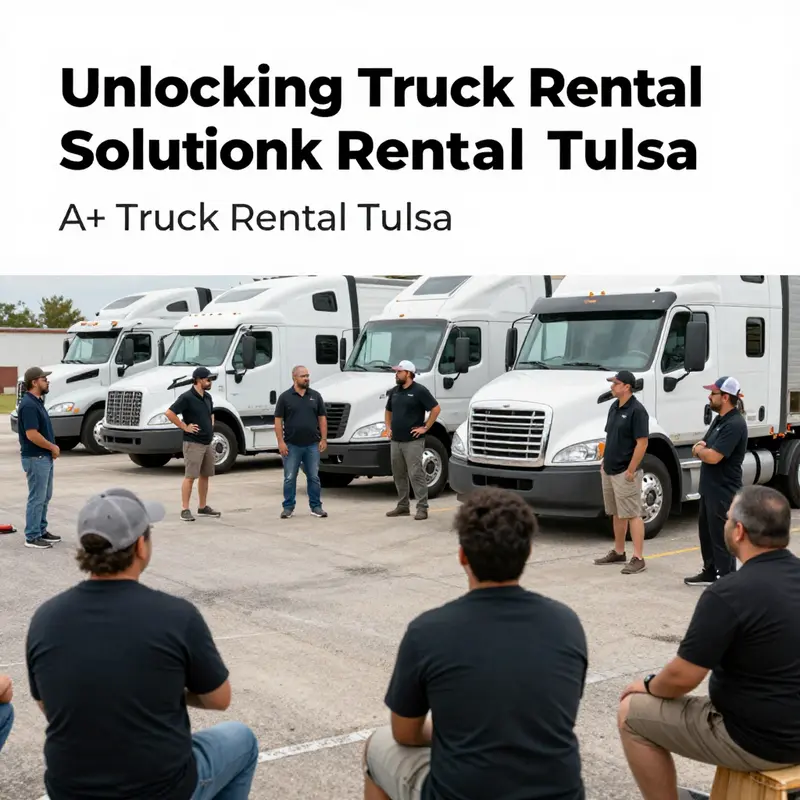
In Tulsa, a modest but strategically placed truck rental and training operation sits just behind the city’s Drivers Testing Center on West 21st Street. Its storefront and lot are not flashy, yet they anchor a small but vital corridor where aspiring drivers transition from classroom to cab and where independent operators seek a reliable partner for trucks and training. The site’s hours—open on Monday and Tuesday from 8:00 a.m. to 6:00 p.m.—signal a practical approach to the human side of trucking: flexible access that aligns with the rhythms of work, school, and family life. The positioning matters as much as the services offered, because it creates a visible link between learning, certification, and the decisive step of getting behind the wheel. In a field defined by high stakes, long hours, and constant movement, even a local hub like this can influence the texture of the surrounding driving community in ways that are not always obvious in headlines or quarterly reports.
The broader context is essential to understanding any potential community impact. Nationally, the trucking industry has long wrestled with a driver shortage, a structural constraint that places a premium on entry paths, training pipelines, and the availability of rental resources for new entrants. While the data do not reveal a granular, place-by-place portrait of Tulsa’s neighborhood effects from this particular operator, the industry’s trajectory offers a plausible scaffold for interpretation. If a single Tulsa-based operation can offer streamlined access to both training and rental in one convenient location, it may help reduce some friction points that typically deter would-be drivers from entering the profession. A prospective driver confronted with a two-step barrier—learners’ training and equipment access—might abandon the path altogether if the two steps are separated by time, cost, or logistics. A hub that merges instruction with hands-on access to equipment can shorten that journey, making the prospect of becoming a commercial driver feel more attainable and less anonymous.
Even so, the public record remains silent about measurable outcomes for the local workforce. The absence of explicit community-impact data for this Tulsa operation should not be taken as a guarantee of neutral effects. Instead, it invites a careful, context-aware analysis grounded in the realities of the broader trucking economy. In the United States, the driver shortage persists with stubborn momentum, and projections consistently point toward persistent gaps in the mid-to-late 2020s. Analysts describe a labor market where demand for qualified drivers outstrips supply, where turnover remains high, and where a relatively small shift in sourcing or training pipelines can reverberate through shippers, carriers, and, crucially, the communities that rely on them for job opportunities and reliable local commerce. In such a climate, even a neighborhood hub that blends rental access with targeted instruction can become a node of stability, a place where new drivers gain confidence, skills, and a practical understanding of the operational realities of the road.
Within that broad frame, the local operator’s proximity to a testing center can be interpreted as a strategic alignment of gatekeeping and access. The testing center marks a formal threshold—an official moment when a novice becomes a licensed driver or when a commercial driver’s credential is renewed or upgraded. The nearby rental and training location can act as a supportive bridge across that threshold. Trainees who study behind the same walls where their practical tests will occur may feel a sense of continuity and legitimacy, a cognitive link between the classroom, the road test, and the actual experience of owning or operating a vehicle on a daily basis. This integration matters because confidence is a subtle but concrete determinant of success. When trainees can transition directly from instruction to hands-on practice in a location they already recognize and trust, they may approach the road test with greater poise, consider the responsibilities of vehicle operation more seriously, and develop safer habits as a baseline expectation rather than an aspirational ideal.
Beyond training alignment, the local hub’s rental offerings intersect with the realities of small-business logistics and independent driving careers. In an industry where cost sensitivity is high and margins can be thin, the ability to access a well-maintained fleet without a long-term commitment can be a game-changer for individuals who are weighing the risks of stepping into the profession. For a new driver with student loan debt, family obligations, or limited cash reserves, the option to obtain a vehicle on a schedule that matches training or job opportunities can translate into a real, tangible path into full-time work. Conversely, for owner-operators and small fleets in the vicinity, a dependable rental partner can support flexibility in operations, backup capacity during peak seasons, and a practical way to trial different vehicle configurations before committing to a purchase—a test of the market without the heavy capital outlay.
Yet the micro-level benefits exist alongside real macro-level pressures. The industry’s competitive landscape remains intense, with large carriers leveraging scale to set a price floor that squeezes smaller operators. The result is a paradox in which the very providers designed to support entry and growth—training centers, rental houses, and local fleet services—face thin margins while bearing the brunt of customer expectations for reliability, safety, and timely maintenance. In Tulsa, as in many markets, this dynamic can create a twofold effect: on one hand, the local hub can become a stabilizing force by offering consistent access and clear pathways to certification; on the other hand, the pressure to keep costs manageable may constrain investments in driver compensation, benefits, and working conditions. When wages stagnate and turnover remains high, the potential for a virtuous cycle—where better training and better equipment attract and retain drivers—may be tested again and again by the capital and pricing constraints that dominate the competitive field.
The regulatory environment compounds these tensions. The landscape outlined in recent policy discussions emphasizes language requirements as a factor in compliance for commercial operators. If policy shifts around language proficiency or multilingual training and evaluation become more stringent, local providers face elevated administrative costs. The need to design and deliver language-appropriate training modules, perform assessments, and ensure compliance across a diverse workforce adds overhead that can siphon resources from other areas, such as direct wage improvements or more frequent maintenance checks. For a neighborhood hub near a testing center, these dynamics may manifest as more robust safety and training programs, but they can also translate into higher operating costs and longer lead times for customers. The practical implication for local drivers is clear: policy changes can either reinforce safety and competency or inadvertently raise the barrier to entry—by increasing the complexity of training, certification, and ongoing compliance—if not managed with thoughtful support and accessible solutions.
In this context, the chapter’s central question is not simply whether a Tulsa operation influences a small subset of people, but how it participates in a broader infrastructure of opportunity. A local hub that offers combined access to trucks and training can contribute to career development by demystifying the path to a commercial license. It can help illuminate the daily realities of professional driving, from pre-trip inspections to logbook discipline, from route planning to maintenance scheduling. In a region experiencing a persistent driver shortage, any mechanism that can shorten the time from learner to qualified driver can, in aggregate, increase the number of drivers who stay in the occupation long enough to build a sustainable career. That potential is further enhanced if the provider cultivates relationships with local workforce programs, community colleges, and high schools, creating pipelines that channel motivated individuals toward training opportunities and then into the rhythm of job-ready mobility.
Nevertheless, even in the most well-meaning configurations, the local impact will remain contingent on the balance among three interlocking factors: the availability and quality of training, the reliability and affordability of rental access, and the economic incentives that shape driver retention. The Tulsa hub sits at the intersection of these factors, offering a concrete example of how place, policy, and practice converge to shape the livelihoods of local drivers. The training programs that accompany rental services can elevate safety standards, which in turn may reduce incident-related downtime for customers and improve the reputation of the local driving workforce. In turn, a reputation for reliability can attract more business from regional shippers and logistics providers who depend on consistent service. The ripple effect extends to the wider community: better training and safer practices reduce road risk and can improve the public perception of trucking as a career path, not merely a job with transient appeal. Even as this is a cautious and context-dependent assessment, it points to a nuanced truth: small, well-positioned local operators can contribute to a more resilient driver pool if they invest in human capital and maintain transparent, accessible pathways to credentialing.
For readers with a practical interest in the mechanics of choosing a vehicle for work, or for those curious about how local rental-training ecosystems can support career entry, a concise guide on selecting and operating a moving truck provides a useful complement to this discussion. See the practical overview here: 16 moving truck. While the specific brand or model is less important than the alignment of vehicle capability with a trainee’s needs and a driver’s route, the underlying principle remains the same: access to the right tool, at the right time, with the right training, is a foundational condition for success on the road.
Looking ahead, the question of community impact will hinge on the alignment of policy, market pressures, and local leadership. If Tulsa’s local rental and training hub continues to evolve in ways that emphasize safety, accessibility, and transparent pricing, it could become a model for how small, ground-level operators contribute to workforce development without waiting for top-down reforms. The narrative of the local driver, the chalk-drawn route on an inspection sheet, the moment of crossing the threshold from learner to licensed professional—these are not abstract concepts here. They are lived experiences that may be shaped, for better or worse, by a neighborhood center that offers both the gateway to certification and the practical means to practice, own, and operate. In that sense, a modest Tulsa hub matters not just as a business location but as a touchstone for a community of drivers who navigate economic uncertainty with skill, safety, and a growing sense of professional identity.
External resource: https://www.trucking.org
Final thoughts
A+ Truck Rental operates not merely as a truck rental service, but as a cornerstone for local businesses in Tulsa aiming to strengthen their logistics and transportation capabilities. With a service-oriented focus, an ideal location, dedicated operating hours, and a commitment to community development through driver training, they cater effectively to the evolving needs of today’s business owners. By choosing A+ Truck Rental, businesses in Tulsa are not just renting trucks—they are investing in sustainable growth and community empowerment.