
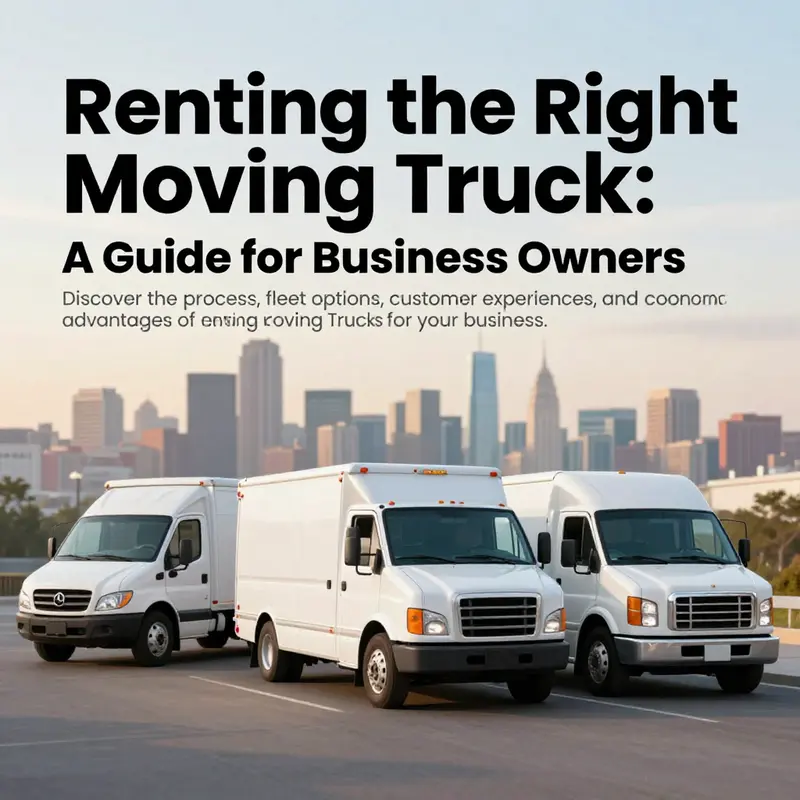
For business owners, moving or relocating can be a daunting task, but leveraging a reliable truck rental company can simplify the process significantly. This article delves into how truck rental companies operate, focusing on the rental experience from selecting the right vehicle to understanding the fleet available. Additionally, we’ll discuss customer interactions with these companies to ensure a smooth rental process, and examine the economics of renting a truck, emphasizing the potential benefits for small and large businesses alike. Each chapter will build on the last, offering a comprehensive overview of the truck rental landscape tailored specifically for business owners.
How Moving Truck Rentals Price Your Move: Base Fees, Per-Mile Rates, and Smart Cost Estimates
How moving truck rentals price your move: base fees, per-mile rates, and smart cost estimates
When you rent a moving truck, the invoice you receive reflects a blend of simple charges and small variables. The pricing model is usually easy to express mathematically. A fixed daily fee covers the truck and basic service. A per-mile fee compensates for vehicle wear and fuel. Think of the total cost as a linear equation: a constant plus a rate multiplied by miles. That simple idea drives the bulk of what you pay.
Start with the base fee. This charge is a flat amount per day or per rental period. It pays for the vehicle itself and for administrative overhead. Depending on the vehicle size, this number changes. A smaller box truck will have a lower base fee. A larger truck, with more cargo space and higher gross vehicle weight, commands a higher base fee.
Next is the mileage charge. Rentals typically add a fee per mile to the base cost. That fee varies between providers and by region. For example, a representative pricing line might be C = 27 + 0.11m, where C is total cost and m is miles. Another common structure looks like C = 31 + 0.09m. These formulas let you compute expected costs by inserting your planned mileage. They also make comparisons simple: subtract the base fees and then evaluate the per-mile difference.
Why the two-part approach? The base fee recovers fixed costs: vehicle depreciation, lot maintenance, and overhead. The per-mile fee recovers variable costs tied to usage. It helps companies cover fuel, maintenance, and the additional wear caused by distance.
When you estimate your cost, start by forecasting miles. Use your preferred route and add a buffer for detours and local driving. Multiply that mileage by the per-mile rate and add the base fee. That gives you a clear starting point for comparison.
Beyond the base and per-mile components, several other items can significantly change the final bill. Insurance and liability coverage are common add-ons. Companies generally offer multiple coverage tiers. Basic options lower your exposure if you cause damage. Premium options shift more responsibility to the rental firm. If you already have coverage through an existing auto policy or credit card, verify whether it applies to a rental truck. That may reduce the need to buy full coverage from the rental company.
Fuel policy matters. Some providers require you to return the truck with the same fuel level as at pickup. Others sell a prepay fuel option. If you choose prepay, confirm the per-gallon equivalent and the terms for unused fuel. Running out of fuel or returning the vehicle with a lower level can produce costly refueling fees. Always record the fuel gauge and note it on the rental agreement when you pick up.
Mileage caps and unlimited options change the math. Some rentals apply a strict per-mile fee and no cap. Others offer unlimited mileage for certain routes and vehicle classes. If your move is long distance, an unlimited option may cost less than a per-mile plan. Conversely, for short local moves, per-mile pricing typically wins. For more on mileage options, see the discussion about unlimited rental truck mileage here: unlimited rental truck mileage.
Reservation details influence cost and availability. One-way rentals allow you to pick up in one city and drop off in another. One-way pricing often includes a higher base fee and, sometimes, different per-mile rates. Round-trip rentals require you to return the truck to the origin location. Round-trip rates sometimes include lower daily charges and different mileage allowances. Always confirm whether your quote is for one-way or round-trip use, and whether the quoted per-mile rate applies to your planned route.
Hidden fees can surprise renters who focus narrowly on base and per-mile numbers. Common extras include environmental or airport fees, vehicle licensing charges, and facility access fees. Administrative costs for toll processing and electronic payments may appear separately. Ask the rental agent for a complete, written estimate that lists these potential surcharges.
Equipment and services add modest but important amounts. Moving blankets, dollies, hand trucks, and furniture pads typically incur daily charges. Optional services such as loading help or white-glove delivery are priced by the hour or as flat fees. For most do-it-yourself moves, a few moving blankets and a basic dolly are cost-effective. If you need professional labor, compare the hourly rate to local moving labor costs.
Driver requirements are simple but strict. You will usually need a valid driver license and be over a minimum age to rent. Some companies impose a surcharge on younger drivers. If multiple people will drive, add a secondary driver fee if applicable. Commercial moves sometimes require a higher class of license. Verify license requirements for the truck size you plan to rent.
Late returns and extension policies are important. A returned vehicle even a few hours late can trigger an extra daily charge. Many providers bill by the day, so a late return may add an entire day. Ask how grace periods are handled and whether extensions are allowed online or only by phone.
Taxes and deposits appear on the final invoice. Sales tax, rental tax, and regional taxes depend on pickup and drop-off locations. A security deposit, often held on a credit card, protects the company against damage and unpaid charges. Confirm whether the deposit is refundable and the timing of its release after rental completion.
Weight limits matter for safety and legality. Trucks have gross vehicle weight limits and payload ratings. Overloading a truck increases the risk of damage and can result in fines or voided insurance. Estimate the weight of heavy items and spread load across pieces. If you have very heavy cargo, consider a larger truck or a specialized carrier.
Comparing offers requires converting all quotes into a single expected total. Include base fees, expected miles, per-mile charges, optional coverage, and equipment. Add estimated fuel, tolls, and taxes. Then compare the grand totals. Small per-mile differences matter most on long moves. For short distances, the base fee and extra services dominate.
Practical tips help reduce cost. Plan carefully to avoid unnecessary miles. Consolidate trips to minimize driving between load and unload sites. Pack efficiently to fit into a smaller truck when possible. Reserve early to lock in lower rates. Avoid weekend pickups if weekday rates are lower.
Documentation protects you. Record odometer and fuel level at pickup and drop-off. Take photos of the truck’s exterior and interior before leaving the lot. Keep copies of the rental agreement, the damage checklist, and any receipts for fuel and tolls. These items simplify disputes and refund requests.
When estimating fuel costs, do not assume per-mile charges include fuel. Often they do not. Use your route distance and the truck’s fuel economy to estimate gallons, then multiply by expected per-gallon cost. Large trucks typically get lower miles per gallon than personal vehicles. Factor that into your budget.
Lastly, use online tools as a sanity check. Most rental firms provide cost estimators that accept your dates and mileage. These calculators produce a quote that includes the base and per-mile charges and some common options. Use these estimates to compare against verbal quotes or third-party offers. If a quoted total seems unusually low, request an itemized breakdown to confirm which fees are included.
A basic algebraic view of rental pricing gives you control. Use the formula C = base + rate * miles to model scenarios. Replace base and rate with the numbers you are quoted. Plug in realistic miles. Add reasonable estimates for fuel, insurance, tolls, and equipment. Compare totals across providers. That process turns opaque pricing into a predictable result, and it makes trade-offs visible.
Understanding the components of a moving truck rental helps you budget and choose wisely. Focus on the base fee, the per-mile rate, and the optional services that matter to your move. Confirm policies on fuel, mileage caps, and returns. Document condition and fuel level at both ends. With careful estimates and clear questions, you can avoid surprises and pick the most cost-effective option.
For an industry website where you can run specific estimates and explore current rates and vehicle options, see: https://www.uhaul.com
Sizing the Journey: Inside the Fleet that Powers a Moving-Truck Rental Company
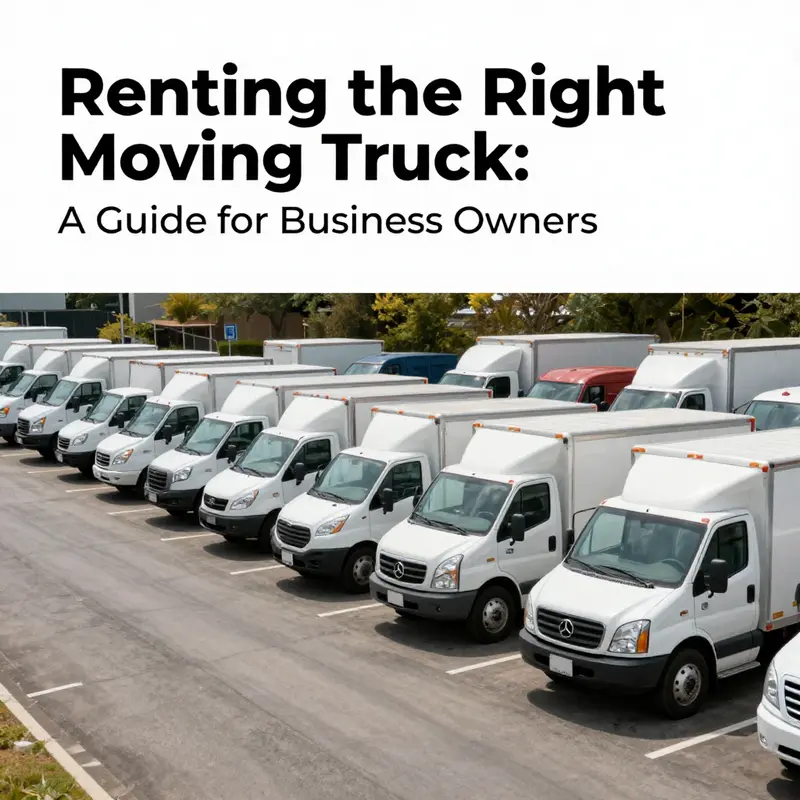
A truck rental company’s fleet is not just a collection of steel and cargo holds; it is a carefully engineered service system designed to translate a customer’s moving aspirations into a smooth, predictable journey. The fleet is the backbone that makes it possible for a family downsizing from a one-bedroom apartment, a student relocating between campuses, or a small business moving to a new office to begin exactly when and where they need. In this realm, the fleet must do more than carry boxes; it must anticipate needs, balance risk, and uphold consistency across dozens or hundreds of locations. When a customer calls or goes online, the available vehicles they see are the visible tip of a far larger machinery—one that has to be reliable, scalable, and easy to plan around. The fleet is where design thinking and logistics meet customer experience, all aimed at turning a potentially disruptive event into a manageable, even routine, task.
To support the full spectrum of moves, a leading national truck-rental operator maintains a diverse range of vehicle types. The lineup typically spans from compact cargo vans and light-duty pickups to mid-sized box trucks and larger, longer-box configurations that can swallow substantial furniture and appliances. The smaller end of the spectrum is invaluable for local moves or studio apartments, where tight streets and limited parking favor nimble, fuel-efficient vehicles. The larger end accommodates more ambitious relocations—multi-room homes, small offices, or commercial moves—where space, weight, and load security become the central concerns. A well-balanced fleet makes it possible to tailor the vehicle to the customer’s actual load, minimizing wasted space and reducing the risk of overloading a truck while still keeping the move on schedule.
What differentiates a smart fleet from a simple assortment of tools is the attention paid to payload capacity, dimensions, and maneuverability. Each class of vehicle carries a defined payload range, a specific interior height and width, and a length that translates to predictable cargo room. This consistency matters for customers planning how many rooms or how many pieces of furniture will fit, and it matters for the staff who help match the right vehicle to the move. In practice, customers begin with a rough estimate of their needs—one or two bedrooms, an apartment, or a small business—and the staff or the online tool translates that estimate into a vehicle size without forcing the customer into guesswork. Because the sizes are standardized across the fleet, a move planned in one city can be replicated in another with the same confidence and service level.
The rationale for maintaining multiple sizes also extends to the logistics of availability. A dense, well-distributed fleet reduces the likelihood that a customer arrives on moving day to find the preferred size out of stock. Instead, a closely matched alternative is ready, or a one-way rental can be offered without a costly delay. This is where location density and scheduling intersect. A robust network of depots and transfer points helps balance supply across regions, ensuring that a larger vehicle needed for a weekend move in a metropolitan area can be made available by routing equipment from nearby locations during peak times. The outcome is a more reliable experience for customers who may be juggling deadlines, school transitions, or work relocations, and it keeps the entire operation more resilient against weather, road incidents, or seasonal spikes in demand.
Beyond the box-and-wheel equation, the fleet design includes a thoughtful set of ancillary assets that enhance safety and efficiency. Internal padding, moving blankets, and tie-down straps protect both the property and the vehicle during loading and transport. Equipment like dollies or hand trucks, ramps, and hitch accessories complements the core vehicles, enabling customers to handle heavier items with less strain and fewer trips. Each item is chosen to be compatible with a broad range of trucks to minimize the friction of shopping for a move—customers see a streamlined selection rather than a jumble of disparate tools. The aim is to reduce the cognitive load on the customer while elevating safety and load stability, which in turn preserves the vehicle’s condition and minimizes maintenance needs down the road.
Customers encounter the fleet through a multifaceted interface: a user-friendly website, a call center, and in-person interactions at local locations. The online experience typically guides users through a size-detection process that asks about the number of rooms, the types of furniture, and the distance of travel. This flow helps translate human intuition into vehicle selection backed by data. The result is a move plan that feels personal yet scalable, with the confidence that the chosen vehicle has the right balance of space, weight tolerance, and fuel efficiency for the journey ahead. It is common for customers to experiment with different sizes during the planning phase, aided by transparent information about load capacity, interior dimensions, and payload limits. The goal is to equip the customer with a choice that minimizes the chance of overpacking or underutilizing space, thus avoiding extra trips or damage to items.
A critical element in this ecosystem is the ability to transition seamlessly from one move type to another — from a quick local relocation to a longer, intercity transfer. Local moves prefer compact, highly maneuverable options that excel in urban streets and narrow driveways. Long-distance or multi-city moves demand larger vehicles with generous cargo space and more robust loading and securing features. One-way rentals add another layer of complexity: the fleet must accommodate customers who drop off a vehicle at a different location from where they picked it up, which in turn necessitates coordinated returns and reallocation to fit evolving demand. The fleet operations team uses historical data and real-time availability to optimize allocations—balancing the needs of a customer planning a two-bedroom move this weekend with a family relocating across the state next month. The human element remains essential here; trained staff translate the data into practical decisions, helping customers pick the right size and offering practical loading advice that also protects the vehicle from excessive wear.
The interplay between fleet composition and customer outcomes becomes particularly evident when considering how a move is planned down to the hour. While many customers think in terms of room counts and distance, fleets think in terms of volume, cubic feet, and load-security requirements. A standard moving truck in the mid-size range can typically accommodate a substantial portion of a two- to three-bedroom relocation when packed thoughtfully, yet it is not just about raw space. It is about optimizing the vertical and horizontal storage to prevent shifting contents during transit. Staff offices or digital tools translate a packing plan into a recommended truck size, and they provide practical tips—such as leaving a clear path for heavy items, using protective padding on door frames, and evenly distributing weight to keep tire wear and braking predictable. By combining fleet design with education and guidance, the rental experience becomes less of a gamble and more of a predictable, repeatable process that customers can trust.
To illustrate the practical side of this fleet philosophy, consider how a relatively small truck can still form the backbone of a remarkably smooth move. A compact option yields flexibility in city settings, tight parking lots, and narrow streets where larger vehicles struggle. For those who need more space, a mid-sized box truck offers a balance between maneuverability and cargo capacity, making it a preferred choice for many apartment relocations or partial-contents moves. A larger class of vehicles—longer box trucks—serves as the workhorse for multi-room homes, heavy appliances, or office equipment. Each segment exists not in isolation but as part of a cohesive system designed to adapt to the customer’s schedule, budget, and risk tolerance. The fleet’s diversity becomes a practical asset, reducing the need for customers to change plans mid-move and enabling staff to propose the most cost-effective and timely solution.
For customers who want a quick, tangible reference when weighing options, the fleet’s common-size spectrum is often summarized in broad terms. A compact end handles light, local moves, while mid-sized trucks support modest-to-large apartments and small offices. The largest class is reserved for full-home relocations or commercial moves with heavy equipment. This tiered approach means a customer who is unsure between two sizes can be guided toward the smaller choice that still delivers an efficient move, with the understanding that the staff can upgrade or downgrade the vehicle if the plan shifts. The overarching objective is to deliver a consistent, high-quality experience across all locations, with predictable loading times, straightforward fueling policies, and transparent, fair pricing aligned with the chosen vehicle class. When customers perceive consistency—across the fleet’s size options, loading paradigms, and support services—the move becomes less stressful and more manageable.
As you explore the fleet, you may notice how the smaller end of the spectrum becomes a surprisingly potent enabler of reliability in a dense urban market. For a practical look at one common smaller option, see the 16-foot moving truck guide. This resource provides a concrete sense of the space, the typical payload you can expect, and how to schedule loading and unloading most efficiently. 16-foot moving truck guide
The broader lesson from observing a well-designed fleet is that the size of the truck is only the most visible part of a broader system. Reliability comes from the alignment of vehicle design, maintenance discipline, staff expertise, and customer education. Maintenance cycles are planned to minimize breakdowns and maximize uptime, with regular inspections, tire checks, and brake assessments integrated into the depot workflow. Fleet managers monitor telematics, mileage, and usage patterns to forecast replacement needs before a vehicle becomes a bottleneck, ensuring that the fleet root-cause issues—like rust, wear, or transmission problems—do not ripple through customers’ plans. In this way, the moving truck is not merely a device for transport; it is a component of a service that evolves with the customer’s needs and the logistical realities of moving at scale.
A final thread in this story is the relationship between the fleet and the broader ecosystem of services the company offers. Insurance options, protective padding, and auxiliary equipment are embedded into the rental experience so that a move begins with a clear boundary between risk and protection. Fuel policies, mileage terms, and the possibility of bundled add-ons are explained upfront, reducing friction at checkout and on moving day. This transparency helps customers plan with confidence, knowing that the vehicle class they choose aligns with their anticipated mileage and fuel expenditures. It also curates a smoother post-move experience, as insurance coverage and load-securing guidelines mitigate the chance of post-relocation claims or item damage. In this sense, the fleet becomes a platform for comprehensive support rather than a pure transportation asset.
In sum, the fleet of a moving-truck rental company is a deliberately crafted mixture of size, capability, and service. It translates the complexity of human needs into a practical, scalable solution. The design choices—from the presence of small vans to the availability of larger box trucks and the integration of protective equipment—are all measures taken to ensure reliability, predictability, and value for customers facing a move. The fleet is the quiet engine behind every successful relocation, a reminder that jobs as ordinary as packing and driving require a sophisticated system to deliver extraordinary results. As the chapter next considers the human and technical rituals that sustain this system, the reader will see how daily operations, maintenance routines, and data-informed scheduling come together to enable the moment a customer pulls away with their belongings, confident in the journey ahead.
Smooth Moves: How to Navigate a Truck Rental for a Stress-Free Relocation
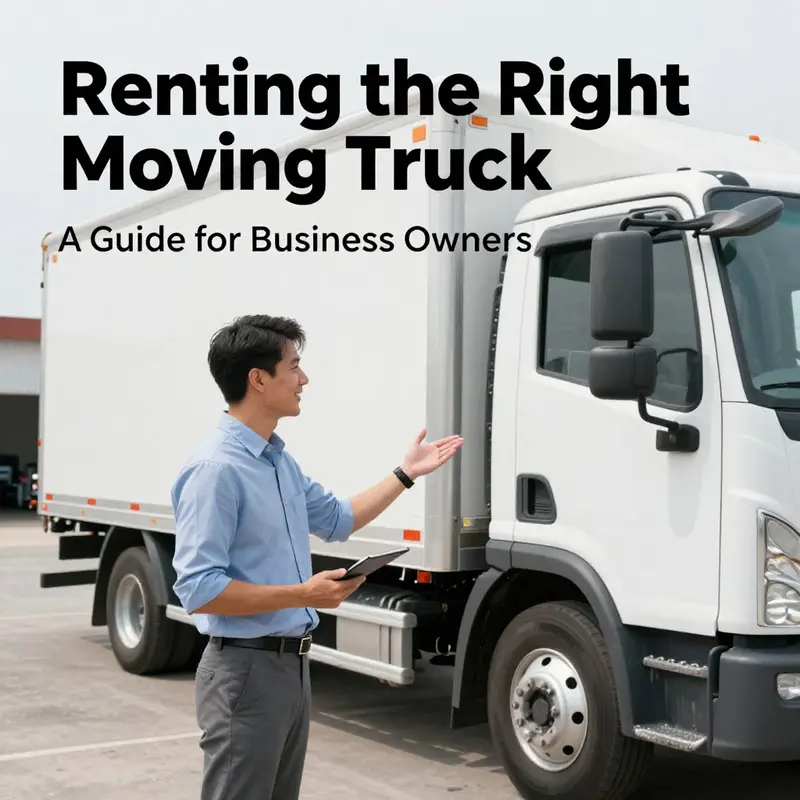
Planning a move with a rented truck begins with clear decisions and realistic expectations. Identify what you need, then use available tools to match that need to a vehicle and service level. Start by estimating volume and distance. Think about the number of rooms, bulky items, and whether specialty pieces require extra care. Convert that into a truck size range, and keep a small buffer. Choosing the right size eliminates multiple trips and reduces time pressure.
Once you settle on general size, consider vehicle type. A box-style moving truck offers secure cargo space and is easier to load. A step van may work for tight urban moves where height and maneuverability matter. Many companies list standard sizes like 10-foot, 15-foot, and 26-foot trucks. When uncertain, opt for the larger truck; a modest extra cost is often worth avoiding another trip.
Use online estimators and reservation tools. They can approximate cost based on distance, duration, and truck size. These tools also reveal one-way versus round-trip pricing. One-way rentals let you pick up in one city and drop off in another, simplifying long-distance moves. Round-trip rentals may save money for local relocations with return-by deadlines. Book early to secure the vehicle you need. Popular dates fill fast, and available inventory shrinks near weekends and month-ends.
Transparent pricing matters. Ask for a full quote that lists all expected charges. A clear quote separates the base rental, mileage, fuel policy, and any damage waivers or protection plans. Confirm whether deposit holds are applied to a credit card and what happens if you return the truck late. Clarify mileage limits. If unlimited miles are not included, estimate your route and add a buffer. For moves with many miles, look into options that offer unlimited mileage or high-mileage packages; this can prevent unexpected charges for long-distance trips. For further reading about mileage options, consider this overview on unlimited rental truck mileage: https://larentaltrucks.com/blog/unlimited-miles-box-truck-rental/.
Coverage and roadside support are essential. A comprehensive damage waiver reduces out-of-pocket exposure for accidental scrapes or dents. Liability coverage protects you in collisions that injure others. Ask whether roadside assistance is included for flat tires, battery issues, or mechanical failures. If support is limited to business hours, request emergency contact procedures for off-hour problems. If you expect to drive through remote stretches, verify that help is truly 24/7.
Check fuel policies and operation rules. Some rentals require you to return the vehicle with the same fuel level as pickup. Others charge a refueling fee if you return it empty. Note whether the truck uses diesel or gasoline, and plan fuel stops. Read the operation guide. Vendors typically show how to use the liftgate, secure cargo, and operate transmission features. If the truck has a manual transmission and you lack experience, request an automatic when possible.
Communicate specific needs at booking. If you want delivery to your current address or pickup at a different location, tell the company in advance. Ask whether they offer loading labor or partner with local movers. If you need a tow dolly or car carrier, arrange it when you book. Schedule pickup windows that match your move timeline. Late arrivals or delays disrupt loading and can cascade into higher fees.
Inspect the vehicle carefully at pickup. Walk the exterior and interior with the attendant and document any scratches or damage. Take photos or a short video timestamped on your phone. Verify the spare tire and basic tools are in place. Confirm the mileage reading and fuel level and note them on the rental agreement. Having documented proof at the start simplifies return inspections and helps contest disputed charges.
Loading techniques affect both safety and time. Load heavy items first, placing them against the front wall of the box to keep weight balanced. Use moving straps and ratchet tie-downs to prevent shifting. Place fragile items inside sturdy boxes and pad them with blankets or padding. Distribute weight evenly across the axle line and avoid overloading one side. Keep a small path to the door for access to essentials you may need during the move.
If you’re renting for a long haul, verify that the vehicle has working air conditioning, a heat source, and functioning mirrors and lights. Long-distance driving in a commercial-style truck is different from driving a personal vehicle. Visibility is reduced. Turning radius is wider. Allow extra stopping distance and practice low-speed maneuvers in a quiet lot if you can. Take extra care on narrow roads, bridges, and parking structures where height and weight restrictions may apply.
Monitor the move actively. If the rental company provides GPS tracking or real-time updates, use them to check progress. This feature helps with accountability and timing when you coordinate arrival windows. If you encounter delays, inform the company promptly so they can estimate potential late fees or help you reschedule. Keep receipts for any unexpected costs, such as emergency repairs or tolls.
Lean on customer support when anything goes off script. Reliable providers offer responsive phone or chat support. When issues arise, report them immediately. Clear communication can prevent small problems from escalating into larger ones. If a breakdown requires a replacement vehicle, confirm the replacement process and whether it will alter your original return location.
Return procedures deserve the same attention as pickup. Follow the fuel and cleanliness guidelines when returning. Remove all personal items and dispose of trash. Have the return time and location confirmed in writing. If you cannot return the truck as scheduled, call to explain and request an extension to avoid steep late penalties. When returning, repeat the documentation process: note fuel level and mileage, walk the exterior with an attendant, and take photos of the vehicle’s condition.
Understand common fees and how to avoid them. Charges often stem from late returns, excess mileage, additional cleaning, missing equipment, and damages not covered by waivers. Avoid surprises by reading the rental contract carefully. Ask for clarification on any point you do not understand. Keep an eye on the clock during loading and unloading, and plan rest breaks in advance to avoid driving fatigued and incurring delays.
Customer reviews and reputation checks are practical risks filters. Look for consistent feedback on vehicle condition, staff professionalism, and the transparency of fees. Patterns in reviews reveal more than isolated comments. If a vendor repeatedly receives praise for helpful customer service, it is a good indicator they will respond well if an issue arises. Use multiple review sources for a balanced view.
Small conveniences matter. Digital reservations, email confirmations, and mobile check-in speed up the process. Some providers offer digital access codes or contactless pickup to reduce waiting time. Ask whether they provide moving essentials like dollies, pads, and hand trucks, and whether those items rent by the day or job. Having the right gear saves time and protects belongings.
Finally, build a simple checklist to guide each step. Include truck size, reservation confirmation, insurance and roadside support details, fuel policy, pickup window, and required return condition. Add the contact number for emergency support and the agent’s name at pickup. Keep the rental agreement and photos accessible until the final bill is settled.
A successful truck rental experience combines planning, clear communication, and attention to detail. Choose a vendor that publishes transparent pricing and offers robust customer support. Verify coverage and roadside assistance. Document condition at pickup and return. Use online tools to estimate cost accurately, and reserve the vehicle early. These habits reduce risk and make the move more predictable.
For a deeper look at common rental options and moving guidance, see this external resource: https://www.uhaul.com/.
Behind the Wheel: The Economics of Renting a Moving Truck from the Company’s Viewpoint
A truck rental company’s business model turns parked vehicles into predictable revenue. At first glance, the equation looks simple: buy trucks, rent them, collect fees. The reality is more layered. A company must manage fleet deployment, route imbalances, seasonal demand spikes, operating costs, and customer-facing pricing, all while shifting several risks onto renters. Understanding these forces clarifies why a basic daily rate rarely reflects the full economics of a moving truck rental.
Fleet utilization sits at the center of the model. Each truck is an asset that costs money whether it moves or not. Depreciation, maintenance, insurance premiums, and storage create steady outflows. The company seeks to maximize the hours and miles each truck generates as revenue. That requires forecasting demand across time and geography, and it forces trade-offs. Holding extra inventory reduces the chance of turning away customers. But idle trucks erode margins fast. Conversely, too few vehicles inflates prices and risks losing market share. Sophisticated forecasting and flexible pricing are the levers firms use to keep utilization high without alienating renters.
Pricing strategies are dynamic and multi-layered. Base daily rates are a visible anchor for customers, but they rarely capture the full revenue picture. Companies layer per-mile charges, one-way service fees, insurance add-ons, fuel policies, and optional equipment charges for items like moving pads or towing dollies. Those extras perform dual roles. They address genuine operational costs and generate higher-margin revenue streams. A one-way fee, for instance, compensates for repositioning efforts when customers do not return trucks to their pickup location. It internalizes the cost of imbalance in regional flows and provides a predictable uplift to the invoice.
Geography profoundly influences price formation. Demand varies across cities and regions, and so do labor and vehicle costs. Studies show that markets with greater economic openness and mobility often display lower outbound rental costs and higher inbound return premiums. Firms exploit these asymmetries by routing repositioning efforts toward high-demand zones. In practice, this means a truck rented in a low-demand area and returned to a high-demand city can command a premium. The fee structure translates complex logistics into a price signal customers understand: a single number that covers a web of underlying costs.
Seasonality and calendar effects further complicate revenue management. Moving activity clusters around weekends, month-ends, and the end of academic terms. Weekday demand profiles differ from weekend ones. Companies respond with surge pricing, temporary promotions, and inventory reshuffling. Surge pricing both allocates scarce trucks to higher-value uses and communicates scarcity. Promotional discounts can fill slow periods and retain long-term customers, but they also must be balanced against the cost of lowering utilization during peak windows. A finely tuned calendar-aware pricing engine improves revenue capture while smoothing customer experience.
Repositioning trucks is expensive, and it sits at the heart of the one-way economics. Moving a vehicle empty ties up labor and fuel while adding wear without revenue. To mitigate these costs, companies optimize routes, pair returns with inbound jobs, and sometimes offer discounted or incentivized return locations. When logistics cannot be synchronized, firms monetize repositioning through explicit fees or higher one-way rates. These charges serve to recover direct repositioning costs and to compensate for the opportunity cost of dedicating assets to long-distance moves instead of local, repeated turnovers.
Risk allocation is another practical consideration. Vehicles endure damage, mechanical failure, and misuse. Rather than absorbing all risk, rental companies transfer some exposure to renters through insurance products, damage waivers, and strict rental agreements. These instruments shape customer behavior and revenue. Optional coverage generates incremental revenue, while well-drafted liability terms lower the company’s insurance costs. For customers, these options provide predictability. For companies, they reduce unexpected payouts and make profit margins more reliable.
Operational costs behind the scenes are often invisible to renters but crucial to profitability. Maintenance and repairs account for a meaningful share of lifecycle costs. Preventive servicing reduces breakdowns and downtime. Fuel consumption and variations in fuel prices influence both route planning and pricing transparency. Labor costs for cleaning, inspections, and depot operations add up. Technology investment—rental platforms, telematics, and route-optimization software—requires capital but can cut operating expenses over time. Firms weigh these investments against expected improvements in utilization and reductions in unplanned costs.
Ancillary services extend the economic footprint of a rental. Equipment rentals, storage partnerships, and add-on services like loading assistance increase average transaction value. Some companies form partnerships with storage providers or service vendors to create bundled offerings. Bundles increase convenience for customers and smooth revenue across services. The margins on accessories and add-ons can be significantly higher than on base truck rental, so a business that encourages add-on adoption effectively boosts profitability while keeping headline rates competitive.
Competition and market structure shape pricing freedom. In urban areas with many competitors, base rates can be constrained. Companies then pivot to differentiation through convenience, flexible return policies, or bundled services. Where a provider holds regional advantages—fewer competitors or better depot coverage—they can extract stronger premiums. Technology plays a role, too. Firms that deploy better demand-prediction tools can practice more aggressive yield management without sacrificing customer satisfaction.
Customer behavior and price transparency influence how companies design offers. Many customers compare headline daily rates, then react to fees and mileage charges only at checkout. Firms balance the desire for transparent pricing with the business need to recover variable costs. Some companies highlight all-in prices to build trust. Others present a low base rate and allow consumers to customize insurance and ancillaries. Both approaches have trade-offs in conversion rates and average revenue per rental.
Regulation and local policy can alter economics. Licensing requirements, emissions standards, and insurance mandates vary. Compliance adds to the fixed cost base. In markets with stricter regulations, firms might charge more to offset compliance costs. Conversely, regions with incentives for commercial vehicle operations can lower total cost of ownership. A company must factor these differences into pricing models to maintain margins across jurisdictions.
Technology and data have steadily shifted the balance in favor of smarter revenue management. Telemetry provides real-time insights into location, usage, and driver behavior. That data refines maintenance schedules, improves fuel forecasting, and supports dynamic pricing. Advanced algorithms can recommend repositioning moves, identify idle asset pockets, and simulate pricing responses to demand surges. Investment in these systems tends to pay for itself by reducing empty miles and increasing rental density per vehicle.
Ultimately, the economics of renting a moving truck is a balancing act. Companies aim to present competitive, understandable offers while capturing ancillary revenue and recovering the non-obvious costs of asset relocation. The visible base rate entices customers. Behind it, fees, insurance products, mileage charges, and seasonal pricing policies secure profitability. By combining fleet optimization, data-driven pricing, and risk-shifting through optional coverages, a rental company turns an expensive, depreciating asset into a scalable revenue engine.
For readers who want practical details about vehicle size and common rentals, the 16 moving truck is a frequently chosen option, offering a useful middle ground between maneuverability and cargo capacity. More information about this size and typical use cases can help renters align their needs with pricing dynamics. For specifics, see this resource on 16 moving truck.
Further reading on how regional economic conditions affect one-way rental prices is available in a research summary published by a major economic research institute: https://www.econstor.eu/handle/10419/275386
Final thoughts
In summary, understanding how truck rental companies operate provides valuable insights for business owners contemplating a move or expansion. The diverse fleet of vehicles ensures that there is a suitable truck for every unique requirement. Furthermore, a positive customer experience during the rental process is crucial for successful logistics management. Finally, considering the economic advantages, renting a truck can often be more beneficial than purchasing a new one, enhancing operational flexibility. By leveraging truck rentals, businesses can navigate relocations with ease and efficiency.