
Choosing the right truck rental service is crucial for business owners managing logistics and transportation needs. Budget Truck Rental, with an average rating of 1.8 out of 5 from over 4,000 reviews, raises significant questions about its reliability and overall service quality. In this exploration, we will delve into customer satisfaction insights, assess cost-effectiveness, analyze reliability, compare it with competitors, and ultimately provide a well-rounded recommendation to help you decide if Budget Truck Rental is a good fit for your business.
Measuring Real Value: How Customer Feedback and Price Realities Shape the Goodness of Budget Truck Rentals
Renting a budget truck is more than chasing the lowest price. It is a careful calculation of value, reliability, and what you need to move at a given time and place. The research landscape surrounding Budget Truck Rental offers a mixed picture. On the one hand, broad sentiment from a large pool of reviews tends to skew negative. A sizable sample—thousands of reviews—points to a rough reputation, with a low overall rating that signals dissatisfaction for many customers. The numbers tell a story: a nationwide average around 1.8 out of 5 from over four thousand reviews. It is not a glowing endorsement, and it invites readers to dig deeper before assuming that price alone will deliver a smooth moving day. Yet numbers are not destiny, and the Dallas-specific data present a slightly different nuance that deserves close attention. Within Dallas, where many renters seek a quick, affordable pickup truck for a weekend move or a small-scale relocation, the satisfaction score for pickup truck rentals sits at 5.8 out of 10. While that mid-range figure indicates more acceptable experiences than the national average, it still lags behind several competitors in the same space. In plain terms, there is a meaningful gap between the affordability promise and the everyday realities of service, fleet condition, and reservation fulfillment. When you stack these Dallas numbers against the higher marks of major rivals—Alamo at 8.5 out of 10 and Enterprise around 7.0 out of 10—the contrast becomes instructive. It is not merely a matter of a cheaper sticker price; it is about what you get when you show up to pick up the truck and whether the experience aligns with your plans. The picture grows more nuanced when you add pricing details into the mix. Roughly a quarter of users in the Dallas context report finding a rental for seventy-four dollars or less. That statistic is telling in two ways. First, it demonstrates that Budget can offer competitive, accessible pricing in certain situations. Second, it underscores that price reductions do not automatically translate into an uniformly positive experience. If anything, it highlights the persistent tension between keeping rates low and sustaining a predictable level of service. The overall satisfaction score, therefore, should be read as a lens on consistency rather than a verdict on potential savings alone. A few reviews within the broader pool stand out for their counterpoints. Some customers mention a “great price” and a vehicle that was unusually clean. Those glimmers of positivity remind readers that a discount can coincide with a satisfactory vehicle experience. But such favorable notes are the exception rather than the rule in the larger body of feedback, and the prevailing sentiment often centers on logistical hurdles, miscommunications, or perceived gaps in fleet readiness. What matters for someone planning a move is not a single anecdote but the pattern across many trips. A renter who confronts a late pickup, a vehicle that shows wear, or an uneven fuel policy will remember the friction long after the truck is parked and the move is over. These patterns can overshadow the occasional positive review and tilt the overall impression toward caution. This is where the decision framework for a potential renter becomes essential. Price is a powerful lever, but it is not the only axis by which to judge value. A renter who prioritizes cost above all else might decide to gamble on the lower price, accepting the risk of last-minute changes or unanticipated fees. Others, who need a reliable partner for a one-way move, might adopt a stricter checklist: confirm the exact miles included, verify the toll policies, and insist on a clean, well-maintained vehicle. The tension between price and reliability is particularly pronounced for those moving family possessions, furniture, or appliances where any delay or breakdown compounds stress and cost. The available data suggest that consumers should approach Budget Truck Rental with a dual mindset. Recognize that there can be good pricing windows, especially in markets like Dallas where competition varies by neighborhood and time of year. At the same time, approach the reservation with heightened diligence. Read multiple reviews, pay attention to local feedback, and verify that the specific location you plan to use has the fleet readiness you need on your date. The city-by-city variability matters here. A location can be a tipping point in the overall experience. You may encounter a staff team that is efficient, transparent about fees, and proactive about inspection and safety, or you may encounter a location where communication is inconsistent and maintenance records are not as thoroughly checked as they should be. The variance across operators emphasizes a practical reality for customers: the rental experience is not a uniform product; it is a service delivered by a network with regional differences. In exploring how customers tend to compare options, it helps to widen the lens beyond one label or one set of stars. The data from comparison platforms that track price alongside sentiment offer a fuller picture. They reveal that while price can be compelling, it does not automatically guarantee satisfaction. The strongest strategic takeaway for prospective renters, then, is to deploy a two-step approach. First, lock in an upfront price that you consider fair for the distance and the truck size you need. Then, protect yourself with a plan that reduces the risk of surprises on pickup day. That plan includes inspecting the vehicle for damage, confirming the exact fuel level, and documenting every nuance of the rental agreement. It also means clarifying policies on mileage, late returns, and any required deposits or hold fees. Without such precautions, a low rate can be undone by a cascade of small charges that accumulate as the move progresses. The broader industry context matters, too. The presence of more established competitors with higher satisfaction scores suggests that price alone cannot substitute for a well-run pickup experience. If a renter values predictability and straightforward service, the comparison may tilt toward a brand with a stronger reputation for support and vehicle readiness. Conversely, for someone with a tight budget and flexible timing, Budget could still offer a viable path, provided they enter the process with a clear plan and a disciplined checklist. For readers who want to explore how promotions and cross-brand strategies influence final costs, there is value in looking beyond a single provider. Promotions from other rental networks can shape perceived value and alter the decision calculus. In that spirit, a practical step is to examine discount options that come from other operators that may be comparable in size and scope. A representative example is the idea of rental discounts and coupon codes that circulate in the market, which can help readers gauge how much of a price difference is driven by promotion versus actual service differentiation. For readers who want to see how discounts can shape the final price and not just the list rate, consider exploring Penske rental discounts. This resource offers insight into how discount programs can alter the bottom line, especially when you plan ahead and combine promotions with midweek availability or one-way rentals. Penske rental discounts This link is included here to provide a concrete example of how promotional pathways can influence your overall cost, even when evaluating a provider with a more challenging average sentiment. The broader point remains: price matters, but it operates within a spectrum that includes vehicle condition, reservation accuracy, staff communication, and regional performance. In other words, the decision to rent from Budget is situational. It hinges on your needs, your tolerance for potential friction, and your ability to mitigate risk through pre-move preparation and careful vendor selection. For some customers, the budget option is precisely the right fit when the move is straightforward, inventory is lighter, and timing is flexible. For others, particularly those with high moving stakes or a tight schedule, the risk of an imperfect pickup experience may push them toward a different brand with a stronger track record in service reliability. In practice, that means the best approach for anyone considering Budget Truck Rental is to treat the decision as a location-sensitive choice rather than a blanket recommendation. Check the specific pickup location’s recent reviews, speak with the staff to gauge responsiveness, and align the vehicle size with the actual load. If you can, reserve a backup plan or an alternative vehicle in case of last-minute availability issues. Such foresight does not just protect your schedule; it often mitigates unexpected costs and stress that can accompany a moving day. Finally, the data and real-world experiences point toward a balanced conclusion. Budget Truck Rental can offer competitive pricing in certain markets and at particular times. However, the overall satisfaction signal suggests that this option is more variable than its peers. A reader should come away with a nuanced view: the potential for a good deal exists, but it is entangled with a higher likelihood of service-related surprises. To navigate that landscape, shoppers should anchor their decision in a thorough comparison—not only of nightly or daily rates but also of vehicle condition, reservation accuracy, and the clarity of the rental agreement. This approach enables a more informed choice about whether the potential savings outweigh the possible friction on moving day. External data sources can complement personal experience and reviews, offering a broader context for price sensitivity and customer sentiment. For readers seeking additional perspectives, the following external resource provides a structured view of customer experiences and pricing data that can help triangulate your decision. External resource: https://www.kayak.com/rent-a-car/dallas-tx/budget-pickup-truck-rental-1689231724873553378
null
null
Balancing Price, Availability, and Reliability: Is Budget Truck Rental Worth It for Your Move?
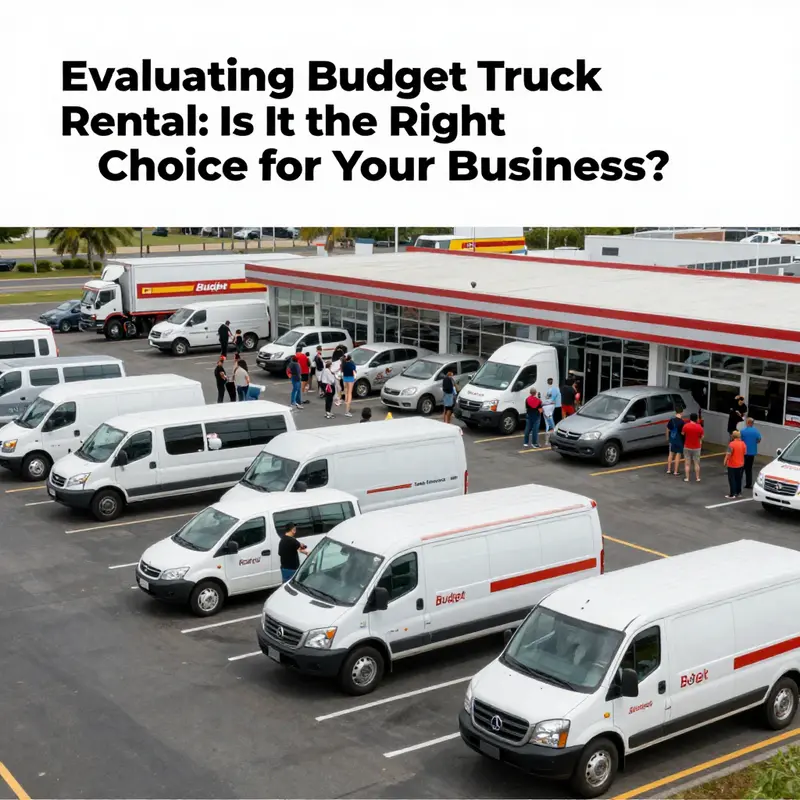
When people weigh the question, is Budget Truck Rental good, they are really weighing three interconnected factors: price, reliability, and availability. The big picture is simple enough: a lower price can make a move feasible, but only if the vehicle you need is ready when you need it, and only if the ride and the pickup experience are predictable. Read through customer sentiment, and a more nuanced picture emerges. Budget Truck Rental, a long-standing member of a broad rental network, has a practical strength in scale. Its fleet spans from compact utility trucks to larger moving vans, which means a renter can usually find something that fits the job, even if the volume of items to move changes at the last minute. The continuity of service—the idea that a company can provide a vehicle when you arrive, with safety and maintenance standards observed—depends on a combination of fleet management and local execution. On that front, the reliability story rests on two pillars: a fleet kept up to standard and a safety-first mindset that aims to minimize the risk of mechanical issues on moving day. The bones of reliability are clear in the policy language and in how the brand positions itself within a broad network. A well-maintained fleet reduces the chance of breakdowns and delays, which, in practical terms, means less stress on you. Still, no system is flawless, and the reality on the ground varies by location and by season.
If you step back and consider availability, the same three-letter word—demand—reasserts itself. Availability is rarely uniform from coast to coast. In many markets, demand spikes during peak moving seasons—summer weekends, the closing sprint of a semester, or the influx of families relocating at year-end. When demand surges, inventory discipline becomes the critical linchpin. The result is that some locations can offer an abundant supply of mid-sized trucks, while others may show limited options or longer wait times for larger vehicles. The practical upshot for a shopper is straightforward: plan ahead, especially if you think you’ll need a specific size. If you’re moving household goods that fill a sizable fraction of a typical moving van, secure the reservation well in advance. If your move is more modest and you could operate with a smaller truck, you may find more flexible availability, but you still should confirm at least a week prior to the pickup date. The official booking platform is designed to make this process transparent, showing real-time inventory and pricing. In theory, the system should improve access and reduce uncertainty. In practice, it works best when you approach it with a clear sense of your timing and your vehicle size.
From a consumer perspective, the reliability and availability conversation is not abstract. It’s about what you experience when you walk into a pickup location. Some customers encounter smoother experiences—friendly staff, quick check-in, and a vehicle that matches the description on the contract. Others encounter friction, from limited hours at a particular site to staffing constraints that slow the pickup or drop-off process. These local factors matter. They can convert a seemingly good deal into a demanding day if the staff is stretched or if the hours do not align with your schedule. The breadth of the network is a double-edged sword: it means you can usually find a vehicle somewhere, but it also increases the chances of encountering a market-specific mismatch between expectation and reality. In this context, the best approach for a prospective renter is to treat the process like a mission: map out a primary location, but identify a backup nearby in case the first option cannot fulfill the reservation. The online booking system, with its inventory checks and price disclosures, becomes a crucial ally in this planning. It’s an instrument to turn a potentially stressful process into a smoother, more predictable one because you can compare availability across nearby locations in real time and adjust your plan before you arrive.
Another layer to the decision is price—and this is often the phrase that catches the eye first. The initial research around Budget Truck Rental suggests that some customers experience a notably low daily rate, especially when promotions or one-way rental deals are in play. A compelling price can be a decisive factor, enabling people to keep moving when funds are tight. But price alone does not define value. The broader purchasing calculus includes insurance options, fuel policies, mileage terms, and the cost of any add-ons such as moving equipment and protective pads. These variables can swing the final tally in either direction. The perception of value is further colored by the consistency of the overall experience. If a renter arrives on time, shoulders a clean vehicle, and leaves with simple guidance on returning the truck, that experience can justify the price, even if some other aspects of the service are not flawless. Conversely, if the price looks good on paper but the pickup is delayed, or the vehicle’s wear shows more than expected, the math can quickly tilt toward dissatisfaction. It’s worth noting that in the compiled feedback, a single review highlighting a great price and a very clean car is far from the norm. The broader sentiment features repeated concerns about reliability and service quality. That dissonance is not unusual in a budget-friendly sector, where price discipline sometimes comes at the cost of uniform customer service.
If a reader wants to ground this discussion in practical guidance, the key is to view Budget Truck Rental as one option among several, each with its own trade-offs. The reliability narrative suggests that a buyer should not assume uniformity across all locations or all times of year. Instead, treat the decision as a risk-management exercise: confirm the exact vehicle size you need, verify the pickup window, and check the location’s hash of hours and staff strength. The availability dynamic underscores the importance of flexibility. If you encounter a squeezed inventory situation, look for a nearby location and compare the price and pickup window at that site. This approach reduces the likelihood of last-minute stress and helps you conserve time and energy for the actual move.
To bring the thread together, consider the role of the brand within the broader ecosystem of vehicle rental and moving options. The enterprise-level backing can imply standardized safety protocols and maintenance practices, which are valuable anchors in any rental experience. Yet the individuality of each location matters. A well-run location with sufficient staffing can deliver a near-seamless experience, while another, similarly sized, can create an entirely different impression. For readers who want a deeper sense of sizing and vehicle options, a practical route is to consult a resource that discusses common truck sizes and capacities. A relevant reference point is the 16-foot truck, which is a popular choice for many local moves. See this overview for an accessible guide to that size: 16-foot truck.
At the heart of the chapter’s message is a simple, actionable stance: if you decide to explore Budget Truck Rental, start with a clear moving plan. Identify the vehicle size you need, confirm the exact pickup and return times, and then search for nearby locations with real-time inventory. Schedule with a buffer—arrive early on pickup day to account for any potential delays, and have a backup plan in case a preferred location cannot fulfill the reservation. In short, the decision to rent through Budget Truck Rental should be grounded in careful preparation rather than enthusiasm for the price alone. The brand’s reach and fleet composition provide a solid baseline, but the ultimate quality of the experience depends on the blend of local execution and your own planning discipline.
For readers who want to cross-check this assessment with the most current information, the official Budget Truck Rental platform remains the best starting point. Real-time inventory checks and updated pricing can illuminate how a specific location stacks up on reliability and availability for your particular move window. It also helps verify the terms that shape the total value of the rental, from mileage allowances to insurance options. While customer reviews offer a snapshot of sentiment, the live inventory and precise contract terms can reveal the day’s actual realities. In short, the good and the bad you encounter will likely reflect a combination of market conditions, location-specific staff, and how well you prepare for the rental day.
External resource: Budget Truck Rental official site: https://www.budgettruckrental.com
Budget Truck Rental: A Contextual Look at Value, Reach, and Reliability
Assessing whether Budget Truck Rental is good requires weighing price, fleet reliability, location access, and the booking experience against your move. Budget often shines on price and nationwide reach, supported by a straightforward digital booking flow. But reviews across locations show mixed satisfaction, and availability can vary by market. For local moves, Budget may offer strong value when a nearby location and exact truck size are available and fees are transparent. For longer or multi-stop moves, broader coverage and steadier fleet reliability may warrant considering other providers. To decide, compare all-in costs (base rate, mileage, taxes, fuel, and potential fees), verify the required truck size, and consider the local pickup experience. In short, Budget can be a good choice in appropriate contexts, but not universally; evaluate your specific move and local options to determine value and risk.
null

null
Final thoughts
In conclusion, while Budget Truck Rental offers competitive pricing, its low customer satisfaction rating serves as a significant warning for business owners. Before making a decision, it is vital to weigh the potential cost savings against the risk of unreliable service. Consider your specific needs, and perhaps explore alternative rental options with better reputations and customer reviews to ensure your logistics runs smoothly.