
As a business owner, understanding the costs of truck rentals is crucial for budgeting and resource allocation. Penske Truck Rental offers a variety of vehicle options suitable for different tasks, from moving equipment to transporting goods. This article explores the intricacies of Penske’s pricing, breaking down costs by truck size, highlighting additional fees that may arise, and providing insights into real-time pricing factors that affect rental rates. Whether you are considering a small truck for local deliveries or a larger truck for interstate moves, knowing what to expect can significantly impact your financial planning.
Pricing Across the Size Spectrum: Understanding Truck Rental Costs by Size
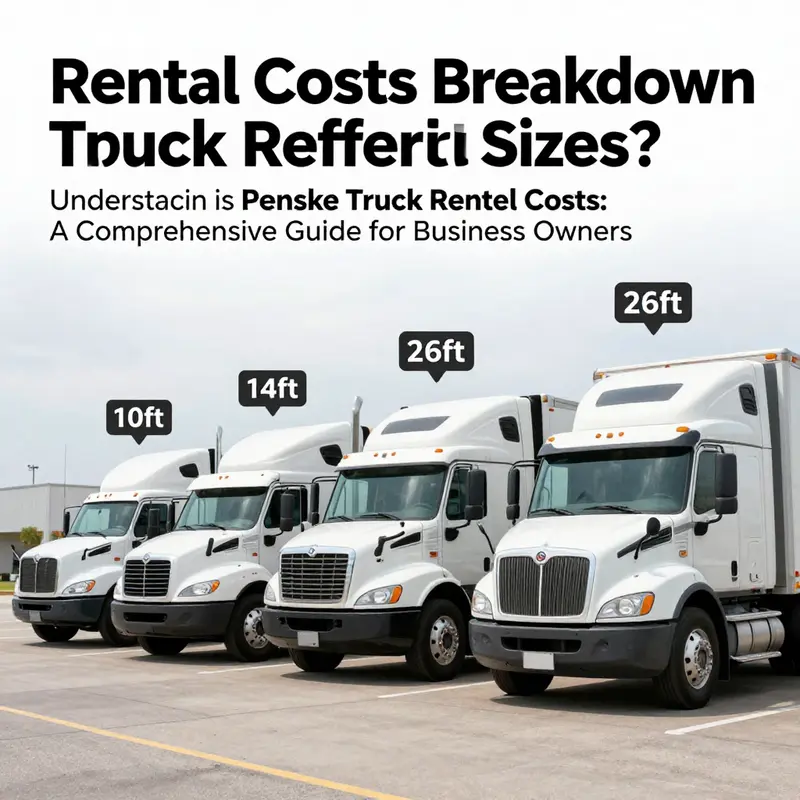
Pricing for truck rentals depends on size, duration, pickup and drop-off locations, and the add-ons you choose. In general, smaller trucks are cheaper per day, while the total cost can reflect how many trips you need and how long you have the vehicle. Typical daily ranges are rough guides: small trucks around 50 to 70 per day, mid-size around 70 to 90, and large 26-foot models around 90 to 130, but actual quotes vary by market and dates. Always compare live quotes from the provider for your exact origin, destination, and rental window, and look at the total cost rather than the daily rate alone.
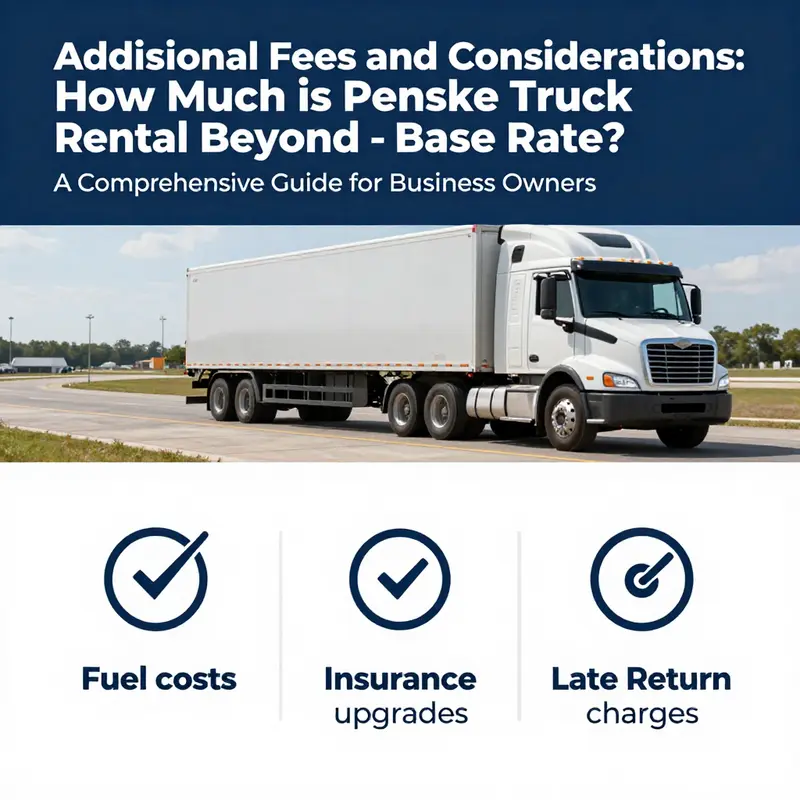
Besides the base rate, expect inclusions such as mileage or unlimited mileage, basic insurance, and sometimes an orientation or basic driver training. The cost can also be affected by overtime penalties, fuel charges if you don’t return with a full tank, extra driver fees, and location-based or one-way fees. A longer move might save money by reducing the number of trips, even if the daily rate is higher. Conversely, misjudging the size can force you to pay for unused space or an extra trip.
A practical approach is to estimate what you must move, get live quotes for the size you think fits best, and then compare those quotes with adjacent sizes to see if a larger vehicle actually lowers the total cost given your timeline and route. For a quick frame of reference, a compact box truck around 16 feet often sits in a middle range and can be a good default for many apartment moves. To translate price bands into planning, remember to check what is included in the quoted price and whether there are any add-ons you might not use.
If you want more guidance, many rental providers publish pricing calculators or offer help at local offices to confirm vehicle dimensions and the day’s rate. In short, the final price is a combination of size, days, mileage, and a mix of protections and add-ons. By gathering live quotes and comparing across adjacent sizes, you can identify the option that balances space, time, and budget for your move. External sources and official pages can provide a sanity check on typical inclusions and help you spot common surcharges.
null
null
What Drives the Price Tag on Penske Truck Rentals: A Real-Time Guide to Costs, Choices, and Savings
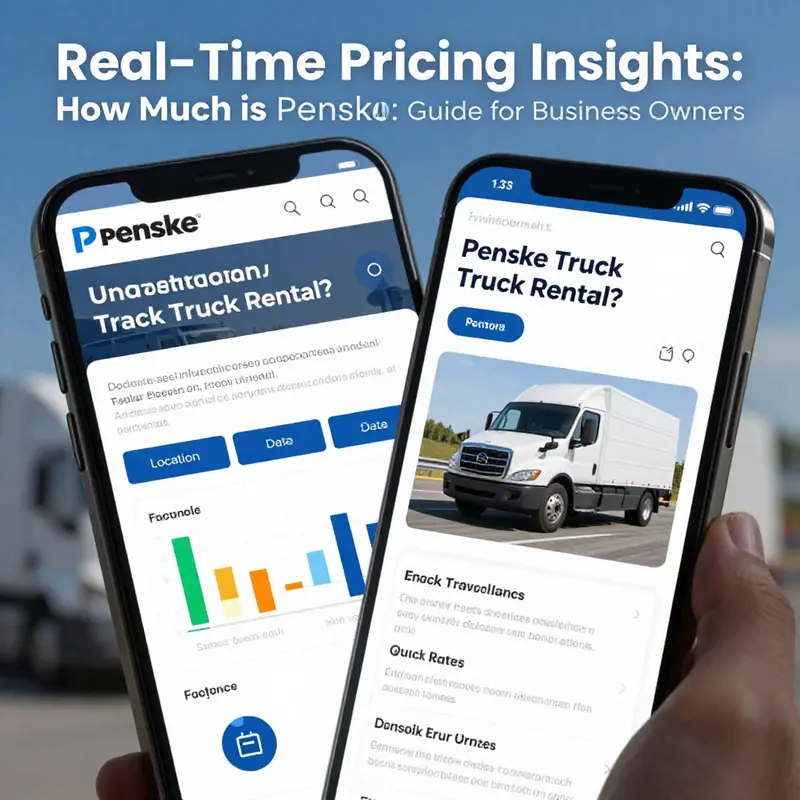
Prices for Penske Truck Rental shift with demand and geography, much like a tide that rises with weekends, holidays, and the distance of your move. When you first glance at the numbers—small trucks around fifty to seventy dollars per day, mid-sized around seventy to ninety, and large thirty-foot-class rigs roughly ninety to one hundred thirty—the picture seems simple. But the surface hides a lattice of decisions, options, and contingencies that ultimately shape the final bill. The live quote reflects not just the truck size but a constellation of factors: the exact vehicle you choose, how long you need it, where you pick it up and return it, and what add-ons you purchase. Penske offers a spectrum of trucks—from compact cargo vans to lengthy 26-footers—catering to everything from a small apartment haul to a full relocation. Those ranges are useful starting points, yet every move is a unique blend of timing, distance, and service preferences that recalibrate the price in real time. The challenge is not memorizing a single published rate but understanding how the real-time system translates your needs into a price. The best way to grasp the landscape is to think of pricing as a live reading of the road ahead: the vehicle size, the duration, the distance, and the discretionary touches you opt into that can tilt the final sum up or down. Vehicle size matters profoundly. The difference between a ten-foot truck and a twenty-six-foot truck is not merely about space; it is a fundamental driver of cost. A ten-foot truck handles a modest apartment’s worth of belongings and comes at a much lower daily rate. The larger the truck, the more expensive the base rate, but the larger vehicle also increases fuel and insurance costs, even if mileage is included. Penske’s real-time interface makes this relationship explicit: you can toggle truck sizes and see how the daily rate shifts. The incremental cost of a larger truck is not always linear; it can be a step function aligned with payload, maneuverability, and fuel efficiency. When moving across state lines or through congested metro areas, fuel and insurance considerations can swing the overall price. The price also reflects wear and tear and the logistics of returning the vehicle to a different location, which leads into another core factor: where you pick up and drop off the truck. Pickup and drop-off locations can add a twist to the price that isn’t obvious from the surface. In many markets, the same truck size carries different price tags depending on location. Distance between origin and destination and demand in the pickup region can shift the rate. If you return the truck to a different location, a one-way fee may apply to reflect the logistics of relocating the fleet. The rental price is not just about miles but the journey your truck will take to rejoin the fleet after you hand the keys back. The real-time pricing engine exposes these costs so you can make informed choices about where to start and end your move. It’s also essential to factor in the difference between local and one-way rental terms, as the latter tends to involve additional charges surfaced before you confirm a reservation. Duration is another decisive thread in the pricing loom. Penske’s rates accommodate different rental rhythms: hourly, daily, and weekly options. Short-term moves price differently from longer relocations, which might benefit from weekly rates or extended-term terms. The interface lets you compare multiple durations side by side, so you can decide whether a longer period with a weekly rate makes sense or a shorter daily plan if your move spans several days or may face delays. The flexibility here is practical: you can adjust the duration to fit your schedule and the price adjusts in real time, giving you a tangible handle on timing cost implications. Beyond the base rate, the rental price includes add-ons and optional protections that ripple into the final figure. Insurance, mileage, and fuel are often lumped into or itemized within the quote, each contributing to the bottom line. The base price generally includes a foundational level of insurance and unlimited mileage, which is a meaningful distinction for renters planning to cover a lot of ground. Unlimited mileage avoids the friction of counting miles, which can complicate budgeting for a move across diverse routes. Insurance levels can be dialed up or down depending on risk comfort and cargo value. The default protection is a reasonable baseline, but many renters choose higher coverage for protection against damage or cargo loss. The premium options, while providing enhanced protection, can substantially shift the daily rate. It’s an example of how perceived risk is monetized in the rental landscape, turning peace of mind into a measurable line item. Mileage, fuel, and fuel efficiency affect the cost calculus in several ways. Even with unlimited mileage included, most renters still face fuel costs based on actual consumption. Fuel can be significant if you travel long distances, drive through hilly terrain, or shuttle the truck over suburban sprawl and highways. You can influence fuel costs by choosing a vehicle with better mpg for the route or by planning efficient driving patterns: shorter trips between loading points, minimizing idling, and avoiding peak-traffic routes. The rental baseline may factor in fuel with a separate estimated cost, and in some price architectures, fuel surcharges or credits appear near the final lines of the quote. It’s not unusual for the total to shift as you refine your itinerary and lock in pickup times, since fuel costs are sensitive to distance traveled and the vehicle’s efficiency under your load. Beyond the core numbers, there are ancillary charges that can catch renters by surprise. Late return fees, if you keep the truck past the agreed deadline, can escalate your daily price. An out-of-area return might trigger a relocation fee or a special handling charge. Extra drivers, required or optional, can boost the price if you share driving duties with a second person insured under the rental agreement. There are also possible costs for protective equipment, moving supplies, or specialized equipment—dollies, straps, ramps, or car-carrier accessories—each adding its own line item to the final bill. The way these items appear in the real-time quote is a deliberate reflection of the services you pair with the basic truck rental and the broader logistics you need for a smooth move. Understanding the price in real time means embracing how Penske’s platform translates your needs into a dynamic quote. The official site offers tools to compare truck sizes, view rates, and reserve a truck online with access to reservation details, including any applicable fees or discounts. For business customers managing fleets, Penske offers Fleet Insight to access pricing information on a broader scale, track locations, and monitor maintenance schedules. For individual renters, the Penske Mobile App streamlines the rental flow, providing real-time updates on reservation status and simplifying move management on the go, though some users note occasional limitations around document uploads in the app. These tools are not mere conveniences; they are integral to understanding the total cost of ownership for a rental move, rendering pricing, vehicle availability, and terms visible at your fingertips rather than buried in a phone queue or a static price sheet. If you want a more tailored price story, Penske also offers personalized quotes, especially useful for larger or commercial moves. A direct line to a specialist helps map out a move plan, align the right truck size with cargo, and consider premium protections that fit your needs while avoiding unnecessary extras. The channel for these quotes is practical and human: a phone call to a dedicated number ensures you’re not navigating a one-size-fits-all price but receiving a price built around your precise move profile. For those who prefer self-service, the live quote tool on the site remains the fastest way to compare scenarios, adjust variables, and see how tweaks in schedule, truck size, or pickup location affect the total cost. A pragmatic approach to achieving a favorable price is timing and informed comparisons. The pricing environment shifts with demand, inventory, and seasonal patterns. Moves during peak moving seasons or holidays may have higher base rates, while off-peak windows—midweek or shoulder seasons—can yield more favorable rates. If you have flexibility, experimenting with different pickup dates and times can reveal lower daily rates or better one-way terms. The real-time platform makes this experimentation straightforward, letting you toggle options and observe how the price responds. The optimization logic is designed so you can see, in the moment, how your choices impact the bottom line. If you plan with a clear timeline, you can capture savings by aligning your move with times when supply outpaces demand and by selecting a truck size that matches your actual cargo rather than defaulting to a larger vehicle with a higher daily rate. In addition to the mechanical levers of price, there is the human dimension of value. A rental that seems more expensive at first glance might include features that save time or money later. Included unlimited mileage, basic insurance, and straightforward pickup and drop-off processes reduce the risk of hidden costs. A thoughtful rental plan weighs monetary cost against practical value: ease of loading, fuel efficiency relative to cargo weight and distance, vehicle reliability, and support systems for incidents on the road. Penske’s pricing structure is designed to reflect these real-world considerations, providing a transparent baseline and layering on optional services you consciously choose. The result is not a single price but a spectrum of price scenarios, each tethered to practical, service-oriented choices. In a world where moving timelines can shift by hours and plans can expand or shrink, the ability to adapt pricing in real time is a crucial advantage. It means you can balance needs against your budget without sacrificing reliability or speed. For readers seeking authoritative, up-to-date data, the live pricing interface on Penske’s official site is the primary resource. It shows how truck size, rental duration, pickup and return locations, and optional services coalesce into the final quote and provides access to promotions and discounts. If you’re exploring savings, consider the guided path to discounts, and for deeper insights, a dedicated article outlining Penske truck rental discounts. This resource helps you stack savings with the live quote process, enabling you to extract more value from a planned move. The broader takeaway is that pricing is a living calculation that responds to your choices. A ten-foot truck may be the most economical path for a minimal load, while a twenty-six-foot truck could be worth the extra daily rate if it prevents multiple trips. The duration, location, and extras you choose all become instruments in the price orchestra. The live platform shows not just a number but the relationship between your practical needs and the cost of meeting them. When combined with personalized quotes, you can approach the cost with both a macro view of general pricing and a micro view of your specific path. In closing, while the exact figure depends on many variables, an informed estimate remains within reach for most moves. By assessing truck size, planning dates with demand in mind, and leveraging real-time pricing tools, you can navigate Penske’s rental landscape with confidence.
Final thoughts
Understanding the costs associated with Penske Truck Rental is vital for effective business operations. From selecting the appropriate truck size to considering additional fees, a thorough grasp of these elements ensures that you are not caught off guard when it’s time to make a rental decision. By leveraging real-time pricing tools and being aware of potential extra costs, business owners can make informed choices that align with their budgetary constraints and operational needs.