
Moving operations can be a daunting task for business owners, especially when considering logistics and budgeting. Understanding the costs associated with renting a moving truck is crucial for effective resource allocation and project planning. This guide delves into various dimensions of moving truck rental costs, including detailed pricing structures from top rental companies like U-Haul and Enterprise, additional fees that could affect your bottom line, and essential comparisons to help you make informed decisions. By exploring the factors influencing these costs, business owners can strategize better to manage expenses during relocations or transport operations. Each chapter will provide valuable insights and equip you with the knowledge to navigate the complexities of moving truck rentals.
Counting Miles and Dollars: Decoding the True Cost of a Moving Truck Rental
Every move begins with a question that feels almost universal: how much will it cost to rent a truck and get my belongings from point A to point B? The short answer is simple in intent but complex in practice. The price you pay for a moving truck is not a single figure but a tapestry of charges tied to where you are, the size of the vehicle you need, how long you keep it, and how far you must drive. A few constants do appear across providers: there is usually a base daily rate, a mileage component that varies with distance, and a set of add-ons that can push the total well beyond the number you first see on a screen. The rest is shaped by timing, policy quirks, and the specifics of your itinerary. Accounting for these elements from the outset can spare you sticker shock when you check out at the end of the rental period.
One practical way to frame the costs is to separate local moves from long-distance ones. For local moves—short trips within the same general area—the base daily rate often serves as the anchor. In many market conditions, the base rate can be quite modest, sometimes listed around twenty dollars per day for local round-trip rentals. This baseline is designed for short hauls where the vehicle is picked up and returned to the same location within a relatively brief window. When you shift to a one-way rental, which is the typical option for cross-town or cross-state moves, that daily base tends to rise. The higher base reflects the longer commitment and the administrative logistics involved in repositioning a truck for another customer. The difference between local round-trip and one-way is a reminder that the pricing architecture rewards the simplicity of a local loop while pricing in the complexity of a cross-regional journey.
Even if the daily base seems approachable, the per-mile charge is the other half of the equation. For moves that stay within a compact radius—say, moving within a city or surrounding suburbs—the per-mile rate commonly lands in a range that starts below a dollar per mile in the most favorable cases and climbs toward a dollar and a half or more as you approach the upper end. The exact figure changes by region and by the model you choose, but the key idea remains: you will pay more per mile when you drive longer distances or when you carry heavier loads, and some locations push the per-mile price higher on weekends when demand spikes. The longer you drive, the more pronounced the mileage component becomes, and the more you will see the total drift upward.
The implications for a long-distance move are immediate and tangible. When distance stretches across state lines or across the country, the total cost of renting the truck can expand dramatically. The truck rental alone can move into the thousands, and that is not the end of it. Beyond the base rate and the mileage, long-distance moves commonly incur additional fees that cover planning, relocation of the vehicle to a starting point or drop-off site, and the administrative overhead of moving a large asset between markets. In practical terms, the truck rental cost for long hauls often dwarfs the everyday local move, reflecting both the distance traveled and the logistics involved. It is not unusual for the truck portion alone to fall in the range of a thousand to several thousand dollars, depending on the route, the model, and whether any extra gloves—like specialized equipment or assistance—are required.
That framework—base rate plus mileage plus distance—applies across rental types, but the way these factors combine will differ depending on whether your move is local-round-trip or a one-way journey. Local round-trips typically emphasize daily rates and mileage within a narrow belt, with a predictable rhythm: you pay for the days you occupy the vehicle and for the miles you cover within the agreed radius. One-way rentals, by contrast, are tuned to the dispersion of your route. The base rate climbs not just because you rent longer but because the rental company must re-route, re-fuel, and reposition the vehicle for return or to serve another customer. In both cases, the reality is that the cheapest headline price can still surge once mileage, fuel, and optional services are tallied.
As with any large asset rental, there are a constellation of other charges that can appear on the bill. Fuel policy is a common choke point. If you don’t return the vehicle with the tank filled to the same level as when you picked it up, a refueling surcharge or higher-than-expected fuel price can appear on your final receipt. Insurance or protection plans are another dimension. These add-ons can be attractive for peace of mind but come with a notable premium. Some moves also involve delivery or drop-off at a different location, which adds a convenience fee that can be substantial if you are coordinating multiple stops or staying outside the usual service area. Taxes and environmental or facility fees may vary by state and by city, and exposure to these charges can surprise even careful planners if they are not anticipated.
An essential part of budgeting is understanding what is not included in the headline price. For many renters, insurance is not included by default, and a baseline policy may only cover a portion of the value of items in transit. Beyond coverage, there are often charges for equipment that facilitates loading and unloading, such as moving blankets, dollies, and tie-downs. If you want to move a particularly bulky or fragile load, the cost can rise again with the addition of protective gear and the potential need for extra help or equipment that the rental shop must arrange. The timing of pickup and return can also tilt the total, with peak-demand periods—typically weekends and month-ends—carrying higher daily rates and even higher mileage charges as the rental window extends.
All of this means that a careful quote is worth more than a casual estimate. To forecast your total, list the essential variables: the move type (local or long-haul), the number of days you expect to hold the vehicle, the approximate distance you will drive, and any required add-ons. Then apply the price skeleton: multiply the base daily rate by the number of days, add mileage costs for the distance you anticipate, and fold in any fuel, insurance, and delivery fees. Do not forget taxes and potential surcharges. The result will be closer to the final invoice than the initial “starting as low as” figure that appears on some sites. A practical approach is to obtain quotes for both a local-round-trip scenario and a one-way scenario from multiple providers, since the relative balance of base rate and mileage can swing considerably from market to market.
Sometimes a simple size choice matters more than you might expect. A mid-range truck often represents a sweet spot between cargo capacity and maneuverability. If your inventory is leaner, a smaller truck can keep costs down while still delivering adequate space. If you are unsure about capacity, a concise reference guide on truck sizes can be helpful. For readers who want a quick, behaviorally grounded comparison of sizes, the 16-foot truck is a commonly cited option that balances interior space with ease of driving in urban areas. See the 16-foot-truck guide for details on capacity and typical moves, and use that knowledge to inform discussions with rental agents. https://larentaltrucks.com/blog/16-foot-truck/.
To translate all this into a practical, real-world plan, begin with a transparent checklist. Define the exact move window and whether you must keep the truck for a full day or can return it earlier if the schedule allows. Gather the driving distance from your starting point to your destination, then request formal quotes that show line-item costs for the base rate, the mileage, any required fuel or deposits, insurance, and the anticipated taxes. If your move involves a potential delivery or drop-off at a different city, ask for the dedicated one-way fee and whether any mileage caps apply after a certain threshold. It pays to be explicit about the items you will move—the more you can describe, the easier it is for the rental company to estimate accurately and avoid post-hoc adjustments.
In the end, the price you pay for a moving truck is not a single bargain or a simple number. It is a composite carefully shaped by the route, the timing, the vehicle size, and the optional services you choose. By articulating your plan, researching the expected mileage, and comparing several quotes, you turn a potentially opaque expense into a transparent budget line. The goal is not merely to minimize the daily rate but to optimize the entire cost of moving—from start to finish—so that you can preserve the value of what you are transporting while keeping the process as smooth and predictable as possible. For more on the pricing models that govern this industry, you can consult the official pricing resources that accompany truck rental services, which provide a structured overview of base rates, mileage, and add-ons that appear in quotes.
External reference: https://www.uhaul.com/moving-trucks/
How Local Pickup Truck Rates Affect Your Moving Budget: Reading City-to-City Variability
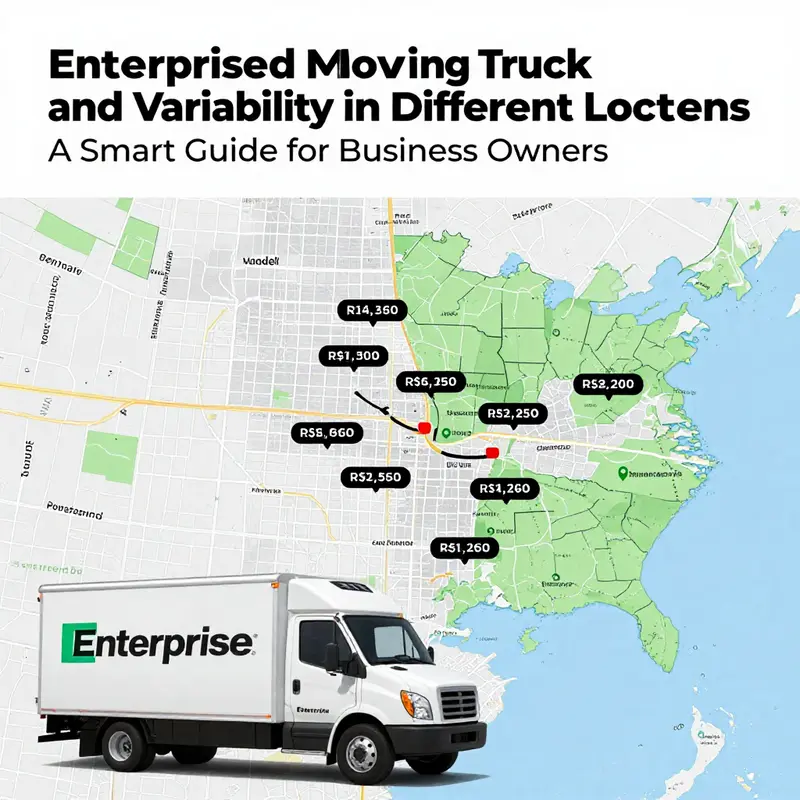
Understanding how pickup truck rates vary across cities is essential when estimating moving costs. Rental prices for pickup-style vehicles change with location, inventory, and timing. That means a daily rate in one city may not reflect what you pay a few hours away. This chapter explains the drivers behind those differences and shows practical ways to get accurate cost estimates for your move.
Rental outlets in different markets set prices based on local demand and supply. In smaller urban centers, fleet size tends to be limited. Low inventory pushes rates higher when demand spikes. Conversely, large metropolitan areas often have bigger fleets and more competition. Greater competition helps keep daily rates lower, but only when supply meets demand. Seasonal surges—moving season in summer, holiday weekends, and the start and end of lease periods—sharpen these patterns. When many people need trucks at once, prices rise.
Location-specific labor and operating costs feed through to final quotes. Areas with higher wages, stricter local regulations, or greater insurance costs will typically show higher rental rates. Airports and travel hubs can be more expensive than neighborhood branches. For example, rates quoted at some airport locations may reflect convenience fees, higher taxes, and extra handling costs. In some airport cases, daily figures have been recorded in the mid-hundreds in local currency, while other nearby branches show lower daily minimums. That range illustrates how drop-off location and pick-up point influence price.
Vehicle type matters as much as geography. Pickup trucks come in many sizes and configurations, and rental fleets may offer older or newer models. Small pickups aimed at light cargo run cheaper. Heavy-duty or extended-cab models carry premium daily rates. When a regional fleet includes more heavy-duty units than light ones, average rates will skew upward. Similarly, one-way rentals are priced differently than local round-trip bookings. If you plan a one-way move, expect higher fees tied to logistics and repositioning of the vehicle.
Mileage policies produce another layer of cost variability. Some locations include limited miles in the base daily rate, charging for extra miles. Others offer unlimited mileage on certain routes or vehicle classes. This difference can transform the total cost of longer moves. If your move covers many miles, select a branch or rental plan that minimizes per-mile charges. For moves within the same metro area, a lower daily rate with mileage limits may still be economical. For interstate or cross-country moves, unlimited mileage or flat-rate options can be much more cost-effective.
Insurance and optional coverage vary widely by location. Local regulations, branch practices, and available coverage tiers shape final quotes. Some branches offer bundled protection options at flat daily costs. Others sell add-ons by incident or by mile. Be sure to compare the offered coverage with your personal auto insurance and credit card protections. That comparison often reveals savings opportunities by avoiding redundant coverage. However, skipping coverage you need can be costly if damage occurs.
Promotions, partnerships, and corporate discounts also change local pricing. Rental companies frequently run time-limited deals tied to travel seasons, flight-booking partners, or hotel packages. Membership and corporate accounts unlock lower negotiated rates in certain cities. These promotions can lower daily rates substantially. If your move is flexible, timing your reservation to coincide with a promotion can trim your budget.
Taxes and fees are part of the story, too. Local taxes, airport concession fees, and environmental surcharges vary by jurisdiction. Some branches add miscellaneous fees for administration, late returns, or additional drivers. These line items may appear small individually, but they add up across multiple rental days. Always request a full breakdown of mandatory taxes and fees when comparing quotes.
Practical steps help you narrow the range of possible costs. First, identify the exact pick-up and drop-off branches you will use. Price quotes change when you switch locations even within the same city. Next, decide whether you will need one-way service or a round trip. One-way moves usually add relocation fees to cover repositioning.
Then choose the right vehicle class for your needs. Overestimating size increases the base rate and fuel use. Underestimating risks damage or multiple trips. A mid-size pickup or van often balances cost and capacity for typical apartment or small-house moves. If you require larger cargo space, weigh the daily rate against how many trips smaller vehicles would require.
Compare mileage policies carefully. If your move spans multiple states or long distances, look for branches that include unlimited miles. That choice can reduce per-mile surprises. When unlimited options are unavailable, calculate expected mileage charges and add them to the daily rate. Also factor in fuel: some branches expect vehicles returned full, while others offer prepay fuel options. Prepaying fuel rarely saves money unless you are certain you will return the tank nearly empty.
Ask about inventory when booking. If local demand is high, rates might spike as your date approaches. Reserving early locks in a quoted price and ensures the vehicle class you need. Confirm cancellation and modification policies so you can adjust without penalties if your moving date changes. If you see a significantly cheaper rate at a nearby branch, contact the agent to request a transfer or match. Branches sometimes honor lower advertised prices from their network.
Leverage price comparison tools and real-time platforms to find the best local rates. These tools aggregate current offers and branch availability. They help spot temporary deals and show differences between nearby locations. When you use a comparison service, verify the final price on the branch’s own reservation page. Some third-party quotes exclude mandatory fees.
Finally, remember that small adjustments make a big difference. Shifting your pick-up by a day, choosing a non-airport branch, or accepting a slightly different vehicle class can lower daily costs. Bundling your rental with other moving services or using corporate discounts also reduces the bottom line. If you anticipate heavy mileage, choose a plan with favorable mileage terms.
For help estimating total moving costs, include daily rental charges, expected mileage fees, fuel, insurance or coverage, and any local taxes or fees. Add a buffer of about 10–15% to account for last-minute changes. That buffer covers slight variations between branches and sudden demand spikes.
If you want current local rates and availability, consult a dependable real-time comparison platform before booking. For insight into unlimited mileage options and how they affect total cost, see this guide to unlimited miles box truck rental: unlimited miles box truck rental.
For immediate, location-specific quotes, check a real-time car rental comparison platform: https://www.kayak.com
Reading the Fine Print: Understanding Moving Truck Rental Costs Beyond the Daily Rate
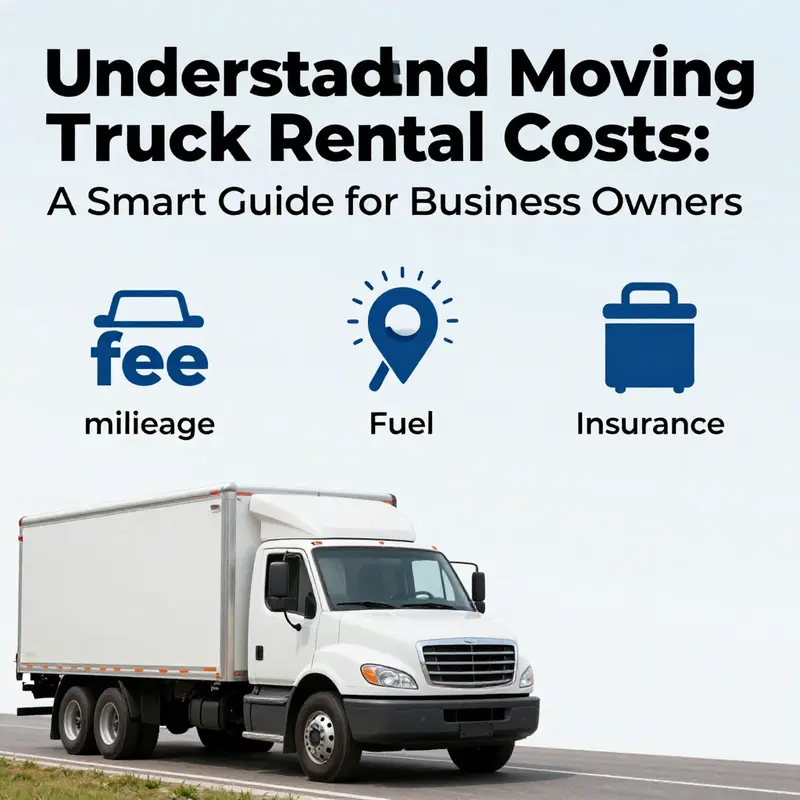
When you chart a moving budget, the headline price on a rental truck is rarely the whole story. The base daily rate is only the first line in a long receipt that can stretch across fuel, mileage, and a constellation of small charges. Across markets, the starting daily price for a compact moving truck might hover in the range of a few tens of dollars, but the total cost can escalate quickly with distance, time, and the particular pickup location. In many posts, the marketed price is pitched as a bargain for local moves or basic hauling, yet the true cost depends on a handful of decisions you make before you even roll the key. Understanding how these pieces fit together helps you avoid sticker shock and gives you a clearer picture of what you will actually pay.
Size matters, of course. A smaller truck is cheaper to rent, but its cargo capacity may force you to make more trips. That can cancel or even reverse the savings. Large trucks handle more at once but come with higher base rates, steeper fuel costs, and more stringent return requirements. In practice, the most meaningful comparison is not which company advertises the lowest daily rate, but which plan gives you the right balance of capacity, mileage terms, and predictable fees for your route. Some plans advertise unlimited mileage for basic rates, which sounds ideal for long moves, but the catch is that you may still be subject to return fuel rules and various per-day fees that erode the apparent bargain.
Fuel policy is a common source of surprises. Most providers require you to return the truck with a full tank. If you come back short, you will be charged a premium gas price per gallon, well above standard retail rates. The pricing teams attach a convenience and efficiency cost to the act of refueling, and the clock runs during the rental period regardless of how much you drive. The effect is simple: a small miscalculation in fuel can translate into a substantial extra charge at checkout.
Mileage fees vary too. Some basic or smaller plans include mileage as part of the daily rate, effectively offering unlimited miles for a fixed price. Others cap miles per day and then charge a per-mile rate for every mile beyond the cap. If you are moving long-distance or plan to visit multiple stops, this can swing the final number by hundreds of dollars. In addition, there are daily fixed fees that appear even if you do not drive far. These include a per-day environmental or service fee, a cost recovery fee, and a fleet management fee. For example, a typical daily environmental fee might be a dollar or so, but the cost recovery charge can be several dollars per day. The fleet management fee helps the rental company cover fleet maintenance and administrative oversight. Taken together, these small charges accumulate quickly over a week or two on the road.
Insurance and protection plans add another layer. If you carry your own coverage or opt out, you may pay nothing, but most renters choose some form of protection. The cost varies with the level of coverage, and it is easy to underestimate how much it adds to the daily price when a week of moving feels routine. Even when you already carry auto or renters insurance, the rental may require a supplemental rider for the truck, with options ranging from basic liability protection to more comprehensive damage waivers. The difference between a modest daily rate and a fully protected plan is rarely negligible, but it is often a prudent hedge against an unexpected repair bill or an accident on a crowded route.
Even more charges can appear when you pick up and return the vehicle. Delivery or drop-off at a different location from where you picked up is frequently offered for convenience, and it comes with a fee that can be substantial depending on distance between sites. If your move takes a one-way route across a state or region, the drop-off fee can make the total price climb. Road access charges and tolls also show up in some routes, either billed directly to you or absorbed into a higher per-day rate depending on the plan. In sum, the sticker price you see online is a starting point, not the final figure; the route you choose, the miles you log, and the choices you make about fuel, insurance, and delivery will converge into the total you ultimately pay.
How do you bring the final figure closer to the headline month of dollars? Start by listing the essential quantities: the truck size that safely fits your load, the expected number of moving days, and the approximate miles from origin to destination. From there, negotiate a clear quote that itemizes everything you pay for: the base daily rate, any included mileage, and every fee listed in the contract, from environmental charges to fleet management. Ask specifically about any mandatory fuel charges, how many miles per day are included before extra fees apply, and whether the rental can be extended without surprise rate hikes. It is remarkable how often a glance at the small print translates into several hundred dollars saved by avoiding misinterpretations about what constitutes a daily rate vs a mileage amount. If you know your route, you can plot a rough fuel estimate using standard miles-per-gallon figures for the vehicle class you select, then cross-check against the per-gallon gas price at the time of your trip. Even a modest difference in fuel efficiency or price can swing your total by hundreds of dollars when the move stretches over a long distance.
Some buyers seek price relief through discount programs or seasonal promotions. These can be legitimate ways to trim the bill, but you must verify whether the promo applies to your truck size and whether it covers the fees described above. It is important to confirm whether discounts apply to the base rate only or to the entire rental, including contingency charges, insurance options, and one-way drop-off fees. Transparent pricing is your best ally; when the quote tallies all line items, you have a true apples-to-apples comparison that keeps you from being steered by the lowest posted daily rate rather than the best overall value. For example, there are programs that focus on rental discounts and can be mapped to your specific move, helping you navigate the higher costs of long hauls and the complexities of one-way rentals. If you want to explore opportunities to shave the price, consider Penske truck rental discounts as one potential path, recognizing that availability and applicability vary by location and time.
Another practical approach is to compare quotes from multiple providers in your area and to ask for a written estimate that lists all possible charges. The goal is to see the same level of detail across all bids, so you can compare apples to apples rather than chasing the illusion of a lower daily rate. In addition to the base rate, probe the terms around mileage, fuel, and the potential impact of return conditions. Some outfits publish a so-called unlimited mileage option, but a closer look often reveals caps or daily allowances that are easy to exceed on a longer move. In those cases, your final tally may be higher than you expect, even if the opening price was attractive. A well-constructed estimate also clarifies whether taxes, insurance, and handling fees are included in the price or added later. If you plan to move through several states, knowing how taxes and regional surcharges are applied can prevent a rough wake-up call when you are already on the road.
Finally, prepare for the day you actually pick up the vehicle. Bring along evidence of your reservations, confirm the truck size in writing, and review the rental agreement line by line with a representative. Ask about any required deposits, the policy on late returns, and the exact mechanism for tolls or road fees. If you expect to add days or miles, negotiate extensions upfront rather than facing a surprise price increase when you are already en route. In practice, the total cost you pay is the sum of a carefully negotiated base rate, carefully forecast mileage, fuel expenditures, and the chorus of small fees that attach to every move. By organizing these elements ahead of time, you minimize the chance that the final bill deviates far from the price you planned.
To access a sense of current pricing and to see how the fees stack up in real life, it helps to consult the official price information from major providers. For an up-to-date comparison that reflects the latest terms and regional variations, view the official pricing page that outlines how the daily rate, mileage, and various surcharges come together to form the total cost: truck rental pricing.
Breaking Down Moving Truck Prices: A Practical Guide to Comparing Rental Costs
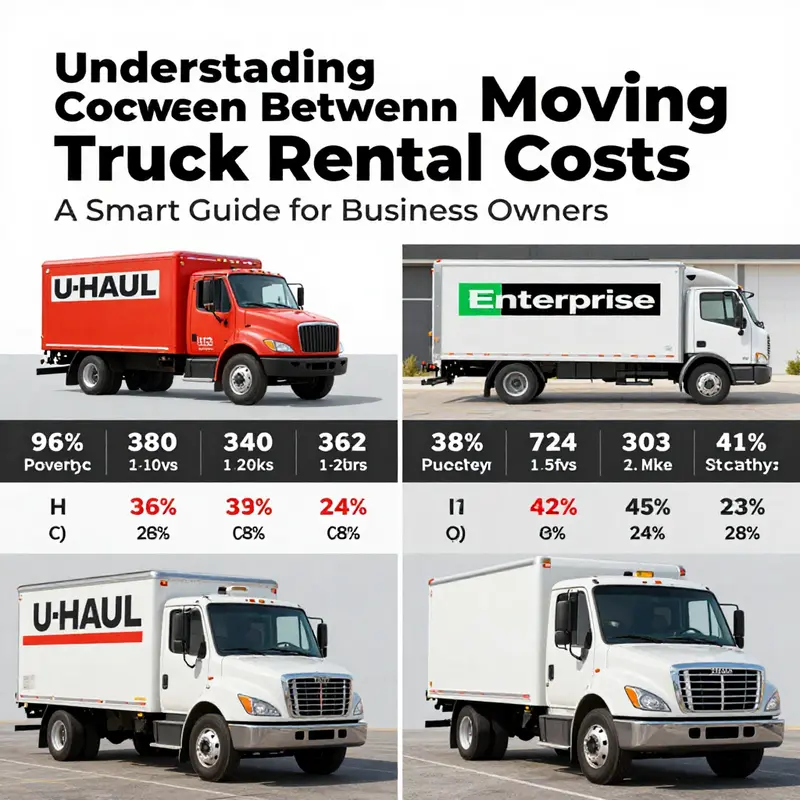
Understanding the true cost of a moving truck rental requires looking beyond the advertised daily rate. Advertised prices can be tempting, but the final bill often includes mileage, fuel, insurance, taxes, and other fees. This chapter walks through the factors that shape total cost, the trade-offs you should weigh, and practical steps to compare offers so you choose the option that matches your budget and needs.
At the core, rental pricing has two visible parts: the base rate and the variable charges. The base rate is what you see first. It may be listed as a low daily fee or an hourly charge. That number is a starting point, not a final price. Variable charges come from mileage, fuel usage, and optional protections. They add up quickly when you cross state lines, make a one-way move, or need a larger vehicle. Since each company defines these components differently, a side-by-side comparison will reveal which option is actually cheaper for your move.
Mileage policy is one of the most important variables. Some providers include a generous daily mileage allowance. Others advertise low daily rates but charge per mile beyond a modest limit. If you plan a local move under a hundred miles, a low base rate with limited included miles can still be the cheapest choice. For longer trips, a rental that bundles more miles into the base price usually wins. Consider the expected route length, plus any detours and deliveries, and compute projected mileage costs. For moves where mileage is uncertain, an unlimited mileage option can simplify budgeting and reduce stress. If you want more background about mileage options, this useful unlimited rental truck mileage guide explains common policies and when unlimited mileage pays off: https://larentaltrucks.com/blog/unlimited-rental-truck-mileage/.
Fuel cost is straightforward but often overlooked. Most rentals follow a full-to-full policy, where you return the truck with the same fuel level. Failing to do so results in a refueling fee that is higher than pump prices. Some rentals offer prepaid fuel plans. These plans can be convenient, but they are usually only cost-effective if you plan to return the truck nearly empty. Estimate fuel consumption by checking vehicle size and expected miles. Larger trucks consume more fuel. Also account for heavy loads and hilly terrain, which reduce fuel economy. Many providers publish estimated miles-per-gallon for each truck size. Use those figures to estimate a fuel budget, then compare it to any offered prepaid option.
Insurance and damage protection are another major cost center. Standard liability coverage may be included, but it rarely covers damage to the cargo or the truck itself. Optional coverage tiers range from basic damage waivers to comprehensive plans that replace your moving insurance needs. If you already have auto insurance or a credit card that covers rental vehicles, verify whether that coverage applies to moving trucks. If your existing policies exclude commercial vehicles, the rental’s protection plan might be necessary. Add potential insurance costs into the per-day and per-mile estimate to see the realistic total.
Drop-off and one-way fees can change the equation dramatically. Returning a truck to a different city often incurs a relocation surcharge. For moves between major hubs, competition among providers usually lowers one-way fees. For moves to smaller towns, expect higher charges. If your move is flexible, request quotes for both round-trip and one-way rentals. Sometimes paying a higher daily rate for a round-trip vehicle you return the same day ends up cheaper than a one-way fee.
Beyond the big-ticket items, watch smaller administrative fees. Taxes and local surcharges vary by jurisdiction. Cleaning fees appear if the vehicle is unusually dirty at return. Late fees apply if you miss the scheduled drop-off time. Reservation and cancellation policies also matter. A low nonrefundable advance might seem fine, but inflexible cancellation rules can mean you lose the deposit if plans change.
Different companies structure these fees in unique ways. Some prioritize a low headline rate and make up margin on mileage and extras. Others include more in the base price, simplifying the quote but raising upfront cost. Some fleets keep newer models that are more fuel efficient, which reduces operational fuel expense. Others operate older vehicles with higher maintenance needs and lower fuel economy, translating to higher costs on long hauls. Consider those trade-offs when comparing offers.
Tools and tactics make comparisons practical. Use each company’s online estimate tool to generate a quote using the same pickup and drop-off points, dates, and estimated miles. That produces an apples-to-apples comparison. Ask for a detailed written estimate that lists base rate, mileage or mileage allowance, fuel policy, insurance options, taxes, and any one-way or drop-off fees. If you must call, ask the agent to walk through every line item and to email the quote. Keep those quotes side by side and highlight differences.
Timing and promotions influence price. Seasonal demand affects availability and rates. Moving during weekdays or mid-month tends to be cheaper than weekends or month-ends. Booking early sometimes unlocks promotional discounts. Loyalty programs can offer incremental savings, especially for frequent users. However, a modest loyalty discount might not offset a higher base rate if your move is long or fuel-intensive. Evaluate promotions carefully by plugging them into your total cost calculation.
Vehicle size selection matters both for cost and efficiency. Larger trucks cost more in daily rates and fuel. They also increase the risk of damage when driven by someone inexperienced. Overestimating size wastes money; underestimating raises the chance of making multiple trips. A good rule is to choose the smallest vehicle that safely accommodates your belongings in one trip. If you need a special towing accessory or trailer, factor in rental or installation fees. Always confirm cargo dimensions and payload capacity relative to your expected load.
Customer service and roadside support are valuable, if intangible, cost modifiers. A provider that offers 24/7 roadside assistance and responsive customer service can save money during a breakdown or lockout. A disruption in transit can cause extra nights in a hotel, missed pickups, or lost productivity. When weighing quotes that are similar in price, prioritize the option with better support ratings.
Finally, build a realistic budget that includes a contingency for unexpected charges. Add a buffer equivalent to 10–15% of the quoted total to cover overruns in fuel, mileage, or time. Before signing the rental agreement, read the terms carefully and confirm verbally what was promised in writing. If anything seems unclear, ask for clarification in the form of an emailed breakdown.
Comparing moving truck costs is less about finding the lowest sticker price and more about matching the pricing structure to your move. Short, local trips often favor low base rates. Long, one-way moves usually favor inclusive models with generous mileage allowances and newer, fuel-efficient vehicles. Use the online calculators, request full written estimates, and factor in fuel, insurance, drop-off fees, and support quality. Doing so will reveal the actual cost and help you select the best value for your specific move.
For an independent, broader comparison of rental pricing models and real-world testing, see this Consumer Reports moving truck comparison: https://www.consumerreports.org/moving-trucks/.
Understanding the Moving Truck Price Tag: Size, Time, and Distance

Pricing a moving truck is rarely a single price; it’s the sum of several interacting factors. The most visible driver is the truck size: larger trucks carry more, but they also burn more fuel, incur higher maintenance, and often require more insurance. A 15-foot truck won’t cost the same as a 26-foot model, and the difference goes beyond payload capacity. Heavier loads can raise insurance costs and maintenance risk, which moves the price needle even before you consider time or distance.
Time is the second pillar. Rental firms usually present a base rate for a defined window (hourly or daily) and then add charges for any time beyond that window. If your move spills into a second day, overtime or extra daily rates can push the total well above the initial quote. Timely pickup and drop-off windows matter, especially when late returns trigger penalties or higher service charges.
Distance traveled is the third major factor. Some companies include a set number of miles in the base price and charge per mile afterward; others offer unlimited mileage within a region but levy surcharges for trips that cross the boundary. Local moves may be inexpensive per mile, while long-distance relocations can accumulate quickly. The mileage policy often interacts with fuel charges, as returning the vehicle with a full or empty tank affects the final invoice.
Beyond size, time, and distance, optional add-ons and terms quietly shape the final bill. Insurance coverage levels, delivery or pickup options, ramps, dollies, blankets, and other accessories each carry a price. Fuel policies also matter: returning the tank full, partially fueled, or empty can change the outcome if penalties apply. Location and demand matter too—peak season, regional supply constraints, and even day-of-week pricing can sway quotes.
Smart budgeting comes from planning ahead. Compare multiple quotes, read the contract carefully for mileage, insurance, taxes, and environmental fees, and map a realistic route and time frame. If you want savings, consider promotions or bundled offers, but don’t rely on them to cover essential needs like insurance or a safe load. A smaller truck with a tighter schedule can sometimes save money by reducing fuel and insurance exposure while still meeting your move goals. For a practical starting point, request a written estimate that itemizes each component so you can audit the total later.
In short, the moving truck price is a composite of size, duration, distance, and optional protections. Approach the planning with a clear load plan, a realistic time window, and a mileage strategy, and you’ll be better positioned to secure a fair price that aligns with your actual needs.
Final thoughts
Navigating the costs of moving truck rentals is essential for business owners who aim to manage their logistics efficiently. By understanding the pricing structures provided by U-Haul and Enterprise, recognizing the additional fees that may arise, and comparing options from various rental companies, you can make smarter decisions that align with your budgetary constraints. The factors influencing these costs are also critical in crafting a plan that minimizes expenses. A thorough approach will not only help streamline your moving processes but also enhance your overall operational effectiveness. By remaining informed and proactive, your business can navigate moves and logistics with confidence.