
For business owners who frequently require transportation solutions, understanding how Home Depot truck rental works can be a game-changer. This service not only provides the vehicles necessary for transporting materials and equipment but also offers flexibility and cost-effectiveness tailored to the unique demands of different projects. In the following chapters, we will explore the various vehicle options and their features, delve into the rental pricing and duration, and outline the reservation process along with important deposit requirements. This insights will empower you to make informed decisions that enhance operational efficiency.
Picking the Right Rental Truck: Vehicle Choices, Key Features, and How They Fit Your Project
Picking the Right Rental Truck: Vehicle Choices, Key Features, and How They Fit Your Project
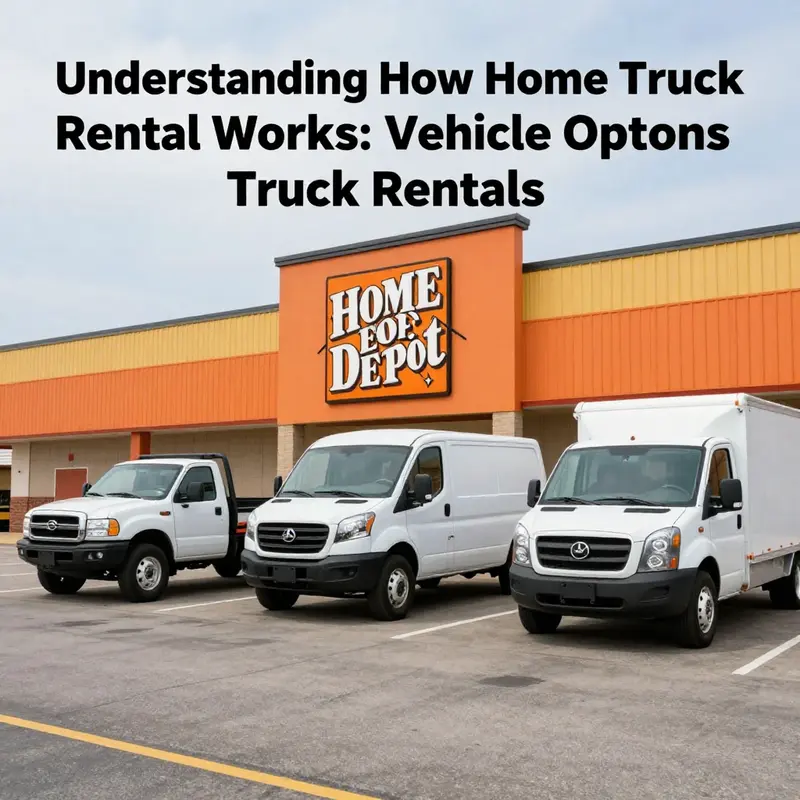
When a project requires moving heavy materials, bulky items, or an entire apartment’s contents, the vehicle you choose matters. Rental fleets at major home improvement retailers are designed to simplify that decision by offering a small set of versatile vehicle types. Each option targets a different need: quick runs for a few items, tight-space errands, or full moves. Understanding what each vehicle can carry, how it’s equipped, and what to expect when you drive it helps you plan more efficiently and avoid surprises on moving day.
A rental pickup with an open flatbed suits oversized or awkward loads. Lumber, drywall, and appliances often fit best on a flatbed where length and easy side access matter. Flatbeds let you secure long materials parallel to the cab. They also make loading bulky pieces simpler because you can approach from the sides. Look for features like tie-down hooks, a durable bed liner, and a tailgate that opens and locks securely. These elements keep both the cargo and the vehicle safer during transport.
Cargo vans offer a different balance of capacity and maneuverability. They are enclosed, which protects items from weather and prying eyes. Cargo vans are smaller than box trucks but larger than a pickup bed when the goal is to keep things dry and contained. They are a good middle ground for delivering moderate loads of furniture, boxed materials, or equipment. When selecting a cargo van, check interior height, floor tie-downs, and the shape of the cargo area. A square, unobstructed interior makes loading easier and accommodates taller items.
Box trucks, sometimes called moving trucks, provide the largest covered cargo area in a standard rental fleet. These trucks often list a cargo volume in cubic feet. One common size in retail fleets gives about five hundred cubic feet of space, which usually covers a one- to two-bedroom move. Box trucks have a tall, square cargo area and a low-wear interior designed for frequent loading. They frequently include built-in tie-down rails, cargo straps, and a ramp or lift gate on request. Such features matter most when you move many boxes or multiple pieces of furniture.
Choosing the right size depends on what you need to carry and how you plan to load it. A few rules of thumb help. First, measure the largest single item, then compare it with the vehicle’s interior dimensions. Second, estimate the total volume of what you will move. For moves that include a bed, couch, and boxes, a medium box truck often suffices. For a handful of large items or a lot of building materials, a flatbed or a longer pickup bed may work better. Third, think about height. Tall items need a higher interior clearance, which many cargo vans and box trucks provide.
Beyond dimensions, the vehicle’s built-in features shape both convenience and safety. Durable interiors withstand repeated loading and reduce the chance of damage to the truck or cargo. Rubberized or reinforced floors prevent slipping and protect items. Tie-down points, whether fixed rings or adjustable rails, are crucial. They let you secure loads and prevent shifting in transit. Unsecured loads increase the risk of damage and can create hazards on the road. Always use ratchet straps or rope designed for cargo rather than improvised materials.
Ease of loading matters more than many renters expect. Many box trucks include a ramp or lift gate that eases loading heavy items. A ramp helps move appliances and furniture without straining your back. If a truck does not include a ramp, a sturdy furniture dolly and moving straps can substitute. For flatbed pickups, ramps are less common, so plan to lift or load with another person. Loading techniques improve efficiency. Place heavier items on the bottom and toward the front, near the cab. Stack lighter boxes on top. Use moving blankets to protect delicate surfaces and prevent scratches.
Securing the load and balancing the weight define a safe ride. Keep heavy items low and centered over the axle to maintain stability. If a truck lists gross vehicle weight ratings, do not exceed them. Overloaded vehicles handle poorly and risk mechanical damage. Evenly distribute weight from left to right when possible. Avoid hanging items off the rear tailgate unless properly flagged and secured. For long materials, allow for tailgate closure or use approved carriers and flagging to alert other drivers.
Fuel considerations affect cost and planning. Box trucks typically consume more fuel than vans or pickups. Plan fuel stops and estimate consumption based on the vehicle class and your route. Some rental agreements include fuel policies. Returning a vehicle with the agreed fuel level avoids refueling penalties. If you plan a long drive, a van or pickup will usually be more economical than a large box truck.
Insurance options and deposit requirements are part of the rental process and influence your choice. Most rental desks ask for a refundable security deposit during checkout. The deposit covers potential damage or missing accessories and is returned when the vehicle returns in acceptable condition. Insurance or damage waivers reduce your liability for minor incidents. Review coverage levels and deductibles and check whether your personal auto policy extends to rental trucks. Some credit card benefits also offer coverage, so verify terms before declining offered coverage.
Braking and handling differ across vehicle types. Box trucks have a different center of gravity and braking distance than smaller trucks. Drive slower, allow extra following distance, and account for longer stopping times. Cargo vans handle more like passenger vehicles but still require cautious handling when loaded. Flatbed pickups are agile but expose cargo to wind and weather; high wind can change handling when large items are carried. Practice accelerating, turning, and braking in a safe area if you are unfamiliar with the vehicle.
Interior accessories and simple add-ons can make a big difference. Moving blankets protect furniture. Hand trucks and appliance dollies reduce strain when lifting heavy pieces. Ratchet straps and cam buckle straps provide secure tie-down points. Corner protectors and load bars prevent crushing or shifting. Some rental outlets supply kits that bundle common items. Renting or purchasing a few of these accessories is cheaper than risking damage or injury during loading.
Maintenance and cleanliness expectations set the terms for return. A rental vehicle should come clean and in good mechanical order. Inspect the truck for pre-existing damage before you drive away. Note dents, scratches, or missing parts on the rental agreement. Check lights, tires, and horn. A quick walk-around both before and after the rental protects your deposit and helps pinpoint responsibility for any new damage. Return the vehicle with reasonable cleanliness to avoid cleaning fees.
For building supply runs, consider how materials will ride. Loose nails, screws, or abrasive materials that contact the vehicle floor can cause punctures. Use pallets, tarps, and bed liners to create a buffer between materials and the vehicle. Lumber longer than the truck bed can overhang; secure it and use red flagging at the end. For sheets of drywall, stack them flat and secure them with straps. When transporting doors or windows, pad the edges and keep them vertical if possible.
Time-of-day and parking matter when choosing a vehicle. Large box trucks need space to maneuver and park. If you are loading in a crowded residential street, check local regulations on truck parking. Some neighborhoods restrict overnight parking for large trucks. For construction sites, a flatbed or pickup allows for quick loading and unloading at varying terrain. Cargo vans excel when access involves tight driveways or narrow streets.
Compatibility with a tow hitch or trailer must be verified. Some rental vehicles do not permit towing. If you need to haul a trailer or additional equipment, confirm the vehicle’s towing capacity and hitch compatibility ahead of time. Improper towing setups can void rental agreements and pose safety risks.
When renting, ask about mileage policies. Some vehicle classes include unlimited miles, while others charge per mile or have capped allowances. Plan your route and estimate mileage to prevent unexpected fees. For moves or deliveries spanning long distances, a vehicle with an unlimited mileage option can generate savings. Conversely, short local trips may be best with hourly rates if available.
Customer experience insights matter. Look for reviews and feedback on how well a particular vehicle holds up under real use. Reliability, ease of pickup and drop-off, and equipment condition show up in customer comments. These observations help you anticipate common issues and choose the vehicle type most likely to finish the job without hiccups.
Finally, consider delivery alternatives when vehicle rental is not ideal. Retailers sometimes offer delivery for large purchases, and that option can be cheaper for single-item drops. If you’re buying many items, compare the total cost of delivery against renting a truck and the time investment of loading and unloading. For one-way moves, compare rental policies carefully; some providers specialize in one-way options, while on-site fleets may require round trips.
Choosing the right rental vehicle means matching size to need, features to task, and safety to conditions. Pick a vehicle that fits your largest item and most awkward load. Verify built-in features like tie-downs, ramps, and reinforced floors. Plan for fuel, insurance, and deposit policies. Use proper loading methods and secure loads to prevent shifting. With the right preparation, the rental vehicle becomes a reliable tool that gets materials and possessions where they must go.
For a quick comparison of a common mid-size box truck and what it typically holds, see this practical guide on 16-foot truck dimensions and capacities. For official, real-time details about available vehicle types, capacity, and current rental terms, consult the provider’s rental information page: https://www.homedepot.com/c/truck-rental/1798822
Behind the Wheel of a DIY Move: How Home Depot Truck Rental Works, Pricing, and Timing
When a project swells from a neat list of tasks to a real-life plan that requires moving bulky materials, the lack of transportation can stall progress longer than any drywall saw. Home Depot’s truck rental program sits at the ready to bridge that gap, offering a practical and on-site option for both do-it-yourself projects and small-scale moves. This service is designed with consideration for how customers actually work: you’re likely working with materials from the store or your own haul, and you need a vehicle that’s ready when you arrive, without cumbersome reservations or hidden fees. The system rests on three primary vehicle types, each tailored to different kinds of jobs, and it is built around a simple timetable that can flex from a quick pickup to a full weekend move. The process is straightforward, with a clear sequence from online checks to a return that finalizes the rental with the same care you’d expect from your own garage door code and a clean worksite at the end of the day.
First among the choices are the flatbed pickup trucks. These are the go-to for hauling large, bulky items that don’t easily fit into a car or van. Think long lengths of lumber, sheet materials like drywall, or appliances that benefit from a level surface and a straightforward securement process. The flatbed design presents a practical, no-fruss approach to load management, letting you strap items down with standard ties and keep them secure during transport. The second option, the cargo van, provides a compact but capable alternative. It thrives in urban or suburban environments where tight spaces and maneuverability matter. For many homeowners undertaking a renovation or a small-scale relocation, the cargo van is the sweet spot that balances payload and parking practicality. Rounding out the trio is the box truck, a true moving workhorse with substantial cargo space. This is the choice many family moves hinge on, capable of handling a one- to two-bedroom load with room to spare for furniture, boxes, and equipment. The numbers behind these choices aren’t arbitrary; they reflect the different ways customers approach a project, from the smallest quick pickup to a more deliberate, weekend-long move.
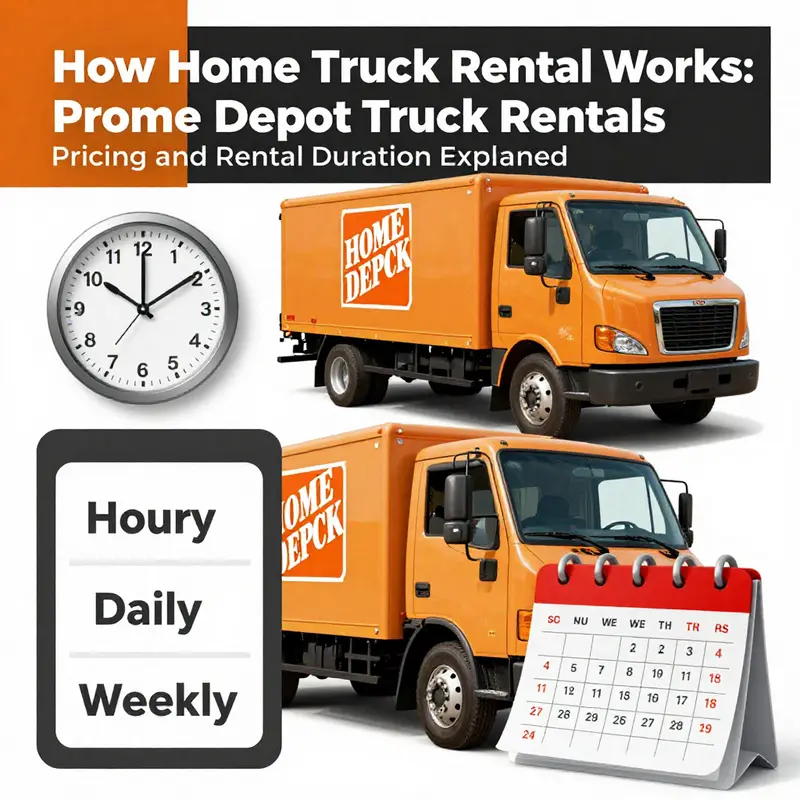
Pricing and durations are designed to align with how people actually plan their days. At the outset, customers are introduced to a 75-minute initial period. This short window is intentionally economical—$19 for pickup trucks and cargo vans, and $29 for box trucks. The idea is simple: a quick trip to the site to fetch materials or complete a single, small-haul run should be affordable and low-commitment. If your task extends beyond those 75 minutes, the clock keeps ticking, and time is billed in hourly increments that vary by vehicle type. The difference between a small-load trip and a full-day relocation is not just the size of the vehicle, but the way the rates scale with usage. For larger vans or trucks, the hourly rate reflects the added capacity and the opportunity cost of keeping a larger vehicle in service for longer periods. The numbers become concrete when a larger vehicle is rented to cover a broader move: a box truck, for example, can be priced at about $139 per day or $973 per week, illustrating the premium attached to its higher capacity and utility. These figures underscore a broader philosophy: you pay for what you use, with the flexibility to tailor the rental to the exact duration you need.
Embedded within the pricing framework is a refundable deposit of $150. This deposit acts as a cushion for potential damages or late returns and is returned when the vehicle is brought back in the same condition and with no missing parts. The deposit policy is a practical reminder that the rental is a two-way agreement: you gain access to a sizable, capable vehicle, but you also accept responsibility for caring for it during the rental period. The requirement to carry a valid government-issued photo ID and a major credit card in the renter’s name is a further safeguard that keeps the process accountable. These identifications and payment methods aren’t merely bureaucratic; they’re part of how the provider ensures that the vehicle is used responsibly and by the person who signed the rental agreement.
The reservation process blends online convenience with the reassurance of human confirmation. Online check availability on the Home Depot site gives you a sense of what’s on the lot and what times might fit your schedule. However, during peak seasons or busy weekends, it’s strongly recommended to call your local store to confirm the exact truck type, ensure availability, and lock in a time slot. The idea behind this call-ahead approach is simple: unless you’re lucky enough to catch a moment when your preferred truck is idle, a phone call helps you secure a window that aligns with your project’s timeline. The absence of a broad advance-booking feature on the website is by design; it nudges customers toward timely communication with store staff who can account for the day’s flow of rentals and returns.
Alongside the practicalities of pricing and pickup, there’s a broader strategy at play: how to minimize hassle and maximize efficiency on a project that demands timely transport. A quick, well-planned trip can feel almost routine if you’ve done your prep. You’ll want to measure and inventory the items you intend to transport, estimate the number of trips required, and factor in the possibility of returning with a full tank or a need to refuel before you hand the keys back. The vehicle’s fuel policy is straightforward: fuel levels should be restored to pre-rental levels at return. This is a standard practice across truck rentals and keeps the transaction clean and predictable for both the renter and the provider. Returning the truck on time is just as important as refueling; late returns can incur penalties that compound the cost of the rental and compress the timeline for other customers who might be waiting for a vehicle.
A well-timed rental also invites consideration of alternatives. If your order includes a significant purchase of materials, Home Depot may offer free delivery as an option instead of charging for the truck rental. This can be a compelling choice if you’re ordering heavy or bulky items that would otherwise require multiple trips, and it aligns with how the retailer positions itself as a one-stop solution for project needs. When free delivery is available, it reduces the friction of transporting materials yourself and can simplify budgeting for a renovation or move. The decision between renting a truck and arranging delivery depends on the specifics of your project, including the distance between the store, job site, or home, the amount of material involved, and the urgency of the move.
For those who are curious about vehicle specifics and load-capacity considerations, the sizing and dimensions of each option matter in practice. A quick glance at size guides or load diagrams helps you plan how many pallets of lumber, boxes, or pieces of furniture will fit in the chosen vehicle. The 16-foot category, in particular, is a common reference point for homeowners planning mid-sized moves or medium-scale projects. If you want a concise overview of what a 16-foot truck can handle and how it compares with other sizes, a dedicated guide is available: 16-foot-truck, which offers deeper insights into payload expectations, turning radius, and cargo space. This resource is especially useful when you’re weighing whether a box truck’s larger interior will save you trips versus using a cargo van or pickup for a given load. 16-foot-truck guide provides practical context that helps you translate the abstract numbers you see on the rental sheet into real-world planning for your move or project.
Beyond the numbers and the mechanics of check-in and check-out, there’s a human layer to the rental experience. When you roll up to the pickup location, you’ll likely encounter a staff member who will help you verify the vehicle’s condition and ensure you understand the rental agreement. You’ll inspect the truck together, noting any pre-existing cosmetic damage so you aren’t penalized for issues you didn’t cause. You’ll also confirm the return checklist: keep the interior reasonably clean, secure any loose cargo, and ensure the exterior is free of debris that could cause damage to the vehicle or other customers’ property. The agreement typically covers mileage expectations and any fuel requirements beyond returning to the pre-rental level, so you know when extra fees might apply. The process emphasizes accountability and clarity, reducing the chance of disputes when you return the vehicle and the deposit is processed.
If the timing doesn’t align perfectly—if you’re planning around a tight deadline, or if your project requires more time than anticipated—the rental program accommodates extensions within the policy’s framework. You’ll simply add the time at the current hourly rate and maintain the same conditions for return, including fuel and cleanliness. The flexibility is essential because home improvement and moving projects rarely unfold on a precise clock. The objective is to give you reliable mobility when you need to move materials, and to make it straightforward to scale up or down as the project morphs. The service’s design recognizes that the journey from thought to completion often traverses a few detours: you might discover you need one extra trip to fetch more lumber, or you might realize you can consolidate multiple runs into a single, longer session. In those moments, the ongoing hourly structure provides a predictable framework rather than a punitive price jump.
To summarize the practical workflow: you assess your load, identify the vehicle type that best fits your task, check availability online, and call ahead to confirm the optimal pickup window. You bring a valid government-issued photo ID and a major credit card in your name to the store, sign the rental agreement, and drive away with the vehicle. You complete your transport, return the truck on time, and ensure it’s clean and fueled to the pre-rental level. The deposit is refunded after the vehicle passes inspection, and your hiring ends with a clean slate and a clear record of the transaction. This approach is designed to feel less like a bureaucratic hurdle and more like a practical extension of your own toolbox—a way to move materials, not a test of endurance. If you’re considering how this service might fit into your next project, think about the way you typically plan such tasks: what you want to accomplish, how many trips you’re likely to need, and what your time constraints look like. The system is built to adapt to that reality, offering a range of vehicle sizes, flexible durations, and a straightforward return policy that keeps your week moving forward instead of bogging it down with logistics.
For readers who want a direct path to the latest policies and pricing or to explore current availability in their area, a quick check of the official Home Depot Truck Rental page provides the most up-to-date information. And if you’re curious about vehicle dimensions and how a particular size might fit your exact load, you can explore the 16-foot category and related guides to help you plan more precisely. See the practical reference here: 16-foot-truck guide. This resource is useful for translating the numbers on the rental page into real-world decisions about what to rent and how to load it efficiently. As with any service that sits at the intersection of shopping, moving, and project planning, the key is to approach it with a clear plan, a realistic sense of what you need, and a readiness to adapt as the task evolves. When these elements align, Home Depot’s truck rental can transform a potentially stressful step into a smooth, predictable part of delivering a project from concept to completion. The experience becomes not just about transporting items, but about preserving momentum—keeping your project on track rather than letting logistics slow you down.
External reference and current conditions: For the most accurate and up-to-date information, including real-time availability and pricing, visit the official Home Depot Truck Rental page: https://www.homedepot.com/l/TruckRental
Securing a Rental Truck: Reservations, Deposits, and What to Expect with Home Depot Truck Rentals
When you need to move materials, furniture, or a whole apartment, the logistics hinge on one practical choice: securing the right truck at the right time. Home Depot’s truck rental service exists to make that task easier by offering on-site vehicles at most stores. The process centers on a few common steps—checking availability, completing a reservation, providing driver and payment information, paying a refundable deposit, and understanding how rental fees are calculated. This chapter walks through that flow in practical detail and highlights the actions that protect your time, money, and deposit.
A typical rental begins with availability. The retailer lists its truck rental options on its website and app, so you can quickly see what types of vehicles are near you. The three vehicle types commonly offered cover a wide range of needs: a flatbed pickup for long or irregular loads, a cargo van for moderate interior hauling, and a box truck that holds roughly 515 cubic feet, suitable for small moves. Those choices let you match volume, maneuverability, and cargo needs to the job at hand.
Even when online availability shows trucks at your store, a brief call to the local store is often a smart step. Stores can confirm the specific model at a given time, note any temporary changes in inventory, and reserve a time slot. During busy periods—weekends, holidays, and home-improvement seasons—availability can shift quickly. Calling ahead reduces the risk of driving to a location only to find no suitable vehicle is ready.
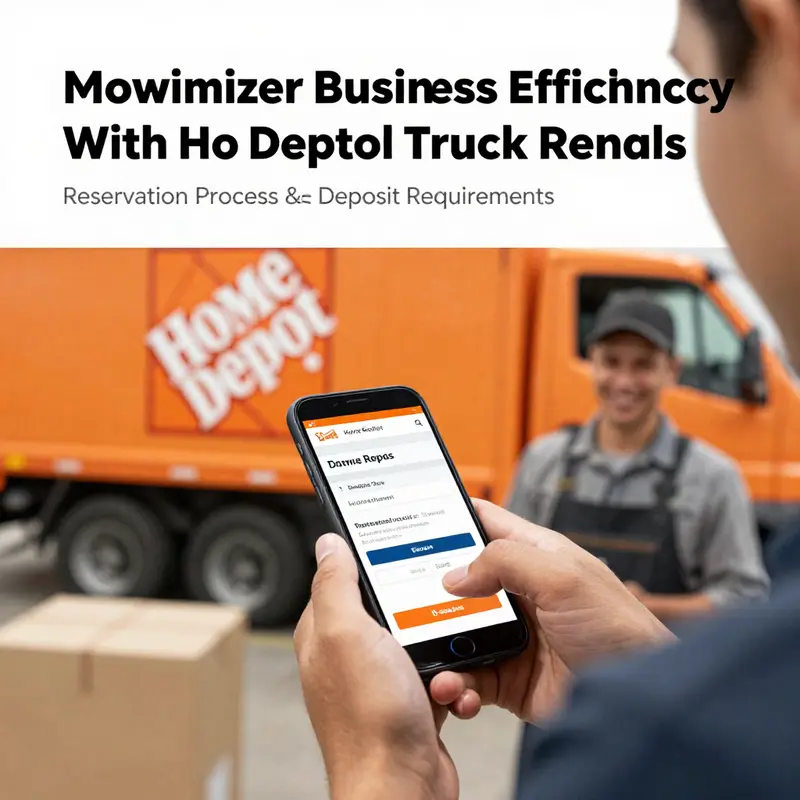
Making the reservation is straightforward. You can reserve through the website or app, or you can do it in person. As part of the reservation, you must provide a valid driver’s license and a credit card. These are standard requirements; the driver’s license verifies eligibility, and the card provides payment for the rental fee and secures the deposit. The deposit is not the rental fee: it is a separate charge applied to secure the vehicle and protect the rental provider against damage or missing equipment.
Deposit amounts vary by location and vehicle type. While some stores charge a uniform deposit, others set the amount based on local factors, vehicle size, or risk. Typical deposits range between $150 and $300. That deposit is charged when you make the booking. It is refundable when the truck is returned in the same condition it was rented. Return conditions typically include an undamaged vehicle and the presence of all issued accessories and equipment. The deposit is not a substitute for the rental fee—it is held or charged to cover potential incidental costs and then released if no issues arise.
Understanding the difference between deposit and rental fees helps you avoid surprises. The rental fee covers the actual use of the vehicle. It is calculated primarily by duration and by distance. Duration pricing is offered as hourly, daily, and weekly rates. This tiered structure gives flexibility—rent for a few hours for a single trip, a full day for a larger job, or a week for a multi-day move. Distance can affect total cost when mileage is metered or when rates incorporate per-mile charges. Knowing how your chosen location structures mileage charges helps you estimate the final bill before you leave the lot.
Because deposit amounts and rental fees vary, it pays to get an upfront quote. The website can provide a baseline price and availability. A call to the local store can clarify deposit policy and any additional fees. Some stores may require that the deposit be available on a primary card as a hold. The precise mechanism—whether the deposit is charged immediately or held as an authorization—depends on store practice and card issuer policies. Either way, the deposit secures the reservation and stands ready to cover damage, missing parts, or other extra charges.
At pickup, the interaction begins with a quick inspection and paperwork. Expect to show your license and the card used for the reservation. The store representative should walk you through rental terms and highlight fuel, mileage, and damage policies. Before you accept the key, do a thorough exterior and interior walkaround with the attendant. Point out any preexisting scratches, dents, or issues, and confirm they are recorded on the rental agreement. Taking photos or a short video at pickup provides you with time-stamped condition evidence to support the safe return of your deposit.
During the rental, you are responsible for returning the truck in the same condition it left in. That means handling materials safely, securing loads, and using the vehicle in line with the rental agreement. If the rental includes accessories—like straps, ramp gates, or tie-downs—keep track of those items. Missing accessories can be treated like missing parts and may reduce the amount of deposit refunded. Fuel policies vary, so note whether the truck needs to be returned with the same fuel level, or whether fuel will be charged separately.
Return time is another area where clarity matters. Rental durations are tied to the agreed-upon times. Returning late may result in extra charges. If plans change, calling the store as soon as possible can prevent unexpected fees and may allow the store to adjust the booking. When you return the vehicle, the attendant inspects it against the recorded condition. If there are no issues, the deposit is released or refunded. If damage or missing items are identified, the deposit may be used to offset the cost of repairs or replacements. If extra repair costs exceed the deposit, you may be charged the difference.
How quickly a deposit returns to your account depends on how it was handled. If the deposit was processed as a charge, it is refunded to the card used when the vehicle returns in acceptable condition. If it was an authorization hold, the hold is removed when the rental concludes. The time your bank posts a change varies by institution and by card type. If you expect a refund by a particular date, keep a copy of the rental return receipt and follow up with the store or your card issuer if the refund does not appear.
Reservations have some limits. While the website offers real-time availability, long-term advance booking may be constrained. Not all locations support extensive advance reservations through the online system. In those cases, a call to the store can sometimes secure a slot outside the online window. During peak seasons, stores may place tighter controls on advance reservations to balance demand. If your move is time-sensitive, consider a week-of call to confirm availability and to place a firm hold.
If you’re buying materials from the store, consider free delivery as an alternative. In some cases, a qualifying order includes free delivery. For heavy or numerous items, delivery removes the worry of driving the truck, loading, and unloading. It’s worth checking whether your purchases meet the criteria for free delivery. Comparing the cost, timing, and convenience between delivery and truck rental helps you choose the most efficient option.
Because the deposit protects both you and the store, documenting everything is essential. At pickup, record vehicle condition and any accessories issued. During the rental, keep items secured and follow stated policies. At return, note the inspector’s findings and ask for a printed receipt showing the truck was returned in acceptable condition. If there is a dispute about charges, having your own date- and time-stamped photos, the rental agreement, and the return receipt simplifies resolution.
There are practical strategies to make the reservation and deposit process smoother. First, reserve a vehicle type that minimally meets your needs. Avoid oversizing unless you expect more volume. Second, book early during busy seasons and confirm on the day of pickup. Third, use the same card for the deposit and rental payments to avoid reconciliation delays. Fourth, inspect the truck with the attendant and ensure all preexisting damage is documented. Fifth, keep track of fuel and accessory status to avoid unnecessary charges.
If you run into issues, start with the store team. They handled the rental and have the record of your inspection and return. If the deposit is held past expected timeframes, calling the store typically resolves timing differences between holds and refunds. If damage charges arise that you dispute, ask for an itemized invoice and supporting photos. Clear communication and documentation ease most disputes.
Some customers prefer to compare alternatives for larger moves. Independent rental companies and moving services offer different pricing structures, mileage policies, and reservation flexibility. If unlimited miles or one-way options matter, check those options when deciding. Online resources that cover truck rental mileage and policies can help you compare choices. For a deeper look at mileage policies across rentals, see this resource on unlimited rental truck mileage.
Throughout the reservation and deposit process, transparency and preparation reduce stress. Know your pickup window, the expected rental duration, and how mileage affects cost. Confirm deposit amounts before you leave home. Bring the proper card and your driver’s license. Perform a careful inspection at pickup and again at return. Ask for receipts and keep copies until the deposit has returned to your account. These steps make it more likely that the deposit will be refunded without delay.
Finally, remember that policies can vary by location and change over time. The online listing provides the most current overview, but store staff can confirm deposit practices, vehicle availability, and any temporary policy adjustments. If you have a specific date or size need, a short call to the store is an effective way to secure the vehicle that fits the job. If your order qualifies for delivery, weigh that option against the time and effort of driving and loading.
Practical preparation ahead of pickup reduces surprises. Pack strategically to prevent shifting loads. Use straps and padding to avoid interior damage. Plan routes and parking at both origin and destination. If you anticipate needing more time, book extra hours or a full day to avoid overtime charges. When the job is complete, returning the truck on time and in the condition it left in keeps the process smooth and ensures the deposit is returned promptly.
For the most accurate, up-to-date details on availability, vehicle types, and the rental process, check the official truck rental page. That page lists the vehicle options, links to the reservation system, and provides contact information for local stores. External reference: https://www.homedepot.com/c/truck-rental/1798822
Final thoughts
Utilizing Home Depot’s truck rental service can significantly enhance the efficiency of your operations, providing reliable vehicles tailored to your logistics needs. By understanding the available vehicle types, pricing, and reservation process, you position your business to respond swiftly to project demands while managing costs effectively. Whether you’re transporting materials for a job, moving equipment, or relocating, Home Depot’s truck rental is a valuable resource for business owners looking to streamline their operations.