
For business owners, understanding the nuances of auto insurance coverage is essential, especially when it comes to rental trucks. While personal auto insurance serves well for passenger vehicles, it may not extend the same coverage to rental trucks, particularly for larger models used in logistics or transport. This article unpacks vital aspects of rental truck insurance, including the types of trucks, limitations of personal insurance policies, additional insurance options, and best practices for ensuring adequate coverage. Each chapter offers critical details to help navigate these complex waters and protect your business from unforeseen liabilities.
Beyond the Personal Policy: Insurance for Moving Trucks
When you plan a move, your first instinct may be to rely on your personal auto policy. But rental moving trucks often require different coverage because many standard policies exclude or limit protection for vehicles rented for moving. Understanding where your coverage ends can save you from large out-of-pocket costs.
Start by reviewing your declarations page for terms about hired or non-owned vehicles, and look for endorsements that could broaden protection to a moving truck. If gaps exist, ask your insurer about a supplemental policy or rider that extends liability and physical damage to the rental vehicle. Endorsements are not automatic; they require confirmation, and they may come with a premium.
Rental-company protections vary widely in scope and price. They can be convenient but may exclude cargo, impose high deductibles, or limit use cases like one-way trips or interstate moves. Compare these protections with what an insurer could extend through a rider, and choose the option that best fits your risk tolerance and budget.
Practical steps before you rent include contacting your insurer for a written determination of coverage, limits, deductibles, and any size or weight restrictions that could void protection. Also check whether your credit card offers rental protection and, if so, what vehicles and durations are covered. Finally, keep a clear record of all communications and confirmations so you can reference them if a claim arises during the move.
The objective is to align protection with the realities of moving a rental truck, protecting you from unexpected costs while keeping your move on track.
null
null
Beyond the Personal Policy: Gaps in Coverage for Rental Trucks
When you plan a move or a business task that involves a rental truck, the question about insurance often surfaces early. People assume that their own auto policy will travel with them into the rental world. In many cases, that assumption is not just optimistic—it’s misleading. The standard personal auto policy that most drivers carry is designed for private, everyday use: commuting, running errands, and family trips. It is not built to cover the higher risks that come with renting a truck, especially when the vehicle is larger, operated by unfamiliar drivers, or used as part of a moving or delivery operation. This mismatch between policy intent and actual use creates a hidden gap in protection that can leave you financially exposed if an accident occurs or the vehicle is damaged. To avoid that exposure, you need to understand where personal auto insurance tends to fall short, what alternative coverages exist, and how to secure a safety net that matches the real use of a rental truck.
The core issue hinges on a change in how the vehicle is used. Personal policies are crafted around private use. When you move from private use to rental use, you are effectively transforming the risk profile of the vehicle. A truck rented to help someone move is not a private passenger car; it operates more like a commercial vehicle in many respects. Insurance terminology often recognizes that shift, introducing exclusions for losses arising from the vehicle being used for hire, rental, or commercial purposes. Those exclusion clauses are there because the risk ascends along several dimensions: higher mileage, longer operating hours, exposure to a broader and less familiar set of drivers, and the added potential for heavy cargo or difficult maneuvering required in moving scenarios. If your policy is silent on this change or if the change triggers one of these exclusions, your personal coverage may not respond to a loss.
The practical consequence is not merely theoretical. In the event of an accident or property damage while driving a rental truck, the first line of defense—your personal auto liability protection—may be reduced or eliminated. Even if you carry decent limits for an ordinary car, those limits may be insufficient for a large truck involved in a collision, particularly if there is bodily injury or substantial property damage. Some plans offer limited coverage for certain kinds of rental cars, but those limitations almost always exclude commercial or rental trucks, especially larger moving vehicles. The upshot is clear: assuming personal auto coverage will extend to a rental truck without checking the specifics can leave you exposed to lawsuits, medical costs, and repair bills that dwarf your premium savings.
A related consideration is the timing of disclosure. Insurance contracts are built with disclosure expectations. If you decide to rent out a vehicle or use it in a way that falls outside the original usage class, many policies require you to notify your insurer. Failure to inform can complicate or even void a claim. Insurers frequently argue that the risk anticipated at the time of policy inception did not include commercial or rental use, so the insurer should not be obligated to pay claims arising from that different risk scenario. In some jurisdictions, this principle has been recognized by courts as a reason to deny coverage when the insured used the vehicle in a way that substantially changed its risk profile without notifying the insurer. The practical implication is that you should not assume coverage will kick in by default when you switch to rental use; you should actively confirm and document coverage when moving into that use case.
What, then, about endorsements and add-on protections? Some insurers do offer limited coverage or endorsements that can bridge part of the gap. These endorsements might extend liability or physical damage protection to hire or rental vehicles to a limited extent, or they might permit a narrow set of non-owner or hired-auto coverages to apply to rental trucks. The catch is that such endorsements are not universal, and they are frequently constrained by vehicle type, weight, and the commercial nature of the operation. If you are planning to rely on such an endorsement while renting a moving truck, you must verify precisely what is included, what is excluded, and how the endorsement interacts with the rental agreement and the truck’s insurance provided by the rental company. In practice, many people discover that the coverage they assumed they had simply does not exist under a personal auto policy for a rental truck.
A straightforward path to reliable protection is to purchase rental truck insurance through the rental company or a third-party provider. Rental companies routinely offer liability coverage and physical damage protection as optional add-ons. Third-party providers, meanwhile, can offer standalone commercial auto policies or endorsements tailored to rental vehicles, including trucks used for moving or franchise-style operations. These options are designed with the realities of truck use in mind: higher liability limits, coverage of cargo damage, and protections that account for the truck’s size, loading requirements, and the higher likelihood of exposure to unfamiliar drivers. For anyone using rental trucks in a more frequent or business-like capacity, moving from a personal auto policy to a commercial auto product crafted for hire or rental activity is usually the most reliable route to peace of mind.
As you navigate these choices, a careful risk assessment becomes essential. It is not enough to know that your personal policy has limitations; you must quantify the potential costs of a loss under various coverage scenarios. Consider the possible consequences of a collision with another vehicle, including bodily injury, medical expenses, and legal liabilities. Then weigh those costs against the cost of rental-truck insurance or a commercial auto policy with appropriate liability and physical-damage protections. In many cases, the incremental cost of securing appropriate coverage is modest relative to the financial exposure posed by a single serious accident involving a large moving truck. For many people, the question shifts from whether insurance is necessary to how best to structure coverage to be both financially prudent and legally compliant throughout the rental period.
This is not merely a personal finance exercise. It also has practical implications for the planning and execution of a move. If you are renting a truck for a long-distance move or for a one-way move, the stakes can be even higher due to longer durations of use and greater exposure to variable driving conditions. In these scenarios, ensuring that the rental and insurance arrangements align with the actual usage becomes a core part of risk management. You may find that your best course is to coordinate coverage as part of the rental agreement, ensuring that the truck is insured from the outset for the intended route, the cargo type, and the miles anticipated. This alignment helps prevent gaps at a critical moment when you need to rely on the protection most.
The overarching message is straightforward: personal auto insurance generally does not cover rental trucks, especially when the vehicle is used for commercial or hire-based activity. The risk profile changes, the policy language often contains explicit exclusions, and the necessity to notify the insurer about a material change in use is a common condition for coverage. If coverage is uncertain, do not assume that your existing policy will respond. Proactively verify, seek appropriate endorsements, or opt for rental-truck insurance through the rental company or a reputable third party. This approach not only clarifies liability boundaries but also helps you manage the financial risk should the unexpected occur during a move or any use of a rental truck.
For a broader sense of how truck size and rental options can influence coverage decisions, you can explore the details of common rental configurations like the 16-foot truck. That size is commonly used for moving and can illustrate how policy considerations shift once you move beyond a standard passenger vehicle. In particular, the 16-foot category often represents a payload and maneuverability profile that challenges typical personal auto policies, reinforcing why a commercial or rental-specific coverage plan is typically warranted. For more information on 16-foot trucks, see the dedicated resource on that topic: 16-foot-truck.
Ultimately, the safest path is to treat rental truck use as a separate risk category requiring deliberate coverage decisions. Start with a candid conversation with your current insurer to determine whether any endorsements could bridge the gap and under what conditions they apply. If the insurer cannot offer satisfactory coverage, pursue rental-truck insurance through the rental company or a third party and ensure you have explicit confirmation that the coverage applies to the specific truck, the intended use, and the cargo involved. Keep in mind that the goal is to secure protection that corresponds to the reality of the rental experience. If your use is occasional and purely personal, you may still face limitations, but the burden of risk falls less heavily on you when coverage aligns with actual use. If your use moves toward commercial or business-like activity, treating it as a commercial risk from the outset will save you trouble later.
External resource guidance: for a broader, authoritative context about how insurance coverage is interpreted in similar risk profiles, you may consult external discussions on coverage boundaries in changing vehicle use. See a recent analysis here: https://www.pengpai.com/article/136789
Beyond Your Auto Policy: Navigating Insurance for Rental Trucks During a Move
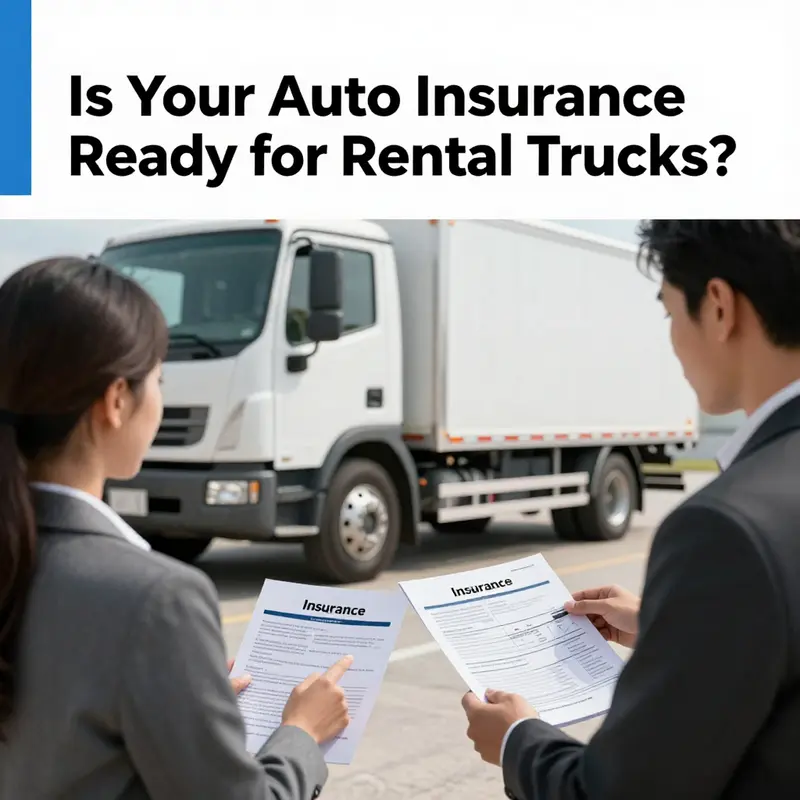
When you plan a move that relies on a rental truck, the idea of protection extends far beyond the vehicle you drive. A rental truck represents a larger, heavier, and more demanding machine than most personal cars, with different dynamics on the road and a different set of risks. The core question—the one your policy documents rarely answer in a single line—is whether your existing auto insurance covers the rental truck, and if not, how to fill that gap without derailing your budget. The short answer is that many standard auto insurance policies do not automatically extend to large rental trucks. This is not a flaw in your coverage; it’s a consequence of the way policies are written to address typical passenger vehicles and the distinct liability and physical-damage exposures posed by moving trucks. Before you assume coverage, you should actively verify the specifics of your policy with your insurer. Some insurers may offer limited coverage or endorsements that broaden protection, but these are not universal. If you want the broadest protection during a move, you will often find yourself considering rental-truck insurance options offered by the rental company or a third-party provider. These options are designed with the unique hazards of moving in mind, from the vehicle’s mass and loading to the added risk of driving in unfamiliar neighborhoods, on unfamiliar routes, or in adverse weather with a heavy load behind you. The decision to purchase such coverage is not merely a question of price; it is a risk-management choice that can keep a move from becoming a financial setback if something goes wrong.
One way to think about this is to compare it to adding layers of protection. Your personal auto policy is like a base layer that might cover a typical car incident, but it may leave gaps when the vehicle changes in size, purpose, or use. The rental-truck insurance options are additional layers tailored to the truck’s role in your move. These add-ons can complement whatever your existing policy already covers, or, in some cases, fill gaps where that coverage simply does not apply. If you decide to rent a truck for a move, you will encounter a menu of insurance products that are standard in the rental-truck industry, each with its own purpose, exclusions, and price. Understanding what each layer does helps you tailor protection to your move’s specifics: the distance you’re traveling, the cargo you’re carrying, and the timeline that requires you to stay on track without financial surprises.
The most common insurance options you’ll encounter when renting a moving truck fall into a few broad categories, each designed to address a particular risk. Collision/Damage Waiver (CDW) is the first and most familiar option. It reduces or eliminates your financial responsibility if the rental truck is damaged in an accident or during other covered incidents like vandalism or theft. In practice, CDW often comes with conditions and exclusions, such as situations involving off-road use, reckless driving, or certain types of neglect. It is essential to read the fine print and ask about what counts as a covered incident in the policy you’re considering. Then there is Supplemental Liability Insurance (SLI), which expands the liability protection beyond what your personal auto policy may extend. Given the sheer size and potential impact of a moving-truck incident, increasing liability protection can be particularly valuable. Pushing in a different direction, Personal Accident Insurance (PAI) offers medical expense coverage for you and any passengers in the event of an accident, a consideration if health coverage through other means might be slow to respond to a truck-related injury. For many movers, the cargo that travels inside the cab and box is as important as the truck’s metal frame. Cargo Protection Insurance specifically targets the belongings you’re transporting, providing reimbursement for lost, damaged, or stolen items up to a defined limit. Finally, Personal Effects Coverage (PEC) addresses the personal items left inside the truck, though in many policies the coverage limits are modest and intended for smaller, transient losses rather than full relocation-scale protection.
The way these coverages translate into real-world protection can feel abstract until you map them to the realities of a move. If your household goods include valuable or irreplaceable items, Cargo Protection Insurance and PEC gain practical importance. If someone in your crew relies on medical care after an injury, PAI might prove meaningful, particularly when you’re navigating a long loading and unloading process or driving in a busy urban setting with unfamiliar traffic patterns. Liability coverage matters when other drivers or pedestrians are involved, and the size of a rental truck can magnify the consequences of even a minor collision. The costs of these add-ons vary by provider, vehicle size, rental duration, and your location, so compare them not just on sticker price but on the total risk-reduction they offer.
Before you commit to add-ons from the rental company, take stock of what you already have. Some personal auto policies include limited coverage for rental vehicles, and some credit cards offer rental-car insurance when you pay with the card. The catch is that these protections are rarely universal and often exclude commercial vehicles or certain types of trucks. In practice, you may discover that your existing coverage would be sufficient for a small, everyday rental car, but not for a large moving truck with a high payload and more complex handling requirements. If you rely on a credit card’s rental-insurance benefit, confirm exactly which vehicles are eligible and whether a moving truck qualifies, because exclusions are common. The upshot is that you should verify every axis of protection—your policy, your card, and the rental company’s offerings—so you know where you stand before you sign any agreement.
To navigate these choices effectively, the first step is a clear-eyed inventory of risk. Start by reviewing your current auto policy with your insurer. Ask directly whether rental trucks are covered, and if so, under what circumstances. Clarify whether coverage applies to the truck’s physical damage, liability to others, and any optional endorsements that might extend coverage to larger, non-passenger vehicles. If coverage exists but comes with a deductible, decide how that deductible compares with the CDW option provided by the rental company. Sometimes the CDW reduces or eliminates the deductible entirely; other times it reduces your responsibility only partially or not at all if you engage in prohibited use. In parallel, examine your homeowner or renter policy if it has any personal possessions or ‘bonus’ protections that could extend to items during a move. While these policies seldom replace specialized truck coverage, knowing their limits keeps you from double-paying for protection you already have.
Next, assess the cargo and the logistical realities of your move. Are you moving confidential documents, heirlooms, or high-value electronics? Is the move a short local transfer or a cross-country journey with multiple loading bays and restricted parking? The answers influence whether a high level of cargo protection is warranted and how much PAI or PEC you might want. If your cargo includes items that are irreplaceable or difficult to recover, leaning toward robust cargo protection or PEC makes sense. If you have family members who rely on certain medications or equipment, PAI can provide an extra layer of financial security for medical expenses, though it is important to check how this integrates with existing health coverage.
In practical terms, the decision often boils down to risk tolerance and the exact parameters of your move. If you’re moving a large amount of belongings, over a long distance, or dealing with heavy traffic conditions, the peace of mind offered by higher liability limits, better protection for cargo, and medical coverage can justify the additional daily cost. Conversely, if the move is quick, the truck is modest in size, and you have a strong and clearly documented risk-management plan (for example, a low-deductible policy and a reputable driver with a clean record), you might opt for leaner coverage and rely more on your existing protections. Either path should be chosen with a full understanding of what is and isn’t covered, what each option costs, and how those costs compare to the potential exposure you face.
As you weigh these choices, consider how you’ll use the truck. For a one-way move across state lines or into unfamiliar urban areas, you’ll want coverage that travels with you and remains valid for the duration of the rental, not just for the initial loading phase. If the rental is part of a larger moving plan, one-and-done coverage may not suffice; you may need ongoing protection for the entire trip. The rental company’s insurance options are designed with this flexibility in mind, but you should always confirm the exact terms and timing to avoid gaps. In this context, it can be helpful to remember a simple heuristic: think of insurance as a co-pilot for a move. It won’t steer the truck, but it can steer your finances away from a crash course in unexpected costs should an incident occur.
For a practical example of how this might come together in a typical move, you can explore more on the topic of truck sizes and their practical implications through a detailed guide on the 16-foot truck. This resource can offer context about the kind of vehicle you’re renting, the typical cargo space, and the handling considerations you should anticipate on the road. 16-foot truck
Finally, as you finalize your plans, keep a simple checklist in hand. Confirm with your insurer whether rental trucks are covered, and if endorsements or special riders are available to extend coverage. Compare the rental company’s CDW, SLI, PAI, cargo, and PEC offerings against the total cost and the coverage you already have. If the numbers line up in your favor, you may opt for the rental company’s protections; if not, augment your existing policy to close any gaps. And if you’re unsure, consider consulting a broker who specializes in vehicle protections for moving days. The goal is not to turn a potentially stressful move into a legal or financial minefield, but to ensure that the move proceeds with clear, enforceable protection behind you.
External resource: https://www.uhaul.com/insurance/
Shielding Your Move: Navigating Insurance Coverage When Renting Trucks
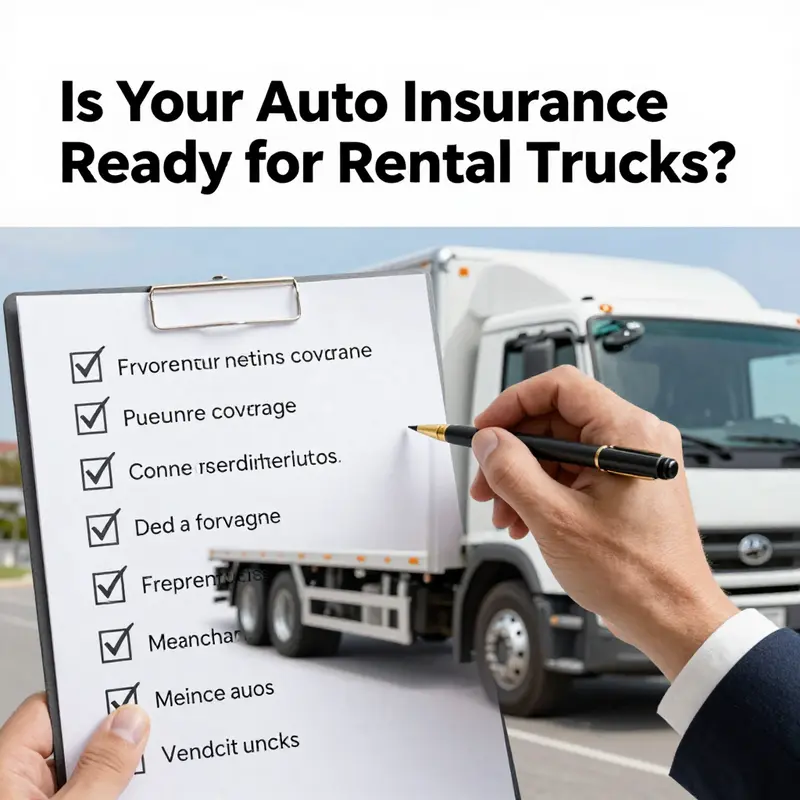
Moving can test the limits of patience and planning, but the right insurance mindset can turn a daunting task into a safer, smoother process. When you rent a truck for a move, you are not simply paying for a vehicle; you are acquiring a bundle of risk implications that can affect your finances, your schedule, and your peace of mind. The first reality to accept is often the hardest: most standard auto policies do not automatically extend to rental trucks, especially the larger moving trucks that carry your life from one home to another. This gap is not just a technical detail; it is a practical concern that can leave you exposed to liability for injuries to others, damage to property, or even the loss of the vehicle itself in ways that your everyday policy did not anticipate. A careful, proactive approach to coverage is the best defense against unexpected costs and a way to keep your move from becoming an insurance headache instead of a fresh start.
To navigate this landscape, begin with a clear-eyed look at the rental agreement. The document you sign is not just a price tag and a deadline; it is a blueprint of what is and isn’t covered. Take your time to parse the sections on insurance, waivers, and exclusions. In practice, the terms can vary significantly from one rental company to another, and even from vehicle to vehicle within the same fleet. Some trucks carry standard liability limits that are modest at best, while others push those limits higher or frame coverage in terms of waivers that transfer risk from you to the lender in exchange for a daily premium. A common misstep is assuming that the rental company’s refusal to charge you up front for certain damages means you have broad protection. The reality is often more nuanced: the basic plan may only meet the minimum legally required coverage, and gaps can remain that you would be solely responsible for if an accident occurs. This is precisely where the broader question—does my auto insurance cover rental trucks?—begins to matter in a practical, move-by-move way.
A central pillar of your coverage strategy should be to verify the options that the rental company offers and to understand how each interacts with any policies you already hold. Liability insurance, which covers damages to other vehicles or property in an accident, is the cornerstone of protection for third parties. Beyond that, many rental arrangements offer a Collision Damage Waiver, sometimes called a CDW or LDW in some regions, which is designed to cover damages to the rented truck itself. The difference between liability coverage and a CDW is crucial: liability protects others, while a CDW shields the truck from damage to its own frame and mechanical components. In some cases, Loss of Use coverage is also offered, intended to compensate the rental company for income lost while the vehicle is out of service due to repairs. If you are moving with a long truck rental or transporting high-value cargo, these coverages can become decisive in the event of a mishap.
This is where a careful examination of your existing insurance comes into play. Some personal auto policies extend coverage to rental vehicles, but coverage is not universal and often comes with limitations that are easy to overlook in the flurry of a move. If your personal policy includes rental vehicle coverage, it can streamline expenses and reduce the need for duplicative coverage from the rental company. Business policies may also extend coverage to rental trucks used in the course of operations, but the status of a move may require a specific endorsement or rider. The key is to contact your insurer before you sign the rental agreement, rather than waiting until after an incident occurs. A quick confirmation, ideally in writing, can confirm whether your existing policy will extend to a rental truck, what teenagers or new drivers may be excluded, and what deductibles you would pay in the event of a claim.
If your current coverage does not fully meet the needs of a moving truck rental, supplemental insurance is a prudent option. Supplemental coverage can bridge gaps for long-term rentals or for high-value cargo. It can also be essential when the truck is carrying objects of sentimental or monetary value, or when the route includes urban areas with tighter traffic, unfamiliar streets, or challenging loading and unloading conditions. The cost of supplementing coverage may be modest relative to the potential exposure you would face from a serious accident or a major mechanical failure. In weighing the decision, consider the scale of your move—the distance, the duration of the rental, and the vulnerability of what you’re transporting. A few extra dollars per day can translate into substantial protection when the stakes are high.
An equally important, if often overlooked, step is to conduct a thorough inspection of the truck before you take it and again when you return it. A move is a natural time for wear and tear to manifest, and the ability to document the vehicle’s condition is essential to avoid disputes over pre-existing damage. Before you drive away, take wide-angle photos of the exterior and interior, note any dents, scratches, or worn tires, and compare them to the rental agreement’s inspection checklist. After you return the truck, repeat the process. If there is a disagreement about damage after the fact, your documentation can be the difference between a reasonable claim and a costly error. In this step, a smartphone camera is a manager of risk: clear, timestamped images can be a simple but robust defense against disputes.
The decision on whether to accept the rental company’s basic coverage, add a waiver, or rely on your own policies is not a binary choice but a spectrum. In some cases, the combination of your personal coverage and the rental company’s basic plan may provide ample protection, while in other scenarios a more robust, purpose-built rental insurance package is warranted. If you are moving a long distance or if your truck is carrying fragile or high-value items, committing to broader coverage is often the more prudent path. When you decide to purchase supplemental coverage, ensure you understand how the premium interacts with any waivers, and confirm whether the supplemental policy is primary or secondary in the event of a claim. The distinction matters in deciding who pays first and how deductibles apply.
A practical way to approach this process is to treat the rental agreement, the insurer, and the rental company as three interconnected pieces of a larger safety net. Start with your current policy and request a formal confirmation from your insurer about coverage for rental trucks. If coverage is confirmed, obtain a certificate of insurance or a rider that explicitly names the rental vehicle and the period of coverage. This documentation can be particularly useful if you encounter a police stop or an accident in which you need to demonstrate coverage on the spot. Then, review the rental agreement and the provider’s insurance offerings with a clear list of questions in hand: What are the exact limits of liability? Does the CDW cover debris or theft in addition to collision? Is there a separate deductible? Does Loss of Use apply during the time the vehicle is in the shop? What is excluded under the waiver? Are there mileage restrictions or weight limits that could influence coverage if you exceed them? The aim is to leave no ambiguity about who is protected and under what circumstances.
If you want a practical, hands-on walkthrough of rental options and coverage considerations, you can consult a focused resource that walks through one-way moving truck rental scenarios. Penske one-way moving truck rental. This kind of guide can provide real-world context for how coverage decisions play out during a move, including the nuances of how liability and damage waivers interact with everyday moving tasks. It is important to note that while such resources can be helpful, they should complement, not replace, your conversation with your insurer and the rental company. Insurance in the moving context is not a one-size-fits-all purchase; it is a tailored agreement built around your route, loads, and dollars at risk.
As you finalize arrangements, remember that the ultimate goal is to protect not only your wallet but also your time and sanity. A move gone wrong can cascade into a cascade of complications, from delays caused by vehicle issues to disputes over who pays for damages and how reimbursements are processed. By proactively understanding the coverage options, coordinating with your insurer, and diligently inspecting the rental truck, you position yourself to handle the unexpected gracefully rather than being overwhelmed by it. The insurance conversation that begins with a rental agreement can set the tone for a smoother, safer move and help ensure that your primary focus remains on settling into your new home rather than solving insurance problems after the fact.
For those seeking official guidelines and consumer protections referenced in this chapter, the National Association of Insurance Commissioners provides reliable, accessible information on how coverage applies to rental vehicles and what consumers should look for when evaluating options. This resource can help you translate the terms in your agreements into practical protections on the road. https://www.naic.org
In sum, the question, does my auto insurance cover rental trucks, is best answered not by a single policy line but by a thoughtful, layered approach that blends your existing coverage with rental company options and, when appropriate, supplemental protections. The move is a temporary but high-stakes undertaking, and insurance that fits your specific situation can turn what could be an anxious episode into a controlled, well-managed transition from one home to another. By understanding the rental agreement, verifying coverage with your insurer, considering supplemental options, inspecting the vehicle rigorously, and using clear documentation, you create a safety net that reflects the realities of rental trucks. This approach, grounded in clarity and preparation, can help you complete a successful move with confidence and financial peace of mind.
Final thoughts
Navigating the complexities of insurance coverage for rental trucks is critical for business owners. Awareness of the limitations within personal auto insurance policies and the specific requirements associated with different types of trucks can make a significant difference in ensuring your business’s protection. By considering additional insurance options provided by rental companies and following best practices when renting, you can help secure your business against unforeseen risks. Understanding these key aspects not only safeguards your interests but also allows you to operate confidently in the logistics and transport realm.