
For business owners considering moving goods or transporting equipment, understanding the cost structure of a Penske rental truck is crucial. The price can vary significantly based on various factors including the size of the truck, rental duration, and location. This guide offers a comprehensive breakdown of daily rental rates by truck size, discusses the influence of duration and location on pricing, and delves into additional costs including insurance and mileage. By navigating through these chapters, you’ll gain a holistic view of what to expect when budgeting for a Penske truck rental, ensuring that your business needs are effectively met without financial surprises.
Sizing the Moving Bill: A Deep Dive into Penske Truck Costs by Size and Season
Moving costs rarely live in a vacuum. They live in a web of decisions, timing, and the careful math you do before you sign a rental agreement. When you start planning a move, the first question often is simple: how much will a Penske rental truck cost? The honest answer is that the number can change with the size of the truck, how many days you need it, where you’re moving from and to, and which extras you add to the base rental. The more you unpack that question, the clearer the price picture becomes, and the more you can steer your moving budget toward accuracy rather than guesswork.
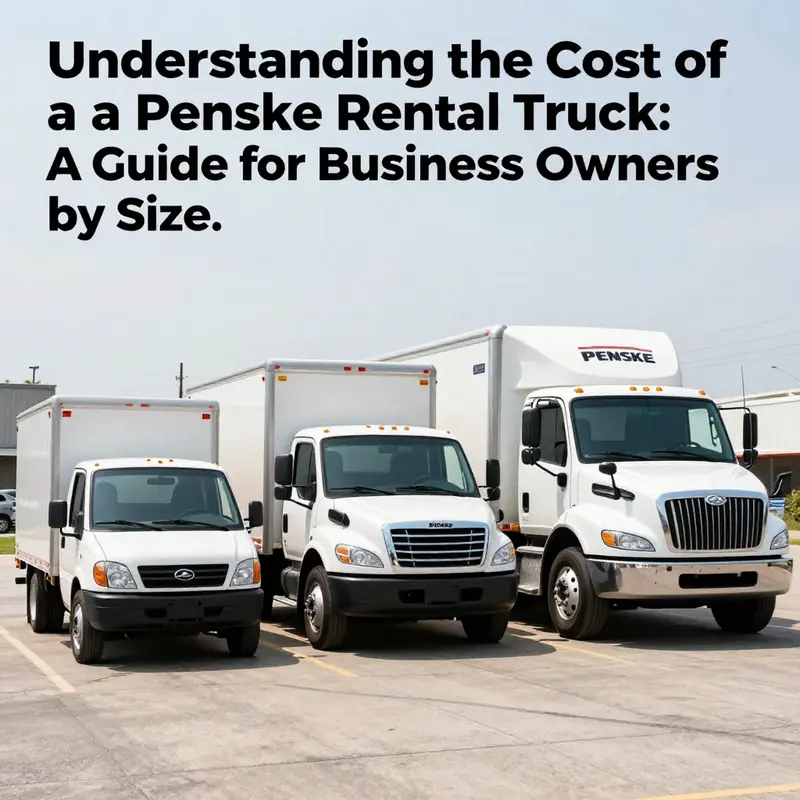
In recent data, three truck sizes stand out for their practical balance between capacity and cost. The smallest, a 10-foot Penske truck, usually carries a daily rate in the mid range for its class. It’s the workhorse for compact moves or local deliveries, when you don’t expect to traverse long distances or carry a heavy load. In the breakdowns that guide renters, the 10-foot model tends to hover in the $35–$45 per day range, depending on location and demand. For many locals, that rate makes it a tempting starting point, especially when the move is near or within a single metro area. The appeal of such a size is straightforward: lower base cost, easier maneuverability, and enough room for a studio or a few large pieces of furniture and boxes. Yet the tradeoff is real—the mileage allowance is tighter, and there’s less room to absorb surprises, like a last-minute addition of boxes or a bulky item you forgot to catalog.
Stepping up in size, the 17-foot truck represents a middle ground that often fits two-bedroom moves or mid-sized relocations with a little more distance involved. The daily rate for this class tends to sit in the $55–$65 band. That increment in price buys you more cargo space and a larger engine, which generally translates to a more comfortable drive and a greater tolerance for steeper city hills or longer stretches between loading and unloading. Importantly, the 17-foot class also tends to come with a more generous daily mileage allowance—up to about 250 miles per day in many rental agreements. If your plan sends you across a city and back in a day, or includes a longer day on the road, that allowance makes a meaningful difference. It’s a practical sweet spot for many renters who want to balance cost with capability.
At the high end of Penske’s domestic fleet, the 26-foot truck handles larger moves and longer trips. The daily rate for this fleet is typically in the $75–$95 range. The extra cost reflects the increased cargo capacity, the stronger drivetrain needed to handle heavy loads, and the improved stability of a larger vehicle on highways. The 26-foot model commonly supports a mileage plan up to 300 miles per day, which is generous for most long-but-not-extremely-long moves. Yet even with a higher base rate, the bigger truck can deliver savings in scenarios where distance and volume would otherwise require multiple trips with smaller vehicles. The larger trailer-like frame and higher fuel usage also sharpen the overall cost calculus. The decision isn’t only about price per day; it’s about how many trips you’d otherwise need, how many days you’ll be behind the wheel, and whether the extra cargo space lets you complete the move in fewer days.
What the base daily rates don’t tell you is how quickly the total can climb once you add the surrounding costs that accompany a Penske rental. In real-world planning, the base rate is just the opening chapter. Mileage often matters more than you’d expect, especially for longer distances or multiple trips. The standard mileage framework typically includes a daily allowance for miles and then applies an excess mileage fee for miles beyond that cap. For the 10-foot truck, this excess fee can range from around $1 to $2 per mile beyond the included limit. The 17-foot and 26-foot configurations follow similar patterns, with more generous mileage inclusions on the larger size, but the excess charges can still mount rapidly if the move travels across long distances or drags on extra days. It’s not just about the miles you plan; it’s about the miles you end up needing as the plan evolves on moving day.
Fuel is another piece of the cost puzzle. The base rate and mileage fees do not include fuel, which you pay when you return the truck or at the time you refuel during the rental period, depending on how the rental agreement is structured. The exact fuel cost depends on which model you choose, how much you drive, and the current price of fuel in your area. It’s a variable you can only approximate at the outset, but it’s a real component of the overall price tag. On top of fuel, you may encounter destination or delivery charges if you arrange for the truck to be delivered to a specific location or picked up from a different place than your starting point. If you want to save time and avoid the extra logistics, delivery and pickup fees can range from a modest sum to a more substantial one, depending on distance, accessibility, and scheduling requirements.
Insurance is another area where the cost can shift. Optional but strongly recommended, protection plans run in the neighborhood of roughly $15 to $30 per day, depending on location and the specific terms of the rental. In some cases, basic coverage may be included with the rental as part of a location-specific package, but more comprehensive protection—which can cover loss or damage to the vehicle, cargo, and third-party claims—usually comes with an additional daily fee. The presence of insurance adds not only to the daily cost but also to peace of mind, especially if you’re moving valuable items or undertaking a longer trip where the risk of minor incidents rises with time spent on the road.
Delivery and pickup services, if you don’t have a way to transport the Penske truck to your starting point or from your destination to your own lot, can add another layer of expense. These services typically fall in a range from roughly $50 to $100, depending on the service level and how far the truck has to travel to or from your location. If your move involves a location that isn’t easily accessible by standard loading docks or direct driveways, these costs can influence your decision about whether to hire the service, how much utility you gain from it, and whether a different size truck would suffice for your space and route.
Tolls, surcharges, and regional variations in fees can also nudge the final amount upward. Some cities and states impose tolls on certain routes or roads that you may use while moving. While these tolls are not always predictable at the outset, it’s worth factoring in a conservative cushion for potential charges, especially if your route includes bridges or expressways with tolls. The rental company may also apply additional surcharges during peak moving seasons, such as summer, when demand for trucks is high and the supply of available rigs tight. In such periods, you might see incremental price adjustments or limited-time promotions that can affect both daily rates and total cost.
Taken together, the total cost of renting a Penske truck is a blend of the base daily rate, the mileage regime, the fuel bill, the protection plan, and the optional services you decide to tack on. The math is not merely about multiplying days by the sticker price. It’s a layered calculation that depends on how far you go, how much cargo you carry, how long you’ll be on the road, and how much risk you’re willing to assume without external coverage. Because the base rates are clearly divided by size, it’s tempting to anchor your move around a single number. Yet the most reliable approach is to build a cost envelope first by size, then by the realistic distance you expect to cover and the likely contingencies that could push you into excess mileage, longer rental durations, or extra insurance. When you begin with a solid estimate anchored in the size that fits your volume, you can then refine the estimate by plugging in the extra daily charges that will accompany your actual move.
An important part of that planning is understanding the practical implications of choosing one truck size over another. The 10-foot truck is cost-effective for very small moves, but its limited space often forces you to do more trips or squeeze more carefully packed boxes into a smaller footprint. The 17-foot model brings more flexibility in one trip, which can reduce the number of trips and potentially offset some higher daily costs through savings on mileage and time. The 26-foot truck, while the most expensive per day, carries the advantage of consolidating a larger move into fewer days and fewer trips. Depending on the distance and the density of your belongings, you may discover that the apparent premium of a larger truck is offset by the reduction in days and labor, especially if you consider the hidden costs of multiple small loads, multiple trips, or the time value of your own labor.
Seasonality also shapes the price. Peak moving seasons tend to push daily rates higher across all sizes. If you can plan a move in a lull period, you may unlock more favorable rental terms or promotions. The variability in pricing is not just a function of truck size but of market dynamics. The larger the demand, the more aggressive the pricing becomes, particularly for the most sought-after sizes. In practice, this means you should compare quotes for several sizes across your preferred dates, even if your instinct tells you to settle on a single option early. By harnessing price volatility to your advantage—booking in advance, being flexible with pickup and drop-off times, and watching for seasonal promotions—you can often secure significant savings that accumulate into real dollars in your moving budget.
To help readers access ongoing savings, there is a route worth considering. Some resources compile current promotions and discount codes for Penske rentals, which can translate into meaningful reductions on the daily rate or added insurance coverage. For those who want to explore those opportunities, a specific promo code resource is worth a quick glance: penske-truck-rental-promotion-code. This reference point can be useful as you compare offers across sizes and dates, ensuring you’re not overlooking a discount that could shave several dollars per day off your total. It’s not a silver bullet, but in a market where every dollar counts, even a modest reduction can tilt the scales toward a better alignment of your move with your budget.
Across the spectrum of moves, the best approach is to adopt a methodical view of cost. Start by selecting the truck size that matches your volume rather than chasing the lowest daily rate alone. Then, estimate mileage with reasonable accuracy, and add in the likely protection and service costs that accompany your choice. If you anticipate a long-distance trip or heavy packing, factor in the higher end of fuel costs and potential delivery charges. If you plan on performing the move over several days, compare the aggregate daily rate across all sizes with the projected mileage and ancillary fees. A 2-bedroom local move, for example, often benefits from a 17-foot truck because it provides a balance of cargo space and manageable daily cost, along with a solid mileage allowance that reduces the risk of excessive overage charges. But a larger home, a longer route, or a tight schedule can justify the premium of a 26-foot truck in some scenarios, especially when it reduces the number of trips and the time spent behind the wheel.
In the end, the Penske rental price landscape is less a single number and more a moving target that shifts with size, distance, and the choices you make about protection and services. The best practice is to build your plan around your move’s realistic scale and then bracket the cost with a couple of quotes that reflect both the smallest and the largest size you’re willing to consider. This approach not only clarifies what you’ll pay on paper but also illuminates the practical tradeoffs—the tradeoffs that often decide whether a move feels manageable or overwhelming on the day you pull out of the driveway. If you’re moving locally and you’re cost-conscious, you’ll likely find that the 10-foot or 17-foot options deliver the most favorable balance of price and practicality, provided you keep a close eye on mileage and insurance. For longer moves or larger moves that involve tighter schedules, the 26-foot model can become a cost-effective choice when viewed through the lens of reduced trip count and time in transit.
As with any major rental decision, there is value in seeing the full cost picture, verifying terms in writing, and asking clarifying questions about mileage, fuel, insurance, delivery, and surcharges before you confirm. The numbers presented here—while grounded in robust data—vary by location and by the specifics of your rental agreement. The best quotes reflect your exact pickup and drop-off points, the number of days you need the truck, the planned mileage per day, and whether you intend to accept or reject optional insurance and services. Taking the time to assemble a simplified cost model before you book can save you not just money but time and stress when moving day arrives.
External references can also anchor your planning. For readers seeking the most current official pricing and terms, the source of truth remains the rental provider’s pricing page, which lays out day-rate bands, mileage allowances, fuel policies, and protection options in a format you can review alongside other quotes. Keeping a careful log of what each quote includes helps prevent misaligned expectations and ensures you’re comparing apples to apples across different truck sizes and rental periods. When you factor in the realities of moving—an event with many moving parts—the most effective approach is an informed, deliberate calculation that recognizes both the elegance of a smaller, cheaper option and the practical advantages of a larger truck when circumstances warrant.
External resource: https://www.penske.com/truck-rentals/pricing
Estimating the True Cost of a Moving Truck Rental
A moving truck rental price is never just a single headline rate. The final amount you pay is a sum of factors: the base daily rate for the truck size, the number of days, expected mileage or a mileage cap, optional insurance, fuel options, delivery or pickup fees, taxes, and location-based surcharges. To plan wisely, compare quotes that include all these line items, not just the daily rate.
First, choose the right truck size. A too-small truck may require extra trips and higher fuel costs, while a too-large truck carries a higher base price.
Next, lock in dates strategically. Midweek rentals or longer blocks can lower the effective daily rate, but beware longer commitments that add up if your plans change.
Then, examine add-ons carefully. Insurance coverage, prepaying fuel, and one-way or relocation fees can dramatically shift the total. Mileage matters too: overage charges can erase any apparent savings from a low base rate.
Finally, use multiple quotes from different providers and locations. Small differences in pickup location or time can tilt the all-in price by more than you’d expect. The bottom line is to focus on the total cost of the move, not just the sticker price, and to verify the full breakdown in your final quote.
The Real Price Tag Behind Penske Truck Rentals: Insurance, Mileage, and Hidden Fees
When you start planning a move or a big one-way haul, the sticker price on a rental truck is only part of the picture. The headline rate, the number you see on the booking page, is important, but it’s rarely the last word on what you’ll actually owe when you roll up to the clock at the counter or confirm a digital quote. A practical look at cost begins with the size of the truck you choose, but it quickly expands to coverage options, mileage assumptions, fuel, and the logistics of drop-off and delivery. The overall expense, in other words, becomes a mosaic rather than a single number. In the world of rental trucks, the daily rate is a starting line, not the finish line. To understand the full financial picture, you must trace the path from base rate to final bill through several connected decisions, all shaped by your move’s timing, route, and risk appetite.
Vehicle size is the most visible lever in the pricing equation. The smallest cargo options, often used for apartment moves or small apartments, typically command lower daily rates. In broad terms, the base daily cost ranges from a comfortable level for a 10-foot truck to a more robust figure for larger, 26-foot models. The exact daily rate shifts with demand, location, and rental duration, but the pattern holds: smaller vehicles carry smaller price tags, large ones carry larger ones, and the rate you actually pay per day is influenced by how many days you’ll need the truck. It’s common to see roughly twenty-five to seventy-five dollars per day as a baseline, depending on the model and the market. The 10-foot option may sit in the low end, roughly twenty-five to thirty-five dollars per day; the 16-foot model typically lands in the mid-range, around thirty-five to forty-five dollars per day; and the flagship 26-foot truck tends to occupy the upper end, roughly forty-five to seventy-five dollars per day. Those numbers reflect the base rental and often include unlimited mileage within the United States, an important feature for many movers whose routes cross several hundred miles over the course of a few days.
But the base rate is only the opening chapter. Once you add the ways a rental company can monetize the service beyond the door of the truck, the total bill becomes far more nuanced. Fuel is the most predictable variable that many customers encounter after the fact. If you drop the truck off with a tank that’s less than full or if you return it with unusual fuel needs, you’ll see a charge that reflects the difference and the company’s pricing policy. In most cases, you’ll either prepay for fuel or pay a fuel surcharge at return, depending on the rental agreement you sign and the method you choose at checkout. This is less a hidden fee than a policy detail, but it’s one of the first places the cost can drift away from the day’s initial estimate.
Delivery or return at a different location is another frequent cost driver. If your move starts in one city and ends in another, or if you’re arranging a one-way rental, the company may apply a relocation or one-way fee. The price for this service is not universal; it fluctuates with distance, location demand, and the logistical costs the rental company incurs to move the vehicle. In many markets, customers are offered the option to pick up and drop off at a single hub to avoid extra charges, but sometimes the flexibility to place a truck where you want it comes with a premium. This factor—where you pick up and where you drop off—often intersects with the rental duration, sometimes expediting or extending the cost depending on the route you choose.
Rental duration itself matters beyond the total days. Short hires of a few days can carry a higher per-day cost, while longer arrangements often unlock lower daily rates or promotional terms. That said, longer bookings can also attract additional fees if you extend beyond the agreed window. In the real-world pricing map, the duration sensitivity interacts with seasonal demand. Move-heavy months, notably in late spring and summer, see higher demand for trucks and sometimes higher rates to reflect the convenience and the crowding of vehicles that buyers want to secure before peak moving seasons.
The layered costs don’t stop with the base rate and the logistics of pickup and drop-off. Insurance, in particular, introduces a critical decision point: how much risk you’re willing to retain and how you want that risk covered. Penske, like many truck rental providers, typically requires customers to purchase insurance for the rental period. The policy options generally fall into two tracks: you can either select Penske’s own insurance plans or opt to use existing commercial or personal coverage if you already carry a policy that the rental agreement will recognize. The crucial caveat is simple: the rental truck does not automatically include insurance in its base price. If you want to be financially shielded on the road, you’ll need to decide how to cover potential risks, and that decision will show up as a separate line item on your invoice.
If you choose Penske’s insurance, the cost isn’t one-size-fits-all. It is typically tailored to the vehicle type, the rental duration, and your driving history. The need to price insurance so precisely is grounded in risk management: a larger vehicle with more potential impact, or a renter with a more complex driving history, can shift the risk profile and, therefore, the premium. For a renter who is bringing a personal policy or an existing commercial plan, it’s worth noting that some policies may provide adequate coverage for rental vehicles. In those cases, the rental company will honor that coverage, and you’ll avoid the insurance line on the rental quote altogether, though you must verify your policy’s terms and confirm the acceptance before you sign the agreement.
Beyond base rate and insurance, mileage charges are the third key cost axis that often surprises first-time renters. The prevailing model in this segment is to offer a free mileage allowance as part of the base rental package. That means miles driven under the included allowance do not incur extra fees. It’s a straightforward construction: you’re paying for the truck, you’re allowed to drive a certain number of miles at no additional cost, and then the actual miles beyond the allowance come with a per-mile charge. The per-mile rate for excess mileage typically falls within a range, often from about fifty cents to a dollar per mile. The exact figure depends on the truck type and the specific rental plan, so it’s absolutely worth confirming the free mileage allotment and the overage rate in your written quote before you sign.
What makes this element particularly important is the way it interacts with your move’s size and distance. A longer drive on a larger truck can quickly push the total cost above the base estimate if you’re not mindful of mileage limits. For a multi-day move that covers hundreds of miles, the difference between staying within the allowance and paying excess mileage can be substantial. And while some customers assume that the all-you-can-drive appeal of a larger or more robust truck includes unlimited miles, that is not always the case. The simplest way to guard against surprises is to map your route and calculate the anticipated miles, then compare that against the rental agreement’s mileage provisions. If your route includes detours, sightseeing stops, or professional load-testing moves—circumstances often encountered in complex relocations—then factoring mileage into your risk assessment becomes even more critical.
Timing is another subtle, often overlooked factor that can tilt the final cost. Peak-moving seasons can tighten availability, reducing price flexibility and sometimes elevating rates. In these windows, the competition for available trucks intensifies, and rental companies can adjust pricing to reflect demand. Conversely, off-peak periods may present opportunities to secure lower daily rates, better mileage terms, or promotional pricing. It is not unusual to see promotional programs or discounts advertised in promotions and special offers during the year. A recent promotional program announced in February 2026 included special low rates and flexible leasing terms for recently serviced, low-mileage vehicles. While such programs can create meaningful savings, the specifics—eligibility, vehicle type, and the duration of the offer—vary by location and date, so you must verify the details when you book.
All of these elements—vehicle type, rental duration, geographic location, insurance, and mileage—coalesce into a final price tag that can surprise if you don’t approach the calculation with a structured plan. The best way to get a reliable sense of the ultimate cost is to go through a personalized quote on the official rental site, which can tailor the price to your exact needs. A thoughtful approach to pricing starts well before you reach the counter; it begins with a clear understanding of the route, the vehicle’s size requirement, and a realistic assessment of whether you want the convenience of one-way service or the economy of a two-way rental.
Speaking of planning, the practical path to a clearer number often includes conversations with customer support and a careful read of the rental agreement. Contacting the provider’s hotline—an option many renters use when their plans include custom routes, unusual pickup windows, or combined services like trailer attachments—can yield a precise quote that reflects all the relevant fees and allowances. In the context of the information landscape surrounding these rentals, you’ll find that a dedicated help line can walk you through the policy details, clarify what is included in your base rate, and spell out the exact charges for insurance, delivery, or one-way routing. The goal is to avoid the last-mile cost shock, which often arrives at the end of the rental period when you return the vehicle and the final invoice is compiled.
For those who want to minimize the total outlay without compromising safety or reliability, several practical steps tend to yield meaningful savings. First, compare a few scenarios with the same vehicle category to understand how much the two-way versus one-way option adds to the total. Second, determine whether you truly need the insurance through the rental company or whether your existing policy provides adequate coverage, and verify the coverage’s scope for rental vehicles. Third, plan the trip to stay within the included mileage allowance or negotiate a generous mileage package if you anticipate going well beyond the typical daily commute. Fourth, consider whether packaging the rental with a longer booked duration yields a reduced per-day rate or a promotional incentive. And finally, do not overlook the potential value of promotional codes and seasonal discounts that may apply to your booking date or location. If you’re exploring discounts, you may find helpful resources that summarize current offers and strategies to maximize savings, such as discount-focused guides and company promotions. For a concise resource, see Penske truck rental discounts, which compiles practical tips and current promotions that are often updated to reflect changing terms.
In practice, a comprehensive cost assessment for a Penske rental involves stepping through each of these components and then combining them into a total that you can compare against other providers. The exercise is not merely academic. It can determine whether a move stays within a budget or whether you’ll need to adjust the plan—perhaps by choosing a smaller truck, shortening the rental window, or consolidating trips to avoid extra mileage charges. If you map out the route and the vehicle needs at the outset, you can generate a realistic price range that aligns with your financial expectations. In many cases, a well-constructed plan, a careful review of the rental agreement, and a few strategic choices—like selecting the appropriate insurance coverage and staying within the mileage allowance—can save hundreds of dollars over the course of a move.
To bring this into a more concrete frame, imagine you are moving a two-bedroom apartment across a medium distance. You might opt for a 16-foot truck for its balance of versatility and cost. The base daily rate could sit in the mid-range, around thirty-five to forty-five dollars per day, depending on your location and the rental duration. If you schedule a three-day move, you would estimate the base cost around three times the daily rate, but you’d also need to account for the fuel policy, which could be a prepay option or a post-return charge depending on the agreement. If you decide to add a one-way drop-off, you’d likely face a delivery fee or a relocation charge, which can be a considerable line item in some city pairs. Insurance is another decision point; if your existing coverage is not eligible, you’d need to purchase a policy from the rental company, adding a separate amount to the total. For an average move, you might anticipate a few hundred dollars in insurance, plus a modest mileage overage if you exceed the included miles. And then there’s the nuance of the peak season premium, if your dates fall inside the busiest weeks for truck rentals, which could push the daily rate a tier or two higher. Taken together, the final price could land anywhere from the upper several hundreds to over a thousand dollars for a standard weekend or short-haul move, all else being equal. This rough framework helps set expectations, but the precise number is always anchored in a personalized quote that reflects your exact dates, route, and vehicle choice.
To tap into the most accurate and up-to-date pricing, it’s essential to use the official rental site and generate a tailored quote. The site’s calculator will typically request your pickup location, date range, truck size, and whether you’re planning a one-way rental. It will also prompt you to consider whether you want insurance coverage and any optional services such as trailer hitch installation or roadside assistance. Depending on the configuration, you may see a line item for the base rate, a line for insurance, a line for fuel, and a line for any delivery or one-way charges, along with the mileage allowance and the per-mile rate for overages. Reading these components side by side will help you see where the largest cost drivers lie for your particular move. It’s also an opportunity to compare a couple of scenarios—say, a two-day rental with one-way service versus a three-day round trip—so you can decide where the greatest value lies for your moving plan.
While the base numbers and the policy framework provide a solid starting point, you should also consider practical steps that can minimize your overall spend. If you’re flexible with your pickup date, you may capture lower daily rates by avoiding peak demand windows. Booking in advance, especially well before the move date, often yields better pricing than last-minute arrangements. If you anticipate a straightforward move with a clear route, you can negotiate a simple plan that stays within a prescribed mileage budget and avoids the complexities of unexpected detours or last-minute deliveries. Some renters also find value in bundling additional services, such as a trailer or accessory rentals, only when they are necessary for the move. The savings may be marginal in some cases, but in high-demand markets, even small adjustments to the service package can create meaningful cost relief.
A final note on the booking path: every rental agreement is a contract that should be read with care. The terms determine what happens if you return the truck late, if you drive more miles than anticipated, or if you need to alter the pickup or drop-off arrangement. The clarity of these terms is not just about avoiding fees; it’s about ensuring the service level you expect is delivered without surprises when you receive the final invoice. If you have questions, don’t hesitate to reach out to customer service or consult the live chat option commonly found on the rental site. The ability to ask specific questions about the mileage policy, insurance coverage, and any promotional terms can be the difference between a predictable cost and a cost that surprises you after the move.
Ultimately, the total cost of renting a Penske truck depends on a careful blend of choice and circumstance: the truck size that fits your needs, the rental duration that aligns with your move window, the geographic location that affects demand, and the selection of insurance and the handling of mileage. It’s a reminder that the price tag is not a single figure but a snapshot of a broader pricing ecosystem. By stepping through the components with a clear plan—map the miles, consider the insurance path, confirm the mileage allowance, and check for location-specific fees—you can arrive at a number that accurately reflects the reality of your move. And when in doubt, you have a route to clarity: request a personalized quote, review it against a comprehensive checklist of potential charges, and, if helpful, consult the detailed guidance on discounts and promotions that can reduce the final cost. If you’re navigating this process and want a quick entry point into savings, you can explore the internal resource on discounts, which provides practical ideas and a snapshot of current promotions. Penske truck rental discounts.
In the end, the price you pay is the sum of several carefully considered decisions rather than a single number carved in stone. The most effective approach is to equip yourself with the right questions, a realistic mileage plan, and a willingness to compare and confirm terms before you sign. With that approach, you move from an initial estimate to a final, concrete number you can budget for, and you gain the confidence that your transportation plan will go as smoothly as possible from start to finish. For those who want to verify the broader picture beyond the immediate quote, there is always an external reference point to consult—the official site of the rental provider, which houses the current terms, vehicle specifications, and policy updates that can influence your total cost. External resource: Penske official site (https://www.penske.com/).
Final thoughts
Understanding the costs associated with renting a Penske truck can significantly influence the financial planning of your business ventures. By considering the truck sizes, duration of rental, location variations, and additional costs such as insurance and mileage, business owners can make informed decisions. This guide empowers you to better plan your budget, maximizing efficiency while minimizing unexpected expenses in your logistics operations. Make sure to gather all pertinent information when considering a rental, and don’t hesitate to ask for personalized quotes to suit your specific needs.