
Navigating the world of food truck rentals can be overwhelming for business owners looking to expand their culinary reach. Understanding the costs associated with renting a food truck is crucial, as these expenses can significantly impact your operational budget and overall business strategy. This guide delves into the various facets of food truck rental costs, shedding light on price ranges, factors influencing costs, regional variations, and a comparison of renting versus purchasing. By synthesizing this information, business owners can make informed choices that best align with their goals.
Counting the Costs: Understanding How Much Food Truck Rental Really Costs
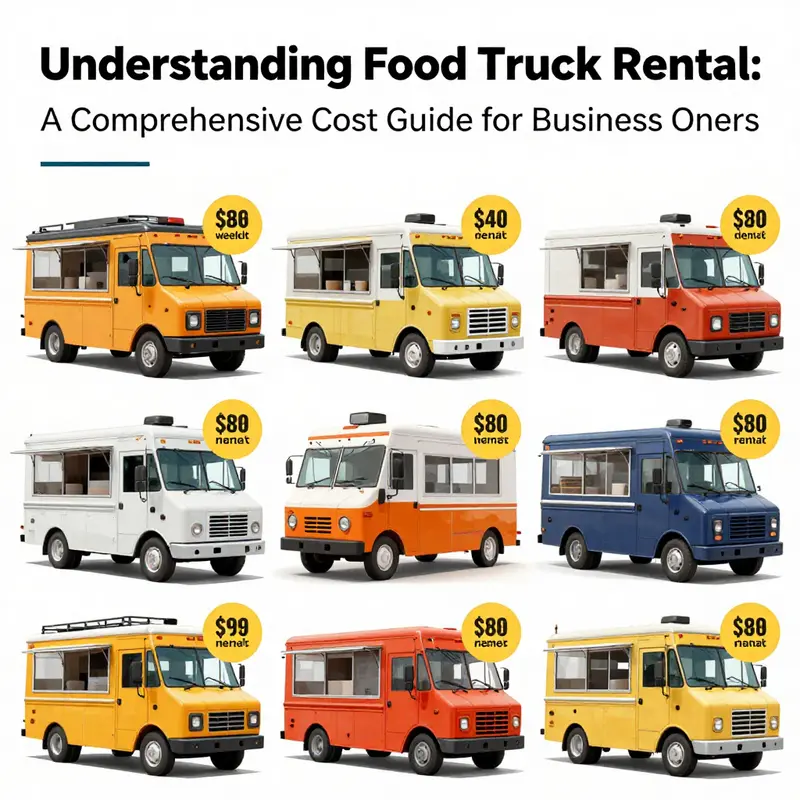
Renting a food truck is more than a price tag; it is a package of rental rates, equipment, permits, and ongoing expenses. The market today shows a broad spectrum. In general, you will see weekly rental prices that range from roughly 500 to 2,000 dollars per week for standard units that are ready to cook. Those rates are not one size fits all; trucks with extra refrigeration, larger kitchens, or newer chassis can push the weekly price higher. If you plan a longer relationship with the truck, the monthly picture becomes more predictable, but the numbers still vary with location and the level of service included. The typical monthly rent for standard models tends to sit between 1,000 and 3,000 dollars, while luxury or fully equipped trucks can push beyond 5,000 dollars a month. This spread matters because a food truck rental is not a single price. It is a bundle that changes with power needs, space requirements, and the scope of what is offered with the rental agreement. A rental that includes premium power systems or turnkey operations will carry a higher price, but not necessarily a higher total cost of ownership if it reduces other expenses and downtime over the life of the lease.
This pricing framework matters because renting a kitchen on wheels is as much about logistics as it is about the stove. Location matters: in large markets, a truck that operates efficiently and reliably in a high-traffic area will command higher rents than the same model in a smaller or more congested market. Condition matters too. A newer or recently refurbished truck reduces risk of breakdowns and can command a premium that is justified by lower maintenance surprises. The equipment included with the rental is a critical driver of price. A basic kitchen with a grill, fryer, preparer area, and a couple of coolers is cheaper than a layout designed for multiple menu lines, a walk-in cooler, blast chiller, and more sophisticated energy management. In practice, solar powered options or trucks designed around energy efficiency are often marketed as premium choices and priced accordingly. A solar powered model may carry a higher monthly rent because it offers energy independence, lower ongoing fuel costs, and a more favorable maintenance profile, even if the upfront investment is higher.
Beyond the base rent, there are several predictable add ons that can shift the budget quickly. Insurance is standard for any vehicle carrying a kitchen on the road and the cost varies with coverage levels and risk factors. Permits are essential in many jurisdictions and can spike upfront costs or renew at set intervals, depending on local rules and the scope of operation. Fuel is an ongoing expense, and even with energy efficient systems it remains a factor to monitor, especially for trucks that travel to multiple events across a week. Maintenance is another recurring line item. If the rental includes a maintenance plan, it can stabilize costs, but you should still set aside funds for unexpected repairs or part replacements. Staffing is a factor for many operators; if you expect to hire cooks or crew to operate the truck at events, those wages must be integrated into the overall budget. The aggregate effect of these elements is that the true monthly cost of a mobile kitchen depends as much on how you operate as on the headline rent.
A standard approach to terms is revealing: a security deposit is typically required and is usually equivalent to one or two months of rent. The deposit is not a discretionary expense; it acts as a safeguard against property damage or missed payments, and the agreement will outline how it is held and when it is returned. Some contracts require deposits in cash or as a hold on a credit line, and some arrangements offer credits toward future rentals if conditions are met. Reading the rental agreement with care is essential. It will disclose what the deposit covers, how long it takes to return, and whether deductions are allowed for wear and tear or missing equipment. If you anticipate delays in moving the truck or setting it up, confirm who pays for transport and installation. Delivery logistics can dramatically affect cash flow, because shipping, setup, and training may be billed upfront or included as part of the ongoing rent.
The solar powered example provides a useful lens for thinking about premium options. The price point tells a story about not just the rent itself but the long term value of energy independence and reduced fuel expenses. It also highlights the risk of paying for features you may not need in the early stage of a business. A startup with a lean plan may do well with a standard unit and a simplified kitchen, keeping cash flow healthier while testing a menu and building a customer base. A concept with a proven track record, frequent events, and a need to operate where grid power is unreliable could justify a higher monthly rent when the package includes robust power management and reliable on site support. In either case, the central decisions hinge on aligning the truck profile with the business plan, the geography you plan to serve, and the anticipated sales curve.
So how do you move from price to plan? The practical path begins with direct quotes from suppliers that reflect your precise needs. Do not rely on a single published price or a generic listing. Rental terms, insurance requirements, and whether permits are included or billed separately can vary widely by region and by provider. When you request quotes, present a clear brief: the truck size you need, the kitchen layout you require, your power needs, and whether you need walk in refrigeration or specialty cooking equipment. Ask about what is included in the rate, such as delivery to your site, on site setup, initial training, or ongoing maintenance. Clarify what is excluded. The more precise your inquiry, the easier it will be to compare quotes on an even footing and the faster you can identify the true value of each option.
As you navigate the choices, remember that price is only part of the equation. A lower rent may seem attractive, but if the unit lacks essential equipment or if maintenance is outsourced at high cost, the apparent savings can disappear quickly. A higher rent with comprehensive service, included upgrades, and predictable maintenance can provide stability and reduce downtime, which translates into more reliable revenue. In practice, many operators find that a midrange unit with essential features and a solid maintenance plan often delivers the best balance of affordability and reliability. The goal is to partner with a supplier who can grow with you as your business scales, not simply a truck that fits your first season and then leaves you scrambling for upgrades.
To support disciplined budgeting, many operators separate hard costs from soft costs. Hard costs include base rent, insurance, permits, and the security deposit. Soft costs cover fuel, maintenance, and staffing. The budgeting process should reflect seasonal fluctuations, event calendars, and the geographic spread of your operation. In steady markets with predictable events, you may plan for moderate fuel use and light maintenance during off peaks, reserving a larger maintenance contingency for peak seasons. In more dynamic markets, you may need a larger reserve to cover rapid scaling, last minute permits, or emergency repairs. The budgeting exercise is not a one off; it should be revisited with every major contract renewal and every shift in your event strategy.
An important practical step is to look for data sources that compile current market conditions for food truck rentals and the broader equipment rental space. While no listing can capture every variable, cross checking multiple sources helps you calibrate expectations and avoid overpaying. Always verify whether a quoted price includes delivery and installation, or if those are billed separately. Packages that include turnkey onboarding and ongoing service tend to reduce friction and can improve the likelihood of a smooth launch. If you want to explore adjacent perspectives on rental terms and how long term relationships are structured in vehicle and equipment leases, you can consult related resource collections and, for context, a linked overview on rental discounts. For example, you can study a dedicated resource that focuses on truck rental discounts and terms at this reference: Penske truck rental discounts.
In summary, the question of how much is food truck rental resolves to a balance between base rent and the constellation of ancillary costs and services that surround it. The same headline figure can mask very different realities depending on the equipment included, the energy model, the permits secured, and the level of ongoing support. Your path to clarity is a careful comparison of quotes that align with a coherent business plan, an honest assessment of your event pipeline, and a realistic forecast of revenue. Treat the rental as the foundation for a broader strategy, not a stand‑alone expense. When you do, you tilt the odds toward a mobile kitchen that not only opens for business but stays open and profitable through consideration, planning, and prudent negotiations.
External resource: https://www.foodtruckrentals.com/rental-prices
What Drives the Price Tag on a Food Truck Rental: A Practical Guide to Budgeting for a Mobile Kitchen
Renting a food truck is not simply a price per day; it is a negotiation between calendar, location, and the kitchen that travels with you. The cost range you’ll likely see sits between roughly $500 and $2,000 per week, depending on a constellation of factors. In some cases, especially for premium or specialty units—think advanced equipment, custom branding, or eco-friendly power systems—the weekly price can climb further. A recent example shows a short-term rental for a high-end unit reaching around US$4,350, a figure that may reflect shipping, delivery, and setup charges more than the base rental alone. This single data point helps explain why prices can feel opaque at first glance. It also underlines a simple principle: the sticker price is rarely the whole story. To obtain an accurate quote, you need to speak directly with providers who can tailor terms to your plan, insurance needs, and the exact mix of amenities you require, including kitchen gear, permits, and staffing options. The numbers above aren’t just about the truck; they’re about what keeps a kitchen hot and compliant as it moves from event to event.
In practice, budgeting for a food truck rental begins with a careful map of likely variables and a realistic sense of how each might shift the bill. The first and most influential factor is location. A truck parked and operating in a dense urban hub like a major coastal city will face higher demand and higher operating costs than a rural area. Foot traffic in city centers can drive up revenue, but it also means higher rental fees for the truck to be on a preferred block, with limits on when and where it can operate. In some markets, a premium location can push the weekly rate higher simply because the operator knows the truck will be busy every shift. If the truck is meant to pop up at a recurring festival, a stadium gate, or a high-profile market square, the price creep is not unpredictable; it is the market doing its work. Conversely, renting in areas with less competition or lower footfall often yields a more modest price tag, even for a well-equipped unit.
Seasonality is another constant companion in the rental conversation. The calendar has a rhythm, and the rhythm favors demand in warmer months, at major holidays, and during festival stretches. Summer, with its outdoor events and long evenings, tends to elevate the appetite for mobile eats and, with that, rental prices. The off-season, while offering the potential for bargains, can also bring price volatility if a truck is needed for a big, planned event in a quiet period. The key for planners is to forecast the event slate and align it with availability. If a week in August is packed with events, the price may rise due to scarcity. If a week is slow, a rental company might offer a discount to keep the truck busy. The result is a dynamic that rewards advance planning and honest communication about exact dates, locations, and expected service windows.
The type and condition of the truck itself stand as perhaps the most visible determinant of cost. A fully equipped, near-new unit with top-tier appliances, premium ventilation, and polished branding will naturally command more than a basic, older chassis with limited gear. The interior layout matters just as much as the exterior. A unit designed for gourmet tacos may require specialized griddles, a robust fryer setup, and a precise workflow that minimizes cross-contamination and reduces bottlenecks during peak service. A truck built for artisanal ice cream could rely on specialized pasteurizers and a cold-chain system, which adds both price and complexity. In short, the equipment configuration translates directly into both rental cost and the value you receive. If your concept demands add-ons like a custom branding package, a dedicated exhaust system, or a preinstalled permit-ready setup, those costs accumulate quickly, sometimes as a one-time setup or as ongoing monthly add-ons.
Duration is the fourth master lever. Short-term rentals—day-by-day or for weekend events—tend to have a higher daily rate to reflect the flexibility and risk the operator shoulders. Long-term leases or multi-event packages can reduce the per-day price, offering a better aggregate value if you can align several events across weeks or months. The math isn’t just about price per day but about value delivered over time. A longer engagement may also unlock predictable maintenance windows, smoother logistics, and easier permitting, all of which can shave other costs from the overall equation. The trade-off, of course, is committing to a schedule that has enough repeatability to justify a truck’s presence in your business plan.
Event-specific requirements factor into the bottom line as well. Some bookings come with the need for extra permits, insurance certificates, or compliance checklists. Others may include on-site staffing, power hookups, or water supply arrangements. Some rental agreements bundle these services, while others itemize them as add-ons. The cost of permits and insurance can be a hidden uplift if not included in the base price, and it’s crucial to determine whether these essentials are included in the quoted rate or will appear as separate charges during invoicing. From the renter’s perspective, the best practice is to request a transparent line-item breakdown, then add a contingency for contingencies. The event landscape itself can drive costs. A large outdoor festival may demand multiple trucks rotating in and out, inter-truck logistics, and stricter compliance regimes, all of which can push the total price upward.
If there is a single throughline to the pricing puzzle, it is market demand and availability. When demand spikes—during major food-centric festivals, city-sponsored street fairs, or mega-concert events—suppliers can and do raise rates to balance supply with demand. Availability matters in another way as well: some turnkey packages include branding, signage, or experiential elements that set a vendor apart and justify a higher rate. A unit that arrives fully branded and ready to roll saves you time and money on setup, permitting, and pull-through; that convenience can be worth a premium depending on your time constraints and the scaling needs of your concept. This sense of “time saved equals money earned” becomes especially true for first-time operators who are building a customer base and need to hit the ground running.
Alongside these core variables, the overall condition and the degree of customization also influence pricing. A basic, well-maintained truck with clean, functional interiors will be cheaper to rent than one with a chef-grade kitchen and a bespoke interior that mirrors a restaurant’s branding. Customization can take many forms—from interior shelving and workflow optimizations to exterior wraps and menu boards. Each customization adds value for the operator but also adds cost for the renter, especially if the customization is non-returnable or requires specialized installation. In budget planning, it pays to distinguish three layers: the essential kitchen configuration, the required branding and customer experience, and the optional premium touches that might be nice to have for a signature event.
For anyone budgeting a food truck rental, a practical reminder is to anticipate ancillary costs. Logistics, delivery and setup charges can be substantial, and they are not always included in the listed base rate. Shipping to a distant event location, even if the truck is owned locally, can entail fuel surcharges, driver time, and contingency for weather-related delays. Insurance is usually a non-negotiable requirement, and some operators include it in the rental package while others bill it separately. Permits vary by city and by what your operation serves; some jurisdictions require health permits, fire inspections, or temporary vending licenses that carry their own fees. The sum of these components can push the total weekly price well beyond the base rate, especially if you are scheduling a run that spans multiple sites with different regulatory needs.
With all this in mind, the path to a sound budget starts with a clear event plan, a realistic service window, and a willingness to negotiate terms in good faith. It helps to have a rough headcount, an anticipated menu, and a sense of the power and water requirements you’ll need on site. A detailed equipment list can prevent feature creep and keep quotes apples-to-apples rather than apples-to-oranges. When you have a well-scoped brief, you’ll find that rental providers can tailor a package that aligns with your concept and your cash flow. At the same time, remember that price alone is not the best compass. Value is about reliability, speed of service, compliance, and the ability to focus on cooking and customer experience rather than logistics.
As you navigate quotes, keep an eye out for opportunities to soften the price without sacrificing essential capabilities. Seasonal promotions, bundled services, or loyalty discounts can shave thousands from a multi-event plan. For instance, some renters offer discounts for longer commitments or for booking multiple events in a single region. When you need a little extra flexibility, it can be worth asking about a credit toward future rentals or a reduced daily rate for off-peak windows. If you are new to mobile food service, these conversations matter. They shape not only your immediate costs but your ability to scale or adapt in the months ahead. For added context and ideas on how to leverage discounts in the broader vehicle rental landscape, you can explore a resource focused on rental discounts.
In the end, the price tag on a food truck rental reflects a conversation about where you want to be seen, how often you want to be on the road, and what you need to keep your operation compliant and delicious. A well-planned rental strategy combines market awareness with a precise understanding of your concept’s demands. It is about balancing the lure of a fully equipped, eye-catching kitchen with the discipline to manage permits, insurance, and logistics across a schedule that makes sense for your business. The goal is not merely to hire a truck but to secure the right mobile kitchen for the right period, so your menu can travel as smoothly as your plan. If you can align your dates, your equipment, and your permits, the price you pay will be both fair and fit for purpose. For a quick read on how discounts can influence the math of rental costs, consider the concept of rental discounts shared in related trade resources.
External reference for broader market context: https://www.foodtrucks.com/rentals
Pricing on Wheels: Understanding Regional Costs for Food Truck Rentals
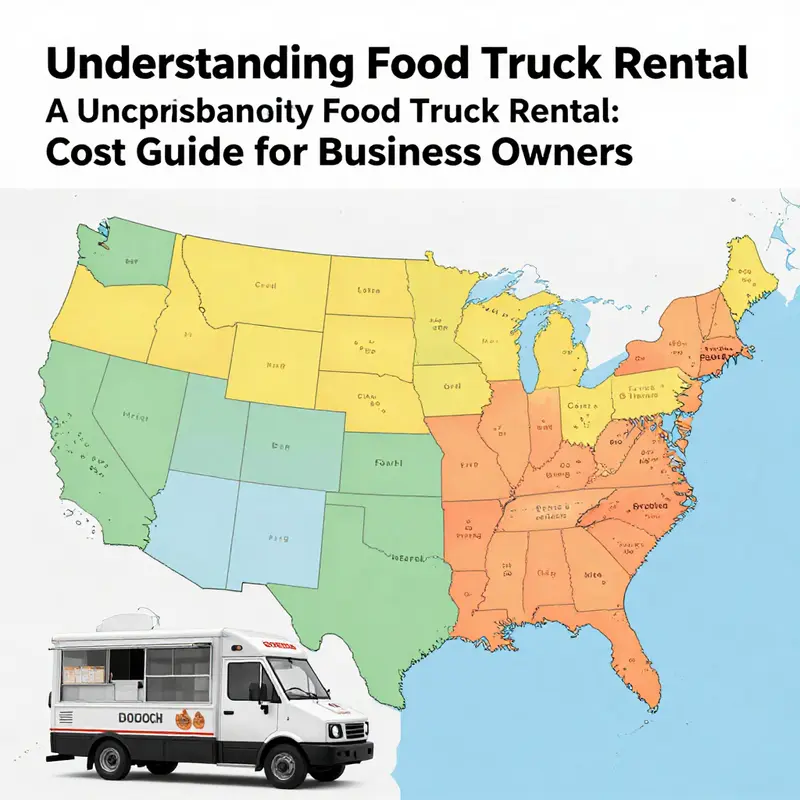
Pricing for food truck rentals is rarely a single flat rate. In mobile kitchen markets, the weekly cost reflects local realities—where you plan to operate, the duration of the rental, included equipment and permits, and the demand rhythms of that region. Prices typically span a wide band across markets, with a starting point around five hundred dollars per week and climbing to two thousand dollars per week or more in high-overhead, high-demand areas. Premium or highly customized units can command even higher weekly rates, especially when the rental includes turnkey services such as delivery, setup, sanitation, and sometimes permits. A concrete example from recent listings shows short-term rentals for specialized units reaching several thousand dollars per week when logistics and turnkey setup are included. For operators seeking precise quotes, the best approach is direct outreach to suppliers who can tailor terms, insurances, and included amenities to the intended use. The rental landscape contains many moving parts, and quotes often reflect more than the base chassis; they may cover kitchen equipment, sanitation arrangements, required permits, and options for short- or long-term commitments aligned with seasonal demand. In short, anchor expectations to location, duration, and bundled services rather than a single sticker price.
Rent or Rally: Decoding the Real Cost of Food Truck Mobility
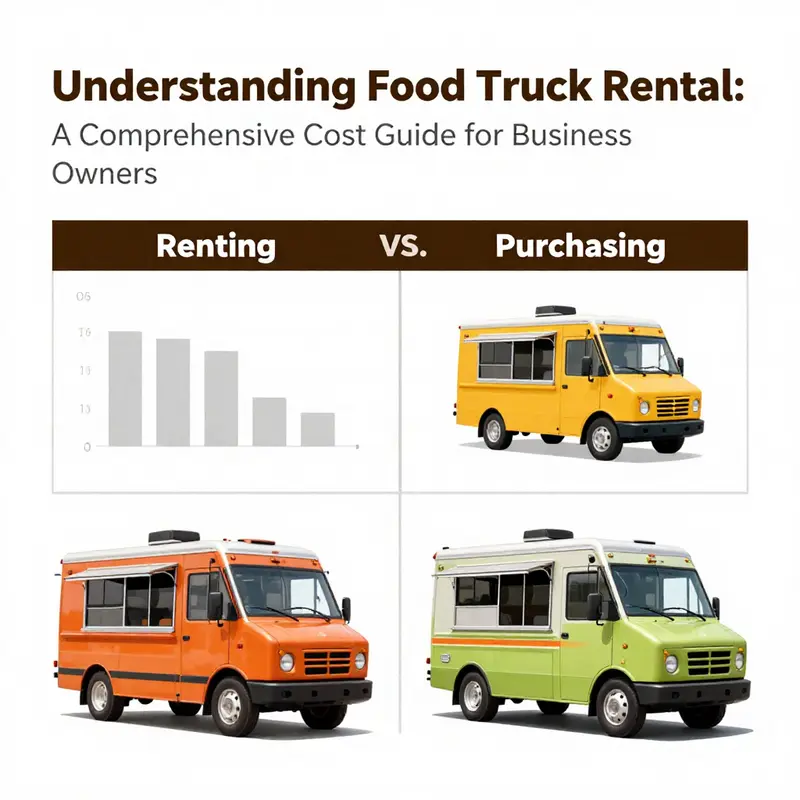
Entering the world of food trucks invites a practical question: how much does it really cost to get rolling? The simple price tag often isn’t the whole story. People with fresh concepts and limited capital imagine a single number that must be paid upfront, but the true financial picture unfolds as a tapestry of choices, timing, and trade-offs. When you peel back the layers, you find that rental cost is just the surface. The deeper calculus includes how long you plan to run the truck, how much flexibility you need, what amenities come with the unit, and how much you’ll spend on permits, utilities, and insurance. The numbers offered in market data reflect a broad spectrum. In general, renting a food truck tends to land in a weekly range that’s significantly lighter on day one than buying. Market observations commonly put weekly rental costs from roughly five hundred dollars to about two thousand dollars. The wide spread is not random; it mirrors the reality that trucks differ in condition, equipment, location, and the length of the rental period. A premium or specialty unit—think solar-powered configurations or custom-designed interiors—can command higher rates, especially when vendors bundle logistics like delivery, setup, and initial outfitting into the quote. This is where the rental decision begins to diverge from a simple monthly budget. A short-term listing quoted at several thousand dollars may, in fact, function as a turnkey solution for events or climactic market entry, but such prices often include transportation, assembly, and sometimes even initial permits. The practical reality is that you rarely see the full price in a single line item; what you pay is influenced by the scope of the package and the logistics required to get the truck into operation at your chosen site. For aspiring operators, this means the best initial step is to reach out to suppliers, because the final number is rarely a fixed number. The final quote depends on whether the rental covers basic kitchen equipment, the presence of permits, health department compliance, and whether the truck comes with utilities like powered refrigeration or a propane system. The cost-to-capacity ratio changes with every vendor’s bundle. The takeaway is straightforward: to answer how much a food truck rental costs on a practical, day-to-day basis, you must quantify both the core rental rate and what else is included or excluded in that rate. When you translate the weekly or monthly sticker price into the real-world rhythm of a business, you begin to see how rental fits into your model of operation. In many markets, a trader’s calendar—the number of days the truck will be on the road—drives the economics more than any single feature. If your plan is event-based, festival-heavy, or seasonal, rent offers a probability-weighted cost that aligns with your revenue potential. The question then becomes not only “how much is it per week?” but also how flexible you need the vehicle, what kind of kitchen you require, and which extras you’ll need to get up and running. When you map this to the upfront economics, the contrast with buying becomes clearer. A brand-new, custom-built food truck sits in a high seven-figure range in many cases, with typical starts from the mid-five to mid-six figures incorporating design, equipment, and compliance. Even a well-maintained used truck carries a meaningful price tag, often between thirty thousand and sixty thousand dollars, depending on mileage, condition, and included features. The rental path lowers the barrier to entry by spreading the investment over time and removing the heavier burden of ownership from day one. It’s a different kind of financial flexibility, and for operators who want to test the market, this flexibility can be more valuable than the potential long-term savings of ownership. Yet the story doesn’t end there. The ongoing costs of ownership—maintenance, repairs, insurance, and depreciation—become a constant after purchase. If you own, the truck is an asset that must be serviced, and every fix or upgrade can bite into cash flow. Insurance premiums rise with the asset’s value, and depreciation erodes the future resale value. On the rental side, many agreements offer maintenance and repair in some capacity, reducing the day-to-day burden of upkeep and letting operators focus on food and service. But rental is not costless either. Long-term rental payments accumulate and do not build equity; the asset remains with the provider, and your control over the vehicle’s long-term trajectory is limited. The trade-off becomes a question of risk tolerance and strategic timing. If you’re testing an idea, a single season, or a limited-event concept, renting is often the more prudent choice. It minimizes the upfront cash requirement, preserves credit lines for ingredients and marketing, and enables you to pivot quickly as you learn what works best in your market. If you project a sustained, multi-year presence and you want full control over branding, layout, and schedule, purchasing can offer greater long-term value—provided your forecast justifies the capital outlay and the ongoing costs that follow. The conversation about costs also benefits from a broader framework: how to translate rental or ownership into a sustainable cash flow. On paper, renting seems to reduce the burden of debt, spreading costs into manageable monthly payments and shifting some maintenance responsibilities to the provider. It can smooth out seasonality, particularly when operators don’t rely on the truck for every single day of the year. Yet, for startups with ambitions to scale quickly, the absence of equity in an owned asset can slow down debt capacity for future expansions or upgrades. The key is to project two or three scenarios with clear inputs: the expected number of operating days per week, the typical event size, the level of kitchen sophistication required, and the regulatory burdens in the target locations. A hypothetical exercise helps crystallize which path yields a healthier net by the end of year one, year two, and beyond. Suppose a truck rental costs between $1,500 and $4,000 per month, depending on condition and the included amenities. That translates roughly to $375 to $1,000 per week, though premium bundles can exceed that rate. If the rental company provides basic maintenance and basic equipment, the operator’s monthly outlay may feel lighter, but the cumulative annual spend can still be substantial, especially if a long-running schedule is anticipated. On the flip side, a purchase may require a substantial down payment or financing arrangement. The monthly loan payments, interest, and insurance must be weighed against the potential for longer-term depreciation and eventual resale value. If you operate with discipline, you can still achieve a favorable return on investment, especially if the truck becomes a core asset for your brand and you plan to operate for several years. But the reality remains that many startups use a hybrid approach: they begin with rental to validate the concept, then move to ownership when the model proves itself. This path helps preserve capital, reduces risk, and keeps channels open for expansion into additional locations or events without forcing a premature large-scale investment. Readers should also account for ancillary costs that can tilt the math. Premium or specialty units—such as solar-powered configurations or custom interior layouts—can command higher rental rates, especially when the price includes logistics, shipping, and setup. The trade-off, of course, is that the upfront economics of these premium rentals may seem attractive at first glance, but the long-term cost of ownership, if you decide to keep the vehicle for several years, can still present a compelling case for eventual ownership. What this all suggests is a practical framework: start with an assessment of your market, your appetite for flexibility, and your available capital. Talk to suppliers to get quotes that itemize what is included—equipment, permits, insurance, delivery, and setup—and ask for a breakdown of any hidden or incidental costs. A well-constructed quote can reveal discounts for longer commitments, bundled maintenance, or included utilities. It’s not unusual for operators to discover that the total cost of ownership, when viewed in context of a full calendar of events and a defined brand-building plan, shifts the cost dynamics in surprising ways. The decision to rent or buy becomes a strategic choice rather than a one-time calculation. Those who prioritize speed to market, low initial risk, and the freedom to refine their concept at the edge of the market often lean toward rental. Those who envision a durable, scalable brand with long-term roots in a community may find that ownership aligns better with their strategic goals. The final verdict depends on your goals, your cash flow, and your timeline. In practice, the best approach for many operators is to pilot with rental, learn through experience, and then re-evaluate ownership options as the business model matures. This approach keeps options open and preserves capital for the moment when the next big leap—perhaps a second truck, a more powerful kitchen layout, or a broader geographic footprint—becomes the logical next step. For readers who want a broader context to anchor these considerations, reputable industry resources offer a comprehensive view of the cost landscape and how it varies by region, equipment, and scale. External research can illuminate the complexities of the market and help tailor a plan to fit your local realities. For a broader context, see Shopify’s overview of food truck costs. External resource: https://www.shopify.com/blog/food-truck-costs
Final thoughts
In conclusion, understanding food truck rental costs is fundamental for business owners wishing to enter or expand in the mobile food industry. By reviewing weekly rental price ranges and identifying factors that influence these rates, as well as recognizing regional variations, business owners can strategize their financial investments more effectively. A thoughtful comparison of rental versus purchase options further enhances decision-making, allowing for clarity in business planning. With this guide as a foundation, responsible financial decisions can be made that align with long-term business objectives.