

For business owners who rely on pickup trucks for various operational needs, understanding the costs associated with renting these vehicles is crucial. Whether you’re planning to move supplies, transport equipment, or embark on new projects, the rental prices can vary significantly based on several factors. This guide will delve into the average daily and weekly rental costs across different cities, explore the factors influencing these prices, highlight regional variations, discuss long-term rental options and discounts, and finally, offer strategies for securing the best deals. By arming yourself with this knowledge, you can make informed decisions that will save you both time and money in your rental endeavors.
Navigating the Numbers: Real-World Daily and Weekly Costs of Rental Trucks
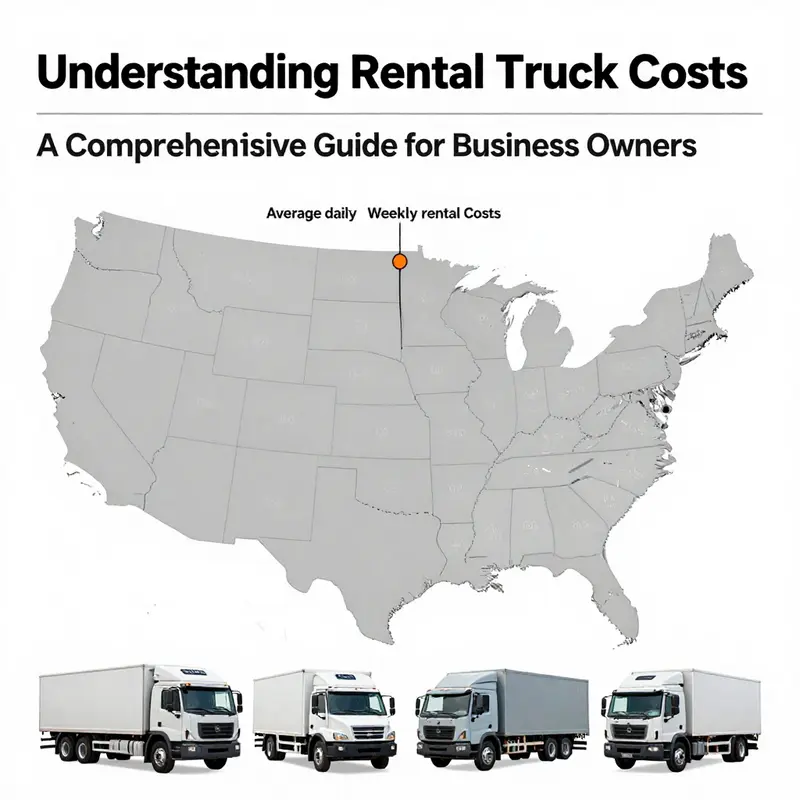
Prices for rental trucks aren’t fixed, and the math behind them can feel like a moving target. Across locations, vehicle classes, and rental durations, the numbers cluster around a few familiar ranges, but the spread is wide enough to matter when you’re planning a move or a big haul. Early 2026 data show that the daily rate often nests in the low to mid hundreds of dollars in some markets, while weekly and monthly figures can offer tangible discounts for longer commitments. The core idea is simple: the more time you lock in, and the more you can adapt to local conditions, the more you can stretch each dollar. Yet the exact price tag hinges on a constellation of factors beyond the sticker price on the dashboard of a given truck. Fuel, insurance, mileage policies, drop-off fees, and seasonal demand all tug on the final bill, sometimes in subtle, sometimes in dramatic ways.
Take Palmdale, California, as a representative case for a mid-sized market where the daily rhythm of rental pricing is relatively stable. The average cost for a pickup truck there sits around $84 per day, which translates to about $589 per week. When you look at the longer horizon, the monthly figure climbs to roughly $2,525, a density of cost that reflects both the daily rate and the way agencies price longer rentals. This pattern—roughly $80 to $90 per day, dipping or rising with the calendar—appears in many regional markets, but not with uniformity. In a different part of the country, Dallas, a Budget-affiliated option offers around $83 per day. That daily rate might seem modest, but the weekly projection—roughly $581 per week—highlights how weekly rentals can become a compelling bargain, especially if your schedule is inflexible and you can justify a full week of use.
There are places where the range is noticeably broader, signaling how market dynamics push pricing up or down. In Beaufort, South Carolina, the typical pickup truck rental can run around $119 per day. That figure sits higher than Palmdale or Dallas, reflecting local demand patterns, seasonal needs, or perhaps a different mix of vehicles in the catalog. The variability is even more pronounced when you look offshore. In Hobart, Australia, pricing shows a spectrum: a standard full-size pickup hovered near $94 per day, a larger pickup edged up to $133 per day, and a popular mid-size model is often quoted around $83 per day. The blend of vehicle class, fleet mix, and regional competition creates a backdrop where a single headline price becomes less meaningful without the context of what you’re actually renting.
In smaller markets or more competitive segments, the daily spread can be even wider. In Macon, Georgia, the average daily rate sits around $101 per day, but the market isn’t shy about bargains. Some listings dip as low as $52 per day, with a clearly favorable April being the cheapest month—around $63 per day—while August can push higher, toward $95 per day. Those fluctuations show why it pays to watch the calendar as you plan. Even the weekly picture in Macon communicates the economics: about $704 per week, and on the long view, a monthly estimate around $3,016. The contrast with Palmdale’s figures is instructive; in Macon you pay a bit more daily on average, yet the potential for steady weekly pricing exists if you align your rental with the right window.
Another dimension to consider is the range within a given city. In Conyers, Georgia, the spectrum can be striking: daily rates span from roughly $49 per day for the leanest mid-size pickups to about $94 per day for higher-demand configurations. That kind of spread matters when you’re weighing a short-term rental to finish a specific job against a longer-term arrangement for ongoing use. Corona, California adds another layer, with base daily rates starting around $42 per day for a standard pickup and $44 per day for a compact but capable option, while premium, specialty, or high-demand configurations can reach as high as $155 per day. The contrast is a reminder that “one size fits all” pricing simply isn’t how this category operates in practice.
The data also point to a seasonal cadence. Spring often brings softer pricing in some markets, while the busy summer months—driven by moves, renovations, and seasonal work—tend to push numbers upward. The Macon example makes this clear: April’s lower daily rates contrast with the higher price points seen later in the year. Seasonality interacts with location, vehicle class, and rental length to shape the total you’ll pay, so a savvy shopper looks not just at the headline daily number but at the full cost picture, including how the rental company prices longer terms and whether there are fixed fees that won’t go away with a shorter rental.
The mechanics behind the price are equally important as the numbers themselves. Flat daily or weekly rates don’t always cover everything you’ll pay. Fuel is usually separate—some agencies price the rental with a flat daily rate that assumes you’ll provide your own fuel, while others tilt toward a fuel-inclusive model or offer a reduced rate if you prepay fuel. Insurance and damage waivers add another layer, as do mileage policies. A per-mile charge can surprise you if your plan involves a long route or multiple trips over a short period, while drop-off fees can appear if you’re returning the vehicle to a different location than where you picked it up. Then there are administrative costs, taxes, and potential penalties for late returns or early returns. All of these variables can tilt the final out-of-pocket total by a meaningful margin, especially for longer durations.
What’s the practical takeaway for someone trying to estimate a rental truck budget? First, anchor your expectations around a base range rather than a single point. In many markets, you’ll see typical daily ranges from the low to mid $80s for standard mid-size pickups, with weekly costs hovering in the hundreds per week when you lock in a week. In higher-demand markets or with larger or specialty vehicles, the daily rate can climb into the $100s, and weekly figures will reflect that shift. If you’re planning a longer haul, the monthly price often lowers the per-day average, but only if you negotiate a longer-term rate that factors in continuous use and predictable return timing. Second, prepare for add-ons—insurance, fees, and fuel—that can trip your total beyond the base rental price. Third, factor seasonality into your plan. If you have flexibility, booking in a shoulder season—like spring in certain markets—can unlock meaningful savings, sometimes through promotions or lower daily rates.
When it’s time to hunt for a deal, the approach matters as much as the budget. A method that has proven effective for many is to search across multiple platforms at once, just as a broad comparison tool would do, to surface the best available rates. These platforms can assemble dozens of quotes from different agencies, sometimes delivering substantial savings—up to around 40% in some cases—by combining promotions, discounts, and flexible terms. If you’re aiming to secure a better price, look for filters that emphasize free cancellation and adjustable dates, which can protect you if your plan shifts. Booking in advance is advantageous, particularly during peak moving seasons. In locales where a fleet mix and demand swing more dramatically, a few days’ flexibility can unlock a lower daily rate or a cheaper weekly package.
For readers who want to explore discount opportunities beyond a single source, there are specialized resources that collect pricing and promos across providers and present them in a single search. If you’re curious about the range of discounts and how they’re applied, you can read more about discount opportunities here: truck rental discounts. This kind of resource can help you refine your plan, ensuring you’re not paying a premium simply because you didn’t compare options across the market.
In practice, calculating the final cost becomes a straightforward exercise once you separate the base rate from the extras. Suppose you need a four-day rental in a market where the standard daily rate sits around $85. The base would be about $340. Add fuel if your plan involves driving a longer distance than you’d anticipated, and include insurance or waiver options if you want protection against damage or loss. If the rental is in a city with a modest per-day add-on for administrative fees and taxes, you might finish in the $400-to-$450 range for the four days. If you extend to a full week, the daily rate may be discounted, and the weekly total would likely land closer to the mid-$500s, depending on the vehicle class and the exact terms. And if you’re considering a longer window—say, a month—the monthly price can become a meaningful savings lever, provided you’re comfortable with the mileage policy and the flexibility of returning at the end of the term.
Ultimately, the numbers tell a story about how people move goods, how fleets price themselves in competitive markets, and how a shopper can make sense of a spectrum that at first glance looks opaque. By focusing on the underlying cost structure, leveraging seasonal windows, and using robust comparison methods, you can translate a jumble of daily and weekly rates into a realistic, reliable budget that aligns with the scope of your project. The core takeaway is that cost is not a single line item; it’s a composite of time, vehicle class, location, and the willingness to explore options and plan ahead.
External resource: https://www.kayak.com/pickup-truck-rentals
The Price Equation for Rental Trucks: How Size, Timing, and Details Drive Cost

Cost is rarely a single number when you rent a truck. It behaves like a complex equation where the variables differ by city, by the exact vehicle you select, by how long you need it, and by a handful of details many movers overlook. As of early 2026, a quick review of market data across the United States shows a broad spectrum: in some places you can secure a basic pickup for under $50 a day, while in others the same class of vehicle might push toward $100 or more per day. Even within the same city, the model you choose–whether a mid-sized pickup, a compact cargo van, or a larger, more capable option–can swing the daily rate by tens of dollars. The numbers you will actually pay are a function of six intertwined factors, each shaping the final bill in noticeable, sometimes surprising ways. Understanding those factors is the first step toward budgeting accurately for a moving or a local haul, and it helps explain why two renters with similar needs can end up with very different quotes from the same rental company.
Size, capacity, and the nature of your cargo sit at the top of the list. Larger trucks, like full-size pickups with heavier payloads or larger moving vans, command higher base rates because they burn more fuel and carry more risk for wear and tear. The data reflect this reality clearly: most days, a Ford F-150 or a Jeep Gladiator will cost more than a midsize pickup like a Toyota Tacoma or Nissan Frontier. Yet there are exceptions where even a mid-size model can spike in price if the vehicle is newer, in high demand, or tuned with premium features. In places with tight inventory or where demand spikes during peak moving season, base rates can rise quickly even for familiar models. The contrast becomes vivid when you compare base quotes to premium options: a base rate might fall in the $40s to $60s in some markets, while a premium or specialty vehicle could easily eclipse the $100 per day mark. A striking example from the broader data set is the premium end where specialized or high-tech options—vehicles not typically used for routine moves—can reach well into five figures on a weekly basis when you account for all fees. The point is simple: vehicle choice is not just a preference; it is a driver of price.
The second major driver is duration–how long you need the truck and how far you intend to go. Local, short-term moves with a few hours of service often carry a higher daily rate than longer rentals that span several days, simply because the supplier prices the convenience of short windows at a premium. When you are planning a long-distance move, one-way rentals introduce another layer of cost: repositioning the vehicle to the right location adds logistics costs, and that is reflected in higher per-day or per-mile charges. Conversely, round-trip arrangements can be less expensive on a per-day basis because the company does not have to relocate the truck to a different destination. In practice, this means thinking beyond the clock and considering how much time you actually need the truck to be in your hands, not just how many hours you will operate it. The weekly and monthly figures that emerge in the data are roughly $589 per week in some markets and around $704 per week in others, underscoring how the rental landscape rewards longer commitments, but only if you can commit to the logistics that come with extended use.
Mileage is the third variable that quietly wields influence. Many rental agreements feature a set number of miles included with the base rate, after which a per-mile surcharge applies. The twist for many pickup rentals is that the miles are often bundled into the daily or weekly rate rather than charged per mile as with larger moving trucks. However, if you are moving across town or driving a long way for a pickup, those extra miles accumulate quickly and can surprise you with a substantial overage charge. The trick is to estimate your total distance as accurately as possible and choose a plan that aligns with that estimate. If you anticipate a longer hop, some renters offer packages with more generous mileage or even unlimited mileage for certain vehicle classes or promotions. The cautionary tale here is simple: underestimate your miles, and the overage fees can overwhelm any apparent savings on the daily rate.
Beyond the vehicle and the miles, there are the fees and services that add to the tally. Insurance is the most common optional line item that travelers encounter, and it can dramatically affect total cost. Collision damage waivers and liability coverage add a predictable bump to the daily price, and often both are marketed as mandatory options, even when you carry your own comprehensive coverage. If you are not careful, you can sign up for coverage you already have or that the card you are using provides, and you will still be paying for it on the rental agreement. Then there are extras: towing equipment if you need a trailer or dolly, ramps, tie-downs, and protective equipment, all of which may be available on-site or bundled in a premium package. Fuel policy is another predictable cost center. The common expectation is to return the truck with a full tank, otherwise you will face refueling charges that can be steep or accompanied by a convenience surcharge. It is not unusual for a simple task like driving a short distance to become a larger expense if the return fuel option is chosen, so the best practice is to map your fuel needs in advance and either fill up before returning or choose a prepay fuel option only if you are certain you will not need the full amount.
Location and seasonality thread through every price tag in a more volatile way than most buyers expect. Prices tend to be higher in major metropolitan areas, where demand is dense and turnover is frequent. Seasonal spikes show up most clearly in the summer and around holidays, when families and businesses move more and there are fewer shortages of pickers and drivers. The April lull noted in some markets, contrasted with the hotter, busier months of late spring and summer, illustrates how demand swings can tilt a quote by a noticeable margin. The interplay between supply and demand means that a quote you see in one city may feel almost inexplicable when you compare it to a neighboring market just a few hours away. A cautious planner will scan multiple locations and be willing to shift pickup or drop-off points to capture a more favorable price, especially when timing is flexible.
The brand and provider behind the wheels matter too, though the effect is less about the name on the side and more about the pricing model, vehicle lineup, and the level of service attached to each rental. Different rental companies operate with distinct base rates, add-on packages, loyalty promos, and promotional discounts. The choice of brand can determine not only what model you get but how transparent the final price will be after all mandatory and optional items are tallied. It is not unusual to see a marked difference in the same class of truck across providers, particularly when one company emphasizes value through longer rental terms and another markets premium service with newer fleets. The result is a pricing ecosystem where an identical truck in one city can look markedly cheaper on one platform and more expensive on another, simply because the bundled services, insurance expectations, and mileage allowances differ.
With these six drivers in mind, the practical task becomes estimating a total that reflects real life rather than a headline daily rate. A sound approach starts by identifying the truck class you truly need. If you are moving furniture-heavy or you have bulky items, the premium cost of a larger truck may be justified by the savings in trips and time. If you are moving lighter boxes and small furnishings, a smaller pickup can be the smarter financial choice, provided mileage and fuel costs do not rise disproportionally. Then map out the trip: how many days will you need the truck, how many miles will you drive, and what is the likely fuel cost given your route and the vehicle’s efficiency. Don’t forget to factor in insurance, potential drop-off fees, and any equipment you will require for securing the load. A rough calculation might look like this: base daily rate times the number of days, plus any weekly or monthly packages if you commit, plus a mileage overage estimate if your route exceeds the included miles, plus insurance and accessory fees, plus a refueling cushion. When the math is laid out this way, the final number becomes a more accurate forecast than any single daily quote would suggest.
In practice, savvy renters reduce surprises by using comparison tools to see a spectrum of offers, then applying a few simple checks before booking. Compare several vehicles of the same class, look for free-cancellation options to preserve flexibility, and read the fine print to understand what is included in the stated rate and what requires an extra payment. If you encounter promotions such as discount codes or loyalty discounts, it is worth applying them, especially when your schedule is flexible. For those who want to explore savings through promotions, a practical option is to review dedicated promo pages that aggregate discount opportunities, such as Penske truck rental discounts. This kind of targeted savings tactic can shave tens of dollars off the base rate, particularly on longer rentals or in markets with intense competition among providers.
Finally, for a reliable snapshot of real-time pricing and availability, turn to a broad search platform that canvasses multiple vendors at once. These tools can reveal how a one-week rental with a mid-size pickup can vary by city and by week, reminding you that the lowest daily rate isn’t always the best deal if it comes with higher fuel costs, stricter mileage limits, or limited access to the exact model you prefer. See, the price you end up paying is the sum of many small decisions made ahead of time: your vehicle choice, your timing, how far you must drive, the coverage you select, and how you handle fuel and additional equipment. In other words, the total cost is an outcome, not a starting price, and mapping that outcome requires a careful, methodical approach. For those who want a practical starting point, real-time options are readily available, and the data to support an accurate estimate is within reach through reputable search platforms and careful comparison.
External resource for further reading: https://www.kayak.com/pickup-truck-rentals
Where Location Drives the Price: Understanding Regional Variations in Rental Truck Costs
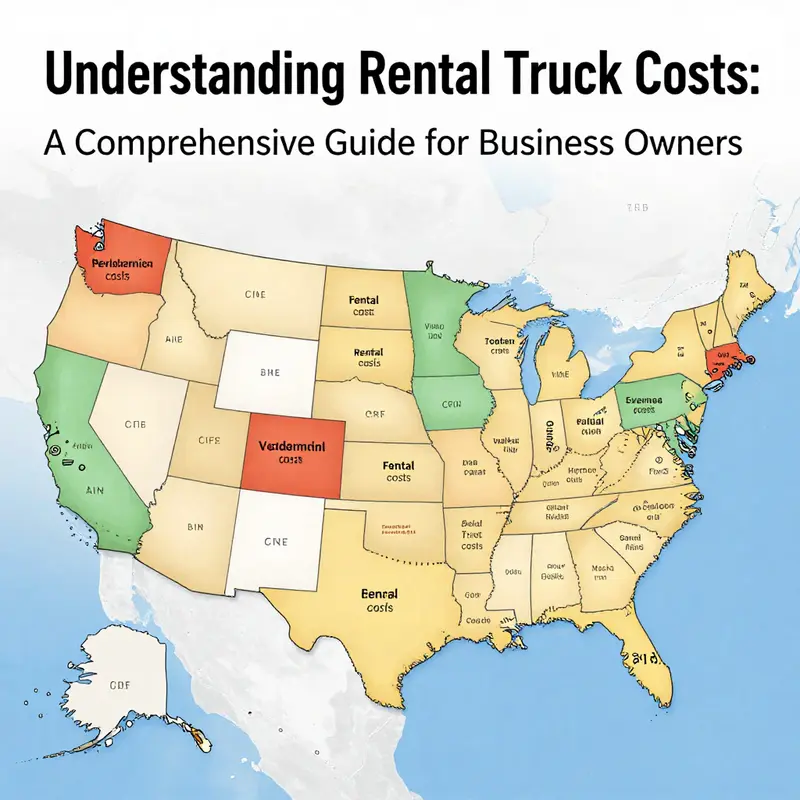
Prices for renting a pickup truck can feel personal—until you factor in the region where you pick it up. The same model, the same day, and even the same rental term can translate to markedly different totals depending on local demand, fuel costs, and the limited or abundant supply of available vehicles. This regional mosaic matters because it shapes the base cost you’ll see when you start comparing options, and it helps explain why someone else’s road trip or moving day costs more or less in a city miles away from you. As of early 2026, data drawn from multiple U.S. cities illustrate how these regional forces play out in practical dollars and cents. In Rochester, New York, a pickup truck can be priced around $90 per day, with the possibility of a discounted rate dipping to about $74 per day for longer or prepaid arrangements. In Macon, Georgia, the typical daily rate sits near $101, while promotions can pull that figure down to the mid-$50s or even the low $60s in slower-moving months. Palmdale, California shows a more modest headline at roughly $84 per day, translating to about $589 for a full week. In Conyers, Georgia, a wide price range appears—from roughly $49 per day for a smaller model to about $94 per day for a larger, more capable pickup. Corona, California presents a different flavor altogether: some deals start as low as $42 per day, others hover around the $44 mark for standard trucks, while premium or specialty options can reach well above $150 per day. Even beyond the United States, regional dispersion continues to shape numbers; in Peru, full-size trucks typically begin around $63 per day, though local factors still apply. These snapshots highlight a pattern: regional economics, not just the brand or the model, largely drives rental truck pricing.
The same geographic logic applies when you look at weekly and monthly rates. In Macon, the weekly cost aligns with the daily rate at around $704, while the longer-term monthly figure hovers near $3,016. Palmdale’s weekly price settles around $589, with monthly costs in the $2,525 neighborhood. These longer horizons can produce real savings, but the underlying regional dynamics—competition among local suppliers, seasonal demand, and how many days you actually need the vehicle—still shape the total. The upshot is simple: a city’s market climate directly threads through the price tag you see on the rental contract, so your best deal in one metro area might not be the same in another.
If you zoom in on why these regional differences exist, several threads appear. First is demand—areas with high construction activity, frequent moving services, or dense urban development tend to command higher rates because the pool of available pickups shrinks as buyers and contractors chase the same limited fleet. The inverse is also true: rural or less densely populated regions—where moving needs are steadier but less frenetic—often offer more competitive pricing, especially if there are more local rental options fighting for business. Fuel costs are another critical knot. Regions with higher gasoline prices add a subtle lift to operating expenses, nudging daily rates up as operators adjust to the cost of keeping engines on the road. It’s not a one-to-one relationship, but the general direction is clear: higher fuel prices can signal slightly higher daily costs to offset the broader spread in price per mile or per day.
A separate, practical implication of regional variation is the level of competition. Fewer rental providers in a particular market can mean less price pressure and fewer promotional incentives. In markets where multiple providers vie for the same customer, you may see more aggressive discounts, bundled insurance options, or longer free cancellation windows to seal the deal. This competitive tilt matters when you’re planning a move or a quick run to haul equipment, because the cheapest day-rate you see online doesn’t always tell the full story until you factor in the add-ons that accompany it.
Seasonality also threads through regional pricing. Demand tends to crest in the summer as families relocate and contractors mobilize projects, lifting daily and weekly rates. Spring, however, can bring softer demand in some markets and reduced pricing, as seen in Macon’s April dip. If you’re flexible about timing, you can leverage the calendar to trim costs in specific regions. It’s not a universal trend, but the seasonal cadence of moving and building activity tends to follow a recognizable arc in many regions across the country.
One more layer to consider is vehicle type and its regional availability. In every market, larger or more premium pickup configurations come with higher daily rates. If a metropolitan market has ample supply of mid-sized trucks and fewer of the larger, more rugged options, you’ll find the lower end of the price spectrum more easily. Conversely, in markets where supply skews toward the larger end, the daily price ladder shifts upward. The practical effect is that regional pricing isn’t just about where you are; it’s also about what your local fleet looks like on any given day.
For readers seeking more concrete, side-by-side comparisons that consider daily rates, mileage policies, and transport options, the landscape can feel dense. The simplest approach is to gather a few regional quotes for a specific date range and vehicle class you have in mind, then line them up against the out-the-door cost where insurance, fees, and taxes are included or clearly itemized. It’s easy to overlook a drop-off fee in one city and a mileage cap in another, yet those details can swing the total by a meaningful margin. And because the regional picture is so fluid, it’s wise to revisit quotes if your plans are not locked in yet, especially during peak moving seasons when demand can flip overnight.
The broader takeaway from these regional dynamics is that the sticker price you see is a snapshot, not a verdict. It’s shaped by where you’re renting, not merely by what you’re renting. If you’re drafting a budget for a move, a construction project, or a heavy-haul errand, you’ll gain clarity by embracing the regional lens: know the typical daily range in your area, estimate a realistic weekly or monthly cadence, and flag potential extras you’re likely to encounter in that market. In practice, this means budgeting a cushion for surcharges such as insurance add-ons, fuel, potential mileage beyond the included allotment, and a possible drop-off fee if you don’t return the truck to the original location.
Tying this understanding back to the broader article topic, regional price variation is a core reality of rental truck costs. It explains why a single number never tells the full story of what a move or a project will cost. It also underscores why shoppers who want a reliable benchmark should look beyond one city or one quote. Regional awareness, a bit of calendar savvy, and attention to the hidden costs—fuel, fees, insurance, and the truth about mileage—equip readers to negotiate smarter and to choose a path that aligns with both budget and schedule. For readers who want a practical step-by-step route to uncover regional deals, there is a helpful resource focused on regional and promotional opportunities: it compiles promotions and discounts across locations and can guide you to more favorable terms in your area. You can explore this with the internal link below, which directs you to more detailed coverage of regional promotions and discounts.
Internal reference for readers seeking region-specific promotions: regional Penske truck rental discounts.
For those who want a broader external perspective on cost comparisons across regions and supplier networks, a comprehensive external guide offers a detailed, up-to-date look at daily rates, mileage policies, and transport options for pickup truck rentals. See the external resource here: cost comparison guide for pickup truck rentals.
null
null
Riding the Rates: A Practical Guide to Finding the Best Deals on Rental Truck Costs
Cost is the compass when planning a move or a quick local haul with a rental truck. The question is rarely simply what a truck costs to rent; it is how the price moves with the city you choose, the length of time you need it, and the size of the vehicle that fits your load. Recent data from across the United States, capturing early 2026 pricing, shows a broad landscape. In Rochester, NY, a pickup can run around 90 dollars a day, with a discounted path down to the low 70s under certain terms. In Macon, GA, the average sits near 101 dollars per day, but deals can dip as low as the upper 50s or the low 60s in slower months, and the late spring dip can push weekly totals into the mid-700s. Palmdale, CA sits a bit lighter, about 84 dollars per day on average, translating to roughly 589 dollars over a week. Conyers, GA presents a wider spread, from roughly 49 dollars on smaller options to near 94 dollars for more capable models. Corona, CA paints a similar range, with some base prices in the 40s per day but premium models climbing to triple digits. Even outside the United States, in Peru, full-size trucks offer starts around 63 dollars a day, underscoring how vehicle class and market dynamics shape costs across borders. These figures illuminate two realities: daily rates are the most visible metric, and the true cost of a rental truck is a sum that grows with duration, additional protections, and fuel needs.
To understand the practical implications, it helps to translate daily rates into weekly and monthly frames. In Macon, a typical week around 101 dollars per day amounts to about 704 dollars. For longer moves or repeated use, the same vehicle can shift into a monthly rate in the low thousands, often around 3,000 dollars when the terms are fixed and the fees are predictable. Palmdale shows a similar weekly figure near 589 dollars and a monthly projection around 2,525 dollars when the rental plan emphasizes flat-rate pricing. The values above are not universal constants; they are snapshots shaped by location, demand, and the exact model on offer. A larger truck costs more per day than a mid-size model, often due to payload capacity, drivetrain options, and the perceived utility of the vehicle in specific markets. If you are renting a capable pickup or a mid-size box truck for a short city run, you will tend to pay less per day than for a heavy-duty option intended for a long interstate move.
Several factors fuel the price dynamics you will encounter. First, fuel efficiency and mileage terms matter even when the base price is quoted as a flat daily or weekly fee. A vehicle with higher fuel consumption can erode savings quickly if your trip involves substantial highway miles, while some rentals are flat-rate for the duration but require you to cover fuel out of pocket. Insurance and damage waivers add another layer. If you want coverage beyond the basic protection, or if you opt for more comprehensive loss protection, your daily rate can rise noticeably. In addition, there are often drop-off fees when you return the vehicle to a different location or after hours, and environmental or facility fees can appear in the final tally.
Seasonality also leaves a footprint on the bill. Demand tends to spike during peak moving seasons, typically in late spring and summer, when availability can tighten and prices rise in response. The spring lull—April in some markets—can produce more favorable deals, while the heat of summer can push daily rates higher. Vehicle type is another clear lever. Full-size pickups and specialty models like premium off-road variants command higher prices than mid-size pickups or standard configurations.
With those realities in view, what path should a cost-conscious renter take to find the best deal? The core strategy is thoughtful comparison and strategic timing. Start by acknowledging that a single source rarely yields the best price. Using a combination of platforms that aggregate offers helps you sift through the options quickly, revealing where the most favorable combination of daily rate, included mileage, and fees sits. Rather than chasing a brand name, look for the overall value—how many miles are included, what the insurance coverage entails, and whether there are hidden charges for fuel or late returns. This approach aligns with the practical reality that flat daily rates can exist alongside mileage caps, which may complicate costs if your trip extends beyond the allotted distance.
Another decisive lever is booking strategy. Planning ahead, especially during the off-peak windows, often yields lower rates and more favorable terms. Flexible dates can be a powerful asset; a few days of shift can produce a noticeable drop in the daily rate and a better chance of landing a larger vehicle at a lower price. If your schedule permits, consider a midweek rental instead of a weekend pickup to capture lower prices and easier pickup experiences. Where possible, seek options that include free cancellation or minimal change fees, preserving your ability to switch to a better rate without penalty if a more favorable deal materializes.
Loyalty programs and payment rewards also matter, though they operate differently from one brand to another. Some programs offer a points system that can be redeemed toward future rentals, while others provide percentage discounts on the base rate or on add-ons such as insurance or accessories. If you anticipate frequent rentals, enrolling in a loyalty program can accumulate value over time, potentially tipping the balance toward a more economical choice for a subsequent move. For longer-term or repeated use, look for flat-rate pricing or discounted multi-day packages. The arithmetic matters: a modest daily discount multiplied by a long rental period can yield meaningful savings, particularly if insurance and mileage with included limits are favorable.
Beyond national chains, there is value in checking local or regional truck rental outfits as well. Smaller operators often operate with leaner overhead and can price aggressively to win a local customer’s business. The result can be a meaningful difference in total cost, especially on shorter moves where the convenience of a nearby location reduces time and fuel spent just to pick up and drop off the vehicle. When exploring local options, it helps to verify the same core terms you would with a larger company: duration, mileage terms, insurance coverage, fuel policy, and any extra fees.
In the search for price clarity, a practical habit is to confirm exactly what is included in the quoted price. The lowest daily rate can be alluring, but if it comes with mileage caps, additional per-mile charges, or a high daily insurance cost, the final total can outpace a slightly higher base rate with generous included mileage and reasonable protections. Real-time quotes are particularly helpful for this task because they reflect current availability and any time-sensitive promotions. When you compare, aim to understand the math behind the numbers: what is the base rate, how many miles are included, what are the fuel requirements, and what fees might be tacked on at checkout.
For those who like to plan with a concrete example, imagine a scenario where you need a mid-size pickup for a week. If the base daily rate is around 80 to 90 dollars, multiplying by seven gives a baseline in the 560 to 630 range. Add a modest insurance premium and a standard fuel policy, and the total could land in the 650 to 800-dollar zone, depending on mileage terms and any drop-off or late-return fees. If a different model or arrangement pushes the daily rate into the 100-dollar range, the weekly total can climb into the 700s or low 800s. The variance illustrates why a methodical comparison matters more than chasing a single favorable number.
To make this process practical, consider a step-by-step approach that keeps the decision grounded in your specific needs. First, determine the exact duration and distances you expect to cover, even if your plan is fluid. Then outline the vehicle size you truly need, balancing payload capacity, maneuverability, and fuel efficiency. Next, set a price ceiling that aligns with your budget and the scale of the move. Use a price aggregator that aggregates multiple sources without bias toward a single provider, and filter results by inclusions that matter most to you—free cancellation, included mileage, or reduced insurance costs. Finally, reach out to a few local operators to confirm current offers and ask about any seasonal promotions that may apply to your dates.
For readers who want a concrete, practical anchor, the guidelines above can be interpreted through a simple lens: the cheapest daily rate is rarely the best deal if it comes with heavy mileage penalties or skimpy insurance. A balanced plan often results in the lowest total cost when the duration aligns with a sustainable mileage allowance and a reasonable insurance package. If you want to explore a size-specific option and understand how a typical 16-foot truck stacks up in pricing, you can delve into a focused guide on that model here: 16-foot truck rental. This page offers context on how size influences price and helps you calibrate expectations for your own move.
With these principles in mind, you can approach rental truck costs with a disciplined mindset rather than chasing a single advertised number. The goal is to translate the snapshot prices into a reliable forecast for your move, ensuring you are not surprised by fees or restricted mileage once the clock starts ticking. That foresight pays off in the confidence to pick a vehicle that both fits your load and respects your budget. For real-time pricing and a sense of the landscape, consult the updated pricing pages and the terms that accompany them at the time you plan your rental, and keep an eye out for seasonal promotions that can tilt the balance in your favor.
External resource: https://www.uhaul.com/rental-trucks/
Final thoughts
Navigating the rental truck market can seem daunting for business owners, but understanding the key factors that influence costs can significantly enhance your decision-making process. From recognizing the average daily and weekly rates to being aware of region-specific pricing variations, every aspect plays a role in determining overall expenses. Additionally, exploring long-term rental options can yield notable discounts, further alleviating costs associated with transportation needs. Ultimately, employing strategic tactics to scout deals will not only save your business money but also enhance operational efficiency. With this knowledge, you’re equipped to make informed rental decisions that align with your business goals.