

Navigating the challenges of the food truck industry requires careful planning and protection, especially when it comes to securing rental vehicles for business operations. Business owners are increasingly turning to credit cards, like the Chase Sapphire, not just for rewards but also for the added security of rental truck insurance coverage. Understanding how this insurance works is vital, particularly for those who rely on rental trucks to transport their mobile kitchens to various locations. The Chase Sapphire Preferred® and Reserve® cards provide primary rental truck insurance that covers damage and theft, effectively offering peace of mind while fulfilling business needs. However, business owners must be aware of the terms and conditions that apply, such as requiring the rental company’s Collision Damage Waiver (CDW) to be declined and paying the full rental cost with the card. For detailed insights on the necessity of comprehensive insurance options for food trucks, read more here.
Common Questions About Rental Truck Insurance and Chase Sapphire Coverage
Here’s a list of common questions that business owners may have regarding rental truck insurance, specifically focusing on the coverage provided by the Chase Sapphire credit cards:
-
Does Chase Sapphire cover rental truck insurance?
Yes, both Chase Sapphire Preferred® and Chase Sapphire Reserve® cards offer primary rental car insurance, including trucks, if the rental cost is charged to the card and the rental company’s Collision Damage Waiver is declined. -
What type of coverage does Chase Sapphire provide for rental trucks?
The coverage includes damage and theft of rental vehicles, up to the actual cash value of the truck rented, which can be up to $60,000. -
Are there limitations in Chase Sapphire’s coverage for rental trucks?
Yes, the coverage does not extend to liability for injuries or damage to others, medical expenses, or personal items lost during the rental period. -
Do I need to purchase additional insurance from the rental company?
If you use your Chase Sapphire card and decline the rental company’s CDW/LDW, you generally do not need additional coverage, but it is advisable to confirm your personal insurance policy for any gaps. -
Is the coverage effective worldwide?
Yes, the coverage applies in the U.S. and most foreign countries, as long as the rental conditions are met. -
What happens if there’s an accident or theft?
You should report the incident to the rental agency and Chase, and follow the claims process outlined by the primary coverage issuer. -
What if I have personal auto insurance?
The Chase Sapphire card provides primary coverage, meaning it pays out before your personal auto insurance coverage is activated.
For more detailed information on using your Chase Sapphire card for rentals, you can check out these resources: Chase Sapphire Rental Car Insurance Guide and Chase Sapphire Benefits Overview.
Chase Sapphire Rental Truck Insurance Coverage
Business owners often find themselves in need of rental trucks for various reasons-whether for moving equipment, transporting goods, or other logistical tasks. However, understanding the insurance coverage that comes with your credit card can be vital. If you’re considering using the Chase Sapphire credit cards for your rental truck needs, here are the key coverage details to note:
Coverage Overview
-
Primary Coverage: Both the Chase Sapphire Preferred® and Chase Sapphire Reserve® cards offer primary rental truck insurance. This means that if you use these cards to pay for the full cost of the rental truck and decline the rental company’s optional Collision Damage Waiver (CDW) or Loss Damage Waiver (LDW), the insurance from Chase takes effect immediately without going through your personal auto insurance.
-
Reimbursement Limits: The coverage provides up to $60,000 in reimbursement for damage due to theft or collision, capped at the actual cash value of the vehicle. This can be extremely beneficial for business owners who may be renting trucks worth a substantial amount.
-
Worldwide Coverage: The insurance applies to rentals worldwide, although some restrictions may apply in certain areas.
Exclusions
-
Commercial Use Limitations: It’s important to note that this coverage does not extend to commercial or heavy-duty trucks intended for business operations. The Chase Sapphire insurance primarily covers standard passenger cars and small trucks suitable for general use. Business owners should consider this when renting larger freight trucks or vehicles intended for commercial transport.
-
No Coverage for Third-Party Liabilities: The Chase Sapphire coverage does not protect against any liability for injury or damage caused to others. Business owners should consider additional liability insurance if they are concerned about potential damages involving third parties.
Conclusion
For business owners needing rental trucks, utilizing the Chase Sapphire card can provide solid insurance coverage, offering peace of mind during transport or relocation activities. To dive deeper into the advantages or related topics, feel free to learn more about rental truck essentials.
In case you’re also considering moving, check out insights about Penske truck rentals for a wider array of options.
Comparison of Rental Truck Coverage
When considering rental truck insurance coverage provided by credit cards, the Chase Sapphire Preferred offers competitive benefits alongside other popular options. This table outlines essential comparisons between Chase Sapphire Preferred, American Express Platinum, Capital One Quicksilver, and Citi Premier regarding their coverage details for rental trucks.
| Credit Card | Coverage Type | Coverage Limit | Key Exclusions |
|---|---|---|---|
| Chase Sapphire Preferred | Secondary | Up to $60,000 | Does not cover liability, personal injury, or loss of items. Must decline CDW from rental company. |
| American Express Platinum | Primary | Up to $75,000 | Does not cover commercial vehicles or cargo trucks; roadside assistance available. |
| Capital One Quicksilver | Primary | Up to $50,000 | Must decline CDW from rental company; limited to U.S. and Canada only. |
| Citi Premier | Secondary | Varies; generally lower than others | Coverage does not extend to liability or injuries; roadside assistance included. |
The Chase Sapphire Preferred card provides secondary rental truck insurance, which means that it will only apply after your primary auto insurance has been utilized. For those looking for broader protection, options like the American Express Platinum Card provide primary coverage, which could be more beneficial under certain circumstances. For more insights on rental pricing and insurance, consider checking out our article on rental truck insurance.

This visual comparison can help you make informed decisions as a business owner when renting a truck and evaluating credit card insurance coverage options.
The Importance of Rental Truck Insurance for Business Owners
For business owners, particularly those in the pizza truck industry, having adequate rental truck insurance is not just a safety net; it is a crucial component of sustainable operations. Operating a mobile food service comes with unique risks that require careful consideration and comprehensive coverage.
Understanding the Risks
The risks associated with running a pizza truck are manifold. According to the National Association of Small Business Owners (NASBO), mobile food vendors face the danger of accidents, such as collisions either during transit or while parked at food serving spots. Such accidents can lead to significant liabilities, including:
- Medical bills for injured customers or employees
- Property damage claims from other involved vehicles or property
- Legal fees that arise from lawsuits related to accidents or food-related incidents
Financial Consequences of Not Having Insurance
Without adequate insurance, pizza truck operators can find themselves in a precarious financial situation. A report from the Small Business Administration (SBA) indicates that standard auto insurance policies often do not cover commercial operations. This gap in coverage can lead to serious repercussions:
- Lawsuits and financial settlements: If an accident occurs and the food truck is not insured, the owner may have to pay out of pocket for damages, which can be financially devastating.
- Damage to business reputation: Incidents can harm a business’s reputation, leading to a loss of customers, and therefore revenue.
- Loss of operational capabilities: If a truck is involved in an accident and is not insured, not only is the physical vehicle at risk, but the business’s ability to operate is directly impacted, causing potential revenue loss.
The Necessity of Comprehensive Coverage
It is imperative for pizza truck owners to invest in comprehensive rental truck insurance policies. According to the Insurance Information Institute (III), rental truck insurance helps cover third-party claims and protects business assets. Without such coverage, owners risk personal bankruptcy from large settlements, making insurance a non-negotiable component to ensure business longevity.
In conclusion, the inherent risks of the pizza truck business make adequate rental truck insurance essential. It not only serves to mitigate financial risks associated with accidents but also safeguards the business’s future and its reputation in the community. As you continue navigating the mobile food service landscape, ensure you have proper insurance coverage to protect your investment and your livelihood.

“Rental truck insurance is not just a formality-it’s the financial backbone of any mobile business. Without comprehensive coverage, a single accident can lead to catastrophic losses, including vehicle damage, third-party liability claims, and operational downtime. For businesses that rely on daily operations, such as delivery services or field contractors, insurance ensures continuity and protects against unforeseen liabilities.”
- Sarah Chen, Senior Risk Management Consultant, National Transportation Safety Council
Source: TruckInsurance.com
Incorporating this perspective from an expert highlights the necessity of rental truck insurance for mobile business operations, emphasizing that it is essential for protecting against various liabilities. This insurance is particularly vital for businesses that rely heavily on the continuous operation of their vehicles, such as delivery services and field contractors. For those looking for details about rental truck insurance options, you can read more about rental truck coverage.
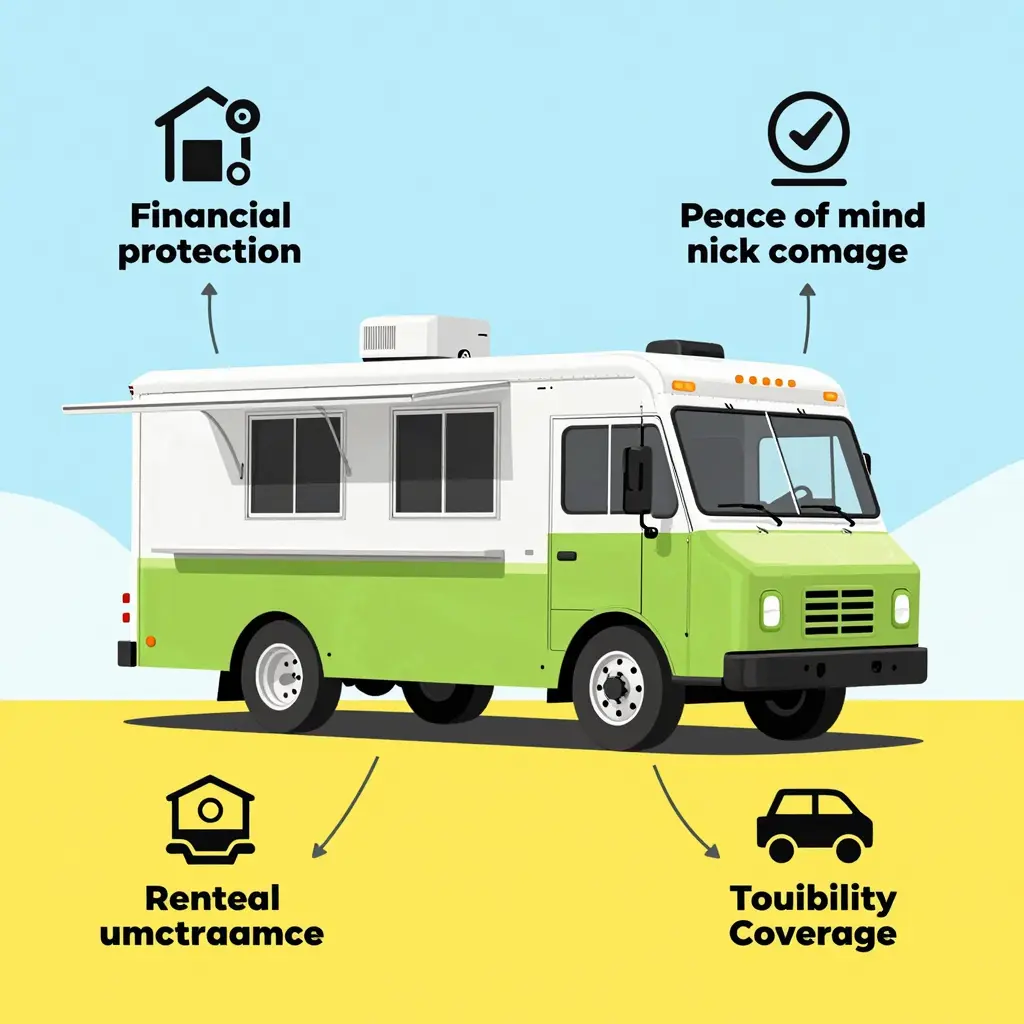
Business owners frequently face challenges when it comes to renting trucks for operations, particularly regarding insurance coverage. The Chase Sapphire credit cards, specifically the Sapphire Preferred® and Sapphire Reserve®, offer unique rental truck insurance benefits that many business owners have found advantageous. Here’s a summary of user experiences, testimonials, and case studies highlighting how they’ve utilized these benefits effectively.
Coverage Details
Chase Sapphire cardholders can access rental vehicle insurance, including rental trucks, provided the following conditions are met:
- Full Payment Requirement: The total rental cost must be charged to the Chase Sapphire card.
- Declining CDW/LDW: Cardholders need to decline the rental company’s Collision Damage Waiver (CDW) or Loss Damage Waiver (LDW).
- Primary Renter: The cardholder must be the primary renter.
This coverage is primarily focused on damage or theft of the rental vehicle, and it pays out first, eliminating the need for claims through personal auto insurance. However, it does not cover liability, medical expenses, or personal belongings.
Positive Experiences from Business Owners
-
Case Study from Texas: A small business owner based in Texas shared his experience of using the Chase Sapphire Reserve® card to rent a moving truck for project purposes. When he accidentally damaged the truck’s rear bumper after hitting a guardrail, he faced the possibility of significant out-of-pocket expenses. Choosing to decline the rental company’s $35 per day CDW and charging the entire rental cost to his card, he found that Chase covered the repair costs directly. This decision ultimately saved him over $1,200, illustrating the financial relief these benefits can provide under unforeseen circumstances (Forbes).
-
Logistics and Construction Insights: Several testimonials from logistics and construction firms emphasized the effectiveness of the Chase Sapphire coverage for short-term truck rentals. Business owners affirmed that this insurance works well when transporting equipment on job sites. However, they advised checking local rental policies before renting to confirm coverage limits and avoid unexpected fees, such as diminished value claims (NerdWallet).
-
Avoiding Out-of-Pocket Expenses: A common theme among numerous reviews is the ability to avoid costly claims with personal insurance. By utilizing the primary coverage feature, many found peace of mind when driving rental trucks, especially during critical business tasks. This has created a substantial advantage for business owners looking to manage operational risks without incurring additional costs.
Conclusion
The Chase Sapphire card provides valuable rental truck insurance benefits that can save business owners substantial amounts of money in case of accidents. By requiring full payment through the card and declining additional insurance from the rental company, users can leverage primary coverage effectively. Overall, testimonials validate that Chase Sapphire’s unique offerings are a practical solution for companies that often require rental trucks for their operations.
For additional insights on renting trucks, check our article about Penske truck rentals which discusses various options and considerations.
Incorporating these strategies allows business owners to navigate rental truck inquiries more effectively while ensuring they protect their interests on the road.
In conclusion, understanding the insurance coverage provided by Chase Sapphire cards when renting trucks is essential for business owners. Chase Sapphire Preferred® and Chase Sapphire Reserve® cardholders enjoy primary rental truck insurance, which includes coverage for damage and theft, as long as the rental is paid in full using the card and the Collision Damage Waiver (CDW) or Loss Damage Waiver (LDW) is declined. This offers peace of mind and financial protection, particularly when a business relies on vehicles for operations. Notably, this coverage is global and can reimburse up to $60,000, giving businesses a significant buffer against potential losses.
Business owners should carefully assess their needs and consider utilizing Chase Sapphire’s comprehensive coverage to avoid unexpected costs while renting trucks. Additionally, understanding the nuances of rental agreements and seeking further information on leasing insurance for commercial tenants can further safeguard their interests and assets. Ultimately, making informed decisions regarding these insurance options can lead to safer and more profitable business operations.
Call to Action
As a business owner, every decision you make impacts your bottom line. When considering unique options to stand out in a crowded market, have you thought about the powerful potential of a pizza truck? At truckpizza.net, explore how you can bring your favorite pizza flavors directly to your customers, turning events into memorable experiences. Imagine the joy of customers savoring fresh pizza at your corporate gatherings or community events! By leveraging this mobile kitchen concept, you can cater to diverse clientele and local events, enhancing your brand visibility and customer engagement.
Don’t miss out on this opportunity to elevate your business – start your journey with a pizza truck today! Contact us to learn how easy it is to get started and transform your establishment into a mobile culinary sensation!