
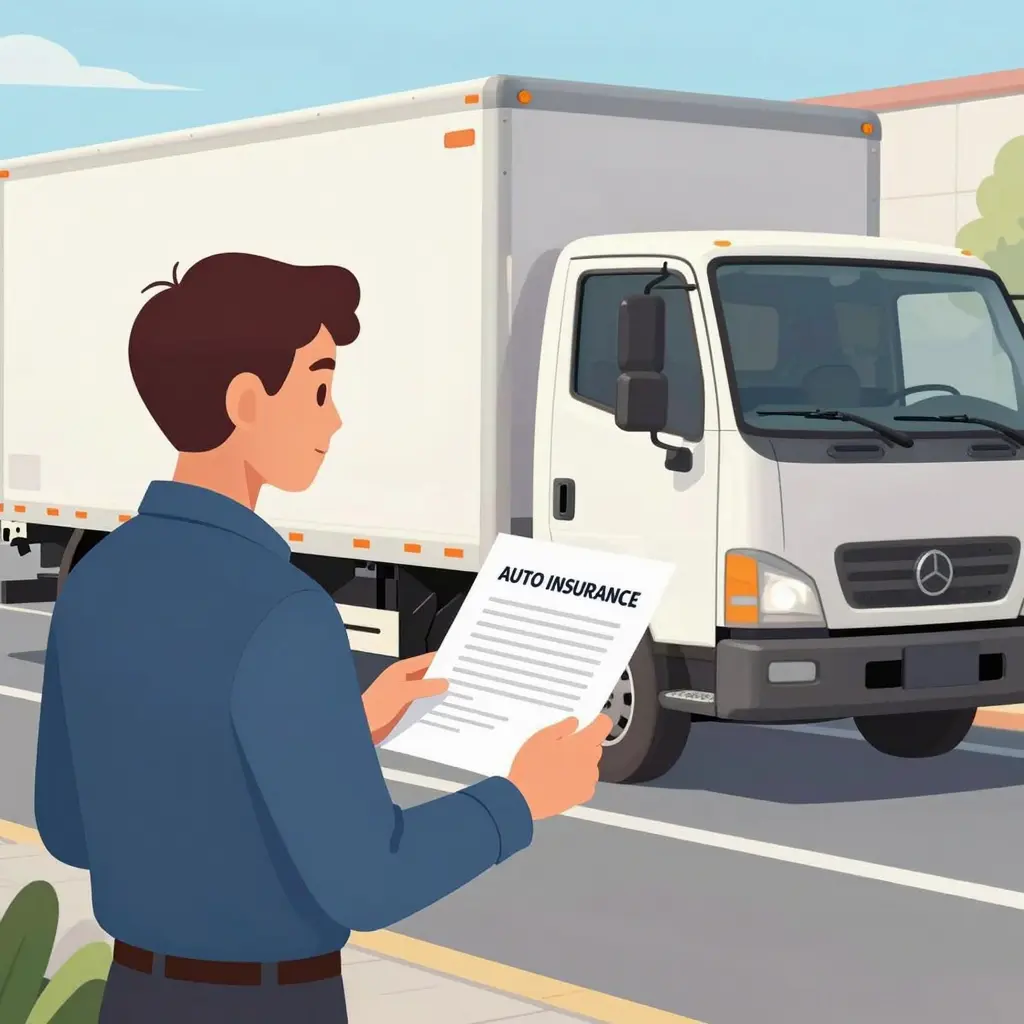
Understanding Auto Insurance Coverage for Moving Truck Rentals: A Vital Insight for Business Owners
Navigating the logistics of any business can be challenging, particularly when it comes to moving or transporting goods. Enter moving truck rentals-a practical solution that many business owners turn to as they expand their operations. However, beneath the surface of convenience lies a crucial question: does your auto insurance cover moving truck rentals? Grasping the nuances of your insurance policy is not just smart; it’s essential. Without the right coverage, you risk facing significant financial liabilities that could hinder your business’s growth or even put it at risk in the event of an accident or damage.
To protect your assets and ensure smooth operations, it’s paramount to investigate the coverage options available specifically for rental trucks. Many existing auto insurance policies may not extend to larger vehicles like moving trucks, and understanding this can save you from unexpected setbacks. According to resources provided by Moving.com, having the right insurance can safeguard against losses and liabilities, which is especially vital when transporting valuable inventory. Furthermore, checking your current insurance and exploring options like additional rental truck insurance-discussed in detail by The Balance Money-is imperative to ensuring your business’s financial health.
As businesses grow, so do the complexities of logistics. Familiarizing yourself with moving truck insurance not only helps mitigate potential risks but also empowers you to make informed decisions that can keep your operations running smoothly. In this article, we will explore the intricacies of auto insurance coverage for moving truck rentals and how it impacts business owners directly.
Does My Auto Insurance Cover Moving Truck Rentals?
For business owners contemplating the rental of moving trucks, understanding how standard auto insurance policies come into play is crucial. Many business operations involve transporting goods, and using rental trucks may seem like a cost-effective solution. However, the coverage provided by standard auto insurance policies can vary significantly.
Personal Auto Insurance and Rental Trucks
-
Liability Coverage: Most personal auto insurance policies offer liability coverage that extends to moving truck rentals. This means that if you’re involved in an accident while driving a rental truck, your liability insurance may help cover damages you cause to other vehicles or property.
-
Comprehensive and Collision Coverage: Typically, comprehensive and collision coverages do not extend to rental trucks. These coverages usually only apply to the personal vehicle specifically listed in your policy. Therefore, if you’re using a rental truck, you might find yourself without coverage for damages incurred to the rental vehicle itself.
-
Supplemental Insurance Options: Many rental agencies offer supplemental insurance for physical damage coverage, which can help protect against damages to the rental truck. As discussed in a recent post, it is often wise to consider these additional options to ensure comprehensive protection.
Business Insurance Considerations
For business owners, it’s essential to recognize that a standard personal auto insurance policy may not fully protect against the unique risks associated with commercial vehicle use.
-
Commercial Auto Insurance: If your business regularly utilizes moving trucks, consider commercial auto insurance. This type of insurance is tailored for businesses and often provides broader coverage than personal auto insurance policies.
-
Liability Protection: Supplemental Liability Insurance (SLI), which can provide limits up to $1 million, is vital for protecting your business against claims resulting from accidents involving rental trucks. Additional coverages, such as Collision Damage Waiver (CDW) and specialized liability options, should also be explored, especially if transporting valuable goods or equipment.
-
Legal Requirements: In some states, having adequate insurance for rental trucks is a legal requirement. Ensure that your coverage meets these regulations to avoid penalties-information can be found through various sources, including Moving Trucks.
-
Costs of Coverage: The cost of supplemental insurance for moving trucks typically ranges from $15 to $30 per day, depending on the rental company and the type of coverage selected, as noted by SpareFoot.
Conclusion
In summary, while standard auto insurance policies can provide some coverage for moving truck rentals, business owners should conduct thorough research and consider additional supplemental insurance to ensure they are adequately protected. Understanding the specifics of your policy, including coverage limits and exclusions, is essential to secure your business operations effectively.
FAQs About Moving Truck Rentals and Insurance
Moving trucks play a vital role in the logistics of relocating goods, especially for business owners. However, understanding insurance coverage when renting a moving truck is often a concern. Here’s a list of frequently asked questions addressing common issues regarding insurance coverage for moving truck rentals:
-
Does my personal auto insurance cover rental moving trucks?
Generally, personal auto insurance does not cover rental trucks. Each policy can vary, so it’s essential to check the specifics of your insurance to know what is included. Learn more about this here. -
What types of insurance can I purchase when renting a moving truck?
When renting a moving truck, you can often buy Collision Damage Waiver (CDW) or Liability Insurance to cover damages or accidents. It is crucial to understand the terms before renting. -
Is it mandatory to purchase insurance from the rental company?
While it’s not legally required to buy insurance from the rental company, it is highly recommended for comprehensive coverage. If an accident were to occur, you wouldn’t want to incur hefty charges out-of-pocket. -
Are there any other options for coverage?
Yes, some credit cards offer rental truck insurance coverage when you pay with them, and some businesses may have existing insurance that extends to rental trucks. -
What is a Collision Damage Waiver (CDW)?
CDW is a type of insurance that frees you from financial responsibility if the vehicle is damaged or stolen. However, it may not cover personal belongings or injuries. -
What should I do if I have an accident while using a rental truck?
First, ensure that everyone is safe. Notify the rental company and your insurance provider as soon as possible. Document the accident thoroughly with photos and witness accounts. -
Can I get insurance for large trucks rented for commercial use?
Yes, there are customized insurance packages available that can include commercial use coverage. Business owners should consider options that provide worker compensation and general liability. Explore more on this topic here.
Always read the fine print and be informed about the specifics of your coverage to safeguard your business during the rental process.
Conclusion
Understanding the insurance landscape for moving truck rentals ensures that business owners can make informed decisions and safeguard their assets during transportation. If you have further questions or need assistance with rental truck logistics, don’t hesitate to reach out for expert guidance.

When renting a moving truck, several critical factors can influence the insurance coverage you’ll need, making it essential for business owners to understand these dynamics.
Truck Size
One of the most significant factors impacting your coverage is the size of the rental truck. Generally, smaller trucks tend to have lower insurance premiums compared to larger ones due to their decreased value and reduced potential for damage. For instance, a 16-foot rental truck may cost less to insure than a 26-foot truck. The size not only affects insurance rates but also influences the risks associated with driving and maneuvering the vehicle. Larger trucks can have more stringent requirements for coverage, as they are statistically more likely to be involved in accidents due to their size and weight.
Rental Duration
The length of time you plan to rent the truck is another vital consideration. Short-term rentals may come with different policy limits than long-term rentals. If you are planning a long-distance move that requires a rental truck for several days, ensure that the insurance policy adequately covers potential liabilities over that extended period. Shorter rentals might offer simpler coverage packages, while longer rentals often necessitate a more comprehensive plan to protect against increased risks.
Policy Limits
Understanding the policy limits is crucial in determining the extent of your coverage. Many personal auto insurance policies do not extend to cover rental trucks, especially regarding damage to the truck itself. Supplemental insurance offered by rental companies can help bridge these gaps. Business owners should assess their existing policies and ensure they understand the coverage limits, which dictate the maximum amount reimbursed in the event of an incident. The differences between liability coverage and physical damage protection should be weighed appropriately against your business’s needs.
In conclusion, before signing a rental agreement, it’s advisable to conduct thorough research and consider the influence of truck size, rental duration, and policy limits. Collaborating with your insurance provider, as well as consulting with rental companies like LA Rental Trucks, can provide valuable insights into finding the best coverage for your specific situation.
“Understanding your insurance coverage is crucial when renting a moving truck. It ensures that your business is protected against unforeseen damages and liabilities during the move. Always consult your insurance provider to determine what is covered under your policy.”
- Insurance Expert at Nationwide
Navigating insurance coverage for a moving truck can be complex. It’s essential for business owners to evaluate not only their personal auto insurance but also the options available through rental companies. To dive deeper into this topic, check out our article on does car insurance cover rental trucks.
For additional insights into coverage choices while renting, you can read about moving and insurance: what you need to know.
Comparison of Auto Insurance for Moving Truck Rentals
When renting a truck, it’s crucial for business owners to understand the auto insurance coverage options available to them. The following table offers a detailed comparison of various auto insurance providers and their policies related to moving truck rentals, focusing on coverage details and exclusions.
| Provider | Coverage Details | Exclusions for Business Owners |
|---|---|---|
| Budget | – Liability coverage available. – Physical damage protection options. |
– Use of vehicle for cargo transport generally excluded. – Damage to goods being transported not covered. |
| Penske | – Offers liability insurance and physical damage waiver. | – Excludes damage to cargo. – Not applicable for hazardous materials transport. |
| U-Haul | – Provides liability coverage and damage protection. | – Business use typically not covered, including for profit-making operations. – Excludes personal property damage during the rental. |
| Enterprise | – Basic coverage with options for additional protection. | – Excludes vehicles used for business deliveries. – Damage to personal items in the vehicle not covered. |
For more information, check out these resources:
Visual Representation of Coverage Options

This visual provides a quick reference for understanding the differences in coverage options from various truck rental companies. Whether you’re a business owner or simply in need of a moving truck rental, these details can assist in making an informed decision.
For more tips on moving truck rentals and insurance, consider exploring our full guide on truck rentals.

Conclusion
In conclusion, verifying your auto insurance coverage before renting a moving truck is a crucial step that often goes overlooked. Many personal auto insurance policies do not extend coverage to larger rental vehicles, which could leave you liable for significant costs in case of an accident or damage to the truck. It is essential to understand the limitations of your existing insurance when planning your move.
As discussed, options like supplemental insurance from the rental company often provide necessary protection against unexpected incidents. Ignoring this can lead to unforeseen financial burdens that small business owners can ill afford. Thus, make sure to reach out to your insurance provider to understand your specific coverage options, and if necessary, purchase extra protection to ensure peace of mind during your move.
To learn more about the specifics of moving truck rentals and explore various options available, visit LA Rental Trucks and ensure your moving experience is both smooth and secure.
For an innovative and delectable option for your moving day, check out Truck Pizza at truckpizza.net! They serve up delicious meals that will keep you fueled throughout your busy day. Planning ahead will make your moving experience not just hassle-free but enjoyable as well!
Understanding State-Specific Regulations for Moving Truck Rentals and Insurance
When renting a moving truck, particularly for business purposes, it is crucial to understand the state-specific regulations and insurance requirements that apply. Different states have varying laws that can impact how businesses manage their rental processes, including insurance coverage.
Key Regulations Across States
-
Insurance Requirements: Most states have specific minimum insurance coverage requirements when renting a truck. For example, truck insurance requirements exist on two levels: federal liability standards that apply across state lines and individual state laws that may impose stricter requirements. Companies like Progressive Commercial provide guidelines on the minimum required coverage for different states, which often includes liability and property damage coverage.
-
Local Licensing Regulations: States like New Jersey necessitate that moving companies register with local regulatory bodies, ensuring compliance with both state and federal guidelines. This local oversight often dictates how businesses should manage their moving truck rentals, including the necessity for specific permits. For more details, visit resources like Next Door Mover.
-
Weigh Station Policies: Depending on your state, moving trucks must adhere to specific weigh station regulations. Some states require all commercial vehicles above certain weight limits to stop at weigh stations, which may affect scheduling and logistics for businesses. An article by Moving.com outlines these requirements state-by-state, helping business owners to plan accordingly.
Insurance Considerations
Insurance coverage while renting a moving truck is not just a good idea; it’s a legal requirement in most states. Here’s how coverage typically breaks down:
- Liability Coverage: Most states require a minimum amount of liability insurance when operating a rented truck. This is crucial for any accidental damage caused while driving.
- Personal Property Coverage: Many rental companies offer additional insurance to cover your belongings in the truck. This is especially important as standard auto insurance may not provide sufficient coverage for commercial trucking.
- Additional Policies: Renting organizations usually offer various coverage packages that address potential issues like collision benefits, which can save businesses from substantial losses during relocation. According to the guidelines published by LA Rental Trucks, typical coverage can add around $20 per day to rental costs, depending on the selected policy.
Conclusion
In conclusion, state-specific regulations concerning moving truck rentals and insurance are complex and need to be navigated carefully by business owners. Understanding local laws and ensuring adequate insurance coverage can prevent legal pitfalls and financial strain during moves. For a more comprehensive overview of insurance implications and moving truck regulations, refer to Moving Insurance Cost: Coverage Types, Rates, and Claims. Being informed will empower businesses to make sound decisions when renting moving trucks.