
Unlocking Chase Sapphire Card Benefits: Rental Vehicle Coverage
For business owners on the go, the ability to efficiently manage logistics is crucial, especially when it comes to renting vehicles like trucks for operations. The Chase Sapphire card offers compelling benefits, particularly its extensive rental vehicle coverage. This feature can be a game-changer for entrepreneurs who need to transport goods or equipment without incurring hefty insurance fees that rental companies often charge. Understanding how the Chase Sapphire card can provide essential coverage for rental trucks not only allows business owners to save money but also adds a layer of peace of mind when embarking on their next rental endeavor. Whether you’re relocating your office, transporting merchandise, or setting up for an event, you’ll want to strategically utilize your card benefits. In this article, we’ll delve into the specifics of the Chase Sapphire’s rental vehicle coverage, outlining what it includes and how it applies to truck rentals, ensuring you make the most of your business resources. Learn more about the importance of rental coverage in your business operations.
Understanding Chase Sapphire Rental Truck Coverage
Chase Sapphire and Rental Truck Coverage
When it comes to rental truck coverage, business owners with Chase Sapphire credit cards need to understand the specifics of their benefits. Both Chase Sapphire Preferred® and Sapphire Reserve® cards offer primary rental car insurance; however, this coverage comes with important limitations, particularly concerning truck rentals.
What Does Chase Sapphire Cover?
- Eligibility Requirements: To activate coverage, the entire rental cost, including taxes and fees, must be paid with a Chase Sapphire card. Additionally, the renter must decline the rental company’s Collision Damage Waiver (CDW) or Loss Damage Waiver (LDW).
- Coverage Details: The insurance primarily covers damage or theft of the rental vehicle, including trucks, up to the actual cash value, with a maximum reimbursement of $60,000 per incident.
- Personal Use: The coverage is applicable only for personal use. Therefore, if business owners rent trucks for work-related purposes, they will not be covered under this policy.
Limitations for Business Owners
- Commercial Vehicles: The credit cards explicitly exclude coverage for commercial vehicles used in a business context. This includes trucks rented for deliveries, construction, and other business operations.
- Additional Insurance: Business owners should rely on their commercial auto insurance policies or consider purchasing supplemental rental insurance from the rental agency to mitigate risks associated with truck rentals required for business purposes.
- Claims Denied: Any claims related to business use of the rental truck will be denied, even if the rental was paid with a Sapphire card and the CDW was declined. Furthermore, coverage does not extend to liability for injuries or property damage during business-related trips.
Summary of Key Points
| Aspect | Details |
|---|---|
| Maximum Reimbursement | Up to $60,000 per incident |
| Personal Use Coverage | Covered only when used personally |
| Commercial Vehicle Coverage | Not covered |
| Requirements | Full rental amount paid with the Sapphire card; CDW declined |
| Additional Notes | Personal items, towing fees, and loss-of-use charges are not covered |
For business owners, it is crucial to verify existing insurance covers and augment them as necessary when renting trucks. Understanding these limitations ensures that business owners are adequately prepared for their rental needs without being caught off-guard by insufficient coverage.
For additional tips on truck rentals, consider exploring our blog on Penske one-way truck rentals.
This image visually summarizes the coverage details and limitations of Chase Sapphire credit cards related to rental trucks, emphasizing what business owners need to be aware of when renting vehicles.
Scenarios for Rental Truck Use in Business
Rental trucks can serve a variety of needs for business owners. Here’s a list of scenarios where you might find them beneficial:
- Seasonal Demand: Businesses often experience peak periods, such as holidays or special events, necessitating additional vehicle capacity.
- One-Time Projects: From construction to events, companies may require trucks to transport materials or equipment temporarily.
- Delivery Services: Rental trucks can support businesses expanding into delivery services without the long-term commitment of purchasing a vehicle.
- Moving Office Locations: When relocating offices, businesses can use rental trucks for efficient transport of furniture and supplies.
- Emergency Situations: Unexpected failures in company vehicles or the need to transport goods urgently can prompt renting a truck.
- Local Deliveries: For fulfilling short-term delivery contracts or catering to local clients, rental trucks offer a quick solution.
In each of these scenarios, it’s crucial to consider the importance of comprehensive insurance coverage. For instance:
- Liability Protection: In case of accidents, businesses can avoid significant financial losses with appropriate third-party liability insurance.
- Vehicle Damage Coverage: With rental trucks, ensuring damage caused during the rental period is covered is essential, as repairs often can be costly.
- Theft Protection: Businesses should secure insurance that covers the potential risk of theft, particularly in urban areas where such incidents can occur.
For more insights on the benefits of insurance for rental vehicles, check out this insurance guide. Additionally, if you’re looking to understand vehicle use better, consider the overview of truck rental benefits for UK businesses.
Rental Vehicle Coverage Comparison for Business Owners
When it comes to renting vehicles for business purposes, the rental coverage provided by credit cards can be a significant factor in overall costs and liability. Below is a comparison of the rental vehicle coverage features of Chase Sapphire versus other similar credit cards, highlighting aspects essential for business owners.
| Feature | Chase Sapphire | Visa (Premium/Signature) | Mastercard (World/World Elite) | American Express |
|---|---|---|---|---|
| Coverage Type | Primary | Secondary | Primary | Primary (if paid fully with card) |
| Damage/Theft Protection | Yes | Yes (requires personal insurance) | Yes | Yes |
| Maximum Coverage Limit | $75,000 | Varies (usually up to personal policy limits) | Varies (often similar to Chase) | Varies (specific tiers may differ) |
| Geographic Limitations | U.S., Canada, Puerto Rico | U.S., Canada (check card terms) | U.S., Canada, many other countries | U.S., Canada (high-value vehicles may exclude) |
| Requirement to Decline Rental Insurance | Yes | Yes | Yes | Yes |
| Eligibility for Business Owners | Yes | Limited based on issuer | Yes | Limited based on card tier |
Analysis
- Chase Sapphire’s Advantages: What sets Chase Sapphire apart is its primary coverage, which means you won’t have to go through your personal insurance first, saving both time and potential increases in your premium. This is advantageous for business owners who frequently rent vehicles and want peace of mind.
- Competitors’ Offerings: Many Visa and Mastercard cards offer secondary coverage, which can add complexity and potential costs to your rental experience, especially in the event of a claim. American Express provides competitive primary coverage but often requires its premium tiers or specific criteria, making it less accessible for all business owners.
For more detailed insights on various truck rental options and competitive pricing, you can learn more about Penske’s one-way moving truck rentals or explore our overview on Penske truck rental discounts.
How to Make a Claim
When it comes to claims related to rental truck coverage, understanding the process is crucial for business owners. Below are the steps you should follow to ensure a smooth claims experience:
-
Review Your Coverage: Begin by familiarizing yourself with the rental truck coverage included in your Chase Sapphire Card. It’s important to know what is covered and any exclusions that may apply.
-
Collect Documentation: Gather all necessary documentation that supports your claim. This includes rental agreements, proof of payment, and any accident reports if applicable.
-
Contact Chase Sapphire: Reach out to Chase Sapphire customer service to initiate your claim. Having your documentation ready will help expedite the process.
-
Complete the Claim Form: Fill out any required claim forms thoroughly and accurately. Ensure all necessary information is provided to avoid delays.
-
Submit Your Claim: Submit your claim along with the required documentation through the specified method provided by Chase Sapphire.
-
Follow Up: After submitting your claim, follow up regularly to check on its status. Keep a record of any correspondences for reference.
For more information about rental truck coverage, learn more here. Understanding your rights and responsibilities in the claims process can save you time and stress in the event of an unfortunate incident.
How to File a Claim with Chase Sapphire for Rental Truck Coverage
If you’re a business owner and have utilized your Chase Sapphire card to rent a truck, knowing how to effectively file a claim is essential in the event of damage or theft. Below is a comprehensive step-by-step guide on the claims process, including tips on documentation and what to expect regarding timelines.
Step-by-Step Claims Process
-
Confirm Eligibility: Make sure that your rental truck is covered under the Chase Sapphire policy. Remember, the truck must be rented entirely using your eligible Chase Sapphire card (either Reserve or Preferred) and the rental company’s Collision Damage Waiver (CDW) must be declined to activate coverage.
-
Report the Incident Within 100 Days: You are required to report any incident within 100 days of the event. Delays beyond this timeframe might result in coverage denial.
-
Gather Required Documentation: Collect the necessary documents to support your claim. This typically includes:
- The original rental agreement
- A police report if applicable (especially in case of theft)
- Repair estimates for damages
- Confirmation of your payment to Chase (like a receipt showing the charge to your card)
-
Contact Chase’s Claims Administrator: Reach out to the Chase benefits administrator. You can find their contact information on the Chase Sapphire website under the claims section. Prepare to provide details about the incident as well as your account information.
-
Submit Your Claim: Complete the claim form and submit all gathered documentation to Chase. Ensure you keep copies for your records.
Tips for Documentation and Timeline Expectation
- Be Thorough: The more detailed your claim, the higher the chance of approval. Include photos of the damage, detailed damage descriptions, and any correspondence with the rental company.
- Timeline Expectation: Typically, once you submit your claim, allow 7-10 business days for Chase to process your paperwork and respond. Follow up if you do not hear back within this period.
- Follow Up: Keep records of any communication with Chase for reference.
By following these steps diligently, you can streamline the claims process and increase the likelihood of a favorable outcome. If you’re interested in additional rental truck options or pricing, learn more about renting trucks here.

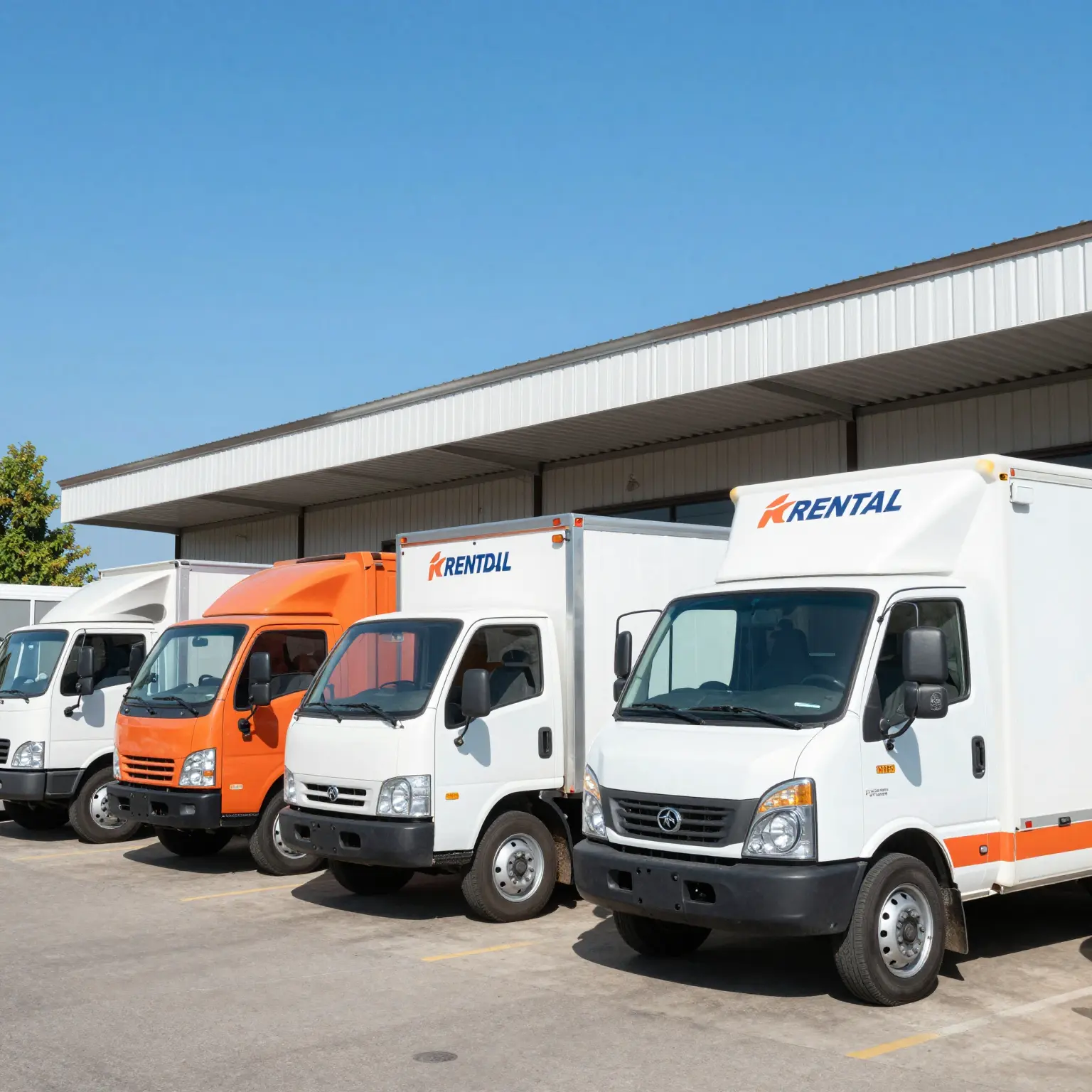
This image showcases a variety of rental trucks, emphasizing their availability and versatility for business owners, especially in the context of utilizing services such as the Chase Sapphire card for payment. As you consider renting a truck for your business, it’s essential to know the coverage options available with your credit card, such as Chase Sapphire.
Conclusion
In summary, understanding rental coverage is crucial when using credit cards like the Chase Sapphire, especially for business owners who frequently rent vehicles. While the Chase Sapphire Preferred® Card provides secondary insurance for damage or theft for eligible rental cars, it specifically does not extend this coverage to rental trucks, which may include larger commercial vehicles and cargo trucks. Hence, if you are considering renting a truck, you must rely on other forms of insurance-such as your personal auto insurance or a separate rental truck insurance policy-to adequately protect your investment.
Moreover, knowing what your credit card covers can prevent unexpected out-of-pocket expenses and ensure smoother transactions. Many business owners overlook these vital details, which can lead to financial repercussions during their rental experience. It’s advisable to always verify the terms of your credit card’s rental coverage and ensure it aligns with your business needs before making a rental decision. For more information on rental options, including specifications and pricing for different trucks, you can check our post on Penske one-way moving truck rentals or learn more about Penske truck dimensions.
Grasping these nuances not only helps in controlling costs but also enhances operational efficiency within your business. As a final note, always consult your personal auto insurer or the rental company for clarity on rental agreements to safeguard against potential liabilities.
Conclusion: Explore Opportunities with Premium Pizza Trucks
As a business owner, understanding the benefits of having a mobile food truck can be pivotal for your venture. Premium pizza trucks not only provide high-quality food options but also allow you to cater to diverse events, from local festivals to corporate gatherings. Their flexibility and lower startup costs make them an ideal choice for expanding your culinary footprint.
You can enhance your business by partnering with a premium pizza truck that suits your needs. To learn more about the best pizza food trucks available, explore the offerings at truckpizza.net. Find the perfect solution that aligns with your business vision and grab the opportunity to delight your customers with delicious, freshly made pizzas!