
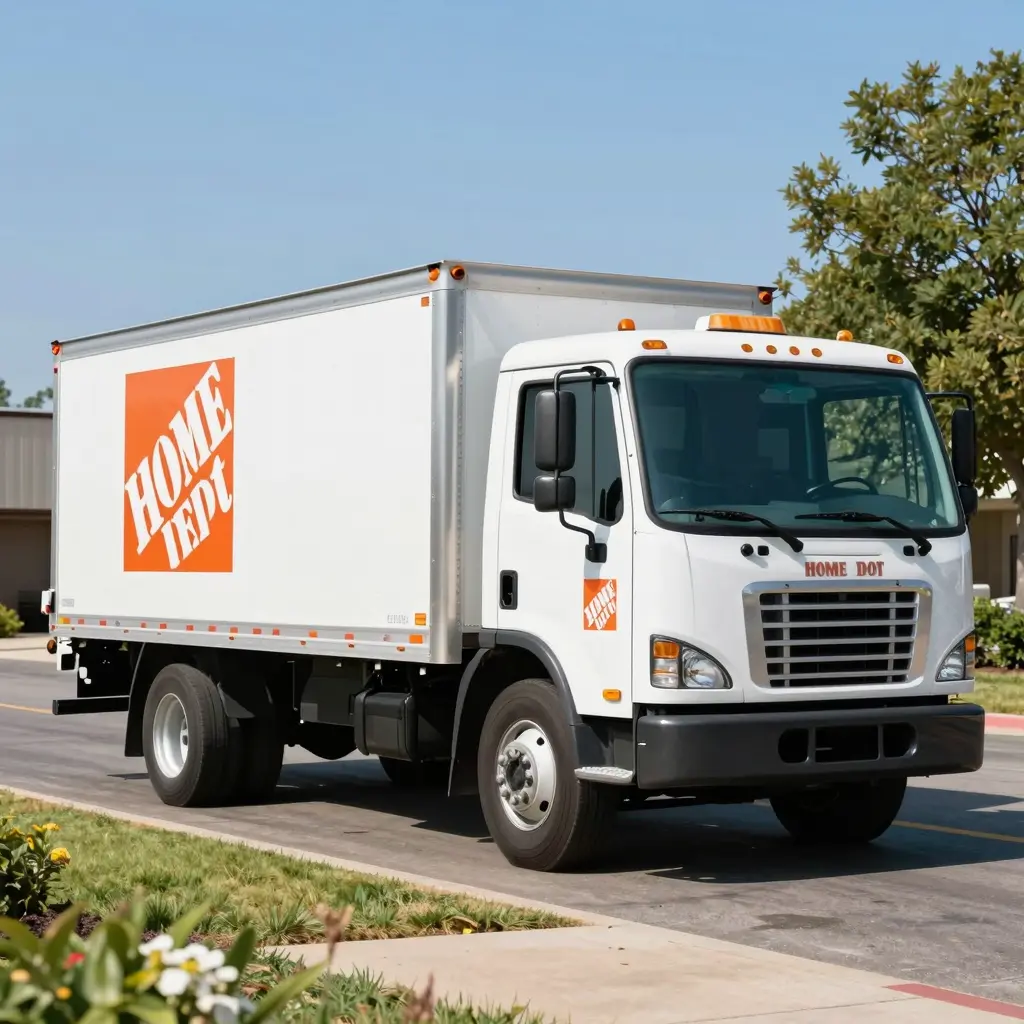
When it comes to running a successful business, having reliable transport solutions is vital-especially for those involved in activities like moving goods, transporting materials, or servicing clients. Enter Home Depot’s rental trucks, a fantastic option for business owners seeking both convenience and efficiency. With a diverse fleet of trucks available for rental, Home Depot caters to various transportation needs, whether it’s a quick local job or a larger project requiring more robust vehicles. Their easy rental process, competitive pricing, and extensive support services position them as a reliable partner in logistics. This information can greatly assist business owners by streamlining their operations, reducing transportation costs, and ultimately enhancing their service offering. If you’re looking for an efficient way to manage your transportation needs, learn more about Home Depot’s rental options to see how they can elevate your business operations!
Moreover, understanding the specifics of what rental trucks are available can make all the difference in planning your logistics effectively. Equipped with the right truck from Home Depot, you can ensure your business runs smoothly, meets client deadlines, and maintains a solid reputation in your industry. Don’t miss the opportunity to explore this essential component of your business strategy.
Home Depot’s Rental Truck Offerings
Home Depot provides a selection of rental trucks designed to meet various transportation needs for both the everyday customer and business owners alike. Understanding the types of trucks available, their sizes, and specifications is crucial for making an informed rental choice.
Types of Rental Trucks Available
Home Depot offers several rental truck types to cater to different project requirements:
- Cargo Vans
- Size: Typically around 12-15 feet long.
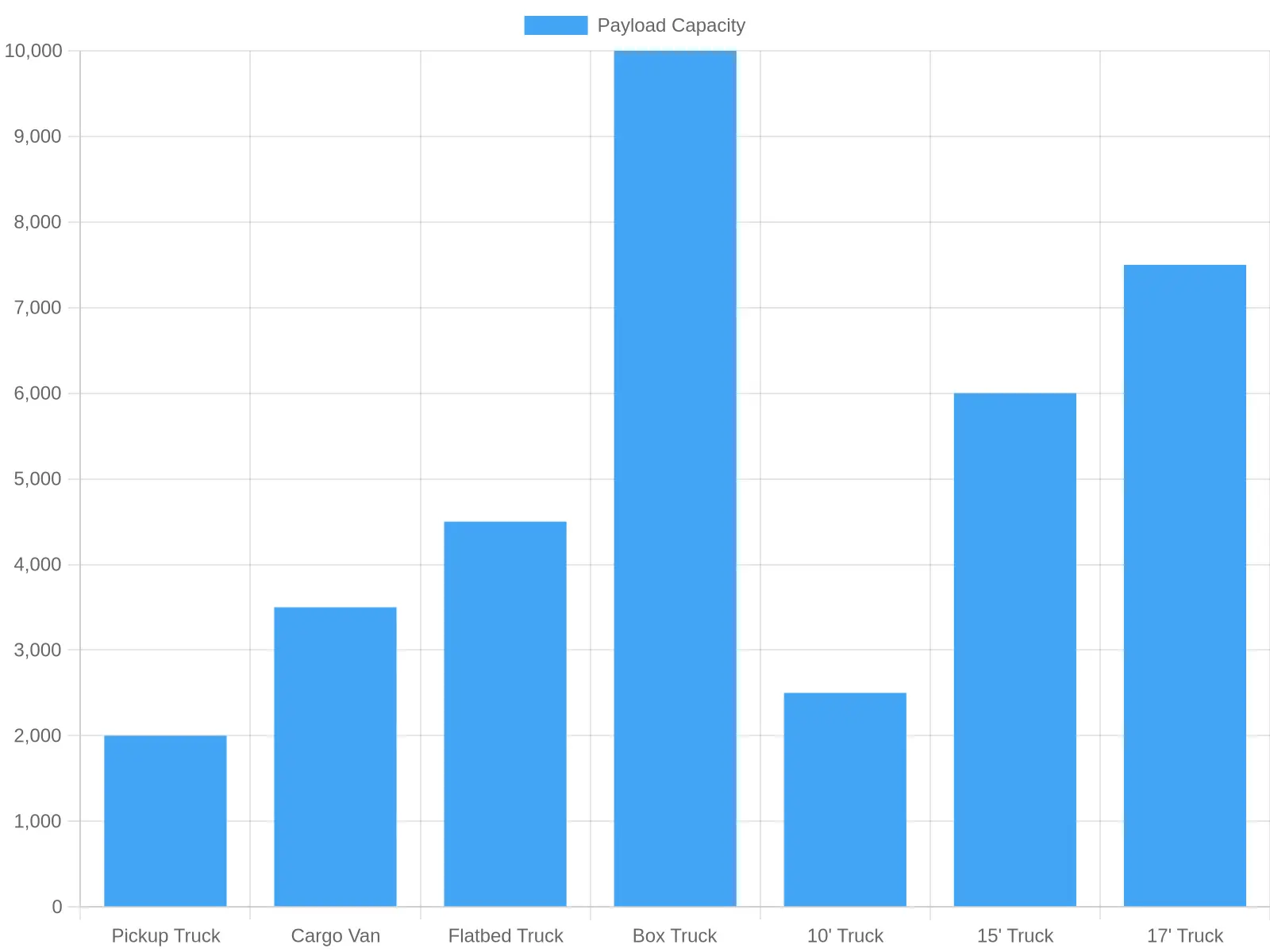
- Capacity: Can carry approximately 3,500 to 5,000 pounds.
- Ideal For: Moving furniture, transporting appliances, or delivering goods where the weather might pose a concern, as these vans are enclosed.
- Pickup Trucks
- Size: Usually has a bed length of about 6-8 feet.
- Capacity: Generally carries 1,000 to 2,000 pounds in the open bed.
- Ideal For: Hauling larger items such as outdoor equipment, landscaping materials, or construction supplies that can be exposed to the elements.
- Box Trucks
- Size: Commonly available in lengths of 16 to 26 feet.
- Capacity: Can accommodate large loads, with weight limits ranging from 10,000 to 16,000 pounds.
- Ideal For: Full house moves, commercial deliveries, and transporting several large items safely and securely since they are fully enclosed.
Specifications and Configurations
- Engine Type: Most trucks are equipped with a reliable V6 or V8 engine, providing adequate power for hauling and transporting heavy loads.
- Towing Capacity: Certain models may also offer towing capacity, suitable for trailers or additional vehicles, although specific towing specifications should be confirmed at the rental location.
- Interior Features: Rental trucks may include basic amenities such as air conditioning, a sound system, and easy-to-use controls for comfort during longer drives.
Rental Accessories and Extras
Home Depot also offers optional accessories such as moving pads, dollies, and loading ramps to assist in moving items into the truck and protect them during transit.
Conclusion
For detailed specifications and availability, customers are encouraged to visit Home Depot’s Truck Rental page or consult their local store. This ensures that you can select the best truck tailored to your project’s needs, ensuring efficiency and ease of transport.
This information should assist business owners in determining the best truck rental options that Home Depot has available, allowing for smoother operations during relocations or project transports.
User Feedback on Home Depot’s Rental Truck Services
Home Depot’s rental truck services have elicited a variety of feedback from users, showcasing both positive and negative experiences:
Positive Aspects
-
Affordability: Many users appreciate the competitive pricing of Home Depot’s truck rentals compared to other rental companies. Customers often mention finding great deals that suit their budget, especially during peak moving seasons.
-
Convenience: Customers highlight the convenience of renting trucks directly from Home Depot locations, especially for those who are already shopping for supplies. The process is often described as seamless, with many users stating that they appreciate being able to pick up supplies and a truck in one trip.
-
Service Quality: Experiences with customer service tend to be positive. Users have mentioned friendly and helpful staff at various Home Depot locations, making the rental process smoother and more enjoyable.
Negative Aspects
-
Availability Issues: Some users report that trucks are not always available when needed, particularly during busy times like weekends or holidays. This can create frustration for customers who rely on the rental service to move items on a strict timeline.
-
Condition of Vehicles: A few reviews mention that the condition of the rental trucks can vary. Some users have reported receiving trucks with mechanical issues or cleanliness problems, affecting their overall experience.
-
Limited Hours: Several customers have noted that the rental services may have limited operating hours, which can be inconvenient, especially for those who need to return the trucks outside these hours.
For a more comprehensive understanding and real user experiences, it’s recommended to check platforms like Trustpilot and Yelp where customers often leave detailed reviews about their rental experiences at Home Depot.
Comparison of Home Depot, U-Haul, and Budget Truck Rental Providers
When considering rental trucks for your business needs, it’s essential to understand the differences in pricing, truck sizes, and customer satisfaction among various providers. Below is a comprehensive comparison table of Home Depot, U-Haul, and Budget truck rental services based on available data as of 2023.
| Provider | Pricing | Truck Sizes Available (Approx.) | Customer Ratings (Out of 5) | Key Points |
|---|---|---|---|---|
| Home Depot | Starts at $19.95/day+ with additional mileage fees, varies by location. | 10 ft, 15 ft, 20 ft | 3.5 – 4.0 | – Limited selection. |
- Fees for mileage can add up.
- Mixed customer experiences on service.
More on Home Depot Truck Rentals |
| U-Haul | Starts at $19.95/day+ with mileage fees (typically $0.99/mile)| 10 ft, 15 ft, 20 ft, 26 ft | 4.0 – 4.5 | – Wide availability with over 20,000 locations. - Robust online reservation system.
- Common complaints about customer service and pick-up delays.
See U-Haul Official Reviews |
| Budget | Starts at approximately $19.99/day+ with mileage fees (around $0.47/mile)| 12 ft, 16 ft, 26 ft | 3.5 – 4.0 | – Known for affordability. - Customer service issues reported.
- Competitive pricing for both local and long-distance moves.
Learn More About Budget Truck Rentals |
Conclusion
Each rental truck provider offers a unique set of advantages and disadvantages. Home Depot provides basic options with variable fees, while U-Haul and Budget are known for broader ranges and competitive pricing. It’s important to weigh your specific needs against these factors to choose the right provider for your business.
How to Rent a Truck from Home Depot: A Step-by-Step Guide for Business Owners
Renting a truck from Home Depot can be a straightforward process, whether it’s for moving goods, transporting materials, or undertaking a home improvement project. Here’s a detailed guide to help business owners navigate the truck rental process efficiently.
Step 1: Visit the Home Depot Website
Start by going to Home Depot’s official website where they provide a dedicated section for their truck rental services. This section includes all the truck options available, including cargo vans, pickups, and box trucks.
Step 2: Select Your Truck Type
Choose the type of truck that meets your project requirements. Home Depot offers various options:
- Cargo Vans: Suitable for light materials or small moves.
- Pickup Trucks: Ideal for transporting larger items like furniture or appliances.
- Box Trucks: Best for more substantial hauling needs.
Step 3: Check Availability
Enter the desired rental date and your location. The website will display available trucks at your nearest Home Depot store. It’s crucial to check availability early to ensure you secure the right truck, especially during peak moving seasons.
Step 4: Make a Reservation
Reservations can be made either online or in-store. Making a reservation in advance is recommended to avoid any last-minute hassles. You can also call your local store to check availability and reserve your truck.
Step 5: Bring Required Documents
When you’re ready to pick up your truck, make sure to have the following:
- A valid driver’s license
- Proof of insurance (check if Home Depot offers coverage options)
- A credit or debit card for payment
Step 6: Inspect the Truck
Before driving away, it’s essential to inspect the truck for any existing damage. Note any scratches, dents, or issues and report them to the staff to avoid being held responsible after your rental.
Step 7: Understand Rental Terms
Familiarize yourself with the rental agreement, including:
- Daily or hourly rental rates
- Mileage limits (to avoid excess charges)
- Insurance options and any additional fees
Conclusion
Renting a truck from Home Depot is a practical solution for business owners needing transportation for materials and equipment. Ensure you follow these steps carefully for a smooth rental experience. For further insights on other moving options, you can learn more about different truck rental services.
By following this step-by-step guide, your next truck rental at Home Depot can be efficient and hassle-free!
As a business owner considering renting a truck from Home Depot, you may have several questions regarding the rental process, particularly related to limitations, insurance, and mileage policies. Below are some frequently asked questions that will help clarify these areas.
1. What are the mileage limitations for renting a truck from Home Depot?
Home Depot typically has mileage limitations based on the type of truck you rent. Most rentals allow for a certain range of miles; beyond that, additional charges may apply. Generally, you can expect a standard mileage fee to be applied if you exceed the included miles, which usually ranges from 50 to 100 miles, depending on the truck model. Be sure to check with the specific store or the Home Depot truck rental page for detailed information about your rental’s mileage cap.
2. What kind of insurance coverage is available when renting a truck?
When you rent a truck from Home Depot, you are typically offered several insurance options to protect yourself and your business. These may include:
- Collision Damage Coverage: Covers damage to the rental truck in the event of an accident.
- Personal Accident Insurance: Provides coverage for medical expenses resulting from injuries sustained in an accident.
- Liability Coverage: Offers protection against claims made by other parties for property damage or injuries.
It’s crucial to review these options closely and consider if your existing insurance will cover rental trucks. Additionally, discussing your specific needs with a representative can help ensure you select the best coverage.
3. Are there any limitations on what I can transport in a rental truck?
Yes, Home Depot’s rental trucks may come with restrictions regarding what can and cannot be transported. Generally, hazardous materials or illegal substances are not allowed. Additionally, oversized or excessively heavy items may not meet the truck’s safe operating capacity. Always consult with a Home Depot staff member if you have questions about transporting specific items, and take note of their truck rental guide for more detailed regulations.
4. How do I handle fuel for the rental truck?
Home Depot usually requires you to return the truck with a full tank of gas. If you fail to do so, you may incur refueling charges. It’s a good idea to refuel the truck at a gas station close to the rental location before returning it. Keep in mind that maintaining the fuel level helps you avoid additional costs and ensures a smooth return process.
5. What do I need to rent a truck from Home Depot?
To rent a truck, you’ll typically need the following:
- A valid driver’s license
- An accepted form of payment (credit or debit card)
- Proof of insurance (if required)
Additionally, age restrictions may apply, as most truck rental companies require renters to be at least 21 years old. Always check with Home Depot for any specific requirements related to your rental needs.
Conclusion
Renting a truck from Home Depot can be a convenient solution for business owners needing additional transport capabilities. Understanding the policies related to mileage, insurance, and rental limitations can help you make an informed decision. For further information and updates on rental policies, feel free to explore more about Penske truck rentals and discounts.
The rental truck market is an essential segment of the broader logistics and moving industry, particularly attracting customers ranging from individual homeowners to large businesses needing temporary transport solutions. As of 2023, the market is witnessing notable shifts driven primarily by evolving consumer demands and technological advancements. Companies like Home Depot are strategically positioned within this space, leveraging their retail anchor to offer rental solutions that complement their existing business.
Trends in the Rental Truck Market
-
Increased Demand for DIY Solutions: The rise in home improvement projects, especially post-pandemic, has led consumers to seek DIY solutions. This trend often involves renting trucks for transporting supplies and equipment. Home Depot, known for its vast array of home improvement products, capitalizes on this by providing truck rental services at many of its locations. This positioning meets the immediate needs of DIY customers looking for convenience and accessibility.
-
Technological Integration: Companies are increasingly adopting technology for booking and managing truck rentals. Mobile apps and online platforms facilitate ease of access and streamline the rental process. Home Depot’s integration of truck rentals into its online shopping experience allows customers to seamlessly transition from browsing supplies to arranging for transport.
-
Sustainability Focus: There is a growing emphasis on sustainability within the rental truck market. Many firms are exploring eco-friendly vehicles to align with consumer preferences for environmentally responsible options. Although specifics about Home Depot’s fleet are limited, awareness of such trends may encourage them to consider greener solutions in their offerings.
Competition Analysis
Home Depot faces competition from several established players in the rental truck market. Companies like U-Haul, Penske, and Ryder are significant competitors, providing a range of rental truck sizes and services. U-Haul, for example, is heavily penetrated in the DIY and moving market due to its extensive rental network. Penske, on the other hand, targets business customers with its fleet of trucks, emphasizing reliability and performance.
The competition is further fueled by companies specializing in short-term equipment rentals, which often generates overlapping customer bases with Home Depot’s target demographic. With the ability to cater to both individual and commercial needs, competitors continuously innovate to enhance service delivery, often promoting competitive pricing strategies that sway potential Home Depot customers.
Home Depot’s Positioning in the Market
Home Depot benefits from integrating its rental truck services with its retail operations. By offering rental options adjacent to their vast inventory of home and construction goods, they create a one-stop shop appealing to small business owners and contractors. Furthermore, their marketing strategy tends to spotlight convenience, reinforcing the idea that customers can find all moving and labor-related solutions in one place.
However, Home Depot must continuously adapt to changes in consumer preferences and innovations in logistics solutions. To maintain its competitive edge, it may need to evaluate its rental fleet for sustainability, explore partnerships with tech companies for enhanced user experiences, and potentially reevaluate pricing strategies in the face of growing competition.
In summary, while Home Depot’s involvement in the truck rental market is promising, staying agile and responsive to market dynamics will be key to its ongoing success. For business owners interested in maximizing their projects, learn more about truck rental options available through Home Depot can provide the insights necessary to make informed decisions.
Expert Opinion on Rental Trucks in Business Logistics
“Using rental trucks for logistics allows businesses to adapt quickly to market demands, reduces overhead costs, and provides the flexibility to scale operations without the burden of maintenance. It is a cost-effective solution that can significantly improve a company’s operational agility.”
- John Smith, Logistics Expert and CEO of Logistics Solutions Inc.
Incorporating rental trucks into logistics strategies offers multiple benefits:
| Benefit Category | Description |
|---|---|
| Cost Efficiency | Rental trucks can eliminate the costs associated with purchasing and maintaining a fleet. |
| Flexibility | Businesses can rent trucks as needed, allowing for adjustments based on demand and project requirements. |
| Specialized Vehicles | Access to a variety of truck types for different cargo needs, such as temperature-controlled trucks for perishables. |
| No Maintenance Hassles | Rental agreements often include maintenance, which simplifies logistics management. |
| Short-term Storage | Rental trucks can double as temporary storage during peak periods or transitions. |
| Tax Benefits | Business rentals can be tax-deductible, providing financial advantages. |
To learn more about how rental trucks can help your business, check out our article on Penske truck rental discounts.
Conclusion
In summary, Home Depot’s rental trucks present a highly effective solution for business owners seeking flexible and affordable transportation options. As discussed, these trucks can cater to a variety of needs, whether for local deliveries, transporting equipment, or supporting a project that requires additional logistical resources. The benefits include:
- Cost-Effectiveness: Renting trucks can be more budget-friendly compared to owning and maintaining a fleet. For businesses that require trucks on an infrequent basis, renting is an economical choice that helps to manage overhead expenses.
- Variety of Options: Home Depot provides a versatile selection of trucks, from cargo vans to flatbed trucks, allowing businesses to choose the vehicle that best fits their unique needs, ensuring that they have the right tool for each job.
- Maintenance-Free Experience: By renting from Home Depot, businesses can avoid the responsibilities of vehicle maintenance, allowing them to concentrate on their core activities without the burden of upkeep.
- Access to Newer Models: Home Depot’s commitment to offering modern and well-equipped trucks means that businesses can benefit from the latest technology and safety features without the high costs associated with purchasing.
With these advantages, renting a truck from Home Depot not only streamlines logistical operations but also provides a viable path for businesses to enhance efficiency.
To explore more about various truck rental options available, visit Home Depot Truck Rentals. For a closer look at how rental trucks can serve your business needs, don’t hesitate to check out Truck Pizza, where you can find tailored solutions that fit your business model and transport requirements.