
Understanding Rental Truck Insurance: A Crucial Guide for Business Owners
As a business owner, navigating the complexities of logistics is part of your daily routine-whether you’re moving supplies, transporting goods, or relocating operations. In these scenarios, having a reliable rental truck becomes critical. However, amidst the urgency and busyness of running a business, the importance of understanding insurance coverage for rental trucks can often be overlooked. The reality is, a single accident or mishap can lead to significant financial repercussions, especially if you are unprepared.
Today, many businesses opt for rental trucks due to their flexibility and convenience. Yet, this flexibility brings forth questions regarding insurance-specifically, does Geico insurance cover rental trucks? Understanding the intricacies of your coverage options can save you from potential losses and liabilities. Furthermore, being informed about what your insurance policy includes can help you make better decisions when it comes to selecting the right rental truck for your business needs.
This article will explore the various facets of rental truck insurance, including what Geico offers and what business owners should consider when renting a truck. By shedding light on these details, we aim to empower you to make informed choices that ensure not only the safety of your cargo but also the sustainability of your business operations. For further insights into the practical aspects of moving and renting trucks, you can learn more about our expert tips.
Let’s dive into the essential considerations you need to keep in mind before hitting the road with a rental truck.
Key Points About GEICO Insurance for Commercial Vehicles
- Coverage Overview: GEICO provides customized commercial truck insurance that may extend to rental trucks, depending on the specifics of your policy and state regulations. Businesses must ensure they understand which coverages are applicable while using rental trucks.
- Liability Insurance: It’s essential to verify whether your policy allows for liability coverage on rented trucks. Proper liability coverage is critical as it protects against potential damages to third parties.
- Collision and Comprehensive Coverage: Additionally, assess whether collision and comprehensive coverage apply to the rented vehicle, especially if it’s utilized for business purposes. This can safeguard against damages to the rental truck itself.
- Additional Costs: Be aware of additional costs including loss of use, which covers the rental company’s losses if the truck is damaged and cannot be rented out.
- Considerations: Businesses renting trucks should carefully evaluate their needs against GEICO’s offerings, potentially acquiring separate coverage through the rental company if GEICO does not provide adequate protection. Learn more about insurance options.
- Commercial Vehicle Types: GEICO caters to various types of commercial vehicles including trucks, vans, and SUVs, thus supporting diverse business requirements. Explore how to avoid common coverage mistakes.
Rental Truck Coverage Options through Geico
When renting a truck for personal or business use, it’s crucial to understand the insurance options available to protect yourself and your assets. If you are considering renting through Geico, you’ll find various coverage options tailored to your needs. Here’s a comprehensive look at three key types of coverage available for rental trucks: liability, collision, and comprehensive coverage.
1. Liability Coverage
Liability insurance is typically the minimum coverage required for operating vehicles, including rental trucks.
- What It Covers: This type of coverage protects you against claims for bodily injury and property damage that you may cause to others while operating the rental truck.
- Importance: As a business owner, ensuring you have adequate liability coverage is essential to protect against legal costs and damages in the event of an accident.
Geico’s liability coverage extends to rental trucks when you have existing auto insurance, and renting the vehicle falls within the overall provisions of your policy. Learn more about what Geico covers here.
2. Collision Coverage
Collision coverage safeguards you against damages to your rental truck resulting from a collision, regardless of who is at fault.
- What It Covers: If you’re involved in an accident that damages the rental truck, collision coverage will help pay for repairs or replacement costs up to the actual cash value of the vehicle.
- Considerations: It’s essential to note that if you elect the collision coverage option through Geico, or if it exists in your personal policy, it will typically apply to rental trucks as well.
This coverage can be especially beneficial for business owners who frequently use rental trucks for operations and want to minimize out-of-pocket costs for vehicle accidents.
3. Comprehensive Coverage
Comprehensive coverage protects against non-collision related incidents, such as theft, vandalism, or natural disasters.
- What It Covers: This coverage ensures that you’ll be compensated if the rental truck is damaged by fire, flooding, or even stolen.
- Key Benefits: Having comprehensive coverage can give you peace of mind, particularly in unknown territories or during long-haul rentals. It complements other protections and can be a wise choice for mitigating risks associated with valuable rental assets.
Conclusion
Understanding your coverage options is essential when renting a truck. Given the inherent risks of operating a rental vehicle, evaluating your insurance policies and considering additional coverage can save you from unexpected expenses. Always consult with Geico or your insurance agent to clarify your policy details and ensure adequate protection during your rental experience.
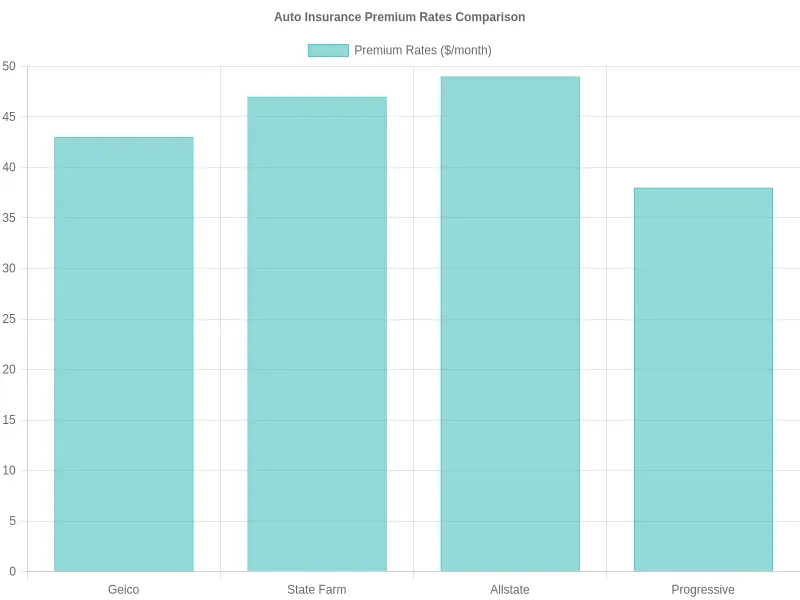
| Provider | Coverage Options | Premium Rates | Deductibles | Customer Ratings |
|---|---|---|---|---|
| Geico | Liability, Collision, Comprehensive | Starts at $43/month | Varies | 4.6/5 |
| State Farm | Liability, Collision, Comprehensive | Starts at $47/month | Varies | 4.5/5 |
| Allstate | Liability, Collision, Comprehensive | Starts at $49/month | Varies | 4.4/5 |
| Progressive | Liability, Collision, Comprehensive | Starts at $38/month | Varies | 4.2/5 |
Sources
Additional Information on Premium Rates of Providers:
For more details on rental truck insurance, you can always learn more about Penske truck rentals.

The Importance of Coverage for Pizza Trucks
Starting a pizza truck business may appear to be a straightforward venture involving delicious food and quick service, but it is fraught with various risks and liabilities that can threaten business stability. Having specific insurance coverage in place is crucial for protecting your investment and ensuring seamless operations. Here’s why pizza truck business owners must prioritize insurance coverage:
Risk of Accidents and Liability
The mobile nature of pizza truck operations inherently presents numerous risks. Whether it’s cooking equipment malfunctioning, a slip-and-fall incident near the truck, or vehicle accidents, the potential for accidents is omnipresent. Insurance coverage protects business owners from facing exorbitant out-of-pocket costs associated with such accidents. According to ProGuard Agency, commercial food truck insurance covers liabilities that arise during service events, ensuring operators are safeguarded against unexpected legal claims.
Protecting Assets and Equipment
Pizza trucks possess valuable assets, including the vehicle, cooking appliances, and food supplies. Comprehensive insurance policies cover damages to these assets from accidents, theft, or natural disasters. This coverage ensures business continuity, allowing owners to quickly recover and return to serving customers without extensive downtime. A breakdown can lead to lost revenue, making asset protection vital for operational stability. The article from Eton Bridge Solutions outlines the need for insurance against food contamination and spoilage, emphasizing that such risks can disrupt service and harm the reputation of the business.
Meeting Legal Requirements
Each state has its own legal requirements regarding insurance coverage for food trucks. Compliance with local laws not only ensures smooth operations but also shields owners from potential legal issues. Failure to maintain adequate insurance can lead to fines or sanctions that may jeopardize your ability to operate. Adhering to legalities adds an extra layer of security for your business, allowing you to focus on serving your customers and growing your brand.
Business Continuity
Having the right coverage is essential for business continuity. In the event of a major incident, insurance ensures that the pizza truck can resume operations as quickly as possible. Without it, a single mishap could spell disaster, exhaust financial resources, and potentially lead to permanent closure. Food truck owners must see insurance not just as a legal obligation but as a strategic investment in their future.
In summary, the importance of robust insurance coverage for pizza trucks cannot be overstated. It protects against risks, ensures compliance with legal requirements, safeguards assets, and facilitates business continuity. For more insights on related topics, learn more about food truck insurance requirements to keep your operation secure.
“Understanding the nuances of rental truck insurance is essential for every business owner. The risks involved with moving can be unpredictable, and having the right coverage can safeguard against significant financial loss. Protecting your assets should always be a priority.”
- John D., Insurance Expert
Rental truck insurance is not just an afterthought; it is a crucial component of risk management for businesses. As highlighted in various articles, such as nationwide’s guide, ensuring proper coverage is vital to avoid unexpected costs and liabilities during a move. Being proactive with your insurance will keep your business secure and running smoothly when the unexpected happens.
How to Obtain Coverage Through Geico for Rental Trucks
Obtaining coverage for rental trucks through Geico can be a straightforward process for business owners, ensuring peace of mind during transportation. Here’s a step-by-step guide to help you secure your coverage effectively.
Step 1: Assess Your Insurance Needs
Before reaching out to Geico, evaluate the specific coverage requirements for your rental truck. Consider factors such as:
- Type of truck: Different trucks may have varying coverage needs.
- Usage: Will you be using the truck for commercial purposes or personal use?
Understanding these factors will aid in selecting the right type of coverage.
Step 2: Visit the Geico Website
Start the process by visiting the Geico website. Navigate to the sections related to Commercial Vehicle Insurance or Rental Vehicle Coverage. Here, you can find comprehensive information on coverage options and specific requirements for rental trucks. This includes understanding if Geico covers truck rentals and the extent of that coverage.
Step 3: Use Online Tools for Quotes
Geico’s website features online tools to help you get a quote based on your specific needs. Fill out the required information accurately:
- Type of vehicle (rental truck)
- Duration of the rental
- Purpose of use (business or personal)
This step will give you a better idea of the potential costs and coverage options available.
Step 4: Contact a Geico Insurance Agent
For personalized assistance, consider contacting a Geico insurance agent directly. You can do this via:
- Phone: Call Geico’s customer service for immediate support.
- Live Chat: Utilize the live chat feature on their website for quick answers to your questions.
By discussing your specific needs, an agent can guide you on the best coverage options.
Step 5: Review and Purchase Coverage
Once you receive your quote and have all necessary details, review your options carefully. Ensure you understand:
- Coverage limits
- Exclusions
- Premium costs
After confirming your coverage aligns with your requirements, proceed to purchase your insurance.
Helpful Resources
For more details on rental vehicle coverage, check out this informative resource on rental reimbursement.
By following these steps, business owners can successfully obtain coverage for rental trucks through Geico, ensuring their assets are protected during transportation.
This guide aims to provide clarity on how to navigate the insurance process with Geico. By taking the time to assess your needs and utilize available resources, you can find the right coverage for your rental truck.
Customer Satisfaction Ratings for Geico’s Rental Truck Insurance
The following chart illustrates the customer satisfaction ratings for Geico’s rental truck insurance based on various surveys. This information is pivotal for business owners considering rental truck coverage options.

| Customer Satisfaction Rating | Source URL |
|---|---|
| 98% | Bankrate |
| 95% | Trustpilot |
| 97% | GEICO |
| User Reviews Highlighting Ease of Claims | NerdWallet |
Insights from Customer Ratings
- Overall Satisfaction: With ratings around 97-98%, Geico demonstrates a strong commitment to customer satisfaction within the rental truck insurance sector.
- Feedback Sources: Reviews from various platforms, such as Trustpilot and Bankrate, indicate a high level of user satisfaction, with many citing ease of the claims process and overall reliability of the service.
This data is essential for business owners looking to make informed decisions regarding insurance for rental trucks within their operations. Learn more about Geico’s commercial truck insurance to understand your options better.
Conclusion
In summarizing the benefits of proper insurance coverage, it is essential for business owners, particularly those operating pizza trucks, to recognize the value of being adequately insured. Proper insurance not only protects against unforeseen challenges like accidents, theft, and liability but also fosters operational confidence. Having tailored insurance coverage ensures that businesses can rebound from financial setbacks effectively. Additionally, it aids in safeguarding against natural disasters or other unforeseen events that may disrupt operations.
Business owners should proactively seek appropriate coverage that aligns with their unique risks, which may include vehicle insurance, liability coverage, and worker’s compensation. Such measures will allow them to concentrate on growing their business without the constant fear of potential financial loss. To explore more on relevant coverage options, you can learn about food truck insurance here and ensure your business remains safeguarded. By investing in proper insurance coverage, owners solidify their business operations and protect their livelihoods, ultimately contributing to the sustainability of their ventures.