
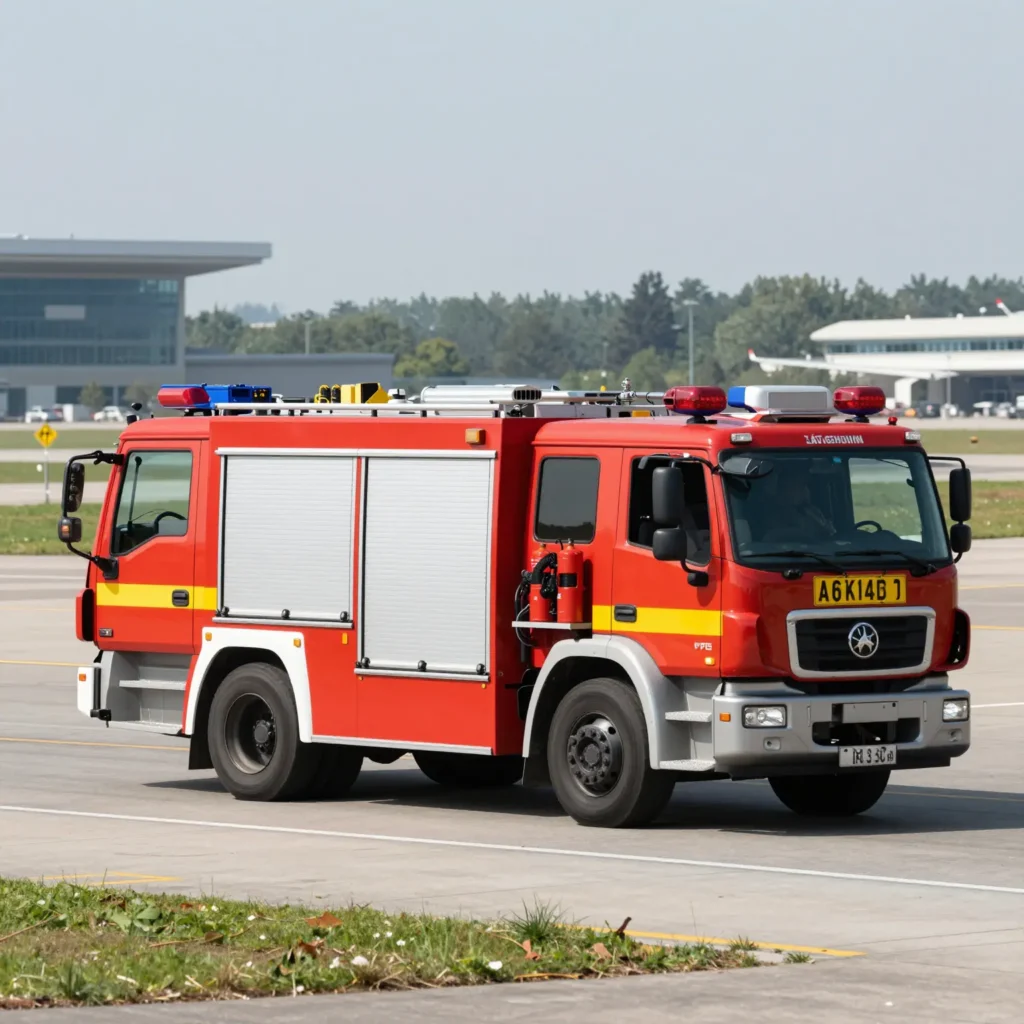
The Critical Importance of Airport Fire Truck Weight
In the bustling world of aviation, safety is not just an option; it is a necessity. Among the many components that contribute to this safety, the weight of airport fire trucks plays a pivotal role in ensuring operational efficiency and effective response in emergencies. Heavier trucks may carry more equipment and water, but their weight must be carefully balanced against speed and maneuverability. An overly heavy fire truck can lead to slower response times, which could have dire consequences during critical moments. Conversely, a lighter truck may improve maneuverability but could sacrifice equipment capabilities. Therefore, understanding and optimizing the weight of airport fire trucks is essential for fire departments and airport operators alike. By selecting the right specifications, airport authorities can enhance their firefighting capabilities, ensuring that they are well-prepared to tackle any emergency. To explore various options for airport fire trucks, check out our selection of airport fire trucks.
This careful consideration of fire truck weight is not just about compliance with regulations but is integral to establishing a rapid and effective response strategy in any airport’s emergency plan. It’s a balancing act that requires knowledge, foresight, and a commitment to both safety and efficiency.
Factors Affecting Airport Fire Truck Weight
The weight of airport fire trucks, or Aircraft Rescue and Firefighting (ARFF) vehicles, is influenced by several interrelated factors. Understanding these factors is crucial for business owners in the aviation and emergency services sectors when considering the purchase or maintenance of these specialized vehicles.
1. Design and Structure
The design of an airport fire truck significantly impacts its weight. Most designs focus on maximizing operational efficiency while ensuring safety.
- Chassis Type: The choice of chassis type-lightweight, medium, or heavy-duty-will affect the truck’s overall mass. A lighter chassis, for example, might be suitable for airports with smaller aircraft, whereas heavy-duty designs support larger aircraft and heavier loads.
2. Materials Used
Materials play a pivotal role in determining the truck’s weight.
- Material Composition: Fire trucks are often constructed from materials like fiberglass, aluminum, or steel. Aluminum, while lightweight, can be more costly than traditional steel. Lightweight materials are beneficial for enhancing speed and agility on the runway.
3. Equipment Included
The range and quantity of firefighting equipment onboard also add significant weight to ARFF vehicles.
- Tools and Gear: Common equipment such as hoses, ladders, nozzles, and pumps contribute a considerable amount of weight. Advanced vehicles equipped with additional features like foam proportioning systems or water cannons will naturally weigh more. For example, an ARFF vehicle equipped with a 1,500-gallon water tank will weigh significantly more than a model designed for rapid response with minimal onboard supplies.
4. Firefighting Capabilities
The specific capabilities required for airport firefighting operations directly affect the weight of the truck.
- Water and Foam Capacity: The larger the water and foam capacity, the heavier the vehicle. Many ARFF trucks are designed to carry between 1,500 to 3,000 gallons of water, with foam systems adding an additional weight factor. Fire trucks specialized for large aircraft may need capacities exceeding 3,000 gallons, thus increasing their overall weight.
5. Regulatory Compliance and Safety Features
Safety considerations and compliance with aviation regulations can also drive up the weight of these vehicles.
- Safety Additions: Features like reinforced bodies, specialized braking systems, and advanced communication equipment are essential for safe airport operations, but they can add to the vehicle’s total weight.
Practical Examples
- A lightweight ARFF vehicle might weigh around 10,000 to 20,000 pounds, suitable for small regional airports. In contrast, heavy-duty models designed for major airports may exceed the 40,000-pound mark, due to their extensive firefighting capabilities and equipment loading.
Understanding these factors is essential for business owners when selecting the appropriate ARFF vehicle for their operational needs. For more detailed specifications, you can explore our range of airport fire trucks.
The interplay between design, materials, and the specific equipment onboard ensures that each fire truck meets the unique demands of firefighting and rescue operations within the aviation industry.
Airport Fire Truck Models Comparison
Understanding the specifications and capabilities of various airport fire trucks is crucial for ensuring that your airport is equipped for firefighting and rescue operations. Below is a summary table that compares different types of airport fire trucks based on their weight, water capacity, foam capacity, and engine power.
| Model | Weight (kg) | Water Capacity (L) | Foam Capacity (L) | Engine Power (hp) |
|---|---|---|---|---|
| 4×4 Airport Fire Truck | 5500 | 5000 | 1200 | 300 |
| Mercedes-Benz 6×6 | 15000 | 11000 | 900 | 600 |
| Benz Foam 8×4 | 13000 | 8000 | 1200 | 500 |
| Isuzu 0368 | 7500 | 4000 | 400 | 180 |
This comparison showcases how these fire trucks differ in specifications, allowing business owners and airport management teams to make informed decisions about their fire safety needs.
For further insights and options for airport fire trucks, consider exploring our product categories: Airport Fire Trucks and Fire Fighting Trucks.
Understanding the Weight of Airport Fire Trucks
Airport fire trucks are crucial in ensuring safety and quick emergency response at airfields. Recent statistics reveal a notable variation in their weights, which are influenced by design, capacity, and specific functionalities required for aircraft rescue and firefighting.
Latest Statistics on Airport Fire Truck Weights
Here’s a summary of the weights of various airport fire truck models:
| Type of Airport Fire Truck | Weight (kg) | Additional Notes |
|---|---|---|
| Electric Aircraft Rescue Fire Truck | 39,000 | Designed for rapid deployment with a full load. |
| Mercedes-Benz Aircraft Rescue Truck | 29,000 | Built on a robust German Mercedes-Benz ACTROS chassis, emphasizing durability. |
| 4×4 Aircraft Rescue Fire Truck | 5,500 | Powerful performance optimized for rapid response in emergencies. |
These statistics reflect the growing emphasis on safety and effectiveness in emergency firefighting equipment. For instance, electric aircraft rescue fire trucks are now emerging as a sustainable option, carrying significant weight, which underlines the innovations in the field.

Implications of Truck Weight
- Operational Efficiency: Heavier trucks can carry more equipment and water, making them effective in large-scale emergencies.
- Maneuverability: The weight impacts how easily these trucks can maneuver on airport runways and taxiways, especially during emergency situations.
For business owners in the aviation sector, understanding these specifications is vital when considering procurement and ensuring compliance with safety standards. By selecting a fire truck that balances weight, capacity, and operational capabilities, airport operations can significantly improve their emergency responsiveness.
To explore options for airport fire trucks, check out our specialized fire truck categories.
Additional Resources
Implications of Weight on Airport Fire Truck Performance
The weight of airport fire trucks plays a critical role in their overall performance, influencing various factors such as acceleration, maneuverability, and fuel efficiency. These trucks are designed to respond to emergencies quickly, but their weight can significantly affect how effectively they perform in high-pressure situations.
Acceleration
Heavier airport fire trucks typically require more time to accelerate compared to lighter alternatives. This is particularly crucial during emergency situations, where every second counts. A well-balanced design allows these trucks to carry substantial water and equipment while managing their weight to maintain adequate responsiveness. For example, a heavy-duty airport fire truck can weigh up to 30 tons, meaning that the acceleration rate is significantly lower than that of lighter fire apparatus. This slower acceleration can be a disadvantage when responding swiftly to fire incidents on busy runways.
Maneuverability
Maneuverability is another critical area impacted by weight. Heavier trucks may struggle to navigate tight spaces or execute sharp turns, making them less effective in certain emergency scenarios. For instance, an airport fire truck must often weave through narrow airport access roads or maneuver around aircraft. An overweight truck might fail to perform adequately in such circumstances, leading to potential delays in reaching the emergency site. The design and distribution of weight within the vehicle are essential to ensuring that it can turn sharply without losing stability.
Fuel Efficiency
Weight also directly correlates with fuel efficiency. Heavier vehicles require more fuel to operate, especially during excursions where rapid acceleration and deceleration are necessary. This increased fuel consumption can lead to higher operating costs for airport authorities. As noted in some resources, the optimization of vehicle weight is a balancing act-while trucks need to be heavy enough to carry essential equipment and water, minimizing excess weight can improve fuel efficiency and lower overall expenses. For details on the design and optimization of airport fire trucks, check out the CIMC fire truck specifications.
Conclusion
In summary, the weight of an airport fire truck has far-reaching implications on its performance. Understanding these factors can help airport authorities make informed decisions when selecting fire trucks that balance weight with essential capabilities. By prioritizing designs that optimize weight distribution, enhance acceleration, improve maneuverability, and increase fuel efficiency, airports can ensure they have reliable vehicles for emergency response. Learn more about the different models available by visiting our Airport Fire Trucks product category.
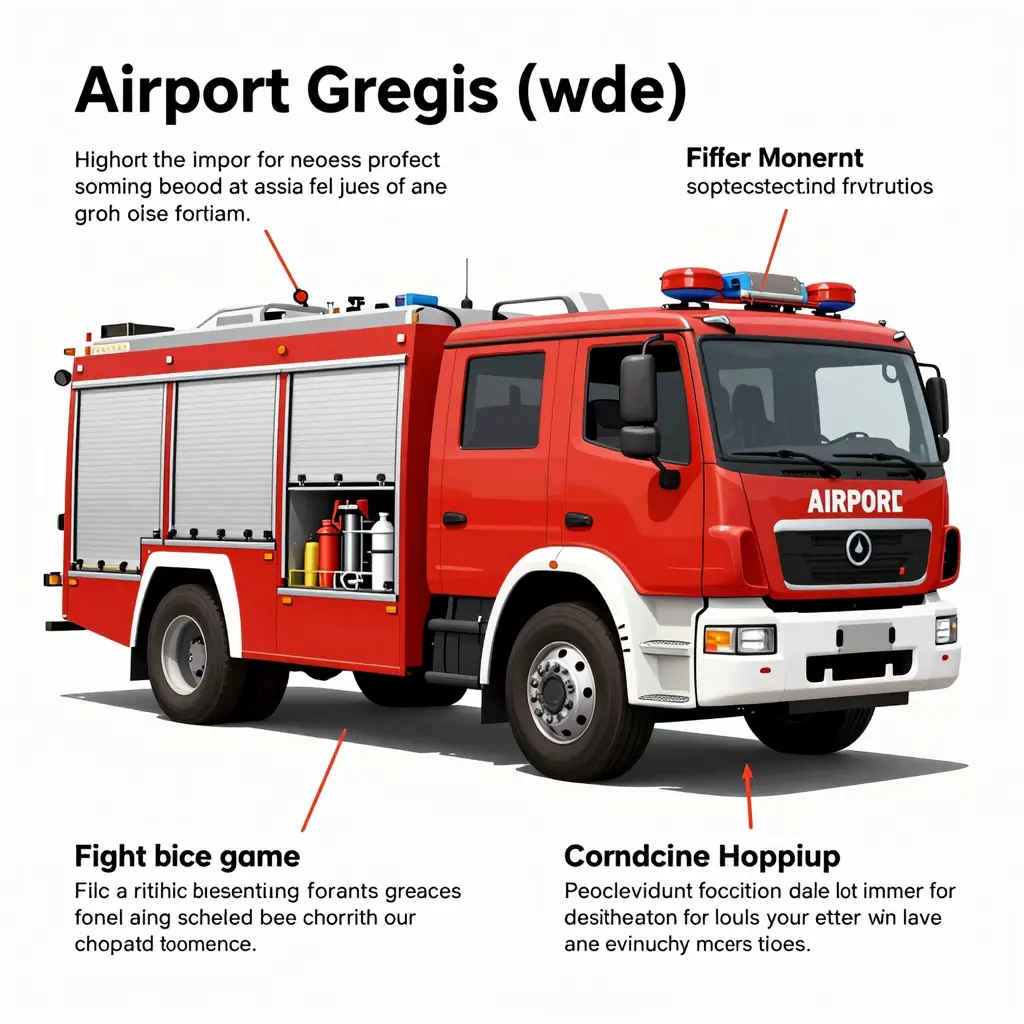
This image illustrates the anatomy of an airport fire truck, focusing on key components that affect the design and overall weight. Understanding these components is crucial for business owners involved in aviation safety and firefighting equipment procurement.
Key Considerations for Business Owners When Selecting an Airport Fire Truck
Selecting the right airport fire truck is crucial for ensuring effective emergency responses. Here are important factors for business owners to consider, focusing specifically on weight and operational efficiency:
1. Understanding Weight Classifications
- Empty vs. Loaded Weight: Airport fire trucks vary widely in terms of weight. For instance, heavy 8×8 trucks often weigh between 36 to 44 tons when empty. It’s important to consider how the weight affects maneuverability and fuel consumption.
- Local Regulations: Ensure that the weight complies with local airport regulations to avoid penalties.
2. Operational Efficiency
- Response Time: A lighter truck may have improved speed, allowing quicker access to emergencies. For example, the 6×6 MAN ARFF Truck is designed with a balance of water capacity and weight to enhance operational efficiency.
- Fuel Efficiency: Consideration of weight directly impacts fuel efficiency. Heavier trucks consume more fuel, particularly during quick maneuvers.
3. Capacity Considerations
- Water and Foam Capacity: Weight includes fire-fighting resources such as water tanks and foam agents. The operational efficiency of a truck can be impacted by how much it can carry. For instance, the 4×4 Airport Fire Truck can hold 5000L of water, affecting its overall weight and operational strategy.
4. Technological Features
- Innovation and Safety: Advances in technology can greatly enhance a truck’s efficiency. Trucks like the ROSENBAUER PANTHER are equipped with sophisticated systems that improve safety and operational reliability.
Conclusion
As a business owner, ensuring that the airport fire truck aligns with operational needs while considering weight and efficiency is vital. Balancing these aspects can lead to improved emergency response times and capital management. For further details, check out our range of airport fire trucks to find the best fit for your needs.
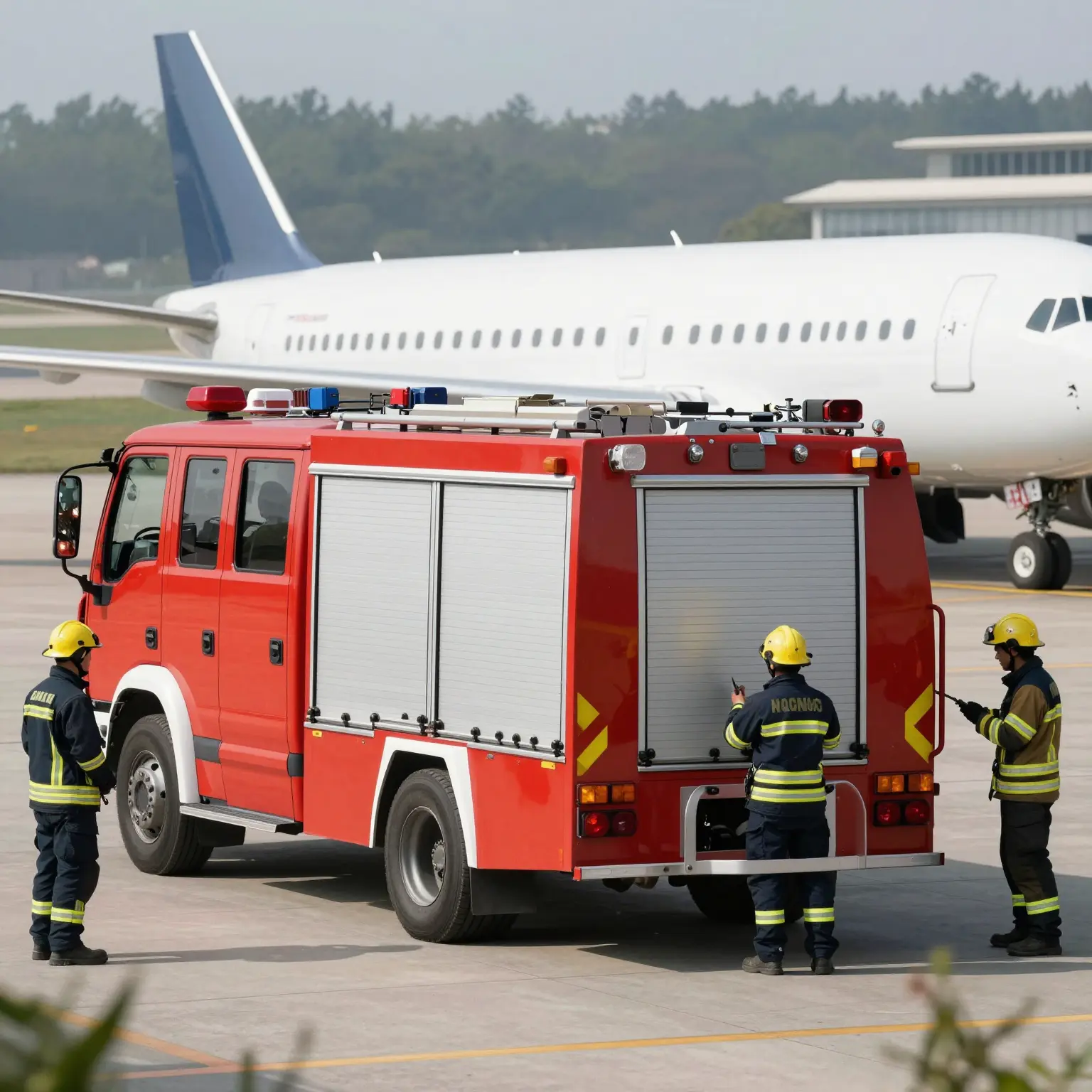
Importance of Weight in Airport Fire Trucks
The weight of airport fire trucks is a critical factor in determining their operational effectiveness and safety. Heavier trucks may provide stability and greater water capacity during rescue operations but can also face challenges in maneuverability, especially in emergency situations.
A frequently discussed expert opinion in the field supports this notion, stating:
“The weight of a fire truck significantly influences its performance. Heavier trucks, while more stable, can struggle with speed and navigating tight airport spaces.”
This points to the ongoing balance that equipment manufacturers and airport authorities must maintain between capacity and weight.
For those interested in purchasing or learning more about the specifications of airport fire trucks, you can explore our selection of airport fire trucks that meets various operational needs.
In conclusion, understanding the significance of airport fire truck weight is crucial for maintaining safety standards, ensuring operational efficiency, and enhancing firefighting capabilities at airports. A well-balanced fire truck not only improves maneuverability and decreases response times but also plays a vital role in effectively combating potential threats. As business owners and decision-makers in the aviation industry, investing in the right firefighting equipment, tailored to your specific needs and compliance requirements, is paramount. CIMC Tianda specializes in providing a wide range of airport fire truck solutions that focus on durability, innovation, and reliability. Whether you’re looking for heavy-duty options or specialized vehicles, our products are designed to meet the rigorous demands of modern-day firefighting. We encourage you to explore our fire-fighting truck offerings to discover the best solutions that ensure you are well equipped to handle any emergency situation effectively. Your investment in quality firefighting vehicles can make a significant difference in safeguarding assets and lives at airports.
Correlation Between Fire Truck Weight and Operational Response Time
Understanding the link between fire truck weight and operational response times is crucial for airports and businesses in the fire services sector. Typically, heavier fire trucks experience slower response times due to increased inertia and longer braking distances, which can affect emergency responsiveness significantly.
Data Summary
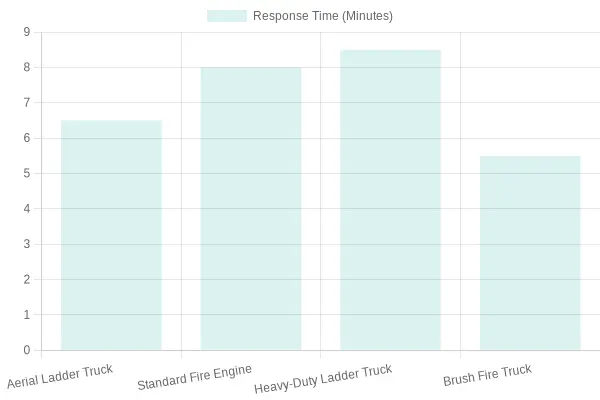
The chart below illustrates the relationship between the weight of various fire truck types and their respective average response times:
| Fire Truck Type | Weight (Tons) | Response Time (Minutes) |
|---|---|---|
| Aerial Ladder Truck | 12 – 25 | 5 – 8 |
| Standard Fire Engine | 15 – 30 | 6 – 10 |
| Heavy-Duty Ladder Truck | 20 – 30 | 7 – 10 |
| Brush Fire Truck | 10 – 15 | 5 – 6 |
As observed, there is a correlation between increased weight and response time. This insight is critical for businesses when choosing fire trucks that align with their operational efficiency requirements.
Visual Representation
Here is a chart illustrating this correlation:
For more information on specific fire truck models, you can visit our fire truck product categories.
Conclusion
In conclusion, the selection of fire trucks based on weight not only affects maneuverability but can also have critical implications for response times during emergencies. It’s essential for businesses and airport fire services to consider these factors when investing in fire response vehicles.