
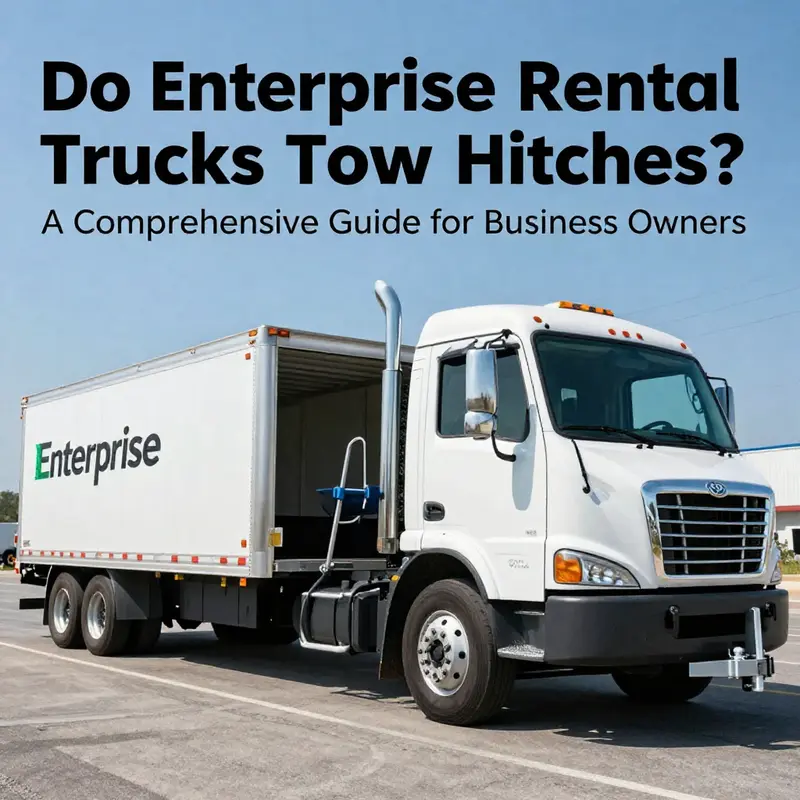
For business owners looking to rent trucks, understanding the features available can significantly impact logistics and operational efficiency. One specific feature of interest is the tow hitch, especially for those requiring additional hauling capabilities. Are Enterprise rental trucks equipped with tow hitches? This inquiry is vital for making informed rental decisions. In the chapters ahead, we’ll explore the availability of tow hitches on Enterprise trucks, identify the types of trucks that include this essential feature, outline how to confirm availability at local branches, and discuss the benefits of using trucks that come equipped with tow hitches. Together, we’ll ensure business owners have the insights they need to effectively utilize Enterprise rental trucks for their transportation needs.
Tow Hitches Uncovered: Navigating Enterprise Rental Truck Towing Capabilities
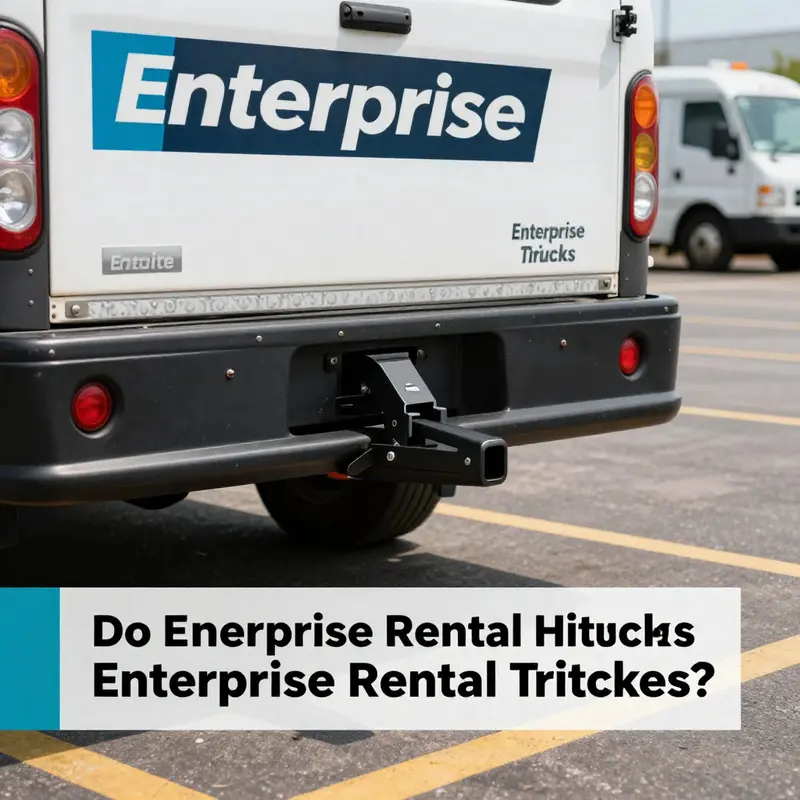
When planning a move, hauling equipment, or embarking on a project that involves towing, the availability and reliability of tow hitches on rental trucks become of paramount importance. In many rental fleets, particularly those offered by well‐established companies, the presence of a tow hitch can transform a standard truck rental into a versatile solution engineered for varied transportation needs. Enterprise rental trucks have built a reputation for accommodating customers who require the assistance of towing capabilities, and a closer look reveals that many of their larger models are indeed outfitted with hitch receivers. This chapter explores in detail what customers can expect regarding tow hitches, the nuances that come along with different vehicle models and locations, and the practical considerations one should heed before committing to a rental for towing purposes.
At the heart of Enterprise’s truck rental offerings are several popular pickup models, including the likes of the Ford F-150, Chevrolet Silverado 1500, and Ram 1500. These models are favored not only for their robust engine performance and spacious cargo areas but also for their built-in towing provisions. Most of these vehicles often feature a hitch receiver that offers the possibility of towing trailers or other types of equipment. However, it is essential to understand that while the hitch receiver is a standard installation on many of these trucks, the complete towing package—meaning the inclusion of the trailer hitch ball or tow bar—might not come as a standard accessory with every rental. This distinction requires that renters not only review the specifications of the vehicle they wish to reserve but also check if their specific towing requirements are met by the equipment actually provided at the time of pickup.
The configuration of a tow hitch is a critical aspect of the truck’s overall towing capacity. A hitch receiver acts as a mounting point that, when paired with the proper hitch ball or tow bar, allows the vehicle to tow trailers and other heavy loads. For those unfamiliar with the terminology, the hitch receiver is essentially the frame built into the rear of the truck that can accept various towing accessories. Many Enterprise trucks are designed with this receiver, but renters need to confirm whether the additional components necessary for safe towing—like the hitch ball—are included or whether these must be sourced separately. This nuance is particularly important for customers who may not have prior experience or who are adjusting to towing their own loads, as relying solely on the presence of a hitch receiver without further equipment may lead to complications on the road.
Moreover, the availability of tow hitches on Enterprise rental trucks is not uniform across all locations. Rental branches in different regions may offer varying configurations based on demand, fleet management decisions, and local market conditions. Some branches might choose to equip all available larger pickup trucks with tow hitches, while others might reserve this feature for vehicles designated for specific types of customer needs. Consequently, for customers with stringent towing requirements, direct communication with the rental branch is strongly recommended. Confirming details in advance ensures that the vehicle reserved is fully suited to the customer’s towing parameters, including the weight ratings, hitch installation, and any additional equipment that might be necessary to complete a safe towing operation.
A careful evaluation of one’s towing needs is in order when planning to rent an Enterprise truck. For instance, a customer planning to move heavy machinery, a boat, or even a travel trailer must not only verify that a hitch receiver is present but also ascertain that the truck’s towing capacity matches or exceeds the load intended to be hauled. In many cases, the truck’s horsepower, payload capacity, and suspension design all contribute to its overall towing capability. Renters should thus take the time to understand the specifications listed on the reservation or the vehicle’s manual and actively ask the branch about any limitations that might affect the maximum allowable weight. By verifying these details, one can avoid the common pitfalls associated with underestimating the power required for safe towing operations. It is also prudent to check whether there are any additional fees for using the towing capability because sometimes accessories such as hitch balls or tow bars may incur extra charges.
Understanding that variations exist not only in the standard equipment but also in the pricing model is essential. Sometimes, the hitch receiver is installed as part of the truck’s design, but the actual towing accessories—the parts that transform the receiver into a functional towing system—might require an extra fee. This fee is usually reflective of maintenance costs and the additional risk involved when a vehicle is used for towing heavier loads. Moreover, in some instances, a truck might be equipped with towing capabilities that are suitable for only certain types of trailers. For example, the towing setup that enables the transport of a small utility trailer may differ from that designed for larger moving trailers. As a result, renters are encouraged to provide detailed information about their towing needs when reserving a truck to ensure that all aspects of the towing setup are addressed.
In instances where renters are uncertain about whether the truck they plan to reserve is outfitted with the necessary towing features, direct consultation with the local Enterprise branch stands out as the best course of action. By making a quick phone call or visiting the rental office in person, customers can rapidly clear up any doubts concerning equipment, potential extra fees, or restrictions that might be in place. This proactive approach is particularly recommended for those who will be relying on the truck for heavy-duty tasks or who are planning a long-distance journey that may introduce additional road challenges. For many, the small amount of time invested in confirming these details upfront can save innumerable hours, if not days, of inconvenience later on. Renters might also benefit from reviewing detailed online resources provided by Enterprise and comparing them against third-party insights. For example, those interested in learning more about successful hitch installation and maintenance might find useful hints in resources such as the guidance available in a detailed discussion on hitch installation techniques available on a reputable industry blog like this guide on trailer hitch installation. By arming themselves with information, customers will have a clearer picture of what to expect from their rental experience and the actual functionality of the towing equipment provided.
The variability in towing equipment across different Enterprise branches may also be influenced by regional preferences and operational priorities. In metropolitan areas where the demand for versatile trucks is high, rental branches may place a higher emphasis on equipping vehicles with comprehensive towing setups. Conversely, in regions where consumer demand is more aligned with standard cargo transportation rather than towing, certain branches may limit the number of vehicles outfitted with complete towing accessories. This localized approach often reflects the company’s strategy in optimizing fleet usage and ensures that customers who depend on towing capability have access to the right type of vehicle at branches where the equipment is readily available. For renters, this means that even if one branch does not offer the complete towing package, another branch in a nearby area might exceed these expectations, reinforcing the necessity of verifying details at the point of reservation.
Another important aspect is the evolution of towing technology and its implications on rental fleets. Advances in automotive engineering have enabled modern trucks to come pre-equipped with specialized features that enhance towing safety and performance. These enhancements include automatic trailer brake controls, stability assist systems, and even built-in weight distribution mechanisms that help maintain balance during towing. While such features are beneficial, they also add layers of complexity to understanding what a rental vehicle is capable of. Renters must be aware that while a truck may boast the presence of a tow hitch, its effectiveness in safely towing heavy loads depends on the integration of these additional systems. As a result, periodic updates in rental fleet compositions directly affect the available towing options. With improvements in technology also come regulatory updates, and rental companies strive to meet or exceed these evolving standards. In essence, the intersection of modern engineering with rental operations means that what a rental truck offers today may differ from what was provided only a short time ago. This dynamic environment makes it all the more crucial for interested renters to seek out the most current information by checking directly with their desired rental branch and consulting the official Enterprise Rent-A-Car website at the end of their planning process.
The customer experience in dealing with tow hitches on rental trucks is layered with both technical and logistical inquiries. Often, the conversation begins with a detailed review of the available vehicle configurations. For example, a customer might inquire whether the specific model they are interested in has a hitch receiver pre-installed, and if so, the nature of the towing accessories that accompany it. Additionally, questions surrounding the legal and safety implications of towing with a rental truck are common. Rental companies are frequently bound by state and federal regulations concerning towing capacities, safety practices, and even liability in case of towing-related incidents. Therefore, a thorough conversation regarding these topics can help clarify if additional safety briefings or instructions are provided when renting a truck with towing capability. This kind of assurance plays a significant role in building trust between the customer and the rental service, ensuring that the subsequent use of the vehicle is both safe and well-supported by the rental company’s guidelines.
From a broader perspective, the inclusion of tow hitches in rental trucks reflects the evolving nature of customer needs in the transportation sector. As consumer expectations have grown, rental companies have responded by tailoring their fleets to accommodate a diverse range of missions—be they personal moves, commercial deliveries, or specialized transport requiring the towing of additional assets. The dual benefit of having a versatile vehicle that can serve as both a workhorse for transport and a safe platform for towing embodies the modern approach to vehicle utilization. For many, the decision to rent a truck from Enterprise is significantly influenced by the promise of reliability, flexibility, and the assurance that the vehicle’s towing capabilities will not fall short when the unexpected arises.
In summary, the presence of tow hitches on Enterprise rental trucks is a deliberate design feature aimed at providing versatile solutions to a myriad of transportation challenges. Whether it is for a full-scale move or an occasional towing requirement, the availability of a hitch receiver on many of Enterprise’s larger truck models often serves as a boon to renters. However, the effectiveness of this feature rests on a few pivotal factors: the completeness of the towing package (including the hitch ball), the variability in equipment based on geographical locations, and the evolving technical standards that govern towing safety and performance. Every renter is advised to take the extra step of verifying their truck’s configuration by contacting the local branch well ahead of time. This simple measure ensures that any uncertainties are resolved, and that the customer’s specific towing needs can be met without compromise or delay. For those who like to remain informed about every technical detail and installation tip, further reading on comprehensive towing setups can be invaluable. More details on how to address and install towing components correctly can also be found after browsing resources available on the official Enterprise Rent-A-Car website, which remains the most reliable external resource for up-to-date vehicle specifications and rental terms: https://www.enterprise.com
In closing, as the rental market continues to adapt to the diverse demands of its varied clientele, one thing remains certain: thorough preparation and proactive communication are key to securing a rental truck that not only meets basic transport needs but also exceeds expectations in towing reliability. The decision to rent a truck with a tow hitch, while seemingly straightforward, involves many considerations that ensure both safety and performance on the road. With advancements in technology and the continued evolution of rental services, customers can look forward to even greater customization and efficiency in their rental experiences. The journey toward finding the perfect rental truck, equipped with all the proper towing capabilities, will ultimately highlight the importance of clarity in communication, precision in planning, and a commitment to safety that goes hand in hand with every customer’s goals in transportation and mobility.
Diverse Tow Hitch Capabilities in Enterprise Rental Trucks: A Comprehensive Guide
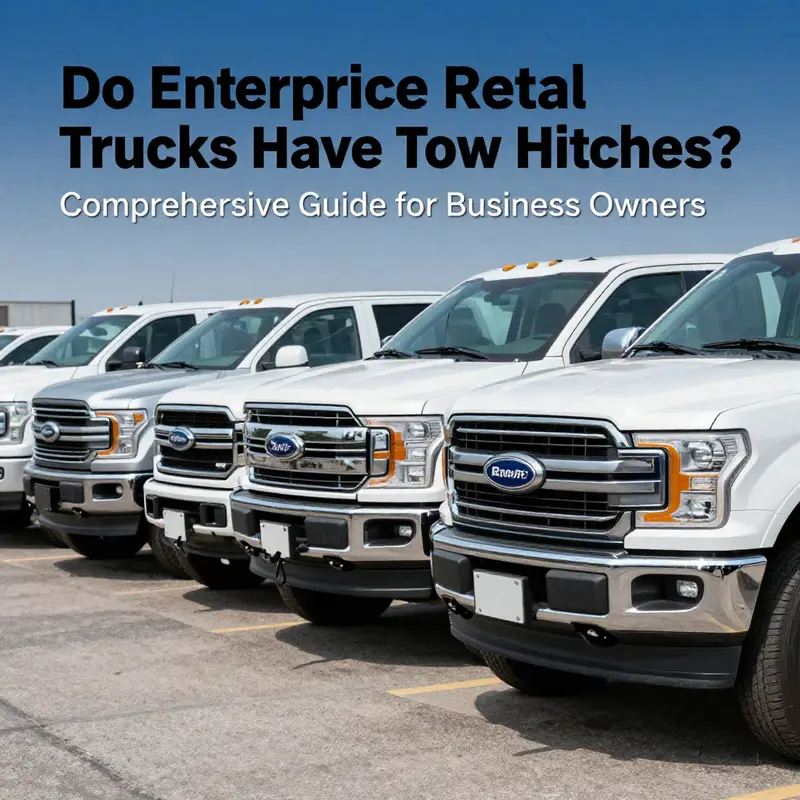
Enterprise rental trucks have earned a reputation for versatility and reliability, especially when it comes to moving, hauling, and towing needs. One of the key features that set many of these vehicles apart is the availability of tow hitches. This chapter offers an in-depth look at the range of tow hitch-equipped trucks provided by Enterprise, exploring how different vehicle types—each with its own unique capabilities—can meet the varied demands of both commercial and personal moving tasks. The journey begins with an overview of the types of trucks that frequently come equipped with tow hitches and moves seamlessly through discussions of design, safety, and practical considerations for renters.
Large box trucks, such as those modeled after the Ford Transit or Chevrolet Express, often feature integrated modifications that allow the installation of tow hitches or come equipped with such systems from the factory. These medium-size vehicles are favored for business deliveries, transporting large volumes of merchandise, and supporting the occasional need to tow a small trailer or utility cart. Their design incorporates thoughtful engineering that balances cargo capacity with the additional requirement of a towing mechanism. Customers appreciate the flexibility that these trucks offer because they enable a single rental to serve both primary transport functions and secondary tasks that require towing. The integrated tow hitch in these models ensures that users have an added tool at their disposal without compromising interior space or cargo volume.
Heavy-duty pickup trucks stand as another cornerstone in the Enterprise fleet when it comes to towing versatility. Models inspired by industry favorites such as the Ford F-150, Chevrolet Silverado 2500HD, or Ram 2500 are known for their robust build and high towing capacities. These pickup trucks are often equipped with factory-installed tow hitches that are engineered to support heavy loads, with many hitches rated for towing capacities of 10,000 lbs or more. This makes them ideal for towing boat trailers, construction equipment, or larger utility trailers. The combination of powerful engines, reinforced frames, and advanced towing technology creates a safety net for renters who require substantial towing strength on diverse terrain. The design of these trucks ensures that when the tow hitch is engaged, its integration with the overall structure of the vehicle supports stable, safe towing dynamics.
In addition to box trucks and heavy-duty pickups, certain cargo vans—often exemplified by models like the Mercedes-Benz Sprinter—offer tow hitch compatibility. While these vans traditionally serve as cargo carriers for both businesses and organizations, some Enterprise locations modify or offer versions that come with a tow hitch so that they can handle light towing tasks. Although this option is less common than with pickup trucks, it provides an incremental benefit to renters who need to move small trailers or additional equipment along with their typical cargo. The agility and compact size of these vans, combined with the convenience of a tow hitch, make them especially appealing for urban areas where space is at a premium but the need for extra support equipment still exists.
For those tackling larger commercial assignments, Enterprise sometimes provides specialty hauling vehicles such as work trucks or chassis cab models. These vehicles are engineered with reinforced frames and pre-wired electrical systems that are compatible with several types of tow hitch systems as well as trailer brake connections. The reinforced design of these trucks helps absorb the additional stress that towing can impose on a vehicle’s structure. As a result, these specialty models become invaluable on job sites that require reliable transport of heavy equipment or oversized loads. By integrating tow hitch capabilities directly into the vehicle’s design, these trucks exemplify how thoughtful engineering can extend a rental’s usability beyond traditional moving tasks.
The significance of a tow hitch in a rental truck extends beyond its immediate functionality. Tow hitches add a layer of versatility that transforms a standard truck into a multipurpose asset capable of adapting to unexpected challenges during a move. However, it is important to note that the availability of a tow hitch can vary by location, vehicle model, and even the specific configuration offered at the time of rental. For instance, some locations might have a broader selection of heavy-duty pickups with towing capabilities, while others may emphasize medium-size box trucks equipped for light towing. Therefore, renters need to inquire directly with the local Enterprise branch or verify online details before making a reservation. Confirming key details such as the hitch receiver type (which could be 2-inch or 3-inch in diameter) and the weight rating of the hitch ensures that the truck selected meets the unique demands of a given towing job.
Safety is one of the most critical considerations when using trucks with integrated tow hitches. Not all hitches are created equal; each comes with its own set of specifications regarding installation, capacity, and compatibility with different types of trailers. Proper use requires understanding how the hitch is rated and ensuring that the load does not exceed those limits. The reliability of the towing system is reliant not only on the hardware but also on regular maintenance and safety inspections carried out by the rental service. This dual focus on engineering excellence and proper upkeep creates an environment where renters can operate these vehicles with a heightened sense of confidence.
A closer look at the design of these tow hitch-equipped trucks reveals an elegant balance between capability and convenience. The medium-size box trucks, for example, are designed to maximize cargo space while still offering the added utility of a tow hitch. This means that even if a renter begins with a primary need to move goods, the option to tow an extra trailer becomes available when the situation demands it. Similarly, heavy-duty pickups underscore the importance of having a supported and robust system that can handle intense, heavy loads. In each case, the integration of the tow hitch does not detract from the primary utility of the vehicle; rather, it enhances the overall functionality by creating a multi-use tool that can pivot as requirements change en route.
Rental experiences can be further enhanced by understanding the nuances of hitch installation and maintenance. Many renters have found themselves pleasantly surprised by the ease with which a tow hitch-equipped truck can transition from a cargo carrier to a towing powerhouse. Detailed instructions and supportive customer service are a hallmark of the rental process, wherein technicians ensure that all hitch components are secure and functioning correctly before the truck is handed over. For those who wish to learn more about the intricacies of proper hitch setup, checking out informative resources such as trailer hitch installation tips can provide additional clarity and guidance on ensuring that the equipment is utilized safely and effectively.
The benefits of renting a truck equipped with a tow hitch become extremely apparent when considering real-life moving scenarios. Whether the renter is moving household items, relocating a business, or transporting heavy machinery, the inclusion of a tow hitch transforms the rental into a flexible solution capable of handling unexpected challenges. The design of these vehicles focuses on minimizing the need for multiple rentals by combining the strengths of cargo transport with additional towing support. This level of versatility is particularly beneficial for those who might not own a dedicated towing vehicle, allowing them to leverage the strength of a rental truck without compromising on safety or efficiency.
Technological enhancements in modern vehicles have further influenced the effectiveness of tow hitch systems. In many Enterprise trucks, advances such as digital readouts for hitch weight ratings, warning systems for overload situations, and integrated structural reinforcements all contribute to high performance. These built-in features ensure that both the driving and towing experience remains stable even when conditions push the vehicle to its limits. Essential modifications like these allow for smoother operation and contribute to reduced wear and tear on the truck, ultimately benefiting both the renter and the rental service by extending the durability of the vehicle.
In the world of truck rentals, the emphasis on towing capability is part of a broader trend toward multifunctional vehicle design. It is no longer a question of whether a rental truck can move goods, but rather how many different tasks it can perform during a single assignment. With the progressive integration of tow hitches into the design, Enterprise provides vehicles that are not only agile and rugged but also adaptable to the shifting needs of modern logistics. Practically speaking, this means that a renter can transition from hauling large boxes to towing a trailer in an uninterrupted chain of tasks, ensuring that the rental is maximized to its full potential.
As the market for rental trucks continues to evolve, so too do the expectations for safety and performance. The incorporation of tow hitches in these vehicles is emblematic of the broader commitment to meeting diverse customer needs with a single, well-crafted platform. Every component of the towing system, from the hitch receiver to the wiring for trailer brakes, is designed with precision and care. This design ethic is evident across the Enterprise fleet and serves as a reminder that accommodating a wide range of moving requirements is both an art and a science.
Real-world usage scenarios highlight the importance of accurate information when seeking a truck with a tow hitch. A common issue reported by renters is the assumption that all rental trucks are uniformly equipped with towing capabilities. In reality, the availability of a tow hitch is contingent on several factors, including the truck’s make, model, and the specific configuration offered at a given location. To avoid any surprises on moving day, renters are encouraged to confirm the presence, type, and capacity of the tow hitch prior to finalizing a reservation. This proactive approach can prevent mishaps that might otherwise lead to delays or safety compromises.
It is also worth noting that rental branches are frequently updating their fleets to incorporate the latest advancements in vehicle technology. The pursuit of higher towing capacities and improved safety features is a driving force behind many of these updates. As these technologies evolve, the companionship between a truck’s primary function of cargo transport and its secondary function of towing becomes increasingly seamless. This integration not only bolsters the overall efficiency of a moving operation but also serves as a key differentiator for the service provider.
For business customers who often require a versatile fleet for unpredictable tasks, the option to rent trucks with pre-installed tow hitches represents a significant advantage. Instead of relying on separate vehicles for transport and towing, one can handle both tasks with one well-equipped truck. This consolidation not only reduces costs but also simplifies logistics by limiting the number of vehicles on the road. In practical terms, a single rental that supports multiple operations becomes a valuable asset to any business engaged in extensive moving or delivery tasks.
Beyond the operational benefits, the aesthetic and functional design of these vehicles reflects a strong commitment to customer satisfaction. Enterprise continuously invests in ensuring that every aspect of the truck—from its engine performance to its towing capability—meets rigorous quality standards. The result is a portfolio of rental trucks that marry rugged durability with modern conveniences, making them an attractive option for a wide range of uses. This emphasis on quality assurance assures renters that they are not only getting a truck capable of heavy duty work but also one that has been thoughtfully equipped with safety and performance enhancements.
In light of these advantages, it is no surprise that many customers report positive experiences when using a rental truck equipped with a tow hitch. The ability to adapt to unforeseen moving challenges—in situations where time is of the essence and efficiency is paramount—makes these trucks particularly well-suited to the modern demands of both personal and professional users. The robust construction, coupled with tailored towing specifications, ensures that each engagement is met with the reliability and flexibility that customers have come to expect.
Moreover, the continuous evolution of truck design reflects a broader trend toward operational excellence in the rental industry. Standard features such as reinforced frames, digital towing aids, and precise hitch integrations are now commonplace in many vehicles, which places a premium on informed decision-making. Renters who take the time to research and confirm vehicle specifications can avoid common pitfalls such as selecting a truck with inadequate towing capacity. This due diligence enhances the overall rental experience, contributing to safer and more reliable moving operations.
Understanding the intricacies of towing dynamics is essential for anyone planning a move that requires more than just standard transportation. Factors such as load distribution, hitch receiver compatibility, and the state of the vehicle’s suspension all play a critical role in ensuring a smooth towing experience. Modern Enterprise trucks exemplify how these factors are anticipated and addressed during the design phase. Each vehicle is rigorously tested to ensure that, when a tow hitch is engaged, it meets both the safety standards and the performance expectations of today’s discerning customers.
Looking ahead, future models of rental trucks are expected to push the boundaries of towing capability even further. With advances in materials technology, engineering precision, and digital monitoring, tomorrow’s tow hitch systems may offer even more granular control over towing operations. This continuous improvement cycle reassures renters that choosing a truck with advanced towing features is not merely a short-term convenience but a long-term investment in reliability and efficiency.
In conclusion, the diverse range of tow hitch-equipped trucks available from Enterprise stands as a testament to the company’s commitment to versatile, safe, and customer-centered vehicle design. Whether you are moving for business or personal reasons, the integration of a tow hitch into the truck’s framework offers a unique combination of power, flexibility, and safety. It is imperative that renters take full advantage of available resources and verify all specifications prior to renting, thereby ensuring that the truck selected perfectly aligns with the demands of the task at hand. For the most up-to-date information regarding the availability and specifications of tow hitch-equipped trucks, a final review of details on the official Enterprise website, Enterprise Rent-A-Car, is always advisable.
Through a careful blend of engineering innovation and customer-focused customization, Enterprise rental trucks with tow hitches provide a dynamic solution for those in need of flexible, multi-purpose vehicles. With thoughtful design that prioritizes both performance and safety, these trucks are equipped to handle the rigorous demands of modern moving challenges while maintaining the utmost care for cargo integrity and driver confidence. As the industry continues to evolve and technology further enhances vehicle capabilities, renters can look forward to an even more seamless integration of towing features in future models, ensuring that every rental experience is as efficient and worry-free as possible.
Ultimately, the decision to rent a truck with a tow hitch is not simply about the convenience of having extra towing capacity—it embodies a commitment to preparedness, efficiency, and safety during every step of a move. As your moving needs change and expand, the adaptability of these vehicles stands ready to support your journey. Embrace the flexibility, rely on the robust engineering, and plan ahead by confirming specifications. In doing so, you ensure that each move is executed smoothly, leveraging technological advances and expert-crafted design to overcome any challenge that arises.
Ensuring Your Tow Hitch Is Ready: A Comprehensive Guide to Enterprise Rental Truck Options
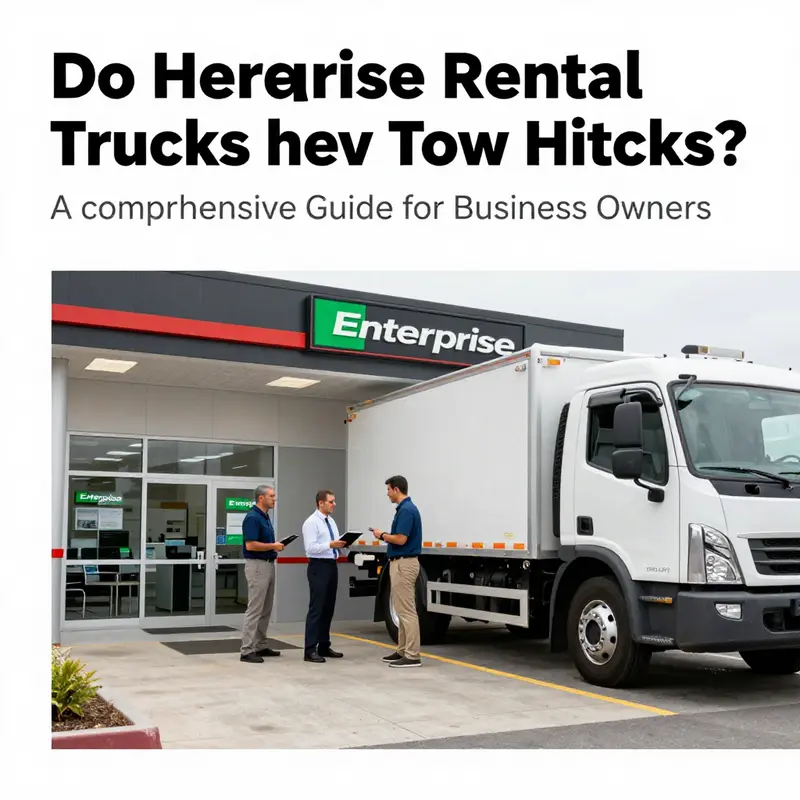
When planning a move or tackling a project that requires extra hauling power, the presence of a tow hitch on a rental truck can be a decisive factor. Enterprise rental trucks have long been recognized for their versatility and reliability, and for many renters, the option of towing trailers or additional equipment is essential to getting the job done. This comprehensive discussion offers a deep dive into the details of tow hitch availability at Enterprise locations, offering clarity on vehicle features, location variances, and practical steps to ensure that your rental meets your towing needs.
At the outset, it is important to understand that many of the larger truck models available for rent—names such as the Ford F-150 or the Ram 1500—are designed with towing in mind. Most of these models come with a hitch receiver as a standard feature, which not only makes them ideal for hauling trailers but also provides confidence to those who depend on secure towing capabilities. However, not every truck in the fleet may come equipped with this feature by default. The availability of a tow hitch is largely subject to variability: rental locations vary in both the configuration of their vehicles and the additional towing accessories they have ready for customer use. Whether you are moving household goods, managing a construction project, or simply require additional capacity to transport equipment, ensuring that the rental truck you choose has a tow hitch is paramount.
This variability often stems from differences in local fleet composition and the specific preferences of each branch. In many cases, the larger truck models that are popular for their towing capacities are distributed unevenly across branches. Some locations might emphasize offering trucks with enhanced towing features to cater to regional needs, while others may stock models that prioritize fuel efficiency or compact design over towing capabilities. Further, seasonal fluctuations and the overall demand in each area can affect which specific configurations are available at any given time. For example, during peak moving season, more individuals require both space and towing capacity as they move households or transport larger items. It is not uncommon for renters to find themselves in a situation where the vehicle they were expecting differs slightly from what was initially described. Because of this, renters are encouraged to check the feature list of the vehicle they are about to rent.
To guarantee that your rental truck comes with the required tow hitch, several practical steps can be taken. The most direct method is reaching out to your local Enterprise branch. Whether you prefer to call or visit in person, speaking directly with a branch representative can yield immediate and up-to-date details on the available trucks and accessories. During these communications, ask explicit questions: Does the truck you are reserving come with a tow hitch? If not, are there accessory options available such as trailer hitches or hitch-mounted items that you can add to your rental? Such an approach not only clarifies any potential misconceptions but also provides an opportunity to discuss alternative options if the vehicle does not meet your towing requirements.
In addition to direct branch contact, Enterprise provides an online reservation system that is designed to help renters tailor their vehicle choices to their specific needs. When booking your truck online, you will often find that there are options or add-ons for trailer hitches during the reservation stage. The interface usually highlights the features of the truck, which may include details about the hitch receiver. For those who prefer to manage their rental entirely over the internet, it is crucial to search for these details in the vehicle description. Keep in mind that even though the online system is generally accurate, variations exist between the information provided online and the actual vehicle delivered. To mitigate this risk, it is advisable to confirm by either calling the branch after booking or by checking the vehicle in person upon arrival at the pick-up location.
Another factor that complicates the process is the rapid pace at which fleet updates occur. As Enterprise refreshes its vehicles and updates its inventory, certain models might be replaced or temporarily removed from service, impacting the availability of tow hitch-equipped trucks. This dynamic environment means that even if you have had a good experience with a rental truck in the past, there is no guarantee that the specific model with the tow hitch you require will always be available. Consistent, clear communication with the rental location can pre-empt any surprises. For anyone with critical towing needs, the extra step of verifying these details prior to finalizing your reservation can prevent a cascade of issues on the day of the move or project.
One noteworthy point is that the provision of a tow hitch is not a static feature; it can sometimes be augmented with additional towing accessories. Many Enterprise branches offer towing hitch accessories that can include trailer hitches as well as hitch-mounted cargo carriers or bike racks. These add-ons are particularly useful for renters who might need more than just a hitch receiver. They provide flexibility, allowing you to secure multiple types of equipment in one go. While the focal point of this discussion is on the tow hitches themselves, it is important to note that the presence or absence of these accessories can also greatly impact the overall towing performance and safety of your rental experience. Often, a well-installed trailer hitch paired with the right accessories can transform a standard rental truck into a multifaceted tool for any task. For those interested in more detailed insights on how accessories can be installed, there is a helpful resource available in this guide on penske trailer hitch installation, which, although focused on a different service provider, offers useful technical insights and practical tips that are applicable in many towing scenarios.
Equally important is the role that branch location plays in the overall process. Not every Enterprise branch will have the same inventory, and some locations might experience higher demand for trucks with towing capabilities than others. In high-traffic areas or during popular rental periods, the trucks meeting towing criteria may be in even shorter supply. This underscores another valuable piece of advice: when planning a rental that involves towing, it is beneficial to not only reserve in advance but also to inquire about the current fleet composition at your local branch. Being proactive in this regard can help ensure that you are not caught off guard by last-minute changes or unexpected vehicle substitutions. In some cases, branches even offer the ability to reserve specific models, though this is subject to local policies and availability.
Safety and compliance considerations must also be kept in mind when dealing with tow hitches. The integrity of a tow hitch is critical not only for the towing operation but also for overall road safety. A hitch that is incorrectly configured or compromised can lead to dangerous situations on the road. Therefore, if you are less familiar with the intricacies of towing, it may be wise to have a discussion with a branch agent about the proper use and maintenance of the hitch feature. Even though Enterprise trucks are maintained to high standards, personal due diligence is always recommended when engaging in any towing operation. Consider discussing any uncertainties or questions you have about the hitch’s load capacity, securement features, and overall compatibility with your towing load. This approach not only enhances your own understanding but also reduces the risk of any mishaps during your journey.
The financial aspect of ensuring that you have the right towing capabilities is another angle that deserves mention. In some cases, opting for a truck with a tow hitch or adding towing accessories might come with an additional cost. While the potential expense might be a point of concern for budget-conscious renters, it is important to weigh this against the potential inconvenience and risk of missing out on key features. Often, the additional expense is a small price to pay compared to the overall value derived from having a vehicle that fully meets your needs on the day of your move or project. In the end, clear communication and pre-planning can help you avoid costly last-minute adjustments or the purchase of additional services once you have already picked up the vehicle.
From a broader perspective, knowing whether enterprise rental trucks have tow hitches is reflective of the changing landscape in rental services. Customer expectations have evolved, and with them, the services provided must also adapt. For renters with specific requirements—especially those involving towing—the flexibility to choose a truck that has the right features is not just an added bonus; it is a necessity. This chapter underscores that by taking the time to investigate the specific features of your rental truck, you empower yourself to make an informed decision. In doing so, you also ensure that the vehicle you rely on is fully equipped to handle the demands placed upon it, whether you are towing a trailer loaded with personal belongings, transporting heavy equipment, or simply securing a load safely.
The procedural steps to confirm tow hitch availability can be summarized with practical simplicity: begin by reviewing the vehicle descriptions when booking online, check for the presence of hitch receiver details, and don’t hesitate to contact your local Enterprise branch to ask detailed questions. It is this straightforward process of verification and communication that helps to bridge any gaps between expectation and reality. As with many aspects of rental services, the smallest details—like the presence of a tow hitch—can have a significant impact on the overall experience. For many, what might seem like a minor vehicle specification is, in fact, the linchpin that determines the success of an entire operation.
It is also worth noting how industry trends and technological advances may influence towing capabilities in rental trucks in the coming years. With newer models featuring advanced safety and towing technologies, renters may soon find an even larger range of vehicles that cater to their specific needs. Innovations such as smart trailer detection, integrated warning systems, and enhanced coupling mechanisms are starting to become commonplace in newer truck models. While these features have largely been available in personal vehicles and commercial fleets, rental companies are increasingly making these options available to ensure that renters do not have to compromise on safety or efficiency. The evolving nature of these technologies suggests that future rentals may offer even greater reliability and flexibility than what is available today.
Beyond the technological and operational details, there is a broader narrative about trust and reliability that accompanies the decision to rent a truck with towing capabilities. Many renters come to Enterprise with the expectation that the vehicle they select will perform reliably under diverse conditions. This trust is built on years of positive experiences and consistent quality. When a renter takes the time to inquire about and confirm the presence of important features such as a tow hitch, they are participating in that cycle of mutual accountability. Enterprise’s willingness to provide detailed information and assist with any clarifications contributes to an environment where customers feel valued and understood.
In conclusion, ensuring that the tow hitch is present and ready before you finalize your rental is a blend of strategic planning, proactive communication, and informed decision-making. By taking advantage of both digital platforms and direct branch interactions, renters can significantly reduce the risk of inconvenience. As every rental experience is unique, the emphasis remains on thorough verification and preparedness. For those who base their rental decisions on tailoring the vehicle to specific use cases, these measures are not optional but essential. Ultimately, whether you are planning a large move or preparing for a project that requires reliable towing, trawling through details such as the availability and condition of tow hitches can spell the difference between success and unexpected complications.
For more detailed insights on similar topics regarding towing solutions and truck features, enterprise customers may benefit from further reading on detailed installation procedures available online. And as always, to get the most up-to-date and location-specific information, visiting the Enterprise Rent-A-Car official website at Enterprise Rent-A-Car official website is highly recommended. This reliable external resource stands as a testament to the commitment to quality and collaboration between renters and the rental service providers.
Maximizing Utility and Savings: The Comprehensive Advantage of Enterprise Rental Trucks with Tow Hitches
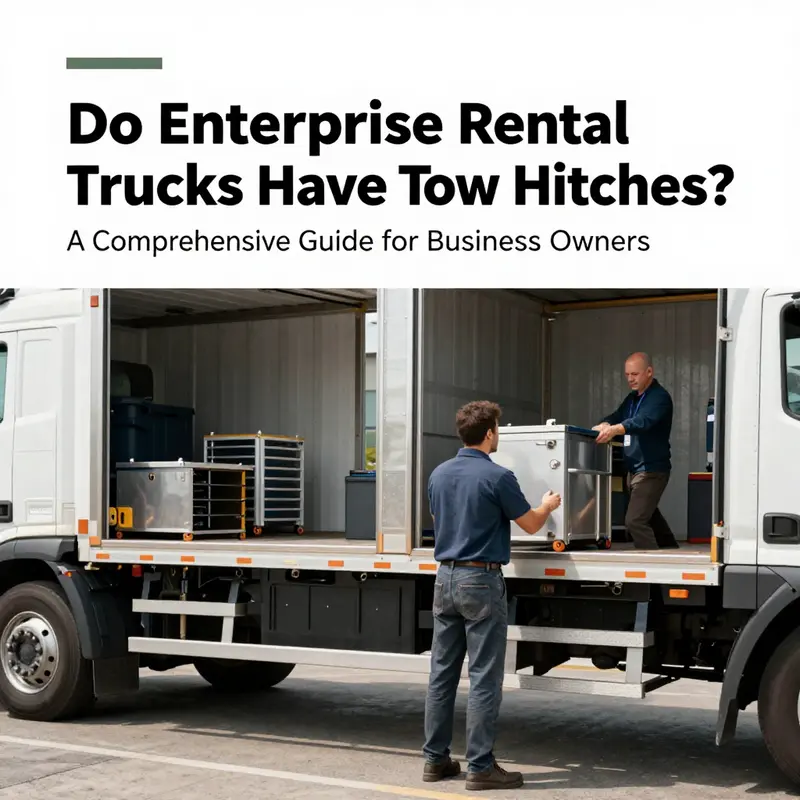
Enterprise rental trucks equipped with tow hitches represent a transformative solution in the world of transportation. In today’s demanding logistical landscape, these vehicles offer a blend of efficiency, safety, and economic prudence that appeals to both individual movers and commercial enterprises. The integration of a tow hitch as a standard or available feature in many of these trucks not only enhances their practical capabilities but also delivers significant advantages that extend well beyond the initial rental experience. The evolution of these vehicles—engineered to support heavy loads and provide reliable towing performance—reflects a strategic convergence of design innovation and customer-centric service.
One of the primary benefits of choosing an enterprise rental truck fitted with a tow hitch is its ability to significantly drive down costs while increasing operational flexibility. By opting for a rental truck that comes with a built-in tow hitch, customers avoid the overhead associated with purchasing a specialized towing vehicle or investing in additional aftermarket equipment. This built-in advantage is particularly salient for businesses that experience fluctuating transportation needs. Instead of committing capital to a dedicated towing solution that might sit idle much of the year, companies can take advantage of rental models that meet their needs on a per-project basis. This cost-effective approach ensures that both occasional and frequent users have access to robust equipment without incurring the recurring expenses typical of vehicle ownership.
The economic benefits of this rental model are further enhanced by the variety of truck sizes available. Customers can select from a diverse fleet ranging from compact work trucks to robust heavy-duty models. Each truck is designed to offer stability and secure towing capabilities through certified tow hitch receivers, engineered to meet rigorous safety standards. The cost savings manifest not only in the absence of the need for long-term investments but also in the elimination of expenses related to upkeep. Regular maintenance checks and the inclusion of support services in the rental agreement mean that renters are spared the unexpected costs of mechanical failure or downtime. The ability to seamlessly match the size and strength of the truck to the specific towing requirements of a task is a benefit that keeps operational costs predictable and manageable.
Beyond monetary advantages, the flexibility and convenience provided by these rental trucks are equally important. The integration of a tow hitch translates into a level of versatility that empowers renters to tackle an array of tasks—ranging from moving household furniture and towing recreational trailers to transporting specialized equipment for business operations. The solid, engineered connection of the hitch receiver ensures that loads are securely attached, reducing the risk of accidents and providing reassurance during long journeys or in challenging driving conditions. This added layer of safety is not merely a byproduct of modern engineering; it is a carefully considered feature designed to safeguard both the vehicle and its cargo. Whether hauling a boat to a favorite lake or moving large appliances across town, the stable connection afforded by a factory-installed tow hitch plays a pivotal role in ensuring secure transportation.
In addition to the core benefits of cost savings and flexibility, rental trucks equipped with tow hitches offer a comprehensive suite of support services that further enhance their appeal. Rental agencies like Enterprise go beyond simply providing a vehicle; they offer a holistic experience that includes round-the-clock roadside assistance, comprehensive insurance options, and routine maintenance checks. Such support services help customers navigate unforeseen challenges and ensure that every rental experience is as worry-free as possible. This commitment to customer service means that in the event of mechanical issues or necessary adjustments during transit, expert help is readily available. The knowledge that professional assistance is only a phone call away can be a decisive factor in reducing stress and enabling a smoother overall process for renters who depend on their trucks for time-sensitive or critical operations.
For businesses, in particular, the combination of flexibility, economic advantage, and robust support services simplifies fleet management and resource allocation. The ability to utilize a rental truck with a tow hitch on an as-needed basis eliminates the need for maintaining multiple vehicles for different types of tasks. Instead, a single, versatile truck can be adapted to varying roles depending on the day’s demands. This consolidation not only streamlines logistics but also results in significant financial benefits, as companies avoid the costs of vehicle depreciation, extensive insurance premiums, and long-term maintenance responsibilities. In this context, every aspect of the rental process—from selection to return—is optimized to provide maximum value, making these vehicles essential assets for small and mid-sized enterprises.
A notable aspect of this rental model is the way it enhances operational agility. When a business needs to adjust to a sudden spike in demand or accommodate an unexpected project, having access to a truck that already includes advanced towing capabilities is indispensable. The mere presence of a tow hitch means that additional equipment, such as trailers or utility modules, can be reliably connected and disconnected with minimal effort. This adaptability is particularly beneficial during peak moving seasons or in the midst of emergency logistical operations where every minute counts. The design and engineering of these trucks are such that they can easily transition from carrying cargo to towing supplementary loads without requiring significant modifications or specialized training from the operator.
The reliability and durability of the tow hitch system itself are underpinned by sophisticated engineering and rigorous quality control. Each tow hitch receiver is designed and tested to ensure a secure connection regardless of load weight or the dynamics of the driving environment. This engineering precision minimizes any potential instability that could arise during transit. The hitch is not simply an add-on feature; it is an integral part of the truck’s overall structural integrity, ensuring that the vehicle functions harmoniously even under the strain of heavy towing. This attention to detail in both design and maintenance is what instills confidence in renters, who can trust that their chosen truck will perform consistently under demanding conditions.
Furthermore, advances in manufacturing and safety technologies have led to significant improvements in hitch systems over recent years. Modern trucks benefit from enhanced locking mechanisms and improved receiver designs that not only facilitate easier hookups but also contribute to longer lifespans for both the hitch and the vehicle as a whole. These advances help mitigate common issues such as wear and tear that can jeopardize safety or reliability over time. Whether it is the integration of corrosion-resistant materials or the implementation of precision-engineered components, each innovation reinforces the truck’s overall functionality while maintaining compliance with industry safety standards.
For renters who are new to towing or may be unfamiliar with how a tow hitch can influence vehicle performance, detailed informational resources are readily available. Comprehensive guides on trailer hitch installation and proper usage can be invaluable in ensuring that connections are made safely and correctly. For a detailed guide on trailer hitch installation, consider our guide on trailer hitch installation for further insights. These resources empower users to make the most of their rental experience by providing step-by-step instructions, maintenance tips, and best practices that ensure every journey is as safe as it is efficient.
The adaptability of these rental trucks is further evidenced by the wide range of applications they support. Beyond traditional moving scenarios, these vehicles are increasingly used for recreational activities, such as towing boats, campers, or trailers for outdoor adventures. In such cases, the tow hitch plays a critical role in converting a standard truck into a multi-purpose tool that can cater to both work and leisure. This versatility means that renters do not have to compromise on performance or safety when using their vehicle for a variety of applications. The integration of a tow hitch thus becomes a cornerstone of the vehicle’s design philosophy, one that prioritizes practicality without sacrificing comfort or reliability.
Safety is paramount when it comes to towing, and rental trucks equipped with tow hitches are designed with this in mind. The secure attachment provided by a well-engineered tow hitch minimizes the chance of detachment or instability, particularly when hauling heavy or bulky loads. This built-in safety measure is critical for reducing the risk of accidents during transit, ensuring that both the driver and the cargo remain secure even in adverse driving conditions. The stringent quality standards applied during the manufacturing and routine maintenance of these vehicles provide an extra layer of assurance, thereby making these rental trucks a trusted choice for diverse towing needs.
In scenarios where operational continuity is critical, the extended support services offered by rental companies play an indispensable role. Beyond just towing capabilities, customers benefit from a comprehensive support network that includes 24/7 roadside assistance and easy access to emergency repairs. This support network is designed to address issues swiftly and efficiently, ensuring that any disruptions to the rental period are minimized. Whether it is a minor hiccup or a more significant mechanical concern, prompt assistance is available to resolve the issue and get the vehicle back on the road. This level of service is particularly important for business operations that depend on timely delivery and reliable transportation.
The comprehensive nature of these support services not only enhances operational confidence but also contributes to a smoother rental experience overall. Renters are often able to focus on their logistical challenges without being burdened by concerns over vehicle safety or performance. This peace of mind results from a system that is built to not only meet but exceed the expectations of modern transportation needs. Integrated maintenance check routines ensure that every vehicle leaving the lot has been thoroughly inspected and tested, thereby further reinforcing the reliability of the tow hitch and the truck as a whole.
A further advantage of renting a truck with an integrated tow hitch is the simplified process of reservation and vehicle selection. Prospective renters are encouraged to verify that the specific model they select actually includes the desired towing features, as these options can sometimes vary by location or fleet availability. By checking directly with the local rental branch or reviewing up-to-date vehicle listings on the official rental website, customers can ensure that their chosen truck precisely meets their requirements before finalizing their reservation. This proactive approach not only prevents last-minute surprises but also reinforces confidence in the rental agreement as a whole.
From a broader perspective, the integrated design of these rental trucks is a response to evolving consumer needs in an era marked by mobility and flexibility. The traditional model of owning multiple vehicles for different tasks is steadily giving way to solutions that emphasize multi-functionality and smart utilization of resources. Rental trucks with built-in tow hitches encapsulate this shift perfectly, combining the practical benefits of advanced engineering with the agility of a rental service. They allow both personal and business users to operate with fewer resources while still achieving a high degree of operational effectiveness. The resulting model is one that’s particularly well suited to the modern landscape—where economic prudence and operational efficiency are of paramount importance.
In many respects, these rental trucks provide more than just a means of transportation—they offer a comprehensive solution that integrates cost savings, operational agility, and enhanced safety. Business owners and individual renters alike can appreciate the role these vehicles play in streamlining logistics, reducing overhead, and ultimately ensuring that every move, every delivery, and every tow is conducted with optimal efficiency. The deliberate design choices, from the robust hitch receivers to the supportive suite of ancillary services, culminate in a product that stands as a testament to modern engineering and customer-focused service.
Moreover, the dynamic capabilities of these trucks underscore the value of a rental model that is both flexible and forward-thinking. By leveraging technological advances and a commitment to continuous improvement, rental companies have redefined the standards of what a towing solution should be. The integration of safety features, coupled with accessible support services, transforms the experience from one that is simply transactional to one that is all-encompassing and reassuring. Renters ultimately gain not just a trailer hitch-equipped truck, but a reliable partner that supports their logistics needs through every twist and turn of the journey.
Ultimately, the decision to rent a truck with a tow hitch is emblematic of a broader move toward greater efficiency and reliability in transportation. Customers are empowered with the freedom to choose vehicles that align precisely with their needs without incurring the burdens of full-time ownership. Whether facing periodic large-scale moves or adapting quickly to changes in logistical requirements, the benefits inherent in these rental trucks are both tangible and far-reaching. For more comprehensive details on available rental truck options and current towing features, visit Enterprise Truck Rental.
Through deliberate design, advanced engineering, and a commitment to customer service, enterprise rental trucks with tow hitches not only meet the logistical demands of modern life but also set a high standard for versatility and cost efficiency. This all-in-one approach addresses the real-world challenges of moving and transport by ensuring that every feature—from the secure hitch receiver to the dependable support services—works in harmony to deliver an exceptional rental experience. In a market where every detail matters, these trucks stand out as a practical, reliable, and economically savvy choice that drives both productivity and peace of mind for every user.
Final thoughts
Understanding the features of Enterprise rental trucks—particularly the availability of tow hitches—enhances the logistical capability of business owners. By confirming the presence of tow hitches in rental trucks like the Ford F-150 and Ram 1500, companies can optimize their transportation needs effectively. The benefits are clear: greater flexibility, increased hauling capacity, and streamlined operations. Thus, when choosing a rental truck, considering the tow hitch feature becomes an imperative decision to ensure that your business meets its logistics requirements efficiently.