

In the realm of logistics and transportation, understanding vehicle rental options is essential for business efficiency. Unlimited mileage pickup truck rentals are gaining traction among business owners looking for cost-effective solutions for long-distance travel. This type of rental eliminates the burden of per-mile fees, enabling seamless movement across states while focusing on the essentials of operations. Whether you’re relocating your business, transporting goods, or embarking on projects requiring substantial travel, unlimited mileage rentals can significantly impact your bottom line. The following chapters explore the key benefits, necessary terms, options for rental companies, and cost considerations that every business owner should be aware of.
The Open Road, No Meter: Mastering Unlimited Mileage in Pickup Truck Rentals for Moves and Road Journeys
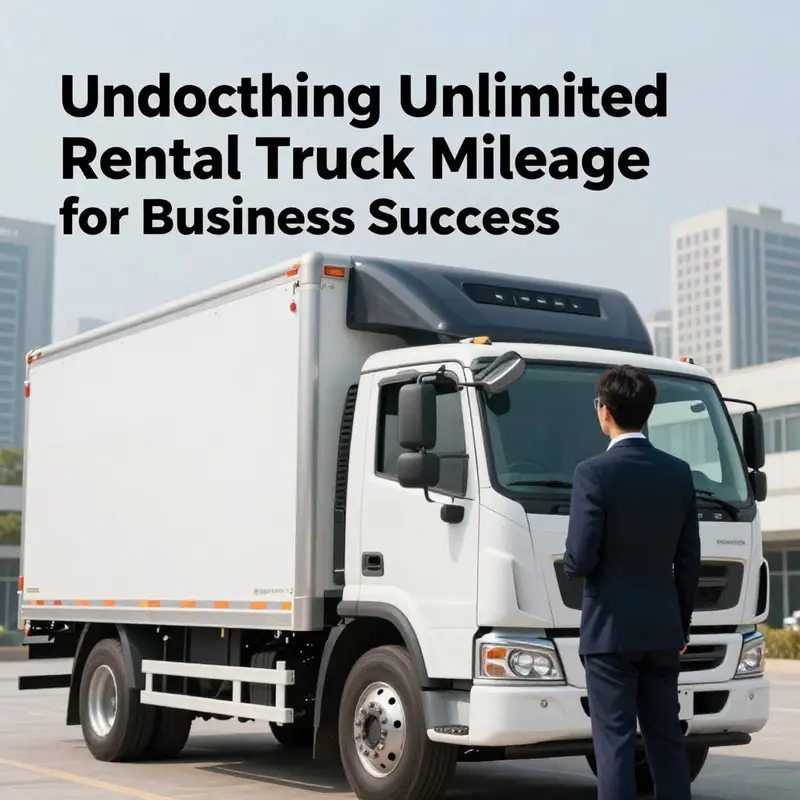
The appeal of an unlimited mileage pickup truck rental lies in the simple trust it offers the traveler: you pay for a period, and the miles you cover during that period won’t spawn hidden charges. In practice, this model can redefine how people plan moves, road trips, or large-scale hauling projects. When you anticipate covering long distances—whether you’re moving across state lines or relocating a substantial inventory for a business—the choice between a mileage cap and unlimited miles becomes a decision that shapes routes, timing, and budgeting. An unlimited mileage option reduces the cognitive load of tracking every mile, letting you focus on the journey itself and the tasks that accompany it, such as loading, unloading, and safeguarding the goods you transport. The core benefit is clarity: your total rental cost becomes predictable, and that predictability can be the difference between a well-executed move and a frustration-filled one.
Cost predictability is the most obvious advantage. With no per-mile surcharges to fear, you can craft a plan that prioritizes efficiency and route flexibility without the anxiety of a creeping bill as you wander off the beaten path. This matters not only for personal moves but also for small businesses that rely on moving equipment, materials, or samples across regions. For longer trips, where detours, weather-related reroutes, or last-minute schedule changes are likely, unlimited mileage preserves budget integrity. You’re free to explore longer routes that could be more scenic or practical when dealing with multiple stops, heavy loads, or a need to stage items at intermediate points. In such scenarios, the mileage cap suddenly feels like a leash rather than a feature, constraining your options while exposing you to extra charges you didn’t anticipate.
But freedom comes with its own set of responsibilities. An unlimited mileage rental does not guarantee a free ride on the rest of the agreement. Fuel costs, insurance, tolls, and potential damage coverage still apply, and these elements deserve careful consideration before you sign. Reading the terms closely is essential. Some agreements may impose a maximum rental duration or restrict the vehicle’s use to personal rather than commercial purposes. Others may require a deposit or hold on your credit card until the vehicle is returned in good condition. These stipulations matter because they can affect how you plan your trip, how you budget, and how you manage risk across long drives. When you understand the implications of these ancillary charges, you can compare total cost more effectively against any other rental option that seems cheaper at first glance but hides fees behind mileage thresholds.
In practical terms, unlimited mileage is most valuable for moving projects that involve multiple trips, back-and-forth loading, or expansive hauls. If you expect to shuttle items between warehouses, residences, or job sites over weeks or even months, the absence of mileage-based penalties reduces the mental arithmetic of your project. It lets you factor in time and labor alongside distance, knowing your vehicle won’t punish you for taking a longer route to optimize safety or efficiency. If you map out a plan that includes occasional detours for loading optimization or to drop off at a staging area, the freedom to roam without added costs becomes a meaningful timesaver and stress reducer. And if your work involves long-distance transport—say, across state borders and back again—the ability to keep moving without watching the odometer is a practical luxury that can translate into tighter schedules and steadier workflows.
As you evaluate options, the terms and conditions behind the unlimited mileage offer become crucial. Some providers maintain a straightforward structure: unlimited miles within the rental period, with additional charges applying only to things like fuel, insurance, tolls, or damages. Others may carve out exceptions, such as prohibiting certain uses or locations, or applying different rules for commercial versus personal use. The hidden corners of a contract can turn unlimited miles into a partial promise if, for example, fuel must be returned with a minimum or if there is a restricted geographic radius. Deposits are another factor to watch. A refundable hold on your payment method is common, but the specifics—how much is held, when it’s released, and under what conditions—vary. A careful read of the fine print helps prevent surprises at checkout and upon return.
Choosing the right vehicle size is another practical consideration wrapped into the unlimited-mileage decision. Pickup trucks come in several configurations, and the cargo capacity, bed length, and overall maneuverability influence how efficiently you’ll move. A larger cab and bed can accommodate more items per trip, reducing the total number of trips you need to make. Conversely, a smaller model can be easier to drive and park, especially in urban settings or on narrow residential streets. If you’re moving a lot of boxes, furniture, or equipment, balancing payload against fuel efficiency becomes a game of compromise. The best approach is to forecast your load with a realistic packing plan and then select a truck size that minimizes trips while keeping fuel and insurance costs reasonable. A practical rule is to start with a clear inventory of items, estimate their total volume and weight, and then align that with the truck’s payload capacity and cubic footage.
Business use adds another layer of nuance. For many small enterprises, an unlimited mileage rental is not just a move tool but a workflow asset. It enables field teams to operate with a flexible routing plan, attend offsite client meetings, or transport products between locations without the friction of mileage penalties. In these cases, the distinction between personal and commercial use becomes a central question in the rental agreement. Some providers may offer different terms for commercial users, including insurance coverage options, roadside assistance, and deposit levels. Clarifying these aspects ahead of time can save days of back-and-forth and ensure that your procurement process remains aligned with your company’s risk management practices.
Fuel policies, in particular, deserve careful attention. Even when miles are unlimited, the price of fuel can make or break your overall expense, especially on long hauls. Some plans require you to return the vehicle with a full tank; others propose a prepaid fuel option or a fuel reimbursement policy. If you anticipate a lot of idling in urban queueing, heavy city traffic, or frequent back-and-forth runs, you may want to factor in a margin for higher fuel consumption. Moreover, tolls are a reality on long trips that cut across interstates or metropolitan beltways. While tolls aren’t mileage-dependent, they contribute to the total cost of the journey. If you’re planning a road itinerary that includes toll roads, check whether the rental agreement provides any toll-saving programs or requires you to pay tolls out of pocket and later submit receipts for reimbursement.
Insurance remains a cornerstone of any rental decision, but it becomes even more critical over long distances and in more complex routes. A comprehensive plan often includes liability coverage, collision damage waivers, and personal accident protection. Each option has a price tag that changes with the level of coverage you select and the assessed risk of the trip. It’s prudent to compare the protection level you carry on your personal auto policy or commercial policy with what the rental contractor offers. In some cases, you may be able to extend your existing coverage to the rental period, which can simplify claims handling if an incident occurs. If you choose to add extra protection, factor its cost into the total rental price to maintain an apples-to-apples comparison with other unlimited-mileage options you’re considering.
A practical planning mindset helps translate unlimited mileage into a smooth experience. Before you roll out, create a route map that includes planned fuel stops, rest breaks, loading times, and drop-off points. Build in buffer days to accommodate delays and to maintain a humane pace for long drives, especially if you’re transporting fragile or high-value items. Keep in mind that while the miles won’t cost you extra, incidents in transit can: a bent bumper, scratched paint, or a dent can affect your deposit or damage waiver. A simple set of routines—checking your load at each stop, securing items properly, and performing a quick inspection at the start and end of each leg—can prevent minor issues from becoming costly. It’s also wise to log the mileage at pick-up and return and to photograph the vehicle’s condition. This creates a clear trail in case questions arise about wear and tear, thereby protecting you from disputes when you hand the keys back.
For readers who want to explore this concept beyond pickup trucks and expand into broader fleets, the idea of unlimited mileage can apply to other vehicle types as well. In that broader sense, it’s worth noting that unlimited-mileage options exist for a variety of commercial and consumer transportation solutions; this flexibility can be especially appealing to operations that depend on consistent travel with predictable costs. If you’re curious about how this concept translates to other vehicle types, you can explore related notes on the topic through a dedicated resource that discusses unlimited mileage across different truck categories. For readers seeking a deeper dive into the specific rules, exceptions, and best practices, the linked guide on unlimited mileage for box trucks provides a broader perspective on how these terms are structured in practice and offers practical tips for optimizing routes and budgeting across a larger fleet.
If you’re ready to explore concrete options, you’ll find it helpful to consult official websites of reputable rental providers and compare their unlimited-mileage offerings side by side. You’ll want to look for transparent terms, clear definitions of what counts as “mileage,” and explicit statements about what is excluded from the unlimited-mileage promise. It’s also worth checking whether there are any locations with restricted service areas or limitations on cross-border travel. Uncovering these details early prevents friction when you need to reserve a truck and plan your move. And while the miles may be unlimited, the real story is about how the rental arrangement aligns with your route, your schedule, and your risk tolerance. With a clear map, a sensible load plan, and a solid understanding of the terms, unlimited mileage can be more than a feature; it can be a strategic tool that transforms a daunting move into a well-orchestrated endeavor.
For readers who want a concise pointer to a related resource, consider the case where unlimited mileage extends to box trucks as well. See Unlimited Miles Box Truck Rental for a related discussion that translates directly into practical use for large-scale hauling. Unlimited Miles Box Truck Rental. This reference helps readers imagine how unlimited mileage works across different vehicle classes and how analogous decision criteria apply when you’re expanding from a pickup to a larger work vehicle.
As you weigh your options, a key takeaway remains constant: unlimited mileage offers a powerful shield against distance-driven cost surprises, but it doesn’t absolve you from carefully structured budgeting and prudent risk management. You’ll still need to account for fuel, tolls, insurance, deposits, and any location-specific restrictions. The value lies in the freedom to plan routes that optimize time, safety, and logistics rather than chasing a moving-mileage cap. With that framework in mind, you’ll be prepared to choose a plan that fits your move or road journey—and you’ll be ready to tackle the road with confidence.
External resource for deeper understanding: for a more detailed exploration of unlimited mileage in pickup truck rentals, see the guide on unlimited mileage pickup truck rental at https://www.carinterior.com/unlimited-mileage-pickup-truck-rental-guide/.
Unlimited Mileage, Finely Printed Realities: Decoding Terms and Conditions in Truck Rentals

When a rental plan advertises unlimited mileage, it often feels like a perfect match for long moves, cross-country projects, or fleet shuffles that stretch the calendar and the map. The promise is clear: you can drive as much as you need without facing per-mile charges. But the reality behind that promise is more nuanced. This chapter explains the common mileage terms, geographic limits, and other charges that can affect total cost. By reading the contract carefully and asking the right questions, you can choose a plan that truly fits your itinerary. The focus is on practical guidance: how to interpret geographic restrictions, how fuel, insurance, tolls, and potential damage fees interact with unlimited mileage, and how to plan for long trips without surprises. With clear expectations and written confirmations, you can navigate unlimited mileage with confidence and protect your budget.
Navigating the Road to Reliability: How to Choose the Right Unlimited Mileage Rental Truck Partner

When you plan a move that stretches across town or country, the lure of unlimited mileage feels like a practical liberation. No per‑mile charges means you can focus on the driving, not the math, and that clarity is invaluable when schedules tighten and fleets need to scale. Yet unlimited mileage is only as valuable as the partner behind the wheel. A rental program that truly serves long-haul needs blends reliability, transparent pricing, and robust support into a seamless experience. The decision should rest on more than a single promise or a flashy fleet. It should hinge on a track record of performance, a policy framework that reduces friction, and a service network capable of keeping your operation moving, even when the unexpected appears on the horizon.
To begin, the core rationale for seeking an unlimited mileage option is straightforward. If you are moving across multiple states, transporting substantial cargo, or coordinating a fleet for regular client engagements, mileage becomes a variable that can swing costs wildly. An unlimited plan, properly understood, eliminates that volatility. But the absence of per‑mile fees does not erase all other charges, nor does it guarantee unwavering service. The terms and conditions embedded in any rental agreement can create either a smooth ride or a rough detour. The prudent buyer reads with care, asking the tough questions about duration limits, vehicle use restrictions, deposits, and the fine print around what is and isn’t covered under insurance.
Reliability is the backbone of a successful unlimited mileage arrangement. In practice, reliability unfolds in several interconnected ways. First, a dependable supplier must maintain a ready and stable fleet, one that can meet daily demand without sacrificing quality or availability. Second, the firm should have a predictable process for delivery and return, ideally with a tested lead time that keeps operations on track even during peak periods. Third, the provider must deliver consistent, comprehensive support—from roadside assistance to claims handling—that minimizes downtime when problems arise. These attributes translate into a service experience that businesses and individuals alike can depend on when time is of the essence.
Among the benchmarks that define reliability is a proven track record with diverse clients. A rental partner that has demonstrated stable performance across thousands of enterprise engagements signals a level of maturity that generalist players often lack. When a supplier can support daily dispatches in the dozens or hundreds of vehicles, and yet still guarantee delivery within a tight window, it signals a disciplined operations backbone. It suggests not only an expansive, well-maintained fleet but also a well‑practiced coordination network. For organizations that rely on predictable logistics, that level of assurance matters as much as the vehicle itself.
Transparency in pricing completes the triad of reliability. An all‑inclusive pricing model that clearly delineates rental and insurance costs reduces surprises at check‑out. Transparent pricing helps financial planners forecast expenses, manage budgets, and compare options without wading through hidden fees. The most credible players publish the assumptions behind their rates and are explicit about which costs remain outside the all‑inclusive package—fuel, tolls, fuel surcharges, optional coverage, and any damage waivers. When the terms are laid out plainly, customers can make strategic decisions rather than reacting to sudden charges or restrictive clauses.
Support, meanwhile, is the connective tissue that keeps unlimited mileage work plans intact. National or cross‑regional usage demands a support network that can respond quickly to road incidents, provide timely adjustments to reservations, and coordinate driver training or vehicle handovers as needed. A robust support ecosystem reduces risk for corporate clients that depend on continuity. When roadside assistance is nationwide and response times average under a half‑hour, operations gain a margin of resiliency that translates into fewer interruptions and steadier client interactions.
A concrete illustration of these principles can be found in a case that, while anchored in a different market, resonates with the core expectations of unlimited mileage programs. A multinational client secured a block of ten luxury vehicles for an urgent cross‑city meeting through a well‑connected nationwide network. Delivery and driver training were completed in less than two hours, underscoring the speed with which a mature supplier can mobilize resources across large distances. The event demonstrated how a well‑structured, all‑inclusive pricing approach, paired with efficient dispatch and comprehensive training, creates an operational advantage when time is scarce and the stakes are high. It also highlighted how crucial it is for the provider to align fleet capabilities with the client’s use case—whether that means VIP transport, sensitive client hospitality, or high‑demand intercity operations.
In evaluating potential providers, it helps to map out a short checklist that translates these attributes into concrete takeaways. Start with reliability metrics: fleet size, dispatch capacity, historical utilization, and the ability to honor tight delivery windows. Ask about their typical response times for issues and the geographic span of their roadside coverage. Next, examine the pricing framework. Is there an all‑inclusive base rate, and what is included within that umbrella? Which items require separate payment, and how are changes to the rental period or vehicle mix priced? Clarify any duration caps or mileage restrictions that might apply even within an unlimited plan, and confirm whether there are surcharges for weekends, holidays, or peak demand. Finally, scrutinize the reservations and support process. What is the standard lead time to secure a vehicle? How flexible are booking changes or cancellations? Is there a dedicated point of contact for corporate accounts or frequent renters? And importantly, what is the procedure for prioritizing urgent or high‑value requests when demand is unusually high?
These questions are not mere bureaucratic hoops; they are essential risk controls. A thoughtful negotiation around terms can prevent costly delays or miscommunications later. It is also wise to review the insurance posture closely. A full‑coverage policy, coupled with nationwide roadside assistance, is a strong foundation. Yet buyers should verify the scope of coverage, deductibles, and what constitutes a covered incident. In some operations, the nature of the cargo, the distance traveled, and the driving workforce rules can influence the risk profile. Clear, comprehensive insurance terms reduce exposure and help protect both the renter and the provider from disputes that could otherwise derail a long‑distance move or a critical business engagement.
For readers who want a practical benchmark, it helps to look at a provider known for combining reliability with transparent pricing and responsive support. The pattern is clear: a sizable fleet capable of daily dispatch, consistent delivery within a 24‑hour timeframe, and an all‑inclusive price structure that lays out the financial landscape without hidden lines. The backbone of this model is an operations platform that can coordinate multiple branches across a region, ensuring that destination and pickup points align with demand in real time. A system like this is particularly valuable for corporate clients who require continuity across dozens or hundreds of assignments, with the confidence that a reliable partner stands behind every mile.
Beyond the numbers, the choice of unlimited mileage partner is about alignment of capabilities with your specific mission. If you are moving a household, you may prioritize ease of use, a friendly onboarding experience, and flexible delivery options that fit a busy calendar. If you manage a logistics or hospitality operation, you will want to see how the provider handles fleet management, driver training, and cross‑regional coordination. If your needs are highly predictable, a transparent, all‑in pricing structure matters most, because it translates into reliable budgeting and steady cost control. In each scenario, the common thread is trust—trust that the vehicle will be available when needed, trust that the terms will be fair and clear, and trust that any hiccup will be addressed quickly and professionally.
For readers seeking to assess options more directly, one practical step is to explore a curated entry point that focuses on unlimited mileage options and practical usage scenarios. This resource can help you compare what truly matters in day‑to‑day decisions and avoid the trap of unintentionally restrictive agreements. As you evaluate, remember to check a provider’s real‑time availability and pricing on official channels. This approach supports informed decisions and helps you anticipate the true cost and service level you can expect when you sign a contract.
Incorporating a credible case study into your due diligence reinforces what to look for in a partner. The example of rapid deployment and coordinated delivery demonstrates the value that comes from a mature network that can mobilize vehicles and people with precision. It also highlights the importance of clear expectations around delivery timelines, vehicle readiness, and staff readiness. If a company can train drivers and have vehicles on hand when needed, the odds of a smooth project execution rise substantially. In the end, the choice of an unlimited mileage rental partner is not about a single advantage but about a robust balance of reliability, clarity, and support that can be depended on when long distances and demanding schedules collide.
For readers who want to dig deeper into practical options and to begin exploring unlimited mileage configurations, a useful starting point is a dedicated resource that discusses the concept and its implications for moving and long‑haul operations. See the internal link below for a concise review of unlimited mileage box truck rental options, which can serve as a first reference as you map out requirements and compare quotes: unlimited-miles-box-truck-rental.
As you assemble the pieces of your decision, keep in mind that unlimited mileage is a feature within a broader service ecosystem. While the absence of per‑mile charges reduces one major cost driver, other charges and policies still influence the total value of a rental. The strongest partnerships are those where the pricing is transparent, the fleet is reliably available, and the support network is equipped to keep operations moving under pressure. If you can verify these elements in a prospective supplier, you are well on your way to selecting a partner who can shoulder the miles with you, not just bill you for them.
In practice, the path to a well‑chosen unlimited mileage rental partner combines careful due diligence with a pragmatic view of your needs. Define the mission—how far, how often, and what kind of vehicles are essential. Compare plans not only by the headline rate but by the total package: insurance specifics, incident handling, road coverage, and the flexibility to adapt to evolving schedules. Review the contract with attention to any limits on rental duration, vehicle use restrictions, or deposit requirements. And finally, test the service proposition in a low‑risk scenario if possible, to confirm that the promised response times, delivery windows, and vehicle readiness hold under real conditions. When these criteria align, you can move forward with confidence, knowing the partner you select is built to sustain your moves over the long haul and through the miles to come.
External resource: For a broader reference on the provider landscape and service capabilities, you can visit the official site that outlines their fleet and coverage. This can offer context on how a mature, all‑inclusive approach translates into daily practice: https://www.dingxiangcar.com
Beyond the Drive: Decoding the True Cost of Unlimited Rental Truck Mileage
A move or a long-haul shipment can sound straightforward when the promise is unlimited mileage: drive as far as you need without the fear of extra per-mile charges. Yet the reality behind that promise is more nuanced. Unlimited mileage removes a single, important cost driver, but it does not render a rental free. The total expense rests on a constellation of factors that interact with duration, vehicle size, location, and usage patterns. Understanding these elements helps you predict out-of-pocket costs with greater confidence and identify practical ways to minimize what you pay while still getting the truck you need for the job.
The core price you’ll confront with an unlimited-mileage rental is the base rental rate. This rate is typically quoted on a daily, weekly, or monthly basis and can swing widely depending on the size of the truck and the market. A compact cargo van is usually the most affordable entry point, while larger movers—think mid- to large-box trucks—can command substantially higher daily or weekly prices. In many regions, a 26-foot box truck, which is common for full-house moves or sizable commercial shipments, sits at the upper end of the price spectrum. The base rate acts as the foundation; everything else accrues on top of it. For someone planning a cross-country move, even a modest daily rate becomes a long-term cost once the rental stretches into weeks. The universal appeal of unlimited mileage is that it stabilizes costs tied to distance, but it cannot stabilize the rental’s intrinsic value over time. A longer rental period often invites discounts, but those discounts are typically framed as percentage reductions on the base rate and can vary by operator and season.
Beyond the base rate, insurance stands out as a major cost driver. Comprehensive coverage or a collision-damage waiver is strongly advised, if not required, for larger vehicles and longer trips. Basic liability insurance might be modest, but a fuller protection plan can add a noticeable daily premium. In practical terms, insurance can account for a sizable portion of the daily cost, especially when the vehicle is heavier, more expensive to repair, or driven through more challenging terrains. The number you see on day one can multiply by the number of days you’re renting unless you secure a multi-week or monthly policy that shifts the math. It’s worth comparing whether your existing commercial or personal auto coverage extends to rental trucks, and what a waiver would cost to bridge any gaps. Even with unlimited mileage, insurance remains a fixed daily obligation for many renters.
Fuel is another constant that you must account for, even when miles aren’t billed by the mile. The truck must be fueled to the level required by the rental agreement upon return, typically a full tank. If you don’t meet this condition, you’ll often face a refueling charge at a premium price per gallon. The premium can be several dollars above retail, and some companies apply a separate fuel surcharge on the total bill. When planning, it helps to estimate your route’s fuel consumption, not just in terms of miles but in terms of expected miles per gallon for the specific vehicle class you’re renting. This becomes more important on longer trips where the cumulative effect of a higher MPG or a lower MPG can swing the total fuel cost by hundreds of dollars. Even with unlimited mileage, fuel remains a real expense that you should budget for and manage by keeping the tank topped up at key stops and avoiding unnecessary detours that waste fuel.
Another category to watch is the suite of ancillary fees that can quietly bloat the final number. Drop-off fees illustrate one of the most common surprises. If you plan to return the truck in a different city or state from where you picked it up, many rental companies impose a substantial one-way or drop-off charge. These fees are not tied to distance traveled in the same way as per-mile charges; instead, they reflect the logistical cost of repositioning the fleet and accommodating a one-way rental flow. A miscalculation here can erase any savings gained from the unlimited-mileage feature. It’s essential to confirm drop-off terms before you finalize a booking and to explore whether a closer, return-to-same-location plan could be more economical even if it requires a longer initial drive.
Equally important are wear-and-tear considerations and what some operators describe as excessive-use fees. Unlimited mileage does not symbolize a license to treat the truck like a personal vehicle with unbounded rough use. Depending on the policy, heavy off-road use, towing beyond the vehicle’s rating, or long stretches of unplanned maintenance can trigger charges aimed at compensating for unusual wear. If your job involves frequent loading and unloading heavy items, or rough road conditions, you’ll want to examine the vehicle’s condition before you take possession and document any pre-existing issues. A clear depot inspection helps prevent disputes at return and reduces the likelihood of unwarranted charges tied to wear and tear.
Tolls and parking fees often sit outside your rate calculation but can add up very quickly on lengthy trips. When you’re moving through metropolitan corridors or traveling along toll roads, the billable amount can be surprising if you haven’t planned for it. Some renters mitigate this by using cashless tolling options or toll transponders offered by the rental company, but even then the charges are typically passed through to you with a small administrative addition. The overhead is usually modest per trip, but it becomes consequential when you’re on a long route for a month or more. A simple route map and a rough count of anticipated tolls can help you forecast this expense and decide whether a slightly longer route with fewer tolls would be worthwhile, even when unlimited mileage negates distance charges.
Long-term rental discounts provide an important counterbalance to these costs. In many markets, extending a rental period from days to weeks triggers a discount on the base daily rate. For example, a month’s rental could carry a meaningful price concession compared with several consecutive weeks. The exact amount depends on the operator, the vehicle class, and the season. If you’re planning a prolonged move or a multi-week project, it’s worth requesting a long-term quote and carefully comparing how the discount is applied. A lower daily rate can offset other fixed costs like insurance and taxes, improving overall affordability. The most cost-effective option for a long operation may be a hybrid approach: a moderate-sized vehicle with a favorable long-term rate, coupled with careful fuel management and a disciplined return condition.
With unlimited mileage, the economics also hinge on the contract’s precise wording. Terms and conditions can spell out restrictions that are not immediately obvious in promotional materials. For instance, a contract might cap the number of days used within a month or specify commercial-use limitations even though the mileage is unlimited. These limitations can have real consequences if your activity strays into prohibited territory, such as using the truck for on-off road construction without permission or for business purposes outside a defined scope. The most important step is to read the fine print and ask direct questions about any clause that could alter the expected cost. A rental that seems attractive on the surface can become expensive if you exceed an unstated limit, or if you are charged for something you assumed was included.
This is where the practical art of budgeting for unlimited mileage becomes essential. Begin with a clear plan of the route and a tentative schedule. Break the journey into phases: loading, transit, and delivery. Estimate the vehicle size needed for each phase, then back-calculate the base rate for the anticipated duration. Add a cushion for insurance, fuel, and the possible drop-off scenario. Then compare this plan against alternative configurations—such as choosing a slightly smaller vehicle with a shorter rental period but catching a discount through a longer continuous rental. The trick is to balance the reliability and capacity you need against the cost of keeping a larger vehicle on the road for longer than necessary. If you can consolidate stops, minimize inefficiencies, and return the truck promptly with a full tank and a clean interior, you can protect your budget from unexpected surcharges and penalties.
For readers who want a more concrete reference on the topic, there is a useful discussion that aligns with these considerations in the industry literature on unlimited mileage options for large cargo vehicles. See the article linked here for an in-depth look at how unlimited mileage is positioned in practice and what renters should verify before committing: unlimited miles box truck rental. This resource emphasizes the practicalities of long-duration use and the importance of clarifying terms such as damage waivers, fuel expectations, and return conditions, which all influence the total cost in real-world scenarios.
To anchor these insights in the wider market context, it helps to compare the cost architecture across providers and regions. Even within the umbrella of unlimited mileage, a provider’s pricing philosophy can shift. Some markets may emphasize a higher base rate with generous inclusions, while others may push a lower base rate and rely more on mandatory insurance or mandatory add-ons to reach profitability. The regional dynamics—such as demand for moving trucks in university towns at the start of a semester versus seasonal surges in metropolitan areas during peak moving months—play a substantial role in the price you actually encounter. The key is to approach pricing as a multi-factor equation rather than a single line item. A careful buyer will gather quotes for several configurations, compare the total estimated cost over the planned period, and ask specific questions about potential exceptions or penalties that might emerge once the keys exchange hands.
In the end, unlimited mileage is a valuable feature precisely because it reduces one major stressor: the fear of racking up huge per-mile bills during long hauls. The broader lesson is that the smarter approach is to view the rental as a system of costs that interact and adjust with your decisions. Your route, your time frame, the size of the vehicle, and your risk tolerance around insurance and maintenance all shape the final number. With careful planning, transparent terms, and a disciplined return, unlimited mileage can deliver its intended benefit without surprising you with an unwelcome tally when the truck is back in the depot. For those who want to explore practical strategies in a more focused way, the linked resource above offers a concise framework for evaluating options and negotiating terms that align with long-term use and cost containment.
External resource: https://www.uhaul.com/trucks/
Final thoughts
Unlimited mileage rental trucks offer business owners flexibility, cost savings, and efficiency for long-distance travel and logistics. By understanding the associated benefits, terms, and options in the marketplace, you can make informed choices that align with your operational needs. Assessing the costs carefully ensures you find the most suitable rental solution for your specific requirements, enabling you to focus on driving your business forward without worry.