
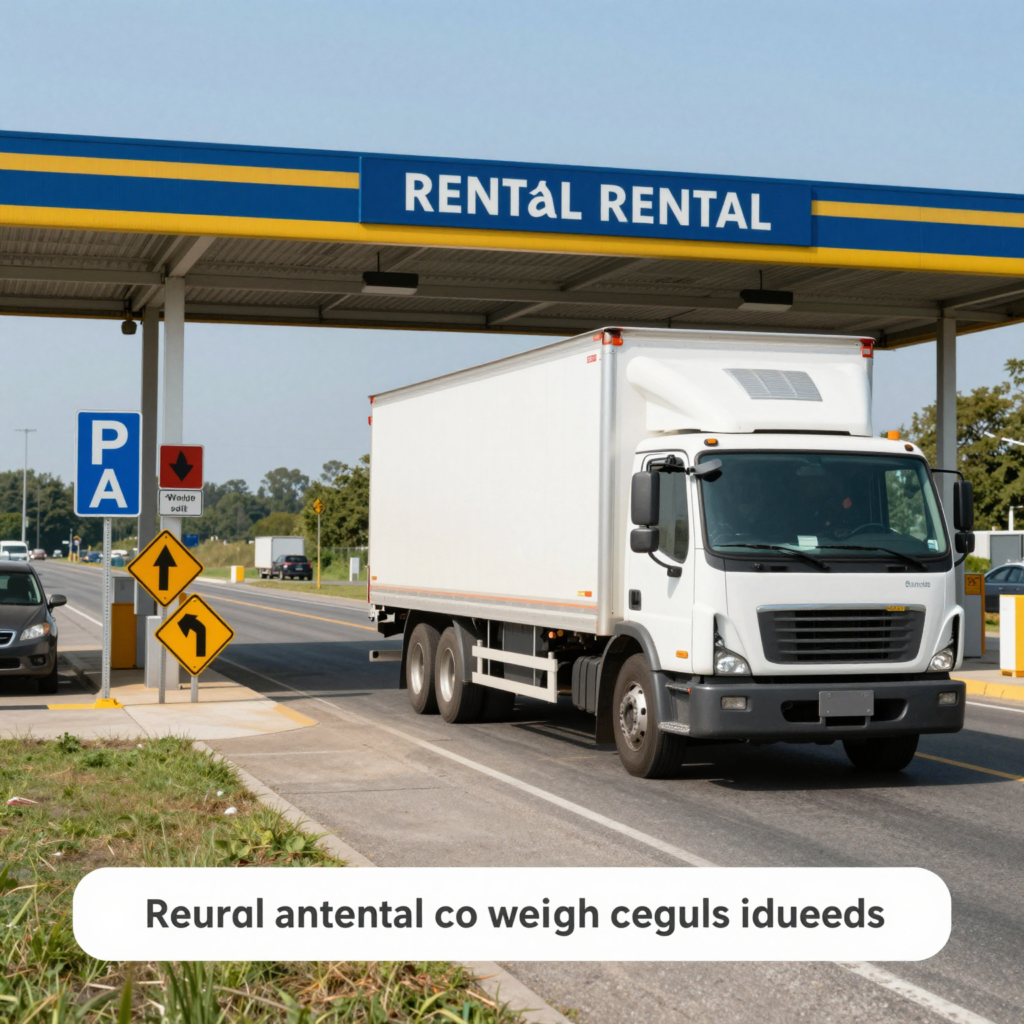
As a business owner managing logistics, understanding the regulations around rental truck weigh stations is crucial. Many owners often express concerns about the potential impact of compliance on their operations. Failing to adhere to truck regulations can lead to serious repercussions, including hefty fines, vehicle impoundments, and disruptive roadside inspections that can halt your business processes. Compliance ensures that your vehicles remain within state and federal weight limits, safeguarding not just your company’s reputation but also the roads we all rely on. Furthermore, the challenges of integrating weigh station checks into your driver training and route planning cannot be ignored. To maintain operational efficiency, it’s essential to comprehend these regulations fully and proactively adjust your operational strategies. Learn more about the importance of weigh stations and how they affect rental truck operations.
When operating rental trucks, business owners must be aware of several key regulations concerning weigh stations and vehicle compliance across different states. Here are some essential points to consider:
- Federal regulations mandate that rental trucks with a Gross Vehicle Weight Rating (GVWR) exceeding 10,000 pounds must stop at weigh stations for checks and comply with safety standards set by the Federal Motor Carrier Safety Administration (FMCSA).
- In California, rental trucks must adhere to a maximum weight limit of 80,000 pounds, unless special permits are obtained for heavier loads. Non-compliance can result in hefty fines enforced by the California Highway Patrol, which conducts inspections at weigh stations. More information can be found on the California DMV website.
- New York requires registration with the NYSDOT for any rental trucks exceeding 10,000 pounds. Vehicles are subject to inspection at weigh stations, and improper documentation may lead to fines up to $5,000. Detailed regulations can be found on the NYSDOT website.
- Rental companies are responsible for ensuring that their trucks meet both federal and state regulations, including insurance requirements and having valid driver’s licenses for operators.
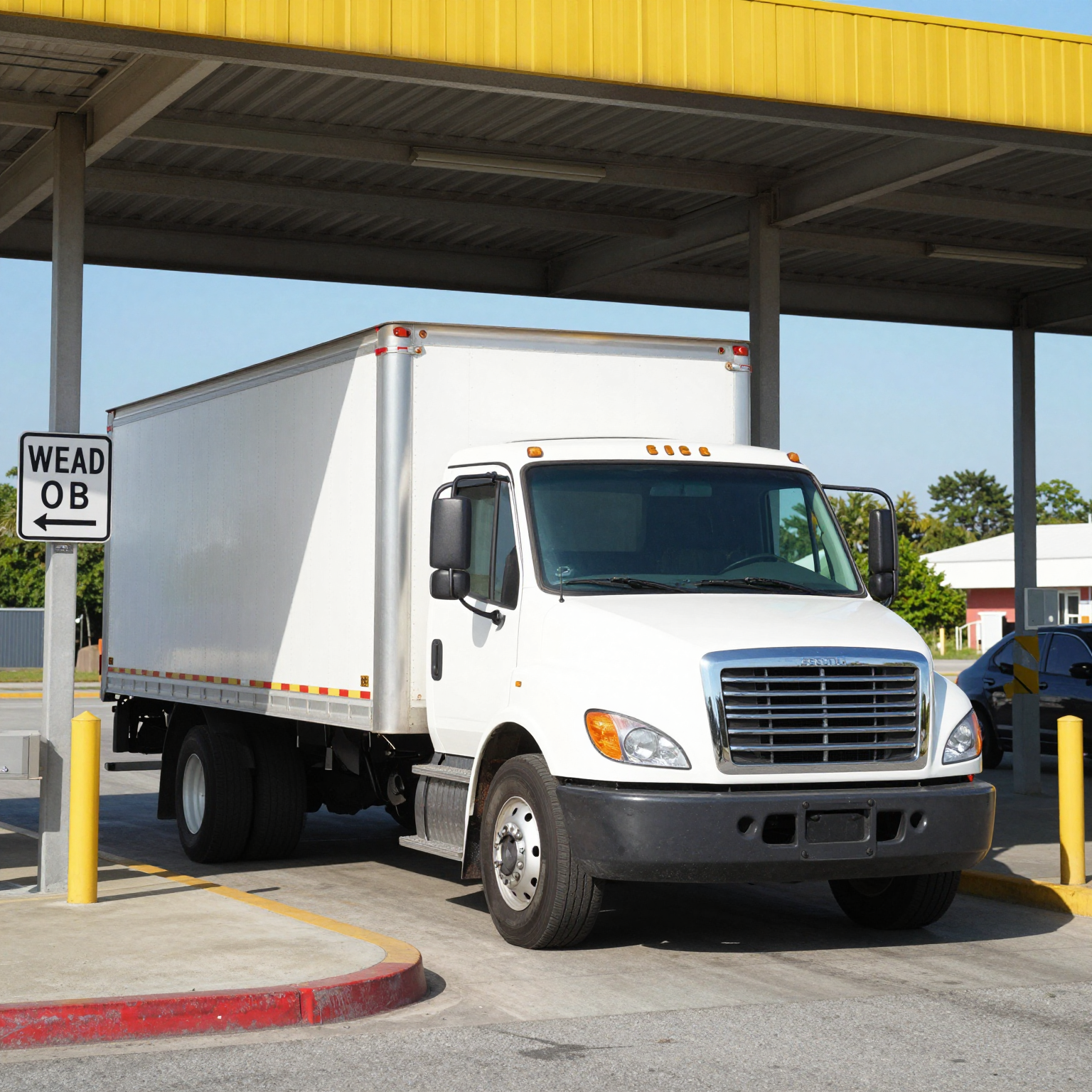
Weigh Stations and Their Importance for Road Safety
Weigh stations play a crucial role in maintaining road safety and compliance, particularly for commercial motor vehicles (CMVs). Their primary purpose is to ensure that trucks adhere to weight regulations, reducing wear and tear on roads and preventing accidents linked to overloading.
Purpose of Weigh Stations
- Regulate Vehicle Weight: Weigh stations are strategically located across major freight corridors to monitor and enforce legal weight limits. Vehicles exceeding these limits can incur severe road damage, increasing maintenance costs for infrastructure and potentially leading to dangerous driving conditions. According to the Federal Motor Carrier Safety Administration (FMCSA), enforcing weight limits is essential for the safety of the roads and compliance with federal and state regulations.
- Safety Inspections: These stations often conduct safety inspections to identify mechanical problems that could make a vehicle unsafe. Research shows that non-compliant trucks can contribute significantly to road accidents, emphasizing the importance of weigh stations in ensuring vehicle reliability.
- Data Collection for Infrastructure Planning: Weigh stations collect vital data that helps in pavement research and long-term infrastructure planning. The data aids in monitoring axle loads, thereby helping governments allocate funds for road maintenance effectively. In Florida, for instance, over 20 million vehicles are weighed each year to inform decisions on roadway improvement needs.
Importance and Impact
Weigh stations help maintain a level playing field among carriers, ensuring that all operators comply with the same regulations. This helps protect law-abiding companies from unfair competition posed by those who might overload their vehicles.
Moreover, the introduction of Weigh-in-Motion (WIM) systems allows trucks to be weighed while in motion, improving efficiency and compliance. It’s reported that up to 40% of compliant trucks can pass through without stopping, enhancing traffic flow while maintaining safety standards (National Highway Traffic Safety Administration (NHTSA)).
In summary, weigh stations are vital for preserving road safety, maintaining infrastructure integrity, and ensuring compliance with vehicle regulations. By recognizing their importance, business owners can better understand the necessity of adhering to regulations when operating rental trucks.
| Truck Type | Typical Weight Limit (Empty) | Typical Weight Limit (Loaded) | State Regulations on Weigh Station Stops | Notes |
|---|---|---|---|---|
| 15-foot truck | ~2,500 lbs | ~6,000-8,000 lbs | California: Must stop at weigh stations if loaded over 8,000 lbs. | |
| Texas: Mandatory stop if weight exceeds 8,000 lbs; no exemptions for short hauls. | ||||
| New York: Required to stop if carrying more than 8,000 lbs. | Most states require weigh station stops for trucks over 8,000 lbs GVWR (Gross Vehicle Weight Rating). | |||
| 20-foot truck | ~3,000 lbs | ~9,000-12,000 lbs | Florida: Must stop if loaded over 10,000 lbs. | |
| Illinois: All trucks over 10,000 lbs must stop at weigh stations. | ||||
| Ohio: Mandatory stop if over 10,000 lbs GVWR. | Trucks with a GVWR above 10,000 lbs are subject to mandatory inspections in most Midwestern and Southern states. | |||
| 26-foot truck | ~4,000 lbs | ~14,000-18,000 lbs | Georgia: Must stop if loaded over 12,000 lbs. | |
| North Carolina: Required to stop if exceeding 12,000 lbs. | ||||
| Pennsylvania: Mandatory stop if GVWR exceeds 12,000 lbs. | Larger rental trucks often exceed 12,000 lbs GVWR and are required to stop in many states. |
Frequently Asked Questions About Weigh Stations and Rental Trucks
When operating a rental truck for business purposes, it’s essential to understand the regulations surrounding weigh stations. Here are some common questions business owners may have:
When do you need to stop at a weigh station?
Most states require rental trucks that exceed a gross vehicle weight rating (GVWR) of 10,000 pounds to stop at weigh stations. This requirement is in place to ensure compliance with weight limits and vehicle safety regulations. If your rental truck exceeds this weight, you should plan to stop at the designated weigh stations along your route. For specific regulations in your state, it is advisable to check local DOT guidelines or maps that indicate weigh station locations. Learn more about regulations here.
Are there exceptions to stopping at weigh stations?
Yes, there can be exceptions. Certain types of vehicles or specific situations may allow rental trucks to bypass weigh stations. For example, some states have automated systems like PrePass that allow trucks pre-screened for compliance to travel without stopping. However, it is crucial to understand that these exceptions can vary by state, so always verify if exemptions apply to your rental situation. Not checking can lead to potential fines or penalties.
What happens if you don’t stop at a weigh station?
Failing to stop at a weigh station when required can lead to serious consequences. Potential repercussions include hefty fines, citations, and even delays in your delivery schedule. Non-compliance can also lead to enforcement actions by authorities which may affect your business’s reputation. In worse cases, if your vehicle is found to be overweight during a roadside inspection, it may be subject to further penalties and inspections, disrupting your operations.
Conclusion
In summary, always be aware of the weight regulations pertaining to your rental truck. Compliance not only helps avoid fines but also ensures safe transportation practices. By understanding when to stop at weigh stations and adhering to state regulations, you can maintain a smooth operation for your rental business. If you have more questions regarding truck rentals and logistics needs, consider exploring additional resources such as this comprehensive guide.
For further inquiries related to truck rental, feel free to reach out to us for assistance!
Fees for Weigh Station Violations
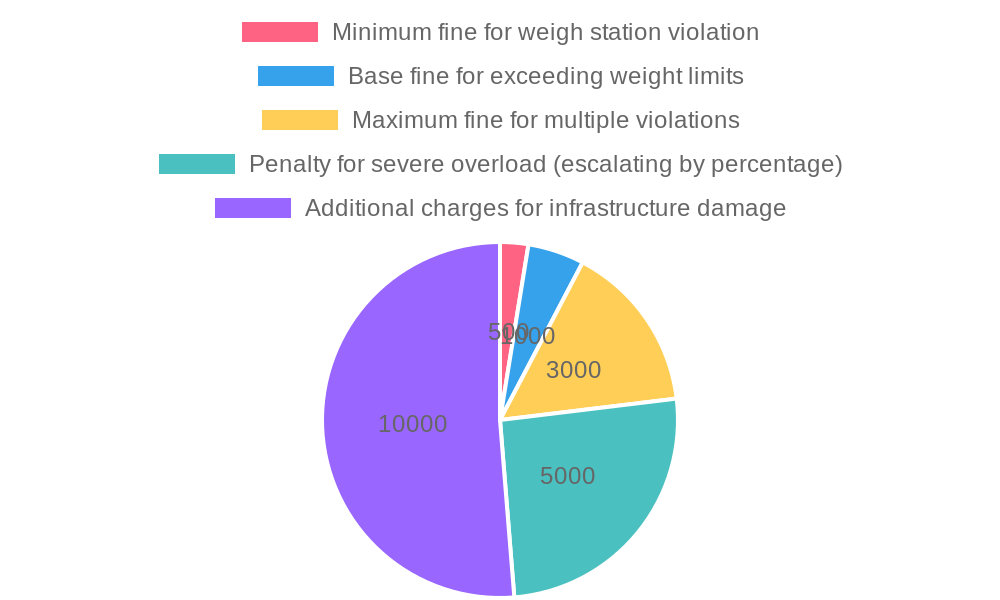
Understanding the potential fines associated with weigh station violations is crucial for business owners operating commercial vehicles. Ignoring weigh stations can result in hefty penalties due to non-compliance with federal and state regulations. Here’s a breakdown of the various fees that could be incurred:
| Violation Type | Fee / Penalty Amount | Jurisdiction | Source |
|---|---|---|---|
| Minimum fine for weigh station violation | $500 | National Average | Source |
| Base fine for exceeding weight limits | $1,000 | California | Source |
| Maximum fine for multiple violations | $3,000 | Texas | Source |
| Penalty for severe overload (escalating by percentage) | Up to $5,000 | Multiple States | Source |
| Additional charges for infrastructure damage | Over $10,000 | Federal & State Levels | Source |
Important Considerations
- Fines vary by state and the severity of the violation.
- States may impose additional charges and escalate penalties based on the percentage of weight over limit.
- Business owners should stay informed about local regulations to avoid these costly violations.
Case Study: Weigh Station Challenges Faced by Rent-A-Truck Midwest
Rental trucking operations often encounter significant challenges when it comes to weigh stations, which can impact efficiency, customer satisfaction, and bottom-line profitability. A prominent example can be seen in the operations of Rent-A-Truck Midwest, a large truck rental company based in the Midwest.
This case study analyzes the operational struggles the company faced regarding weigh station compliance. As with many companies in the rental truck industry, they learned the hard way about the complications arising from the stop-and-weigh process.
The Challenge
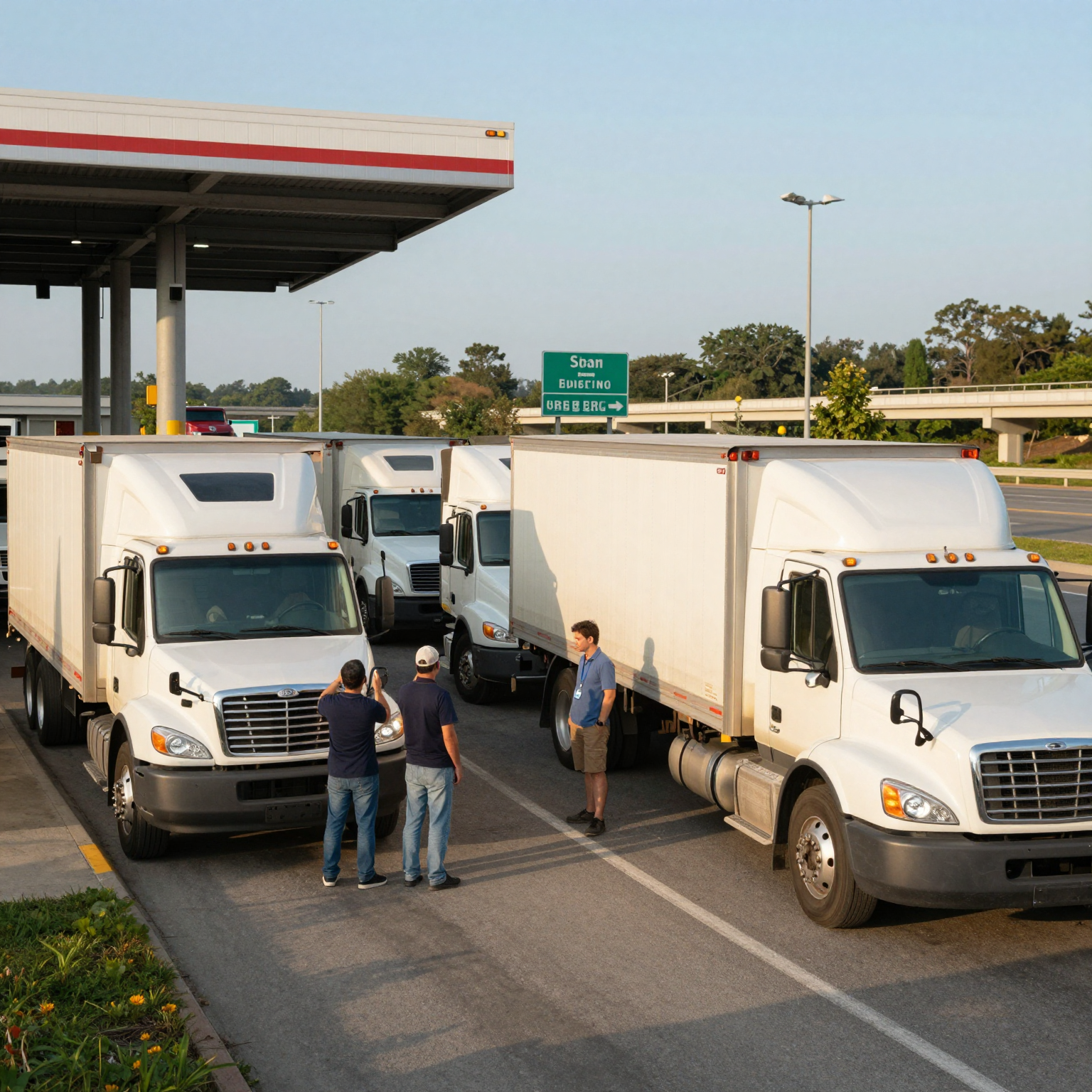
In 2024, Rent-A-Truck Midwest reported that approximately 17% of their rental orders faced delays due to weigh station encounters. The company primarily serves a mix of commercial and individual customers who rely on their trucks for various transport needs, from moving goods to relocation logistics. When vehicles arrived at weigh stations, they were often either delayed or held up for inspections that further added to customer grievances.
Drivers reported an average delay of over 2.5 hours connected to weigh station inspections. This led to additional costs for the company and dissatisfaction among customers who faced extended wait times or missed delivery schedules. Many customers expressed frustration about how these delays affected their operations, causing Rent-A-Truck Midwest to reevaluate its logistics and compliance strategies.
Navigating the Situation
In response to these challenges, Rent-A-Truck Midwest took a proactive stance by partnering with state transportation authorities. They initiated a pilot program for an electronic weigh system (e-Weigh) that automated weight data transmission from the trucks to the weigh stations, minimizing the need for physical inspections.
- Implementation of e-Weigh: The trucks were equipped with On-Board Units (OBUs) that automatically sent vehicle weight information to weigh station systems. This advancement significantly reduced manual checks and allowed compliant trucks to bypass traditional weigh stations, speeding up the process.
- Training and Resources: Rent-A-Truck Midwest also focused on educating their drivers about the importance of adhering to weight regulations, encouraging compliance to avoid penalties. Training sessions were set up regularly to ensure drivers understand the weighing process and regulations.
The combination of electronic weigh systems and improved driver training not only helped the company reduce wait times but also increased compliance rates among their fleet. The company expects that by 2026, with a full rollout of this system, they will see up to a 60% reduction in delays related to weigh station stops.
Key Insights and Lessons Learned
-
Proactive Compliance Strategies: Businesses should adopt technology-driven solutions to stay ahead of regulatory requirements. This can include investing in modern weighing systems that streamline inspections, which enhances efficiency.
-
Education Matters: Maintaining open lines of communication with employees and providing training on compliance issues is invaluable. Education creates a culture of accountability and ensures drivers understand the implications of overloading.
-
Collaboration with Authorities: Establishing partnerships with regulatory agencies can create a more efficient operations environment. Working together can help develop solutions that benefit both businesses and the public.
-
Customer Communication: Keeping clients informed about potential delays and the steps being taken to mitigate them can enhance satisfaction and foster loyalty, even in challenging circumstances.
Conclusion
Through the efforts of Rent-A-Truck Midwest, the case study illustrates how businesses within the rental truck industry can effectively navigate weigh station challenges. By leveraging technology and education, companies can achieve better compliance and operational efficiency. These efforts not only improve day-to-day logistics but also enhance customer experiences, leading to higher satisfaction and potential growth in business operations.
For more insights into ensuring compliance during rentals, learn more about our moving truck services.
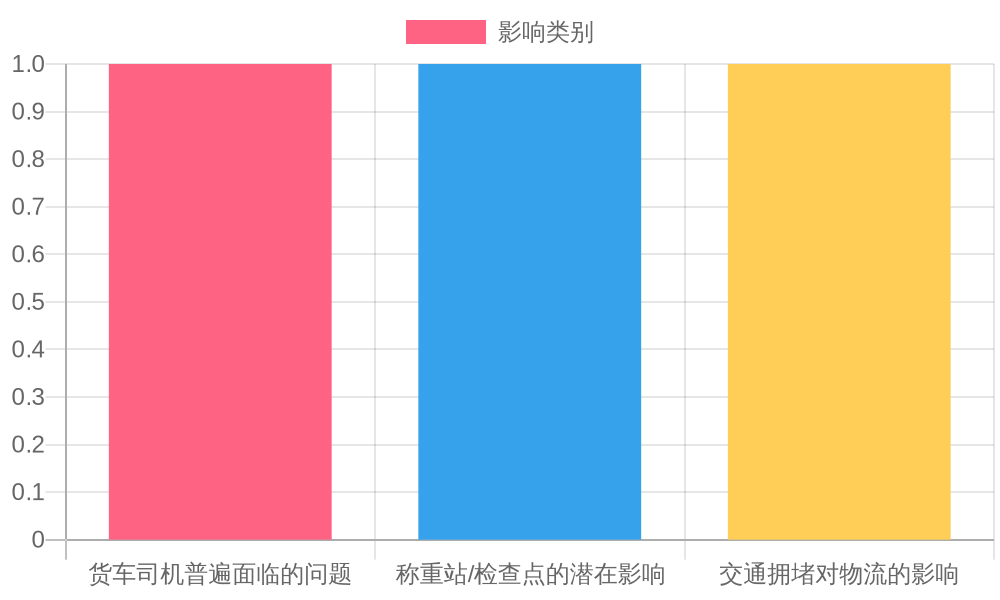
Reasons for Delays at Weigh Stations
Source: Truckers Today – Industry Analysis, 2025
Importance of Stopping at Weigh Stations
“The establishment of weigh stations stems from regulations on truck weight limits, aimed at ensuring safe load distribution over road surfaces, protecting infrastructure, and preventing safety hazards associated with overloading.”
- Federal Motor Carrier Safety Administration (FMCSA)
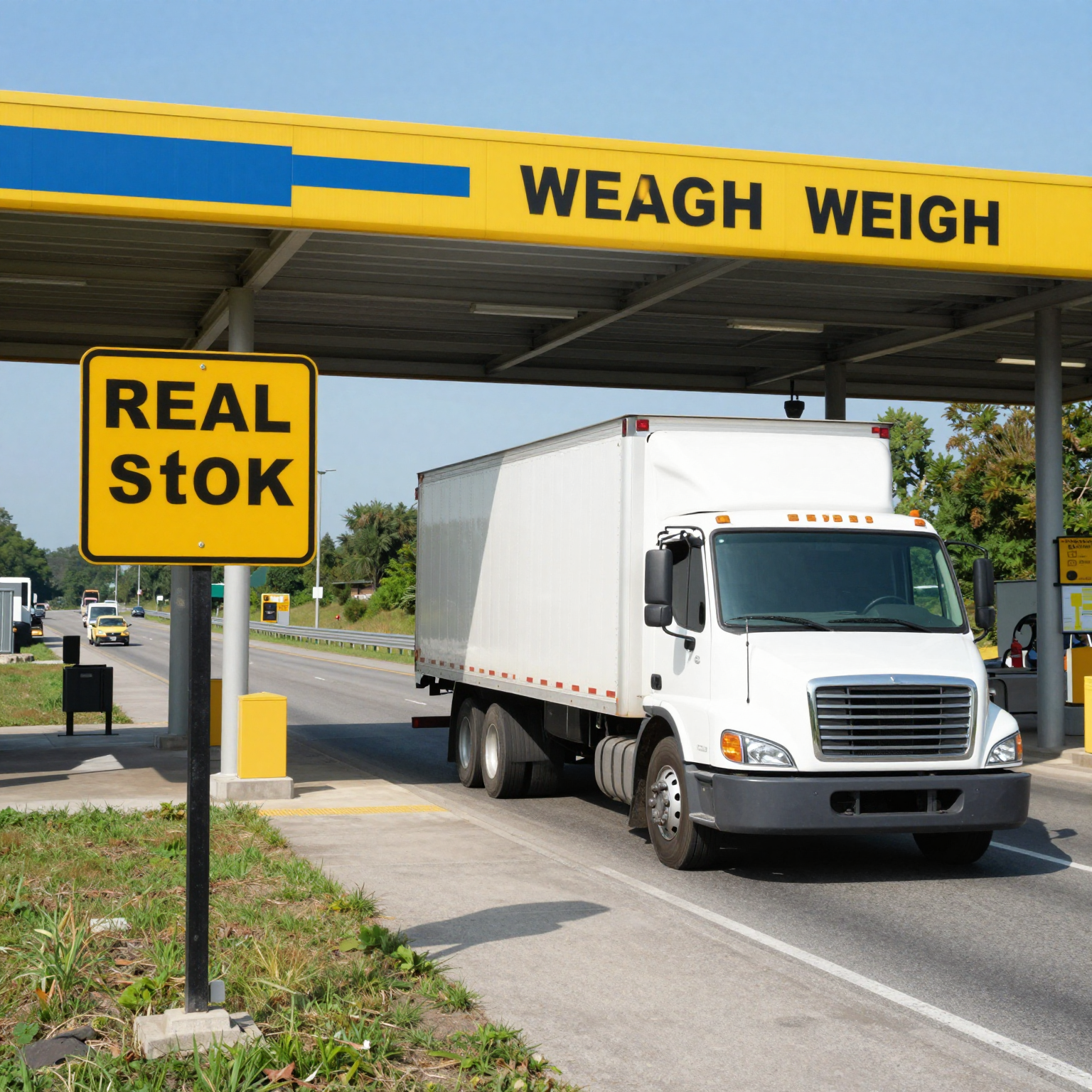
It’s crucial for rental truck drivers to stop at weigh stations, as it not only complies with the law but also helps in maintaining road safety. Learn more about truck regulations.
In conclusion, understanding the responsibilities associated with rental trucks at weigh stations is fundamental for any business owner. Weigh stations exist to enforce both federal and state weight regulations, ensuring that all rental vehicles comply with legal weight limits. This compliance not only promotes road safety and infrastructure preservation but also shields rental truck users from potential penalties, such as fines or vehicle impoundment. A commitment to adhere to these regulations ensures that businesses uphold their reputation while contributing positively to public safety and roadway integrity. Furthermore, utilizing rental trucks can yield significant benefits for businesses, including cost-effectiveness, flexibility, and the ability to meet specific operational demands without the burden of maintaining a fleet. For those exploring innovative ways to grow and enhance their business outreach, consider diversifying with unique options like pizza trucks for event catering. To learn more about this exciting opportunity, visit Truck Pizza. Stay informed, compliant, and take your business to the next level!