
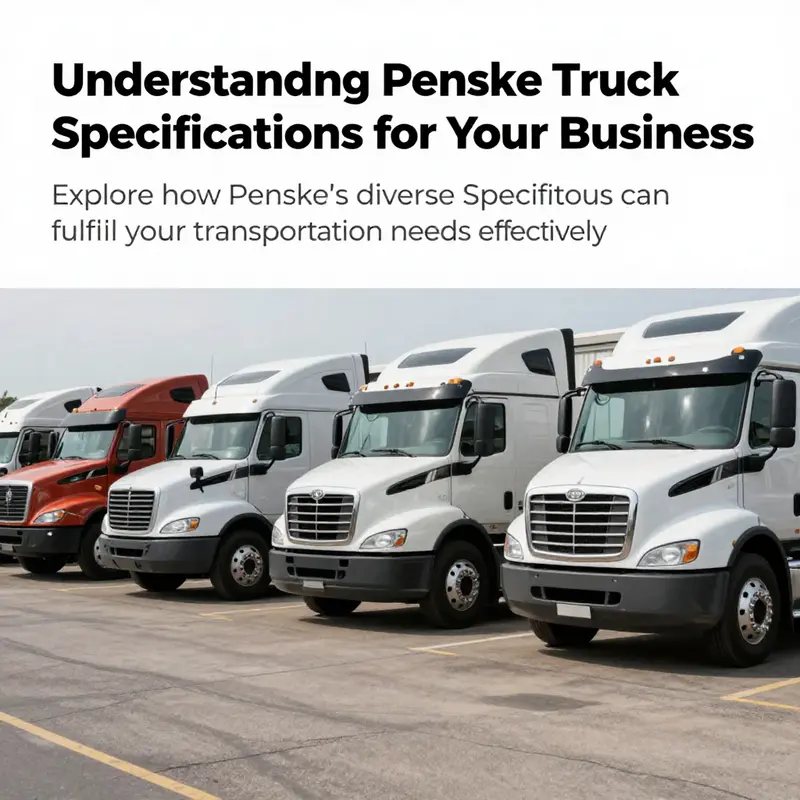
As a business owner, choosing the right truck for your transportation needs is crucial. Penske Truck Leasing offers a robust fleet of light-duty to heavy-duty vehicles designed to cater to various applications—from regional delivery to specialized cargo transport. Each truck’s specifications can significantly impact efficiency, cost, and compliance with regulations. This article delves into essential aspects of Penske truck specifications, covering models and classifications, engine performance, safety features, customization options, and maintenance guidelines. Understanding these components will help you select the best vehicle for your operational requirements while ensuring your business maintains a competitive edge.
Navigating Penske Truck Specifications: What They Mean for Your Fleet
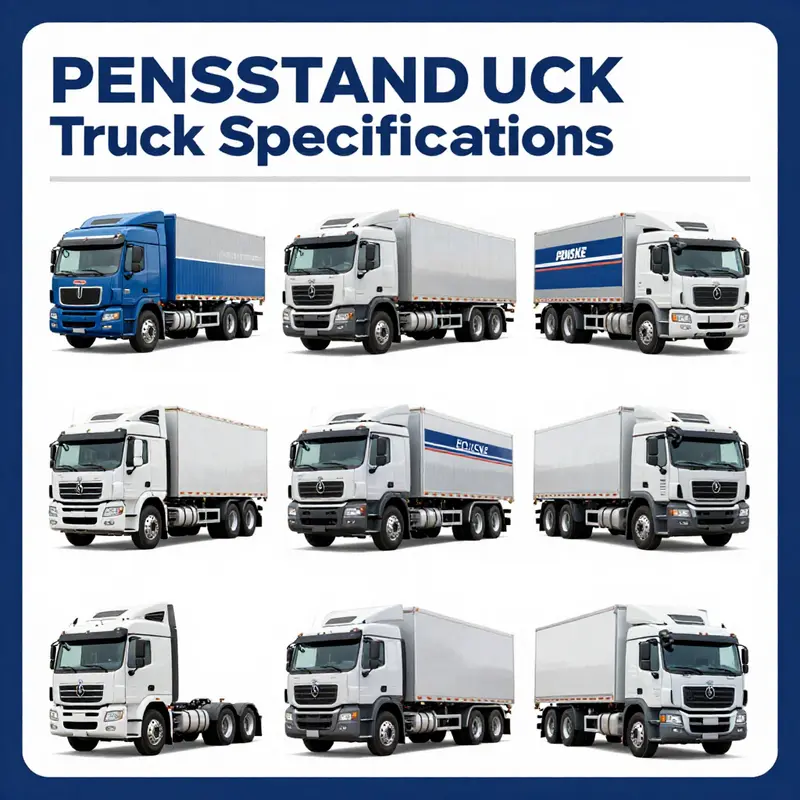
Across the landscape of commercial logistics, the right truck specification can be the difference between smooth operations and bottlenecks. Penske Truck Leasing sits at a pivotal junction in this space, offering a broad spectrum of trucks that spans light-duty vans to heavier, longer-haul equipment. The company’s emphasis is not on manufacturing vehicles themselves but on aligning a fleet with customer needs through strategic partnerships with major OEMs. This approach translates into a fleet that is not just varied in size but calibrated for reliability, uptime, and safe operation under a wide range of contractual arrangements. Whether a business is moving dozens of small packages through a regional corridor or orchestrating a multi-state distribution network, Penske’s truck specifications are designed to scale in tandem with changing requirements, from short-term rentals to long-term leases and everything in between.
A practical way to understand the Penske approach is to begin with the fleet’s core composition. While the fleet includes a broad range of equipment, its backbone consists of light- to medium-duty cargo vans and box trucks. These platforms are categorized primarily by length, with 12-foot and 16-foot models serving a large share of regional delivery and local distribution tasks. This simple metric—truck length—helps customers quickly map cargo volume, footprint in urban environments, and maneuverability with loading constraints in mind. It also reflects Penske’s focus on operational efficiency: trucks that fit typical urban and suburban corridors while providing enough interior space for common commercial goods. The emphasis on uniform metrics like length, payload, and cab configuration makes it easier for businesses to compare options, align them with daily workflows, and forecast the impact of a given asset on throughput and service levels.
Yet Penske’s reach extends beyond vans and small box trucks. The fleet also includes heavy-duty tractors designed for regional freight and long-haul transportation, with capabilities that meet higher payload requirements and longer operating cycles. In this tier, the specifications grow more sophisticated. Vehicles may be equipped with advanced safety systems that comply with U.S. federal regulations, including Electronic Stability Control (ESC), Automatic Emergency Braking (AEB), and Lane Departure Warning (LDW). These features are not mere add-ons; they play a central role in reducing incident risk and protecting both drivers and cargo over extended routes and challenging road conditions. The presence of such safety tech reflects a broader industry shift toward proactive risk management, where fleet operators depend on integrated systems to support driver performance, vehicle stability, and timely hazard detection.
The practical implications of these asset configurations become clearer when you consider aspects like powertrain, payload, and cab layout. Penske partners with established OEMs to source trucks that deliver dependable diesel propulsion, balanced with fuel efficiency that remains a vital consideration in total cost of ownership. Engine variants, horsepower, and torque ratings, along with fuel capacity and range, determine how well a truck can sustain a service line between depots, store networks, or customer locations. Axle configurations and rear axle ratios influence not only traction and braking behavior but also how payload is distributed and how a vehicle negotiates hilly terrain or congested urban streets. Cab setups, whether standard or wide-body, impact driver comfort, control accessibility, and cargo access, especially when quick loading and unloading are part of the daily routine. Each of these parameters—engine spec, payload, cab dimension, axle ratio—feeds into a larger decision framework: what is the optimal combination of efficiency, reliability, and capability for a given contract or route profile?
To ensure customers can make well-informed choices, Penske consolidates and publishes detailed vehicle parameter sheets on the official Truck Specifications page. These sheets typically outline engine models, horsepower and torque figures, fuel capacity, maximum payload, and cab dimensions. The specificity of this documentation helps fleet planners estimate compatibility with particular cargo types, route structures, and regulatory environments. It also supports maintenance planning and uptime assurance by providing a clear reference for parts, service intervals, and required inspection regimes. The emphasis on up-to-date, precise specifications is not purely academic; it underpins real-world decisions about whether a vehicle can safely and efficiently handle a given load, a given daily cycle, or a targeted service window.
The decision calculus behind selecting a Penske vehicle is rarely about a single criterion. It’s a synthesis of cargo characteristics, distance coverage, loading and unloading cadence, and the customer’s preferred leasing or rental structure. Short-term leases might prioritize flexible turnover and easier ramp-up in response to demand spikes, while long-term arrangements favor consistent performance, predictable maintenance costs, and higher uptime guarantees. In both cases, the ultimate goal is to minimize downtime and maximize dependable service levels. That is where the fleet’s breadth proves invaluable: businesses can scale between lighter urban deliveries and more demanding regional runs without overhauling their entire transport strategy. The end result is a more resilient logistics operation, capable of meeting service commitments even as market conditions evolve and seasonal demand shifts occur.
For readers seeking to deepen their understanding or to compare specific configurations, the official Truck Specifications pages maintained by Penske are the most reliable source for current data. These sheets offer engine models, horsepower and torque figures, fuel capacities, maximum payloads, and cab dimensions that are essential for accurate planning. While the precise figures can vary by contract, region, and negotiated terms, the framework remains consistent: identify cargo needs, map them to a truck length and cab layout that supports efficient loading, then verify whether the powertrain and safety features align with desired performance and regulatory expectations. In this way, the process of selecting a Penske truck becomes less about guessing and more about aligning operational readiness with strategic objectives, ensuring that every mile traveled under a Penske lease or rental contributes to a smoother, more predictable supply chain.
For further exploration, you can consult a broader external overview of Penske Truck Leasing’s approach to fleet management, maintenance, and customer support. This resource provides additional context on how a comprehensive leasing program can complement the technical specs of individual vehicles and help organizations design a transportation solution that scales with demand. https://www.penske.com/truck-leasing/overview.
null
null
Guardrails on the Road: Penske’s Truck Specifications and Safety
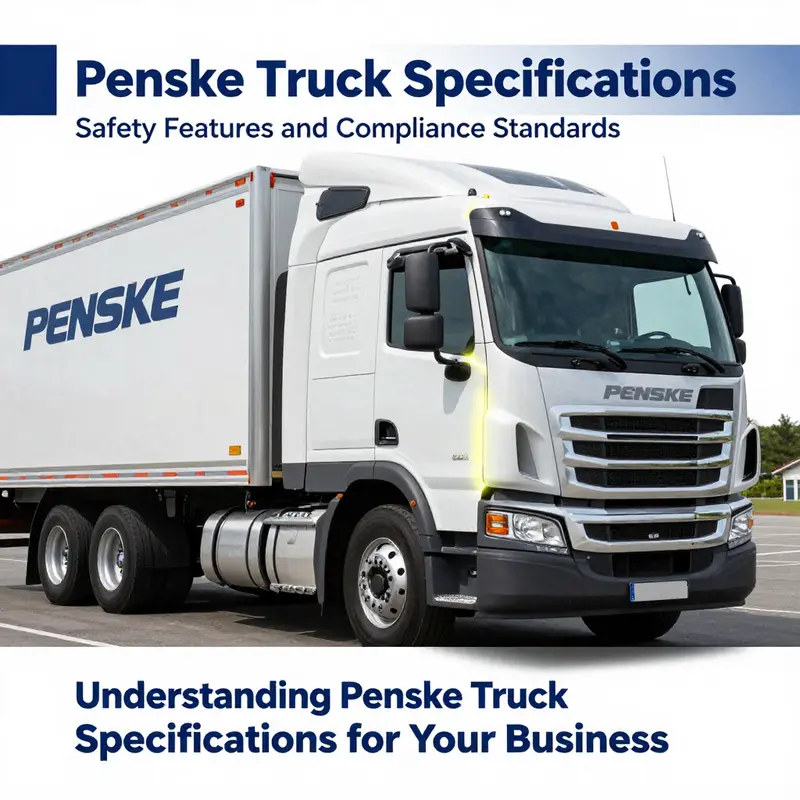
The language of a fleet’s safety is written not only in driver training but in the truck specifications that shape every mile. Penske’s specifications embody a deliberate safety philosophy: risk is managed by design, not by accident. Across the fleet, safety is treated as a core operating parameter alongside horsepower, payload, and fuel efficiency. By weaving braking systems, stability features, and clear driver guidance into a single specification sheet, Penske creates a cohesive safety ecosystem rather than a patchwork of features.
At the heart of this approach are collision avoidance and advanced braking technologies. Standardized collision mitigation helps reduce rear-end risks in busy hubs and on long-haul interstates, while air-disc brakes support consistent stopping performance across weather and load conditions. Together, these systems provide a predictable baseline that supports drivers facing urban challenges and tight delivery windows.
Beyond braking, Penske emphasizes driver-assistance technologies (ADAS) as a fundamental layer of protection. ADAS aims to control costs by preventing incidents, reduce distraction through intuitive interfaces, and promote smoother, more consistent operation. When combined with robust DVIR workflows and digital compliance tooling, the result is a culture of accountability and ongoing safe-performance monitoring across maintenance and inspections.
Regulatory readiness is another pillar. The DVIR process, CVSA Roadcheck readiness, and documented inspection histories help fleets stay compliant while simplifying roadside checks. By pairing digital documentation with proactive alerts about equipment health, Penske supports a proactive safety cadence rather than a reactive one.
Ultimately, the practical effect is a transportation solution that balances safety with efficiency. Drivers gain a supportive, predictable vehicle environment; dispatchers benefit from clear visibility into maintenance and compliance; shippers and customers gain confidence that cargo will move under standardized protections and within regulatory expectations.
For readers seeking current specifications, the official parameter sheets remain the definitive reference for engine models, horsepower, torque, payload, and cab configurations. The connection between safety features and hard numbers is found in the published documentation and the practical guidance linked from Penske Roadside, which reinforces how features translate into real-world risk reduction.
External reference: Penske Roadside. https://larentaltrucks.com/blog/penske-roadside/
Designing a Fleet for Every Mission: Penske’s Configurability in Action
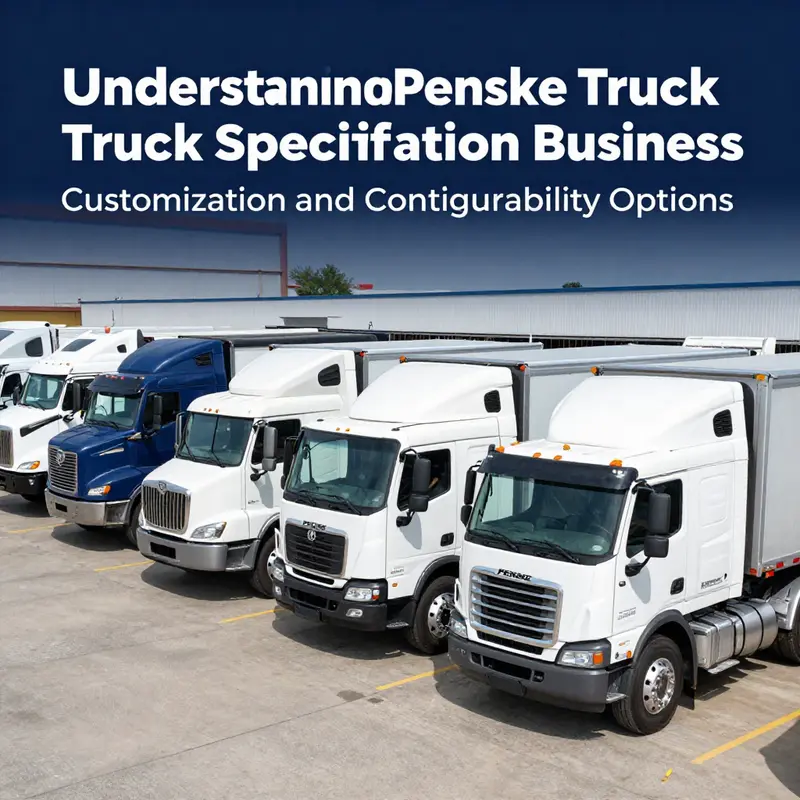
Penske Truck Leasing builds a fleet strategy around customization and configurability. Across Class 5 through Class 8, fleets can select chassis size and capacity to match local deliveries, regional hauls, or specialized contracts. Engine choices range from diesel to alternative fuels such as natural gas, with fuel type influencing operating costs, emissions, and fueling logistics. Transmission options (manual or automatic) and drivetrain configurations (2WD or 4WD) tailor performance to terrain and duty cycles. Body styles including box trucks, refrigerated units, dumps, and flatbeds align with cargo type and loading workflows, while interior amenities, safety systems, and telematics integrate the vehicle into broader fleet management. Safety and compliance features can be standardized or optional depending on use case, shaping driver assistance and risk profiles. In practice, fleets benefit from aligning chassis, powertrain, body, and electronics to a predictable mission, knowing configuration is an evolving capability that supports optimization as routes, markets, and workloads change. For detailed specifications, consult Penske’s official specifications pages.
null
null
Final thoughts
Selecting the right truck for your business starts with understanding the specifications that best align with your operational needs. Penske’s extensive range of vehicles, detailed performance metrics, compliance with safety standards, customization options, and maintenance guidelines equip business owners with the necessary tools to make informed choices. Investing time in examining these specifications will not only enhance productivity and safety but will also support long-term business success. Choosing a Penske truck is a step toward ensuring your transportation operations are efficient, reliable, and tailored to your specific requirements.