
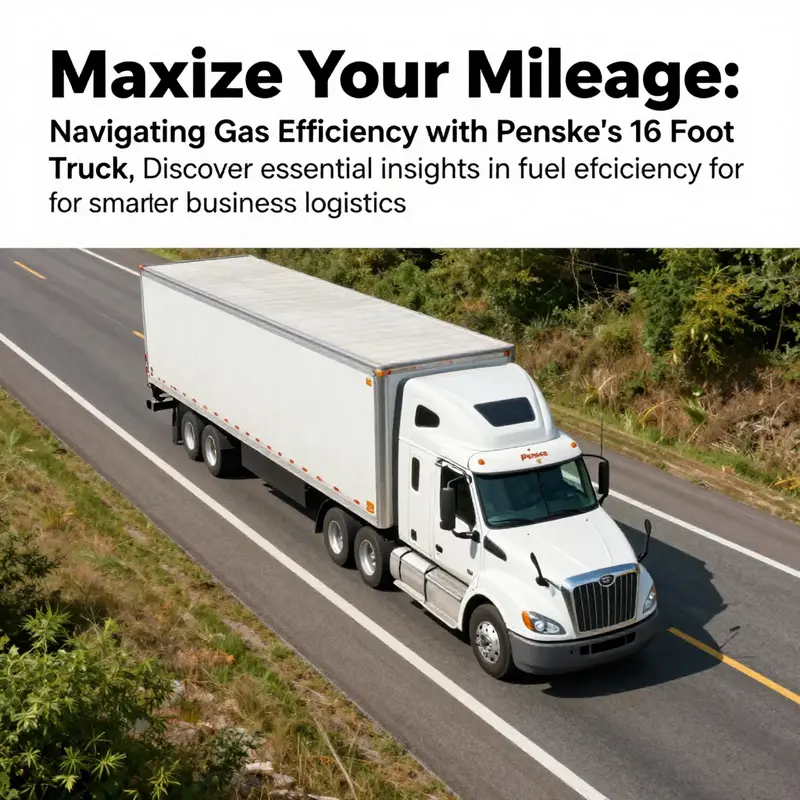
Understanding the fuel efficiency of a Penske 16 foot truck is crucial for business owners looking to optimize their logistics costs. With fuel being a significant expense in transportation, knowing how these trucks perform under varying load conditions can lead to better planning and budgeting. This article delves into the gas mileage of Penske’s 16 foot trucks, comparing empty and full load efficiencies, exploring significant factors influencing performance, applying real-world data for practical use, analyzing competitors, and offering actionable tips to enhance gas mileage. By the end, business owners will have a comprehensive view of how to effectively manage fuel costs on their next rental.
Fuel in the Moving Equation: Understanding Empty and Full Load Mileage on a 16-Foot Truck
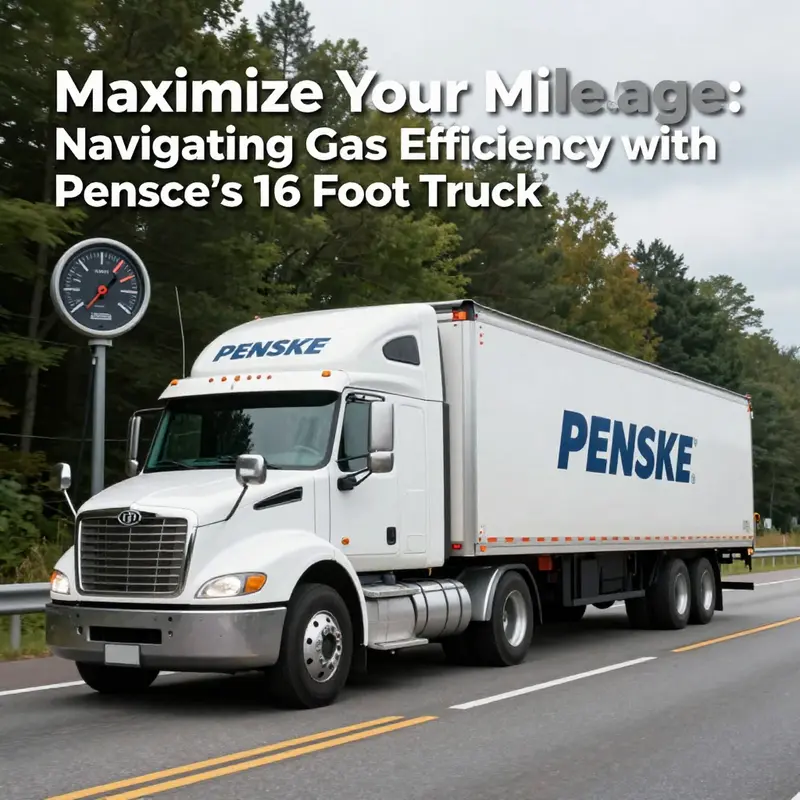
When planning a long move or a small-scale commercial shipment, the question of how far you can go on a tank of fuel becomes more than a practical detail. It turns into a central constraint that shapes route choices, fueling stops, and even how you allocate time for loading and unloading. For the common 16-foot box truck used in many moving operations, fuel economy is not a fixed number. It shifts with weight, speed, weather, and road grade, and it can look very different when the vehicle is empty versus when it is carrying a full load. The core idea is simple: carrying cargo costs energy, and that cost is felt at the pump. A careful reading of the available data shows a clear pattern. When the truck is empty, the engine works with less resistance, and miles per gallon tend to be higher. When the truck is full, the added weight and aerodynamic penalties push fuel consumption upward, shaving miles off the tank’s potential range. In practice, this translates into a meaningful gap between empty and loaded performance that planners must respect to avoid mid-route fuel anxiety or unexpected detours.
On the empty truck, where no cargo is strapped in and no vehicle is in tow, fuel economy typically lands in the upper portion of the highway range. Reports and fleet guidance often place empty mpg in the neighborhood of a solid double-digit figure, with common estimates hovering around 12 miles per gallon. In more optimized conditions—steady highway speed, light air resistance, well-maintained tires—the numbers can creep toward the higher end, even touching 14 mpg in rare, ideal cases. This upper bound is a useful benchmark for rough scheduling and for understanding the potential efficiency of the bare chassis when the truck cruises along with minimal drag and friction.
Yet the reality of daily operations often sits a bit lower. In typical fleet usage, especially when the vehicle is in regular service and not tuned for maximum economy, the empty mpg more often sits between 10 and 12 mpg. This range reflects ordinary highway conditions, moderate wind, and consistent, but not perfectly optimized, driving. The discrepancy between the best-case figures and everyday numbers is not a quirk; it mirrors the interplay of engine timing, tire rolling resistance, transmission gearing, and the subtle drag produced by the cargo area even when empty. It is all the more pertinent because many long moves begin with an empty truck before any load is added, or they begin with partial loading that gradually approaches full capacity.
The loaded reality, however, is undeniably different. When the truck carries a full payload, fuel economy falls markedly. The added mass increases rolling resistance and requires more energy to accelerate and maintain speed, especially on grades or in stop-and-go traffic. In most real-world scenarios, full-load mpg lands in the 5 to 8 mpg band. This range captures a broad spectrum of conditions—from calm interstate runs with steady speeds to hills, headwinds, and routine stops that edge the efficiency downward. It also reflects the practical design of the vehicle, where the engine and drivetrain strive to meet the needs of a moving box with substantial weight, and the tires and suspension must work harder to support that burden.
There is, however, a useful nuance to consider. Some newer units within the same fleet can show improved efficiency under favorable conditions, with reports of fuel economy approaching around 14 mpg when conditions align—stable speeds, smooth roads, and precise driving. While this is not the norm for fully loaded operations, it is a reminder that engineering improvements, maintenance, and driving discipline can yield measurable gains. When you translate these mpg figures into range per tank, the numbers become a practical planning tool. With a typical tank size around 35 gallons, an empty truck at 12 mpg could travel roughly 396 miles on a full tank if everything went perfectly with no cargo, no headwinds, and optimal driving. This theoretical maximum lauds the elegance of efficiency in an ideal world, but the math shifts quickly as soon as a load is added.
Under full-load conditions, the straightforward calculation changes. At 8 mpg, a 35-gallon tank delivers about 280 miles. At the upper end, if the unit truly achieves 9.5 mpg in favorable circumstances, the range nears 333 miles. The most common real-world expectation, however, sits closer to 300-330 miles per tank when the truck is loaded. This 300-330 mile window is a practical reference that movers and fleet operators should anchor to when planning routes and scheduling refueling stops. It acknowledges the weight penalty while offering a sane, actionable figure for logistics. It is easy to be captivated by a glossy label of 396 miles per tank, but that number is typically quoted under empty, idealized conditions. In day-to-day use, the full-load reality is more conservative and more reliable for routing decisions.
The tension between cargo capacity and fuel efficiency is not a theoretical debate; it’s the freight equivalent of balancing a scale. Heavier loads enable more business in a single trip, but they also demand more fuel. For a small business or a fleet operator, this trade-off matters. It is why many operators reconcile fuel costs with vehicle utilization, ensuring that every mile offers a justifiable return on investment. In practice, that means recognizing that the 16-foot box truck is most efficient when it travels with a lighter payload and a steady pace, and that efficiency takes a hit as the load grows. The dynamic is not purely linear; it is shaped by a constellation of factors—from the engine’s torque curve to the route’s topography, from tire inflation to the driver’s accelerative pattern. The result is a spectrum of possible outcomes rather than a single, fixed number. The key takeaway is simple: plan your moves with a realistic expectation that empty legs will stretch further than loaded legs, and be prepared to adjust routes and fueling plans accordingly.
For fleets that treat fuel efficiency as part of the service equation rather than an afterthought, there are practical steps that translate these numbers into better performance. The most immediate is to align loading practices with expected routes, ensuring that the vehicle’s mass never nears excessive overload on hills or during long climbs where fuel burn spikes. Another strategy centers on maintenance: keeping tires properly inflated, ensuring fuel injectors and air filters are clean, and dialing in engine timing can push the efficiency envelope closer to the higher end of the plausible range. The driving style matters as well; smooth acceleration, steady speeds, and cautious braking reduce energy slippage and help a loaded truck hold fuel economy closer to its lower bound than to its upper bands. Weather management matters too. Wind resistance is not evenly distributed; a strong crosswind on an exposed highway can magnify fuel burn, while a sheltered corridor will permit more forgiving consumption.
The practical implications extend beyond the numbers on a chart. For a business aiming to Get Back to Business with late-model, low-mileage vehicles, a well-planned approach to fuel management becomes part of the overall cost structure. Fleet operators can leverage modern engines and maintenance plans to stabilize performance while using route planning and load management to optimize fuel spend. These decisions flow through to the bottom line, affecting not just fuel costs but maintenance scheduling, dwell times for refueling, and even the reliability of delivery windows. The interplay of load, efficiency, and planning becomes a part of operational strategy rather than a passive background concern. To support these decisions, a growing toolkit of fuel estimation tools and calculators—often integrated into fleet management platforms—helps predict fuel needs along a given route. For readers who want a quick primer on the topic, a concise overview is available at this resource Penske truck gas mileage.
As with any data-driven judgment, it is important to avoid overconfidence in any one figure. Real-world outcomes hinge on conditions that change from hour to hour and mile to mile. The numbers discussed here—empty mpg around 10-12 (with occasional higher performance in optimized conditions) and loaded mpg around 5-8 (with the possibility of better efficiency in select newer units)—offer a practical frame for planning rather than a guarantee. When mapping a long move, it is wise to assume the loaded range will sit near the 300-330 mile mark per tank and to build in fuel stops every two to three hours or roughly every 150-200 miles under typical highway speeds, adjusting for terrain and weather. This approach reduces the risk of unplanned detours and ensures that deliveries stay on schedule, even when the truck’s weight fluctuates or the route introduces hills and wind.
In sum, the 16-foot gas-powered box truck embodies a tangible tension between cargo capacity and fuel economy. The empty state invites longer legs and fewer fuel breaks, while the loaded state curtails range and magnifies the importance of precise fueling plans. The most effective moves reconcile these realities by pairing careful loading practices with disciplined driving, proactive maintenance, and strategic route design. In the end, fuel efficiency becomes a propellant for reliability rather than a capricious variable that derails a schedule. For readers curious to explore further, there is value in consulting fleet resources that translate these general guidelines into company-specific plans, and in testing a few routes with a tankful of data to confirm what theoretical numbers look like on the road. If you want a quick, accessible reference to the topic, you can start with the internal guide linked above, which distills the core ideas into a practical snapshot. For deeper, authoritative context about fleet specifications and vehicle spotlight details, the external vehicle spotlight resource provides a broader frame of reference that captures ongoing improvements in efficiency and design across the modern 16-foot class of movers.
null
null
Reading Real-World Gas Mileage for a 16-Foot Moving Truck: Planning, Practice, and Precision
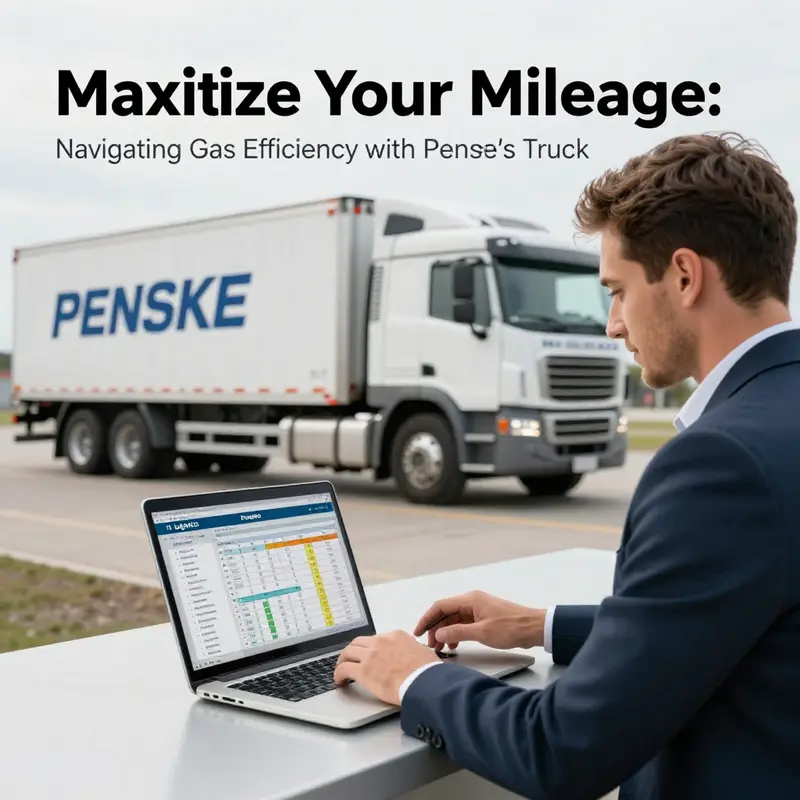
When you plan a move or a small commercial run with a 16-foot gas-powered moving truck, the numbers on an advertisement page rarely tell the full story. The official guidance you find in rental guides points to a baseline fuel efficiency that lives only in theory. In practice, empty trucks can chase a respectable range, but once you load gear, furniture, or equipment, the needle moves in the opposite direction. The real work of planning sits between the clean numbers and the messy realities of the road. What matters is not a single MPG figure, but a clear sense of how far a full tank will carry you under the conditions you will actually encounter. The practical approach is to translate a published range into a dependable plan for fuel, time, and logistics, a translation that is essential whether you are relocating a household or moving a small inventory for a business. A concise profile of the vehicle is available on the 16-foot truck page, which serves as a useful reference point when you begin to map out a route and a fueling cadence for a given distance. That page is a good starting point for understanding the size, capacity, and general performance envelope of a typical 16-foot rental unit, while the real work happens when weight, terrain, and traffic shape the trip.\n\nThe most widely cited benchmark begins with the empty truck’s fuel economy, which commonly lands in a range around 12 to 14 miles per gallon. That empty-state figure reflects a vehicle with a relatively modest aerodynamic profile and an engine operating with less internal load. It is the baseline from which all practical planning departs. But the moment cargo is added, the physics of moving mass through air and over road surfaces changes the calculation in a meaningful way. Heavier loads require more energy to accelerate, maintain speed, and climb hills. Rolling resistance increases as weight grows, and fuel is consumed to deliver that extra work. In real-world terms, the generous empty-MPG estimate shrinks to a far more conservative number once you’re loaded. This is not merely a rounding difference; it is a reflection of the change in resistance the vehicle must overcome.\n\nA commonly cited practical estimate for loaded operation is that the range per full tank drops to roughly 300 to 330 miles. That guidance aligns with typical tank capacities thought of in the mid-30s of gallons. It is important to note that there are variations in tank size used by different units in the fleet and in how the vehicle is configured for a particular rental. Some sources reference a 33-gallon tank yielding as much as 396 miles under ideal, empty conditions; other computations assume a 35-gallon tank, producing a slightly different per-tank mileage figure. The discrepancy matters less for the planning mindset than the takeaway—that the real, loaded range sits well below the theoretical maximum. When you map fuel needs, you should anchor your plan to the lower bound of 300 miles per fill, then add buffers for safety, detours, and potential delays. In a long-haul scenario, that buffer is where you prevent fuel exhaustion and the downtime that comes with last-minute refueling stops.\n\nTo translate these ranges into a usable plan, you need to consider the factors that reliably alter fuel consumption. Cargo weight is the most obvious influence. A heavy cabinet stack, wardrobes, or equipment weighs more than a light moving inventory, and the impact compounds as you climb grades or navigate winding routes. The straight-line distance between two points is rarely the same as the traveled distance when you account for detours caused by road work or weather-induced reroutes. Weather itself matters: headwinds, rain, or snow can increase aerodynamic drag and rolling resistance, nudging the actual miles per gallon downward. Traffic patterns—stop-and-go conditions, frequent deceleration, and repeated accelerations—also erode efficiency. City miles are rarely representative of highway miles, and even on the highway, variable speeds can waste fuel if you aren’t maintaining a steady pace. Engine load, in turn, reflects maintenance and performance: a well-tuned engine, properly inflated tires, and a drivetrain in good condition sip fuel more efficiently than one under strain or with suboptimal maintenance. All of these variables remind planners that there is no one fixed number to rely on under every circumstance.\n\nIn practice, savvy movers and fleet operators translate that understanding into planning rituals. For individuals relocating households, the key is to build a fuel plan that minimizes downtime and avoids the interruption of unplanned fueling stops. This often means choosing routes with reliable fuel-station coverage and scheduling breaks at predictable intervals. It also means packing light, distributing weight evenly, and planning the loading order to optimize the initial acceleration phase, where energy demands are highest. For businesses transporting equipment or inventory, the same discipline applies, but the stakes are higher. Route optimization becomes a discipline, not a suggestion. Maintenance becomes a proactive program rather than a reactive response to a breakdown. A manager who blends route data, weather forecasts, and fuel-cost projections can push a fleet toward steadier performance and lower total transport costs.\n\nThe practical payoff is clear: better fuel planning reduces surprises, keeps moves on schedule, and stabilizes budgets. If you know that a full tank under loaded conditions will carry roughly 300 to 330 miles, you can lay out a sequence of fueling stops that aligns with your travel plan. You can also estimate how many tanks you will use for a given distance, which translates into fuel budgets, worker hours, and downtime. This is especially important for longer moves, where even a one-hour delay at a refuel stop can cascade into missed appointment windows or delayed project milestones. When you connect the numbers to the actual miles and the real-world constraints of a move, the abstract concept of miles per gallon becomes a practical planning tool rather than a mere statistic.\n\nWhen you begin to map a trip, it is useful to reference a general profile of the vehicle while keeping a sharp eye on load weight and road conditions. The 16-foot size places it in a sweet spot for many moves: sufficient cargo capacity without the handling and cost of the larger trucks. Yet that same size demands disciplined planning because the margins between fuel efficiency and wasted fuel can be slim once you add weight and obstacles. If you want to learn more about the specific characteristics of the vehicle class, you can explore the detailed 16-foot truck overview. That page provides context about the dimensions, payload, and typical operating considerations that influence gas mileage in real-world use. For a close look at the broader context of the 16-foot truck, follow the internal reference to the dedicated guide page on the 16-foot truck.\n\nBeyond individual trips, fleet managers can turn these insights into routines that improve overall efficiency. By aligning routes with fuel range data, they can reduce deadhead miles and unnecessary detours. Proactive maintenance—checking tire pressure, engine diagnostics, and fuel system performance—keeps the vehicle closer to its best possible efficiency. By combining careful loading practices with strategic routing and timely upkeep, operators can extract more value from each tank and shorten the time spent on the road. The result is a smoother operation, lower fuel costs, and a more predictable timeline for customers and stakeholders alike.\n\nFor those seeking a structured, data-informed approach to fuel planning, there is value in anchoring decisions to real-world tests and the practical experiences of other users. The official guides from rental providers often emphasize fuel range as a starting point, followed by a clear caveat about the impact of weight and conditions. While the numbers you see in advertisements may spark the initial plan, the day-to-day reality of moving requires adjustment and discipline. To connect this discussion to a broader context, you can consult the 16-foot truck page that highlights the mobility and load capabilities that underlie these discussions. The aim is not to fixate on a single MPG figure but to build a robust, flexible plan that accommodates the inevitable variations of real life on the road. For further context on official guidance about fuel range and how it translates to practice, you may refer to the external resource that summarizes the formal recommendations and testing perspectives: https://www.pensketruckrental.com/guides/fuel-range.\n\nIn short, expect the empty-truck mileage to hover in the 12–14 MPG range, but plan for 300–330 miles per full tank when loaded. The difference is not a quirk; it is the physics of moving a heavier, less aero-efficient object through the landscape. The most dependable planning method is to treat that lower loaded range as the guardrail for schedules, costs, and contingencies. When you pair this fuel reality with a thoughtful loading strategy, a well-planned route, and proactive maintenance, you gain a reliable framework for moving—whether it is a one-time household relocation or a recurring commercial shipment. The numbers become a guide, not a limit, and the road becomes a space where careful preparation translates into dependable performance. And as you prepare the next move, remember that the goal is to translate fuel range into a practical rhythm: enough fuel to keep you moving, with reserves to absorb the unpredictability of the journey. For an accessible profile of the vehicle’s general characteristics, the 16-foot truck page linked above offers a concise reference to size, capacity, and handling that influence how you approach loading, driving, and planning. 16-foot-truck\n\nExternal resource for further reading: https://www.pensketruckrental.com/guides/fuel-range
Fuel Footprints on the Move: How Penske’s 16-Foot Gas Truck Stacks Up in Real-World Mileage
Fuel economy matters as soon as a move leaves the curb. The Penske 16-foot gas truck, a common choice for small-to-mid-sized moves, carries with it a set of realities that shape planning as surely as the truck’s dimensions do. When you map out a long-haul move or a crowded city-to-suburban haul, the difference between optimistic mileage claims and on-the-road experience becomes the difference between a smooth trip and a stop-filled slog. The reality check begins with the vehicle type itself: gasoline power. In this class, the Penske 16-foot model blends familiar light-duty utility with a cargo box that invites both momentum and resistance. The air flowing around a boxy cargo area, the weight of loaded boxes, and the engine’s responsiveness under load all conspire to determine fuel use in ways that numbers on a brochure often gloss over. The long and short of it is that, even under favorable conditions, fuel efficiency for this setup tends to run lower than many travelers expect.
Begin with the empty-to-light-load baseline. When the truck is not carrying cargo, it can deliver roughly ten to twelve miles per gallon. That range reflects the combination of the gasoline engine’s efficiency and the aerodynamics of a basic moving truck with an open space between cab and box. It is not a high-efficiency vehicle by any stretch, but it is neither wildly wasteful for a short hop. The moment cargo goes into the box, every pound adds a layer of drag and requires more engine work to maintain speed. The practical takeaway is clear: empty or near-empty trips might yield the best mileage, but once you start loading, the needle slides toward the lower end of the spectrum. A realistic, real-world figure for typical loading situations often sits in the five-to-eight mpg zone. This doesn’t imply a mechanical flaw; rather, it illustrates how added weight and the resulting engine strain translate directly into fuel consumption.
The mileage conversation would not be complete without translating mpg into range. On paper, the maximum range per tank—assuming an empty truck—can approach the upper 390s in miles per tank. That number rests on a combination of a large fuel tank and favorable driving conditions. In practice, however, it is essential to distinguish that the theoretical ceiling rarely reflects the mileage you’ll see on a full move. With cargo aboard, the same truck commonly covers roughly 300 to 330 miles per tank before needing a stop. The distinction matters because planning a move hinges on reliable intervals for refueling. A driver who bases a day on the unladen maximum range will find themselves pulled up short when the truck’s weight climbs and the fuel economy declines. In other words, those 396 miles per tank are a theoretical best case, not a typical itinerary marker.
From a broader perspective, the Penske 16-foot gas truck occupies a middle ground in the rental ecosystem. Its gasoline propulsion makes it simple to deploy and maintain, but it also means that fuel economy lags behind many diesel-powered colleagues in the same class. The contrast becomes most noticeable over longer distances or heavier loads. Diesel engines tend to deliver higher miles per gallon and better torque curves, particularly when the road tilts upward or when the truck is working under a heavy payload. In practical terms, a diesel-powered 16-foot rental often does more miles per gallon than its gasoline counterpart when the same route is taken with similar cargo. This is not a universal rule, but the pattern tends to emerge in real-world data and user reports.
For someone weighing options between a gasoline Penske truck and a diesel alternative, the economics are more nuanced than a simple mpg comparison. On one hand, the gasoline model tends to come with a lower upfront rental cost and broad availability. On the other, the diesel option can translate into lower fuel bills over the course of a long move, especially if the distance is substantial and the cargo weight approaches a steady, heavy load. The decision, then, rests on trip length, expected payload, and the travel rhythm of the job. A short local move with modest items might favor the gasoline Penske for its convenience and predictability. A multi-state relocation with heavy boxes and furniture could tip the scales toward diesel, where fuel savings accumulate across days and a longer overall mileage. The trade-off also includes maintenance profiles, drivability, and even the rental terms themselves, which may shift with fuel type and demand.
Beyond the engine and the fuel, consider the operational realities of a typical move. Traffic, terrain, weather, and driving style all leave their stamp on fuel economy. A trip that threads urban corridors with impatient stop-and-go traffic is vastly different from a steady highway corridor with light regulation on speeds. The Penske 16-foot truck is often chosen for its compact footprint within a busy urban fabric, a useful feature when loading in tight driveways or accommodating parking constraints near apartment complexes. Yet the same urban strategy can magnify fuel use if each exit ramp becomes a hot spot of acceleration and braking. Skilled driving, with steady throttle control and anticipation of traffic flow, can help temper the inherent efficiency penalties of a gasoline engine under load. It is not uncommon for drivers who adopt a smooth, predictable rhythm to realize mileage closer to the upper end of the unloaded range for longer portions of the trip, even with substantial cargo aboard.
If you map out a move using these factors, the numbers begin to tell a story about logistics rather than simply engineering. Planning for fuel means acknowledging the variability in mileage and building buffer into the schedule. A long move that stretches across several states will almost surely require more frequent stops than a short intracity relocation. The fuel plan should account not only for miles but for the time spent refueling and the incremental cost of each stop. In practice, this translates to a simple rule of thumb: assume lower mileage than the brochure promises once cargo is loaded, then pad the schedule to accommodate extra fueling opportunities. The preparation process should incorporate a realistic range of miles per tank, a conservative estimate for the number of fuel stops, and a contingency plan for unexpected detours or delays. When you anchor the plan in the practical realities of empty versus loaded conditions, you gain a dependable framework for budgeting both time and money.
This chapter’s deeper message—echoing the broader landscape of rental-truck mileage—leans on a straightforward premise: no one should plan a cross-country move on the optimism of peak efficiency figures alone. The Penske 16-foot gas truck offers a reliable solution for many moving scenarios, particularly where quick turnaround, easy access, and predictable billing matter most. Yet the gap between empty-mileage promises and loaded-mileage experience is a critical factor that shifts planning from abstract calculation to real-world discipline. For those who want to cross-check these tendencies in a broader market, the literature on diesel variants helps illuminate how fuel density, engine tuning, and torque management influence overall efficiency. Diesel engines harness energy more effectively per gallon, enabling more miles per gallon under a given load, especially on longer legs of a move. This is why many experienced movers weigh diesel alternatives when the trip involves substantial cargo or extended road time. Still, the decision is never purely about fuel economy. It also encompasses rental terms, vehicle availability, driver comfort, insurance considerations, and the specific demands of the route—everything from narrow urban streets to the grade of mountain passes.
For readers who want a concrete touchstone within the Penske ecosystem, a concise reference is available on dedicated moving-truck resources that summarize gas mileage patterns and loading effects. The guidance emphasizes that fuel planning should anchor on the loaded reality rather than the theoretical best case. The recommendation is to plan for 300–330 miles per tank under typical loaded conditions, with the understanding that the maximum empty-range figure is a theoretical ceiling rather than a practical one. In other words, the gap between best-case math and real-world moving is not a flaw but a factor to be managed—one you address through thoughtful routing, cautious speed management, and efficient packing strategies that minimize unnecessary weight and wind resistance. The end result is a smoother move, fewer fuel surprises, and a clearer view of the total cost of the trip.
For those who want to explore more, a usable path is to review a focused resource that discusses Penske’s gas mileage in practical terms and includes scenario-based estimates. This approach helps translate abstract mpg figures into a working plan for a specific move, the kind of plan that translates into fewer delays and more dependable budgeting. And while the gasoline model remains a strong choice for many scenarios, understanding its mileage profile in contrast with diesel options gives a clearer sense of where fuel efficiency fits into the overall moving equation. The traveler who uses these insights will be better equipped to align truck choice with route length, cargo weight, and the rhythm of the day—ultimately turning a potentially murky cost into a well-lit and manageable journey.
For readers seeking a direct, navigable reference to the gasoline-side mileage conversation, see the discussion on Penske truck gas mileage in dedicated resources. It provides a succinct, task-oriented snapshot that complements the longer, more narrative analysis here. This chapter integrates that practical lens with the broader coverage of load effects and engine type, reinforcing the core message: mileage is a function of weight, aerodynamics, and driving behavior, not just engine specifications. In the end, the Penske 16-foot gas truck can be a practical tool for moving when used with an informed plan that treats empty-mileage numbers as a helpful starting point rather than a guaranteed outcome. The difference between predicted range and actual performance becomes manageable when you align route design, fuel strategy, and loading tactics with the truck’s real-world behavior. For the most current numbers and guidance, consult official sources and performance sheets from rental fleets.
Internal reference for further reading: Penske truck gas mileage. This resource offers a concise, user-friendly snapshot that can help drivers calibrate expectations before stepping behind the wheel. External context can be explored through the broader fleet guidance and specifications published by the truck-rental community’s official channels, including the primary manufacturer and rental-service portals. For the most current numbers and guidance, see the official fleet source: https://www.pensketruckrental.com/.
Every Mile, Every Dollar: Mastering Gas Mileage for a 16-Foot Penske Truck on a Cost-Smart Move
When you’re planning a long move with a 16-foot Penske truck, fuel economy stops being just a number on a chart and becomes a real, movable part of your budgeting and timetable. Official guidance from Penske Truck Rental places the empty-truck fuel economy for this size around 12 to 14 miles per gallon. But the moment you load the cab with boxes, furniture, and appliances, that efficiency slips. The practical reality is a noticeable drop in miles driven per gallon as weight climbs and aerodynamics change. In many loaded scenarios, expect roughly 300 to 330 miles per tank, given a typical 35-gallon fuel capacity. The oft-quoted theoretical maximum of 396 miles per tank sits in the realm of idealized, empty-road math and doesn’t reflect the realities of an actual move. With these realities in mind, the aim becomes less about chasing an unrealistic peak and more about maximizing the practical range you’ll depend on during a move, and planning your gas stops and driving behavior around that range. The chapter that follows threads together the most actionable practices so you can stretch those miles while keeping costs predictable and avoiding fatigue or improvisation on the road. To begin, the baseline matters. If you’re starting with a full tank and a virtually empty load, you might nudge toward the higher end of the 12–14 MPG range. But once the truck is loaded to capacity, the drivetrain has to work harder to overcome the additional weight and rolling resistance, and that works against fuel economy. Translating this into planning means anchoring your day around a conservative miles-per-tank figure and building fueling pauses into your itinerary. If a move spans several hundred miles, you’ll want to anticipate needing more than one tank, and you’ll want to be intentional about where those stops occur. For readers who want a quick reference, this is the kind of topic that benefits from a concise primer you can consult while planning. See penske-truck-gas-mileage for a practical overview that aligns with the scope of a 16-foot truck and real-life driving scenarios. While a single number never captures every move, having a disciplined approach to fuel planning can translate into meaningful savings and smoother logistics on moving day.
With those guardrails in mind, you can make a series of choices that compound into meaningful gains. The most reliable gains come from a combination of lighter load, smarter routing, steady driving, and attention to maintenance. Start with weight management, because it has the most direct, predictable impact on MPG. Pack only what you truly need. Every heavy box, every extra utensil or tool, adds to the rolling resistance the engine must overcome. If you can leave nonessential items behind, you’ll improve the efficiency not just in miles per gallon but in handling as well. In addition to reducing mass, reduce drag. Roof racks, bike carriers, or any exposed items on the exterior of the vehicle disrupt the airflow and can shave several percentage points off fuel efficiency, especially at highway speeds. The rule here is simple: minimize weight and minimize drag where practical. The vehicle is built for a certain aerodynamic profile; resisting that with unnecessary add-ons is a double hit to your fuel range. Those tiny changes add up, and as you tally your miles, you’ll notice the difference in your receipts and in the steady rhythm of the drive.
Next comes route and speed. The path you choose matters almost as much as the payload. Smart routing isn’t merely about avoiding traffic; it’s about prioritizing steadier speeds and fewer stops. A route that avoids a cluster of stoplights and congested stretches can help you maintain momentum and reduce the fuel wasted in frequent acceleration and braking. In practice, many moves benefit from planning for a window with lighter congestion or an alternate path that allows you to keep cruising at a comfortable, steady pace. On the highway, the data-backed guidance is clear: a steady 55 to 60 mph yields better fuel economy than pushing beyond that range with aggressive acceleration and tailgating efficiency losses. The cost of aggressive driving isn’t just higher fuel use; it’s increased wear and a more stressful drive. In both urban and interstate segments, easing into a rhythm can deliver upward pressure on MPG, while the rest of the move proceeds with fewer speed oscillations and smoother throttle inputs.
And that brings us to a behavioral core: smooth driving matters as much as strategy. The instinct to press the pedal hard for a quick start is comforting in the moment but expensive in the long haul. Gradual acceleration and early anticipation of braking can protect fuel efficiency by reducing the demand for power throughout a given segment. If you’re navigating hills, try to anticipate the grade and maintain a steady pace rather than surging uphill and then coasting downhill. In the middle of a move, the goal is a consistent speed that respects the vehicle’s physics and the traffic around you, not a sprint for a perceived advantage.
Maintenance also plays a critical role. Before departure, verify tire pressure and tread integrity. Underinflated tires can drain fuel efficiency significantly because the engine must work harder to turn the same load. The tire pressure recommended by the manufacturer or found on the door jamb is a baseline; a quick check for all tires—including the spare—before departure can pay dividends in miles per gallon and safety. If you notice unusual vibrations or vibrations that don’t align with road conditions, take a moment to inspect and address the issue. A well-maintained truck travels more efficiently and reduces the risk of a roadside interruption that would force an unscheduled fuel stop. The simple discipline of checking and maintaining tires is one of the most reliable, repeatable ways to protect fuel range during a move.
Weight and maintenance aren’t the entire story. Weather, terrain, and driving context also shape the reality of fuel economy. Driving through heavy rain or snow automatically reduces efficiency because traction demands slower speeds and more cautious throttle input. If you can align your move with days of light weather, you can preserve momentum and keep RPMs near a stable range. Worsening wind, whether head-on or crosswinds that increase aerodynamic drag, is another factor that erodes miles per gallon. In such conditions, your best option is patience and planning: modify your route to minimize headwinds when possible, and pace the travel so that you’re not fighting the elements alone. The goal is not to chase perfect MPG but to protect the practical range you’ll rely on to complete your move with minimal fuel stops and predictable costs.
To translate these principles into action, consider the practical math of your trip. If your load pushes you toward the 300–330 miles per tank range, anticipate a fueling stop every roughly 4.5 to 5.5 hours of driving on a highway stretch, depending on the terrain and the share of city driving. Build a buffer into your plan for refueling, rests, and minor contingencies—these are not extra delays but essential safeguards that keep the move on track. The theory matters, but the practical application is where the savings show up. You’ll gain confidence with a route-carbonated plan that includes a couple of strategic fueling stops aligned with your chosen route and your daily driving target.
What about the optimism of the advertised, idealized range? The number 396 miles per tank often recurs in glossy materials or under pristine conditions, but it rarely translates to the real, loaded scenario. In the real world, with doors closed, boxes stacked, and the engine taxed by carrying weight, the loaded range sits closer to 300–330 miles per tank. Your personal experience will vary with the exact load, fuel variant, and road conditions, but having a conservative expectation makes for better planning and fewer surprises on moving day. Planning around that 300–330-mile band means you can plan fuel stops that align with your route and break times that minimize downtime. It also makes it easier to budget fuel costs, a practical concern when you’re managing a move where every dollar matters.
If you want a concise, practical reference that aligns with the experience described here, check out the Penske fuel-range guidance and related resources. The official materials, along with driver-tested tips, reinforce the sense that fuel planning isn’t optional—it’s a core component of moving logistics. And for those who want to tailor the numbers to home much you’re actually carrying, consider using a simple calculator to estimate your miles per gallon as you load—the kind of tool that translates numbers into a live plan you can adjust as you pack. These resources underscore the point that fuel range is a predictable, manageable dimension of a move when approached with clear assumptions and disciplined planning.
In sum, the path to maximizing the 16-foot Penske truck’s fuel range is a blend of prudent load management, route awareness, steady driving, and maintenance discipline. Empty, the truck can deliver the upper end of the MPG spectrum; loaded, the range tightens, but it remains predictable with careful planning. By treating weight, aerodynamics, driving behavior, and environmental conditions as variables you can influence, you set the stage for a more cost-effective move. The payoff isn’t merely fewer fill-ups; it’s a smoother trip, fewer delays, and a clearer sense of budget and timing that translates into less stress when you finally reach your destination. If you want to explore more about how these factors play out in practice, remember that the internal reference above can guide you to a concise overview of Penske truck gas mileage as it applies to the 16-foot model, while the external resource provides the official framework for fuel range and planning on the road.
External resource: penske-fuel-range-guide
Final thoughts
Understanding the gas mileage of the Penske 16 foot truck is vital for business owners seeking to optimize logistics costs effectively. By comprehending the difference in efficiency between empty and loaded conditions, recognizing the influencing factors, applying real-world data, comparing other options, and utilizing targeted strategies, businesses can enhance their transportation efficiency and manage fuel expenses more effectively. Taking these insights into account can turn logistical challenges into manageable opportunities, ultimately supporting bottom-line growth.