
For business owners considering a move, understanding the intricacies of U-Haul truck rental costs is crucial. Whether moving to a bigger space or to launch a new venture, knowing the pricing structure can make a significant impact on your budget. This article offers a detailed exploration structured in three key chapters. First, we will unravel the essential basics of U-Haul truck rental pricing, providing a foundation for your understanding. Next, we will delve into the various factors influencing these costs, including location, duration, size of the truck, and additional fees. Lastly, we will provide real-life examples that illustrate possible total expenses for different rental scenarios, enabling you to prepare more effectively for your business move.
Counting Miles, Dollars, and Decisions: How to Understand Moving Truck Rental Costs
When a plan to relocate begins to take shape, the first, clearest question is often the same one that tends to drift through budgets and calenders: how much will it cost to rent a moving truck? The answer is not a single number but a mosaic of charges that can change with the size of the vehicle, the distance you’ll travel, and the clock you’ll be ticking against. A well-worn truth of truck rental is that the base rate is only the opening chapter. The daily price you see for a small truck—often advertised as the starting rate—sits at the intersection of location, demand, and the precise vehicle you choose. In many local moves the smallest trucks begin around twenty dollars per day, but that figure is not the final line on your receipt. Location matters, and so does the moment in the season when you move. This variability is not a quirk; it reflects the heavy influence of supply and demand, transport costs, and the way rental companies price risk and convenience for a short window of time. What you should take away at the outset is this: a low daily rate is not a guarantee of a low total cost, and a higher base rate does not automatically translate into a larger final bill. The final number emerges as the sum of several moving parts, each affecting the total in its own way.
To understand the full scope of the pricing landscape, it helps to start with the core elements that every rental involves. The base rate is the default, the anchor price that frames what you’ll pay for the physical truck itself and the privilege of borrowing it for the agreed period. For the smallest, most maneuverable option—the 8-foot pickup-style trucks commonly used for in-town moves—the base rate often represents a practical entry point for budget-minded moves. Yet the base rate is and should be treated as a starting point rather than a ceiling. Depending on the rental location and the day, the daily price can shift. A move conducted in a busy urban corridor during peak season may carry a higher daily base rate than the same move in a slower, suburban setting. These shifts are not arbitrary; they reflect the same market forces that set the price of gasoline, groceries, or a hotel room during a holiday weekend.
Beyond the base rate, the pricing map grows more intricate with the introduction of mileage charges. This is where distance begins to matter in a concrete way. Many local, in-town moves operate with a daily mileage allowance—an amount of miles included in the base rate per day. Once you surpass that threshold, the rental agreement adds a per-mile fee. The exact miles included and the rate per mile can vary by vehicle type and location, but the general pattern remains consistent: more driving equals more cost. For short, city-to-city moves, those per-mile charges can accumulate quickly if the day’s drive stretches beyond the allotted distance. For longer trips, the mileage can become the dominant factor in the total cost, especially if the distance adds up across several days. In some cases, customers find value in a plan that offers unlimited mileage for an extra daily fee. If your move spans many miles or involves multiple stops along the route, an unlimited mileage option can simplify budgeting by removing the per-mile calculation entirely for the duration of the rental. While the unlimited option is not universal, it is commonly offered because it aligns with the practical realities of longer moves where mileage charges can become a meaningful portion of the total.
Fuel is another practical hinge in the pricing structure. In most truck rental agreements you’ll be expected to return the vehicle with a full tank. If you don’t, the company will refuel the truck for you, but at a higher rate than you’d pay at the pump, and you’ll also incur a refueling service charge. This policy is straightforward, but it’s easy to overlook when you’re juggling boxes, schedules, and multiple stops. Returning a truck with a depleted tank or with more fuel than you started with can complicate the math, so many movers cultivate a simple habit: fill up before you hand back the keys. The goal is to avoid the premium refueling charges that can quietly inflate the final tally, especially on longer local moves where the fuel cost can scale with the number of miles driven.
Insurance and protection options add another layer, though they are not strictly mandatory. Rental companies typically offer protection plans designed to cover damage or loss that could arise during the move. These plans can provide peace of mind, particularly for long-distance trips or for customers who want to limit potential out-of-pocket exposure. The cost of protection varies with the level of coverage, the vehicle type, and the deductible, if any. Even when the basic plan seems modest, it’s worth weighing the likelihood of incidents against the premium. Some movers choose to opt for lower coverage with a credit card benefit or a personal policy, while others prefer the security of comprehensive protection. The decision often hinges on risk tolerance, the fragility of items, and the value of the move as a whole.
Add-ons also shape the final price. Boxes, tape, padding, dollies, moving blankets, and straps may seem like ancillary purchases, but they accumulate. If you need to pad fragile items, secure large furniture, or transport delicate belongings, adding protective materials can elevate the bill beyond the bare truck rental. The same goes for equipment such as moving dollies and tie-down straps, which, while practical, can push the total past the threshold of what you might have expected if you’re budgeting purely for the vehicle. In short, the more you plan to rely on protective gear, the more you should anticipate a higher overall expenditure. This is not a warning that you must overbuy; it’s a reminder to align packing choices with the risk profile of your move and the fragility of your items.
A final layer to consider is the administrative and miscellaneous fees that often accompany rental transactions. Tax, environmental charges, and facility fees may appear on the receipt differently depending on where you rent and when you rent. These line items can feel like hidden costs, especially for first-time renters who are focusing on the headline daily rate. The prudent approach is to anticipate these extras by asking for a full quote that itemizes each component before you commit. When you have a transparent quote, you can adjust your plan, swap to a smaller or larger vehicle, or alter the pickup time to potentially reduce fees tied to time and location. The goal is to move through the process with a clear sense of where the dollars are coming from and how each decision nudges the total.
To bring this into sharper focus, consider a typical local move that relies on a modest-sized truck for a single day within the same metropolitan area. The base rental for an 8-foot truck might start around $19.95 per day, a figure that serves as the anchor for the day’s cost. But that number rarely sits alone in the final invoice. If you drive about 40 miles in that day and your plan excludes unlimited mileage, you might see a per-mile charge that adds a modest sum to the daily rate. If you refuel the truck yourself before returning, you’ll avoid a premium refueling charge, but you’ll still pay the price of gas for the miles traveled. Add-ons such as moving pads or a protective cover for a delicate item might add a small but meaningful amount to the total, and insurance—if you choose it—will appear as a separate line item. When the dust settles, a local move with a basic truck, standard mileage, fuel, and a couple of protective supplies might land somewhere in the $200 to $500 range for the base costs, with the total creeping higher after fuel, fees, and any incidentals. It’s not unusual for the final bill to climb into the $500 to $900 range when you factor in everything from mileage to stacking up a few extra boxes and pads, especially if you are juggling a heavy workload, tight schedule, or a longer drive than anticipated. The exercise in planning then becomes not simply guessing at the base price but building a thoughtful forecast that accounts for miles, fuel, protections, and equipment in a way that reflects how you intend to move.
How, then, should a reader approach this pricing landscape in practical terms? The key is to separate the decision points that drive costs from the moments you’ll actually need the truck. Start by clarifying your move type: local or long-distance, one-way or round-trip. Local moves tend to hinge on the daily base rate and daily mileage allowances, while long-distance moves tilt toward the mileage scale across days, the value of unlimited mileage, and the complexities of fuel planning over longer routes. Once you’ve identified the move type, consider your load: how many boxes, how much furniture, and what special handling will be required. Do you need blankets, padding, straps, or a furniture dolly? Each add-on adds to the total, so map them to the items that most require protection. Next, examine the fuel plan: will you fuel up before return, or should you plan for a potential refueling surcharge? If you expect to be on the road for several days, the difference between a full return and a partial fill can swing the total price by a substantial margin.
With these considerations in mind, the most efficient path to an accurate estimate is to leverage the real-time pricing tools offered by the rental provider. A real-time cost estimator, which takes into account pickup and drop-off locations, dates, and vehicle type, can deliver a personalized quote in moments. This kind of live tool is invaluable for avoiding sticker shock because it translates the abstract concepts of base rates, mileage, and insurance into a single, transparent number. If you want to explore how mileage policies might affect the bottom line, you can also read about unlimited mileage options and how they apply to longer moves. This resource can illuminate the practical trade-offs between paying per mile and paying a flat daily rate that includes broader coverage for miles traveled. For readers who prefer a broader horizon, the research notes suggest looking into related articles about different truck sizes and configurations, as well as promotions and discounts that can reduce overall costs. Either way, the aim is to move from a rough estimate to a precise forecast that aligns with your actual moving plan.
When all is said and done, budgeting for a move involves more than tucking a number into a spreadsheet. It means embracing a view of cost that includes the vehicle itself, the miles you’ll cover, the fuel you’ll use, and the gear you’ll need to protect the things you are transporting. It means recognizing that a seemingly low daily rate can be offset by mileage charges, fuel costs, or mandatory fees, while a higher base price might be balanced by an unlimited mileage option or a comprehensive protection plan that reduces out-of-pocket risk. The best approach is to start with a broad, realistic budget and then refine it by obtaining a few live quotes that incorporate your exact dates, pickup location, and vehicle choice. In this way, you are not merely guessing at the cost of a truck—you are mapping a precise route through the pricing terrain that will shape your moving day.
For readers seeking a practical route to deepening their understanding, consider exploring more about mileage policies and options through related content that discusses unlimited mileage and how it can influence the total. This can help you compare scenarios more clearly and choose the option that suits your move pattern best. As you finalize plans, remember that price is only one facet of a successful move. Reliability, vehicle availability, road-side support, and the ease of scheduling can weigh heavily on your overall experience. When you balance these factors with price, you position yourself to navigate the move with confidence and clarity. For the most accurate, up-to-date pricing tailored to your specific move, visit the official site and enter your pickup and drop-off locations, dates, and vehicle type to get a personalized quote instantly. If you want a direct, related resource on mileage options, you can read about unlimited mileage here: unlimited mileage options.
External resource: https://www.uhaul.com
Decoding the Real Price of a Moving-Truck Rental: From Daily Rates to Hidden Fees
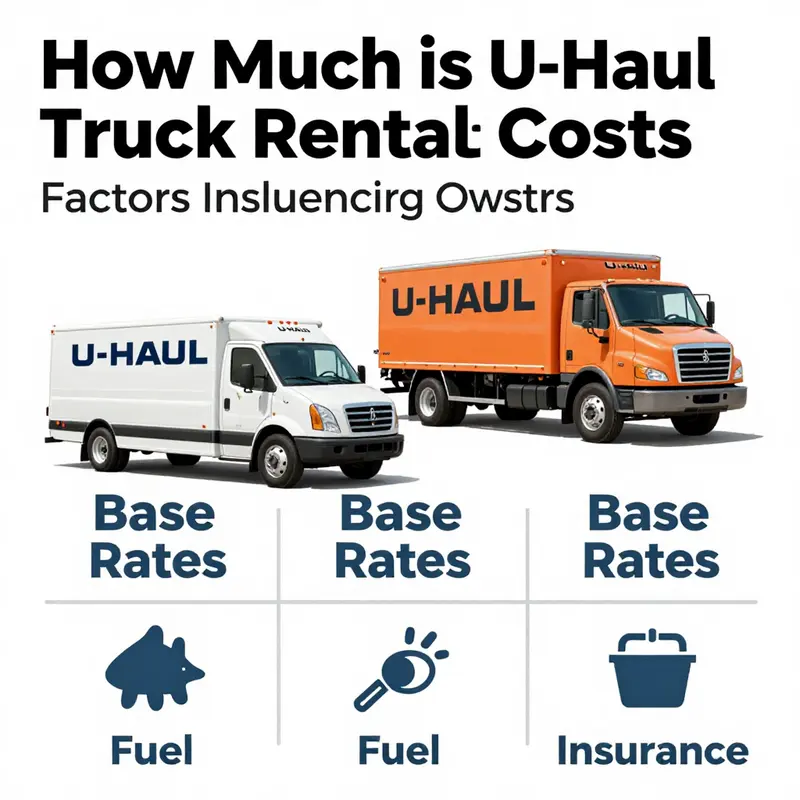
When people plan a move, the headline price often comes in as a simple niche number on a website: a daily rate for a small truck or a larger vehicle. Yet the sticker price tells only part of the story. The true cost of renting a moving truck unfolds through a sequence of decisions and conditions that reverberate long after the truck is returned. To understand how much a truck rental costs, you must trace the path from the headline rate to the final tally, accounting for size, distance, duration, and a constellation of fees and options that can either inflate or, occasionally, save money. The journey begins with the size of the vehicle, and the size is more consequential than most movers expect. A compact, eight-foot pickup-like model may advertise rates in the range of a couple dozen dollars per day, yet that price is designed for the most modest local tasks. The truck’s footprint matters because it directly affects how much you can fit, how much fuel you burn, and how many trips you must make. In practical terms, a small truck is often the least expensive per day but not always the most economical choice when you add in fuel and mileage across a real move. A larger truck, say a mid-size or long box, will carry more stuff per mile but can rack up higher daily rates and fuel costs. The key is to model the move end-to-end: how many items, how many trips, and how far you’ll drive, instead of relying on a single daily price.
The duration of the rental is the next major driver of cost. The longer you hold the vehicle, the higher the base cost becomes. This relationship is not always linear, because some providers offer bundled day-based pricing with fewer daily fees if you stretch the rental over several days. Yet even with a favorable daily rate, the total can climb when you extend the rental into a longer window, especially if you encounter unexpected delays. The duration also interacts with other factors, such as the need for fuel or additional protective gear and packing materials. A move that spans a weekend might tempt a longer rental interval to avoid rush-hour pressure, but it can also invite extra days of storage or idle time charges if the truck sits unused during the project itself. Planning with a realistic calendar helps curb these costs before the box is loaded.
Distance is the third pillar of price. Local moves typically carry a different cost structure than long-distance, one-way trips. For in-town tasks, the daily rate can be the dominating factor, with mileage charges kicking in only after a modest included allowance. For longer journeys, a per-mile charge may loom large, especially if the move crosses state lines or climbs into regions with higher fuel and maintenance costs. Some truck rental options provide unlimited mileage for an extra fee, which sounds attractive for a cross-country adventure, but the math depends on your route and pace. If you’ll be driving eight hours a day, stopping for meals and rest breaks, and you’re covering hundreds of miles, a flat daily rate with bundled mileage can sometimes be a better bargain than a pen-and-paper tally of miles with a separate rate. The decision hinges on the specifics of your route and your ability to estimate the distance in advance.
Location, too, matters in more ways than one. Rental pricing is not uniform across the country; it varies by city, region, and even the neighborhood of a given town. Local demand, seasonal considerations, and regional taxes contribute to a patchwork pricing landscape. A move in a busy metropolitan area might carry higher base rates or additional surcharges, while the same vehicle could be cheaper in a less congested locale. Those geographic nuances can surprise first-time movers who expect a simple daily or per-mile formula to apply uniformly. It’s a reminder that a personalized quote delivered online after you input pickup and drop-off sites tends to be the most trustworthy way to measure cost. The official pricing tool can reflect not only the vehicle size but also the exact pickup and return locations, making it possible to compare scenarios side by side and choose the option that aligns with your budget and schedule.
Another decision point is how you will move. A local, in-town move typically emphasizes the daily rental rate and mileage within a relatively modest travel radius. A one-way, cross-country or long-distance move can raise the baseline price because of additional fuel charges, vehicle repositioning, and sometimes higher insurance needs. In some cases, the provider will add a one-way fee to cover the cost of returning the truck to a different location or maintaining the fleet in a position to handle another customer’s rental in a different city. The practical effect is that the same truck and same distance can cost more simply because the move is one-way rather than round-trip. The cognitive trap here is assuming local equals cheap and one-way equals expensive; the real story is that pricing is a mosaic that reweighs daily rates, mileage caps, and extra charges in ways that depend on where and how you move.
Beyond these core levers lie a handful of optional costs that creep into the final invoice unless you actively manage them. Insurance is often cited as a potential cost, and it’s easy to underestimate its impact. While not always mandatory, insurance options provide protection against damage or loss during the move. The price tag for insurance varies with the coverage level, deductible choices, and the risk profile of your move. Some renters are comfortable relying on their personal auto or homeowner’s policy, while others prefer the reassurance of coverage provided through the rental company. The choice can swing the total by a significant margin, especially for larger vehicles or longer journeys. Even if you’re a confident driver with a limited cargo load, the peace of mind that comes with a protective plan can be worth the added cost for some households.
Fuel is another substantial and variable expense. The policy is straightforward: return the truck with a full tank. If you don’t, you’ll incur a refueling charge that is often more expensive than filling the tank yourself. The practical consequence is that a miscalculated return fuel level can sour a good deal. Fuel efficiency also varies by truck size and driving conditions, and it is not unusual for a move to involve more fuel than anticipated due to detours, heavy traffic, or hilly terrain. If you’re planning a move through a fuel-prone area or during peak driving times, it’s wise to budget a little extra for fuel or choose a vehicle with better mileage for your route.
Packing supplies—boxes, tape, moving blankets, cushioning, and other protective materials—are frequently optional add-ons that scale with how much you’re packing and the fragility of your belongings. A small household with few delicate items may keep packing costs modest, while a larger home or a collection of valuables can push this line upward quickly. The convenience of buying packaging materials from the rental company is real, but the costs can be higher per unit than shopping around. A savvy mover will itemize the packing needs, compare prices with external vendors, and decide which items truly add value to the move rather than simply adding to the sense of readiness.
Time spent managing the move is another facet that often goes unappreciated in the upfront price. The hours spent loading and unloading, coordinating logistics, making sure the truck is parked legally at each location, and aligning schedules with helpers all carry an opportunity cost. If you hire moving labor or enlist friends, those expenses appear alongside the rental cost. Even when you do it yourself, the time you invest has value. When you add up the time, the hours of driving, the loading and unloading tasks, and the potential delays due to weather or traffic, the final cost can be higher than the straightforward daily rate would suggest.
Discounts and promotions can tilt the cost in a meaningful way, reminding us that the headline price is not the final word. Periodic promotions, loyalty offers, or military and student discounts can reduce the amount charged for the base rental or the mileage. Some landlords also have coupon codes or promotional periods that can be applied at checkout. It’s worth a thorough search for any active offers, especially if you plan multiple moves or have flexibility in timing. The right discount, paired with a smart vehicle choice and accurate distance estimates, can turn a potentially expensive rental into a more approachable budget line. The lesson here is simple: do not settle for the first quote you receive. Shop around within the same provider’s catalog and consider adjacent options—different sizes, different pickup locations, and different dates—to identify a combination that minimizes the overall price.
Cost estimation tools and real-time pricing further complicate but ultimately empower the decision-making process. The pricing calculator offered by the rental provider serves as a practical compass by updating costs as you adjust variables such as date, location, vehicle size, and move type. This real-time feedback enables you to compare scenarios side by side. For example, a mid-size truck may show a lower daily rate on a particular day, but a longer one-way move could inflate the total when miles are included or when a repositioning fee is added. Conversely, a different date or location could unlock a favorable rate that aligns with your budget. The calculator is not a magic wand; it is a transparent means to translate the intangible elements of a move into concrete numbers. It helps you see how minor changes—changing the pickup time, opting for a smaller truck, or including a gasoline premium—affect the bottom line. In short, the real price of a truck rental emerges from a conversation between your schedule, your route, and your risk tolerance.
To ground these ideas in a practical frame, consider a typical local move that many households face. The base rental for a smaller truck might be advertised at a low daily rate, yet the total cost often lands somewhere between a few hundred and several hundred dollars. This range reflects fuel, the miles you drive beyond an included allowance, and the time you spend on the project. It also accounts for packing materials and the optional insurance that you might decide to purchase. For a larger home with more belongings, the base daily rate climbs and the miles accumulate more quickly, while the packing needs rise in tandem. The calculation becomes a balancing act: you select a vehicle size that can accommodate your items with comfortable margins, you plan a route that minimizes miles or optimizes for a favorable rate, and you choose the level of protection that suits your comfort with risk. The aim is not to chase the absolute cheapest option but to identify the combination of size, duration, distance, and protections that yields the most predictable and affordable total.
If you want to translate these considerations into a concrete plan, it helps to approximate your move in stages rather than as a single event. First, inventory your belongings and estimate how many boxes and larger items you’ll move. Second, map the route and estimate miles with a conservative cushion for detours. Third, decide on the pace of the move—will you load on a Friday evening and return the next week, or will you spread it over a longer window? Fourth, evaluate whether you will need any packing materials or moving accessories and whether you want to accept the protection plan. When you run through these steps, you arrive at a number that reflects not only the daily price but the aggregation of every decision that surrounds the rental. It’s the difference between a theoretical low daily rate and a credible, budget-conscious total that you can plan for with confidence.
If you’re looking for a compact, actionable takeaway, focus on three practical strategies to manage cost. First, compare sizes in light of your actual payload. A slightly larger truck can reduce the number of trips and may save on time and labor costs. The right balance between capacity and fuel efficiency can yield a lower overall price. For reference, consider the 16-foot model as a common mid-size option; you can explore its specifics and how it tends to fit typical household moves in a dedicated resource such as the detailed page on 16-foot truck dimensions and usage. See the detailed reference here: 16-foot truck details. Second, anticipate miles and plan a route that minimizes backtracking. If you anticipate detours, you might prefer a package with bundled mileage or a lower per-mile rate. Third, budget for packing materials and protection options without overbuying. A small investment in sturdy boxes and padding may reduce the risk of broken items and the time spent handling fragile belongings, ultimately preventing more costly consequences later in the move.
The bottom line is that the price of renting a moving truck is not a single number but a blended total built from options, distance, duration, and personal choices about risk and convenience. The best approach is to treat the quoted daily rate as a starting point and build a careful model that accounts for mileage, fuel, packing needs, insurance, and the time you invest in the process. By embracing a structured planning mindset, you can identify the configuration that minimizes the total while meeting your move’s requirements. The pricing tools provided by the rental company are valuable allies in this effort, offering real-time feedback as you adjust variables to reflect reality. The final figure you settle on should feel predictable, justified, and aligned with your moving timeline rather than entangled in surprise charges that crop up at the end of the rental period. In other words, the real price is the sum of carefully chosen decisions plus a few prudent contingencies, not the solitary line on a quotation.
For readers who want a direct touchpoint while crafting their plan, the official site remains the most authoritative source of current pricing and policies. By entering pickup and drop-off locations, dates, and vehicle type, you unlock a personalized quote that reflects your move’s unique geometry. This step matters because it translates the abstract principles discussed here into a concrete figure you can compare against other options. The cost picture you obtain from the calculator will be the most accurate compass as you decide which size to rent, how long you’ll need it, and what extra protections you want to fold into your budget. A thoughtful approach that blends size, distance, and duration with careful consideration of extras is the surest way to avoid overpaying and to ensure your move proceeds smoothly and with fewer financial surprises.
External resource: https://www.uhaul.com
Beyond the Sticker Price: Deciphering the True Cost of U-Haul Truck Rentals
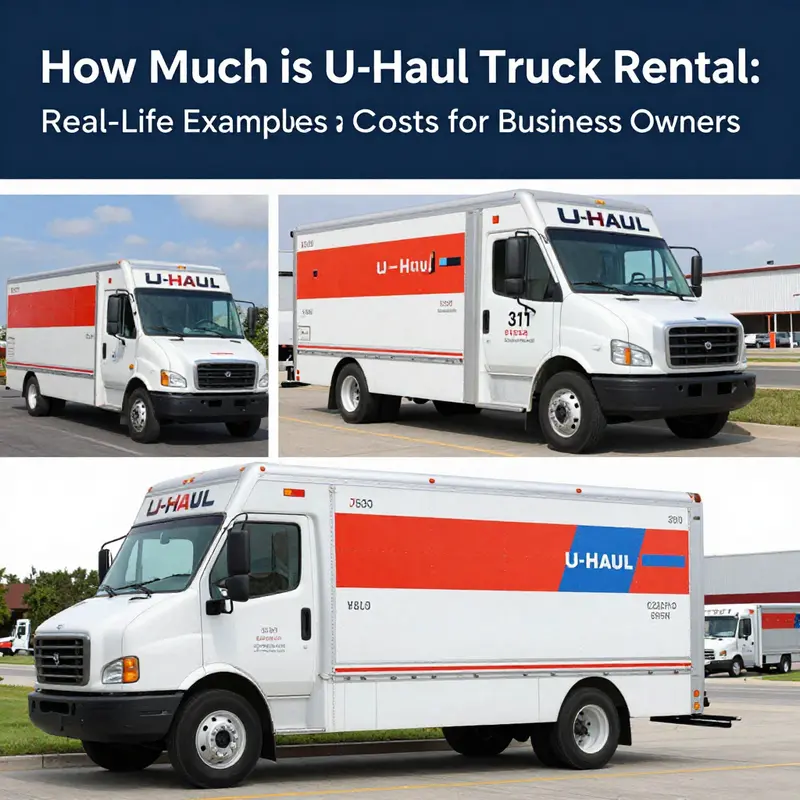
The moment you start planning a move, the sticker price on a rental truck is only the first mile marker you’ll pass. From there, a web of factors unfolds—truck size, how long you keep the vehicle, the distance you cover, and a constellation of ancillary charges that quietly tilt a move from affordable to expensive. Understanding these components isn’t just about budgeting; it’s about making a move smoother, less stressful, and less prone to sticker shock when the final bill lands. The cost of renting a U-Haul truck, like any moving solution, varies widely, but a careful look at the lineup of charges helps you see where the dollars go and how to keep them in check.
At the most basic level, the daily rate depends on the size of the truck. The smallest common option starts at a low daily price, often cited around the mid-teens, and is marketed as a budget-friendly entry point for tiny moves or studio apartments. Yet that low daily rate typically applies only to the truck’s core rental, and it tends to exclude the days you actually need the vehicle, any mileage beyond a minimal allotment, fuel, and a handful of essential add-ons. Larger trucks, such as the mid-size or bigger box trucks, begin at noticeably higher daily figures. It’s a straightforward reminder that the headline price is just the opening chapter of the story, not the conclusion. The real total arrives when you factor in the length of your rental period and the distance you’ll travel.
Beyond the base daily rate, mileage is the largest recurring cost for many moves. Per-mile charges are standard in most U-Haul rentals and tend to sit in a relatively predictable range. For many typical rentals, you’ll see a rate around eighty-five to ninety cents per mile. This means a move covering several hundred miles can accumulate a substantial mileage bill on top of the daily rental. It’s easy to underestimate how quickly miles add up, especially during long trips or when you need to pause at multiple locations along the way. If you’re planning a long-distance move, the mileage becomes the backbone of the cost and can surpass the base rental by a wide margin. The math is simple, but the impact is real: a 500-mile journey can push your mileage charges to around $425, assuming a rate near $0.85 per mile. That number compounds quickly if your trip is longer, or if you’re tempted by a more generous mileage policy that charges a higher daily fee to unlock unlimited miles.
One-way rentals—where you drop the truck off at a different location than where you picked it up—introduce another layer of expense. These arrangements typically carry a drop-off fee that can range from about one hundred dollars to several hundred, depending on the distance between the pickup and return points. The logic behind the drop-off fee is straightforward: the rental company must incur the costs and logistics of relocating the vehicle after you’re finished. When you add a drop-off fee to the daily rate and mileage, the total can grow quickly, particularly for moves that span vast geographical gaps or cross state lines.
Fuel is another operational reality you’ll inevitably meet at the pump. You’re expected to return the truck with a full tank, and if you don’t, you’ll be charged a refueling rate that’s higher than typical consumer prices for the same amount of gas. The return policy is designed to keep the truck in a ready-to-rent state for the next customer, which means you won’t have the chance to “top off” at a discount by filling very selectively. It’s worth budgeting a realistic fuel estimate based on your planned route and the truck’s official fuel efficiency. Even if you plan a short hop, a quick check of fuel costs can save a noticeable chunk of change when you tally the final bill.
Packing supplies—boxes, tape, pads, and moving blankets—may seem like optional frills, but they can become a meaningful portion of the overall spend if you’re not intentional. It’s common for households to underestimate how many boxes they’ll need or to underestimate the value of protective padding for fragile items. Adding these supplies to your cart is a practical precaution to protect your belongings, but it’s easy to lose sight of cost when you’re focused on logistics. If you can, plan ahead by inventorying items and estimating what you’ll need. A small investment in proper packing materials can reduce risk and, surprisingly, help you avoid last-minute rentals that spiral the cost upward.
Insurance is the final, optional layer that can significantly influence the final tally. While not mandatory, protection plans—such as collision damage waivers or personal property insurance—offer peace of mind against potential damage or loss. The decision to purchase coverage depends on your risk tolerance, the value of your cargo, and the specifics of your move. For some people, insurance is a prudent hedge; for others, it feels redundant, especially for short trips with lower values. Either way, it’s a factor worth debating before you confirm the rental. A careful shopper considers not just the cost of insurance but the potential out-of-pocket exposure if something goes wrong, especially if you’re transporting high-value items or fragile cargo.
To translate these components into a more tangible picture, consider what a typical local move might look like in everyday terms. Base rental fees for the smaller end of the spectrum—often the 10-foot truck category used for studio apartments or a handful of furniture pieces—tend to cluster around the low end of the daily scale, with entry points around $19.95 per day. The larger 17-foot box trucks typically begin in the $40–$50 per day range. If your move is local and uncomplicated, you might hope that the base rental is enough to cover the job. Yet once you add mileage, fuel, and supplies, the numbers can easily double or triple beyond that initial price tag. In practical terms, a local move might fall somewhere in the neighborhood of $200 to $500 in base rental fees. That range is a rough guide, and real-world totals often depend heavily on the specifics of your move, including the truck size you choose and how many miles you log in the process.
With that foundation in mind, a closer look at a real-life example helps bring the numbers to life. A common scenario cited in these discussions involves a one-way move from a major city to another across several hundred miles. For a 17-foot truck used in a one-way move of about 900 miles, the math typically unfolds like this: a base daily rental around $50 per day for a few days, say three days, translates to roughly $150 in base rental. Mileage, at roughly $0.85 per mile, adds up to about $765 for 900 miles. A one-way drop-off fee can range from around $150, and optional insurance (such as a collision or breakdown plan) might run about $30. In this illustration, the total bill may hover near the $1,000 mark, depending on the precise daily rate, the days charged, and any promotions that apply. It’s a stark reminder that what looks affordable at the outset can scale up quickly when you factor in the flight of miles, the logistical drop-off, and the protective add-ons. Some customers report totals in a narrower band, such as $600 to $800, for moves that are similar in distance but vary in the number of days, the exact truck size, and the specific policy choices they make. Either way, planning and budgeting are essential when you’re weighing options and trying to avoid surprises at checkout.
All of this is why the first move in a responsible budgeting process is to map out the ride in advance. The logistics matter as much as the price. Start by estimating the size of the truck you’ll need. A 10-foot truck can be a sensible choice for a compact move, but if you’re carrying significant furniture or multiple rooms, a larger truck can reduce the number of trips and the time you’ll spend on your move, even if it costs a bit more per day. The next step is to decide whether you want a local move or a one-way trip. Local moves typically avoid the drop-off fee, but if you’re moving to a new city or state, a one-way rental’s convenience comes with a price tag that can be hard to ignore. A clear-eyed calculation should also accommodate fuel costs—gas prices can swing, and the vehicle’s fuel economy will influence your total. If you expect to drive a long distance with few stops, you’ll need to budget more for fuel and mileage than for a short, local jaunt.
A practical strategy for cost control is to plan the route with a clear start and end point and to book only the number of days you truly need the truck. If you can compress the move into fewer days, you can reduce the base rental and the daily charges. It’s worth exploring whether any unlimited mileage options are available for longer moves. For many people, unlimited mileage represents a straightforward way to sidestep mileage uncertainty, especially if your route includes detours or additional errands en route. For more on how unlimited mileage options can influence the overall cost, see related analyses that discuss mileage plans and their impact on total expenses. unlimited mileage rental truck article
The budgeting landscape also invites a careful review of add-ons and optional protections. If you’re carrying valuable items or fragile belongings, insurance can be a prudent precaution. If your inventory is modest or the move is short, you may decide to forgo insurance and self-insure by taking on any risk personally. It’s a personal risk calculus that weighs the value of the goods against the premium of protection. In any case, the inclusion or exclusion of insurance should be considered before you confirm the rental, not after you’ve started loading boxes and packing crates, when last-minute decisions are harder to justify financially.
Reading the pricing landscape with a critical eye also means acknowledging that the quote you receive online or in person can include add-on costs you might not anticipate. For example, packing supplies are not optional if you’re transitioning to a more protective packaging regime; similarly, tolls and parking fees incurred during the move become your responsibility. It’s easy to assume you can stretch a move without snagging extra charges, but the reality is that road-related charges and incidental costs accumulate, especially in urban areas or on unfamiliar routes. A responsible approach—one that aligns with the broader goal of a stress-free move—focuses on accuracy of your plans and a willingness to assemble a well-sourced, final estimate that includes all probable costs. This is where a careful, line-by-line review of the quoted numbers becomes invaluable.
To get the most accurate, personalized estimate, the official U-Haul site offers an input-driven quote tool. By entering pickup and drop-off locations, dates, and vehicle type, you’ll generate a tailored price that reflects your specific circumstances. This individualized quote serves as a reliable anchor point as you compare options and refine your plan. In this mode, the real cost becomes a function of your path, not a generic assumption. It’s a practical reminder that moving budgeting is a dynamic exercise, not a one-time calculation. If your plans evolve—perhaps you add an extra day, or you decide to extend the trip to accommodate a detour—the price shifts in a way that mirrors the changes you’ve made in the plan.
In this broader context, the chapter’s aim is to illuminate the different price levers and how you can control them. It’s not simply a matter of looking at the daily rate; it’s about developing a full appreciation of how the total cost arises and what you can do to optimize it without sacrificing the quality or safety of the move. The numbers from the real-life scenarios are there to illustrate a general pattern rather than to lock in a single expectation. Your move’s final expense will look different depending on the length of the trip, the truck you select, and the degree to which you pay attention to the small, sometimes overlooked details that accumulate over days on the road. Keeping a clean record of planned expenses and comparing quotes from different dates or truck sizes can confer real leverage when you’re trying to keep the project within a budget you can justify to yourself, your family, or your clients if you’re moving for work.
As you prepare, consider one practical framing: the cost you see today may not be the cost you pay at checkout. Hidden costs, once identified, can be addressed early in the planning phase. You can negotiate, adjust, or avoid certain line items by choosing a smaller truck, limiting the number of days, or scheduling the move so that it aligns with lower fuel prices or favorable drop-off arrangements. The more you know the terrain—the typical truck sizes, the typical mileage costs, and the typical drop-off fees—the more effectively you can navigate the pricing landscape. That mastery of the pricing terrain is the power behind a move that stays within budget, reduces anxiety, and minimizes the chances of surprises that derail plans midstream.
For readers aiming to ground their expectations in the most current data, the official pricing page remains the definitive source for a personalized quote. Checking the live calculator early in the planning process helps you calibrate your expectations to reality and ensures you’re not chasing an outdated ballpark figure. It’s also worth noting that local markets can shift due to demand, seasonal variations, and regional differences in vehicle availability. While the headline prices provide a guide, the exact number you’ll pay depends on your precise situation. In short, the path to an affordable move is paved with careful planning, transparent budgeting, and a willingness to adapt as new information comes in. If you want to explore more about how mileage options can reshape the total, you can refer to practical explorations that discuss the economics of unlimited mileage in truck rentals.
External resource: For the most current pricing and options, see the official pricing page. https://www.uhaul.com/rentals/trucks/
Final thoughts
In summary, comprehending U-Haul truck rental pricing is vital for business owners aiming to manage moving costs effectively. By familiarizing yourself with the basics of pricing, the various factors that can influence expenses, and examining real-life examples, you can strategize your transport solutions more efficiently. This insight will not only prepare you for accurate budgeting but can also enhance your decision-making process during relocations—a critical aspect of growing your business.