
When it comes to transporting goods or equipment, U-Haul has established itself as a go-to solution for business owners looking for reliable truck rental options. Understanding the costs associated with U-Haul truck rentals is crucial, not just for budgeting but also for strategic planning in logistics. This comprehensive guide will delve into the base rental rates, mileage costs, and the significant differences between one-way and round-trip rentals. Furthermore, we’ll explore additional fees, insurance costs, and highlight special promotions that can save your business money. All these elements come together to give you a clearer picture of how to make the most cost-effective rental decisions.
From Daily Rate to Mileage: Navigating U-Haul’s Base Truck Rental Costs for Your Move
Understanding the base rental rate is the starting point for anyone budgeting a move with a self-service truck. The base rate is the foundation, but it is not the whole story. For local, in-town moves, U-Haul typically advertises a starting daily rate around $19.95 for the smallest pickup trucks. This base price is the anchor on which everything else rests, and it can shift up or down depending on the truck size you choose, the duration of the rental, and the particular location from which you pick up the vehicle. The moment you start weighing options, you will notice the price diverge as you step into larger models—the classic 16-foot, 20-foot, and the larger 26-foot moving trucks—each bringing a higher daily cost that reflects the extra space, power, and fuel needs. The logic is straightforward: a bigger truck carries more cargo capacity, handles heavier loads, and potentially requires more maintenance and fuel, all of which is reflected in the daily rate. In practice, this means a move that begins with a $19.95 starter price can evolve quickly once you lock in the exact truck size you need and the precise rental term you require. The base rate is, in short, a careful starting point rather than a fixed ceiling, and the real question for most movers becomes how the other components—distance, duration, and the choice of one-way versus round-trip—drive the bottom line. The best way to translate these numbers into a clear plan is to treat the base rate as a baseline and then map out the additional costs in a single, structured view. When you begin your planning, the first thing to note is that the base daily rate is most meaningful when you pair it with a projected travel distance, because distance is the principal axis along which costs expand.
Mileage is the second major component that must be understood alongside the base rate. In many areas, the standard mileage charge hovers around $0.85 per mile, but this figure is not universal. Location, vehicle size, and even seasonal demand can push the per-mile cost in either direction. For a short local move, mileage might contribute a modest sum to the total, while a cross-country relocation can transform miles into a substantial portion of the bill. The mileage charge is typically listed separately from the daily rate, which helps keep the budgeting process transparent. It also means you have a clear method for comparing quotes: calculate the approximate distance you expect to cover, multiply by the per-mile rate for your chosen truck, and then add the base daily charges for the rental period. This approach provides a practical framework for understanding how a move’s scope translates into dollars, enabling a more apples-to-apples comparison across different truck sizes and rental terms.
Another dimension that often influences the final price is the choice between a one-way rental and a round-trip rental. One-way rentals are typically designed to accommodate moves where the origin and destination do not match, and they often involve higher logistical costs for repositioning the fleet. That additional burden can show up as a higher base rate or as a separate one-way fee in the quote. However, for long-distance moves, a one-way option can still offer better value if the alternative is driving back to the starting point with an empty truck or paying for a separate return trip. It is this interplay between distance, direction, and fleet logistics that makes one-way versus round-trip pricing a crucial decision point. Buyers who are relocating across states or regions should compare a one-way quote against a round-trip scenario that includes the cost of returning the vehicle to its origin. The outcome is not always intuitive; a slightly higher daily rate for a one-way trip can be offset by eliminating a long return leg, or vice versa.
In addition to the base rate and the mileage charge, there are several other fees and optional protections that can shape the total. Insurance is not mandatory, but most renters choose some form of coverage for peace of mind. These insurance packages vary in scope and price, from basic liability options to more comprehensive protection that covers a wider range of potential mishaps. The cost of insurance should be weighed against the risk tolerance of the move, the value of the items being transported, and the presence of any existing coverage through a credit card or homeowner’s policy. Speaking of additional charges, fuel is another practical consideration. Most renters need to return the truck with a similar fuel level to what they started with, or they will face a refueling charge, which can quickly inflate the total if you forget to account for it in the planning process. Toll costs, delivery fees for direct-to-destination service, and even a small online booking system fee that some locations apply can all contribute to the total. The framework is simple: start with the base rate, add the mileage, then layer on insurance and optional services, and finally account for any location-specific fees.
Seasonality and promotions also influence pricing in meaningful ways. U-Haul, like many moving truck providers, runs promotions that can temporarily lower daily rates, especially during off-peak periods. There are also occasional offers that bundle benefits, such as included mileage plans for long moves or discounted rates for specific truck sizes during certain weeks. To capitalize on these opportunities, it is essential to check the official site for current deals. The actual discounts and promotions can change, and what was available last month may not be available this month. The practical takeaway is to compare quotes side by side across multiple dates and truck sizes, looking not just at the headline daily rate but at the comprehensive package—mileage, insurance, and any promotional credits or bundled benefits.
For anyone trying to navigate the pricing landscape, gathering a few concrete facts before requesting a quote can save both time and money. Start with the basics: the size of the truck needed for your load, the expected duration of the rental, and the number of miles you anticipate driving. Then consider whether you’ll need one-way service or a round trip. Think about insurance coverage and whether your own policy or card benefits provide any Borrower-friendly protections that could reduce the cost of additional coverage. And finally, check if the location you plan to use imposes any booking fees or delivery charges. With these elements in hand, you can request real-time quotes from the official site and compare apples to apples, rather than guessing at what a lower base rate might mean when all the other components are weighed in.
If you want a broader view of rental discounts and how they might apply to a truck rental, you can explore related information in the wider truck rental community. For example, a related resource discusses discounts available through Penske truck rental, which can shed light on how promotions and coupon codes influence the total cost across providers. You can read about Penske truck rental discounts here: Penske truck rental discounts. While this is not a direct substitute for an accurate U-Haul quote, it helps illuminate the broader landscape of how promotions can shape the bottom line and underscores the importance of shopping around and comparing the full cost of a move rather than the headline daily rate alone.
Of course, the journey from a rough estimate to an exact figure is anchored in real-time data. The prices above are representative but not guaranteed; they change with demand, fleet availability, and regional pricing strategies. The most reliable method to lock in a price you can trust starts with visiting the official site to generate a quote based on your specific move details. Input your pickup location, date, the truck size you prefer, and the intended destination if you’re planning a one-way trip, or the return date if you’re scheduling a round trip. The system will produce a line-item price that reflects base rate, mileage, insurance, and any location-specific charges. This real-time quote is your clearest compass for budgeting and comparing options.
In the end, the base rental rate is only the opening chapter in the story of moving costs. The total expense is the sum of the daily rate, the anticipated miles, the cost of insurance or protection plans, fuel considerations, tolls, delivery or return charges, and any promotional credits that might apply to your move. The more deliberate you are in planning—knowing truck size, estimating miles, and understanding the differences between one-way and round-trip arrangements—the better you can manage expectations and avoid sticker shock. The goal is to approach the planning with a clear framework: start with the baseline, layer in the competing factors, and then verify with a live quote that mirrors your exact move parameters. This approach reduces surprises and helps you allocate resources more efficiently, whether you’re budgeting a local apartment swap or orchestrating a cross-country relocation. As you assemble the pieces, remember that the numbers you see in a live quote are the most actionable, providing a tailored forecast that aligns with your schedule and cargo.
For the most accurate pricing tailored to your move, visit the official U-Haul website and generate a real-time quote that reflects your specific details.
External resource: U-Haul official pricing page: https://www.uhaul.com/Truck-Rental/
Miles That Matter: Decoding Mileage Charges and True Costs in U-Haul Truck Rentals
When people plan a move, they often fixate on the daily rental rate and forget to factor in miles. But in truck rental, distance isn’t just a number on a receipt; it’s a major driver of final cost. For a typical local move, the per-mile price can push the total well above the advertised base rate, especially if your move crosses thresholds or lands on weekends. This chapter digs into mileage charges in U-Haul truck rentals, how they’re calculated, what can inflate or deflate them, and how you can estimate your total with some practical checks before you commit.
U-Haul structures its pricing in layers. The base rental rate is the starting point, and it rises with truck size. The smallest moving pickup starts at about $19.95 per day, but larger models, such as 26-foot moving trucks, carry higher daily charges. The daily figure is the anchor; it doesn’t include the miles you drive. That’s where the mileage layer comes in. In many markets, you’ll see roughly $0.85 per mile, though the exact figure depends on location and vehicle size. When you’re planning a move, that per-mile charge matters most if you’re traveling a distance that can’t be safely logged in a couple of hours.
Local moves typically fall under 100 miles, but even within that range you’ll commonly encounter a per-mile range from about $0.79 to $1.39, added on top of the daily base rate. The spread exists because some locations price higher during peak times or for specific truck gauges, and weekend rates can skew the math: a Sunday or Saturday rental may come with a higher daily or per-mile price. If you’re trying to optimize, it pays to compare weekday versus weekend quotes and to note any posted caps or allowances that apply in your area.
One-way rentals operate a little differently. They usually include a mileage allowance to account for the repositioning involved in returning the truck to a different location. Additional miles beyond that allowance are charged at the standard per-mile rate, but the economics can still be favorable for long journeys. That’s because the base daily rate for a one-way trip often reflects the logistical costs of moving the truck from point A to point B. In contrast, a round-trip rental, which returns the truck to the starting location, can end up being cheaper per mile for shorter moves where long distances aren’t involved. The key is to model both options against your actual route and time frame, then weigh how much distance you expect to accumulate versus how many days you’ll have the vehicle.
Insulation around cost comes from a handful of optional or additional charges: insurance packages, fuel, tolls, delivery fees, and even a small online booking fee in some locations. Insurance provides a safety net but is not always necessary for short moves if you already carry your own coverage; still, read what the policy covers and what it does not. Fuel is straightforward—most customers pay for the fuel they use, either at return or at the time they fill the tank. Toll charges can catch you off guard if you’re crossing bridges or paying highway fees, and some locations levy a delivery fee if the truck must be brought to your door. The combination of these extras can push the total well beyond the base rental plus mileage, so it’s wise to line them up against your budget before you confirm a booking.
Beyond the numbers themselves, price signals can shift with timing. The weekend premium I mentioned is not uniform across all markets, and some locations publish promotional deals or seasonal discounts that may lower the effective daily or per-mile rates. The best strategy is to consult the official site and to read the fine print of any quote you receive. Promotions might include off-peak discounts or limited-time mileage plans that blur the distinction between a one-way and a round-trip quest. The same move that could feel costly on a Friday night might become a smart bargain on a Tuesday afternoon if a deal is tied to your date.
Because pricing is highly location-specific and tied to the vehicle category you select, you can’t rely on a single napkin calculation. A 16-foot box truck in one city may cost a different baseline than the same size truck in another, even when the move involves a similar distance. That’s why the moment you choose a truck, it’s crucial to confirm the price directly with the location you’ll pick up from and to request a concrete breakdown: daily base rate, mileage rate, any included miles, and all possible add-ons. Only then can you assemble a realistic budget that won’t surprise you when you’re wrapping up the move.
Estimating in advance requires a simple framework. Start by deciding how many days you’ll need the truck and how far you’ll drive. Multiply the number of days by the base daily rate to get the anchor. Then estimate miles and apply the per-mile rate corresponding to your plan and location. If the plan includes a mileage allowance, subtract that allowance from your estimated miles; the remainder becomes billable miles. If overage is likely, consider alternative options, such as temporarily extending the rental period to reduce daily costs, or switching to a smaller truck with a lower base rate if you can safely fit your possessions. It’s also prudent to factor in a buffer for fuel and tolls, which can be surprisingly easy to overlook when you’re juggling boxes and schedules.
To put some practical texture on this, imagine a local move of roughly 60 miles with a two-day rental. The base daily rate of $19.95 would apply for each day, totaling about $39.90. If you’re charged $0.95 per mile for the 60 miles, you’d add $57.00. That brings you to about $96.90 before fuel, tolls, and insurance. If you choose a larger truck and higher base rate or if you run into weekend pricing, the total can creep higher. Now factor in fuel, which many renters end up paying at the time of return. Depending on fuel policy, you might either refill the tank to the level you received or pay for the fuel you used at the going rate, whichever arrangement your location follows. The final number could adjust by a noticeable margin, underscoring how miles interact with the other elements to shape the total cost.
For those who want to optimize even further, there are practical tools that estimate the miles and the fuel consumption ahead of time. You can use dedicated calculators to forecast the likely fuel use and the related mileage charges, which helps when you’re comparing offers from different days or locations. For example, you can explore tools such as the Penske gas calculator to get a sense of how fuel efficiency and distance translate into savings or extra costs. This is not a direct U-Haul quote, but it can help calibrate your expectations as you shop around and plan. Penske gas calculator.
Because the pricing ecology is so variable, the smartest move is to request a formal quote for your exact dates, route, and truck size from the specific pickup location you’ll use. Then compare that quote against any promotions that apply to your move window. If a location offers a free mileage plan on long hauls or a reduced daily rate during an off-peak season, the math can swing dramatically in your favor. On the other hand, if you’re moving only a short distance during a busy weekend, the combination of higher daily rates and per-mile charges might stretch your budget more than you expect.
In the end, mileage charges are not an abstract concept; they are the practical hinge on which the total cost turns in most U-Haul rental scenarios. The base rate covers the vehicle and basic usage, but miles driven determine the real distance you have to cover and thus how much extra you’ll pay. The likelihood of larger trucks being costlier up front is balanced by differences in mileage policy across locations and whether your move is one-way or round-trip. Your job as the mover is to map your route with a clear distance estimate, compare quotes with attention to included miles, and be mindful of those additional costs that might be tucked into the fine print: fuel, tolls, delivery, and insurance. A well-planned approach can prevent sticker shock and turn a potentially stressful relocation into a more predictable financial glide path.
When you’re ready to lock in a price, you’ll want to use the official source to confirm the current rates and any available promotions. The U-Haul website is the authoritative reference for the precise numbers in your area, and the online booking experience often reveals the most up-to-date terms, including any mileage allowances that may apply to one-way moves. Always print or save a copy of the quote you receive so you can verify it against the final invoice. The numbers may fluctuate, but a disciplined approach to evaluating the base rate, mileage charges, and extras will keep you from overextending your budget.
As you map your move, remember that the rhetoric around price is not just a line item. It’s a framework that helps you plan the journey with both accuracy and a reserve for contingencies. If a quote looks deceptively low, double-check whether it includes mileage or if there are hidden fees that could undermine the apparent savings. If a quote looks high, ask for an itemized breakdown and consider alternative dates or truck sizes that might yield a lower overall expense. The road to an affordable move runs through careful tallying of miles, days, and the unavoidable extras, and it runs more smoothly when you approach it with a clear plan rather than with a rough guess. In that sense, mileage charges become a practical tool for budgeting rather than a barrier to getting your belongings from one home to another.
Finally, for readers who want a direct reference to ongoing, location-specific pricing, the official site remains the most reliable portal. It aggregates the current daily base rates, mileage charges, and any promotional incentives in one place, so you can see exactly how your miles translate into dollars in real time. In practice, you’ll want to lock in costs only after you’ve seen the total on your screen and confirmed there are no last-minute changes to mileage rights or add-ons. This discipline of verification is what keeps a move both economical and predictable, even when distance is the primary variable in your cost equation.
External note: For current prices and to tailor a quote to your exact dates, visit the official site: https://www.uhaul.com
Choosing a Path for Your Move: The Real Cost of One-Way vs. Round-Trip U-Haul Rentals
Budgeting a move starts with more than a single price tag. It’s a web of decisions where the vehicle size, the duration of use, and the travel pattern all tug at the final number.
For many households, the first line on the moving cost sheet is the base rental rate. U-Haul, like many truck rental services, opens with a daily rate that climbs with the size of the truck. The smallest pickups begin around a modest daily sum—think around $19.95—while stepping up to a 26-foot moving truck or a vehicle with greater payload capacity quickly multiplies the daily cost. But that base figure is only the starting point. It signals how a larger truck, needed for a bigger load, could swing a bill much higher than a compact option, even before you account for distance traveled or the logistics of the move itself. This is where the week’s planning begins in earnest, because the day-to-day price is just one piece of the puzzle, and the other pieces can dominate the total once you add mileage and the logistical charges that come with relocation.
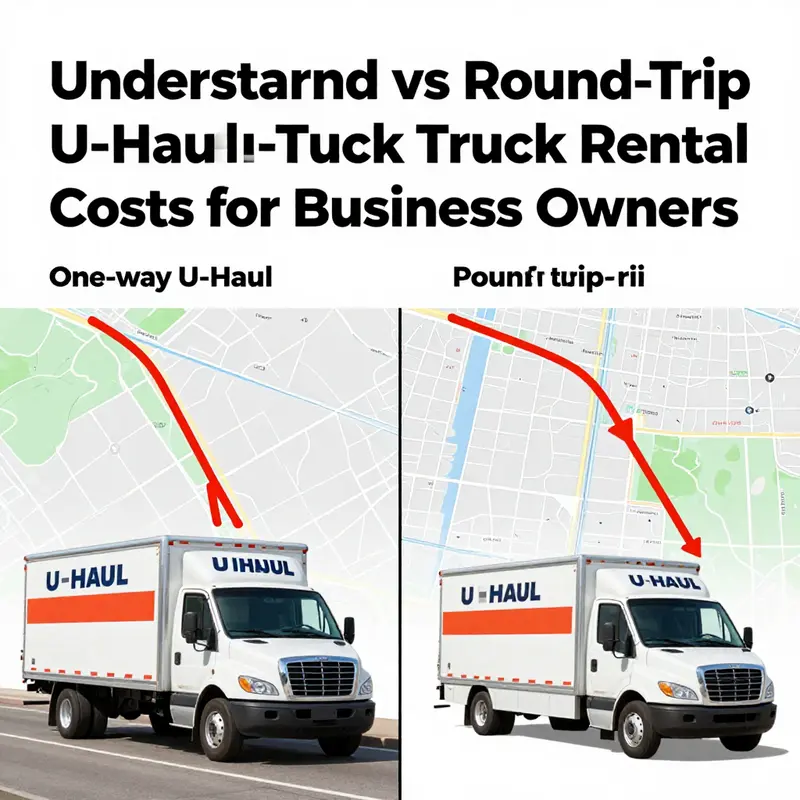
Mileage, a charge that can feel invisible until the end of the trip, adds a decisive layer to the price. In many markets, the per-mile rate floats around the neighborhood of $0.85, but don’t assume that number is universal. Location, truck size, and your chosen service plan can push that rate up or down. The total mileage cost can surprise people who assume they’re paying a flat, predictable daily rate, especially when the move spans hundreds of miles. The recalibration of the fare becomes even more pronounced when you step into the one-way vs. round-trip decision. One-way rentals carry a “one-way fee” that acknowledges the extra logistics of repositioning a truck at the end of the trip. That fee isn’t a single fixed number; it scales with the distance between pickup and drop-off, and it can be quite substantial on longer moves. In contrast, round-trip rentals return the vehicle to the original location, often simplifying the administrative side of the transaction and sometimes reducing or eliminating the repositioning fee. In practical terms, this means a local move finished within the same area could be more economical if you choose a round-trip option, while a cross-country or multi-state move may require a one-way rental for the sake of practicality and timing, even if it means paying more overall.
Beyond the daily rate and the mileage, the cost landscape for a U-Haul rental includes a handful of add-ons and fees that can change the math in meaningful ways. Insurance is optional, offering a safety net against accidents and damage, but it adds to the daily or per-mile cost. Fuel is another variable that can rewrite the bottom line. If you return the truck with a full tank, you’ll be charged for fuel that aligns with the truck’s fuel policy; if you don’t, you’ll face additional fuel charges or need to refill before drop-off. Tolls, delivery fees, and a possible online booking surcharge at some locations can all chip away at savings. For many moves, these charges aren’t dramatic in isolation, but they compound when you add them to the base rental and the mileage. The online booking fee is sometimes overlooked in the early budgeting stage, yet in some locations that small charge appears in the final receipt and adds to the sense that the advertised rate was “today’s price with caveats.”
Seasonal promotions can tilt the balance, sometimes making longer trips or off-peak moves more affordable than they would appear at first glance. U-Haul and other truck providers periodically run promotions such as discounted daily rates during slower seasons or even unlimited mileage plans for certain distances or rental packages. The caveat is that promotions vary by location, truck type, and date, so the best practice is to check the official site for real-time deals rather than relying on a memory of past offers. The practical impact of promotions can be substantial, especially for long-haul moves where miles accumulate quickly. A few dollars shaved off the daily rate or a significant limit on mileage can translate into hundreds of dollars in savings when multiplied across a long trip. The takeaway is simple: before locking in a truck, scan for active promotions and compare their value to the standard rate for the truck you actually need.
To bring this into sharper relief, consider a couple of moving scenarios that illustrate how the one-way vs. round-trip decision can unfold in real life. Suppose you’re moving within a single metro area and anticipate loading and unloading over a long weekend. A round-trip rental could mean you drive the truck out and back on the same day or over a couple of days, and you pay the daily rate for the time you actually have the truck plus the mileage for the trips you make within the city. In this case, the round-trip option often remains cheaper because you avoid the cross-state repositioning fee inherent in a one-way rental. On the other hand, imagine a cross-country relocation where you’re heading from a coastal city to a far inland town. A one-way rental becomes practically indispensable because returning the truck to the origin would be logistically complex or impossible within your time frame. In that scenario, the higher all-in price reflects the necessary logistics of moving someone else’s vehicle after dropping you off at your new home. If you’re measuring value by convenience, a one-way rental may be the least painful path, even if the sticker price is higher.
Within these broad patterns, the cost calculus becomes more personalized when you factor in additional considerations that aren’t always obvious at the outset. Fuel usage is a real variable, determined by the truck size, route, driving style, and the load in the box. A larger truck carries more weight, which in turn can increase the fuel burn. Packing materials—boxes, tape, padding, and moving blankets—can add a discreet but persistent line item if you’re stocking up in advance. Insurance costs, though optional, deserve careful attention; the potential cost of damage can be far greater than the premium, and some moves benefit from protection if the load includes fragile or high-value items. It’s also wise to map your route and estimate time, because the daily rental rate is not just a function of time but also of opportunity cost—the value of your time spent in transit and the labor of loading and unloading. There’s a time-value dimension to moving that is easy to overlook: a delay or an extra day with the truck can ripple into costs for temporary storage, additional fuel, lodging, or the need to extend rental and coordination across multiple days.
What this all adds up to is a practical framework for decision-making. If your move is local, a round-trip rental often presents a lower cumulative price and a tighter lock on the end date. If you’re relocating far away or have a strict delivery deadline, a one-way rental is frequently the more sensible choice, even though it may come with higher fees. In either case, the math should be worked out with a careful ledger that separates base daily costs, mileage charges, and add-on expenses. A straightforward rule of thumb emerges: start by estimating the number of days you’ll need the truck, multiply by the base daily rate, then add mileage in miles times the per-mile rate, and finally tack on fuel, insurance, tolls, and any required or optional fees. This structured approach gives you a forecast that’s far more reliable than a rough gut feeling, particularly when promotions and location-specific charges could swing the final total by a substantial margin.
If you want a calibrated comparison with another brand or fleet, you can explore a related approach to one-way logistics by looking at providers that emphasize one-way rental options—for example, Penske’s one-way rental. A good way to gauge the value of a one-way move in your specific case is to review a dedicated resource such as Penske’s one-way rental guide Penske one-way rental, which breaks down how their pricing structure handles long-distance moves and truck returns. This comparative lens can help you see where U-Haul’s pricing aligns, diverges, or offers clearer value for your route and timing.
In the end, the key is to gather real-time quotes for your exact dates, truck size, and route, and then to let the numbers guide your choice. The abstract notion of “cheap per day” loses its shine once you factor in the distance you must cover and the logistics you must manage. To safeguard against surprise charges, request a written quote that itemizes the base rate, mileage, and all potential ancillary costs. Confirm whether the mileage is included for round trips and whether unlimited mileage plans are available for long moves. And don’t forget to factor in fuel policy and return requirements—some locations require you to return the truck with a full tank, while others charge for fuel separately. The precision of your quotes will prevent the kind of sticker shock that can derail a move or force you into an imperfect logistical compromise.
For those who want the most accurate pricing in real time and to view current promotions, visiting the official site is essential. As you evaluate your options, remember that a straightforward comparison—rooted in your expected distance, move duration, and preferred route—will yield the clearest picture of what you’ll actually pay. If you’re seeking to broaden the comparison or gather more context, you can explore related resources and avenues that discuss long-distance rental strategies. For comprehensive planning, you’ll want to review your local options and the realities of your particular move. And when you’re ready to finalize, a precise quote that accounts for the truck size, travel distance, and all optional fees will be your strongest ally in budgeting a move with clarity and confidence. For the most accurate and up-to-date pricing details, check the official site directly and compare as you finalize plans. External resource: https://www.uhaul.com.
Beyond the Daily Rate: Navigating Fees, Insurance, and Hidden Costs in U-Haul Truck Rentals
When you start planning a move, the price you see advertised as the daily rate is only the opening chapter. The real cost of renting a U-Haul truck unfolds as you add mileages, fuel, insurance, and a collection of smaller charges that quietly compound. To budget effectively, you must read the full pricing landscape, understanding not just the base rate but the constellation of fees that can push the final bill well beyond the initial figure. This chapter walks through those components in a way that helps you map a transparent path from a tempting headline price to a realistic total, so you can compare options with confidence rather than guesswork.
First, the base rental rate is the anchor most people notice. For smaller, city-friendly pickup trucks, the starting price often sits around a modest daily figure. Yet the moment you pick a larger model, such as the long, 26-foot moving truck, the daily rate rises in step with capacity and payload—size carries cost, even before you drive away. The spread between the smallest and largest options is not just about space; it’s about the complexity of moving gear, handling, insurance tiers, and the management of the vehicle from origin to destination. In practice, the base rate provides a rough baseline, but it rarely stands alone as your final expense.
Miles, not merely days, shape the bill in meaningful ways. A typical mile charge is a stable, per-mile addition that can surprise the unwary if you underestimate distance. In many regions and for many truck classes, you’ll encounter a per-mile rate that hovers around the mid-80s to near a dollar per mile. Location, vehicle size, and seasonal demand all color the exact figure. If you plan a shorter local move, you might hope to stay within a generous included mileage allowance—yet even with that cushion, miles beyond the limit come with a fee that compounds quickly as the distance grows. When you map a route, the miles add up fast, and the per-mile charge becomes a louder chorus in the cost chorus than the daily rate ever anticipated.
The move from one city to another introduces a different pricing dynamic: one-way versus round-trip. One-way rentals are often priced with repositioning logistics in mind, which can translate into a higher upfront fee. The advantage, though, is that you don’t have to return the truck or drive back empty, which can be a better value if you’re traveling a long distance. The math isn’t just about distance; it’s also about the convenience you gain or lose with a single, frontier-to-frontier rental. For those planning long-distance transitions, a one-way pickup can still be economical if you’re comparing the total cost of a round trip, lodging, and fuel for a separate return drive. The key is to compare the complete quote rather than the headline daily rate alone, because the longer the journey, the more pronounced the difference between these options can become.
Insurance and protection plans represent the most significant optional cost in many quotes. The allure of a low base rate is tempting, but the final amount often hinges on coverage choices. Insurance and protection plans are designed to shield you from liability and vehicle damage, but they come with a premium. Without a thorough understanding of what is covered, you might end up paying for protection you already have elsewhere or missing coverage you truly need. For many renters, personal auto insurance or certain credit card benefits may offer a level of rental protection, reducing the incremental cost of a vehicle-insurance add-on. The decision becomes a careful cost-benefit analysis: if your existing coverage mirrors the protection offered by the rental provider, you may elect to decline the stand-alone insurance to keep costs lean. If, however, your personal policy or card benefits are limited or excluded for rental vehicles, opting into the protection package can be prudent. To navigate this decision, it’s essential to compare the details, including deductible amounts, what’s covered, what isn’t, and whether there are caps on liability or coverage for additional equipment like towing accessories.
Beyond the base rate and insurance, a handful of ancillary charges can quietly accumulate. A daily charge for trailers or towing devices is common, beginning around $20 per day in many markets. Fuel is another variable that can swing the total cost. If you don’t plan to return the truck with the same tank level, you’ll likely incur a fuel service charge or the cost of refueling at market rates. Some locations also levy a fuel surcharge to account for fluctuating gas prices, a fee that can be easy to overlook when focusing on the daily rate. Mileage overages, as mentioned, are a recurrent cost every time you exceed the included miles. Then there are booking fees or online system charges that appear as a small but tangible line item on certain receipts. While each charge might seem modest in isolation, the sum of all these fees can push a budget well past the base price, especially if the move stretches over several days or crosses large mileages.
Promotions and promotions-only traps can complicate the comparison. For new customers or specific loyalty cohorts, providers may offer perks such as temporary storage credits, discounted rates, or even free storage for a month. While these promotions are attractive, it’s important to recognize they often apply to storage or ancillary services rather than the truck rental itself or may be limited by geographic availability. The upshot is that these perks can offset some costs, but they won’t automatically reduce your truck rental price to the headline rate unless you carefully line them up with your move’s timeline and needs.
All of this means a price quote that looks affordable at a glance can, in practice, balloon into a significant expense. To avoid budget shocks, approach pricing with a holistic mindset. Start with the base rate appropriate to your truck size and expected rental period. Then add the per-mile projection based on your planned route, factoring in why and where you’ll accumulate miles beyond the included allowance. Next, budget for fuel—either by returning the vehicle with a full tank or by accepting a calculated fuel charge. Finally, consider the insurance and protection option in light of your current coverage. If you decide to decline the optional plans, confirm whether there’s a reduced total price and whether you are comfortable assuming the risk of potential damage or liability. This careful approach helps you translate a tempting daily rate into a realistic, actionable budget.
If you’re exploring related paths or additional guidance on discounts, you can look into resources focused specifically on truck rental discounts that compare options beyond the main brand you’re considering. For a practical route into broader savings, see a related article on truck rental discounts written with the same goal in mind: truck rental discounts. The anchor will guide you to a complementary perspective without getting bogged down in the minutiae of any single provider.
As you refine your estimate, it’s also wise to verify the exact numbers with the rental location you plan to use. Pricing can vary by region, season, and even day of the week, and the same truck class can shoulder different surcharges depending on demand. A quick call or online quote request can reveal regional nuances, such as local fuel surcharges, toll charges, or delivery fees that can alter the bottom line. The goal is to remove as much ambiguity as possible before you commit to a truck and a date.
To connect these ideas with concrete decisions, consider reviewing the official pricing and insurance framework on the mover’s own site. The page lays out the full spectrum of charges and the conditions under which promotions apply, so you can cross-check what you’re seeing in your quoted estimate. This step isn’t just about validation; it’s about transparency. When you can match each line item to a real-world cause—distance, time, risk coverage, or ancillary services—you gain the confidence to decide what to pay and what to decline, and you can do so without second-guessing your choice.
In the end, the question “how much is X truck rental?” becomes less about a single price tag and more about a complete financial picture. A credible quote considers the base rate for your truck size, the projected mileage, the fuel outcome, and the insurance posture that best aligns with your risk tolerance and existing coverage. By comparing the full breakdown across options, you’ll see where a seemingly small price advantage at the start may hide larger costs downstream, and you’ll be better prepared to select a solution that fits your budget without sacrificing reliability. You’ll also be better positioned to recognize when a particular deal isn’t a deal at all, but a marketing tactic designed to lure you into overlooking hidden charges.
For readers who want to dive deeper into alternatives and practical cost-reduction strategies, a related resource on truck rental discounts can offer broader insights into promotions and differentiators across providers. If you’re curious about how discounts play into the overall equation, you can explore the topic through the linked article on truck rental discounts.
Finally, for an up-to-date, provider-specific breakdown of pricing and insurance options, check the official pricing and insurance information hosted by the rental company: https://www.uhaul.com/rental-pricing. This external resource provides the current framework that complements the discussion here and helps you validate your own estimates against the latest published terms.
Unlocking the Best Price: How Promotions Reshape U-Haul Truck Rental Costs
Price is the first thing people see when they start planning a move, but it is rarely the only thing that matters. The number you glimpse on the screen is a snapshot, not a full ledger. The final cost of a U-Haul truck rental emerges from a blend of factors: the truck size you need, the length of your rental, whether you’re returning the vehicle to a different location, and the day-to-day costs that accumulate along the route. Promotions and discounts operate like hidden gears in this machine, capable of turning a high estimate into a surprisingly manageable bill when you time your rental right, choose the appropriate vehicle, and stack the right savings. In this chapter, we pull back the curtain on how these promotions work, what kinds of deals show up, and how to position yourself to take full advantage without compromising the needs of your move. The base rental rate is the starting line, typically displayed as a daily figure that covers the vehicle, basic roadside assistance, and standard mileage terms. Across the spectrum of U-Haul’s fleet, that base can begin in the lower teens per day for compact trucks and climb as the truck size grows. The mileage is the other axis of cost, a fee charged per mile that scales with distance, and this is where many moves either tighten or blow out their budgets depending on how efficiently you plan your route and how far you intend to travel. But the promotions—the promotions—can alter the trajectory of that total quite a bit. They arrive in several forms, some seasonal, some targeted, and some tied to the way you book or how you qualify for certain memberships or affiliations. Understanding how these promotions work is not just about chasing the largest discount; it’s about aligning the promotion with your move’s unique characteristics so that the savings are genuine and not just a marketing checkbox.
The most straightforward entry point into savings is the availability of special promotional rates on specific truck models or during peak and off-peak moving seasons. These promotions often come as discounted daily rates or as reduced mileage fees. There are times when a deal also includes a few extra rental days online, effectively giving you more value for the same nominal rate. The practical impact is simple: if you can time your move to coincide with a promotion, you can lower the minimal daily cost or extend the window of usage without paying a premium for it. It’s a reminder that timing can be as powerful a factor as the truck you select.
Beyond the generic promotional calendar, there are group discounts that can meaningfully trim the final price. Active-duty military personnel, veterans, seniors, and AAA members can all access special pricing that isn’t always visible in the standard rate card. These discounts are not a universal coupon that applies to every rental; rather, they are a targeted benefit that recognizes certain affiliations or service. For someone who qualifies, they can breathe a real sense of relief into a budget that might otherwise feel tight, especially when moving between states or across longer distances. When you see a banner for military or senior discounts, it’s worth driving past the default price and exploring whether you qualify for a better deal. In practice, these programs often require verification during the booking or pickup process, so it’s not enough to simply see a lower daily rate—you’ll want to confirm that your eligibility is recognized in the quote you receive.
Online booking shifts the odds in favor of savings because it not only unlocks access to real-time pricing but also often includes exclusive online-only tools. U-Haul’s online system makes it possible to compare different truck sizes side by side, so you can tailor your selection to both your actual volume and your budget. A key feature of online booking is the availability of savings prompts or “Save More” tools that analyze demand and advise you on the optimal time to rent to minimize the total cost. This isn’t just about the daily rate; it’s about understanding how the pricing algorithm weights mileage, fuel, tolls, and other incidental charges when you choose a truck for a given day and route. The ability to see, in real time, how choices affect your bottom line gives you a practical edge, especially when you’re juggling multiple estimates or coordinating with helpers who may have different move times.
One-way moves—pulling a truck from one city to another—often present another layer of savings, even though they can involve repositioning logistics that add complexity. Sometimes one-way move discounts or reduced fees help offset higher mileage charges that accompany long-distance relocations. If your move includes crossing a state line or traveling hundreds of miles, these discounts can make a noticeable difference. The catch, of course, is that one-way pricing is highly dependent on location and demand; what works brilliantly in one city might be less generous in another. The prudent maneuver is to compare the one-way offers across your potential routes, rather than assuming a universal right answer.
No discussion of discounts would be complete without acknowledging the caveats. Promotions can have exclusions, blackout periods, or truck-size limitations. Some deals require online booking, others require membership verification, and still others may exclude premium or speciality vehicles. There are often fine print requirements—minimum rental periods, combinations with insurance options, or fuel fill policies—that can tilt the overall savings if not met. The best approach is to view promotions as a dynamic tool rather than a static price tag. When you know your move window, your route, and the truck you realistically need, you can parse which deals are genuinely advantageous and which ones carry hidden conditions that erase the apparent benefit.
In practice, applying these promotions is less abstract than it sounds. Start with a clear inventory of your needs: the truck size that fits your furniture, the approximate mileage, and your preferred pickup and drop-off times. With that baseline, search for promotions tied to your dates or truck model and note any group discounts you may qualify for. If you’re eligible for a military or senior discount, plan to present verification during booking and pickup so the reduction can be reflected in your final quote. If you anticipate a long-distance move, investigate any advertised one-way discounts and compare them against round-trip options to see which yields a lower per-mile rate. And don’t overlook the online booking advantage—starting with the official site lets you observe the live pricing and available promotions in a way that printed brochures cannot replicate.
To translate these concepts into a concrete financial advantage, consider a hypothetical move: you’re booking a mid-size moving truck for a 200-mile, local-to-regional move during a period when a promotional rate reduces the daily cost by a few dollars, and you’re also eligible for a reduced mileage fee under a targeted offer. When you combine the lower daily rate with the reduced mileage charge and factor in a potential online booking incentive, the daily total plus mileage could slip into a noticeably smaller range than the base price suggests. If you add a one-way feature or choose a pickup time that aligns with a promotion window, the savings compound in ways that a single line item on the quote could not convey. This is how a thoughtful promotion strategy becomes a practical saving plan rather than a theoretical possibility.
For readers who want to explore promotions more deeply, a practical path is to tap into resources that highlight current deals and programs. For instance, some partner or affiliated resources provide targeted discounts under group or membership categories, such as a page dedicated to military discounts on moving trucks. This kind of resource can serve as a quick reference to determine whether you qualify before you begin the booking process. Military discounts on moving trucks offers a concise guide to eligibility and the steps to redeem the discount during online or in-person rental. While these promotions may not apply to every move, knowing they exist helps you set realistic expectations and plan your strategy from the outset.
The most reliable path to realizing true savings remains the official pricing engine. Keep an eye on the official site for timely updates, special seasonal campaigns, and the availability of online-only incentives. The site also provides a transparent calculator that helps you estimate the final cost by inputting your route, vehicle size, rental duration, and selected extras. This transparency is essential when you’re coordinating with helpers, balancing a tight moving schedule, and wanting to avoid sticker shock at pickup. For precise numbers tailored to your move, consult the official platform and compare multiple scenarios before finalizing any reservation. The goal is to align your timing, vehicle choice, and eligibility with the current promotions so that the bottom line reflects genuine savings rather than promotional noise.
In summary, promotions and discounts are not afterthoughts in rental pricing; they are a central determinant of how affordable a move truly is. The best approach is to educate yourself on the types of deals that commonly appear—special promotional rates, group discounts, online booking advantages, and one-way move incentives—and then apply that knowledge to your specific moving context. By coordinating your truck size with the dates of your move, verifying eligibility for any group discounts, and leveraging the online booking tools to compare options, you can often secure a price that is significantly kinder than the initial base rate would imply. The result is not just a cheaper quote, but a more predictable budgeting process for a task that can otherwise feel unwieldy.
External resource: For the most current terms, promotions, and a direct pathway to your personalized estimate, you can visit the official site at https://www.uhaul.com.
Final thoughts
Navigating the complexities of U-Haul truck rental costs can provide significant advantages for business owners. By understanding the base rental rates, mileage charges, and the implications of one-way versus round-trip options, you’ll empower your business to make financially sound decisions. Additionally, being aware of extra fees and available promotions can maximize your rental budget. Overall, whether you’re moving equipment, making deliveries, or relocating offices, being informed about logistical costs can enhance your operational efficiency and reduce expenses in the long run.