
For business owners, the choice to rent a truck can arise from various needs: transporting goods, moving equipment, or meeting temporary demand. However, understanding the cost associated with truck rentals is crucial to managing budgets effectively. Pricing trends vary significantly across locations, and options differ in terms of daily rates and vehicle types available. This guide explores the nuances of truck rental pricing, comparing costs across providers, revealing influential factors affecting rates, and outlining seasonal variations that can present savings opportunities. Each chapter unpacks these elements, providing a comprehensive overview for informed decision-making.
How Much Is a Rental Truck? Navigating Price Waves Across Cities, Seasons, and Truck Sizes
When people ask how much a rental truck costs, they usually expect a single figure. In practice, the answer is a moving target, shaped by where you rent, what size you need, and when you plan to move or haul. The same truck class can swing by tens of dollars a day depending on inventory, demand, and the calendar. In a market that keeps growing yet struggles to replenish fleets, price signals are never static. A glimpse at recent data shows how dynamic the landscape can be: in some places the daily rate hovers in the mid to high fifties, while in others it climbs toward the upper seventies or beyond as availability tightens. The ripples of that variability are felt not just for local moves but for longer trips that call for one-way rentals or specialized equipment. This is not simply a matter of sticker price; it is a calculation that includes insurance, mileage allowances, fuel, taxes, and potential drop-off fees. Taken together, they form a price architecture that can either ease or complicate a household or business move, depending on timing and planning.
Market watchers currently describe a robust truck rental market, one that is expected to expand meaningfully through the decade as demand persists across construction, logistics, and moving operations. A projected rise from roughly USD 108.65 billion in 2025 to about USD 140.13 billion by 2030 signals both opportunity and pressure for fleet owners and renters alike. That expansion is tempered by lingering supply challenges. The global semiconductor shortage that constrained new car and fleet production continues to cast a shadow on fleet replenishment. Fleets that could otherwise be replenished quickly are slowed, keeping rental inventories lean and prices elevated when demand surges, such as during peak moving seasons or in high-demand cities. In other words, the market is growing, but the pace of growth in available trucks can fall behind consumer demand, creating a price environment that rewards advance planning and flexibility.
Against that backdrop, understanding price requires looking at location-specific patterns and the way prices drift with seasonality. For travelers and small businesses alike, booking windows matter more than ever. Experts consistently advise reserving rental trucks up to six months ahead, particularly for popular destinations or travel dates. The rationale is simple: earlier bookings unlock lower-tier pricing before demand spikes, and they provide a clearer path to securing the exact truck size you need before the inventory is depleted. Real-time search platforms can reveal current pricing snapshots, but they do not guarantee final prices, which are often subject to third-party pricing policies and last-minute changes in availability. The takeaway is that price awareness combined with proactive planning yields the best odds of a reasonable rate, rather than a rush scramble when you’re on a tight schedule.
Prices, of course, differ by geography, and the variation is instructive about the kinds of considerations a mover must weigh. Take Dublin, where recent data show daily rates for a typical pickup truck in the broad range of the mid to upper fifties, with occasional days dipping into the fifties or climbing toward seventy-something depending on the exact model, the rental window, and stock on hand. In Dallas, the landscape looks more favorable for budget-minded renters, with full-size pickup options starting around fifty-one dollars per day according to current listings. There are also compelling value stories where a longer rental or a larger vehicle undercuts expectations, with some users reporting total costs in the seventy-dollar range for shorter windows. The contrast within a single country underscores the role of market discipline in pricing: inventory concentration, local competition, and seasonal demand all play their part in driving the day rate up or down.
Moving beyond the United States, the variability remains pronounced. In Cusco, Peru, the pricing band begins around sixty-three dollars per day for familiar pickup platforms, with several models such as the Hilux and the L200/Triton offering similar daily figures. The appeal there is often the potential for savings by shopping across providers, with observed opportunities to trim as much as forty percent by comparing multiple offers. In smaller American towns like Twin Falls, Idaho, daily rates around sixty-four dollars per day for a Toyota Tacoma-class pickup illustrate another facet of the same phenomenon: solid value exists when supply aligns with local demand, and savvy travelers can lock in favorable terms through early booking and price comparisons.
Even within regional markets, a similar pattern emerges when considering a city like Palmdale, California. Enterprise and other major providers have offered deals in the neighborhood of sixty-seven dollars per day, again illustrating how a seemingly small delta in daily pricing can accumulate into meaningful savings over a longer rental period. The recurring theme across these snapshots is not a fixed price but a spectrum. The same truck class can appear at different price points across cities, driven by how quickly a fleet can be replenished, how intensely demand is peaking at a given moment, and what kind of incentives rental companies are offering to move inventory.
For anyone planning a move or a business operation that relies on trucks, there are practical implications to these patterns. First, flexibility on dates and pickup locations is a powerful lever. If you can shift a move by a few days or pick up in a less congested neighborhood, you can often secure a lower daily rate. Second, you should consider the total cost of ownership beyond the daily rate. Many quotes include mileage limits, insurance coverage, fuel costs, taxes, and potential one-way fees that can quickly add up if you misjudge your route or fail to return the vehicle promptly. One-way rentals, in particular, can introduce additional costs that offset any initial daily savings. Third, you should approach price a little like a sport. Survey several providers, and don’t necessarily assume the lowest advertised daily rate will yield the best overall deal once fees are tallied. In practice, a rate that looks excellent on the surface may be eclipsed by mileage surcharges or late-return penalties that show up in the final bill.
To help navigate this complexity, it is useful to think of the rental truck decision as a balance among three levers: vehicle size, timing, and location. The size of the truck directly shapes the base daily rate, but it also materially affects fuel consumption, driving comfort, and loading efficiency. A larger truck might seem like a straightforward way to save time, but if you do not need the extra space or if you cannot take advantage of a larger payload, the higher daily cost and the inevitability of elevated fuel outlays may erode any perceived benefit. The timing, as noted above, governs the price volatility. Booking well in advance can lock in lower rates, while last-minute plans may force you into higher price bands or into compromising on vehicle size. Location—where you pick up and return the truck—exerts a more subtle but still meaningful influence. Urban locations or travel hubs can carry premium pricing, whereas more rural or less congested pickup points can yield more favorable terms.
With these reflections in mind, a practical approach emerges. Start with a clear assessment of your moving or hauling needs: what size truck is truly necessary, how many days you will have the vehicle, and the maximum distance you will cover. Then, map out a tentative window that balances convenience with price. Use a few days of exploratory searches on real-time platforms to gauge the current landscape, but commit to a structured plan to book once you identify a stable, favorable window. It is also wise to account for contingencies—what if your preferred car model is unavailable or if you encounter a last-minute route change? In those cases, having the flexibility to adjust to a similar-sized truck can prevent a price spike from derailing your schedule. If you are navigating a move with a defined standard size, you can explore the specifics of the vehicle options and the typical dimensions by visiting resources such as the detailed 16-foot truck guide, which can help you compare capacities and features before you lock in a rental. 16-foot truck guide shows how different makes and configurations align with common moving tasks and can keep you from overpaying for capacity you do not need.
Finally, while the local data illuminate the price landscape, they are snapshots within a mutable ecosystem. The broader market context matters because it informs expectations about future price movement and inventory availability. For a broader market context, researchers and industry analyses point to continued growth in the truck rental sector with persistent demand across several industries, albeit tempered by supply-chain constraints. These dynamics imply that while you can often secure favorable rates with careful planning, the door to the best deals remains open mainly through advance booking and disciplined comparison shopping. As you prepare your plan, remember that the goal is not to chase the absolute lowest daily rate in every city but to optimize the total cost of movement over the life of your rental plan. This necessitates patience, flexibility, and a willingness to adjust either the timing or the vehicle size to align with the market’s rhythms.
External context for readers seeking a broader market lens can be found in industry analyses such as Market Research Future, which provides ongoing insights into the global truck rental market and its drivers. https://www.marketresearchfuture.com
How Much to Rent a Pickup: Daily Rates, Truck Types, and What Drives the Price
Daily Rates and Truck Types: what the numbers mean for your budget
Rental pickup pricing rarely follows a single rule. A daily rate reflects more than the vehicle. Location, local demand, the truck’s size and equipment, rental duration, and the protections you choose all shape the final number. Across markets worldwide, day rates for pickup trucks span a wide spectrum. At one end, bargain rates dip into the $30s per day. At the other, specialty or premium models rent for several hundred dollars daily. Understanding what those figures represent will help you compare quotes and avoid surprises.
Cities and regions show distinct pricing patterns. Urban centers with high tourist traffic and short-term needs often drive rates up. Conversely, secondary markets can offer lower base prices but fewer options. For instance, some European cities commonly show mid-range daily rates in the low tens of dollars, while smaller inland towns in North America and parts of South America may advertise similar rates but with different availability and equipment. Seasonal peaks matter too: holiday weekends, harvest seasons, and local festivals can push prices higher, sometimes doubling base rates for short windows.
Vehicle type is the next major factor. Rental fleets usually include several pickup classes. Compact pickups suit tight city streets and light loads. Mid-size pickups strike a balance between cabin comfort and payload. Full-size and heavy-duty pickups provide larger beds, higher towing capacities, and often off-road features. Specialty or upgraded models add creature comforts, advanced safety tech, and enhanced towing gear, and they carry premium price tags. When you see a quoted rate, match it to the truck class and the capabilities you need rather than the model name.
Daily rates are typically lower when you book longer blocks. Weekly or multi-day reservations often reduce the per-day cost. Rental companies price by utilization and turnover; longer bookings lower administrative overhead per day. For a move or multi-day project, requesting a weekly rate usually reduces daily cost even when taxes and fees are included. Conversely, one-day and same-day rentals frequently carry surcharges and limited availability. If your schedule allows flexibility, comparing a two- or three-day rental against a weekly quote can reveal meaningful savings.
Local policy and renter qualifications affect total cost. Drivers under a specified age may face additional fees. Some locations require a higher deposit for drivers with limited rental history. Payment methods and credit requirements can also influence the deposit size or the need for additional protections. Beyond these, many locations add local taxes and surcharges that are not included in the headline rate. Always request a full price breakdown before confirming a reservation to avoid surprises at pickup.
Insurance and protection options are major contributors to the final bill. A basic collision waiver, supplemental liability coverage, roadside assistance, and protection for cargo or tools can add substantially to the daily charge, especially for short rentals. Personal auto policies sometimes extend to rented pickup trucks, but they often exclude heavy-duty models or commercial-use claims. If you plan to tow, carry heavy loads, or transport expensive equipment, verify coverage details before you decline any rental protections. The cheapest base rate can become costlier if you later add on protections at pickup.
Mileage rules and fuel policies matter more than many renters expect. Some rentals include unlimited mileage for local use, while others set daily or total mileage limits with overage fees. When moving between cities, one-way rentals often include a mileage allowance or a built-in repositioning fee. Fuel policies vary as well: full-to-full is the most transparent, but pay-on-return and prepaid fuel options are common. If the rental includes a prepaid fuel option, compare that price to local fuel rates and the truck’s expected consumption. For longer trips, consider the per-mile cost and plan fuel stops accordingly. If you want an in-depth look at mileage options and what unlimited mileage covers, consult this guide on unlimited rental truck mileage: unlimited rental truck mileage.
Equipment and add-ons change the total quickly. Tow hitches, towing packages, cargo racks, bed liners, and specialty tie-downs usually come with daily or flat fees. If you need a trailer hitch or towing accessories, confirm whether the truck includes them or if you must rent them separately. Some renters underestimate the need for protective items like moving blankets, ratchet straps, or a cargo net. These extras are inexpensive when added to the reservation ahead of time, but they can be expensive when purchased at the counter.
Comparing rates across rental platforms and direct providers pays off. Aggregators and comparison sites list multiple offers, but those quotes may omit location-specific fees. Direct booking often gives clearer information about local requirements and any optional equipment. Look for options that allow free cancellation and flexible modifications. That flexibility reduces risk when plans change. If the rental market is tight, starting searches early and checking several providers will reveal where the best value lies.
Real examples illustrate these dynamics. In some European cities, advertised daily rates for a standard pickup commonly fall into a moderate band. Small regional airports and remote mountain towns sometimes list similar prices, but scarcity and local fees can substantially increase final cost. In parts of North America, competitive rental markets can produce daily rates in the middle range, yet driver age penalties or local taxes increase the out-the-door price. In tourist-heavy or remote international destinations, the base rate may be low, but additional coverage and deposit requirements raise the effective daily charge.
What about very low advertised rates? Offers starting in the high $30s to low $40s per day often come with conditions. They may apply only to compact pickups, require advance booking, be valid on specific days, or be limited to off-peak periods. These bargains also frequently exclude mileage, certain protections, or additional drivers. Always read the fine print and confirm what is and is not included.
At the high end, specialized trucks and premium packages command much higher daily fees. Upgraded all-wheel-drive versions, vehicles fitted for rough terrain, or trucks with heavy-duty towing equipment cost more to maintain. When a job requires those features, the higher rate is often justified. However, many common moving and hauling tasks are manageable with mid-size or full-size pickups at a fraction of the premium price.
Booking strategy affects cost-effectiveness. Reserve early to lock in low rates when possible. If your schedule is flexible, check mid-week and off-peak dates. Compare the price difference between a daily and a weekly booking. Factor in protections and equipment in your initial comparison. Finally, confirm the cancellation policy. A refundable rate with a slightly higher sticker price can save money if plans change.
When you pick up the truck, inspect it and confirm the state of the bed, tires, and towing hardware. Note any preexisting damage in writing or on the rental app. Verify the fuel level, mileage reading, and that any reserved equipment is present. This fast check reduces disputes and potential charges later.
Understanding typical price ranges, the influence of location and season, and how add-ons change the total prepares you to find a truck that fits both your needs and budget. Focus on the truck class rather than the badge on its grille. Combine careful comparison with clear confirmation of protections, mileage, and equipment. That approach will turn a quoted daily rate into an accurate, predictable expense for your trip or project.
For live pricing and to compare offers in your area, consult a travel comparison site that aggregates listings and displays up-to-date rates, availability, and fees: https://www.kayak.com.au/rental-cars/hobart
Real Prices, Real Choices: Comparing Rental Truck Costs Across Locations and Providers
Understanding how rental truck prices stack up across providers starts with accepting one truth: there is no single rate that fits every scenario. Daily rates shown on booking pages are a starting point. The final invoice is shaped by where you rent, when you rent, the class of vehicle you choose, and the extras you add. Prices seen in different markets illustrate this clearly. In some cities, compact pickups and basic daily rentals list for under seventy dollars. In others, a heavy-duty option or a short-notice booking pushes that number past one hundred. Specific examples show the spread. Urban centers in Europe can list average daily rates in the mid-sixties to low-nineties. Smaller U.S. towns often start in the mid-sixties, while overseas tourist hubs sometimes advertise rates in the low-sixties with discounts when multiple firms are compared. One location in a southern hemisphere island market recently displayed daily offers as low as twenty-four dollars, with provider averages closer to seventy-five per day. Within that same market, mid-size pickup classes were listed around eighty-three dollars daily, while premium and heavy-duty pickups reached the 120–130 dollar range. Those figures reflect fleet variety and local demand. They also underline how much difference a single category choice can make.
A thoughtful comparison looks beyond the headline daily rate. Location matters in three ways: local demand, fleet availability, and regulatory cost. Urban areas with heavy tourism or busy moving seasons show higher rates on weekends and holidays. Remote locations often charge more for convenience if only a few vehicles are present. International rentals can include country-specific taxes and fees, which add to the sticker price. Provider policies then layer on top of location effects. Some companies publish transparent per-day prices with free cancellation and clear fuel policies. Others show low base rates but add mandatory insurance, service fees, or per-mile charges at checkout. Knowing which charges are optional and which are mandatory is crucial to a real comparison.
Vehicle class is the next major driver of price. Entry-level pickups and compact cargo trucks fit light hauling and short moves. They occupy the lower end of price lists. Mid-size pickups and standard cargo boxes offer greater payload and typically cost more per day. Heavy-duty pickups, premium trims, and large box trucks require larger engines, reinforced suspensions, and higher maintenance standards. Rental fleets price those accordingly. In several recent market snapshots, the difference between a mid-size pickup and a heavy-duty unit was often forty dollars a day or more. If you only need a truck for a single-day local task, a smaller class can save money. For moving an apartment or transporting bulky furniture, upgrading often avoids costly repeat trips and reduces labor time.
Duration and mileage structure reshape how daily rates convert into total cost. Providers might charge per day with a generous mileage allowance, or they might offer a low daily rate paired with per-mile fees. For longer one-way moves, distance-based pricing often plays the biggest role. In local or round-trip rentals, a flat daily fee with unlimited or high-mileage allowances can be more economical. Many renters underestimate how mileage fees accumulate. A low daily rate becomes expensive when paired with high per-mile charges on a long drive. Conversely, a higher daily rate that includes unlimited mileage will usually win for long-distance one-way moves. If mileage is a concern, look for explicit unlimited-mileage options and compare them to per-mile totals for your expected distance. A practical resource on mileage policies can clarify which rental types include or exclude limits and fees. You can read a concise guide to unlimited rental truck mileage here: unlimited rental truck mileage
Insurance, deposits, and optional add-ons can double the headline price in some cases. Collision and liability protections, roadside assistance plans, and loss-of-use waivers vary wildly in coverage and cost. Some renters carry personal or commercial policies that fully cover rental trucks, which can eliminate the need to purchase supplemental coverage. Others prefer the peace of mind of a full-coverage package from the provider, which adds daily fees. Security deposits and card authorizations also affect available funds during the rental. Expect holds that may remain on a credit or debit card until after the vehicle returns, especially for specialty equipment or one-way moves.
Fuel policy and refueling expectations factor into the final spend. Options commonly range from full-to-full (return full to avoid charges) to pre-purchase fuel at flat rates. Pre-purchasing fuel can look convenient, but it often costs more than filling locally. When fuel is billed at premium rates by the provider, the savings of a lower daily rate quickly evaporate. For accurate budgeting, estimate fuel costs using realistic mpg figures for the truck class you plan to rent. Factor in heavy loads, which lower fuel efficiency, and any extra towing or rooftop cargo that increases drag.
Add-ons matter. Dollies, moving blankets, tie-down straps, tow equipment, and ramps all add daily or per-rental fees. If you need to tow a vehicle or bring trailers, verify that the rental vehicle supports the required towing capacity. Some providers offer loading equipment free with certain truck classes, while others charge. These small fees stack up if not checked in advance. For moves requiring extra protection for furniture, buying a few moving blankets yourself may be cheaper than rental charges.
Timing, booking strategy, and flexibility offer direct ways to control costs. Early bookings frequently lock in lower rates. Weekdays often yield better prices than weekend pickups. If your dates are flexible, comparing mid-week departures across multiple providers generally finds the best value. Likewise, off-season travel and mid-month windows can reduce demand-driven surges. Comparison platforms and direct provider quotes should both be checked. Real-time tools let you filter for vehicle class, mileage policy, and cancellation terms. Combining price alerts with flexible dates is a practical method to capture short-lived discounts.
When weighing one-way versus round-trip options, understand how distance, drop-off logistics, and staffing affect the bottom line. One-way rentals remove the need to return the vehicle to its origin, which is convenient. But one-way fees and relocation charges can be substantial. If you can coordinate a round-trip within your schedule, it sometimes yields a lower total cost, especially for local moves. For interstate or international relocations, one-way pricing is often unavoidable, and choosing a provider with transparent relocation rates matters.
Comparing true total cost requires a simple calculation. Start with the quoted daily rate times rental days. Add estimated fuel using current local fuel prices and expected mpg under load. Include any per-mile fees multiplied by projected distance. Add mandatory insurance or surcharge fees the provider applies. Finally, add optional extras you plan to use. This approach turns opaque quotes into comparable totals. Run this math for two or three providers and the difference becomes clear.
Beyond pure price, consider reliability and convenience. A slightly higher total that includes roadside assistance and a generous mileage policy can save both money and stress if schedules tighten. Factor in pickup hours and location convenience. A cheaper rate at an inconvenient terminal may cost you time and extra travel expenses.
To summarize the practical steps: know the exact job you need the truck for, estimate distance and load, decide on the minimum vehicle class, and list required add-ons. Then compare quoted totals across providers rather than daily rates alone. Check mileage rules, insurance requirements, and fuel policies closely. Book early if possible, and be alert for limited-time discounts. Finally, favor clarity: choose the option that clearly lists mandatory fees so surprises are minimized on return day.
The data snapshots from different cities show what you should expect: lower entry-level rates in some markets, mid-range averages around seventy-five dollars per day, and premium pickups above one hundred. Those numbers are useful benchmarks, but your true cost will depend on local market conditions and your specific needs. Use a side-by-side total-cost calculation to reveal the best value for your plan. For location-specific listings and to verify current daily rates in a particular city, consult live provider listings and booking platforms. https://www.kayak.com.au/car-rental/hobart
Why Rental Truck Prices Fluctuate: Clear Cost Drivers and How to Lower What You Pay
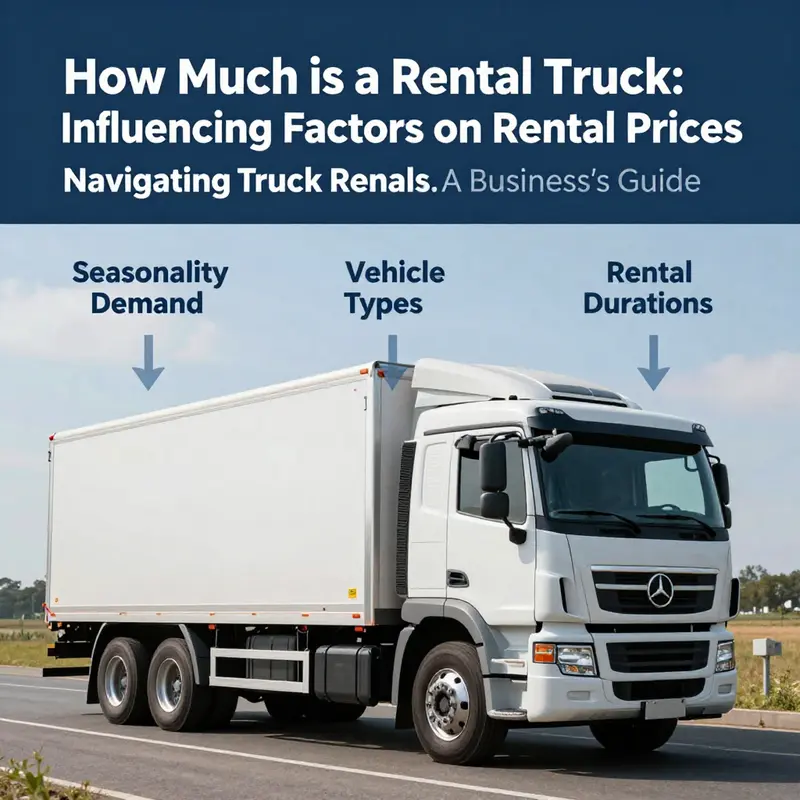
Understanding what determines the price of a rental truck makes it easier to plan and save. Costs are not set by a single number. Instead, they arise from a mix of the vehicle you choose, where and when you rent, how long you keep it, and the fine print in the rental contract. Recognizing those levers helps you predict what a rental will cost and where you can trim expenses.
The size and specification of the truck are the most obvious drivers. Larger trucks that carry heavier loads and tow more weight cost more to operate and maintain. They also depreciate differently, which influences daily rates. Smaller pickups or compact utility models usually carry lower base rates. Trucks with stronger engines, four-wheel drive, or specialized cargo setups tend to sit at a higher price tier. Beyond size, vehicle age and condition matter. Newer models command a premium. Older units might be cheaper but could increase the risk of costly downtime or fuel inefficiency for longer trips.
How long you rent a truck also changes the math. Short one-day rentals often have the highest daily rates simply because overheads and contract costs spread across fewer days. Rentals that span several days or a week can qualify for lower per-day pricing. Many companies offer stepped rates: a slight discount at mid-length durations and bigger savings for weekly or monthly use. However, these discounts are not automatic. They depend on fleet availability and demand. During peak moving weekends or busy seasons, even week-long rentals can return to high daily prices because inventory is scarce.
Location is a powerful and sometimes unpredictable factor. Urban areas and transportation hubs often list higher base rates because demand stays high. Rural markets can show lower base fees, but those listings may include fewer models or limited availability. Tourist destinations and regions with seasonal industries see pronounced swings in price. A truck booked in a ski resort town in winter or a coastal city in summer often costs more. Local taxes, registration fees, and regional insurance rules also push the final price up or down. Cross-border rentals have their own premium due to paperwork and insurance requirements.
The direction of your trip affects charges as well. Returning the truck to the same rental location generally keeps costs lower. One-way rentals, which let you drop the vehicle at a different branch or city, usually carry relocation fees. These charges reflect the company’s expense to rebalance their fleet. If you plan a long-distance move, check whether a single operator offers an economical one-way option. Sometimes partnering with a network of outlets reduces fees. Other times, a one-way move triggers higher daily rates, making a round-trip or alternative transport a better value.
Base rates form only part of the total. Add-ons and hidden fees can surprise renters who do not read the contract. Insurance is a major example. Optional coverages can double or triple the daily bill when chosen. Some credit cards or personal auto policies provide coverage for rentals, but terms vary. Verify whether your existing policy applies to the truck type and rental territory. Fuel policies also shape cost. Full-to-full policies require you to return the truck with the same fuel level. Empty-to-empty or pre-purchased fuel plans charge differently, and miscalculations can become expensive. If the truck is large and thirsty, fuel will be a major expense on long trips.
Mileage rules deserve particular attention. Some rentals include unlimited miles for local work or moving, while others apply a daily or per-mile cap. Exceeding that cap often triggers a steep per-mile fee. For longer moves, unlimited mileage options can be worth the extra upfront cost. If you expect to travel many miles, calculate the break-even point between a capped rate with per-mile charges and an unlimited option. For guidance on when unlimited mileage is worthwhile, see resources on unlimited rental truck mileage for renters.
Damage and cleaning fees frequently catch renters off guard. Inspect the truck thoroughly before you drive away. Document dents, scratches, or interior stains with photos and timestamps. Report existing damage so you avoid being billed later. Understand the grading system for damage and the cost structure for major repairs or lost keys. A small deductible on the insurance you purchase at the counter may still be cheaper than paying for a serious repair without coverage. Also ask about roadside assistance. Being stranded on a route can lead to towing charges or significant delays that translate into higher overall cost.
Seasonality and local events drive short-term price volatility. Holidays, major sporting events, festivals, and end-of-month moving spikes increase demand. Supply shrinks as consumers and commercial clients book trucks simultaneously. Booking well ahead of a predicted busy period often secures a better rate. Conversely, last-minute needs left unplanned usually face premium pricing. Flexibility with pickup and drop-off days helps; a weekday pick-up might be cheaper than a weekend one.
Comparison shopping remains the most effective tactic to find the best price. Rates vary widely between providers and between locations within the same provider. Use marketplaces to see real-time availability and compare daily and weekly rates. Pay attention to refundable options and cancellation policies. Lower nonrefundable fares may seem attractive, but if plans change, the ability to cancel or rebook can save money compared to a sunk nonrefundable fee.
Smart booking also takes small but impactful choices into account. Picking a smaller model when a larger one only marginally reduces the number of loads can halve fuel expenses. Opting for a slightly longer rental that qualifies for a weekly discount can reduce the effective daily cost. Declining some optional extras may save money, but evaluate them case-by-case. A navigation system or moving equipment rental can be essential in unfamiliar territory. In other situations, using your own straps and blankets will be cheaper.
Read every line of the rental agreement. The contract contains mileage terms, fuel policy, insurance details, and the procedures for reporting damage. Ask for clarifications and written confirmation of any verbal promises. If you expect to exceed a mileage cap, negotiate that in advance. If you need to drop the truck at a different location, ask for the total cost including relocation fees. Clear expectations avoid surprises and reduce stress during the rental.
When cost is the priority, consider travel timing, choice of location, and duration together. Off-peak booking, flexible windows, and willingness to accept a smaller truck produce the biggest savings. For longer trips, an unlimited mileage option may offer simpler budgeting. For short, local needs, watch for hourly or half-day options, if available, which sometimes undercut daily rates for quick jobs.
Finally, always verify real-time listings before you book. Market prices move with supply and demand. Use a reputable price comparison page to check current offers for your dates and location. This helps you balance base rates against potential add-ons, and find the true total cost before you commit. For up-to-date market listings, consult a dedicated pickup truck rental page.
With attention to vehicle size, rental length, location, mileage rules, and the rental agreement, you can forecast the cost of a rental truck more accurately. Those choices also reveal the places to save. Apply them together, and you will not only estimate your rental cost better. You will also be able to control it.
unlimited rental truck mileage
Seasonal Shifts and Hidden Discounts: Reading Rental Truck Prices Across the Year
Prices for renting a truck answer a simple question with many moving parts: how much is it, and when should you expect to pay more or less? The short answer is that costs are not fixed. They swing with location, the size of the vehicle, how long you need it, and, crucially, the calendar. A careful buyer understands that the price you see on a given day is the product of demand, inventory, and the economics of fleet management. In practical terms, that means the same model can cost more in one city than another, and a pickup parked outside a bustling urban center in midsummer can command a higher daily rate than the same vehicle would in a quiet town in winter. The challenge for anyone planning a move or a major haul is to translate those swings into a realistic, workable budget that aligns with the actual needs of the job.
Seasonal demand is the first and perhaps the most influential driver of price. The moving season—typically late spring into early fall—creates a surge in rental activity. When families line up to relocate, and businesses move inventory between quarters, fleets are stretched thin, and the base rate tends to rise. This increase shows up not only in the sticker price but also in the speed with which units disappear from the lot, leaving fewer options for last-minute logistics. Conversely, the winter months tend to be quieter. With fewer people planning relocations, rental companies often drop prices to attract customers who can travel on weekdays or pick up during slower hours. The same vehicle that costs a premium in July could sit quietly in December, waiting for a date window that works for both the customer and the fleet.
Within that broad seasonal framework, the geographic map adds its own color. Urban markets, college towns, and gateway cities experience sharper price movements because demand is more volatile and fleets are more tightly deployed. Rural areas might hold steadier rates, but even there, the price can be influenced by local events, holidays, and the availability of driveable routes. The data points gathered from recent market observations illustrate the range you might expect in different settings. In one European city, rates hover in a mid-range window during typical business days, while in a mid-sized American town the same class of vehicle can sit at a similar base rate but with different mileage policies and taxes. Across continents, the pattern remains: when people are moving or moving goods, prices climb; when schedules loosen and inventory sits, prices drift downward.
Beyond the calendar and the map, several recurring cost components shape the final tally. The base daily rate is the headline figure, but it rarely stands alone. Mileage charges are a common add-on, and they can escalate quickly if you misjudge the distance you need to cover or end up extending the rental unexpectedly. One-way rentals sometimes incur a relocation or drop-off fee that offsets the convenience of returning the vehicle to a different location. Insurance options, whether you carry your own policy, purchase protection from the rental network, or rely on a bundled plan, add another layer of cost. Fuel is not a mere afterthought either; many renters are surprised by the way fuel charges and the cost of returning with a full tank—or, in some arrangements, a required tank that must be filled—alter the bottom line. Taxes and local fees vary by jurisdiction and can push total costs upward even when the base daily rate stays flat. Then there are optional add-ons: moving equipment, protective coverings, dollies, blankets, and GPS or roadside assistance. Each of these can dial the price up or down depending on how aggressively you shop and how much you value convenience and protection for your cargo.
To illustrate the general landscape without anchoring to any one brand or model, consider how a typical day might look in different places. In a major urban market on a peak travel or moving weekend, the average daily rate for a pickup-sized truck can sit near the upper end of a mid-range spectrum, with premium days nudging prices higher still. In a smaller city or a rural county, the same vehicle might fall toward the lower end of that spectrum, but with mileage and drop-off policies playing a larger role in the total cost. In international markets, currency fluctuations and import or export duties can further influence the headline rate and the availability of certain vehicle classes. The message remains consistent: the price you see is a snapshot of a broader rhythm, one that shifts with the calendar and the map.
For readers who want to translate these dynamics into actionable planning, the practical path is to compare across providers and dates. Aggregation platforms that compare multiple rental networks can help, especially when you are flexible about pickup and return dates. The timing of your booking matters as much as the vehicle you choose. Booking several weeks in advance often unlocks savings that evaporate when demand tightens. Conversely, some last-minute deals appear in markets where fleets still have inventory to move, though this can be a gamble if your schedule is fixed. A recurring pattern across markets is the presence of seasonal or promotional discounts aimed at capturing demand during slower periods. These promotions can reduce the daily rate by a noticeable margin, sometimes in the realm of tens of dollars per day when averaged over a longer rental period. Loyalty programs and online booking incentives further sweeten the deal, especially for customers who plan multiple moves or require recurring rentals.
Within this context, a practical budgeting approach emerges. Start with a baseline expectation derived from the typical daily rates observed in the specific location. Then adjust for seasonality by adding a premium during peak months and subtracting at off-peak times. Next, factor in the vehicle size you actually need and the expected mileage. If you can be flexible about the drop-off location, consider a one-way rental in a market where the relocation fee is modest or waived through a promotion. Finally, scrutinize the optional add-ons. If you don’t need an extra blanket or a dolly, skip those items; if you do, compare whether a bundled insurance package makes sense for your situation or if you can leverage coverage you already hold through a personal auto policy or a credit card benefit.
To bring a little more specificity into the picture, recent general observations show that the broad range for a typical pickup truck in several markets has hovered around an entry point near the mid-60s to the low-90s per day, with ample variation by location and season. In some markets, a few online hotspots have shown best available rates in the upper 50s, while other cities during peak periods can push daily rates toward the higher end of the spectrum. A typical rental might be in the neighborhood of seventy-something dollars per day before mileage and add-ons, but the exact number can swing by double digits depending on how you book, when you book, and where you pick up. These patterns align with the practical guidance that, for the most accurate and up-to-date pricing, you should check direct with rental providers or aggregator platforms while inputting your specific dates, location, and vehicle class. Prices can fluctuate due to seasonality, demand, and inventory, so a price watched over a few days can provide a clearer sense of the right window for a booking.
For readers seeking a concrete touchstone while navigating this landscape, exploring flexible mile policies and midweek rates can be especially fruitful. If you want to explore flexible mile options and midweek rates, check out moving-truck-rental-near-me-unlimited-miles. This kind of option can noticeably affect the total if you anticipate long moves or multiple stops. It is also wise to consider the total rental period when benchmarking prices. A longer rental, even at a slightly higher daily rate, can yield a lower average daily cost when you spread the fixed charges and the take-or-leave-it fees across more days. Conversely, a short, last-minute rental may incur a higher daily rate and a disproportionate share of one-time fees, particularly when the provider is juggling inventory for peak demand.
Beyond the mechanics of price, there is a strategic layer to this decision. If you can align your move with a promotional period—such as a fall or early-winter slowdown—the chance of snagging a discount increases, and you may benefit from loyalty rewards that apply across bookings. Long-term rentals or extended campaigns often unlock discounts that are not visible in a single-day quote. If your job involves ongoing moves, a policy that favors longer rental terms could yield compounding savings. In all cases, the best approach is to treat the price as a dynamic, negotiable figure rather than a fixed sum. A thoughtful, planful buyer can exploit the seasonal price calculus to minimize cost while still ensuring the vehicle meets the logistical demands of the task.
As you map out a strategy for acquiring a rental truck, keep in mind the broader realities behind the numbers. Prices reflect not only the mechanical act of renting a vehicle but also the availability of service coverage, roadside support, and the operational costs of maintaining fleets that can handle a spectrum of moving sizes and timelines. Your final decision should balance budget with reliability, ensuring that the chosen option is capable of delivering on the schedule and distance you require, while also preserving the energy and sanity you need to complete the move. The chapter’s thread through this discussion is simple: seasonal shifts shape price, discounts await the prepared shopper, and a measured approach—one that considers date flexibility, mileage expectations, and potential add-ons—can dramatically tilt the outcome in your favor.
External resource: https://www.uhaul.com/
Final thoughts
Understanding the cost of renting a truck is vital for business owners to make informed financial decisions. By examining pricing trends across different locations, types of vehicles, and the impact of various providers, businesses can pinpoint the best options for their needs. Additionally, being aware of the factors that influence rental prices—such as demand and seasonality—allows owners to capitalize on discounts and savings. Ultimately, a well-researched rental choice will not only support operational efficiency but also contribute to better overall budget management.