
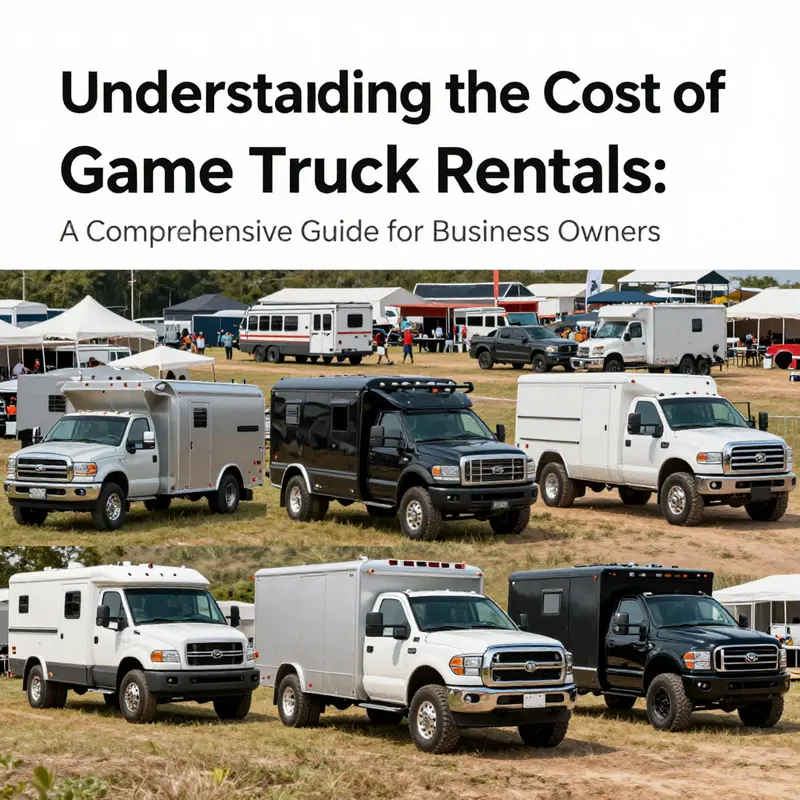
For business owners looking to engage clients or promote events, renting a game truck offers an innovative approach to entertainment. Understanding the cost of game truck rentals is essential for budgeting effectively and maximizing business outreach. This article delves into various aspects of pricing, from standard rates to high-end options, factoring in additional services and the influence of location and seasonal demands. Each chapter will provide valuable insights to help business owners make informed decisions that align with their goals.
What a Typical Game Truck Rental Really Costs and Why Prices Vary
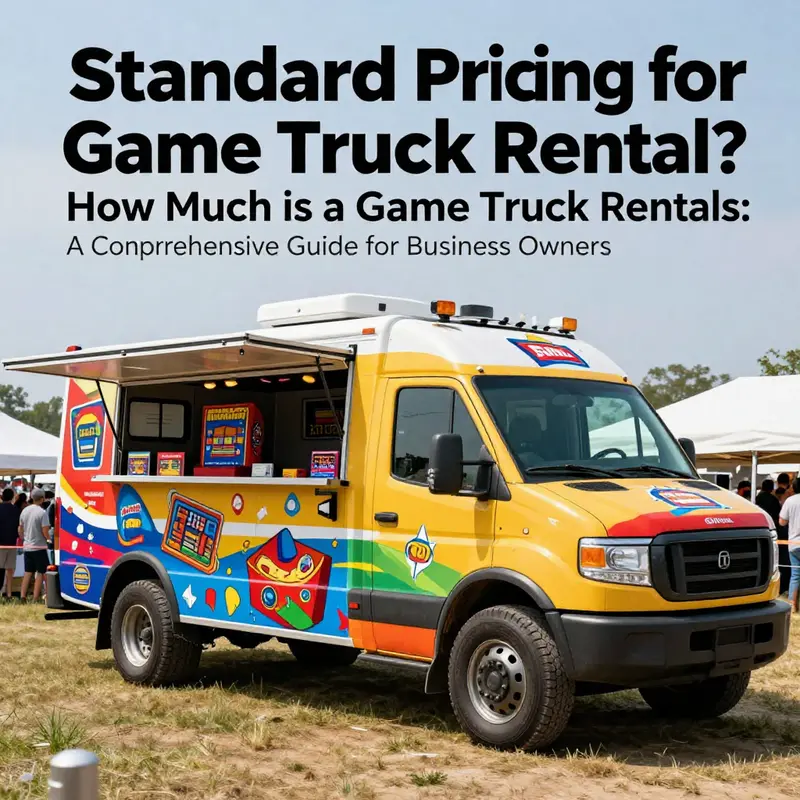
Estimating the baseline: a standard game truck rental most commonly falls between $250 and $450 per event, with many providers centering around roughly $350 for a four-hour booking. That figure tends to cover access to a mobile gaming environment: multiple consoles, popular games, large-screen displays, seating for players, basic lighting, and often a host or attendant to manage play. For families or organizers planning a birthday party or small community event, this mid-range option delivers the core experience—the truck arrives, sets up, runs the session, and breaks down—without heavy customization or premium extras.
Pricing at that level is straightforward in concept but layered in practice. The headline number usually assumes a set block of time—commonly a four-hour window—and a standard service area. Inside that window you get a package that balances equipment availability and staffing. What you need to watch for are the variables that convert a standard package into a higher invoice: extended hours, larger guest counts, specialized hardware, additional on-site staff, and travel beyond the company’s coverage area.
What the price typically includes, and what it doesn’t. The standard fee commonly includes the main ingredients of the mobile arcade: consoles (several modern systems), controllers, an assortment of family-friendly and competitive titles, one or two large monitors, seating or beanbags, and a staff member who supervises play and handles technical issues. Some providers also add small touches like Wi‑Fi, themed decorations, or light snacks, but those are less consistent. What the basic price rarely covers are premium add-ons: advanced audiovisual setups, LED exterior wraps or displays, professional DJs, party favors, specialized game titles requiring additional licenses, or expansion of staff for large crowds.
Timing and duration influence cost in predictable ways. Most companies have a minimum booking period; four hours is common. Add on-hour rates are usually available but can be higher than the per-hour average of the block. If you plan a longer event—an all-day festival or a corporate activation spanning multiple shifts—expect a different pricing structure. Companies often switch to day rates, and those can both simplify logistics and raise the per-day total, especially if a dedicated driver or overnight security is needed.
Capacity and guest count are subtle cost drivers. A truck built to host eight players at once will feel different from one designed for 20. Providers price according to the number of simultaneous players they can support comfortably and the staffing required to manage that many guests. For parties where kids swap in and out rapidly, organizers sometimes pay a flat fee based on the expected headcount or a tiered rate keyed to group size. When in doubt, be explicit about the number of guests you expect. Underestimating can trigger overtime or a need for extra attendants on the day.
Location matters more than many planners expect. Urban centers or high-demand markets generally have higher rates. Travel fees are common when the event falls outside a company’s standard service radius. These fees compensate for fuel, vehicle wear, and driver time. If the provider must travel long distances or cross congested zones, that cost will appear on the quote. For a sense of how travel and mileage impact truck-based rentals, you can reference guidance on rental truck mileage considerations here: rental truck mileage considerations.
Equipment and tech sophistication create wide gaps in pricing. A basic unit with a couple of consoles and a single screen is one thing. A fully decked mobile arena with multiple screens, VR stations, advanced sound, and branded LED exteriors is another. The higher the tech complexity, the more staff and pre-event setup time you’ll require, and both increase cost. If your event requires custom game libraries, exclusive titles, or licensed content, expect licensing or content fees on top of the standard rental.
Hidden but common extras include power and generator fees, setup and teardown time billed separately, damage deposits, taxes, and permit-related charges if the event is in a regulated public space. Many companies ask for a deposit to secure the booking, usually refundable if cancellation occurs within agreed windows. Overtime policies are important: when an event runs long, the overtime rate can be a multiple of the standard hourly rate. Confirm how the company measures event time—do they include setup and teardown in the booked hours, or are those billed separately?
Seasonality and demand cycles shape pricing. Weekend afternoons and popular party months are peak times. Booking during those periods usually carries a premium and reduced availability. Conversely, weekday or off-peak bookings can yield better pricing or added flexibility. If your schedule allows, choosing an off-peak slot can substantially lower your cost while preserving the same core experience.
Add-ons and custom packages deserve clarity up front. Many providers offer tiered packages that bundle features—extra consoles, themed décor, professional hosts, or food service—into a single price tier. These bundles can simplify planning, but they sometimes pack extras you don’t need. Review package details and compare the per-item cost of add-ons. Sometimes paying only for the specific extras you want is cheaper than the next tier up.
Negotiation and smart booking strategies can reduce costs. Booking early secures availability and gives you leverage on price, especially for dates outside peak demand. Consolidating rentals into longer blocks rather than multiple short windows can lower the effective hourly rate. Consider simplifying on-site needs—skip premium audio or elaborate visuals if the goal is straightforward gameplay. Some companies offer discounts for schools, non-profits, or repeat customers; it never hurts to ask.
A practical budgeting approach works like this: start with the standard median figure for a four-hour event as your baseline. Add realistic travel fees based on distance. Factor in 10–20% extra for taxes, permit costs, and possible overtime. Then layer in any chosen add-ons—extra staff, themed décor, food service—each evaluated against its perceived value for the event. This method keeps you from being surprised by a total that doubles the quoted baseline.
Finally, getting an accurate quote requires asking the right questions: What exactly is included in the quoted hours? Are setup and teardown part of the booking? What is the company’s travel radius, and how is travel charged? How many simultaneous players can the truck support, and what is the recommended guest-to-player ratio? What are the deposit, cancellation, and overtime policies? Asking these upfront prevents misaligned expectations and keeps costs within your planned budget.
If you need a quick source to compare local options and read customer feedback, consult online directories that list mobile party rentals and event vendors. For more detailed listings and event-specific providers, see this Eventbrite resource: https://www.eventbrite.com/d/online–event/game-truck-rentals/.
Inside the Mobile Arcade: Decoding the Cost of Premium Game Truck Rentals
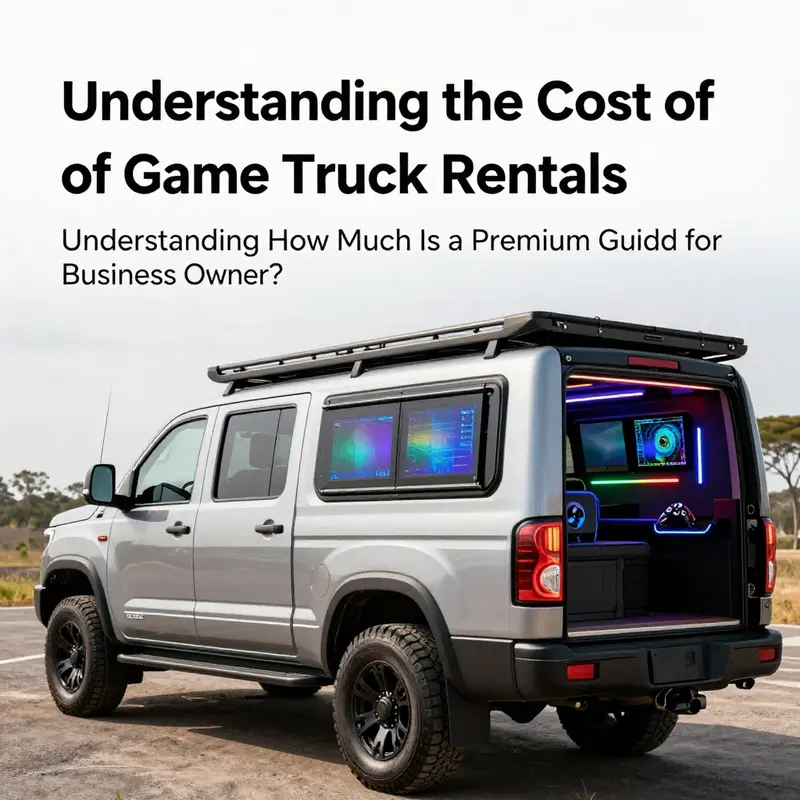
Premium game truck rentals represent a sophisticated leap beyond a simple transport of consoles. They are designed to be self-contained entertainment hubs on wheels, capable of turning a driveway, gymnasium, or festival lawn into a controlled, immersive gaming environment. These mobile arcades emphasize comfort, acoustics, and reliability as much as they do raw power. The interiors are often custom-branded, climate-controlled, and soundproofed to keep external noise at bay and ensure uninterrupted play. They are deployed at a wide range of events, from birthday celebrations and corporate functions to school gatherings and community festivals. The goal is not merely to provide games but to deliver a turnkey experience: a turnkey space where players can jump in and out of sessions without worrying about logistics, power, or seating. In this sense, premium game trucks are closer to mobile entertainment venues than to the average road vehicle. They are designed to handle the bumps of travel while maintaining a theater-like ambiance inside, where lighting effects can synchronize with in-game moments and seating is arranged for comfort during long play sessions. Those features—sound management, climate control, and a polished interior—are often the first differentiators that separate a standard truck rental from a true premium package. The value proposition extends beyond the gear itself. Event organizers are seeking predictability: a fixed setup time, dependable power, minimal setup fatigue, and a driver who can navigate both the road and the on-site logistics with a calm, professional presence. The best operators pair top-tier hardware with service fidelity, creating a balanced product that appeals to both families seeking reliable entertainment and brands looking for polished promotional showcases. The premium tier is less about a single wow moment and more about maintaining a consistently high level of performance across a full event timeline. This continuity—stable power delivery, robust cooling for hardware, quick session resets, and sound management—often justifies a higher daily rate. The result is an experience that can feel like a mobile arcade venue, with a guaranteed quality bar that event planners can rely on. When the vehicle arrives, it is not just a transport; it becomes a controlled environment, where the operator’s staff handles setup, calibrates displays, tests networks, and ensures that each station is ready for action within minutes of guests arriving. For organizers who want to scale up, premium packages frequently include a dedicated crew for setup, ongoing monitoring, and break-down, so the hosts can focus on guest interactions rather than the logistics of tech support. In addition, the best premium offerings emphasize safety and reliability. A robust insurance framework, clear liability terms, and a well-documented setup process reassure schools, municipalities, and private clients that the experience will run smoothly. The emphasis on reliability correlates with the way pricing is structured in this space. In practical terms, the cost of renting a premium game truck follows a rhythm shaped by location, duration, hardware density, and the level of service included. Industry benchmarks place top-tier, premium rentals in a price band that commonly spans from about seven hundred fifty dollars to around one thousand five hundred dollars per day. This range reflects the added value of multiple high-performance gaming systems, large format displays or projectors, surround sound, and comfortable, technologically integrated interiors. It also accommodates the presence of a driver or setup crew, travel time, and the logistics of keeping the venue powered and cooled throughout the event. For those seeking even more elaborate arrangements, luxury packages can push the value beyond two thousand dollars per day, particularly when they include extended on-site support, higher-end equipment, or aggressive service promises such as rapid on-site maintenance and exclusive access to premium setups for longer event windows. The spread in pricing is not merely a reflection of hardware quality; it mirrors the complexity of the operation. A larger vehicle, deeper customization, special lighting, or a denser array of stations all add layers of cost. The more stations and the more complex the wiring and network management, the more labor, planning, and insurance are required. Geography matters as well. In some regions, demand surges during certain seasons or around peak school-event periods, nudging prices upward. Conversely, in markets with more competition or during off-peak times, pricing can soften, especially for multi-day events. Another layer of cost arises from ancillary services. Some operators offer a driver who assumes responsibility for on-site logistics, including power management, equipment staging, and station rotation. Others provide a curated setup crew who assists with branding, lighting, and network configuration. Each of these service additions carries its own price tag and can meaningfully alter the overall cost when multiplied across a multi-hour event. For organizers who approach a premium rental with a clear event plan, the pricing conversation becomes a rational calculation rather than a mystery. Start by outlining the exact duration, the number of play stations, and the level of on-site support desired. Then compare multiple quotes that break down line items such as hardware tiers, branding options, travel charges, setup time, and insurance coverage. It is often possible to negotiate favorable terms for longer engagements; a multi-day rental can unlock per-day discounts or more favorable on-site staffing arrangements. The goal is to align the event objectives with the service packaging so that the investment translates into guest satisfaction and a smooth, repeatable experience. In that negotiation, it can be helpful to think about the total value delivered rather than focusing solely on the daily rate. For example, a premium package that includes a dedicated driver, a setup crew, and on-site troubleshooting can eliminate a host’s risk of delays or technical hiccups, which in turn reduces the event’s stress and potential hidden costs. The protective value—reducing the risk of missteps and the cost of last-minute accommodations—often justifies a higher price point when viewed against the potential savings in time and risk. It is also worth noting that the business side of premium game trucks has its own economics. For entrepreneurs drawn to this niche, the startup cost—the conversion and outfitting of a suitable vehicle, the installation of high-end gaming systems and soundproofing, branding, and licensing—can exceed six figures. Ongoing costs—from maintenance and fuel to insurance and permits—make the model viable only with careful financial planning and steady demand. Market demand for premium game trucks is growing in suburban and family-centered communities where event calendars are busy and venues can be scarce. The mobile nature of these units provides a compelling alternative to fixed-location entertainment spaces, offering flexibility and the elimination of many fixed overhead costs. However, the sustainability of a premium fleet depends on disciplined operations, reliable maintenance, and effective marketing. Strong partnerships with event planners, schools, local businesses, and neighborhood associations help maintain a steady calendar of bookings and maximize utilization during peak periods. For readers who want to explore the vocabulary of pricing in this sector without getting lost in vendor-specific jargon, the practical approach is to request a transparent quote that lists every line item. Ask about whether the price includes power generation, the cost of travel distances, the number of staff, and the scope of setup and break-down. A well-documented quote should also specify the insurance limits, the expectations for post-event cleanup, and any cancellation policies that might affect the bottom line. This clarity helps compare apples to apples across providers and makes it easier to determine which package truly fits the event’s needs. As a point of reference for pricing context, you can explore a related discussion on how promotions and codes can influence rental budgets. See Penske truck rental promotion codes for an illustrative look at how discounts are structured in the broader rental market, which can inform negotiations and budgeting for mobile entertainment as well. Penske truck rental promotion codes. On the practical side, the premium class of game trucks is part of a growing ecosystem of mobile experiences that demand high reliability, polished presentation, and careful financial stewardship. For those who want a deeper dive into the mechanics, the external resource at the end of this chapter offers a comprehensive overview of how premium game trucks operate, their technical specifications, and market applications. It provides a broader lens on the industry beyond the pricing snapshot offered here and helps situate these mobile units within a larger context of mobile event technology. For an up-to-date overview of what a premium game truck entails and how it operates, see this external resource: https://www.example.com/game-truck-business-insight
What Drives the Price Tag on a Game Truck Rental: The Real Factors Behind the Cost

Choosing to rent a game truck is to enter a market where price is not a fixed number but a moving target shaped by several practical realities. For event organizers, marketers, and families planning a big celebration, the sticker price should be understood as the result of a dynamic equation. A baseline daily rate exists, often cited as a starting point for planning conversations, yet that baseline conceals a spectrum of add ons and situational costs. In many cases a standard game truck might begin around two thousand dollars per day, with the final tally fluctuating based on location, the truck’s capabilities, and the level of service included. This is not just about the vehicle; it is about the entire package that surrounds the ride, the technology, and the manpower that ensure an event runs smoothly. The higher end of the market can leap into the several thousands per day when the setup emphasizes premium displays, expansive game libraries, or on site staffing. The price, in other words, is a negotiation between what the client wants and what the supplier can reliably deliver. Cost awareness, therefore, begins with a clear sense of what matters most for your event. If the objective is a simple, portable arcade experience with a few consoles and a basic sound system, the price will be on the lower end of the spectrum. If, instead, the plan calls for a full scale mobile arcade with multiple consoles, LED walls, and specialized lighting, the requirements become more complex, and so does the price. The spectrum is why a single figure rarely captures the real cost of a game truck rental. Instead, buyers should think in terms of the factors that push the price in one direction or another. Beyond the headline daily rate, there is a second layer of cost that often surprises first time renters: the total cost of ownership for the event, which includes transportation, setup, power needs, and sometimes even insurance. The transportation component is not merely fuel; it is the time a trained driver spends behind the wheel, the wear and tear on the vehicle, and the potential need for travel accommodations if the event is far from the company’s usual service area. In brief, the price is a reflection of the resources required to deliver a consistent, safe, and engaging experience from the moment the truck arrives until the last game is shut down. The price tag is the visible surface of a much larger logistical operation. A practical way to frame the discussion is to think about the seven core drivers of cost, each with its own logic and tradeoffs. First comes distance: how far the truck must travel to reach the venue. Distance affects not only fuel but also driver time, potential overnight accommodations, and planned routes to avoid delays. The farther the truck must go, the more the costs creep upward. This is not simply about paying for miles; it is about compensating the crew for the time spent away from shorter, local events and for the added risk of long haul logistics. Second is the duration of the rental. Rental rates are typically quoted per day, but many events require partial days, multi day blocks, or even weekend engagements. Longer rentals distribute fixed setup costs—such as travel time, staff readiness, and equipment checks—across more hours, often making extended terms more economical on a day by day basis. On the flipside, shorter engagements may carry a higher daily rate to cover the same base overhead in a compact window. Flexible timing can therefore tilt the price noticeably, especially when staffing and equipment are prepped for a specific schedule. Third, the size of the truck and the breadth of games or attractions it offers. A lean setup with a handful of contemporary consoles and a modest screen will cost less than a large unit that features multiple consoles, high end displays, immersive lighting, and a broad game library. Each premium asset added to the truck’s configuration raises both the upfront cost and the ongoing labor required for setup, testing, and on site support. The incremental value to the consumer, of course, must be weighed against the incremental cost. A well-curated lineup can justify a higher price if it meaningfully enhances the guest experience and minimizes the guest-to-setup time on event day. Fourth, the location of the event. Urban venues, particularly in densely populated or high demand districts, can push costs upward through more complicated logistics. Tight parking constraints, neighborhood access issues, and permit considerations can all translate into higher charges for crews who must navigate a challenging urban footprint. Rural or less dense locations may present different cost pressures, sometimes lowering the base rate but potentially increasing travel time, if the service area requires longer drives to reach distant venues. The bottom line is that location acts as a multiplier that reflects the real world frictions of moving a mobile entertainment setup through space. Fifth, the time of year. Demand follows the calendar, and peak seasons—such as summer months, school holidays, and festival windows—tend to tighten availability. When demand rises, suppliers can price more aggressively to ration capacity and maximize outlay opportunities. Conversely, off-peak periods may present opportunities to negotiate discounts or more favorable terms as vendors seek to fill gaps in their schedule. The seasonal rhythm is not purely about weather; it is about balancing manpower, inventory readiness, and the probability of weather related delays that can derail a planned event. Sixth, the brand, condition, and perceived reliability of the truck. A newer, well maintained vehicle from a reputable operator can command a premium, because it signals lower risk. In rental markets, buyers pay for predictability—fewer breakdowns, faster setup, and more consistent performance. A fleet known for robust maintenance and clear safety records often carries higher rates, but it also reduces the risk of disruptions that can escalate costs through emergency repairs or lost time. This premium is not about flashy branding; it is about reliability and the assurance that the entertainment will run as billed. A closely related factor is insurance and risk management. Comprehensive coverage can add to the price, but it also provides peace of mind for event planners who prioritize a smooth, error free experience. Seventh, the range of additional services bundled into the package. Some quotes include a driver, a setup crew, and basic on-site troubleshooting. Others separate these components as add-ons, allowing clients to pick exactly what they need. Generators, power distribution, lighting, sound systems, and even staff who can guide guests through the games may all be priced separately. The more tailored the service, the more precise the quote becomes, but the final price naturally increases with the breadth of support. Even within this framework, there is value in bundling: a package that includes transportation, setup, a dedicated attendant, and safety insurance can reduce headaches and, over the life of a long event, deliver a smoother experience at a lower marginal cost than piecing together individual components. The result of weaving together these factors is a dynamic pricing landscape rather than a single fixed number. For practical planning, this means asking specific questions when requesting a quote: How far will you travel, and is a travel fee included? Is the rate per day, and are there discounts for multi-day bookings? How many games and what level of display quality are included? Does the price reflect urban access challenges or parking permits? Are peak-season surcharges in play, and how is the crew’s time billed? Is on-site staff included, and what types of insurance coverage exist? The clarity of answers to these questions often determines not just the final price but the perceived value of the rental. In turn, that clarity helps planners weigh options against the goals of the event, ensuring the investment aligns with the guest experience. When you begin to compare quotes, it helps to see beyond the bottom line and into the composition of the cost. A two thousand dollar per day figure may look attractive until you discover it excludes crucial elements like a driver, setup team, or power generators. In other cases, a higher quoted price might actually deliver cost efficiency through a comprehensive package that minimizes on-day issues and unexpected delays. The key is to map out what matters most for your event: a reliable, engaging experience for guests; predictable logistics for organizers; and a financial plan that minimizes surprises on the invoice. For readers navigating this landscape, consider looking at related rental categories that share structural pricing elements. For example, some readers may encounter moving-truck rental sites that discuss discounts and promotions, which can offer useful perspectives on how discounts are structured in practice. You can explore a related resource that discusses discounts and promotions here: Penske truck rental discounts. In the end, the price a client pays for a game truck rental reflects a careful balance between capability and certainty. It represents not only the entertainment value delivered but also the confidence that the event will run smoothly from first arrival to last farewell. The seven factors outlined above do not operate in isolation; they interact, sometimes amplifying each other and other times offsetting one another. A smart buyer negotiates with that understanding, requesting precise line items, and seeking packages that deliver the most meaningful guest experience for the investment. The result is a rental that feels appropriately priced for the occasion—neither inflated by ego nor diminished by compromise. External considerations, such as the broader pricing ecosystem and industry standards, also shape the conversation. For those who want a broader sense of how pricing principles function in rental markets, a general education on price elasticity can offer useful insight into how demand shifts influence quoted costs: https://www.investopedia.com/terms/p/price-elasticity.asp
Region by Region, Season by Season: Navigating Location and Timing in Game Truck Rental Costs
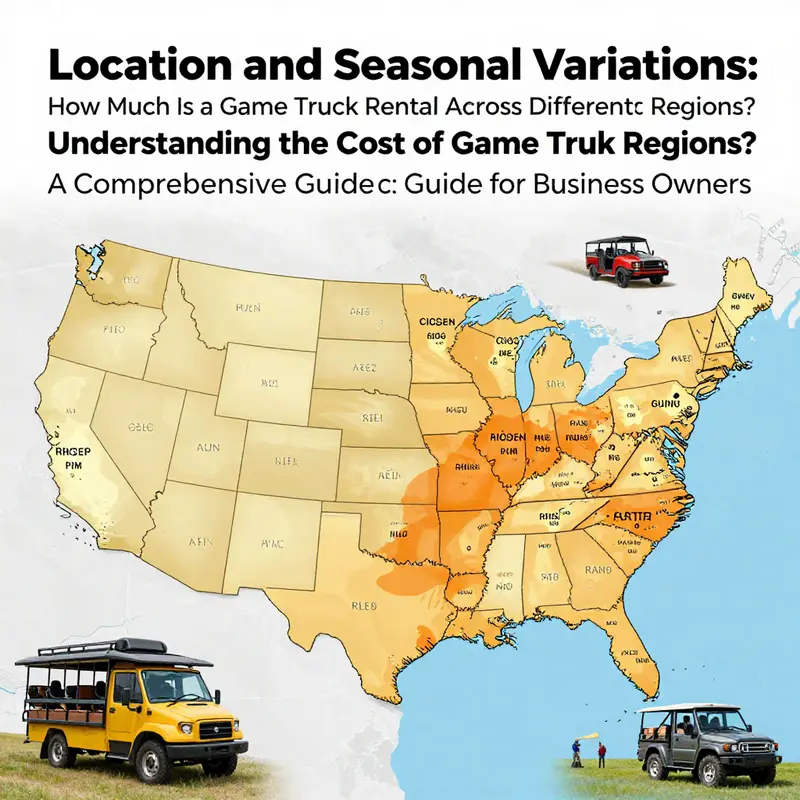
Renting a game truck for a party, a community event, or a promotional burst often reveals price dynamics that surprise first-time planners. It isn’t just about the vehicle’s screen size or the number of consoles; it’s also about where you rent and when you rent. The market for mobile gaming setups is diverse enough that two events in the same city can yield strikingly different numbers, simply because one is planned during a peak period and the other during a quieter week. In that sense, price becomes a kind of weather vane for regional demand and timing, a signal that the cost of delivering a cinematic, on-site gaming experience shifts with the calendar and the landscape of local vendors. The conversation about cost inevitably threads through the size and sophistication of the setup, but in this chapter the focus is the way location and season bend the baseline, sometimes making a modest party truck a bargain and other times transforming a premium arcade-on-wheels into a major investment.
To ground this discussion, it helps to acknowledge the broad spectrum of what renters might encounter. On one end, a basic, event-ready game truck—a mobile vehicle that serves as a self-contained gaming hub—tends to anchor the budget at a relatively high level when the demand is strong and the vehicle is loaded with multiple consoles, large displays, and a robust setup. The price pressure comes not from the screens alone but from the total package: the vehicle’s size, power needs, generator support, and the possible inclusion of a trained driver who can manage setup, operation, and teardown. On the other hand, more economical configurations exist in markets where smaller, simpler mobile gaming rigs are available. These can be appealing for smaller gatherings, closer to the lower end of the spectrum. The reality is that the market accommodates a wide range of configurations, so the daily rate will swing with the kind of truck chosen and the level of service bundled with it. That’s where location and season begin to matter in practical terms.
Across the United States, the pricing landscape can be described as a tiered affair. In some markets, standard game truck rentals align with broader event-vehicle pricing: the base daily rate can land in the range of a few thousand dollars per day if the truck is well equipped for a mobile arcade experience and includes setup and an operator. Yet, the same general principle—availability and demand—also helps shape a much more conservative price in other contexts. Across different regions, a basic, self-operated setup might appear at a lower daily rate, while premium, fully staffed configurations rise into higher brackets. The variance is not only about the vehicle but about the planned use: a one-day promotional activation may be priced differently than a multi-day festival stretch, especially when the rental includes professional staff, on-site power generation, and a seamless, turnkey gaming experience. In short, the price you see in one city or one event window may be entirely different from another, even if the vehicle itself is similar on paper.
A useful way to frame this is to think in terms of a general price spectrum that reflects regional dynamics and rental strategies. In many markets, day-to-day rental rates for mobile gaming setups can be understood as a broad band—where the type of vehicle, the duration of the rental, and the vendor’s pricing policy push the price up or down. This can range from modest daily rates for lean, compact configurations to substantial fees for larger, more elaborate installations. Moreover, when you factor in the duration of the rental, many providers offer discounts for longer commitments, just as other rental markets do. A longer rental can amortize the cost of transport, crew, and on-site power over additional days, yielding a more favorable per-day price. It’s a practical reminder that seasonality and planning horizon don’t just affect availability; they can actively reduce the unit cost if you’re negotiating a longer term event.
Seasonality adds another layer of complexity, and nowhere is that more visible than in regions that swing between high tourist influx and budget-conscious quiet periods. Alaska serves as a clear case study of how timing can tilt the scales. In March, when tourism is relatively quiet and weather conditions are still outside peak comfort for many travelers, the market can exhibit more favorable daily pricing. In that period, the cost per day tends to be lower as operators seek to lock in bookings during a shoulder season. By June, the picture shifts decisively. The same providers observe a spike in demand driven by packed travel itineraries and increased event activity, and prices rise to reflect the busier calendar. While the exact numbers shift with each vendor, the pattern is clear: peak season brings higher daily rates, driven by higher occupancy, stronger demand, and the willingness of organizers to pay a premium for guaranteed on-site gaming during important events. This Alaska example—less about the currency specifics than about timing—illustrates a universal truth: price follows demand, and demand tracks the calendar.
What does this mean for planners who want to optimize their budgets without compromising impact? First, it underscores the importance of early planning. Prices tend to become less predictable as event dates approach and as regional schedules fill. The cost driver in any given market is not only the truck’s power and display configuration; it is also the availability of crew and the logistics of transporting a heavy, technology-driven asset across cities or towns. If you’re targeting a specific weekend in a region with a high density of events, it’s prudent to engage with providers well in advance. This gives you the chance to compare quotes and secure a rate that reflects the actual demand on your dates rather than a last-minute premium charged by a vendor with limited inventory. In practice, a direct conversation with local game truck rental companies will yield the most actionable, date-specific information. They can walk you through how the region’s seasonality affects pricing, what inclusions are bundled into the day rate, and how the total cost is constructed—whether it covers transport and setup, a dedicated driver, or only the vehicle itself.
Second, don’t overlook the value of shopping platforms that compile live quotes. These tools can reveal the real-time impact of demand and availability, offering a comparative view across multiple providers in your area. Even when you have a preferred vendor, a quick cross-check can surface promotions, bundled services, or seasonal discounts that might otherwise be missed. In fact, many operators and platforms offer promotional incentives and loyalty-based pricing, so it’s worth probing for discounts that apply to longer rental periods or for midweek events. A practical approach is to look for discount programs or coupon options that apply to moving and rental equipment, a strategy that aligns with how other vehicle rental markets operate. For instance, many readers may find value in exploring discount avenues such as Penske truck rental discounts, which are designed to reward longer commitments or repeat business. This kind of pricing nuance can be a meaningful lever when you’re coordinating a multi-day activation or a series of events across different venues. Penske truck rental discounts can serve as a reference point for how discount codes and bundled services sometimes work, even though the specifics of game truck rentals will differ. The take-home message is to treat the pricing calendar as a dynamic landscape rather than a fixed target.
Finally, integrate pricing with the broader budgeting and logistical framework of your event. If you’re comparing quotes across regions or seasons, anchor your decisions to a few core questions: How many hours of operation are required each day? Will you need a driver or technician on site? Are generators, power distribution, and extended setup times included? What is the travel time and distance to the event site, and will that incur additional transport fees? Answering these questions helps you translate a daily rate into a total expense that accurately reflects your event’s scope. It also clarifies where regional differences matter most. For instance, an event in a city with dense vendor competition may yield favorable daily rates but higher on-site labor costs, whereas a more remote area might offer higher base rates with more predictable service. The practical upshot is that pricing, while influenced by vehicle quality and event complexity, is ultimately bound to local market conditions and scheduling realities, which means planners who map these variables across their calendar gain a clearer sense of total cost and value.
As you navigate the regional and seasonal dimensions of game truck rental pricing, the emphasis should be on strategic planning and informed comparison rather than chasing a single price point. The best approach is to balance the dream of a high-tech, immersive on-site experience with the reality of regional market dynamics, seasonal peaks, and the practical realities of staffing and logistics. With advance planning, a robust set of quotes, and a careful appraisal of what each package includes, you can secure a game truck experience that fits your event’s scale and budget without compromising the spectacle that your attendees expect. If you’re looking for a practical way to begin the pricing conversation, consider reaching out to multiple local providers and querying for flexible terms tied to longer rental windows or bundled services. In addition to direct quotes, exploring a few general price references and discount opportunities can yield a clearer sense of where your city sits on the spectrum and how timing can tilt the final figure in your favor. For additional context on how discount strategies can influence transportation and equipment rentals, you can explore discount resources in relevant vehicle rental channels, which often mirror the logic of promotions found in game truck contexts.
External resource for pricing context: https://www.citycarandtruckrental.com/ offers transparent pricing with a benchmark daily rate that can help frame expectations when comparing specialized mobile gaming setups to broader vehicle rental markets.
The True Price of Extras: How Additional Services Change a Game Truck Rental Budget
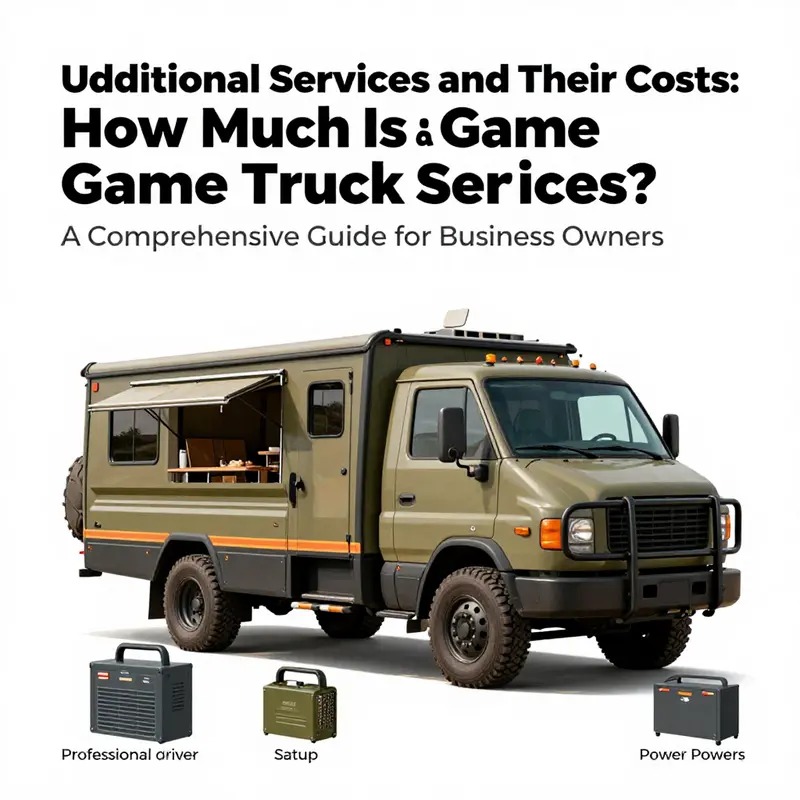
Game truck rentals start with a simple headline price, but the final invoice often looks very different. The base fee usually covers the vehicle, basic consoles, and a standard block of time. From there, add-ons transform the experience and push costs upward. Understanding how each extra contributes to the total helps you plan a realistic budget, choose the right package, and avoid last-minute surprises.
Cost Anatomy and How Extras Add Up
At first glance, the major drivers of price are easy to name: the vehicle size, technology onboard, and rental duration. Beyond those, additional services create the real variability. A professional host, extended hours, custom branding, premium themed decor, snack packages, and technical staff all carry separate fees. Some of these are small, flat charges. Others scale with time or headcount. When combined, they can add hundreds or even thousands to the base rate.
A typical professional host fee is a modest line item, usually between $100 and $200 per event. This person runs tournaments, explains game rules, and keeps guests engaged. For many hosts, that fee includes basic setup and teardown assistance. If you need multiple hosts or a dedicated tournament coordinator, expect per-person or per-hour rates to climb. Hosts are one of the highest value extras for birthday parties and corporate activations because they make the experience smoother and more event-like.
Extended rental time is often charged by the hour. Standard bookings commonly cover around four hours. Each extra hour usually costs $50 to $100. If your event has uncertain timing, budgeting for an extra hour or two at booking time prevents last-minute premiums. For multi-day activations the daily rate may drop slightly, but the total rises. Some providers offer discounts for longer blocks, yet many keep per-hour rates steady for overtime.
Custom branding transforms a game truck into a marketing tool. Applying decals, printing branded controllers, or wrapping part of the interior typically costs $75 to $200, depending on complexity. If branding is essential, plan for artwork approval lead time. Complex wraps or full-vehicle graphics cost more and may require additional scheduling. Small logo placements are affordable, but custom controller skins or branded tournament trophies add incremental fees.
Premium add-ons like themed decor, gift bags, or snack packages fall in the $100 to $300 range. These packages can be curated for a theme or audience and can include edible items, take-home swag, or trophies. Food and beverage service often appears as a separate vendor fee if the rental company doesn’t provide catering. If you want on-board concessions, check whether the provider offers packaged snack options or will coordinate with an external caterer.
Technical and logistical extras can be the most expensive. A portable generator, advanced lighting rigs, or specialized audio equipment can add several hundred dollars. If your event requires a power feed from the venue, removing the generator reduces cost. Conversely, remote locations without available power require generators and possibly fuel surcharges. Travel and setup time are sometimes billed separately. Long-distance or complex load-in locations can trigger mileage fees or a minimum charge.
Staffing for larger events may include technicians, event managers, or additional attendants. These professionals are typically billed hourly. Having a technician on-call reduces risk, but adds labor cost. If you’re planning a corporate activation or a tournament with many players, the extra staffing keeps flow orderly. Check whether staffing fees include pre-event testing and post-event troubleshooting.
Insurance, permits, and liability coverage are often overlooked. Some providers include basic liability in their rate. Others add insurance as an optional cost. If your venue requires special permits or certificates of insurance, the rental company may charge a handling fee. These costs vary widely by region and event type, so verify requirements early to avoid unexpected expenses.
Hidden and variable charges deserve attention. Fuel surcharges, mileage fees, permit costs, overtime penalties, and damage deposits appear on many invoices. Travel fees are common outside a company’s home service area. Some providers publish a service radius and charge beyond it. Confirm whether the quoted price includes travel, setup, and teardown. Ask about a flat travel fee or per-mile charge to understand how location will affect the bill.
How to build a predictable budget
Start with a clear list of needs. Identify the necessary minimum: vehicle size, number of players, and rental duration. Next, decide which extras truly add value. Do you need a host, or will event staff manage game flow? Is branding essential, or could you provide digital signage instead? When budget and goals are clear, request itemized quotes from multiple providers. Itemized quotes reveal where costs accumulate and where negotiation is possible.
Negotiate bundled pricing. Many operators prefer to sell packages. They will often bundle a host, extended time, and a snack package at a lower combined price than purchasing services individually. If you want several extras, ask for a custom package and a single invoice. For nonprofit or promotional events, inquire about discounted rates. Providers sometimes offer reduced fees for off-peak dates or during slower seasons.
Plan for staffing efficiency. One well-trained host can manage game flow for several consoles. If you have a smaller crowd, scale staffing down. For busy events, schedule staggered shifts rather than continuous staff hours to control labor costs. Confirm what the host fee includes to avoid duplicate charges when venue staff or volunteers already handle guest check-in and supervision.
Minimize travel costs by choosing a provider within the service area. If travel fees are unavoidable, compare quotes from providers with different home bases. For long activations, confirm whether a single crew can cover multiple days without repeated travel fees. Also, coordinate setup windows to avoid overtime charges for loading and unloading during restricted venue hours.
Branding and customization trade-offs. Simple logo placements are inexpensive. A full-vehicle wrap or custom controller production is costly and often non-refundable. For short-term events, consider temporary vinyl decals or branded printed materials. These provide visibility but reduce setup complexity and cost. If you’ll use the branding repeatedly, investing in higher-quality, permanent wraps may justify the expense.
Risk reduction and contract clarity
Before signing, get everything in writing. A clear contract should list every included service and each add-on cost. Verify cancellation, rescheduling, and refund policies. Ask what constitutes damage and how deposits are applied. Insist on a timeline that shows setup and teardown windows so you can coordinate with the venue. If insurance is required, confirm who provides it and whether you must add special event coverage.
Operational tips to control costs
Book early for popular dates to avoid peak-season premiums. Consider weekday or afternoon time slots for lower rates. Ask if providers offer promotions for longer bookings. Clarify whether payment is due up front or in installments. Request an itemized estimate and compare it against two or three competitors. Finally, factor in gratuity if staff service is exceptional.
Understanding how additional services impact price transforms a single headline number into a realistic budget. With a clear priorities list, an eye for bundled savings, and contract transparency, you can design the exact experience you want without surprises. For side-by-side listings and local pricing comparisons, a national events marketplace provides searchable listings and user reviews that help validate quotes and expectations: https://www.eventbrite.com
For more on rental logistics and mileage considerations that can affect travel fees, see this discussion of local rental mileage options: unlimited rental truck mileage.
Final thoughts
Understanding the cost dynamics of game truck rentals equips business owners with critical knowledge for planning exciting events. By considering the various factors outlined—standard rates, premium options, location variations, and additional services—business owners can effectively budget and tailor their rental experience to maximize engagement and entertain their audience. Whether opting for a standard option or a luxurious setup, making informed decisions can pave the way for memorable experiences that resonate with clients and attendees alike.