
Navigating the complexities of rental truck insurance can be crucial for business owners. When it comes to understanding if personal car insurance extends to rental trucks—especially larger moving trucks—things can get complicated. Standard auto insurance policies often do not cover these vehicles, meaning that, without the right knowledge, you could be exposed to potential liabilities during operations. This article will provide a thorough exploration of your options, equipping you with indispensable insights that will help you mitigate risk when renting trucks for your business. Each chapter will take you deeper into the specifics: the coverage limitations of personal auto insurance concerning rental trucks, the essential liability considerations, and the supplemental insurance options available for additional peace of mind.
When Your Auto Policy Meets a Moving Truck: What Coverage You Actually Have
When Your Auto Policy Meets a Moving Truck: What Coverage You Actually Have
Most people assume their personal car insurance will travel with them. They picture flipping a key, driving a rented truck, and being protected the same way they are in their sedan. The reality is different. Standard auto policies are written with private passenger vehicles in mind. They focus on cars, SUVs, and sometimes light pickup trucks. Larger rental trucks, box trucks, and commercial-style vehicles fall outside that scope. That gap matters. A single accident while moving could expose you to thousands of dollars in liability and vehicle damage costs. This chapter explains what your policy usually covers, what it usually excludes, and which choices keep you from paying out of pocket.
Personal auto policies typically contain four basic coverages: liability, collision, comprehensive, and uninsured/underinsured motorist. Liability pays for damage you cause to others. Collision covers your vehicle after a crash. Comprehensive covers non-collision losses like theft or weather damage. Uninsured/underinsured motorist protects you if someone else is at fault and lacks sufficient insurance. Insurers design these coverages for the vehicles listed on your policy. If you rent a vehicle, coverage often extends to a rental car that is similar to your insured vehicle. That extension is common for short-term rental cars when traveling. It is not the same for rental trucks used for moving.
A rental moving truck is a rented commercial vehicle in many insurers’ eyes. Its size, weight, and intended use create additional risks. Driving a long box truck through residential streets differs from driving a compact car on a highway. Because of this, many policies explicitly exclude coverage for moving trucks and heavy-duty rentals. Even when an insurer offers some coverage, limits and exclusions can leave substantial gaps. For example, your policy might provide liability protection but decline to cover physical damage to the rented truck. Or it might cover the truck but not the possessions inside. Reading your policy and calling your agent is essential. Do not rely on assumptions.
When you walk up to the rental counter, companies present optional protections. These fill the most common gaps. The options usually include supplemental liability insurance, damage waivers, and cargo protection for your belongings. Supplemental liability increases or adds liability coverage for the rental. Damage waivers reduce or eliminate your responsibility for truck damage. Cargo protection helps replace household items damaged in a crash. These protections are sold for a daily fee. They sound expensive. They can be worth the price. If your personal auto policy does not cover the rental truck, buying protection at the counter may prevent major out-of-pocket costs.
Credit cards also complicate the picture. Some cards provide secondary rental vehicle coverage when you pay the rental charge with the card. Secondary coverage means the card pays only after your personal policy pays its part. Other cards offer primary rental coverage, which pays before your insurance. But credit card rental protections tend to exclude commercial vehicles. They may deny claims for moving trucks or box trucks. Card benefits vary widely by issuer and product. Before relying on card coverage, read the card agreement carefully. Call customer service to confirm whether coverage applies to a box truck or moving vehicle. Keep any written confirmation. If your card declines coverage, you must use another option at the rental company.
There are additional paths to protection beyond the rental company and credit card. You can buy a short-term commercial auto policy for the rental period. Some insurers offer temporary endorsements or one-way contractual add-ons for members. Moving companies and professional movers may have cargo insurance plans that apply when a hired mover transports your goods. These alternatives can cost less than daily rental company fees for long moves. However, securing temporary commercial coverage often requires advance planning and may need proof of the rental agreement. If you plan to move yourself using a rental truck, start this conversation with your agent well before moving day.
Many of the risks involve liability exposure. Liability claims from an accident can include vehicle damage, medical bills, lost wages, pain and suffering, and legal fees. If your personal policy excludes the rental truck, a large injury claim could reach deeply into your savings. Supplemental liability purchased at the rental counter typically raises the limit or adds a separate liability policy for the rental. That protection may be the fastest way to avoid catastrophic liability for a move.
Physical damage to the rental truck is another common issue. Rental companies often offer a coverage option that looks like an insurance policy. It is usually called a loss damage waiver, damage waiver, or similar term. In plain terms, it waives your financial responsibility for certain types of damage to the truck. Without that waiver, the rental company expects you to pay for repairs, towing, and diminished value. If your personal policy does not cover the truck, you become the primary payer for those costs. The repair bills for heavy-duty trucks can be high. The damage waiver cost often reduces your risk substantially.
Cargo protection is less obvious, yet essential. Your auto policy rarely covers the personal items inside a rented moving truck. Homeowner and renter policies might cover household goods during a move, but they often impose limits, high deductibles, or exclusions for moving. A damaged or stolen sofa could be covered by your homeowner’s policy, but you might face a deductible that makes the claim unhelpful. The rental company’s cargo protection or separate mover’s cargo insurance can replace items with fewer barriers. If you plan to move valuable electronics, antiques, or fragile items, consider this coverage.
Beyond these basics, pay attention to additional exclusions and conditions. Many policies exclude coverage if you drive while impaired, carry passengers for hire, or use the vehicle for business. They might also limit coverage to drivers under certain age limits or require drivers to be listed on the rental agreement. If you plan to let a friend drive the truck, verify the rental company’s rules and your policy’s permissive use terms. Violating those rules can void coverage when you need it most.
The vehicle class matters. Smaller cargo vans and light-duty pickups sometimes qualify for extension under a personal policy. True box trucks, heavier vehicles, and vehicles labeled as commercial are frequently excluded. Insurance language matters, so read the definitions. If your policy defines a covered vehicle as “private passenger” or restricts the weight or class of vehicles it covers, a rental truck will often fall outside those terms. Ask your agent what vehicle classes are included and whether your policy contains any automatic extensions for rentals.
Deductibles also play a role. If your policy extends collision coverage to a rental truck, it likely still applies your normal deductible. That means you pay that amount before coverage kicks in. For high deductibles, this cost can be prohibitive after an accident. The rental company’s damage waiver usually removes the deductible for the rental vehicle. That benefit can be the difference between a manageable filing and a major out-of-pocket expense.
Documentation reduces hassles when a claim arises. Take photos of the truck at pickup and drop-off. Record the odometer, fuel levels, and any pre-existing dents or scratches. Keep the rental agreement, receipts, and any written communications. If you purchase coverage from the rental company, keep proof of purchase. If your credit card offers coverage, retain the cardholder agreement and any call notes from customer service. Good records save time and support your claim.
How claims typically proceed depends on the coverage source. If your personal insurer covers the rental truck, report the claim to your insurer first. Your insurer may handle the claim and pursue subrogation against other parties. If the rental company’s protection covers the loss, the rental company will usually coordinate the repair and replacement of the truck. If a credit card provides coverage, the card issuer often requires you to submit a claim and documentation directly to them. Each path has different timelines, paperwork, and potential impacts on future premiums. Ask about premium increases when you call your insurer. Some insurers do raise rates after a claim, while others may not for first-time or minor claims.
Another factor to weigh is the nature of your move. A short local move carries different risk than a coast-to-coast trip. Long-distance travel increases exposure to unfamiliar roads, weather, and traffic. It also means more miles driven, which increases the likelihood of incidents. For long moves, the daily cost of rental-company coverage may be worth it. Alternatively, look for unlimited-mileage promotions or offers that reduce per-mile concerns. These promotions often appear on rental company pages and can lower the overall cost of a covered move. If you rely on an internal resource for planning, check a page focused on unlimited-mile options to compare rates and coverage choices: unlimited miles box truck rental.
Finally, consider the human factor. Many moving accidents happen during loading and unloading. Driving errors are only part of the risk. Backing a large truck into tight spaces increases the chance of property damage. Securing cargo incorrectly can lead to load shifts that cause accidents. Some rental coverage options exclude losses caused by improper loading or unauthorized drivers. Learn basic truck handling and weight distribution. Use moving straps and padding. If possible, enlist experienced help. Reducing risk in the first place is often cheaper than buying insurance after a loss.
If you find your personal policy falls short, act early. Contact your insurer and ask specific questions. Is a rental truck covered? What classes of rentals are excluded? Does liability follow you to a truck? Will your deductible apply? Can you add a short-term endorsement for the move? Get answers in writing when possible. Call your credit card customer service and read the rental coverage guide. Decide whether to accept the rental company’s protections at the desk. If you decline, you assume the financial risk.
Understanding these distinctions prevents surprise bills and legal exposure. It helps you compare costs objectively. Sometimes the cheapest upfront option is the most expensive after a crash. Sometimes rental-company protections solve the problem quickly and cleanly. The right choice depends on your policy language, the truck class, your route, and how much risk you can bear. Ask questions, document everything, and choose protection that matches your move. For an independent review of rental coverage questions, see this external guide that explains common policy interactions and provides examples: https://www.bankrate.com/insurance/car-insurance/does-car-insurance-cover-a-moving-truck-rental/.
In short, do not assume your auto insurance covers a rental moving truck. Confirm, document, and choose supplemental protections when needed. That approach limits financial surprise and lets you focus on the move itself.
Liability on the Move: Navigating Coverage When Renting a Moving Truck
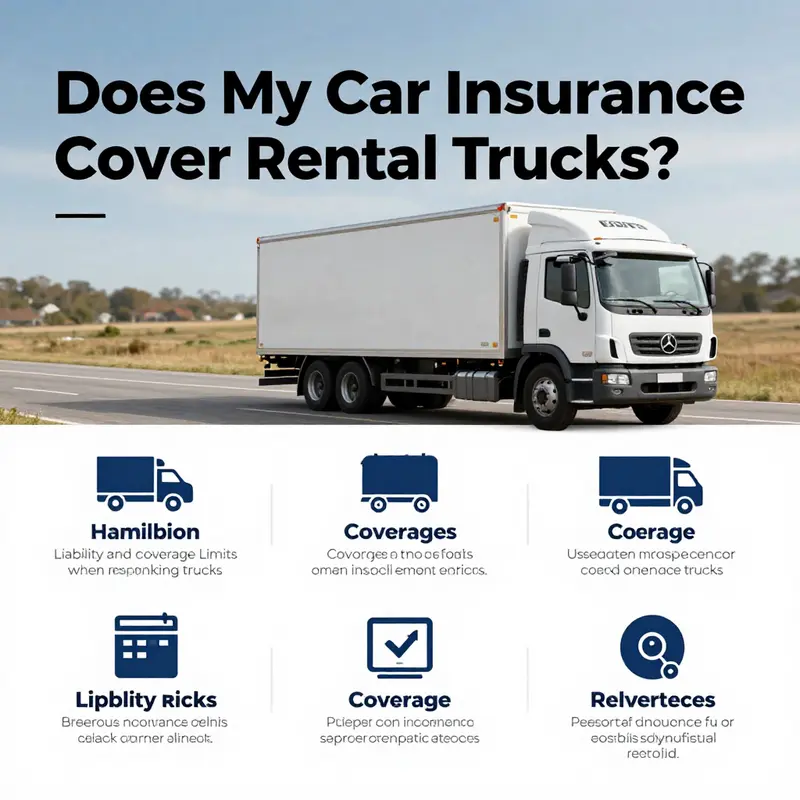
When you rent a moving truck, the act of moving itself becomes a risk—and risk is costly when coverage is unclear. You might assume that your everyday car insurance travels with you onto the road in a rental, much as it does for a standard car trip. In reality, the landscape changes once you step into a heavy, commercial-like vehicle designed for transporting belongings. A moving truck is not just a bigger version of a passenger car; it operates like a practical, portable business asset for the hours or days you possess it. That distinction matters, because most people discover that their personal auto policy does not automatically extend to rental trucks, especially the larger ones used for moving. The result can be a sobering gap between expectation and protection, with your personal finances at stake should an accident or a breakdown occur. The path from assumption to assurance is paved with careful review, options, and a clear-eyed view of your actual coverage needs before you sign the rental agreement or add any protections at the counter.
To understand why this gap exists, consider the core purpose of a personal auto policy. It is designed to insure private passenger vehicles and, in many cases, light trailers. Heavy-duty rental trucks used for moving are often treated as commercial-type vehicles, with different usage patterns, liability potential, and physical damage implications. A standard policy may provide limited or no coverage for bodily injury or property damage arising from a collision involving the rental truck. It may also exclude damage to the rental truck itself, sometimes leaving you responsible for substantial out-of-pocket expenses. This is not a failure of your insurer to do right; it reflects the different risk calculus and regulatory definitions that apply to vehicles used for moving or commercial purposes. When a mover in a rental truck is involved in an incident, the costs can spiral quickly if you only rely on a personal auto policy that is not designed for this purpose. For that reason, moving with a rental truck invites a deliberate, proactive approach to coverage rather than a passive assumption that existing protections will automatically extend.
In practice, the risk becomes most tangible the moment you turn the key and pull out of the driveway with a truck full of your life in transit. A collision could involve other vehicles, pedestrians, and property, including homes, fences, and storefronts. Even if the accident is minor, the liability exposure in a moving truck can be substantial because the vehicle itself is larger, heavier, and often traveling in busy neighborhoods or on crowded highways. Property damage, medical expenses, and the potential for lawsuits can escalate quickly. The same truck carrying your furniture and boxes may be subject to damage that costs thousands if not tens of thousands of dollars to repair or replace. In these scenarios, a person without adequate coverage may find themselves facing financial strain that lasts long after the moving day has passed. The risk is not purely financial; it also includes time, stress, and the logistical complexity of dealing with claims while trying to move your life forward.
To reduce this risk, you must distinguish between what your personal auto policy typically covers and what rental truck coverage options make sense for your move. The standard policy’s liability limits apply to bodily injury and property damage that you cause to others in a typical car accident. When a rental truck is involved, those same limits may apply in theory, but the policy’s terms often do not extend to the truck itself, or they may provide only secondary or narrow coverage if they apply at all. If you want financial protection for damage to the rental truck you are driving, you may need to rely on coverage offered by the rental company or, in some cases, benefits tied to your credit card. The decision is rarely binary; it is a spectrum of coverages with different triggers, deductibles, and exclusions—each affecting how much you pay and how much protection you actually receive when you need it.
One practical takeaway is to treat the rental truck as a potentially high-stakes item in your move. Before you arrive at the counter or click to reserve, pause to map out the coverage terrain and the exact terms that apply to the truck you plan to rent. Start by identifying what your personal auto policy excludes or limits when it comes to rental trucks. Some policies may provide no protection for the truck itself or for theft, vandalism, or damage to its own components. Others may offer limited liability for bodily injury or property damage you cause to others, but with suboptimal limits for a moving scenario. Because every policy is different, the only truly reliable way to confirm protection is to talk to your insurer and obtain written confirmation of what is and is not covered for rental trucks, particularly the larger moving trucks. This conversation should be targeted around three core questions: Does my policy cover rental trucks at all, and if so, under what conditions? What are the policy’s liability limits when a moving truck is involved? Are there any exclusions that would apply if the truck is used for a move, a one-way trip, or cross-state travel?
Beyond the personal auto policy, rental companies present a menu of insurance options that are specifically designed for the rental truck experience. The most common add-on is a form of waiver that shifts or eliminates your financial responsibility for damage to the rental truck. Often labeled as a Collision Damage Waiver or Loss Damage Waiver, these options promise to cap your exposure to certain amounts, while simultaneously charging a daily fee that can range from about 20 to 35 dollars per day. The wording matters here. A CDW or LDW will usually transfer the cost of damage to the rental company’s asset to you in the form of a waiver, but it does not necessarily cover every scenario. For instance, there can be exceptions for weather-related damage, off-road use, damage to interiors, or theft. The waivers sometimes do not include liability for bodily injury or damage you cause to others, which means you could still be liable for medical expenses and property damage outside of the rental truck’s physical damage. In short, even with a waiver, your total exposure may not be fully addressed, depending on the specifics of the incident and the jurisdiction where it occurs.
This is where the hiring decision becomes a balancing act between cost and risk. On one hand, purchasing the CDW/LDW adds to the upfront cost of the move, sometimes without necessarily aligning perfectly with your risk profile. On the other hand, avoiding the waiver means you rely on other sources of protection—your credit card benefits or SLI discussed below—but those sources may have their own limitations and requirements. The price tag on waivers can feel like a predictable nuisance, but the price must be weighed against the magnitude of potential liability if something goes wrong. It is not only about how much you pay per day; it is about how much you would pay out of pocket if the unexpected happens and you are uninsured for specific elements of the incident.
A broader, often overlooked factor is the role of credit card protections. Some premium cards offer rental car insurance benefits that could cover rental vehicles including trucks under certain terms. In many cases, these benefits can be primary, meaning they step in first and may reduce or eliminate the burden on your personal auto policy. In other cases, the coverage is secondary, which means it only comes into play after your own policy has been exhausted or denied. The fine print matters here. Some issuers require you to meet certain conditions, such as paying for the rental with the card or booking through the issuer’s travel portal, to be eligible for coverage. In practice, if you own a high-quality travel rewards card, you might discover that the card’s benefits more than offset the cost of CDW/LDW. If your card offers a robust rental protection plan, it may be an efficient alternative to the rental company’s add-on, particularly if you already carry the card for its other protections and rewards.
Nevertheless, relying on credit card coverage alone is not a universal solution. The scope varies by issuer, the radius of coverage, the types of vehicles covered, and the specific use case. Some cards provide primary coverage worldwide, while others limit coverage to domestic use or to standard passenger vehicles rather than heavy-duty trucks. Even when primary coverage is advertised, there can be exceptions for certain uses, such as commercial moving activities. The prudent approach is to review the card’s terms and conditions carefully, confirm whether trucks are included, understand the limits and deductibles, and verify any requirements that the rental must be booked through the card’s portal. If the card’s terms align with your move and you can meet the conditions, you could simplify your protection without incurring duplicate or overlapping costs.
In practical terms, the decision about adding CDW/LDW, relying on credit card protection, or purchasing supplemental liability insurance rests on your current protection landscape and risk tolerance. Supplemental Liability Insurance, or SLI, is a distinct option worth considering for its potential to fill gaps in bodily injury and property damage protection beyond your personal auto policy. SLI can provide up to a million dollars of coverage, which is substantial and can bring peace of mind for a high-stakes move across state lines or through congested urban corridors. The question is not merely whether SLI exists, but whether your existing coverage already conveys robust liability protection. If your personal auto policy carries strong liability limits, you may determine that SLI is redundant. On the other hand, if you drive a large truck through varied terrains, or you anticipate moving across several states with a crowded traffic environment, the additional protection could be a worthwhile hedge against financial risk. SLI, like any insurance decision, balances cost, convenience, and risk, and it benefits from a careful calculation rather than a quick gut check.
The decision process, therefore, unfolds in three layers. First, examine your personal auto policy in light of the specific rental truck you plan to drive. Ask for a written clarification of coverage, including whether the truck is considered within the policy’s scope, what the policy’s liability limits are for that scenario, and whether there are any exclusions tied to moving activities. Second, evaluate the rental company’s offerings—CDW/LDW, liability waivers, and any other protection bundled with the rental agreement. Read the fine print and compare the effective cost per day against the estimated risk exposure, including deductible levels and incident scenarios that could trigger additional charges. Third, assess credit card protections and any potential overlaps or gaps. If your card promises primary protection for rental vehicles, confirm exactly what counts as a qualifying rental, whether trucks are covered, and what steps you must follow to activate the coverage. If your card coverage is secondary or restricted to certain regions, you may still want the rental company’s waiver to avoid gaps in protection where the card coverage does not apply.
In practical moves, you can tighten the risk envelope by framing your choice as a cost-risk tradeoff. Suppose you know the move will involve a single large truck and several hours of driving through urban traffic and suburban neighborhoods. The total exposure could be significant if something goes wrong. If your current policy provides partial protection and a credit card offers secondary coverage with limited geographic scope, adding a modest CDW/LDW might be reasonable for the move itself. If your policy already has robust liability coverage, you may choose not to purchase SLI unless you intend to drive the truck long distances across multiple states with heavy traffic and varying road conditions. If you decide to lean on credit card protection, keep a careful checklist: ensure the rental is paid with the card that provides coverage, confirm that the coverage includes the truck’s size and use, and verify any deadlines to report incidents or submit claims. The aim is to avoid duplicate protection and ensure you are not paying for protections you do not need, while never leaving yourself exposed to unnecessary risk.
As you plan, remember that rental trucks are not a generic car. They are assets that carry your belongings and, in many cases, operate in more challenging driving environments. The cost of a single incident can be far higher than the daily rental rate for the entire move. The most prudent approach blends information gathering, proactive conversations with insurers, and a clear-eyed read of the rental contract. Begin with your insurer and ask for written confirmation about whether rental trucks are covered under your current policy, and if so, to what extent. Then compare the rental company’s CDW/LDW options, noting the per-day costs and any exclusions. Finally, review your credit card protections and verify the card’s applicability to a moving truck scenario. With these steps, you can build a protection plan that aligns with your move’s size, distance, and risk tolerance rather than relying on a one-size-fits-all assumption about coverage.
To illustrate how these choices play out in real life, imagine you are planning a cross-town move with a rental truck. You may choose to carry a basic liability protection through your personal auto policy, add a modest CDW/LDW from the rental company to cover the truck itself, and rely on a premium travel card for additional protection in the event of a bodily injury claim that surpasses your policy’s limits. In this scenario, the protection stack becomes a layered shield rather than a single barrier. If, however, your policy already provides strong liability coverage and your card’s protection is primary but limited to specific regions, you might decide that the CDW/LDW is less essential. The key is to recognize that the rental truck introduces new dimensions of risk and that a deliberate approach to coverage—one that considers policy language, card benefits, and rental terms—offers the best protection for both your move and your finances.
For further practical guidance, consider seeking out a core resource that breaks down these coverage concepts with examples and scenarios. A reliable, user-focused summary can help you compare options side by side and translate policy jargon into actionable decisions. As you read, keep your move’s specifics in mind: the truck size, distance, traffic conditions, your driving experience with larger vehicles, and whether you will be towing anything or transporting valuables. Each of these factors shapes your coverage needs and the value of different protections. The process is not about fear of risk but about informed stewardship of your move and your finances. It is about ensuring that when you reach the other side of your move, you are not left facing a pile of bills and a pile of belongings that still need to be organized and unpacked.
Internal resource for readers who want a practical, one-way planning reference is a focused guide on renting trucks for moves. It offers a detailed look at what to expect when arranging a one-way move, including considerations for insurance, route planning, and the logistics of returning a truck to a different location. You can explore this topic here: one-way truck rental guide.
In sum, rental trucks escalate the stakes of coverage because the vehicle itself is a moving asset with higher potential for damage to third parties and to the truck. Your best protection combines a clear understanding of your personal auto policy exclusions, the right mix of rental company protections, and the strategic use of credit card benefits where applicable. Do not assume equivalence between a standard car insurance policy and a moving truck. Do not assume that the rental company’s waivers cover every scenario and cost. Instead, approach the move with a plan: confirm what you already have, compare the protection options, and align your choices with your risk tolerance and budget. This approach protects not just your wallet, but your ability to focus on the actual job of moving—settling into a new space, not fighting with the consequences of an uninsured incident.
External resource: for a concise overview and practical context, see the Bankrate summary on whether car insurance covers a moving truck rental, which highlights common gaps and the protective roles of waivers, card benefits, and supplemental liability options. Bankrate article on rental trucks and car insurance.
Protecting Your Move: A Thorough, Real-World Look at Supplemental Insurance for Rental Trucks
When a move depends on a rental truck, insurance shifts from a background detail to a central planning issue. Many personal auto policies exclude large moving trucks or commercial use, so the protection you expect for your car often doesn’t extend to a rented moving vehicle. That gap can leave you personally responsible for collision damage, theft, or claims for injury and property damage, making it essential to understand what supplemental options exist and when they matter.
Start by separating two distinct protections: coverage for the rental truck itself (damage or loss) and liability coverage for injuries or property damage you cause while driving. Collision damage waivers (CDW) or loss damage waivers (LDW) typically address the truck’s physical damage or theft, but they do not cover third-party liability or medical costs for you and your passengers. In contrast, Supplemental Liability Insurance (SLI) extends third-party bodily injury and property damage limits—often substantially—reducing the risk that a single accident will create large out-of-pocket exposure.
Personal Accident Insurance (PAI) and Personal Effects Coverage (PEC) are additional counter options you’ll see. PAI helps with medical expenses and ambulance fees for you and passengers; it is a supplement, not a substitute for health insurance. PEC reimburses for personal items lost or stolen from the rental truck but usually comes with coverage limits and exclusions. None of these are universally comprehensive, so read the terms closely.
Cost shapes choices. Daily rates for CDW/LDW commonly fall in the tens of dollars and rise when bundled with liability, PAI, or PEC. Because moves often last multiple days, small daily fees accumulate. That makes it worthwhile to avoid reflexively purchasing every addon at the counter and instead compare alternatives against what you already have.
Before declining or buying rental-company coverage, verify your existing policies and card benefits. Some personal auto policies or credit card protections cover rental vehicles—but many explicitly exclude moving trucks or vehicles over a certain size, or require you to decline the rental company’s insurance. Confirm terms, limits, and exclusions in writing when possible. A timely phone call or email to your insurer or card issuer can prevent costly assumptions.
Think about likely incidents and which coverage would respond. Backing into a fence, colliding with another vehicle, cargo shifting and hitting property, or a passenger injury each map to different products: CDW/LDW for truck damage, SLI for third-party claims, PAI for medical needs, and PEC for lost belongings. Knowing which scenarios concern you most helps select a proportional, cost-effective package.
If your personal auto policy already carries high liability limits and explicitly covers rental trucks used for moving, SLI may be redundant. If medical or replacement costs for household goods would create real hardship, PAI and PEC can provide meaningful protection. The practical decision balances your risk tolerance, the value of items moved, your trip length, and your budget.
The rental counter can feel like a pressure environment. Stay focused by asking targeted questions: exactly what is covered, policy limits, exclusions, and the claims process. Request written confirmation when your insurer or credit card issuer says a benefit applies. If you have an insurance agent, consult them before the rental to identify gaps and confirm any additional coverage you should purchase.
For broader reference, consult industry resources that summarize typical protections and exclusions, and compare those summaries to your actual policy documents. The National Auto Insurance Association’s Rental Truck Insurance Guide provides a structured overview of typical coverages, limits, and exclusions and can help you translate vendor offerings into comparable terms (see: https://www.naia.org/rental-truck-insurance-guide). Also review real-world rental pages to see how providers present terms and options in a reservation flow (for example: https://larentaltrucks.com/blog/penske-truck-rental-staten-island/).
In short: don’t assume everyday auto protection automatically extends to a moving truck. Identify gaps, verify external coverages (auto policy and credit card), and decide which supplemental options align with the exposures you cannot afford. Thoughtful preparation transforms insurance from a last-minute anxiety into a planned layer of protection, letting you focus on the move itself with greater confidence.
Final thoughts
Understanding whether your car insurance covers rental trucks is essential for any business owner relying on these vehicles for operations. The consequences of not having the right coverage can lead to significant financial liabilities. By comprehensively evaluating your current insurance policy and considering supplemental coverage options, you can mitigate these risks and operate with confidence. Always seek clarity on the specifics of your insurance to ensure you have the necessary protection in place. This diligence will safeguard not only your assets but also your peace of mind while conducting business.