
For business owners seeking efficient solutions for transport and logistics, Home Depot truck rentals present a flexible and economical option. Understanding the offerings, requirements, pricing, and operational policies allows enterprises to make informed decisions. This guide delves into Home Depot truck rentals, exploring everything from an overview of the service to its accessibility across various locations, ensuring you have all the necessary insights to leverage this resource effectively.
Moving Made Manageable: A Practical Guide to Home Depot Truck Rentals
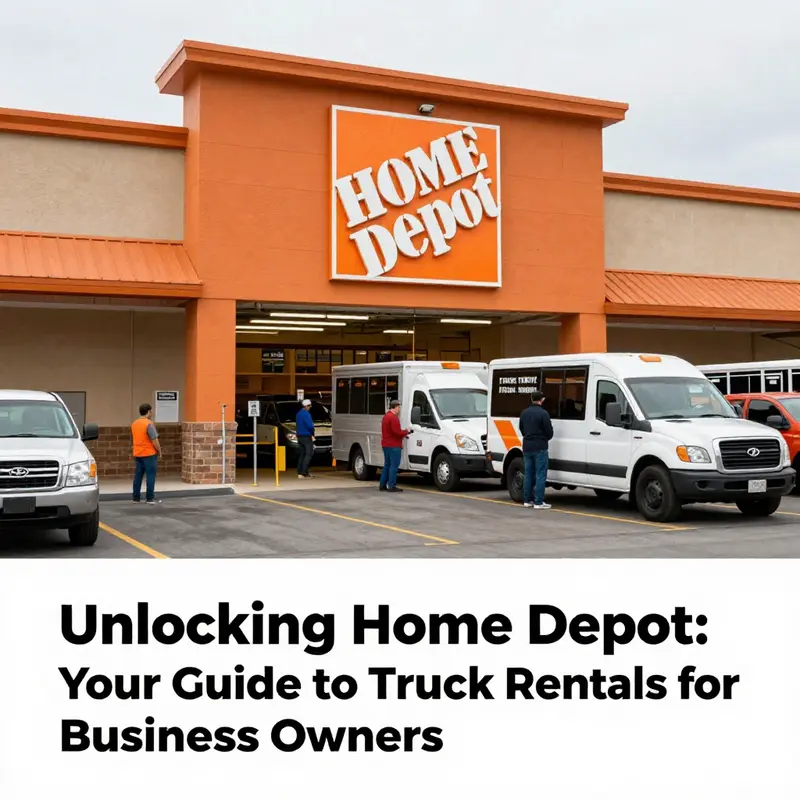
Choosing how to transport large items or complete a home improvement project often hinges on one practical question: can I rent a truck nearby at a reasonable price? For many DIY homeowners and frugal movers, Home Depot’s truck rental service has earned a steady place in the decision-making process. The service is designed to be convenient, widely available, and affordable enough to challenge the cost of hiring a full-service moving crew for small to mid-sized tasks. The concept is simple in practice: you arrive at a participating store, verify a few basic requirements, select the vehicle size that fits your load, and begin your task with a vehicle you can rely on for the day or the weekend. The result is a smoother project timeline, less dependence on borrowed vehicles, and a financial outlay that often makes sense when you’re juggling multiple home improvement tasks at once.
One of the most obvious advantages is ubiquity. Truck rental counters are typically located near the store entrance, making the service easy to locate even for first-time customers. This proximity matters because it minimizes the time you spend detouring from your shopping list to the rental desk. The setup at most locations is consistent: bring a valid driver’s license, a credit card to cover the security deposit, and proof of auto insurance that meets the rental provider’s requirements. In practice, this means you can move quickly from selecting materials to loading them, which is a subtle but meaningful gain in any project with a tight schedule.
Understanding what you can rent is central to planning, and Home Depot’s fleet is sized to cover a wide range of needs. The simplest option is the pickup truck, ideal for small loads or for transporting loose items and tools from the store to your home. For medium-sized moves, a cargo van provides more enclosed space and security for your gear. When you’re transporting a full household or bulk materials, a box truck becomes the practical choice, letting you keep your load organized and protected during transit. For those tackling heavy or oversized loads that require secure loading, a flatbed truck is available as well. Each vehicle type comes with standard safety features and a maintenance standard that aims to reduce the risk of breakdowns on the road. The emphasis is on reliability for customers who need a straightforward, driver-friendly option rather than a specialized moving footprint.
Pricing at Home Depot truck rental desks tends to reflect the practical needs of occasional movers rather than long-term fleet contracts. Time-based rates are the norm, with an initial block priced to cover the first stretch of use and incremental charges for the time you continue past that window. In many locations, you’ll see an entry rate around nineteen dollars for roughly seventy-five minutes, which can be enough for a quick load, a short-haul trip, or a specific shopping run. Beyond that initial window, the per-minute or per-hour charges accumulate in a predictable way, allowing you to scale your rental to the scope of your project. For longer projects, daily rates are commonly available, and these can range around one hundred forty dollars per day, with some variability by location and season. The upside here is that a full day can make a big difference in overall cost, potentially including unlimited mileage, which is a relief if your move requires driving back and forth across town.
It’s also important to understand the nuance of additional charges. The rule that governs fuel is straightforward and widely enforced: you’re expected to return the vehicle with a full tank. If you don’t, you’ll usually see a refueling fee that can accumulate quickly, commonly around six to seven dollars per gallon, depending on the location and the current fuel rate. This policy is designed to keep the rental experience fair and simple for both the renter and the fleet operator. The practical takeaway is clear: plan your route so you can refuel before the return window closes, or allocate a bit more time and fuel to avoid surprise charges.
Beyond the basics, there are a few rental terms that buyers frequently encounter. Age restrictions are typically stated at the counter and online, with the minimum driver age often set at twenty-one. Some locations extend this minimum to twenty-five for certain vehicle classes or to emphasize safety with heavier equipment. Renters may also be subject to a background check and must present a valid driver’s license that has not been suspended or revoked. These conditions are in place to maintain safety standards and to protect both the customer and the fleet. For some customers, these criteria might feel like a hurdle, but in practice they help ensure that the person behind the wheel is qualified to handle a larger vehicle in traffic, navigate city streets, and secure a load properly.
While Home Depot’s core offering is straightforward, there are practical extensions that can broaden a renter’s options. Some stores partner with established truck rental networks to provide additional vehicle choices for special circumstances, enabling customers to source equipment that might be better suited to a longer or more complex move. If you’re planning a project that combines heavy hauling with a more extensive shopping list, knowing these supplemental options can help you design a smoother process from the outset. To get a sense of the kinds of trucks that can be included in a broader plan, many readers find it helpful to explore dedicated guides on common truck sizes used for DIY moves. For a quick primer on the 16-foot class—one of the more versatile sizes for many households—there is a detailed guide you can consult, which also serves as a useful reference when you’re deciding between a van, a box truck, or a flatbed for a given load. This is especially valuable if you’re juggling multiple trips or if the route to your destination includes limited parking or tight entryways. You can access such guidance here: 16-foot truck guide.
What makes the decision even more nuanced is the seasonal and regional variability in pricing and availability. Because rentals depend on demand, fleet status, and store-level policies, the exact numbers you see online can differ from what you encounter in your neighborhood. Some weeks may bring promotional rates or bundled offers that include basic moving supplies, while other times you’ll pay around-the-clock rates with a capped mileage plan. The broader lesson is to treat the rental as a flexible tool rather than a fixed expenditure. If your project timeline is elastic, you can watch prices and lock in a favorable rate when a window opens. If it’s urgent, you can still move ahead, but you’ll want to plan carefully to maximize the hour blocks you actually need and avoid paying for idle time.
Budget-minded shoppers often compare the cost of renting versus hiring a professional moving company, especially for small apartments, studio moves, or weekend projects. When you tally the math, the DIY approach with a rental truck can be surprisingly economical—provided you account for fuel, any extra equipment you might need, and the potential for extra charges if the truck isn’t returned in the agreed condition or with a full tank. It’s worth noting that the rental service is primarily a self-serve option. While staff can assist with basics such as load securing and vehicle handover, the responsibility for planning the move and ensuring the safety of belongings rests with you. In this regard, it helps to approach the process with a clear plan: measure the space you’re moving from, estimate the volume of items, determine whether you need the cargo space to be enclosed or exposed to the weather, and sketch a route that minimizes backtracking and parking challenges.
In addition to the transport itself, Home Depot’s ecosystem includes offerings that can streamline the overall move. If you’re buying packing materials, you’ll find that certain locations carry a range of moving boxes, tape, and protective materials that can help you protect fragile items during transit. Some customers also find it practical to pair the rental with other in-store services, such as bulk purchasing incentives on supplies, or guidance from associates who understand how moving loads typically distribute inside different truck sizes. This holistic approach—treating the rental as a piece of a broader moving plan—helps ensure you don’t overlook essential considerations such as securing loose items, protecting door frames during loading, or safely anchoring a heavy piece inside the cargo area.
If you’re ready to take the next step, the straightforward path is to check local availability and reserve a vehicle that suits your load. The process can usually be completed online, in-store, or by phone, depending on the location. While planning, it’s helpful to keep a few flexible options in mind: a smaller pickup may handle a quick haul, a cargo van can accommodate tools and materials for a mid-size renovation, and a box truck often provides the most leverage for full moves or bulk material transport. Depending on your project, you might also factor in an extra set of hands or a simple dolly to expedite loading and unloading. Remember that the true advantage of renting a truck for the DIY move is not merely the vehicle itself, but the control and predictability it brings to the day. You’re able to align the pace with your schedule, guard your belongings against weather or street hazards, and keep the overall project timeline on track.
For readers seeking one more concrete step, consider this approach: identify the load, confirm the vehicle type that best fits the load, and then verify the store’s current policy on fuel, age, and insurance. If you’re curious about the specifics of a particular truck size, the linked guide to 16-foot trucks can offer a helpful reference point and a sense of the interior dimensions you’ll rely on when planning load distribution. And if you want to compare with another reputable option or explore related rental considerations, the internal resource linked here can provide relevant context that complements this overview: 16-foot truck guide. For the most up-to-date information on availability, pricing, and booking, visit the official Home Depot truck rentals page. External resource: Official Home Depot truck rentals page: https://www.homedepot.com/c/truck-rentals
Retail Truck Rentals Demystified: A Practical Guide to Requirements and Procedures
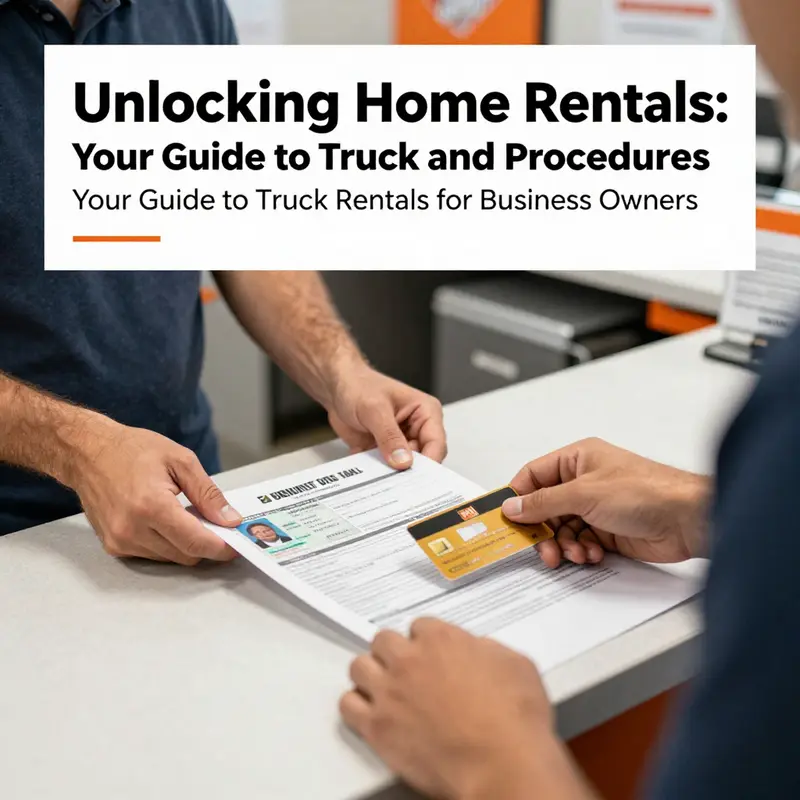
When planning a move or a hands-on project that requires transporting sizable loads, renting a truck from a large retailer can be a smart, cost-conscious choice. The appeal is simple: you can pick up a vehicle on a single day, avoid professional moving rates, and gain the flexibility to move on your schedule. The rental process is designed to be straightforward, with counter personnel trained to guide you through the basics while keeping the paperwork lean. You’ll often find the truck rental counter near the entrance, sometimes on the left or right side as you walk in, a deliberate placement designed to make the vehicle and the service instantly visible to customers as they enter. This arrangement isn’t just about convenience; it signals a service that aims to smooth the rough edges of moving or hauling, turning a potentially stressful job into something that can be handled with a few careful steps. Before you walk up to the counter, it’s helpful to know what you’ll need and what to expect, so you can move through the process with clarity and confidence, avoiding delays that can complicate your plans.
The first thing to understand is the guardrails that make the rental workable for most people. You must meet several core requirements to be eligible to rent a truck. The age requirement commonly sits at a minimum of 21 years, though some locations will set the bar higher, at 25. This isn’t arbitrary; it reflects insurance and risk considerations that vary by location. In practice, if you are closer to 21 than 25, you may still qualify at many stores, but you should be prepared for a stricter screening or a higher security deposit in certain markets. Along with age, you’ll need a valid government-issued photo ID, something that confirms your identity and ties your name to your driving privileges. The form of ID is typically a driver’s license, but any state-issued ID with a photo may suffice if it meets the retailer’s policies.
A major part of the eligibility picture is payment method. You’ll be asked to present a major credit card in your name to secure the rental. This card will also support the security deposit hold, which is a common practice to protect the lender against incidents or damage. The amount held can vary by location and by vehicle type, but it generally falls in a defensible range—often between about $100 and $300. The hold is not an outright charge; it’s a temporary authorization that unlocks once the truck is returned in good condition and with the agreed-upon fuel level. Along with the credit card, you’ll typically need to show proof of auto insurance that meets the retailer’s requirements. This helps ensure there’s an existing coverage plan in place, should an accident occur during the rental period. The specifics of insurance coverage can differ, so it’s wise to check in advance whether your current policy meets the criteria or if additional coverage is recommended.
Another crucial element is the driving record. A clean record with no recent violations or suspensions is usually required. The policy is designed to minimize risk and ensure that drivers entrusted with these vehicles are responsible operators. In many cases, the retailer will not rent to individuals under 21 unless they are renting as part of a company fleet program. If you’re a student or early in your career and your driving history has had a rough moment, you’ll want to be aware of these constraints before you arrive at the counter.
With eligibility confirmed, the rental process itself unfolds in a few predictable steps. The first choice you’ll make is selecting a truck size. Retailers typically offer a range of pickup options, from smaller 1/2-ton-style configurations to more capable 3/4-ton models. The exact lineup and quantities will depend on the location’s fleet, current demand, and availability. It’s prudent to check availability online ahead of time or to call the store to reserve a vehicle if you’re coordinating a specific move date or a particular time window. Once you’ve identified a suitable vehicle, you’ll head to the store during its posted business hours to complete the transaction. Hours can vary by location, with some stores welcoming customers early in the morning and others closing earlier in the evening. Being mindful of these hours helps prevent last-minute changes that could derail a day of planning.
At the counter, you’ll present your ID and the credit card you plan to use for the hold. You’ll also fill out a rental agreement that defines the rental period, mileage limits (if any), and the applicable fees. You’ll pay the upfront charges as part of this step, which may include a base rental rate, any required insurance, additional driver fees if applicable, and the security deposit hold. A staff member then conducts a walk-around inspection. This is a critical moment: the vehicle’s mileage, fuel level, and exterior condition are documented to establish a baseline. The goal is to prevent any later disputes about preexisting damage or wear. If you notice something amiss during the inspection, report it immediately so it can be noted on the record. Conversely, if you notice a problem after you’ve driven away, contact the store as soon as possible to document the issue. Clear communication here can save you from unwelcome charges later on.
Fuel policy is another area where attention pays off. The truck is typically expected to be returned with a full tank. If you don’t meet this requirement, you’ll incur a per-gallon refueling charge that can be substantial. The precise rate varies by location, but it’s common to see charges in the several-dollar-per-gallon range. To avoid surprise fees, plan to refuel before you return the vehicle, and verify the current policy when you pick up the truck so you know exactly what to expect. In addition to fuel and the rental charges, you’ll want to keep the interior tidy and free of debris. Excessive cleaning burdens can result in additional charges, so it’s worth taking a few minutes to sweep out the cab and remove loose items before you hand the keys back.
As with any rental, the return is a pivotal moment. Timeliness matters; returning the truck later than the agreed-upon time can trigger substantial late fees, which are often calculated on an hourly basis after an initial grace period. If the fuel isn’t topped off, or if the vehicle isn’t returned in a comparable condition to the walk-around report, you can expect post-rental charges. The policy on damage is straightforward: report any issues you notice at the outset, and communicate any concerns during the rental period. This approach helps both you and the store accurately assess responsibility and minimize the chance of disputes when the vehicle is checked back in. In the end, the experience is designed to be straightforward and predictable if you approach it with a little preparation and attention to the terms.
There are practical tips that can help you navigate the process and potentially save a little money. It’s worth checking whether your local store offers online check-ins or pre-approval for a truck size, which can reduce on-site time. Knowing the exact truck size you’ll need helps avoid overpaying for capacity you won’t use. If you’re seeking ways to reduce costs, inquire about any promotions, loyalty programs, or discount codes the retailer may offer. For context on related savings and how movement-focused discounts work across major rental networks, you can explore broader insights at Penske truck rental discounts. This link can help you understand what kinds of promo codes or bundled deals are commonly available in the industry, even if the terms vary by outlet.
Finally, always confirm the most current terms before you show up with your keys. Policies on age, insurance, deposits, available vehicle sizes, and fuel procedures can shift due to location, season, or corporate updates. The official rental page for the retailer provides the most up-to-date information and is the best resource for ensuring you have the latest requirements in hand. For anyone who wants to compare options, plan ahead, and minimize surprises on moving day, this approach keeps the experience smooth and focused on getting the job done. For the latest terms and location-specific details, consult the retailer’s official truck rental page at https://www.homedepot.com/c/truck-rentals.
In sum, retail truck rentals offer a practical and budget-conscious path for DIY movers and homeowners tackling projects that require moving large items. Understanding the core requirements—from age and identification to the credit-card hold and insurance considerations—plus the step-by-step process at the counter, can transform a potentially daunting task into a series of quick, manageable steps. The key is to approach the rental with clarity about what you’ll need, a plan for the pickup and return, and awareness of the fuel and cleanliness expectations. With those elements in place, a retailer’s truck rental can be a reliable ally for a successful move or a well-executed project, delivering value when every inch of room matters and every dollar counts.
Truck Rental Pricing Unpacked: What the Big-Box Home Improvement Retailer Charges and When It Adds Up
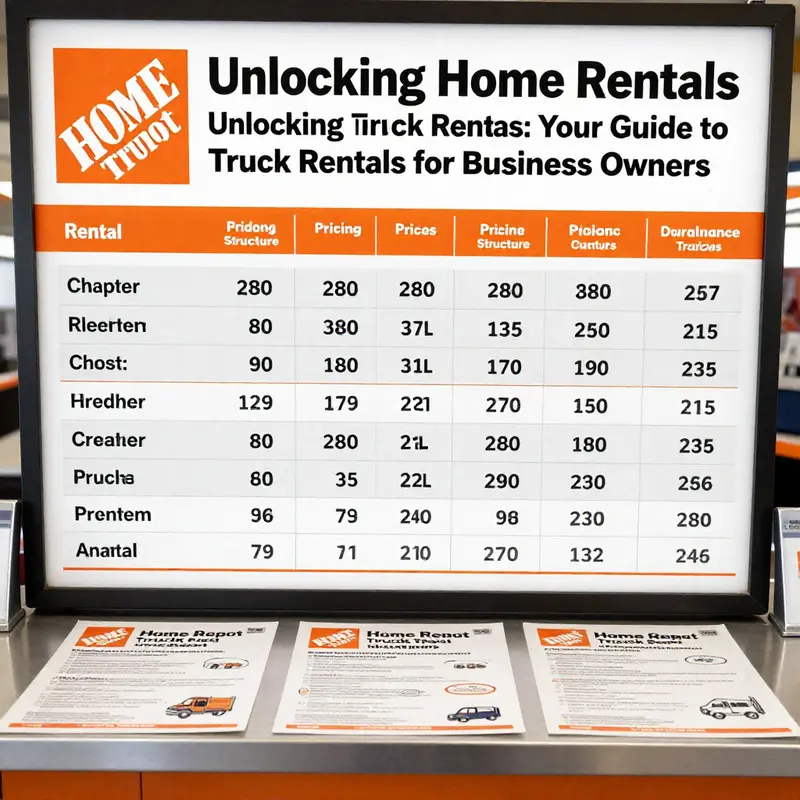
Understanding truck rental pricing at a major home improvement retailer matters when you plan a move or a large project. Rates look simple at first glance. An advertised low hourly or short-term price can feel very affordable. But the total cost can climb fast once you add time, fuel, deposits, and optional fees. This chapter walks through the pricing elements you will encounter, explains where costs compound, and offers practical ways to estimate what you’ll actually pay.
Start with the base rate. For pickup-sized trucks, the initial block often covers about 75 minutes. That short window is priced to attract quick hauls. Typical entry rates fall in the low twenties. After that initial period, time is metered in small increments. A common structure charges roughly eight dollars per 15 minutes beyond the initial block. That adds up: two additional hours past the initial period can more than double the rental’s base cost. This model rewards short trips but penalizes extended use.
For longer needs, flat daily and weekly rates exist. A single-day rate often sits around the low hundreds. If you need a truck for several days, weekly pricing starts higher but can make sense compared to stacking daily charges. Still, weekly rates are not always dramatically cheaper per day. If you plan to use a truck for a couple of consecutive days, compare hourly accumulation against the daily flat rate before committing.
A required advance deposit is part of the process. The store typically places a hold on a credit card as security. The amount is set to cover potential damages and outstanding charges. It will be released or applied to the final bill depending on the return condition. Know that this hold temporarily reduces your available credit. Budget for the deposit as an up-front cash-flow item, not a fee you can ignore.
Fuel policy is another major variable. The standard rule asks that you return the vehicle with a full tank. Failing to do so triggers a refueling charge significantly higher than local pump prices. The per-gallon refuel fee can be steep, and it is calculated from the store’s refuel rate times the number of missing gallons. Always top off the tank before return. That small task avoids a costly penalty.
Other possible charges include mileage overages, late return fees, and damage or cleaning fees. While some truck rentals include a generous mileage allowance, not all do. If your route involves long distances or detours, mileage costs can be a surprise. Late returns are billed in short time increments, so even a minor delay can generate a noticeable additional charge. If the interior is excessively dirty or there’s damage, expect a repair or cleaning charge to appear on the final invoice.
Vehicle type matters. A standard pickup has different pricing than a cargo van or a box truck. Larger vehicles carry higher daily and hourly rates. They may also require a different deposit and have distinct fuel and mileage expectations. Confirm the vehicle category before you budget. If your project needs a larger box-style truck, the hourly build-up will likely be faster and the daily price higher.
Reservations and availability affect cost and convenience. Not all vehicle types are available for online reservation. Some models must be rented on a first-come, first-served basis in-store, or held by calling ahead. If you can’t reserve online, you risk traveling to the store only to find the desired vehicle unavailable. That wasted trip can add time and money to your project. When reserving by phone, confirm pickup windows, hold policies, and any local variations in pricing.
To estimate the total, think in scenarios. For a short furniture pickup within town, the initial block might be plenty. You will pay the base rate, fuel to and from the store, and any tolls. For a local apartment move that takes several hours, the per-15-minute charges accumulate quickly and may approach the daily rate. In that case, switching to a full-day rental often becomes cheaper. For multi-day moves or long-distance hauls, compare the weekly rate and mileage provisions against other rental alternatives.
A practical way to budget is to calculate three numbers: the short-run cost, the full-day cost, and the worst-case cost. Short-run cost equals the advertised initial rate plus expected fuel. Full-day cost uses the daily flat rate plus fuel. Worst-case cost adds deposit hold (as a temporary balance reduction), estimated accumulated hourly charges for longer use, possible refuel penalties if you forget to fill the tank, and a small allowance for tolls or parking. This gives a realistic range to anticipate.
There are small but effective strategies to lower the final bill. Fill the tank before returning the vehicle. Keep receipts. Plan efficient routes and load systematically to avoid extra trips. If your project takes longer than planned, swapping to a daily flat rate early can save money. Inspect the truck at pickup and photograph any pre-existing damage. That protects you from being charged for prior issues.
Compare options. If your move is long distance or will take several days, consider one-way specialists or competitors that offer different mileage policies. Some providers advertise unlimited miles or more flexible one-way options. You can learn more about unlimited mileage offerings and how they compare with hourly or daily pricing on an internal guide about unlimited rental truck mileage. That comparison helps decide whether the hourly-plus-deposit model suits your needs.
Remember that advertised rates can vary by location and vehicle. Local markets affect pricing. Urban stores may have higher rates and higher demand. Rural stores may have limited vehicle choices. Seasonal demand also impacts availability and sometimes prices. Always check the location’s current rates and ask about any municipal or regional surcharges.
Finally, factor in intangible costs. Time is one of them. Loading and unloading take effort and often extend trip time. If your schedule is tight, hiring labor or choosing a different rental model that includes unlimited miles or a full-day guarantee may save stress even if the dollar cost is similar. Evaluate your physical capacity, time constraints, and the value of convenience.
The pricing model at a major home improvement retailer favors short, local hauls. It rewards quick pickups and returns but becomes less economical for extended work. By breaking down the components — base time, incremental charges, daily and weekly rates, deposit holds, and fuel policy — you can forecast the real cost. Prepare a short-run and worst-case estimate, check local rates, and compare alternatives where appropriate. Those steps make the difference between a pleasant, affordable rental and an unexpectedly costly one.
External resource: For the official source of location-specific pricing and policies, see the truck rental information provided on the retailer’s site: https://www.homedepot.com/c/ab/truck-rental/1003438
Fuel Rules, Fees, and Smart Habits for Renting Store Trucks
Understanding the fuel policy is essential when renting a truck from a big-box store. The rule is simple: return the vehicle with a full tank. In practice, that rule changes the way you plan trips, estimate costs, and document the rental. A missed fill-up can turn a cheap one-day move into a costly expense because the store will refill the tank for you at a premium price. Knowing how the policy is applied, how charges are calculated, and what steps protect you helps you avoid surprise fees.
The requirement to return the truck full covers every rental, whether you used a few miles or drove all day. If the fuel level is not full, an extra charge appears on your final bill. That charge usually reflects a per-gallon rate higher than local retail prices. A commonly reported figure is about $6.90 per gallon as a refill rate, though this can vary by location and over time. The key point is that the refill cost is punitive compared with just topping up before you return the vehicle.
Because the refill charge is typically above market, small lapses add up quickly. If a truck’s tank is large—often 35 to 40 gallons in many box trucks—partial refills can still cost double or triple what you would pay at the pump. For example, running the tank down by 10 gallons could mean an extra $60 to $70 on your bill, versus $30 to $40 at a public gas station. That difference is avoidable with a short stop before returning the vehicle.
Start with a quick inspection when you pick up the truck. Note the gauge position, and photograph the fuel level, the odometer, and the rental paperwork. These images serve as evidence if a dispute arises. Keep your fuel receipt after topping off at the pump. A printed receipt shows date, time, station, gallons purchased, and payment. Presenting that receipt at return is your best defense against any incorrect refill charges.
Estimate how much fuel you will use by combining simple measurements. First, check the truck’s approximate miles per gallon. Rental fleet trucks often get much lower mpg than passenger cars. Expect figures in the single digits or low teens, depending on load and driving conditions. Multiply the expected trip distance by the inverse of the mpg to estimate gallons used. Allow a margin for heavy loads and stop-and-go driving. Then compare that estimated usage against the starting fuel level to decide when to refill.
Practical timing matters. Fill the tank close to the rental location for two reasons: it reduces the chance of buying gas at an expensive freeway station, and the receipt will match the return location and time. If the rental counter is in a commercial area, search nearby stations that accept credit cards and offer clear, itemized receipts. Paying with the same credit card used for the rental simplifies accounting.
If you cannot fill the tank before return, document everything. Photograph the fuel gauge at return and ask the rental agent to note the level on the contract. Request an itemized receipt if the company refuels the truck for you. That paperwork should list gallons charged, the per-gallon rate applied, and any administrative fees. Administrative fees sometimes accompany company-refill charges; these are not always highlighted up front, so request full details before you pay.
Disputes are rare but possible. If the refill charge seems excessive, ask to see how it was calculated. Compare the company’s per-gallon rate to local pump prices and the truck’s tank capacity. If you supplied a receipt that shows you purchased fuel before return, present it immediately. Keep in mind that the rental counter will follow its published policy, so resolving the issue often requires escalation through customer service. Document all conversations, names, timestamps, and reference numbers.
Saving money on fuel is mostly about planning. Consolidate loads to reduce trips. Carry moving blankets, straps, and a ramp to speed loading and unload times. A faster turnaround reduces idle time and inefficient driving, which helps conserve fuel. Plan routes to avoid heavy traffic and steep gradients. If you must make multiple stops, sequence them to keep mileage low.
There are a few other points that matter for budgeting. Many rental counters charge by time and day, and fuel is a separate outlay. If you use the truck for many short trips, time-based charges may dominate your bill. But fuel still bites. Running a truck under load through city traffic uses more fuel than an interstate drive with lighter weight. Account for this when you compare rental options: sometimes a slightly higher base rate that includes longer free time is worth the reduced fuel and time pressure.
When comparing providers, check their fuel policies side by side. Some offer pre-paid fuel options. Others let you return the truck empty, billing you for used fuel at a commercial rate. Many renters still find that the simplest and cheapest approach is to buy fuel themselves and return the truck full. A short detour to a conveniently priced station often pays for itself in savings.
If you think in terms of worst-case cost, you avoid being surprised. Estimate the maximum number of gallons you could use, multiply by the company refill rate, and add a cushion for administrative fees. That figure becomes your risk ceiling. If that ceiling looks high, plan to buy fuel early or choose a different vehicle size. Trucks with smaller tanks and better mpg reduce this exposure.
The rental counter staff can help clarify the company’s current refill rate and explain any administrative fees. Ask about how they document the starting fuel level and how they record return levels. Request that they log the fuel gauge reading on the rental agreement. Those simple steps reduce ambiguity and speed resolution if there is a disagreement.
For added precision when estimating fuel needs, use online tools that match moving trucks with typical gas mileage. They help calculate expected gallons and costs for specific trip distances. One useful internal resource on fuel estimation discusses typical truck mpg and calculation tips. You can review a fuel mileage guide here: Penske truck gas mileage.
Finally, for official and up-to-date details about rates, fuel policy, and any additional fees, consult the provider’s truck rental page. Policies change over time, and regional variations exist. The official truck rental page lists current fuel policies and related charges.
https://www.homedepot.com/l/truck-rental
From Aisles to Avenues: The Accessibility and Reach of Home Depot Truck Rentals Across the Country
When people ask whether a familiar home-improvement retailer offers truck rentals, they are really asking about a practical option for moving, hauling, and tackling larger DIY projects without the hassle of hiring a full-service mover. The answer, in broad terms, is yes: Home Depot provides truck rental services at many of its locations across the United States. This chapter traces how that accessibility works, what a customer should expect when planning a rental, and why the model appeals to homeowners and hobbyists who wrestle with heavy items, awkward furniture, or long-distance moves. The appeal lies not only in the availability of vehicles but in the way the service is woven into the fabric of the store itself. Rental counters are typically placed near store entrances, often on the side closest to the main flow of foot traffic. This strategic placement isn’t accidental: it makes it convenient for customers grabbing supplies for a weekend project to pivot to a truck rental without a long detour. For first-time renters, the process starts with the basics—bring a valid driver’s license, a credit card to secure the deposit, and proof of auto insurance that meets the store’s requirements. These elements aren’t just bureaucratic formalities; they are the scaffolding that makes the rental experience predictable and straightforward. The system is designed so that a customer can walk in, confirm a pickup time, and be on the road in a matter of minutes on busy days and, under normal conditions, within a structured verbal briefing that covers the basics of vehicle operation, fuel policy, and return expectations. The digital layer complements the in-store experience. Customers can check real-time availability and reserve a vehicle through the retailer’s website or mobile app, selecting the store that’s most convenient and the truck size that best suits the task at hand. The real-time aspect matters because truck inventory, like other seasonal or demand-driven assets, can fluctuate. A location that seems to carry a full range of vehicles on a weekday may find some models temporarily out of stock on a peak Saturday, precisely when a long-distance move is on the calendar. For this reason, the Store Locator tool becomes not just a convenience but a practical planning aid. It can show operating hours, confirm whether truck rental services are available at a specific location, and provide a phone line that’s worth a quick call before a drive across town. The ability to see, in one place, what’s on hand, what’s available for pickup today, and what requires a future slot reduces the uncertainty that often accompanies DIY moving plans. In turn, this transparency helps a renter decide whether a smaller truck will suffice or if a larger model is necessary for fewer trips and lighter back-and-forth driving. The lineup typically spans from compact 10-foot options to larger 26-foot models, providing a broad spectrum of capabilities for different projects. A useful detail for readers exploring the practicalities of truck size is available through a dedicated resource that breaks down common dimensions and payload considerations in a straightforward way. For readers who want to explore a specific truck size, a detailed overview of the 16-foot configuration is available in a dedicated guide that covers loading capacity, turning radius, and typical use cases. You can reference this resource here: 16-foot-truck. This kind of guide helps renters translate the abstract numbers into real-world decisions about how much space is needed for a sofa, a mattress set, or a handful of building materials. Pricing for these rentals tends to be competitive relative to traditional moving services, and the breakdown usually holds a few constants: an initial block of time at a modest base rate, then incremental charges that accrue as the clock runs. A typical day can be a very economical choice when compared with the total cost of hiring labor to move and transport items. For instance, many stores advertise an introductory rate for the first hour or block of time, followed by a per-minute or per-interval charge. The precise structure can vary by location, but the financial logic is straightforward: you pay for the time you use, with the option to extend if your plan takes longer than expected. Returning the truck in a timely fashion remains essential, and the fuel policy is a practical part of that responsibility. The guidance is simple and explicit: return the vehicle with a full tank. If you don’t, you will face a refueling charge that applies per gallon, a fee that adds up quickly if you forget or delay. The best practice is to plan your route and fill the tank before you head back to the store, turning a potential surprise into a predictable closing cost. In this sense, the rental experience mirrors other parts of DIY work—planning matters, timing matters, and a little foresight pays off in both time and money. Cleaning up the process is also part of the store’s design. Rental terms require basic documentation, a responsibility to maintain the vehicle’s interior, and a commitment to safety. The onus is not merely to transport items from A to B but to do so while honoring the vehicle’s condition and the road rules that apply to the fleet. The policy framework is crafted to be clear and accessible, which reduces friction for first-time renters and repeats alike. In this sense, Home Depot’s truck rental option becomes more than a tool for moving—it becomes a flexible, store-integrated service that supports the mounting list of weekend projects that keep homes fresh and functional. The practical advantage is not just the price point or the convenience but the cohesive experience: you can begin your project with a single trip to the store, secure the vehicle quickly, and complete the logistical side of your task with fewer stops and fewer people complicating the process. For readers who want to go deeper into logistics, the broader landscape of truck rental practices—how different trucks handle fuel economy, load management, and route planning—offers a useful backdrop for optimizing any moving plan. The internal resources linked to truck configurations and driving considerations provide a more concrete sense of how different vehicles serve different jobs, and they can help readers choose the right size before stepping onto the lot. In the end, the accessibility and location network behind Home Depot’s truck rental program reflect a careful balance between storefront practicality and customer-centric service. The goal is not merely to offer a vehicle; it is to empower customers to move, transport, and install with confidence. The experience supports a broader theme of smart, budget-conscious DIY work: it’s about making the right tools available where and when you need them, with the least friction possible, and with enough information to make informed choices. For readers who want to compare across options, the practical steps—checking inventory online, calling ahead to confirm availability, selecting the correct truck size, and returning with a full tank—are the core routine that makes the experience predictable and worth returning to for future projects. External resources provide a broader context for these practices, and readers are encouraged to review the official truck rental page for up-to-date policies, requirements, and location-specific notes. External resource: https://www.homedepot.com/c/truck_rentals
Final thoughts
In summary, Home Depot truck rentals stand out as a viable option for business owners needing reliable transportation solutions. By understanding the requirements, pricing, fuel policies, and locations, companies can leverage this service to enhance their logistics and transportation efficiency. Embrace this resource to streamline your business operations and take advantage of cost-effective moving solutions, ensuring your projects remain on track without breaking the bank.