
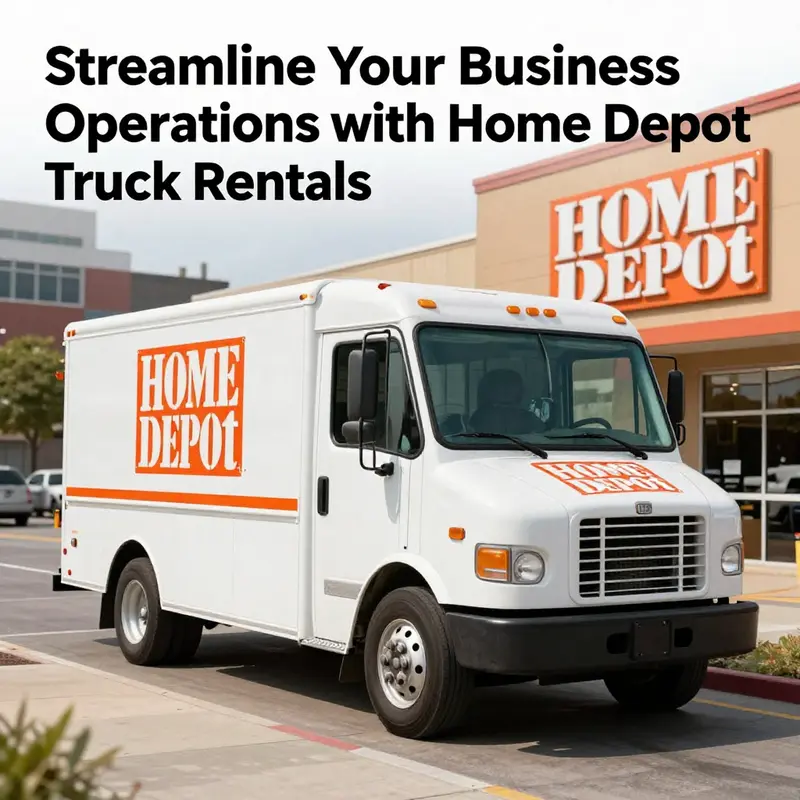
For business owners looking to optimize transport logistics, Home Depot offers a practical and cost-effective truck rental service. This article explores the various options available, competitive pricing structures, and the unique features of the vehicles that can enhance your operational efficiency. We’ll also discuss the essential requirements and policies to keep in mind when renting trucks from Home Depot, ensuring you have all the information needed to make an informed decision.
Choosing the Right Rental Truck at Home Depot: Sizes, Costs, and What to Expect
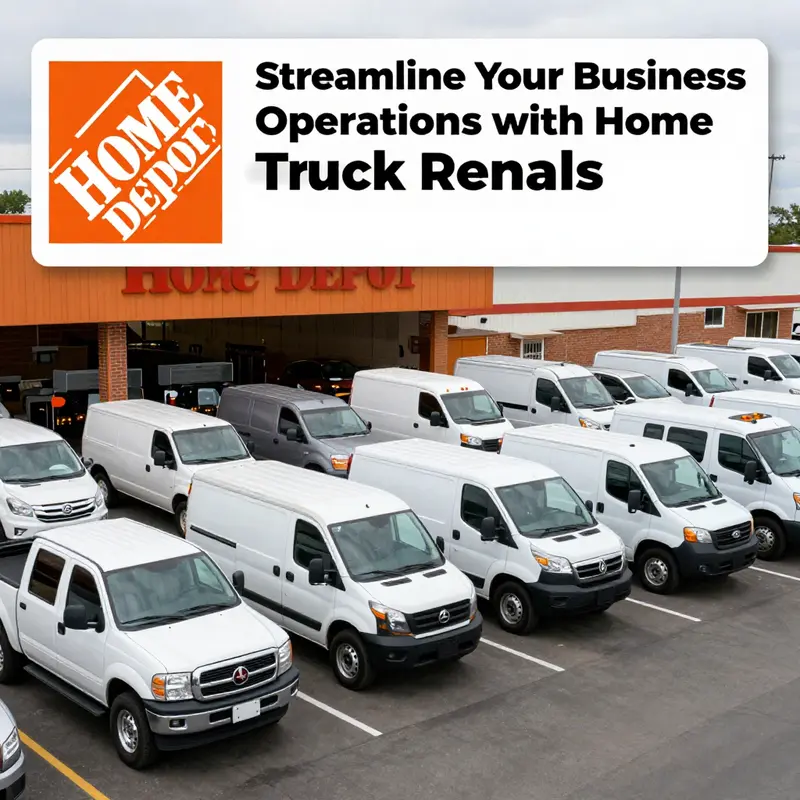
Picking the right truck for a job means matching space, budget, and convenience. Many shoppers who need moving or hauling help find truck rental services at a large home improvement retailer. The options cover small pickups, midsize cargo vans, and large box trucks. Understanding what each choice offers, how pricing works, and the rules around reservations and returns will help you avoid surprises and get the job done more efficiently.
Start by thinking about size. The rental fleet typically includes three main categories: compact 10-foot trucks, mid-range 14-foot trucks, and full-size 26-foot trucks. Each size fits different needs. A 10-foot truck suits small studio moves, curbside furniture pickups, or deliveries of landscaping supplies. The 14-foot model handles one-bedroom or small two-bedroom moves, and it also fits bulky items like appliances. The 26-foot option is for larger homes, multiple-bedroom moves, or full renovation jobs where you need to haul many long, heavy materials in one trip. Choosing the correct size avoids extra time and fuel from taking multiple trips, and it reduces the risk of overloading.
Pricing varies by location and the specific truck chosen. Many locations list daily and hourly rates, plus a mileage charge. Base rates can start low for short-term use, while full-day options often offer better value for longer jobs. Some locations offer flat daily pricing with unlimited mileage for certain vehicles, which can be economical for long-distance moves. When booking, check your local store’s rate sheet to understand whether the plan you pick includes mileage or charges per mile. This step prevents surprise fees on return.
Reservations are straightforward and can usually be completed online through the retailer’s rental portal. The portal shows real-time availability so you can see which vehicle sizes are at your chosen location. It also lets you compare hourly, daily, and weekly rates. If online booking is not convenient, you can call or visit the store. Reserving ahead is highly recommended, especially on weekends and during moving season. Advance booking secures the right truck size and gives you time to confirm insurance and license requirements.
Insurance and driver qualifications are important to confirm before you hit the road. Renters must present a valid driver’s license. Proof of personal auto insurance that covers rental trucks is typically required. If you lack coverage, ask at the rental counter about optional insurance products that cover physical damage and liability. These options vary by location, so read the terms carefully. Declining coverage without adequate personal insurance can expose you to significant financial risk if there is an accident.
Fuel policy is simple but strict. Trucks must be returned with a full tank of gas. If you fail to refuel, expect a refill fee plus a charge for the fuel. Save time and fees by refueling near the drop-off location before returning the vehicle. Also check the engine type and recommended fuel when you pick up the truck. Some models use regular gas, while others may require premium or diesel. Fuel economy varies by truck size; smaller trucks deliver better miles per gallon than larger box trucks.
Vehicle condition and features matter for safety and convenience. The fleet generally includes modern trucks kept in solid mechanical shape. You may find vehicles equipped with backup cameras, safety alerts, and convenient tech interfaces. These features assist with parking and long drives. Before driving away, walk around the truck and inspect it with the rental agent. Note any pre-existing dents, scratches, or mechanical issues on the rental agreement. Take time to learn how the tailgate or lift gate operates, and confirm how tie-down points inside the cargo area work. Securing cargo properly avoids damage to your items and the vehicle.
Return rules are another detail to watch. Return times are strict for hourly and daily rentals. Late returns often incur additional charges, and some locations bill by the hour once a reservation window closes. Clean the cargo area of debris and secure any straps or loading equipment used so the vehicle meets the condition expected. If you experience mechanical trouble during the rental, contact the store and follow their roadside assistance instructions. Many rental services offer support for breakdowns and accidents, but response times vary by region.
Selecting the right size also requires practical packing considerations. Load heavy items first and keep weight centered and low. Use soft items like mattresses and textiles as padding between furniture. If you have awkwardly shaped furniture, measure doorways and the truck’s cargo dimensions before moving day. The 14-foot truck often hits the balance between maneuverability and space for most small household moves. The 26-foot truck gives the capacity to move an entire household in one trip, but it requires comfort driving a larger vehicle. If you are inexperienced driving a wide, tall vehicle, practice in a quiet area before the move.
Hourly vs daily rentals: hourly rates can be cost-effective for short runs, such as a single trip to a store or a few quick pickups. For longer moves, a daily or flat-rate option is usually cheaper. Many renters underestimate time needed for loading, securing, unloading, and driving. Build buffer time into your reservation. Weather and traffic can slow your plans. If paying hourly, monitor the clock and communicate with any helpers so you can work efficiently and avoid extra charges.
Equipment and accessories add to safety and ease. Dollies, furniture pads, tie-down straps, and moving blankets protect items and make loading easier. These accessories are often available for rent or purchase at the same location as the vehicle. Investing in a few moving essentials typically saves time and prevents damage. If you do not want to manage heavy lifting alone, hiring local moving labor for loading and unloading is an option. Many stores can provide referrals to third-party labor providers.
Comparing total costs means adding all likely fees. Include rental rate, mileage, fuel, optional insurance, and any equipment rentals. Factor in unexpected costs like cleaning fees or late-return penalties. Sometimes a slightly higher daily rate that includes unlimited miles or a fuel plan ends up cheaper than a lower advertised price. Read the rental agreement carefully and ask staff to explain any clauses that seem unclear. Clear expectations avoid disputes at drop-off.
Customer experience varies by location, so your local store matters. Some locations maintain larger fleets and more accessories. Others operate a smaller, more limited set of vehicles. If one store is sold out, nearby locations may have different availability. When shopping online, look for options across multiple nearby branches. If you find a store with better availability, confirm whether you can pick up and drop off at different locations, if that flexibility would help your move.
Safety and legal considerations deserve emphasis. Larger trucks may require special driving techniques, such as wider turning radii and increased stopping distances. Brake earlier and take corners slowly. Plan routes that avoid low overpasses, tight turns, and narrow streets. Map your route in advance and check for road restrictions or construction zones. If you are moving city-to-city, verify whether the rental allows one-way drop-offs without significant fees. This option can save driving time and eliminate the need to return the vehicle to the pickup store.
Finally, practical tips for smooth pickup and drop-off: arrive early to complete paperwork without rushing. Bring your driver’s license and proof of insurance. Photograph the truck’s condition at pickup and again at drop-off to document any changes. Keep copies of the rental contract and receipts until billing clears. If you have special cargo, like hazardous materials or live plants, verify whether the truck accepts them. Some rentals restrict certain items for safety or legal reasons.
If you want deeper detail on how unlimited mileage or flat-day rates change the cost calculus for box truck rentals, review a focused guide on that topic. This can help you determine whether a daily unlimited plan is better than per-mile billing for your trip. For an overview and to make a reservation, check the retailer’s official truck rental page: https://www.homedepot.com/c/truck-rental.
By matching truck size to your load, confirming all fees and insurance, and following best practices for driving and loading, rental trucks make moving and hauling straightforward. Thoughtful planning reduces cost and stress, and prepares you for a smoother move from start to finish.
For a related perspective on unlimited mileage and how it influences cost, see this internal resource on unlimited miles box truck rental: unlimited miles box truck rental.
Hauling Clarity: Navigating Pricing, Terms, and Practical Realities of Home Depot Truck Rentals
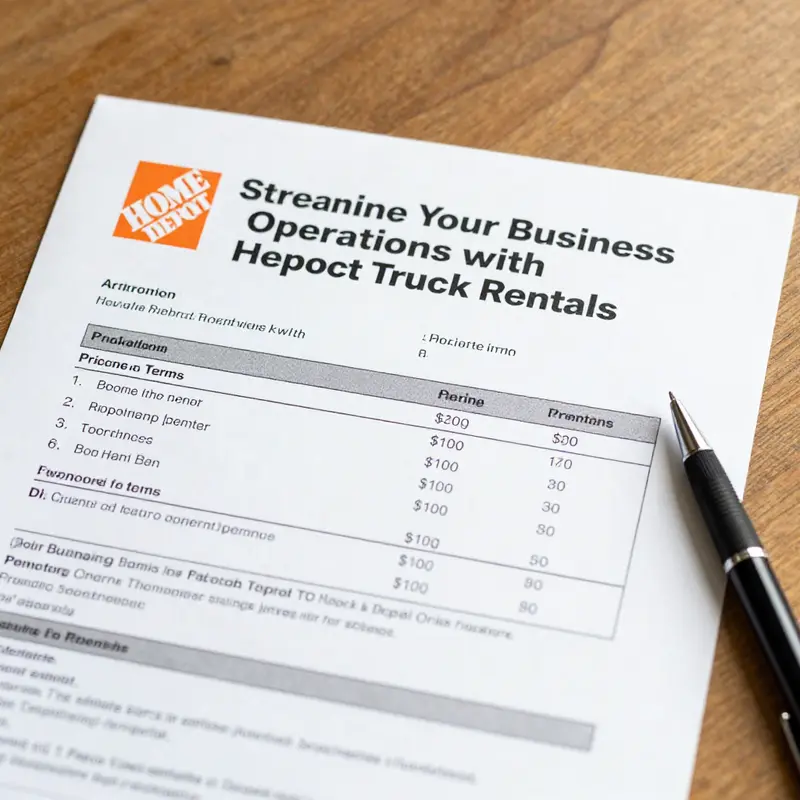
Renting a truck for a move or a bulky haul is less a gamble and more a staged, practical decision. It centers on whether the service aligns with your schedule, your budget, and the scope of what you need to transport. When you look at the option offered by a nationwide home improvement retailer, you begin to see a model built around accessibility and straightforward rules rather than a maze of fine print. The goal is simple: provide a range of truck sizes, make the process easy to start, and let you return the vehicle with as little stress as possible. Yet behind that simplicity lie pricing structures, location-to-location variation, and terms that matter just as much as the vehicle itself. Understanding these elements can turn a potentially hectic moving day into a smoother, more predictable experience, especially when you’re juggling schedules, inventory, and the realities of traffic and time constraints. The core questions often come down to size, cost, and the obligations you assume when you drive off the lot with a rented truck.
In practice, the rental ecosystem is built around choices that reflect common moving scenarios. For most households, the first instinct is to gauge the volume of what needs to be moved. The smallest trucks are designed for apartment moves or shuttle runs to storage, while larger box trucks handle the contents of several rooms and larger furniture items. The pricing mirrors that increment in scale. A typical daily rate spans a modest range for the smaller end, with larger trucks commanding higher daily fees. Across many locations, you’ll see a ballpark of about $29 to $49 per day for the smaller models, with the more capacious trucks carrying a higher daily price tag. The difference isn’t merely about space; it’s also about the drive’s practicality—the payload, the fuel needs, and the maneuverability of a longer wheelbase in tight neighborhoods or crowded shopping-center lots. For longer needs, the weekly rate provides a more cost-efficient option. On the higher end, weekly rates generally fall somewhere in the neighborhood of roughly $179 to $329, depending on the truck model and local pricing. Those figures reflect a familiar pattern in the rental ecosystem: the longer you need the truck, the better value you can extract per day, as long as the mileage and fuel policies remain aligned with your plan.
Alongside base rates, several ancillary charges can shift the final bill. Fuel is a predictable kicker: trucks are typically expected to be returned with a full tank, or you’ll face a higher per-gallon charge to top off the tank. Mileage is another variable. Some locations impose mileage limits, while others offer unlimited mileage for an additional fee. If your schedule includes a back-and-forth run between sites, unlimited mileage can be tempting, but it’s essential to understand how that option is priced and whether it truly fits your route. Insurance is a standard consideration in any vehicle rental. Home Depot’s truck rental program usually presents optional insurance or damage protection plans, but renters may also rely on their personal auto insurance if it provides coverage for rental vehicles. The caveat here is that not all personal policies automatically extend to commercial or rental use, so the best practice is to check with your insurer before you drive away. Even with insurance in place, you should always evaluate the risk and the scope of coverage, paying attention to deductibles, liability limits, and what constitutes a covered loss in the event of damage.
There is also a security deposit to consider. A refundable deposit, typically ranging from about $200 to $500, is common. The exact amount depends on the location, the size of the truck rented, and the store’s policies. The deposit is returned if the vehicle is brought back in good condition and with no major damages reported. It serves as a reminder that the vehicle, like any piece of equipment, deserves respect and careful handling. Age and license requirements are part of the baseline conditions. Renters generally must be at least 21 years old, but some locations restrict larger or heavier trucks to renters who are 25 or older. A valid driver’s license is required, and stores may scrutinize the renter’s driving record as part of the safety and risk assessment. Insurance or credit card coverage often becomes a factor in this assessment as well.
The terms themselves emphasize responsibility and predictability. The return policy specifies that trucks should be returned during business hours to the same store where they were rented. Late returns can trigger extra charges, a reminder that a rented truck is a time-bound tool rather than a free extension of your day. Vehicle restrictions are another practical constraint: the truck should remain within the United States, and certain high-risk routes or areas may be off-limits. These limits aren’t just bureaucratic: they reflect concerns about road conditions, insurance coverage, and the realities that moving in unfamiliar or restricted zones can present. In short, the policy framework is designed to minimize risk for both the renter and the rental company while maximizing the likelihood that a move goes smoothly.
Beyond the numbers and the rules, the choice of truck size is a direct line to the user’s planning efficiency. The industry standard in home-mover circles is the gradual scale of trucks that can accommodate everything from a few dozen cubic feet to several thousand, depending on the model. The 16-foot truck often emerges as a practical workhorse for many mid-range moves. For readers who want a more concrete touchstone, our guide on the 16-foot option delves into how that size translates into real-world packing capability, turning rough estimates into a workable plan. You can explore the specifics of that size in our dedicated guide by following the link 16-foot truck. The size you choose will influence not just the price, but also the time you’ll spend loading, securing items, and navigating the route from point A to point B. It’s a balance of fit, maneuverability, and the confidence that your items will endure the journey in good shape.
The practical decision-making process is anchored in preparation. Before you step onto the lot, take stock of what you intend to move. Measure the largest furniture pieces, evaluate how many boxes you’ll need, and estimate the number of trips you would make with your own vehicle. A rough load calculation can help prevent selecting a truck that’s too large and too expensive, or too small to be efficient. If you’re unsure, many stores can help you size up your load based on common room configurations and item counts. This approach prevents the dreaded scenario of finding you’ve outgrown the truck you rented, while minimizing the number of trips and the associated time costs. It also helps you understand how much cargo space you’ll need, which in practice means considering the truck’s length, width, height, and tailgate access. The result is a more deterministic plan that aligns price with risk and effort.
In the broader context, the decision to rent from a large retailer’s truck program carries advantages that aren’t always present in smaller or independent rental outlets. The trucks are generally well-maintained and subject to routine checks. Depending on the location, you may encounter features that improve safety and comfort, such as backup cameras, lane departure warnings, and even modern conveniences like CarPlay in some newer models. These features aren’t universal, but when available they can make long drives less stressful and loading more efficient. It’s worth asking about the specific model you’ll receive and confirming the operational state of essential equipment at pickup. While these features don’t replace careful packing and load security, they can contribute to a smoother, safer driving experience during a move.
Choosing whether to rent and deciding which truck to rent also intersects with a practical question of alternatives. If your needs are modest, a rental van or a smaller moving truck might suffice. For larger-scale hauls, a professional mover or a portion of a moving service might be more efficient and economical than a DIY approach, especially if you factor in fuel, labor, and time. In any case, the pricing framework and terms of the retailer’s truck program provide a predictable baseline to compare against other options. It’s the kind of decision that benefits from a clear head and a careful inventory of costs, rather than a rush on a busy weekend. The goal is to achieve a balance where the price reflects the services received and the reliability of the vehicle, while the terms protect you from surprise charges that can escalate a routine move into a financial headache.
In sum, yes, this retailer offers truck rentals that cover the common ranges of moving needs. The pricing spectrum is broad enough to accommodate tight budgets and more ambitious rearrangements, and the terms are designed to keep the process straightforward while delivering the necessary accountability. The location-specific details—such as daily versus weekly rates, mileage policies, fuel requirements, and deposits—can shift from one store to another. The best approach is to start with a clear estimate of your load, compare the per-day and per-mile implications of the available truck sizes, and then confirm the exact terms with the specific store you plan to use. This approach helps you anchor your moving plan in dependable numbers rather than assumptions, and it makes the difference between a day that runs on autopilot and one that spirals into unforeseen expenses and delays. For the official terms and current pricing, consult the Home Depot Truck Rentals page. As you refine your plan, keep in mind that the most valuable asset in a DIY move is forethought—the kind of forethought that translates a bulky, unwieldy task into a sequence of manageable steps, each one guided by transparent pricing and clear expectations. External resource: https://www.homedepot.com/c/truck-rental/2056748
Why Home Depot’s Truck Rentals Work: Practical Features and Real Benefits for Moving and Projects
A single solution for hauling, moving and jobsite logistics. Home Depot’s truck rental offering is built around practical choices: compact vehicles that fit suburban driveways, enclosed beds for protecting materials, and straightforward pricing that keeps surprises to a minimum. For anyone weighing options for a day of furniture moves, a weekend renovation run, or a contractor’s short-term haul, understanding how these vehicles are equipped and what advantages they deliver helps you pick the right truck and plan the rental to avoid needless time and cost.
The vehicle mix centers on a versatile 8-foot pickup-style truck and a range of other light-duty options designed to suit common needs. The smaller trucks deliver cargo space large enough for sofas, doors, and sheet goods while remaining narrow enough to navigate tight driveways and crowded job sites. That combination of capacity and agility is deliberate: it lets a single driver move bulky loads without the stress and parking limits that come with larger box trucks. For homeowners, that means one trip instead of multiple carloads. For contractors, it means quicker site access and less shuffling of materials between vehicle and workspace.
Cargo protection matters, and the enclosed bed on the primary rental truck keeps items out of the weather and safer from road debris. This is especially useful when transporting furniture, cabinetry, drywall, or lumber. The enclosed space reduces the need for tarps and constant checks during transit. It also makes loading simpler; straps and tie-down points anchor freight securely, reducing shifting that can damage goods or throw the truck off balance. For long boards or oddly shaped items, a compact, enclosed bed simplifies support and prevents wind-driven damage that often occurs with open pickup beds.
Maneuverability is one of the understated benefits. The smaller footprint of these rentals means they thread through residential streets, back onto narrow lots, and slip into parking spaces where larger rental trucks struggle. Drivers less comfortable behind the wheel of a commercial box truck find these vehicles more approachable. The tighter turning radius and clearer sightlines translate into faster unloading and reduced setup time at each location. That time saved adds up across multiple stops and keeps project timelines on track.
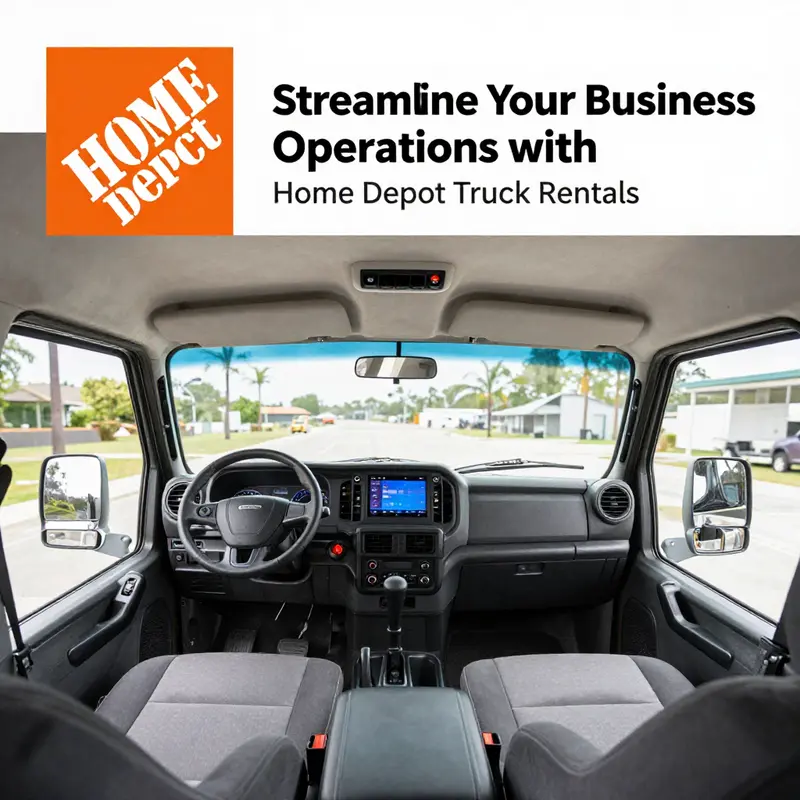
Safety and reliability are central to the rental scheme. Vehicles are maintained to a standard that prioritizes dependable performance. Basic safety features help drivers feel secure on unfamiliar roads. Many trucks are equipped with modern driving aids like backup cameras and lane-assist technology, which reduce the risk of minor collisions and make reversing with a heavy load less stressful. Some trucks may even include contemporary infotainment amenities for smoother navigation and hands-free communication during trips. Regular inspections and routine maintenance keep the fleet road-ready and lower the chance of mechanical hiccups that can throw off a carefully timed move.
Beyond hardware, the rental structure itself offers practical advantages. A flexible pricing model lets customers pay by the hour once an initial minimum time has passed, and full-day or multi-day rates are available for longer jobs. This approach works well whether a homeowner needs a truck for a few runs to a store or a pro requires a vehicle for an entire day of deliveries. Hourly billing after the initial period keeps costs aligned with actual use and avoids paying for unused hours when the job is done quickly. For extended rentals, daily and weekly options provide predictable budgeting and often include incentives such as unlimited mileage for the day, which can make longer trips more economical than competing offers that charge per-mile fees.
Availability across many locations is another advantage. Rentals are accessible at numerous store branches, making same-day pickups and drop-offs feasible in most urban and suburban areas. This distribution reduces deadhead travel, meaning you can start and finish closer to home or the jobsite. In many cases, trucks can be rented on demand without a long advance reservation, which is ideal when plans change at the last minute or when a project requires an immediate solution. The convenience of local pickup points also shortens the logistical chain compared with rental centers that are farther away.
Convenience extends to the customer experience surrounding the vehicle. The rental process is designed for quick turnarounds: valid driver’s license verification, basic insurance checks, and a simple overview of vehicle features and fuel policies. The driver must return the vehicle with a full tank of gas to avoid refueling fees. This policy is straightforward and mirrors standard practices in the rental market. Insurance and licensing requirements ensure the vehicle is used responsibly and reduce liability concerns for both the renter and provider.
The fleet’s condition and included features make day-to-day use more comfortable. Ergonomic cabs, clear control clusters, and useful tech features reduce driver fatigue and help keep focus on safe handling. For longer hauls, the presence of smartphone integration and navigation aids limits time spent consulting maps and reduces the chance of routing errors. Practical touches—like interior storage pockets, cargo tie-downs, and accessible tailgate designs—make loading and unloading more efficient. For occupants, the cab environment is intended to be functional rather than luxurious, but it’s designed to support a productive workday.
Cost-efficiency is a key benefit. When compared with options that emphasize large, one-way box trucks and per-mile pricing, a compact rental with a transparent hourly or daily fee structure can cut total cost significantly for short hauls or local moves. Flat daily rates that include unlimited mileage for the period remove the stress of tracking distance and estimating fuel-related charges. For small-to-mid sized moves or multiple store pickups, this pricing model can be easier to calculate and often less expensive than the alternatives.
The rentals also suit a wide range of users: weekend DIYers, small contractors, delivery services needing overflow capacity, and anyone who occasionally faces a piece of furniture or a bulk purchase too large for a personal vehicle. Contractors benefit from the reliability and local availability — they can grab a truck for a single job, return it, and avoid long-term ownership costs like insurance, maintenance, and storage. Homeowners find the short-term rental avoids the need to borrow a friend’s truck or schedule multiple trips in small vehicles.
There are trade-offs to consider. The smaller cargo area limits load size, so very large items or heavy loads may still require a larger moving truck or multiple trips. While the enclosed bed shields items from weather, it imposes height restrictions compared to open flatbeds. Drivers should evaluate the dimensions and weight capacity relative to their load before reserving. Understanding the fuel policy and the insurance expectations beforehand eliminates surprises at drop-off.
Practical planning tips help ensure the rental delivers on its promise. Measure large items and compare them with the truck’s bed dimensions before loading. Use proper tie-down straps and padding to protect furniture and fragile goods. Map a route that avoids low clearances and tight turns when moving bulky loads. If multiple stops are planned, organize items in the truck in reverse order of delivery so unloading is straightforward. Finally, return the vehicle with a full tank of gas and allow time for a basic inspection to prevent extra charges.
For anyone weighing options for a short haul or local move, the combination of compact capacity, solid safety features, and transparent fees makes these rentals a compelling choice. They occupy a sweet spot between passenger vehicles and full-size moving trucks: roomy enough for most household items, yet nimble enough for neighborhood streets. That balance, paired with wide availability and practical in-cab features, is why many people choose this option for moving, project logistics, and single-day deliveries.
If you want a deeper dive into mileage policies and how unlimited mileage can affect total cost for a rental day, consult the unlimited rental-truck mileage guide for practical comparisons and scenarios that help estimate your trip cost. For official details on available vehicles, pricing options, and location-specific policies, visit the provider’s truck rental page: https://www.homedepot.com/c/truck-rental.
What You Need to Rent a Truck from Home Depot: Rules, Policies, and Practical Tips
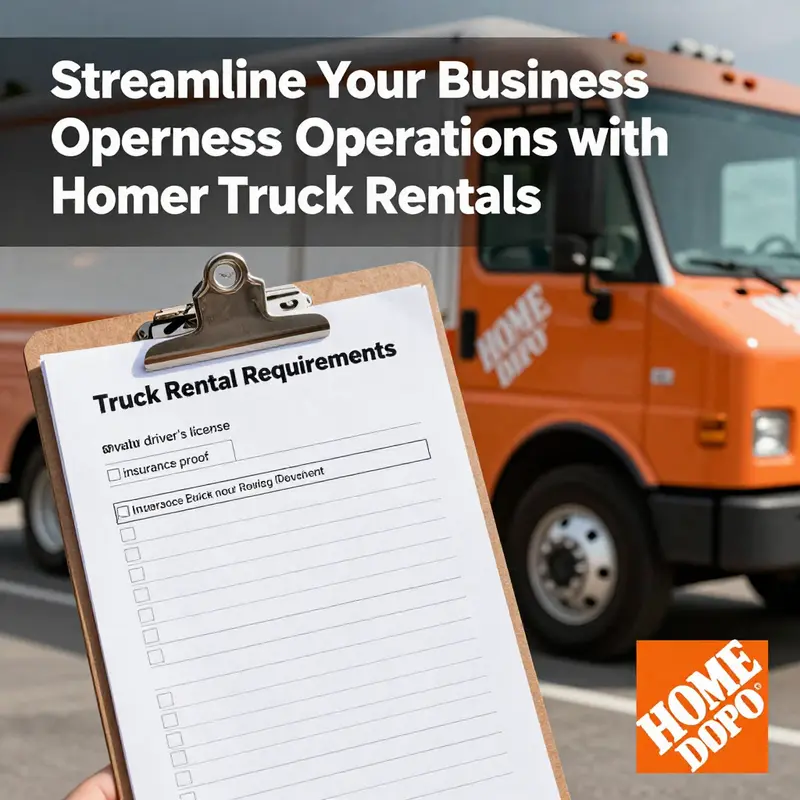
Renting a truck from a major home improvement retailer can simplify a move, a big purchase, or a weekend project. The chain offers a clear set of requirements and policies that balance convenience with risk management. Understanding those rules in advance reduces surprises at the rental counter. Below is a sustained, practical explanation of what the store expects, how charges and protections typically work, and smart steps to protect yourself and your budget.
At the outset, there are a few non-negotiable eligibility points. Renters must be adults, carrying a government-issued photo ID. Most locations set 18 as the minimum age, and anyone driving the vehicle must have a valid license with no active suspensions. The store will often require the primary renter to present a major credit card in their name. That card covers the security deposit and any incidental charges, so debit cards or cash are rarely accepted for the deposit. A clear driving record is expected; commercial rentals or repeat business may prompt a background screening.
The payment structure blends a base rental rate with several potential add-ons. The base rate depends on the vehicle class and rental length. Smaller pickup-style trucks or cargo vans have different daily or hourly rates than larger box trucks or flatbeds. Mileage rules vary by vehicle; the agreement often includes a daily mileage allowance with a per-mile fee for extra miles. Some locations offer unlimited mileage for certain truck types or rental packages, but that is not universal. Fuel is not included, so the truck should be returned with a full tank or the renter will face a higher refueling charge. Additional equipment, such as roof racks or enclosed cargo covers, may be available for a fee.
Insurance and liability are important and sometimes confusing. Basic liability protections are usually part of the rental contract, but they are not a substitute for comprehensive damage coverage. The rental counter typically offers supplemental protection options to cover vehicle damage, loss, and personal injury. Renters who rely on their personal auto insurance or a credit card benefit should confirm coverage before declining extras. Personal policies vary widely, and many credit cards cover only collision damage under specific circumstances. When in doubt, purchase the additional protection at the counter to avoid out-of-pocket repair costs that can be substantial.
Return rules are straightforward but strictly enforced. Trucks must be returned during the store’s posted operating hours. Late returns result in extra charges. Returning a vehicle outside business hours can lead to access problems, and the truck may appear overdue until staff can process it. The vehicle should be returned clean and free of trash. The rental agreement usually allows for normal wear, but significant damage, stains, or odors trigger repair and cleaning fees. Inspecting the vehicle both at pickup and drop-off is essential. Take dated photos of the dashboard mileage, any scraped or dented areas, and the overall interior. Clear documentation reduces the risk of being held responsible for preexisting damage.
Deposits and holds on accounts are a normal part of the process. At pickup, the credit card on file will be charged or placed on hold for the full deposit amount. That hold is released after inspection and return, provided there is no damage or contract violation. The deposit amount and how long the hold remains on a card vary by location and by the renter’s account history. Ask the agent how long holds usually last so you can plan around potential limitations on spending available credit.
There are practical constraints to how the truck can be used. Towing with a rental truck is often restricted unless the truck is specifically equipped and the rental agreement allows it. Carrying hazardous materials, transporting passengers in cargo areas, or using the vehicle off-road may void insurance coverage. The agreement spells out prohibited uses and any mileage or geographic limits. One-way rentals may be limited or unavailable. For moves across long distances, compare the cost of a one-way truck versus a round-trip rate with mileage included.
Additional drivers and commercial use demand special attention. If another person needs to drive, they must be listed on the rental agreement and present a valid license. Unlisted drivers expose the renter to potential liability and may void coverage in case of an incident. Commercial customers or those who will use the vehicle for repeated work may encounter different terms, higher deposits, or additional screening. Inform the agent of intended commercial use up front to avoid later disputes.
Fuel policy rules are easy to miss but costly if ignored. The tank should be filled to the same level it had at pickup. Many renters assume a minimal refueling fee will apply. In reality, pay-per-gallon refueling fees can exceed local pump prices plus an administrative charge. Fill the tank yourself close to return time, or budget for the refuel cost the retailer will charge.
Damage and cleaning fees are common sources of contention. The agreement defines normal wear and tear. Scratches, small dings, or light interior scuffs are usually acceptable, but larger dents, torn upholstery, biohazards, or heavy debris are not. If you notice an existing problem at pickup, highlight it on the inspection sheet. Staff will record the issue. Capture time-stamped photos as additional proof. At return, request a joint inspection when possible. If you cannot do a face-to-face inspection, take photos and keep timestamped proof of the vehicle’s condition.
Booking, cancellations, and no-shows follow predictable policies. Reservations can usually be made online or in person. A reservation holds a vehicle size and pickup window but is not a guarantee of a specific truck. Cancellation terms vary. Some locations impose a small cancellation fee if notice is short. No-shows often result in lost deposits or charges. If your plans change, call the location as soon as possible and confirm cancellation or modification.
Practical tips smooth the experience and save money. First, measure what you intend to carry and choose a truck size with a margin of space. Overloaded trucks are unsafe and not covered by insurance. Next, inspect the truck thoroughly and document any blemishes. Third, plan your route and fuel stops; larger trucks have different handling and fuel efficiency than personal vehicles. Fourth, consider buying the supplemental insurance only if your personal policies or card benefits do not clearly cover rental trucks. Fifth, return the truck during business hours to avoid late fees or denied access.
When planning mileage-heavy moves, compare daily rates, mileage allowances, and unlimited mileage options. Sometimes a slightly higher daily fee with unlimited miles saves money on a long trip. Conversely, if your trip is short-distance, a lower base rate plus a per-mile charge may be cheaper. For further reading on mileage strategies and when unlimited mileage makes sense, see this primer on unlimited rental truck mileage.
At the counter, expect a brief orientation. Agents usually go over a few points: where to find the spare tire and jack, how to operate safety equipment, and the fuel and return policies. They will also confirm the vehicle condition and finalize the deposit. Use this moment to ask about location-specific rules, such as permitted drop-off times, towing restrictions, or local cleaning services. If you are unfamiliar with larger vehicles, request a short demonstration of basic controls. Many modern trucks include helpful driver aids, and understanding them reduces stress on the road.
A few common pitfalls deserve emphasis. First, do not assume your auto insurance covers rental trucks the same way it covers personal cars. Some personal policies exclude commercial or heavier vehicles. Second, credit card coverage can have limitations. Third, neglecting documented inspections increases the risk of being billed for preexisting damage. Fourth, returning the vehicle with an empty tank or obvious interior mess almost always costs more than filling and tidying it yourself.
Finally, keep records. Save the signed rental agreement, credit card receipts, inspection forms, and photos. If damage or disputes arise, a clear paper trail helps resolve issues quickly. Ask the rental agent for contact details used for post-rental disputes and note the return agent’s name.
These policies exist to protect both the renter and the company. When you approach the process informed, the transaction feels routine and secure. Familiarize yourself with the age, ID, payment, and driving requirements. Plan for fuel costs and potential mileage fees. Decide whether to buy supplemental protection or rely on outside coverage. Document the vehicle’s condition before and after use. With these steps, renting a truck becomes a practical, manageable tool for moving, hauling, or completing large projects.
For the most accurate and up-to-date rules, check the retailer’s truck rental page directly: https://www.homedepot.com/c/truck-rental/2056748
Final thoughts
Home Depot’s truck rental services offer a robust solution for business owners seeking to enhance their logistics processes. By understanding the available truck options, competitive pricing, distinct vehicle features, and necessary rental policies, you are well-equipped to utilize this service to meet your operational needs. As you approach your next rental, remember these insights to ensure a smooth and efficient process.