
Understanding the availability of Budget Truck Rental in Alaska is crucial for business owners looking to streamline their logistics and moving needs. Alaska, with its unique geography and climate challenges, requires careful planning when it comes to transportation. This article explores the operational landscape of Budget Truck Rental in the state, focusing on its availability in key cities, the restrictions that may affect your rental experience, and how you can effectively contact them for tailored services. Each chapter delivers essential insights that can help your business make informed decisions about truck rentals in Alaska.
How Budget Truck Rental Serves Alaska: Locations, Limits, and Practical Guidance
How Budget Truck Rental Serves Alaska: Locations, Limits, and Practical Guidance
Budget Truck Rental maintains a presence in Alaska’s population centers to meet the unique moving and hauling needs of residents, seasonal workers, and businesses. That presence matters because Alaska’s geography and infrastructure differ sharply from the Lower 48. Long distances, limited road networks, and sparse services outside cities mean that a local rental option is often the only practical choice for many trips. This chapter explains where Budget operates in Alaska, how local rules and company policies shape what you can do, and what practical steps renters should take to plan a safe, efficient trip.
Anchorage and Fairbanks are the two hubs where Budget maintains operations, with storefronts and fleets sized to support both local moves and regional logistics. The Anchorage location sits near central neighborhoods and is reachable from most parts of the metropolitan area. The Fairbanks location serves interior Alaska and nearby communities that rely on the city as a logistical center. These sites provide typical truck sizes for household moves, as well as options for shorter hauls and light commercial use. Local teams handle reservations, vehicle pickup and drop-off, and customer questions about availability or specific needs.
One practical reality for anyone considering a rental in Alaska is that many companies restrict the movement of vehicles into the state from outside. For renters, this usually means you cannot pick up a truck in the Lower 48 and drive it into Alaska. Instead, you must arrange for a pickup at an Alaska location if your move or trip requires operation inside the state. This rule reflects a mix of logistical, regulatory, and insurance considerations. It also means planning begins with choosing an Alaska-based pickup rather than trying to stage a truck across state lines. If you are moving into Alaska from the Lower 48, you will typically need to coordinate freight, carriers, or separate logistics for transporting belongings across the border and into the state.
Within Alaska, the company’s services aim to be straightforward and practical. Reservation systems allow renters to select dates, truck size, and optional equipment such as moving dollies or furniture pads. Local staff can confirm whether a particular vehicle is suited for your route, and they advise on seasonal concerns like winter road conditions or limited daylight. Because rural Alaska has long gaps between service centers, the local teams emphasize careful pre-trip planning. This includes confirming fuel stops, estimating mileage, and verifying whether the truck is equipped with chains or traction aids where necessary.
Insurance and roadside assistance deserve special attention. The company offers standard rental protections and supplemental coverage at the time of reservation. In Alaska, roadside assistance networks may be sparser and response times can be longer than in urban areas elsewhere. Renters should ask about what roadside services are included, whether local tow providers are on call for the company, and what to expect if a breakdown occurs on a remote stretch of highway. Consider purchasing robust coverage or verifying that your personal auto policy extends to rental trucks; get all confirmations in writing and keep contact numbers on hand.
Seasonality changes how people use rental trucks in Alaska. Summer months bring the highest demand for moves and commercial work, and they also offer the most favorable travel conditions. Roads are generally clearer, daylight is abundant, and ferry and barge schedules that serve remote communities run more regularly. Winter introduces added complexity: shorter days, frozen surfaces, drifting snow, and the need for careful tire management. If your trip occurs during winter, ask the local office whether the truck has winter-grade tires and what recommendations they have for chains. Book early for summer moves, and plan buffer days for weather-related delays in winter.
Cost and availability will vary by season and location. Urban locations usually maintain a larger fleet and a wider selection of truck sizes, while locations serving smaller population centers may have a limited range. If you need a specific truck size or extra equipment, reserve as far in advance as possible. Local rental agents can provide quotes that include estimated mileage charges, daily rates, and optional fees. Ask about any regional surcharges that apply in Alaska and whether unlimited mileage options or other promotions exist. For broader planning on mileage policies and how they affect long trips, renters might find helpful reading on unlimited mileage options for box trucks and how they compare to per-mile charges.
Packing and loading strategies change a bit in Alaska because of travel distances and variable weather. Secure packing is critical: heavy items should sit low and near the truck’s center, and everything must be tightly fastened to avoid shifting on long stretches of highway. Use protective blankets and straps for fragile or irregular items. Keep an emergency kit within reach, including warm clothing, food, water, a flashlight, a basic tool kit, and an emergency blanket. In remote areas, cell coverage may be intermittent; consider carrying a paper map and a charged portable battery or a satellite communication device if you will be off-grid for extended periods.
Fuel planning is another practical area to address. Fuel stations can be widely spaced outside the main cities. Work out a fuel plan that leaves adequate reserves between stops. Diesel and gasoline availability vary by region; confirm the truck’s fuel type in advance. In many instances, a truck will consume more fuel than a passenger vehicle, particularly under load or when driving across variable terrain. Estimating fuel consumption conservatively keeps trips safer and reduces the risk of being stranded.
Local regulations and permits can affect certain hauls. If you plan to transport oversized or heavy loads, or if your move includes commercial goods, check with the local office about road permits, weight limits, and any special signage or routing requirements. Some routes and bridges have weight restrictions that can limit the types of vehicles allowed. When in doubt, the local rental agent can advise whether your planned load complies with regional rules or whether alternative arrangements are necessary.
Driver qualifications and responsibilities are also important. Most truck rentals require drivers to meet minimum age and license criteria. Drivers should be comfortable operating a larger vehicle, especially on narrow roads and in variable weather. Practicing turns, stops, and backing up with a loaded vehicle in a safe area before starting a long trip helps prevent incidents. Always follow posted speed limits and adjust speed for road conditions. Securely park and lock the vehicle whenever you leave it unattended.
Return logistics deserve planning too. If you are doing a one-way rental within Alaska, confirm whether drop-off at a different location is allowed and whether there are drop-off fees. Some companies limit one-way drops between select locations. If returning the truck to the pickup location, allow time for refueling and a final walk-through to document the vehicle’s condition. Take photographs at pickup and drop-off to record the truck’s state.
Customer service and local knowledge are significant advantages of renting from an on-the-ground location. Local agents understand the seasonal dynamics and can provide route advice, weather considerations, and packing tips tailored to Alaskan travel. They can also clarify any policy nuances specific to their location. Communicate clearly about your itinerary and ask detailed questions about any concern.
Renters who plan multi-leg trips that include ferries or barges should verify whether the company permits ferry transport. Some rental agreements restrict marine transport, and others may allow it with written authorization. If permitted, check for size and weight limits on ferries and whether there are extra insurance or fee requirements. In many cases, moving goods to remote communities uses a combination of road, sea, and air transport. Coordinate these legs carefully and allow for delays in schedules.
Finally, a few practical steps make the rental experience smoother: reserve early; get written confirmation of mileage and insurance terms; ask about roadside assistance specifics; pack for changing weather; plan fuel stops conservatively; and photograph the vehicle at pickup and drop-off. If you need more nuanced detail about mileage options and long-distance trips, see this discussion of unlimited mileage box truck rental for background on how mileage policies can affect trip cost and planning: unlimited miles box truck rental.
For the most current information on local hours, fleet availability, and contact details, reach out directly to the nearest Alaska location or consult their official online listing. Local teams can confirm specifics such as available truck sizes, seasonal equipment, and any temporary policy changes. External source: Budget Truck Rental – Fairbanks, AK – MapQuest
Finding Truck Rentals in Alaska’s Main Hubs: What to Expect and Where to Start
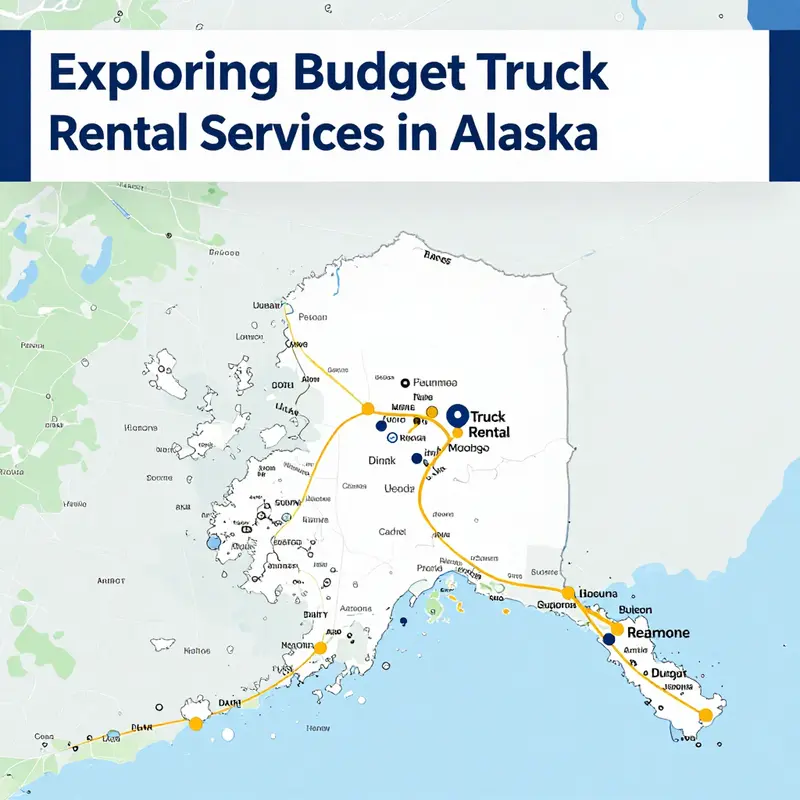
When you need a moving truck or a cargo vehicle in Alaska, knowing where the major rental hubs are makes planning easier. Anchorage and the Kenai Peninsula serve as the primary access points for national truck rental services in the state. These locations handle local moves and regional travel needs, and they form the backbone of available truck inventory for Alaskan residents and visitors. Understanding which locations operate inside the state, the booking rules that apply, and the best practices for securing the right truck will save time and reduce surprises.
Anchorage functions as the central hub for truck rentals in Alaska. A key location sits on Gambell Street, within reach of downtown neighborhoods. That facility offers a range of truck sizes and configurations, useful for apartment moves, home relocations, and cargo transport. The staff there can advise on available truck classes, local driving regulations, and outfitting needs like dollies and tie-down straps. You can also call ahead for current availability and for help choosing the right vehicle. The phone number listed for that office connects you directly to local staff who manage bookings and vehicle pickup.
Further south, the Kenai Peninsula supports rental services that cater to both residents and seasonal visitors. This broader region benefits from vehicles stationed nearby, which can be especially helpful for moves to or from smaller communities along the peninsula. Local locations tend to stock trucks suited for regional itineraries. They usually handle shorter-term rentals and are a practical choice for local moves, repairs, and deliveries where access to a large city is limited.
There are important operational rules that shape how you plan a rental. One common restriction is that some national rental providers do not permit trucks to cross into the state from the Lower 48 or to be brought into Alaska from other states. In practice, this means a truck must be rented within Alaska for use there. Trucks driven in from other states may be subject to company policy or logistical restrictions related to insurance and vehicle transfer. Checking with the local office before a trip is essential. If you expect to move goods into Alaska, arrange the rental from an Alaska-based branch.
Seasonal demand affects availability. Summer months bring peak moving activity in Alaska. This period coincides with warmer weather and easier road conditions, making it a popular time for relocations. Inventory can be constrained during that window. If your move falls in late spring through early fall, book as early as possible. Reservations via national booking sites are convenient, but direct calls to the local office often reveal last-minute inventory shifts or cancellations. Early booking also helps lock in the best truck size for your needs.
Choosing the right truck involves more than just size. Consider road conditions and the cargo you will carry. Gravel roads and narrow rural routes require cautious vehicle selection and packing. Ask local staff about trailer hitches, load ratings, and any recommended accessories. If you need a vehicle for towing a personal vehicle or hauling oversized items, confirm that the local office can provide the necessary equipment. Not every branch stocks towing gear or heavy-duty trailers, so plan ahead.
Insurance and driver requirements differ by provider and location. Local offices enforce the age restrictions, license requirements, and optional protection plans applicable in Alaska. Verify what coverage you already have through personal auto insurance or credit card benefits. Some renters rely on existing coverage; others prefer to add optional protection for peace of mind. The local desk will outline the available insurance options and what each covers. Clarifying liability and damage processes before you drive reduces stress during a move.
Pickup and drop-off logistics deserve attention. Confirm the office hours and any after-hours return procedures. Some branches have limited weekday hours or reduced weekend service. If you plan to return the truck outside normal hours, ask about drop-box procedures and any associated fees. Also verify mileage policies. Some rentals in Alaska offer unlimited miles for intra-state moves, while others apply daily mile limits. Knowing the mileage plan helps estimate fuel and distance costs more accurately.
Communication with the local office improves outcomes. Use the provided phone number to verify the address, confirm truck availability, and ask about any local rules. Staff can provide guidance on peak traffic times for pickup and return. They can also note nearby fuel stations with diesel or truck-grade fuel, which saves time on the road. Local teams often have practical tips about navigating city streets and rural corridors that are especially valuable in Alaska’s mixed road conditions.
Reservations are available through national booking portals and third-party platforms. Booking online offers convenience and a record of the reservation. However, direct contact with the local office is still recommended. Local agents can confirm truck readiness, offer up-to-date advice on the best vehicle for your route, and note any temporary service changes. If you need specialized equipment, ask the branch to confirm availability before you finalize an online booking.
Compare pickup sites if options exist nearby. Sometimes airports or industrial areas host rental locations that differ slightly in inventory and hours. Consider the drive time between your pickup location, your home, and the roads you’ll travel. If you’re coordinating a multi-stop move, choose the pickup point that minimizes congestion and aligns with your planned route.
Cost expectations vary with truck size, season, and demand. Booking early typically secures better rates. Monthly and weekly rates may exist for long-term needs. Also ask about discounts for certain groups, such as military personnel, or for extended rentals. The local office can share promotional information and point you to current offers. Factor in fuel costs, mileage fees, additional insurance, and potential tolls or permits depending on your destination.
When preparing for a move, pack strategically. Use furniture pads, straps, and proper tie-downs to protect items on unpaved or winding roads. Secure loose items and distribute weight evenly to maintain vehicle stability. If you have questions about securing specific items, ask the rental staff. They can recommend packing techniques that reduce shifting during long drives across Alaska’s varied terrain.
If a one-way move is necessary, ask the branch about available drop-off locations. In-state one-way returns may be limited, and policies on ending rentals in remote towns vary. Confirm any additional drop-off fees before you travel. If you need to combine truck rental with other transport modes, plan the handoff carefully and inform the rental staff in advance.
Roadside assistance is a key safety net. Check whether the rental includes 24-hour assistance and what scenarios are covered. Local offices often coordinate with roadside providers familiar with Alaska conditions. Knowing the steps to request help can speed resolution in the event of a breakdown or accident. Keep emergency contact information and policy details accessible while you travel.
Finally, if you want comparisons or alternatives to the local provider, consider researching other national and regional rental companies. Some may offer different vehicle classes or flexible policies that better suit your move. Start by reviewing local availability and then compare pricing, insurance, and pickup locations. For general guidance on nearby truck rental options and mileage policies, see the resource on moving truck rentals near me — unlimited miles.
For the latest, most accurate information on available trucks, pickup procedures, and local terms, contact the Anchorage office directly or consult the provider’s online availability page.
External reference for availability and bookings: https://www.budget.com/car-rental/anchorage-ak
When Paths Are Blocked: How Travel Restrictions Shape Truck Rentals for Alaska Moves
Moving to or from Alaska raises a set of practical limits that many renters do not expect. One consistent rule across several national truck rental providers is a restriction against driving their rental trucks into or out of Alaska. That single policy changes how you plan a move, and it affects cost, timing, and logistics. Understanding why the rule exists and how to work around it helps you avoid last-minute surprises and expensive detours.
The primary reason for this restriction is operational and geographic. Alaska sits far from the contiguous United States and presents unique challenges: long distances, limited service infrastructure, and weather-driven road hazards. Providers account for vehicle recovery, maintenance, and insurance coverage when they set rental boundaries. If a truck breaks down in a remote area or requires return across an international border, the company faces complex, costly logistics. This increases their risk and operational cost. Rather than shoulder that unpredictability, many providers limit rentals to defined service areas that exclude drives into or out of Alaska.
Insurance, licensing, and cross-border rules reinforce that operational concern. To access Alaska by road from the lower 48, most travelers pass through Canada. That introduces customs, cross-border registration, and insurance questions. Rental companies must ensure their policies comply with international laws, and many choose to avoid that compliance burden by prohibiting travel across international lines for their commercial vehicles. The result is a clear rule: pick up a rental in Alaska if you intend to drive there, and return it within Alaska if you rented it there. You cannot, in most cases, take a truck from the contiguous states into Alaska or vice versa.
This restriction has immediate practical consequences for anyone planning a move. First, one-way rentals that span state lines are often impossible when one end is in Alaska. You cannot drive a truck from Seattle, for example, and leave it in Anchorage. Nor can you pick up a truck in Anchorage and drop it in the lower 48. That eliminates what many see as the simplest and cheapest option for an interstate move. Second, it means planning must consider how household goods physically reach Alaska. Instead of direct over-the-road transport, movers and individuals typically rely on shipping by container, freight services that specialize in long-haul deliveries, or hiring professional moving companies that handle intermodal logistics.
For people who need to relocate items but still want some control over timing and cost, a common alternative is booking a local pickup inside Alaska. If a truck is available at an Alaska location, you may rent it and handle the move within the state. That path requires early coordination. Inventory, truck size, and local availability vary more in Alaska than elsewhere. Demand spikes seasonally, and the limited number of local locations means popular truck sizes can sell out weeks in advance. Reserve early, verify vehicle condition, and confirm return policies with the specific location.
Another frequently used option is consolidated shipping. Movers will pick up your belongings in the lower 48, consolidate them with other loads, and ship the container to Alaska. This approach lowers per-customer costs by sharing freight space. It also shifts responsibility for vehicle routing to experts who handle customs and scheduling. Turnaround time increases, however. Consolidated shipping often requires flexible dates and tolerates longer delivery windows. If timing is critical, ask the carrier for guaranteed transit windows and insurance details.
Hiring a professional moving company that specializes in Alaska moves is a practical route for many. These firms know local regulations, seasonal constraints, and the most reliable freight carriers. They often offer door-to-door options that combine a truck pickup, container shipping, and local delivery in Alaska. Their pricing reflects the complexity of the route, but they remove most of the logistical burden. If you need extra services, like storage or packing, confirm them in writing and understand how they impact total cost.
Seasonality matters more for Alaska than for most states. Road conditions can become hazardous as winter approaches. Even in summer, sudden weather or seasonal closures can delay routes, particularly for sections that rely on ferry services or limited highway corridors. For any plan that involves overland segments, assume slower progress than you would in the lower 48. That affects rental durations, possible late fees, and the need for contingency days. If your timing is tight, ask providers how they handle delays caused by weather and how additional days are billed.
Cost considerations include more than daily rental rates. When a truck must be delivered beyond a provider’s usual service area, companies may charge significant relocation or ferrying fees. If a local location agrees to arrange a truck delivery into Alaska via a freight partner, those fees will reflect the complexity of the move. Insurance premiums and loss-waiver options also differ. Confirm whether your personal auto policy or moving insurance covers rentals and shipments into Alaska. If not, the rental company or moving service should offer supplemental coverage. Always get coverage details in writing before you commit.
Licensing and driving requirements are also critical. Moving large trucks requires a different driving skill set than a personal vehicle. If you plan to drive a commercial-size vehicle inside Alaska, make sure you know the licensing rules in the state. Some providers require a specific minimum age or driving experience. Others require that drivers be residents or have a local address for one-way rentals. Ask about these constraints before you book, especially if multiple drivers will rotate during a long move.
There are also equipment-specific concerns. Tire chains, snow preparedness kits, and emergency gear can be necessities in certain Alaskan regions. While some local providers stock cold-weather equipment, others expect renters to supply their own. If the rental must travel through seasonal mountain passes or remote stretches, ensure the vehicle is fitted for safety. Confirm who is responsible for repairs and what roadside assistance covers. When coverage is limited, consider arranging third-party towing or dedicated roadside plans.
Because policies and availability differ between locations, direct communication with the local branch is essential. Company-wide statements give a general picture, but branch-level staff explain how policy translates into practice. Ask clear questions: Can I pick up a truck in the lower 48 and drive it to Alaska? Will you allow me to pick up in Alaska and return to the lower 48? What are the extra costs for non-standard routes? What insurance and paperwork do you require for interstate or cross-border travel? Which truck sizes are available locally during my planned dates? Request answers in writing and save any confirmations you receive by email.
If you prefer planning with online resources, some blogs and guides cover moving logistics and unlimited mileage options for large trucks. These can help you compare approaches and estimate costs before you contact providers. For an overview of moving truck rental strategies and how unlimited-mileage options work, see this resource on moving and unlimited miles: moving truck rental options with unlimited miles.
Finally, consider hybrid strategies. You might reduce costs by moving nonessential items via freight and transporting essentials yourself on a smaller, allowed vehicle. Alternatively, ship heavy pieces by container and rent a local truck in Alaska for short-distance hauls. These hybrid plans can cut shipping volume and avoid prohibitions against taking a large rented truck into or out of the state. They require more coordination but often save money and reduce exposure to delays.
Rules that prevent driving rental trucks into or out of Alaska are inconvenient. Yet those rules exist because of real logistical constraints and legal complexity. With careful planning, flexibility, and the right mix of local rentals, freight services, and professional movers, you can complete an Alaskan move reliably. Confirm restrictions with the local rental or moving office, secure coverage in writing, and allow extra time for weather and remote routing. That preparation turns an apparent roadblock into a manageable part of the moving plan.
For a general guide to moving to Alaska and how various companies treat these moves, see the detailed moving resource here: https://www.uhaul.com/moving-to-alaska/
How to Reach Budget Truck Rental in Alaska: Practical Contact Tips and What to Ask
When you need a truck for a move or a heavy job in Alaska, the fastest path to certainty is direct contact with a local rental office. Budget Truck Rental maintains operations in Alaska, and reaching the right location lets you confirm availability, understand restrictions, and arrange the precise services you need. This chapter explains where to call, what to ask, and how to prepare before you pick up a vehicle in Anchorage or Fairbanks. It also covers critical state-specific rules, reservation strategies, and questions that save time and money.
Start by dialing the nearest Alaskan location. The Anchorage branch is reachable at (907) 278-7825 and is located at 802 Gambell St, Anchorage, AK 99501. For interior or northern Alaska, call the Fairbanks office at (907) 452-3000, located at 6450 Airport Way, Fairbanks, AK 99709. Calling a local office avoids confusion around cross-border rules. It also connects you to staff who know the region’s road, ferry, and weather realities.
When you call, begin with three short confirmations. First, verify that the office has trucks of the size you need for your planned dates. Second, confirm whether the policy allows you to take the rental vehicle out of the state or to specific zones. Third, ask what identification, deposits, and payment methods the office requires. These three checks reveal the biggest potential deal-breakers early.
Ask plainly about intra-state versus cross-border rules. Several national rental networks restrict vehicles from entering Alaska if rented in another state. In practice, that means you cannot pick up a truck in the Lower 48 and drive it into Alaska in most cases. Make sure you rent the truck within Alaska if you intend to use it here long term. When you call, ask the local office whether the vehicle can cross any state or borough lines, and whether seasonal or route-specific limits apply.
Confirm the vehicle and equipment inventory. Local offices may list standard box trucks and cargo vans. They may also have specialized equipment such as skid steers, scissor lifts, trenchers, or mini-excavators. Inventory varies by location and season. If you need attachments or moving aids such as dollies, straps, or ramps, ask if the office carries them. If they do not, request recommendations for nearby suppliers. Practical questions here include: Which vehicle models are available on my dates? Are liftgates included? Are tie-downs and dollies available for rent? What is the vehicle’s payload capacity?
Clarify pricing details and fees before you reserve. Ask for the daily or weekly rate for the truck you want. Confirm mileage rules, any per-mile charges, and whether unlimited-mile options exist. Insist on an itemized quote that shows base rate, taxes, fuel charges, environmental fees, and any administrative charges. Ask about deposit amounts, and whether the deposit is refundable. If you expect to drive long distances within Alaska, clarify whether any mileage tiers or caps apply. These questions reduce surprises at pick-up and return.
Discuss insurance and damage responsibility. Ask which coverages the office offers, and whether you have any insurance options through your personal policy or credit card. Request the exact terms for collision damage waivers, liability coverage, and cargo protection. If you will travel on unpaved roads or remote routes, confirm whether coverage extends to those conditions. Write down coverage names and their deductibles. If the office offers additional protection for gravel or off-road damage, ask for pricing and applicability.
Confirm the pick-up and drop-off process. Ask about office hours, holiday schedules, and after-hours pickup options. If you have a late or early arrival, check whether staff can release the keys outside regular hours, and what identification is required. Discuss drop-off flexibility: Can you return the truck to a different Alaskan location? Is one-way rental between Alaskan offices possible? If a one-way return is available, clarify extra fees and required lead time. These logistics matter when you are planning a move across the state.
Inquire about driving and route restrictions. Alaska presents unusual driving conditions, especially in winter. Ask whether the rental office provides winter tires or chains, and whether the vehicle has any seasonal equipment. Confirm if the rental agreement limits travel on certain highways, gravel roads, or seasonal passes. If your trip requires ferries or barge transport, ask whether the company permits those routes and what additional permissions or fees might apply. Ask the office for practical route tips if you are unfamiliar with local roads.
Ask for documentation and written confirmation. After discussing availability and price, request a written reservation by email. The confirmation should include vehicle size, rate, deposit terms, pickup and return windows, mileage policy, and any agreed exceptions. Having details in writing prevents misunderstandings. When possible, request the name of the person who answered your call. If anything changes, you can reference the representative during follow-up.
Prepare required documents and payment. Typical requirements include a valid driver’s license, a credit card in the renter’s name, and proof of insurance if you decline the company’s coverage. Ask whether a debit card is acceptable and what extra verification that option requires. Confirm the minimum age limit and whether younger drivers face surcharges. If multiple drivers will operate the vehicle, check whether the rental company requires all drivers to appear at pickup.
Inspect the vehicle at pickup and document damage. When you arrive, do a full walkaround with the agent. Check for body damage, tire condition, functioning lights, and the liftgate if equipped. Test the horn and emergency brake. Take photos or video of all sides and the interior. Ask the staff to note any damage on the rental contract. If the office is busy, insist on time for inspection. A small documentation step avoids a large dispute later.
Discuss fuel policies clearly. Confirm whether you should return the truck with a full tank, and whether the office charges a premium per gallon if you do not. Ask about fuel types and whether the vehicle has a standard tank size. If you plan long rural drives, map fueling stops and note fuel costs in your budget. A quick fuel question on the phone can save a significant fee at drop-off.
Plan for weather and seasonal needs. Alaska’s weather fluctuates dramatically. Ask whether the office provides towing coverage or roadside assistance for winter ice or summer remote area issues. If you plan to drive in winter, ask about recommended driving speeds for loaded trucks. If you expect to travel on gravel or ferry routes, confirm how the office treats damage from those conditions.
Be mindful of customer feedback but verify current conditions. Some reviewers mention negative service experiences in the past. Use reviews as a signal to ask extra questions, not as a final verdict. When you call, ask the office what steps they take to ensure vehicle condition and reliable service. Request a manager contact if you have complex needs or a large fleet reservation.
If you need extra services, ask about them explicitly. Moving equipment such as moving blankets, straps, and dollies often makes loading safer and faster. Some offices also help arrange trailers, towing hardware, or short-term equipment rentals. If you expect to move heavy machinery or unusual cargo, discuss load securement and weight distribution. The local staff can advise on permits for oversized loads and recommended routes.
Reserve early and confirm two days before pickup. Alaska’s demand fluctuates with seasons, holidays, and university schedules. Book as soon as your dates are firm. Reconfirm your reservation forty-eight hours before pickup. Use the confirmation email to verify vehicle class, pickup time, and required documents. If you must change or cancel, ask about the office’s cancellation policy and any penalties.
Use the official site for online booking and support if needed. The corporate website lists locations and often offers online reservation tools and customer service contact options. If you prefer digital records, complete the booking online and then call the local office to confirm any Alaskan-specific rules. If online rates appear lower, confirm whether they include the same protections as phone or in-person quotes.
A few final practical tips will make your day easier. Pack padding and straps from the start. Practice secure loading and weight balancing. Plan fuel stops and anticipate longer drive times. Keep the rental contract and contact numbers in an easy-to-reach place. If you encounter a problem, contact the local office first. If the office cannot resolve the issue, escalate through the corporate customer service channels listed on the reservation confirmation.
If you want further reading on one-way rental options and unlimited mileage choices, see this guide to moving truck rental options: moving truck rental near me — unlimited miles. It covers scenarios similar to those you may face when booking in Alaska.
For the most current contact details, reservation tools, and official policy notes, visit the company’s official site. Use it to book, to view terms, and to locate the nearest office: https://www.budget.com
Final thoughts
With the right information about Budget Truck Rental’s operations in Alaska, business owners can make better logistics decisions. From understanding which cities offer rental services to being aware of travel restrictions and knowing how to get in touch for inquiries, this comprehensive overview equips you with the knowledge needed to navigate the rental landscape effectively. Empower your business with the right tools and services to enhance your operational efficiency in the unique Alaskan environment.