
As a business owner utilizing rental trucks, understanding the regulations regarding weigh stations is crucial for seamless operations. Weigh stations are not just checkpoints but play an integral role in ensuring road safety and compliance with weight regulations. This article dissects the importance of knowing when your rental truck must stop at weigh stations, focusing on weight thresholds, state-specific rules, mandatory stopping situations, and exceptions. Each chapter will shed light on these aspects, equipping you with the knowledge to navigate weigh stations confidently.
Under the Scale: How Weight Thresholds Shape Rental Truck Stops at Weigh Stations
Weigh stations sit along the highway like quiet custodians of order, their purpose clear even to the casual traveler: ensure compliance with weight limits, protect pavement, and keep the playing field level for carriers who shoulder the burden of heavy loads. The chapter that follows delves into the weight thresholds that determine whether a rental truck must pull in for inspection and weighing, and it looks beyond the numbers to the practical realities drivers face on a high-stakes stretch of asphalt. The core idea is simple but vital: weight thresholds are not arbitrary hurdles; they are the connective tissue between infrastructure, safety, and fair competition. When a rental truck rolls toward a weigh station, the question on the driver’s mind is not merely “Do I have to stop?” but rather “How does the weight of this vehicle shape the journey, the costs, and the risk calculus along the route?” In this sense, the threshold acts as a boundary that translates a chassis and cargo into a set of regulatory obligations that can ripple through planning, scheduling, and daily operations.
Most states set a weight-based boundary that triggers weigh station stops, a boundary commonly described as around 10,000 pounds. This marker is not a universal law to the last pound, but a widely cited threshold that helps determine which trucks are regulated as commercial vehicles on major corridors. For rental trucks, that distinction is meaningful because vehicles used for moving, hauling, or business-oriented transport frequently exceed that line. A rental truck used for a long-haul move or a commercial job often falls squarely into the category that must engage with weigh stations when weight limits are reached. The practical effect is straightforward: if a rental box truck or cargo van pushes past the threshold, the driver may be obligated to stop and be weighed, a procedure designed to verify that the total mass of vehicle and payload remains within legal bounds. When the scale has to be engaged, it is not a random act of inconvenience but a regulatory step that preserves roadway integrity and leveling across carriers who bear the same weight responsibilities.
The regulatory landscape, however, is not monolithic. State-specific rules add nuance that can influence whether a rental truck must stop. Some states enforce weigh station requirements strictly, treating any vehicle that surpasses the weight limit as a compulsory stop, regardless of whether the vehicle is rented or owned. Others employ more targeted enforcement, prioritizing trucks that appear overloaded or that are flagged by compliance officers during traffic stops or roadside checks. A handful of states use automated systems to screen vehicles and only route those that meet certain criteria to a physical scale. In practice, this means a driver who is moving a personal load in a light-duty rental might sail through an automated checkpoint or avoid weighing altogether, while a heavy commercial shipment in a larger box truck will face a more rigorous process. The result is a patchwork of enforcement modes that can feel opaque to drivers who travel between states with different expectations. This variability reinforces a central message for renters and operators: the only reliable way to anticipate weigh-station requirements is to verify the weight category of the vehicle in use against the regulations of every jurisdiction on the planned route.
To understand how enforcement plays out, it helps to visualize the different moments when a stop might be triggered. Random checks can occur at any weigh station; an officer may pull a vehicle in if there is suspicion of overload or if the trailer or cab appears out of tolerance with weight limits. Targeted enforcement often intersects with other traffic stops. A driver who is cited for a separate violation—such as speeding or improper documentation—may also be weighed at the same time. During highway safety campaigns, inspections expand to more vehicles, including rental trucks, as part of broader sweeps that aim to gauge compliance levels across a corridor or region. In short, a rental truck is not exempt from the prying eyes of weigh-station enforcement simply because it is rented. Because the vehicle might be operated in different contexts—from private residence moves to professional relocations—the risk of encountering a weigh check rises with the vehicle’s weight and with the regulatory footprint of the route.
What about exceptions and exemptions? Here, the spectrum widens again. In some places, a rental truck used solely for private, non-commercial purposes—think a personal move with a box truck rented to transport household items—may be exempt from weigh-station requirements in certain states. The line between private use and commercial operations matters a lot because it directly shapes whether a stop is mandatory. Then there are light-duty rentals, sometimes defined as vehicles under a particular weight threshold, that may escape certain weighing rules. The exact numbers and rules, however, are highly jurisdiction-specific and can change with new legislation or enforcement priorities. The era of automated weigh stations adds another layer of flexibility. Prepass-like or other electronic screening systems can allow pre-registered vehicles to bypass a physical stop if their weight, vehicle configuration, and registration data meet the program’s criteria. This means a well-documented, compliant rental fleet could move through certain corridors with fewer interruptions, while more traditional checks keep the safety net intact for vehicles that do not pre-register or that fall outside automated screening parameters. The overarching point is that automation can reduce friction for compliant operators but does not erase the legal obligation to stop when weight thresholds or regulatory triggers demand it.
For drivers in rental fleets, practical preparation matters as much as a careful reading of the rulebook. The most reliable starting point is to verify the vehicle’s weight accurately before departure. The vehicle’s Gross Vehicle Weight Rating (GVWR) advertised by the rental company is often the best proxy for potential maximum weight, but the actual loaded weight matters just as much. In many contexts, online tools and state transportation websites provide scale locations and estimated loads, offering a rough gauge of whether a given load is likely to approach or exceed the threshold. A deliberate habit of checking weight at scales along a planned route can prevent a last-minute, costlier stop that disrupts a move or job. If the vehicle’s weight is close to the limit, it is prudent to factor in the cargo’s weight, fuel, and even optional equipment that might add mass. A cautious approach reduces the risk of a noncompliant trip that could trigger fines, delays, or even a return to source for reconfiguration of the load.
Beyond raw numbers, the practical mechanics of planning a weigh-station aware trip can be strengthened through the right tools and knowledge. For instance, many drivers rely on rental agreements for guidance on compliance and acceptable use. A thorough review of the contract can reveal responsibilities around weight limits, permitted routes, and what constitutes a compliant move. On the route planning side, modern navigation tools designed for commercial drivers sometimes include weigh-station data, rest areas, and truck-friendly routes. These can be invaluable for mapping out a journey that minimizes unnecessary stops while ensuring that any station encountered will lead to a straightforward, predictable inspection rather than a surprise hold on a busy highway. For those who want a quick, vehicle-specific touchpoint, there is a practical resource that groups information about common rental trucks and their configurations. See the 16-foot truck guide for a concise sense of what a smaller, moving-focused rental might look like and how its weight dynamics can influence weigh-station considerations. This is a helpful reference for drivers who are determining how a compact rental truck fits into the heavier end of the spectrum without assuming all boxes are created equal. 16-foot truck guide
Even with a clear sense of thresholds and processes, the reality remains that state-by-state differences complicate universal expectations. When a driver crosses a border or travels a loop of neighboring jurisdictions, the safest posture is one of verification rather than assumption. A quick check of local weigh-station signage and a mental inventory of the truck’s weight category can prevent a misstep that triggers a stop and a potential delay. It is worth reiterating that the goal of weigh stations is not to complicate a routine move but to ensure safety and infrastructure longevity while maintaining fair, rule-based competition across all carriers. In that sense, rental trucks, when used for commercial purposes, do not receive special exemptions simply because their owners rent them for a single trip. They enter the same regulatory orbit as other commercial vehicles, and the consequences of noncompliance—ranging from fines to trip interruptions—reflect the seriousness of this alignment with road safety and financial responsibility.
To conclude this exploration, it is useful to anchor the discussion in broader regulatory context. The weight thresholds discussed here are informed by the broader framework of federal and state weight laws that aim to keep heavy vehicles within safe operating envelopes. While the details can vary by jurisdiction, the consistent thread is that rental trucks used in commercial contexts frequently fall within the category that triggers weigh-station stops when loaded beyond limits. For a baseline understanding of federal guidelines that shape these state rules, consult the FMCSA. This resource provides an official view of the regulations that govern commercial vehicles crossing state lines and the states’ adoption of those standards. As with any complex regulatory topic, the best practice for drivers and fleet managers is to couple a solid grasp of the load with up-to-date information from state transportation departments and official enforcement channels, and to err on the side of compliance when in doubt. The road is long, the weights are real, and the scale waits for no one who misreads the numbers.
External resource: For federal baseline guidelines, see the FMCSA regulations. https://www.fmcsa.dot.gov/regulations
Weighing the Road: How State Rules Shape Minding the Scales for Rental Trucks
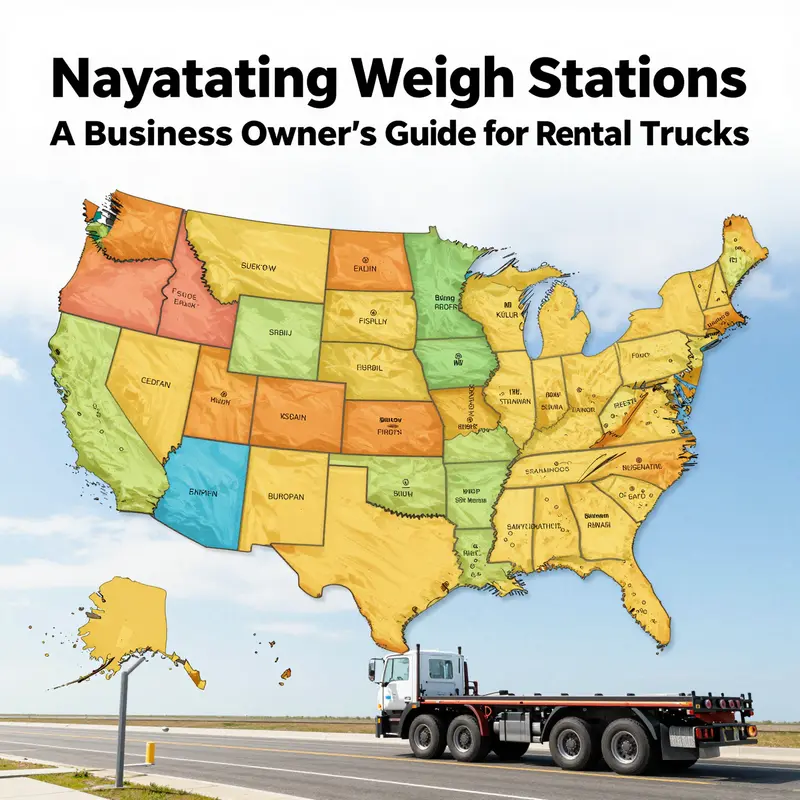
Weigh stations are more than checkpoints; they’re the backbone of highway discipline, ensuring that every vehicle sharing the same corridors stays within safe and fair limits. For rental trucks, these gates can feel like obstacles, yet they are grounded in the pragmatic goal of preventing overloading that can degrade pavement, reduce braking efficiency, and raise accident risk. The question of whether rental trucks must stop at weigh stations cannot be answered with a single yes or no. It hinges on the weight and type of the truck, the particular state you’re in, and the manner in which enforcement is carried out on that route. In practice, most rental trucks used for moving goods or commercial tasks sit in a range where weight compliance becomes a live issue on many highways. The threshold, commonly set around 10,000 pounds gross vehicle weight, is a quiet specter behind every airline of moving vans, box trucks, and larger rental fleets, because it marks the boundary between routine highway travel and a regulated, potentially stopped condition under weigh station rules. For heavy-duty rentals, particularly those used for long-distance moves or commercial tasks, the likelihood of a required stop grows with the vehicle’s weight and the state’s enforcement posture. The general rule is simple in spirit but complex in application: if your rental truck crosses the state’s weight limit, a stop is not just likely; it is legally mandated. Yet the precise administration—where, when, and how you stop—varies as surely as the road curves through the map. The weight threshold is the first lever. States often set the minimum for inspection at or near 10,000 pounds gross vehicle weight, though some jurisdictions may apply different cutoffs to account for local highway designs and truck configurations. The practical upshot is that a typical moving truck or cargo van bought or rented for business use frequently falls under the umbrella of a commercial vehicle during long-haul moves. In those cases, the weigh station becomes a standard waypoint rather than a rare interruption. A passenger car passing through a weigh station, by contrast, wouldn’t normally face this scrutiny. But a heavy rental truck—whether it’s a large cube box or a mid-sized cargo van—puts a driver squarely into the field of regulated operation once it crosses that threshold. The strategic interplay between weight and jurisdiction is where state-level policy diverges and where the day-to-day experience of drivers is shaped. Some states emphasize enforcement with strict habit, mobilizing officers to pull in even seemingly ordinary tractor-trailers at random or during targeted enforcement periods. Others lean on automation and remote screening to reduce the friction of weighing, using pre-clearance data to direct only those most in need of a physical stop. The logic remains the same: weigh stations protect infrastructure and ensure uniform compliance. It is not a quirk of one state or another; it is a shared commitment to highway integrity. As a driver of a rental truck, understanding this logic helps you plan more predictably. The enforcement reality is that random checks can occur at any time. An officer may decide to pull a truck into the scale area if cargo loading looks uneven, if there’s a potential axle overload, or if any visible irregularities suggest a safety risk. A second layer comes from targeted enforcement, which can be triggered by prior violations or patterns observed along a corridor known for heavy traffic or overstated loads. And third, road safety campaigns or routine roadside inspections, which pair weigh checks with a broader safety review, mean that weigh stations are not just about scales; they are about a broader diagnostic that can touch brakes, tires, lighting, and load securement. In practice, that last point matters. For rental truck operators, the boundaries of personal use versus commercial use become clinically important, because many states draw a sharper line around commercial operations. If you’re moving your own belongings in a rental truck that’s used strictly for private purposes, some states may grant exemptions or lighter scrutiny. But many states treat even private-use heavy vehicles with a weight threshold that triggers inspection if the vehicle appears to be overweight. The exemptions are not universal; they vary by state and by how the vehicle is registered and operated on a given route. The contemporary reality is broader than the simple threshold. Some states have enacted efficient automated screening that can determine pre-registered vehicles eligible for a bypass, allowing drivers who meet certain criteria to pass through without a full stop. This, too, can apply to rental fleets if the vehicle qualifies under the state’s electronic screening framework and the operator’s fleet has been appropriately registered. The consequences of not stopping can be severe: fines, out-of-service orders, and the added cost of delayed schedules. Even a routine speeding stop can morph into a weigh check if the officer suspects the load is beyond limits or the cargo is not properly secured. The practical implication for rental truck drivers is straightforward: expect weigh station interactions to be part of long trips, and prepare for the possibility that random or targeted checks will occur along the route. The driver should not interpret a weigh station as a punitive interruption, but as a safety checkpoint that protects everyone on the road—your crew, your cargo, and the highway itself. The best-informed practice begins before you hit the road. Check your rental agreement and the vehicle’s documentation to confirm how weigh station rules apply to your particular rental in the states you’ll traverse. While the rental contract won’t spell out each state’s peculiarities, it can give guidance on legal compliance and the responsibilities you bear when operating a rented truck on public highways. Knowing your vehicle’s weight is equally essential, and the total weight may differ from what you expect once you load gear, boxes, and other cargo. It’s not uncommon for drivers to discover their truck weighs more than anticipated only after a full load is on board. For this reason, many drivers take a moment to estimate their gross vehicle weight by tallying the empty weight and the loaded cargo, then cross-check with the truck’s documentation or a reputable online calculator. Seasoned drivers often plan routes with weigh stations in mind, using road-planning tools that include weigh-station locations as points of interest. The aim is simple: avoid last-minute stops that derail a schedule and instead integrate weigh checks into a route in a controlled, predictable way. When a stop is necessary, the act of loading and securement also enters the assessment. Officers are concerned with how the cargo is loaded, how it’s strapped down, and whether the door or tailgate is properly secured. Improper loading can trigger a weigh check or even additional inspections independent of weight. For rental fleets that operate under tight schedules, these checks can be the difference between a smooth handoff at the destination and a delay that cascades into missed appointments or late deliveries. The evolving landscape of enforcement also includes the role of fleet operators who provide preloaded GPS data or route planning options for professional drivers. While such systems help drivers plan their moves, they do not replace the legal obligation to comply with state rules. The driver remains the person answerable for whether the vehicle is overloaded and whether cargo is properly secured. In this sense, the weigh station functions as a practical, shared language of safety that binds operators, owners, and the traveling public. For drivers of a typical 16-foot rental truck, the situation is often clearer than for larger tractor-trailers, but still nuanced. A 16-foot box truck used for a residential move, for instance, can carry substantial payload yet stay within weight thresholds that trigger weigh checks on many routes. If the truck’s loaded weight crosses 10,000 pounds, plan for potential stops, and if it does not, you may still encounter a weigh check depending on state and enforcement practice. The weight threshold acts as a signal, but it is not a guarantee of exemption. A practical, safety-first mindset helps: verify cargo weight, distribute the load evenly, use proper tie-downs, and keep documentation ready. If you’re unsure about a specific state’s rules, consult the state’s Department of Transportation or its motor vehicle agency before traveling. In addition to the official rules, a driver’s personal preparation matters. Review your rental agreement for compliance guidance, weigh the loaded vehicle, and carry any relevant material about load limits and vehicle specifications. The modern practice blends human oversight with automation, but the certainty comes from knowledge and preparation rather than hope. To help with planning, drivers can use general route planning that accounts for road safety and weight compliance. The goal is not to create a rigid, fear-based approach but to foster a workflow in which compliance becomes part of the rhythm of a journey rather than a disruptive interruption. When it comes to the more technical aspects, weigh stations measure the vehicle’s weight distribution via static scales that require the truck to stop on a flat, level surface. They may measure gross vehicle weight overall or focus on axle weights to detect overloaded axles. An axle overload is a common concern because it concentrates weight on a single point, risking tire blowouts or hub damage. In some cases, inspectors will request a quick inspection of cargo straps, tarps, or other securing devices to ensure everything remains in place during transit. The underlying truth is that while federal regulations set a broad framework for highway safety, the exact procedures for rental trucks are governed by state rules. There is no universal federal mandate that every rental truck must stop at weigh stations, but there is a robust expectation that if the state’s rules require a stop, the driver will comply. If a vehicle is outside the weight limit or if the driver is found to be operating in a way that suggests safety risk, the weigh station becomes a mandatory checkpoint rather than an optional diversion. This is why the practical advice for drivers and fleet managers alike emphasizes pre-trip planning, weight awareness, and cargo securement discipline. A well-prepared driver can minimize friction at weigh stations by ensuring the vehicle is within limits and the cargo is properly secured, so that if a stop is required, it becomes a routine, efficient part of the journey rather than a source of anxiety or delay. As routes are planned, it’s useful to consider the broader regulatory landscape that governs weigh stations. States differ in how aggressively they enforce weight limits and how they deploy automated screening versus human inspection. Some states emphasize protect-and-preserve strategies, focusing on infrastructure maintenance and safe operation through informed enforcement. Others lean into more aggressive checks, driven by concerns about overweight or unsafe vehicles on busy corridors. In either case, rental truck operators should treat weigh stations as part of the normal discipline of professional driving, not as outliers to be avoided at all costs. For deeper understanding of how these rules flow from federal guidance to state practice, see the official resources provided by the U.S. Department of Transportation. External resource: https://www.dot.gov. Internal link for further reading: If you’re driving a 16-foot truck, you may find additional practical guidance in the dedicated guide on that vehicle size, which you can reference here: 16-foot-truck. This resource helps contextualize dimensions, curb weight, and typical payloads so you can anticipate how close you are to weight thresholds on a given route. The interplay between state law and day-to-day driving is the crux of this topic. Weight thresholds are not mere numbers; they are the practical gatekeepers that determine whether a driver will be pulled into a weigh station for an exacting weight check, whether a vehicle might face an out-of-service order due to load distribution, or whether a private or semi-private move can be completed without interruption. The result is a landscape in which the careful driver plans ahead, checks the load, respects the weight limits, and is prepared for the possibility of a stop—but also one that is navigable through thoughtful planning and adherence to safety practices. In the end, weigh stations function as a system designed to keep roads safer and keep the playing field level for all carriers, including rental fleets carrying consumer goods, furniture, and other move-related cargo. The next chapter will turn toward how drivers can build a routine that respects these rules while preserving efficiency on routes with multiple weigh stations, rest stops, and cargo transfer points. For now, the essential takeaway is simple: always consider the vehicle’s weight, the state’s rules, and the potential for random checks, because in the world of rental trucks, compliance is a constant companion on the road. External resource note and reference remain aligned with the federal framework, while state practices shape the daily reality of every trip. To learn more about the governing framework, consult the U.S. Department of Transportation and state DOTs as you plan your route. External resource: https://www.dot.gov.
Weight, Routes, and Responsibility: Navigating Weigh Stations When Renting Trucks
When people ask whether rental trucks must stop at weigh stations, the answer is layered and situational, not a simple yes or no. Weigh stations exist to enforce weight limits, protect infrastructure, and keep traffic patterns fair for anyone operating heavy vehicles. For the average renter, the practical question becomes: does my truck count as a commercial vehicle, and is its weight above the state threshold? The short answer is often yes, but there are important caveats that can change a trip from routine to a planned stop. Understanding these nuances helps drivers stay compliant without sacrificing time or safety on the road.
At the core of weigh-station rules is weight, not identity. States commonly use a total weight threshold—typically around 10,000 pounds gross vehicle weight rating (GVWR)—to determine who must engage with weigh-station procedures. Rental trucks used for business or long-distance moves frequently cross that line. A box truck or cargo van hired for a commercial move, for example, often has a GVWR well above the threshold, placing it squarely into the category of vehicles subject to weight checks. When a vehicle’s declared weight exceeds the limit, or when the vehicle’s weight is in question, enforcement officers have the authority to route the truck to a weigh station for a formal, static weighing. The mechanics of this are straightforward, but the consequences of a mistaken assumption can be significant: a delay at the roadside, potential fines, and a disruption to a carefully planned schedule.
Weight thresholds, however, are not uniform across all states. Some jurisdictions enforce strict, high-visibility checks at every weigh station, while others lean on technology or targeted enforcement. In practice, this means a rental truck might pass through some regions with little more than a quick glance, while in others it could be pulled aside for an inspection if the weight appears excessive or if the vehicle triggers automated screening. This variability underscores a central point: the responsibility for compliance falls on the driver, the carrier, and the rental agency, all working within the legal framework of the location they occupy. The enforcement stance in a given state can tilt the balance toward routine stop-and-check practices or toward more selective use of weigh-station resources. For drivers, a proactive mindset—knowing the weight of the vehicle, respecting posted limits, and treating weigh stations as routine checkpoints—tends to reduce surprises on the shoulder of a highway.
Beyond weight alone, the operational context matters. When a truck is flagged or pulled in for a routine check, officers assess more than just a single number. They review the vehicle’s weight in relation to its registered GVWR, look for overload conditions, and consider whether the load distribution might compromise steering, braking, or tire integrity. A rental truck used to transport heavy furniture, appliances, or other bulky goods can be more prone to overload if the load isn’t carefully balanced or if the trailer coupling is marginal. In such cases, even a seemingly slight overload can trigger a stop at a weigh station. The human side of enforcement is real as well: a driver’s behavior, adherence to hours-of-service, and overall vehicle condition can influence whether a stop becomes a full inspection. In short, weigh stations function not as mere bureaucratic hurdles, but as a mechanism for safety, fairness, and highway preservation. In the words of state inspectors who emphasize the purpose of weigh stations, these facilities serve to ensure all carriers play by the same rules and to safeguard the roadways that everyone uses.
Within this framework, the concept of Weigh-In-Motion (WIM) technology has reshaped how drivers encounter weigh stations. WIM ends, in many cases, with a permit to glide through at low speeds if the truck appears to be within limits. It’s a screening layer that helps filter out obvious overweight cases without forcing a full stop. However, WIM is not a blanket exemption. If the system flags a vehicle as potentially overloaded, or if the vehicle fails to match the weight profile it is expected to meet, the driver is directed to pull into the station for a precise static weighing. The drama, if you will, unfolds only when the screening message turns into a verified concern. For rental operators, this means that even with a light touch of automation, the burden of accuracy still lands squarely on the driver’s shoulders. You must know your vehicle’s true weight, and you must ensure that your load is balanced and secured according to the rules that apply to your route.
The practical implications for someone renting a moving-capable truck are real and actionable. First, check the rental agreement. Rental contracts may outline compliance expectations, reporting responsibilities, and who bears the cost if a weigh-station stop occurs because of an overload. Some agreements encourage or require renters to verify the vehicle’s weight before departure and to confirm that the load and distribution reflect the intended use. Second, know your vehicle’s weight. This isn’t a guess; it’s a data point you should verify with the vehicle’s GVWR and the actual payload against the scale. If you’re planning a cross-country move or a long-distance trip through multiple states, you’ll want to have a few scale locations identified along the route. Local truck stops, travel plazas, and scale houses can provide accurate, up-to-date weight data and entry points to weigh stations. In practice, drivers often combine route planning with weight awareness, so their trip is efficient and compliant rather than punctuated by preventable delays.
Technology today can be a friend in this domain, but it must be used with discernment. Many navigation tools and trucking-focused apps offer points of interest that include weigh stations, rest areas, and truck-friendly routes. These features can help you schedule stops in advance, rather than reacting to a surprise stop that costs time and fuel. The caveat is that not all apps are equally precise, and not every weigh-station is open to automated screening in the same way. Treat these tools as planning aids rather than absolutes, and always verify weight information against the truck’s actual GVWR and current payload. When in doubt, pull in and have a certified check performed; the cost of a missed overweight condition can be far greater than the time spent at a station.
An important nuance concerns exemptions and private-use scenarios. In some states, a rental truck used strictly for private, non-commercial purposes—such as a personal move without a business objective—may escape certain weigh-station requirements. Yet, these exemptions are not universal, and the safest assumption for cross-state trips is to prepare as if you will be subject to weigh-station checks. Light-duty rental trucks, by contrast, may fall below the typical threshold in some jurisdictions and thus avoid weighing in certain areas. Even so, the driving public should be aware that lighter-duty rentals can still be inspected under other criteria, such as safety violations or other vehicle deficiencies.
For drivers who want a clear sense of how these rules play out in real life, the combination of state enforcement posture and the truck’s actual characteristics is decisive. A heavier rental truck, operated in a state with active enforcement, should expect weigh-station engagement if the vehicle’s weight is close to or above the limit, or if the load appears misbalanced. A lighter rental truck, or one used strictly for personal reasons, might encounter a more lenient approach, but drivers should still plan for weigh-station encounters as part of a prudent journey, especially in busy corridors where inspections occur with greater frequency during safety campaigns or after-hours enforcement. The net effect is that responsibility and preparation trump assumptions. By understanding the weight threshold, verifying payload, and planning weigh-station stops into your route, you minimize risk and maintain momentum.
For those who want a point of reference about specific vehicle types and typical weight considerations, a quick, targeted exploration can be helpful. If you’re dealing with a 16-foot box truck, for example, you’ll want to cross-check its GVWR against your state’s limits and consider load distribution, tie-downs, and the vehicle’s mechanical condition. A concise guide specific to this class of rental truck can provide a practical framework for weighing, loading, and routing decisions. You can learn more about 16-foot box trucks here: 16-foot box truck guide.
Ultimately, the takeaway for renters is straightforward: yes, many rental trucks do need to stop at weigh stations, especially if they are heavy-duty and used for commercial purposes, or when they travel through states with active enforcement. But weight thresholds vary, automated screening changes the workflow, and exemptions exist in some contexts. The prudent approach is to anticipate weigh-station stops as a normal part of the journey, verify the vehicle’s weight and load distribution before departure, and use planning tools to map weigh-station locations and potential alternatives. If a stop is required, treat it as part of the trip’s safety and compliance checks rather than a nuisance. In the end, the goal is the same for everyone on the highway: a safe, fair, and well-managed shared roadway. For further formal guidance on weigh-station operations and weight regulations, consult the Federal Motor Carrier Safety Administration, which oversees these rules nationwide: https://www.fmcsa.dot.gov.
Beyond the Scale: Navigating Exceptions and Exemptions for Rental Trucks at Weigh Stations
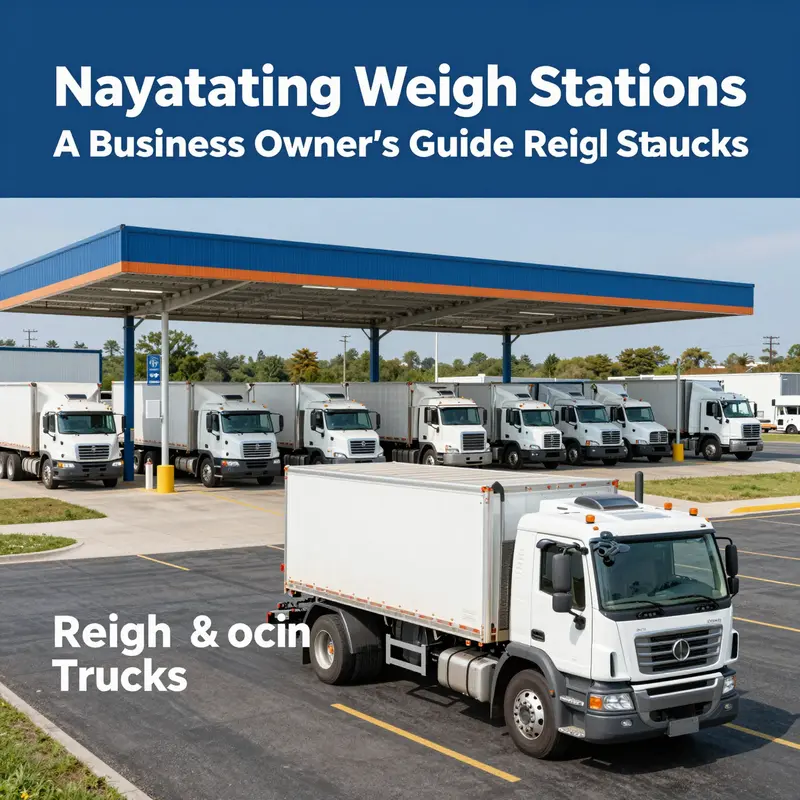
Weigh stations function as a safety and funding backbone, but their rules can feel like a maze for rental-truck users. This chapter traces exceptions and exemptions that can soften the path for those moving homes or helping others relocate with box trucks and larger vans. The core idea is simple: many states treat heavier rental trucks as commercial, but non-commercial relocation can qualify for exemptions under certain circumstances. The key factors are weight, vehicle type, the truck’s intended use, and the state you are in. Taken together, these factors shape the practical path to smoother travel while avoiding penalties. The general rule is that overweight or misclassified trucks can be stopped or inspected, but exemptions vary widely by state and by trip.
At the heart of the exemptions lies a straightforward distinction: the vehicle’s classification by weight and the purpose behind its use. A rental truck that weighs more than ten thousand pounds GVWR (gross vehicle weight rating) typically falls into the “commercial vehicle” category. In that zone, many states require pre-travel compliance, periodic checks, and, crucially, a stop at weigh stations along interstate routes. For rental fleets used in long-distance moves or for business-related freight hauling, this rule is rarely negotiable. The vehicle’s GVWR essentially says, in regulatory terms, how heavy the truck is when it’s fully loaded. When that number crosses the 10,000-pound threshold, the stakes rise: weigh stations become a routine checkpoint rather than an optional pit stop.
Yet the same threshold creates a gray area for lighter rental trucks. Vehicles under 10,000 pounds GVWR—think smaller moving vans and compact box trucks—are not automatically carved into the same regulatory mold. In some states, these lighter trucks are exempt from certain weigh-station requirements if their use is non-commercial, private relocation rather than business-related freight. The practical upshot is that if you are moving your own home or assisting a private household move, you may ride through without a stop in places that interpret the exemption this way. This is where state rules matter most, because the exemptions are not uniform across the country. A driver crossing from one state to another may exit a weigh-station regime in one state and re-enter it in the next, simply because the local regulatory landscape shifts.
State-by-state variations can feel like a patchwork, but a few patterns recur. Some states have explicit, temporary exemptions for rental trucks used in non-commercial moves. The rationale is practical: private relocation does not introduce the same commercial risks as freighting goods for profit, and the administrative burden of stopping every rental truck for a weigh check would be disproportionate to the safety gains. In California, for example, there have been arrangements that exempt GVWR-under-10,000-pound rental trucks when they are strictly used for personal moves and not for business or commercial purposes. In Texas, a similar logic can appear under regulations that allow exemptions for non-commercial moves by smaller rental trucks. Florida too has carved out allowances for private household moves with lighter trucks, again conditional on the non-commercial use scenario. The common thread here is clear: the exemption is almost always tied to the truck’s use-case, not merely to its empty weight or its manufacturer’s rating.
When the question is framed around “commercial use versus private move,” the consequences become tangible in the driver’s day-to-day planning. If the rental truck is being used for a business-related task—picking up office furniture for a new storefront, transporting commercial goods, or delivering items as part of a moving service—the exemption typically does not apply. In those circumstances, weigh-station compliance remains the norm, and a driver can expect checks, scales, and potential penalties if the vehicle is found to be overweight. Conversely, if the trip is a personal relocation—moving your own household belongings, assisting a family member, or helping a friend move—there is a plausible path to exemption in several states, particularly when the vehicle’s GVWR is below the threshold that triggers commercial status. The key, once again, is not simply the vehicle’s weight, but the declared purpose of its use along the journey. This dual criterion—weight status and intended use—shapes the likelihood of an exemption, and that is why accurate, documented information matters more than ever when planning a move.
Practical considerations for rental-truck drivers trace a careful line between compliance and convenience. A first step is often the most basic: verify the truck’s GVWR as listed in the rental agreement and confirm how the rental company classifies the vehicle for regulatory purposes. This is not merely form over substance; it informs whether you should anticipate weigh-station stops or plan a route that minimizes potential delays. If a driver suspects the vehicle might be exempt due to non-commercial use, it is still wise to carry documentation that substantiates that use case. A rental agreement that explicitly states the vehicle is for a personal move can serve as a practical reference if an officer asks for justification at a weigh station. In ambiguous situations, having a clear record that ties the vehicle’s use to private relocation helps avoid friction during inspections. The broader point here is about planning ahead rather than improvising in the moment.
Another layer of practical planning concerns the weight itself and how it might fluctuate during a move. A rented box truck can be lighter when empty but quickly become heavier as boxes, furniture, and appliances are loaded. The same truck might cross a state line with different load patterns at different times of day, affecting whether it would trigger a weigh check. This dynamic nature of load means that even if you meet a state’s exemption criteria on the day you rent the vehicle, the actual loaded weight on the road could still invite a close look if you are not careful about the journey’s weight distribution. It is not uncommon for drivers to encounter random checks, which means the exemption is not a guaranteed shield; it is a potential relief that depends on legal compliance and accurate self-reporting when applicable.
To navigate the realities of enforcement, many drivers rely on a combination of tools and local knowledge. Knowledge of the route matters as much as knowledge of the truck. Some routes are more densely monitored than others, and campaigns sometimes coincide with safety initiatives that focus on heavy commercial traffic. In welcome news for conscientious movers, modern weigh stations increasingly incorporate automated systems that gauge weight and speed through pre-registered credentials. Systems like preclearance platforms can allow certain compliant fleets to bypass physical stops if they meet criteria. This shift toward automation does not erase the need for accurate classification and honest use messages; instead, it reframes the way drivers plan their trips. If a vehicle is within an exempt category, a driver may still encounter weigh-station personnel who verify the documentation that supports the exemption, especially if the vehicle is loaded in ways that push it toward the weight boundary.
For the curious reader who wants a hands-on reference to truck dimensions and how they relate to compliance, a practical resource exists within internal content that explores the basics of truck size and configuration. A detailed look at the 16-foot truck, including dimensions, loading capacity, and typical uses, can help movers gauge whether their rental aligns with non-commercial exemptions used in some states. See the overview here for a grounded sense of what many rental fleets look like when used in private moves: 16-foot truck. This kind of information supports better decision-making before you hit the road, reducing the chance of an unwelcome weigh-station delay.
Of course, the broader framework that governs weigh stations remains anchored in federal and state oversight, and drivers benefit from consulting official resources for the most current rules. The Federal Highway Administration provides state-by-state guidance and emphasizes that weigh stations are essential for preserving highways and ensuring fair compliance among all carriers. While the specifics may evolve, the principle endures: regulations are designed to balance safety with efficiency, and exemptions exist to reflect legitimate non-commercial relocation needs. For anyone planning a move with a rental truck, a proactive approach—checking the GVWR, confirming use-case, carrying relevant documentation, and staying informed about local exemptions—offers the most reliable path to smoother travel.
In practical terms, the safest stance is to assume that weigh-station rules apply unless your situation clearly qualifies for an exemption in the state you are traveling through. If you are uncertain, plan a route that includes weigh-station-friendly stops, keep your paperwork organized, and be prepared to explain the vehicle’s purpose and weight if questioned. The goal is not to evade law or to undermine safety; it is to recognize that exemptions exist for legitimate private moves and to navigate the route with clarity and compliance in mind. The more you understand about how weight ratings, vehicle use, and state rules interact, the more confidently you can plan your move and avoid the kind of delays that can turn a simple relocation into a logistical headache.
As you map your path, remember that a few keystones remain constant: know your GVWR, understand the move’s intent, carry documentation that supports non-commercial use when appropriate, and stay aware of local variations. The weight threshold is a compass, but the direction is ultimately dictated by state-specific exemptions that hinge on use-case. The result is a nuanced landscape where rental trucks can sail through weigh stations under the right conditions, yet still face checks if the vehicle is used commercially or if the load pushes it into a disallowed zone. This is the real-world texture of modern weigh-station policy—part safety regime, part administrative pragmatism, and part common-sense planning from drivers who want to keep moving without compromising safety or compliance.
External resource: For a broader, authoritative overview of weigh-station regulations and state-by-state guidance, consult the Federal Highway Administration’s official materials here: https://www.fhwa.dot.gov
Final thoughts
Navigating the regulations surrounding weigh stations can seem daunting, but with the right insights, your business can operate smoothly and lawfully. Understanding weight thresholds, state-specific rules, mandatory requirements, and applicable exceptions will help you prepare adequately. Staying informed is key not just for legal compliance but for the safety of your operations and the longevity of your business. Always keep up with local regulations, and when in doubt, ensure you stop at the weigh stations to avoid penalties.