
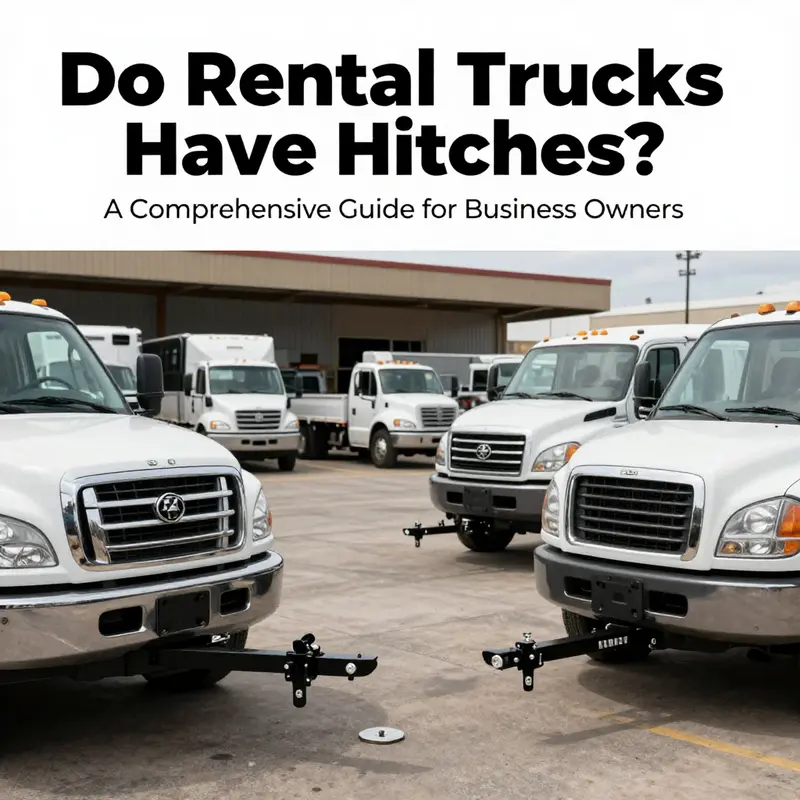
When deciding to rent a truck for business purposes, understanding the availability of hitches is crucial. Many business activities require towing capability—whether it’s for a trailer, equipment, or merchandise. This article investigates the hitch availability in rental trucks from major companies, focusing on U-Haul and Home Depot. Each chapter will delve into specific companies’ policies on hitches, the types of hitches offered, and towing capacity. By the end of this guide, business owners will have a clear understanding of their options when renting trucks with towing capabilities.
Tow-Ready by Design: Do Rental Trucks Come with Hitches—and How That Shapes Your Move
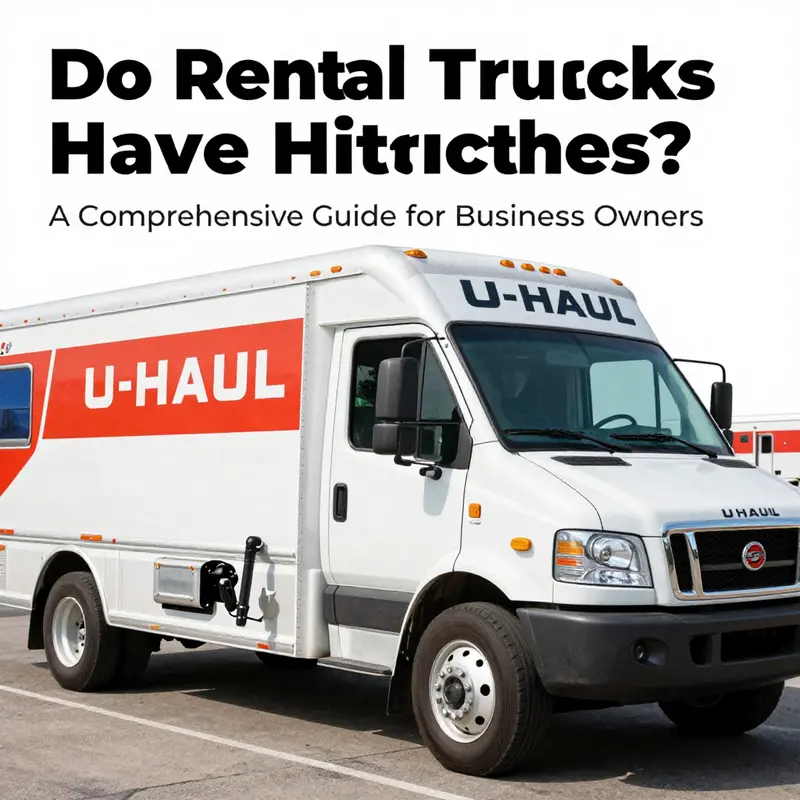
When you plan a move or a weekend project that involves towing, one practical question often rises before you even pull out of the driveway: does the rental truck come with a hitch? The honest answer is nuanced. Availability depends on the rental company and the model you choose. Some fleets treat towing capability as a built‑in feature, while others offer it as an add‑on or depend on the local store’s equipment inventory. In practice, the hitch is more than a simple accessory; it can determine what you can tow, how safely you tow it, and how much planning you must do before you arrive at the counter.
In many large rental operations, pickup style trucks arrive ready to tow. In those cases, the hitch is mounted as a factory feature, aligned with the truck’s frame and rated to handle a range of trailers. The hitch you encounter in these fleets is typically a standard class that accompanies the vehicle: a Class III or IV rating is common for light to midweight trailers and equipment. The presence of the hitch signals a clear path for towing, but it also signals a responsibility: you must match the trailer and load to the hitch, observe tongue weight limits, and ensure you have the correct safety equipment. Even when a hitch is present, the operator or the rental agreement may require you to bring or arrange specific components, such as the hitch ball and the wiring harness, or to opt into an installation service offered by the rental outlet. The idea is straightforward: the hitch is a tool, not a guarantee, and your plan should reflect what you intend to tow and how you intend to tow it.
On the other hand, not all fleets treat towing as a standard feature. Some retailers, especially those whose core business leans toward consumer projects rather than full scale moves, may deliver pickup trucks without a hitch as part of the base package. In such cases, the hitch becomes a separate add‑on feature that may be available only at certain locations or when you rent a related towing item, like a trailer. This distinction matters a lot in practice. If you are renting a truck with the intent to tow a trailer, it’s wise to check the vehicle details at booking time or confirm directly with the rental location. You want to know whether the truck includes a factory hitch, what class the hitch is, and what attachments you’ll need to bring or rent to make your towing setup complete.
Beyond the presence or absence of a hitch, the real-world experience also hinges on the specifics of your towing plan. Hitches are not just about attaching a trailer; they involve a broader system that includes the hitch receiver, the appropriate ball mount, and the wiring harness that powers lights and brakes on the trailer. If you only have a ball hitch without wiring or brakes, your towing options are limited. If you have a wiring harness but no hitch ball, your capabilities are similarly constrained. The rental outlet may provide these items as part of a package, or they may offer them on an as‑needed basis. The key takeaway is that the hitch by itself is only part of the towing equation. The compatibility of the trailer, the weight the truck can safely pull, and the availability of the necessary connectors all influence whether your move will go smoothly.
To avoid any last‑minute surprises, it helps to think ahead about how you plan to use the hitch and trailer. If you are bringing your own trailer, you should verify that the rental truck’s hitch rating aligns with the trailer’s gross weight and tongue weight. If you plan to rent a trailer through the same outlet, ask what is included in the rental package and whether the outlet can install or supply the required hardware. Some rental centers offer a hitch installation service, where trained staff install a compatible hitch and wiring onto your vehicle at the location. This service can be especially convenient if you don’t already own the ball hitch or if you would rather have the installation performed by professionals who understand the truck’s towing limits and safety requirements.
The choice between relying on a factory hitch and pursuing an installation service also carries practical considerations about speed, cost, and reliability. Factory hitches installed on the pickup fleet are designed to match the vehicle’s frame and towing capacity, so they tend to be straightforward to use for standard towing tasks. Installation services, by contrast, can provide a hitch and harness tailored to your specific needs, sometimes offering a broader range of hitch classes and wiring configurations than a basic, in‑vehicle setup. If you opt for installation through the rental outlet, you should expect some wait time for the service appointment, plus any associated charges. Knowing this in advance can spare you the frustration of discovering mid‑move that you must return to the shop for a hitch or wiring upgrade.
Another practical option some renters consider is the ability to rent hitch accessories directly from the rental outlet. In addition to the ball hitch, outlets may offer additional hardware, such as different ball sizes, locking devices, or wiring harness adapters, depending on the trailer’s requirements. Renting gear can be a flexible solution when your travel plans are variable or when you want to test a setup before making a larger purchase for a longer move. The important thing is to clarify what is included, what requires a separate rental, and what the return policy looks like if you decide you don’t need the extras after all.
All of this points to a simple and practical approach: always confirm the exact vehicle features before you book, and confirm again at pickup. If the listing notes a factory hitch, ask which class it is and whether you must provide your own hitch ball and wiring harness. If the listing does not mention a hitch, ask whether a hitch can be added and what the price would be for installation or rental of the needed components. Your goal is not to guess but to have a clear plan for what you will tow, how you will connect it, and what safety checks you will perform before you hit the road. This is not just about compliance; it’s about ensuring that your trailer lights work, the trailer’s brakes engage when needed, and your load remains secure during transit.
For those who want to explore the mechanics of hitch installation in more detail, there is a focused guide that explains the typical steps and considerations involved. It is a practical resource for understanding what a hitch installation entails, from selecting the appropriate hitch class to mounting the receiver and routing the wiring harness. If you are curious about the process, you can read more in this dedicated guide: Penske trailer hitch installation.
Finally, it is worth noting that external guidance from the rental company itself is your best source of truth. The information above reflects common patterns across major rental networks, but the exact offerings can vary by location and vehicle model. When you book, take a few minutes to review the vehicle description and to speak with a representative about your towing needs. If you intend to move with a trailer, knowing whether the truck ships with a hitch, what class it is, and what additional components you will need can save you hours of trouble on moving day. The goal is simple: a hitch that matches your trailer and a safety setup that makes the trip predictable rather than risky.
External resource: for official guidance on what a given rental company offers, you can consult the company’s site directly. It provides the most up‑to‑date details about factory outfitting and available towing options. https://www.uhaul.com
Hitches on the Move: Navigating Availability, Add-Ons, and Practical Towing Realities for Rental Trucks
Hitches on the Move: Navigating Availability, Add-Ons, and Practical Towing Realities for Rental Trucks
Whether you’re moving across town or hauling equipment to a worksite, the question of whether rental trucks come with a hitch is more nuanced than a simple yes or no. The truth is that hitch availability varies by fleet, by truck model, and often by location. In practice, some fleets retrofit their pickups and moving trucks with factory-installed or non-customer-removable hitches, while others treat towing capability as an optional add-on tied to the rental package or to the specific vehicle you select. For anyone planning a tow, this variance makes it essential to confirm in advance what you’ll get at pickup and to understand the practical implications of that hitch, or of its absence.
A useful way to frame this topic is to consider two broad patterns. The first pattern is common among fleets that prioritize towing as a standard capability. In these cases, a truck designed for moving or for heavier-haul tasks arrives with a hitch already in place. The hitch is typically a Class III or Class IV receiver, mounted from the factory or installed as a standard feature in the model lineup. The safety, compatibility, and weight ratings are certified for towing, which gives renters a straightforward path to connect a trailer, boat trailer, or other towable equipment without negotiating additional add-ons. When you encounter this arrangement, the towing experience tends to be smoother: you select the correct hitch-rated setup for your trailer, you tie in the wiring harness if required, and you’re prepared to hit the road with a dimensioned, rated hitch system that’s designed to handle the load.
The second pattern is more common with large home-improvement retailers and other rental providers that operate truck fleets designed primarily for short moves or intermittent hauling tasks. In this setup, hitches are not a guaranteed feature on every vehicle. A truck may arrive without a hitch, and the option to add one becomes an auxiliary service you request at checkout or as you reserve the vehicle. In some cases, the hitch add-on is bundled with the rental of a towable trailer or other equipment, which creates a practical incentive to bundle. This approach makes sense for renters who only need towing capability occasionally or who are coordinating a trailer rental with their truck, but it also introduces a layer of planning: you must confirm availability for your pickup location, understand any added rental fees, and ensure your trailer’s weight and tongue load align with the vehicle’s capacity.
What these patterns translate to in real-world terms is that the presence of a hitch is not guaranteed, and it is not uniform from one location to another. Availability can hinge on the exact truck you reserve, the stock at that store, and whether the location offers a towing package as part of the rental. If you are planning to tow, the most prudent approach is to treat hitch status as a property feature you must verify before you arrive to pick up the vehicle. A quick check during the booking process—whether online or by phone—can save you a delay at the counter and a mismatch with your moving plans. A good practice is to explicitly ask, “Is this specific truck equipped with a factory-installed hitch that is approved for towing, or is hitch service available as an add-on?” and to confirm the compatibility with the trailer you intend to tow.
Beyond the binary question of presence or absence, it is crucial to understand the practical limits and safety requirements that accompany towing with a rental truck. Hitches, tongue weight, and towing capacity are all tied to the truck’s overall rating, which factors in the vehicle’s gross vehicle weight rating, the payload capacity, and the gross combined weight rating when a trailer is connected. Even if a hitch is present, a renter must respect these limits. A trailer that exceeds the truck’s rated capacity can not only degrade performance but also create serious safety risks on the highway. The trailer’s weight distribution matters, as does correct hitch hardware selection—such as the hitch ball, ball size, and the mount type—plus the wiring harness needed to power trailer lights and safety signals. If your plan involves a larger load, you may discover the need for a weight-distributing hitch or other specialized equipment to maintain control, braking, and stability as you move.
The conversation about hitch availability also touches the logistical realities of the rental experience itself. Some locations will accommodate hitch requests at the counter, especially if you are renting other tow-related gear, like a trailer or a tow dolly. The add-on model can be convenient for customers who need a full towing setup without carrying the burden of a separate purchase. However, this convenience comes with caveats: pricing for the hitch add-on can vary by location, and in certain markets the add-on might require you to rent a compatible trailer from the same provider to justify the service. To avoid surprises, ask for a written breakdown of the hitch’s price, whether a standard or premium installation is included, and whether any fees apply if you opt to cancel or change plans at the last minute.
For people who want to act proactively, there are practical steps to ensure you’re not caught unprepared. Start with the booking: when you reserve, select the vehicle category that aligns with your moving needs and explicitly inquire about towing readiness. If a hitch is confirmed, request details about the hitch class, the maximum tongue weight, and any required auxiliary equipment. If the hitch is not included, ask whether there is an add-on option or whether you can rent a trailer that comes with its own hitch and towing apparatus, thereby sidestepping the need to modify the truck itself. If you plan to tow a trailer, check that you also have a properly rated wiring harness and, where required, a harness with the appropriate polarity and signal integrity for safety lighting.
A practical tip for those who are exploring options across different rental outfits is to treat the decision as part of a broader towing plan. Some outfits explicitly differentiate between a truck’s inherent towing capability and the trailer rentals they offer. In those cases, the hitch addition may be tied to the trailer rental rather than the vehicle, which means you might rent a trailer with its own hitch and balance the load on your chosen truck separately. In any scenario where towing is involved, the alignment of the trailer’s weight and tongue load with the truck’s capacity remains a non-negotiable requirement. An under-rated or under-sized hitch or an overweight trailer can create stability issues during acceleration, braking, and cornering, and it increases the risk of sway, which can lead to dangerous driving conditions. That is why the process of confirming hitch availability should be treated with the same care as selecting the right trailer and the right tow equipment.
For renters who wish to dig deeper into managed towing options, there are resources that cover installation and compatibility more broadly. In some fleets, hitch installation can be offered as a service, with guidance on choosing the correct ball size and install method to ensure secure attachment and reliable signaling. If you’re curious about hitch installation in a general sense, you can explore a dedicated guide that walks through the essential steps and safety considerations involved. This resource provides a practical overview of how the hitch, wiring, and braking systems come together to create a safe towing setup, and it helps frame what to look for when a rental provider offers a hitch as part of your package. For additional context, see the guide on trailer hitch installation.
When you approach the rental counter with a clear towing plan, you’ll also be better prepared to navigate any location-specific policies. Some stores may require proof of hitch compatibility before you can tow, especially if you are towing heavier loads or planning to tow through challenging terrain. Others may allow you to tow with certain kinds of trailers only if you meet specific requirements, such as a minimum license type or compliance with trailer brake rules. A thoughtful renter will review the trailer’s weight rating, the hitch class, the tongue weight, and the trailer’s braking setup, ensuring that everything aligns with the truck’s stated capabilities. This level of due diligence reduces the risk of emergencies on the road and helps guarantee a smoother move, especially when time is tight or when you’re moving into a new home or office.
In closing, hitch availability on rental trucks is not a uniform feature; it reflects a spectrum of fleet configurations, store policies, and transactional arrangements. Some renters may find a hitch as a standard, factory-installed feature on certain trucks, while others must add on the capability or rely on a trailer rental with its own towing gear. The key is to verify before you drive away: confirm the truck’s hitch status, understand the applicable capacity ratings, secure the necessary wiring and safety equipment, and consider whether the added complexity is worth the cost versus selecting a vehicle that already includes the towing setup you need. With careful planning, towing with a rental truck can be a straightforward extension of your moving plan rather than a source of friction on pickup day.
Internal link for further context: for a broader look at hitch-related installations and the considerations involved, you can read about trailer hitch installation in a dedicated guide here: trailer hitch installation.
External reference: https://www.homedepot.com/c/ab/Rental-Trucks-Trailers/1006925
null
null
How Class III and IV Hitches Shape What You Can Tow with a Rental Truck
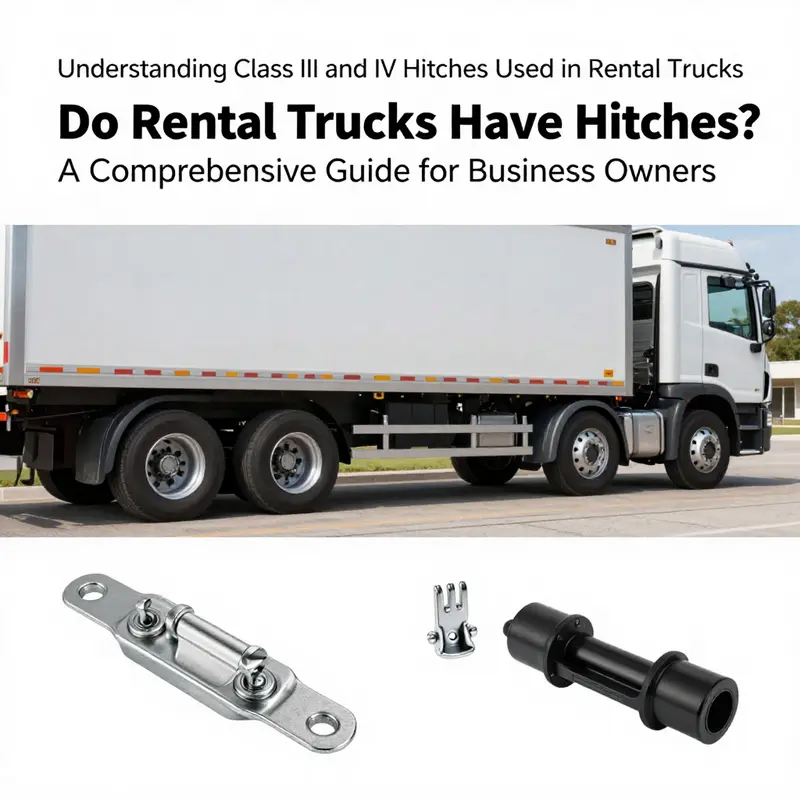
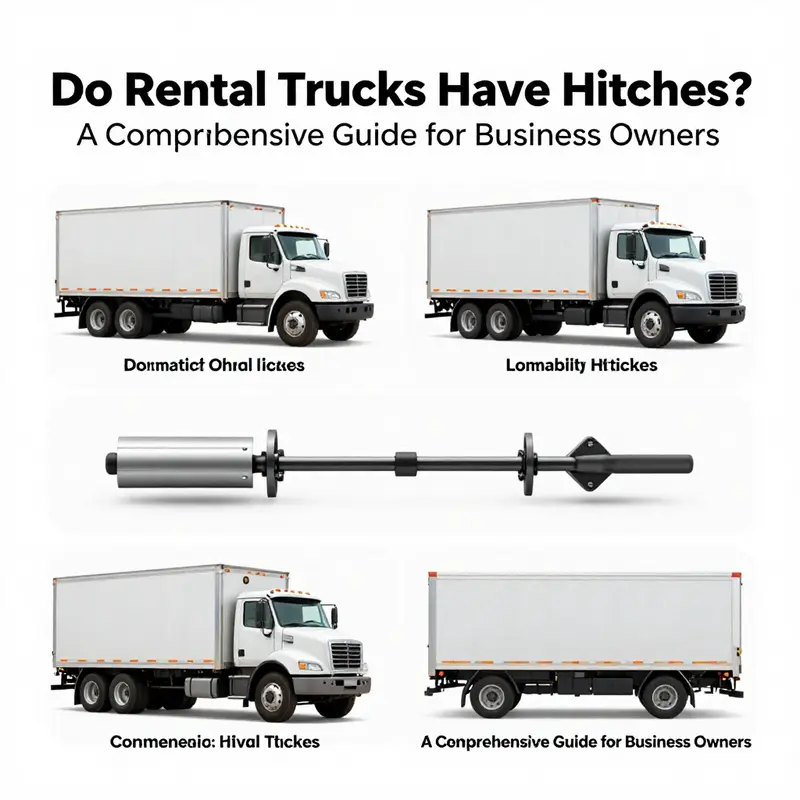
Understanding the hitch under the bumper is the first step to towing safely with a rental truck. Rental fleets commonly equip pickup trucks with either Class III or Class IV hitches because these two classes cover the broadest range of towing needs without radically altering the truck’s design. Knowing the practical differences between them — in capacity, intended use, and installation — helps you match load demands to the vehicle you rent and avoid unsafe combinations.
Class III hitches are the workhorses in many rental pickup trucks. They are compact enough to be factory-installed on full-size SUVs, trucks, and larger crossovers, yet they deliver meaningful towing power. Typical maximum towing capacity for a Class III hitch falls between roughly 5,000 and 8,000 pounds, with tongue weight ratings up to about 800 pounds. Those numbers make Class III ideal for towing small campers, boat trailers, utility trailers, and enclosed cargo trailers within that weight range. Because they strike a balance between everyday drivability and hauling ability, rental operators often choose Class III hitches for general-purpose trucks.
Class IV hitches step up to heavier work. These hitches are purpose-built for heavier trailers and more demanding hauling. Expect rated towing capacities in the range of about 10,000 to 12,000 pounds and tongue weights approaching 1,200 pounds. Class IV designs are thicker, heavier, and bolted or welded to stronger frame points. Rental trucks that come with Class IV hitches are typically intended for users who need higher gross trailer weight capacity, such as transporting large boats, heavy equipment, or horse trailers. The presence of a Class IV hitch on a rental truck is a clear signal that the vehicle is engineered for serious towing tasks.
A hitch’s class, though important, is only part of the story. The truck itself has its own towing limits set by the manufacturer. That means you must reconcile the hitch rating with the vehicle’s gross combined weight rating (GCWR), the rear axle capacity, and the payload rating. The lowest rated component controls the safe operating limit. For example, a Class IV hitch may be rated for 10,000 pounds, but if the truck’s frame, suspension, or brakes limit safe towing to 8,000 pounds, you must not exceed the truck’s lower rating. In practice, rental agreements and vehicle placards usually list the truck’s towing limits, and you should ask to see that information when you pick up the vehicle.
Tongue weight deserves special attention. This is the vertical force a trailer places on the hitch and can be expressed as a percentage of the trailer’s total loaded weight. Exceeding the tongue weight capacity can overload the truck’s rear suspension, reduce steering control, and increase the risk of trailer sway. Conversely, too little tongue weight can make trailers unstable. Many experienced haulers aim for tongue weight between 10% and 15% of the trailer’s total weight for conventional trailers, but the best target can vary. Use a scale at a weigh station or truck stop if you need an accurate measurement before hitting the road.
Practical towing also depends on the hitch receiver size and the availability of compatible accessories. Class III and IV hitches commonly use a 2-inch or 2.5-inch receiver opening. That determines what ball mounts, hitch balls, and cargo carriers will fit. If you plan to bring your own trailer, verify the receiver size and whether the rental truck includes a ball mount and wiring harness. Some rental fleets include a basic ball mount and a standard wiring connector. Others supply only the receiver and expect renters to bring their own towing hardware. Confirming these details before you arrive saves time and prevents last-minute surprises.
Wiring and brake control are part of safe towing but are often overlooked. Trailers usually require a lighting connection for brake lights, turn signals, and running lights. Heavier trailers may also need a dedicated trailer brake controller. Ensure the rental truck has a compatible electrical socket and, for heavier trailers, either an integrated brake controller or the ability to accept one. If the truck lacks a brake controller but the trailer needs one, renting a portable controller or choosing a different vehicle becomes necessary.
Physical inspection of the hitch before you drive away is a small step with a big payoff. Check for secure mounting bolts, visible cracks, corrosion, or deformation. Confirm the hitch pin and clip are present and that the receiver opening is free of debris. For bolted hitches, ensure the hardware has no signs of loosening. If you find anything questionable, ask for another vehicle. A clean, well-maintained hitch is a sign of responsible fleet management.
Load distribution and sway control matter when you haul anything approaching the hitch or vehicle limits. Weight distribution hitches redistribute tongue weight across both axles of the towing combination, improving steering feel and braking. Sway control devices reduce uncomfortable or dangerous oscillations when crosswinds or sudden maneuvers occur. Rental trucks intended for towing heavier loads may offer these options as part of a towing package. If not included, you can often rent or buy the necessary components, but you should confirm compatibility with the receiver and trailer.
Insurance and liability questions usually accompany towing. Many rental agreements place restrictions on what you may tow and require that you meet minimum driver qualifications. Some policies exclude certain types of trailers or loads. Always read the rental agreement sections on towing. Inquire about added coverage or endorsements that extend liability protection while towing. If you plan to tow for long distances or with valuable cargo, consider supplemental coverage to reduce out-of-pocket risk.
Booking and pickup routines are simple ways to avoid problems. When reserving a rental truck, explicitly ask whether the specific vehicle will include a factory-installed Class III or Class IV hitch and what accessories are provided. Request written confirmation in the reservation notes. At pickup, verify the hitch class and check the vehicle’s towing placard. If you plan to connect your own trailer, confirm the receiver size, ball mount availability, wiring connector type, and whether a brake controller is installed.
Finally, treat towing as a skill. Even with the correct hitch class and all accessories in place, towing changes vehicle dynamics. Practice driving with a trailer in a safe area before entering highways. Allow for longer stopping distances, wider turning arcs, and reduced maneuverability. Small adjustments in driving habits make towing predictable and safer.
For a practical reference on hitch installation and compatibility with rental trucks, consult a rental fleet’s trailer hitch installation guide for step-by-step procedures and typical hitch specifications: https://larentaltrucks.com/blog/penske-trailer-hitch-installation/
Understanding the differences between Class III and Class IV hitches — and how they integrate with a truck’s limits, accessories, and safety systems — ensures you pick the right rental vehicle for the load. With clear confirmation at booking, a careful inspection at pickup, and sensible towing practices on the road, a rental truck equipped with the correct hitch class can make hauling efficient and safe.
null
null
Final thoughts
In summary, the presence of hitches on rental trucks varies by company. U-Haul provides reliable towing solutions as a standard feature, while Home Depot offers hitches as optional add-ons. Understanding these differences can help business owners make informed choices based on their specific hauling needs. As you contemplate your truck rental options, consider your requirements for towing capacity and hitch compatibility to ensure a smooth operation for your business activities.