
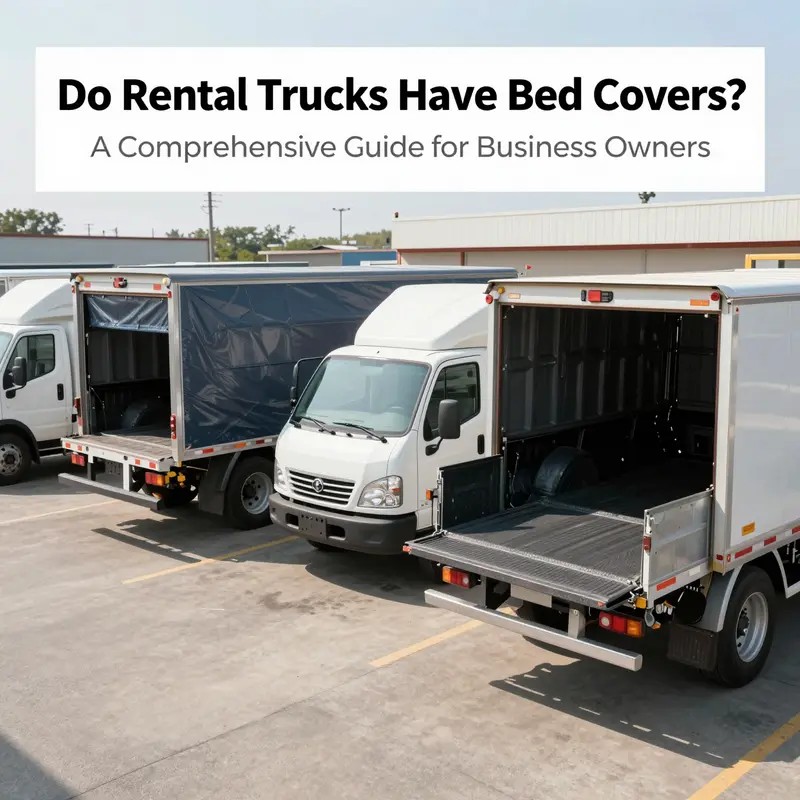
Understanding whether rental trucks are equipped with bed covers is crucial for business owners who rely on secure transport for their goods. Bed covers play a vital role in protecting cargo from weather elements, theft, and damage during transport. In this guide, we’ll delve into the availability of bed covers in rental trucks, discuss their benefits, compare leading rental providers, and highlight essential considerations for renters to ensure their requirements are met. Each chapter will provide insights that help establish a clear picture of how bed covers can enhance the rental truck experience, making it an invaluable resource for business logistics.
Guarding the Load: Bed Covers on Rental Trucks and What Renters Need to Know
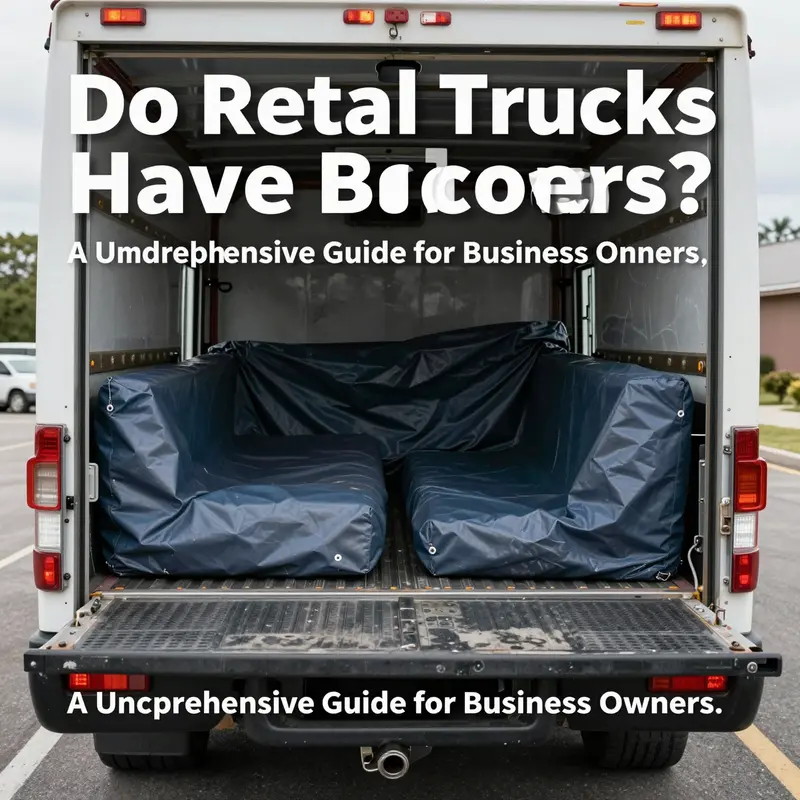
When you rent a truck for a move, a simple question often pops up in the middle of a packing frenzy: does this truck come with a bed cover? The answer isn’t a single yes or no. Bed covers are a practical feature that can be included on some trucks and offered as an add-on on others, and their presence depends on a mix of factors—the rental company’s policies, the specific truck model you’re given, and the terms of your rental contract. In practice, a cover can be either a built-in feature on certain vehicles or an optional accessory that you pay for at checkout. The idea behind bed covers is straightforward: protect what’s in the bed from the elements, reduce the risk of items shifting or flying out, and deter opportunistic theft. The practicality of such protection becomes especially clear when you’re hauling items that are sensitive to moisture, debris, or wind resistance, or when you’re transporting goods that you’d prefer to keep out of sight during a day of errands and errands turned overnight.
The availability of a bed cover is not universal across all rental fleets. Different rental providers manage their inventories with varying configurations. Some fleets balance cost with utility by including basic weather-resistant covers on mid- and large-sized moving trucks, while others reserve covers for vehicles that are marketed toward commercial crews, contractors, or customers with cargo that benefits from additional protection. It’s important to understand that even within the same company, coverage can differ by location. A truck at one branch might come with a cover, while the exact same model at another branch might require an add-on or simply be sold as an open-bed option without a cover. This nuance matters because the choice to use a cover—or not—can influence how you prepare your items, how you strap them down, and how you budget for the rental.
The types of bed covers you might encounter fall along a spectrum. On the lighter end are simple tarps or tarp systems that can be rolled or folded over the bed when needed. Tarps are affordable and versatile, but they require you to secure the edges with tie-downs or bungees, and they don’t always provide a rigid, weather-tight seal. On the heavier end are hard-shell tonneau covers or rigid foldable panels that clamp over the bed, offering more robust weatherproofing and a cleaner, lower profile that helps with aerodynamics and wind resistance. Some fleets also offer more advanced options, such as foldable tarp systems combined with weather stripping, or bed liners that extend up the sides of the bed to protect cargo and the truck’s interior from abrasion. Each option has trade-offs: tarps are flexible and cheap but less secure; hard-shell and rigid systems provide stronger defense against rain and theft but may cost more and require correct sizing for the bed and tailgate.
Beyond weather protection, a cover can play a role in cargo security and damage prevention. A cover that fits snugly and locks—or at least tethers securely—can reduce the temptation of opportunistic theft and help keep items from shifting during transit. It also helps when you’re driving on winding roads or over uneven surfaces, where unsecured goods can bounce and slide. For people moving alone or juggling multiple stops, a bed cover can give peace of mind that the items will stay in place as you run from building to building, avoiding the risk of loose items catching on doors, hitch pins, or other gear. It’s worth noting, though, that a cover is not a guarantee against every hazard. Varying weather conditions, road grit, and the sheer mass of heavy items can still present risk. The best approach is to couple a cover with proper tie-downs, even distribution of weight, and careful loading. In other words, a cover is a layer of protection, not a substitute for responsible cargo securing.
Because rental fleets are designed to meet a range of needs—from simple furniture moves to contractor-scale deliveries—the presence of bed covers often tracks with the vehicle’s intended use. Vehicles marketed toward construction or commercial use are more likely to come with protective gear as a standard or as a clearly labeled add-on. This alignment makes sense: those users typically bear a higher burden of protecting both cargo and vehicle interiors, plus the weather often introduces an extra layer of risk when materials or tools are exposed to the elements. Conversely, smaller, passenger-oriented moving trucks might offer basic covers or none at all, especially if the vehicle is used primarily for short hops and light loads. If your load includes weather-sensitive items or items that you want shielded from prying eyes, it’s prudent to actively verify the presence and condition of any cover before you hit the road.
What does this mean for you in practical terms? It means you should treat bed covers as a preferences-or-necessity decision depending on your cargo and your itinerary. If you value weather protection, privacy, or cargo security highly, you’ll want to confirm whether a cover is available and, if so, what type it is. Some rental contracts describe the cover in broad terms, while others spell out the exact model, material, and whether an extra fee applies. If you’re transporting items that are especially sensitive—electronics, tools, paint, or seasonal gear—pushing for a cover or seeking a protective package can save you the trouble of weather or theft-related damage later on. It’s also helpful to know that certain packages might include not only the cover but also a bed liner, tie-down straps, and related accessories designed to secure cargo effectively. The idea is to reduce the number of separate purchases you need to make and to streamline the loading process, which can be a meaningful convenience when you’re on a tight schedule.
To navigate this landscape with confidence, start by checking the rental company’s policies and your specific vehicle’s inventory when you book. A quick call or a browse of the fleet’s online listing can reveal whether the selected truck comes with a cover by default or if you’ll need to opt for an accessory. If you’re already at the branch or are picking up the truck, take a moment to inspect the bed. Look for the presence of a cover, its condition, and whether it operates as intended. A cover that rips, tears, or doesn’t seal properly can defeat the purpose of protection and add friction to your loading process. If the cover is part of a broader “cargo protection package,” inquiring about what else the package includes—such as bed liners, additional protective coatings, or tie-down systems—can be a smart move. These packages can be surprisingly comprehensive and may offer better overall value than purchasing individual components piecemeal.
For renters who want to keep the topic anchored to practical realities, consider a moment when you might need to weigh the options. Imagine you’re moving a set of delicate items from a suburban home to a downtown apartment—items that could be damaged by moisture or wind, or that you’d prefer to keep out of sight. In such a case, a covered bed is not simply a nice-to-have; it’s a safeguard that can reduce stress and simplify loading and securing. Alternatively, if you’re simply moving a handful of furniture across a dry day with minimal exposure to precipitation, a cover might be less critical, and the decision could hinge on whether you value convenience and cost savings more than the added layer of protection.
The question of cost is also a real consideration. Depending on the policy of the rental provider and the specific vehicle, bed covers can be included at no extra charge, offered for a small daily or per-trip fee, or bundled into a package that includes other protective gear. If your rental budget is tight or you’re juggling multiple add-ons, it’s reasonable to evaluate whether the added protection is worth the incremental cost, especially for a one-way or multi-stop move where weather exposure or theft risk is higher. The key is transparency: ask, confirm, and document what you’re receiving as part of the contract. If possible, request a written note that states whether the bed cover is included, the type of cover, the length of the rental, and any fees or restrictions. A few minutes of due diligence up front can remove a lot of guesswork later.
If you’re curious how truck size or configuration might influence accessory options, you can explore a resource that highlights how different bed dimensions relate to protective accessories. For a concise look at how size impacts the options, see this guide on the 16ft box truck. 16ft box truck. The broader takeaway is that the larger the bed, the more likely you’ll encounter a broader range of protective options, and the more important it becomes to verify exact inventory at your pickup location. The reality is that, across fleets, the most reliable path to certainty is a direct check with the rental provider—before you commit to a specific truck or contract.
In addition to the basic cover itself, renters should be aware of how a cover fits within the broader ecosystem of cargo protection. Some providers offer comprehensive packages that combine a cover with a protective liner, tie-down rings, and even wheel wells or bed rails designed to reduce movement and abrasion. Such packages can deliver a higher level of cargo security and may yield smoother insurance claims if damage were to occur en route. The key is alignment: make sure your cargo’s needs—weight, dimensions, and sensitivity to moisture—match the package you choose. If your items are bulky but light, a sturdy tarp plus robust tie-downs might be enough. If your cargo includes high-value or fragile pieces, a hard-shell cover with a locking mechanism and a full bed liner could be a prudent investment.
For readers weighing the practical steps, a simple set of checks can help you avoid last-minute scrambles. Before you pull away, confirm that a cover is present and functioning, ask about any associated fees, verify the type of cover, and inspect the bed for any damage that might impair performance. If possible, perform a quick test by loading a sample item, closing the cover, and testing its seal in a light rain or by simulating a brief downpour. While a rental truck’s cover is not a full weatherproof guarantee, this quick test can reveal obvious issues before your valuables are exposed to the elements on the road. And if your plan involves a trip with multiple stops, ask whether the cover remains secure when the bed is accessed multiple times—loading and unloading can loosen fit and affect protection.
Ultimately, bed covers in rental fleets are indeed common and can be a valuable ally for protecting cargo during transit. They are not universal, and their presence depends on the vehicle, branch, and contract. The most reliable path for renters is to treat the cover as a configurable option rather than an assumed feature. By checking in advance, understanding the available types, and considering whether a protective package better meets your needs, you can secure the right level of protection for your load without surprise charges or misaligned expectations. With thoughtful planning, the bed cover becomes a quiet but powerful contributor to a smoother, safer move—and to the confidence that your belongings will arrive as intended, shielded from rain, wind, and the curious eyes of the world outside.
External resource: https://www.uhaul.com/rentals/trucks/
Covering the Load: How Bed Covers Shape the Safety and Simplicity of Rental Truck Moves
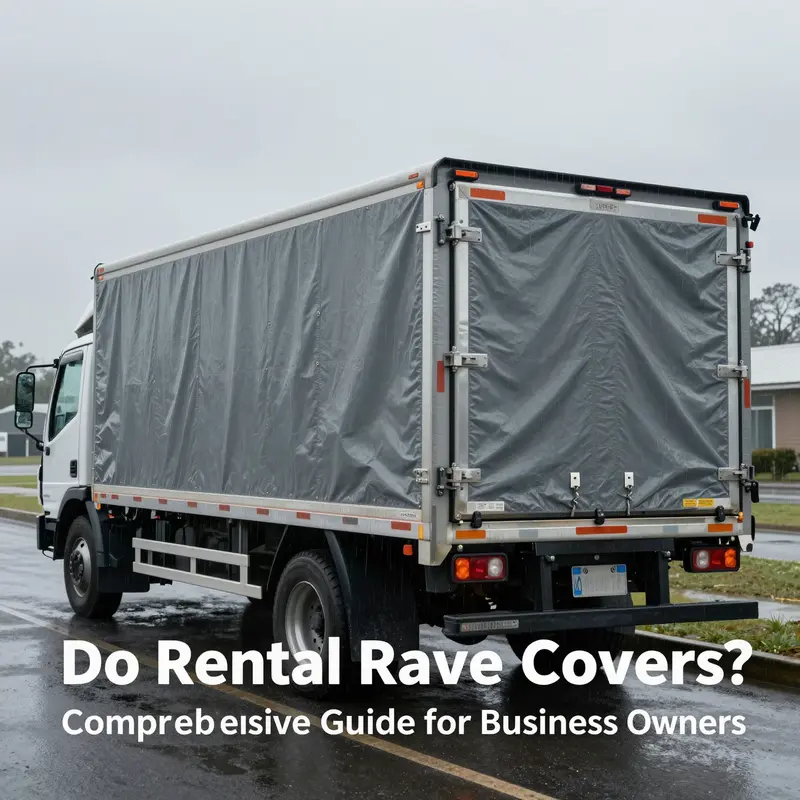
The choice to rent a truck that comes with a bed cover, or to add one as an afterthought, sits at the intersection of practicality and protection. For anyone planning a move, a jobsite haul, or a delivery run, the bed of the truck represents a critical interface between cargo and weather, road, and human attention. The reality in the rental industry is nuanced: bed covers are not universally standard, but they are widely available as options, and in some fleets they are even bundled with certain vehicle classes that are built for construction, remodeling, or larger-scale moving tasks. This means that a renter’s experience can vary not just by the size of the truck, but by the rental company’s policy, the specific model in its fleet, and the terms written into the rental agreement. The prudent approach is to treat bed covers as a feature to be confirmed rather than a default assumption. In many fleets, the cover is an add-on—soft or hard—meant to shield cargo from rain, wind, and dust, while also deterring opportunistic theft and reducing the risk of damage from shifting loads during transit. Yet other fleets may reserve bed covers for particular lines or configurations, especially those designed to work with tools, equipment, or high-value items that deserve extra protection during movement. This variability is not inherently a problem, but it does place a responsibility on the renter to verify coverage before hitting the road and to map out an accessory plan if a cover is a priority for the trip at hand. When questions arise about whether a bed cover will be present or available, the best first step is to engage directly with the rental provider’s inventory and policies. The emphasis should be on clarity: what is included, what is optional, what carries an additional fee, and how the terms impact the overall rental cost. In practical terms, bed covers can take several forms. There are hard-shell tonneau-like structures that sit flush with the bed walls, offering a rigid, weatherproof barrier. There are foldable or roll-up tarps that can be stowed away when not needed, providing flexibility for varying loads. And for some fleets, there are liner or protection packages that pair a bed cover with protective liners and tie-down systems designed to keep cargo from shifting and from settling into the bed’s metal surface. These options speak to a broader goal: to preserve the integrity of both the truck and its payload, while reducing the potential for scraping, denting, or moisture-induced wear that can accumulate over the span of a rental period. The core benefits are tangible and align with how many users assess a rental truck for a given job. First, weather protection protects cargo from rain, sleet, snow, or humidity that can compromise items, and it also slows deterioration of the bed itself by reducing direct exposure to moisture and UV rays. Second, security is a meaningful factor; a bed cover adds a shield against opportunistic theft by obscuring contents and creating an additional barrier to access. Third, cargo control improves operational efficiency. A cover helps keep items in place, reducing the likelihood of shifting weights that could impact steering balance or tire wear. It also contributes to a cleaner, more organized impression for contractors who value a professional image when arriving at a site or client’s location. Fourth, aesthetics and maintenance benefit long-term use. A covered bed tends to look more polished, particularly for businesses that present a professional front to customers or partners. It communicates that the operator takes care of equipment and cargo alike. The combined effect of these advantages often translates into smoother moves, fewer on-site delays, and greater confidence that belongings arrive in the same condition in which they were loaded. The benefits extend beyond mere convenience. In some discussions, the bed cover is linked to a broader concept of cargo protection that includes liners, tie-down points, and even weatherproof seals around the tailgate. This package approach is especially appealing for customers who repeatedly move fragile, valuable, or bulkier items. It should be noted, however, that the presence of a bed cover is not universal across every rental fleet or vehicle class. Some trucks may arrive with a bare bed, while others may offer a cover as part of a promotion, a loyalty program, or a special fleet designation. This means that potential renters should not only ask whether a cover exists but also confirm its condition and compatibility with the chosen truck model. A cover in poor condition can be more trouble than its absence, failing to seal out moisture or to secure a load properly. Likewise, if the cover is incompatible with the bed shape or tailgate design, it may not provide the intended protection. The practical steps to navigate this reality are straightforward. At the outset, renters should outline their cargo and travel conditions. If rain is a likely factor, if valuables require concealment, or if loads are heavy and prone to shifting, targeting a vehicle with a bed cover or a clearly stated option for one is wise. It is equally important to confirm the exact model and its bed configuration. Different truck beds have distinct widths, depths, and tailgate mechanisms, which in turn dictate which covers will fit and operate correctly. The inspection at pickup becomes a crucial moment. A renter should assess the cover for fit, integrity, and ease of use. Any signs of wear, tear, or compromised seals should be documented and discussed before leaving the lot. If a cover is not included by default, renters can often add it as an accessory or select a vehicle in a fleet where the option is standard for the intended class. This is where the policy of the rental provider matters most. Some fleets treat bed covers as a routine add-on with nominal fees, while others may offer bundled packages labeled as cargo protection or vehicle protection that include a bed cover, interior liners, and additional tie-down features. Understanding these options helps renters tailor the rental to their needs without paying for more than necessary. One area that often surprises renters is the distinction between bed covers and related features such as bed liners or protective sprays. A bed liner is a separate, interior surface that lines the bed and guards against scratches and corrosion. A bed cover sits on top or over the bed to shield the cargo from external elements and to thwart weather exposure. Tie-down systems provide the means to secure items effectively. Each component serves a different aspect of protection, and a comprehensive approach can be especially valuable for those carrying tools, equipment, or delicate goods. In evaluating whether to pursue a bed cover with a rental, renters should also consider the trip’s duration and the location’s climate. Short, dry moves may not justify the additional expense or effort, whereas longer operations across variable weather and multiple sites can benefit from consistent protection. The math, then, becomes a cost-benefit exercise: what is the incremental protection worth in terms of cargo integrity, labor time saved on securing loads, and the potential for reduced insurance concerns? Renters who understand these tradeoffs can approach the rental counter with confidence, asking pointed questions about availability, whether a vehicle can be swapped mid-rental to accommodate a cover, and whether the cover remains with the vehicle at the end of the rental or must be returned alongside it. The dynamic nature of these policies supports a broader point: bed covers contribute to a smoother rental experience, especially for customers with specific cargo needs or service expectations. If a cover is crucial, asking early often yields better options—either securing a vehicle in the fleet that includes a cover or reserving the cover as an add-on well before the pickup date. When the time comes to pick up the vehicle, it is also sensible to verify any maintenance or warranty considerations that may affect the cover’s performance. Harsh weather events or improper use can degrade a cover’s effectiveness, and being aware of any guidelines for operation, cleaning, and storage ensures the accessory remains functional for the duration of the rental. The broader context here is that bed covers are not merely aesthetic or marginal conveniences; they are operational tools that align with how individuals and organizations manage risk, time, and resource allocation on every move. For those who want to connect this topic to a larger landscape of rental fleet configurations, a practical reference point can be found in discussions of common truck sizes and setups, such as the widely used 16-foot category. See the overview of the 16-foot truck to better understand how bed dimensions interface with cover options and loading plans: 16-foot truck. This context helps customers visualize the range of vehicles that might appear in their search and clarifies why a bed cover might be more or less essential depending on the chosen model. Of course, this is not a universal guide. The exact offerings will depend on where you rent and when you rent. It remains essential to confirm with the provider that a bed cover is available, in good condition, and compatible with the intended truck. In the end, bed covers are among the most practical accessories a renter can secure for a move or a workday that involves transporting goods. They support cargo protection, reduce the risk of weather-related damage, and contribute to a tidy, professional presentation. They can also lower the likelihood of load shifts that could affect handling, a factor that resonates with both safety considerations and efficiency on the job. As with any rental decision, the key is to approach with clarity, confirm the options in writing, and inspect the equipment at pickup. If a cover is a priority, a proactive stance—asking about availability, confirming model compatibility, and understanding any added costs—goes a long way toward ensuring that the rental process delivers protection and peace of mind rather than surprise charges or missing features. External context on regulatory and market considerations around large vehicle accessories can be explored through official channels to better understand how policies may evolve, such as the ongoing regulatory discourse hosted by national authorities: https://www.commerce.gov
Covering the Load: A Practical Guide to Bed Covers on Rental Trucks
A simple question often yields a surprisingly complex answer: do rental trucks come with bed covers? The short version is that it depends. Bed covers—whether a rigid, hard-shell tonneau, a flexible foldable tarp, or a canvas cover—are commonly available, but not as a universal default. The landscape of truck rental is shaped by the rental provider, the specific vehicle in question, and the terms of the rental contract. The result is a practical truth that every mover should know before signing a reservation: bed covers exist for many, but not all, trucks, and even when they exist, their availability can hinge on the vehicle’s lineup, the rental location, and the chosen package or add-on. In other words, while protection for your cargo is a priority for many rental fleets, the exact fixture you’ll encounter at pickup can vary as widely as the vehicles themselves.
To appreciate why that variability matters, picture a typical move or haul where weather, theft risk, and cargo integrity weigh into decision-making. A bed cover can shield boxes from sudden rain, dust from a dusty construction site, or the curious gaze of someone strolling past a pickup along a street. It can also reduce the risk of items shifting during transit, which might otherwise cause scuffs, scratches, or damage to items stacked near the tailgate. For many customers, those are not minor concerns. The protective function of bed covers translates into peace of mind, especially when transporting fragile items, valuable tools, or anything that you would rather not leave exposed to the elements or potential opportunistic theft.
Yet the reality remains that not every truck in a rental fleet arrives with a cover already installed or folded into the price. The presence of a bed cover often hinges on how the rental provider structures its inventory and services. Some fleets reserve bed covers as a standard feature for certain vehicle classes that they market toward business or contractor use. Others treat covers as optional add-ons you select during the reservation process or at pickup. In some cases, a cover may come bundled with a broader cargo protection package that also includes a bed liner, tie-down points, and perhaps a few straps or anchor points to secure heavy or awkward loads. This modular approach makes sense from a logistics standpoint: it allows renters to tailor the vehicle to the job without forcing every customer to pay for features they won’t use.
What does this look like in practice? On a routine rental, you might encounter a few distinct scenarios. First, a vehicle class designed for moving or contractor work could automatically include a bed cover as part of a practical, work-ready configuration. In that scenario, you would likely see a hard-shell tonneau or a rigid cover that lies flush with the bed edges, offering protection against rain and sun while preserving cargo width. Alternatively, a softer, foldable tarp or a bungee-secured fabric cover might be offered as a budget-friendly option for those who mainly need weather protection and a deterrent against casual theft. A third scenario places the bed cover behind a separate upgrade or accessory package. In this setup, the base rental price remains the same, but you can opt into a cargo protection package that also includes a bed liner for the bed floor and a basic set of tie-downs. The package approach has the benefit of clarity: it defines exactly what you’re getting and what you’ll be paying for.
The decision-making process, then, begins long before you drive off the lot. When you’re planning a rental, it’s wise to check the fleet details for the exact vehicle you want and to ask about the presence or absence of bed covers. It’s easy to assume that a large, boxier rental model will include a cover because it seems like a natural fit for protecting cargo. But assumptions can be costly if a specific vehicle you plan to rent lacks a cover or if the cover is only available as part of a separate package. In many cases, the most reliable path is explicit confirmation from the rental provider and a quick assessment at pickup. A friendly confirmation that the truck you’ve reserved includes a bed cover—or that it isn’t available for that particular vehicle—clears up potential confusion before you load the first box.
From a practical perspective, there are a few considerations that renters should weigh along with the cover itself. Weather protection is one dimension. If your move is scheduled during a period with potential rain, sleet, or strong sun, a bed cover can keep your cargo dry and prevent sun damage to cardboard and packaging materials. If you’re transporting items that are sensitive to moisture or humidity, even a light drizzle can become a problem in exposed bed areas. A cover can also help when you’re moving along high-traffic routes where debris, leaves, or road spray might otherwise settle on your load. In addition to weather, consider security. A cover that conceals the contents of the bed reduces the likelihood that casual observers will notice valuables or equipment. While no cover should be seen as a guarantee against theft, screening the contents can deter opportunistic behavior and reduce the chances of tampering.
Another layer to this decision is the nature of your cargo. Light, bulky items such as mattresses or boxes of consumer goods interact differently with a cover than do heavy, irregularly shaped loads like furniture hardware or tools. A rigid tonneau tends to offer more payload protection and can be easier to secure with straps since it provides a firm surface to anchor. A softer cover, while offering weather protection, may require more careful loading discipline to prevent sagging or shifting. If you anticipate challenging loads or items that might protrude beyond the bed rails, it’s important to verify the dimensions and the compatibility of the cover with your load. Some fleets will stress-tested tie-down points as part of a cargo protection package, which can be a wise addition if you’re transporting heavy or valuable equipment.
The economics of bed covers in rental fleets also deserve attention. Depending on the provider, there may be a nominal daily or flat-rate fee for a cover or for the entire cargo protection package. If you’re budget-conscious, it’s worth factoring this into your overall rental cost and weighing it against the potential savings from preventing damage to your items or from avoiding a separate solution at the destination. In some cases, the cover may be included at no extra cost in certain promotions or for longer rental periods; in others, you may find that the cover carries a small surcharge. The important point is transparency: read the terms, ask the questions, and confirm the exact inclusions before you confirm the reservation.
An additional practical step is to inspect the bed area at pickup. Even when a cover is advertised as included, the condition and fit can vary. A quick visual check and a few functional tests—like verifying that the cover sits securely, that there are no cracked latches, and that the cover fully protects the bed through the vehicle’s travel length—can save frustration later. If the cover shows signs of wear or damage, point it out to the staff and request a replacement or a different vehicle if covering is critical for your transport. Documentation matters here: take a photo of the bed area and the cover in place, and note any issues in your rental record. This simple step helps prevent disputes if questions arise at the end of the rental.
For readers who want to explore the practicalities of moving with a rental truck while also expanding their knowledge of the broader universe of vehicle cargo solutions, there is value in widening the lens beyond bed covers alone. A well-rounded approach includes understanding the sizes most commonly used for rental trucks and how those sizes align with typical loads. A quick reference to a representative midsize or large trailer-type truck demonstrates how cargo dimensions interact with covers and with the space available for securing ties, ropes, or ratchet straps. If you’re curious about the typical specifications and some of the decisions you may face when choosing a truck, you can explore a dedicated overview of a common rental truck size here: 16-foot truck. This resource can help you visualize the bed area, how a cover might sit relative to the wheel wells, and how much room you have for securing a load under a cover without compromising the tarp or tonneau’s effectiveness.
Throughout this exploration, it’s helpful to keep in mind that the bed cover is not a universal feature but a configurable component of a renter’s toolkit. If a cover is a must-have for your move, you’ll want to be proactive: specify your needs during reservation, confirm availability at pickup, and be prepared to adjust if your preferred vehicle doesn’t include a cover. The broader takeaway is that, yes, bed covers are a real and often valuable option in rental fleets, but due to the way fleets are organized and replenished, the exact presence and form of a cover can vary. This variability is not a sign of inconsistency so much as a reflection of a rental ecosystem that aims to accommodate a wide range of use cases—from casual, short hops to contractor-grade, multi-stop moves—without forcing customers into a one-size-fits-all solution.
If you approach the rental with a clear plan and a few practical questions, you can secure a vehicle that aligns with your cargo protection goals, whether that means a robust hard-shell cover for heavy loads or a simple, weather-resistant folding option for lighter shipments. You’ll also gain a better sense of how to manage your budget, your schedule, and your load’s security, all of which contribute to a smoother, more predictable moving experience. After all, the bed cover is more than a feature; it’s a pathway to confidence when the weather turns, the road winds, and your cargo travels from one location to another.
In sum, bed covers are prevalent enough in rental truck fleets to be considered a standard option in many cases, but not universal across all vehicles or providers. The prudent route is to treat the cover as a variable you must verify at the time of reservation and again at pickup. If protecting your load matters, don’t assume you’ll get a cover by default. Instead, document your preferences ahead of time, ask explicit questions about availability, and consider bundling the cover with a broader cargo protection package if it makes sense for your load. That approach helps ensure you have the right level of weather protection, security, and cargo management tools in place when you hit the road.
For those who want to broaden their knowledge further, exploring related topics such as the mechanics of bed protection, the different types of tonneau covers, and the ways cargo protection options interplay with insurance and liability can be enlightening. The discussion naturally extends into how different load shapes, materials, and securing methods influence the design and selection of a cover, and how renters can optimize their setup to avoid damage, weather exposure, or theft. The broader lesson is simple: when it comes to rental trucks and bed covers, the key is verification, customization, and planning. By asking the right questions and reviewing available add-ons, customers can tailor a rental experience that safeguards their cargo and keeps the move efficient and predictable.
Internal link reference: If you’re curious about the vehicle size itself and want a visual reference for a commonly rented truck size, you can explore the related page here: 16-foot-truck.
External resource for broader context on tonneau covers: for a general overview of what bed covers are and how they vary, see the external resource here: Tonneau cover – Wikipedia.
Bed Covers on Rental Trucks: What Renters Should Know

When you’re planning a move, a delivery, or a long road trip with a rented truck, one question often sits at the top: will the cargo bed be protected by a cover? Bed covers on rental trucks are not universal, but they are common enough to influence which truck you book, which add-ons you request, and how you plan loading day. The bottom line is that availability depends on the fleet, the location, and the specific vehicle model. A bed cover serves simple goals: weather protection, a deterrent to theft, and a way to keep items from shifting during transit. In practice, fleets vary by model and age, and rental contracts differ by region and duration. So while bed covers appear regularly, they are not guaranteed as a standard feature across all vehicles or rentals.
For a practical mover, this means you should verify the cover rather than assume it will be included. If you are carrying a large, bulky item, a rigid or semi rigid cover helps guard against rain, wind, and road spray. For delicate cargo, a secure, taut barrier can prevent items from sliding. Common cover types include hard-shell tonneau covers that clamp down, soft folding covers that can be rolled back, and retractable systems that open or close with a lever or handle. Each type trades off weather resistance, security, ease of use, and price.
In most fleets the cover is offered as an optional add on or bundled within a cargo protection package. Availability is shaped by the vehicle design, the rental contract you sign, and the pickup location. The typical scenario is a cover available as an add on or included in an upgrade package for moves, contractor deliveries, or worksite transport. The prudent renter should confirm the option before you sign, and ask about any extra daily charges.
What to check before you drive away: read the rental agreement carefully for terms about the cover, whether it is included or charged separately, and whether upgrading to a specific vehicle model is required to access the cover. Inspect the cover at pickup for fit and condition, ensure latches and fasteners work, and look for signs of wear that could affect performance on the road. If the cover is damaged, ask how repairs or replacements are handled and who bears responsibility.
If the exact cover you want isn’t available, you have practical alternatives. Some providers allow renting a cover separately or offering a tarp with tie downs. A tarp can shield against weather but may be less secure or tidy than a dedicated bed cover. If you go this route, secure the tarp to prevent billowing and plan for additional tie downs to prevent shifting. The broader lesson is clear: bed covers are a useful feature but not a universal given. Confirm availability, understand the type, and consider any additional costs or responsibilities.
In some fleets you may find cargo protection packages that bundle a bed liner, protective mats, and tie down anchors. For renters moving heavy items or transporting tools, these packages can be worth the investment because they help protect the truck bed and simplify cargo security. If you’re weighing options, a package that includes a cover plus liner and tie downs can offer more value than a cover alone.
Bottom line: bed covers on rental trucks are possible but not guaranteed. Enter the rental process with a clear sense of your cargo, route, and budget, then confirm the specifics before you sign. The goal is to protect belongings, minimize loading and unloading stress, and avoid surprise charges. When a cover is available, use it; when it isn’t, have a practical alternative ready and you’ll be prepared for the road ahead.
Final thoughts
The decision to rent a truck equipped with a bed cover should not be taken lightly, especially for business owners who prioritize the safe transport of goods. By delving into the specifics of truck rental agreements and understanding the various options available, businesses can make informed decisions that ensure their cargo is adequately protected. As we’ve explored, bed covers offer significant advantages, and with the correct approach, you’ll be well-equipped to select the best rental option for your needs.