
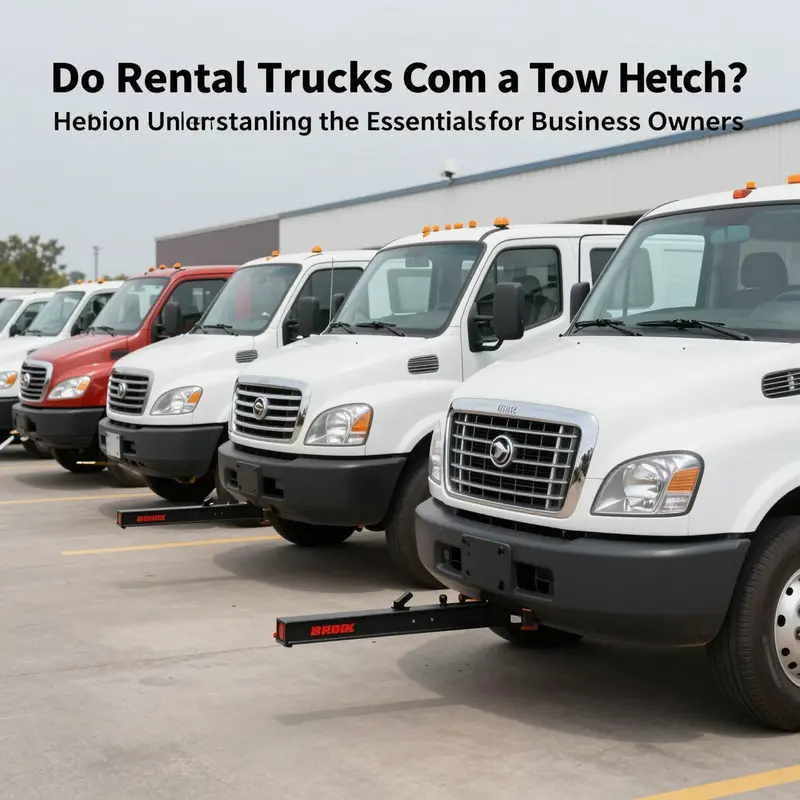
For business owners considering renting trucks, understanding whether these vehicles come with tow hitches is crucial for efficient operations. Whether it’s for moving equipment, towing trailers, or transporting goods, the ability to haul additional loads directly affects operational capability. This guide will explore the availability of tow hitches in rental trucks, specific vehicle insights, and the towing features of popular models, helping you make informed decisions about your rental needs.
Tow Hitch Realities in Rental Trucks: Availability, Configuration, and Safe Towing
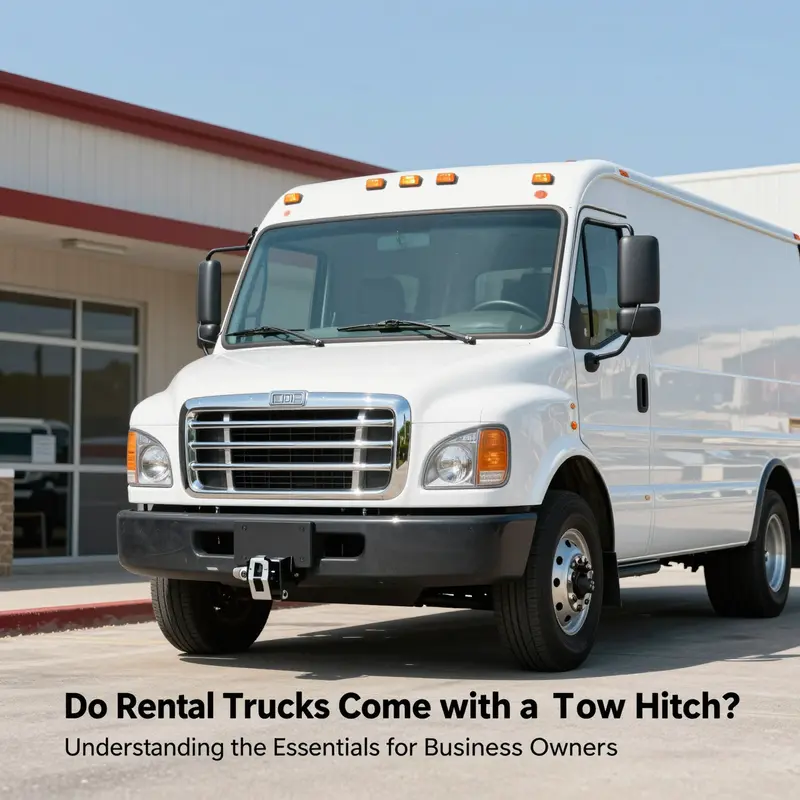
When planning a move that may involve towing a trailer or car dolly, the availability of a tow hitch on a rental truck is the first practical question. Availability is not universal; it depends on truck class, rental policy, and the terms of your contract. Checking early helps avoid surprises at the desk or on the road.
In typical moving fleets, hitches are not pre-installed because these trucks maximize cargo space and payload efficiency. However, many fleets offer hitch packages as add-ons for select models or classes, sometimes including wiring and safety accessories. Always verify the exact vehicle you will drive and confirm the hitch rating, wiring, and any required safety features.
If you need to tow, understand the trailer and vehicle specifications. Hitches are rated by class, and you should verify tongue weight, GVWR, and any trailer braking requirements. A factory-installed towing package often includes a hitch, a wiring harness, and in some cases a trailer brake controller.
Beyond the hitch itself, ensure electrical integration, sway control, and correct weight distribution. Ask about installation or daily surcharges, and whether the vehicle’s cooling capacity is adequate for towing. When possible, inspect the truck in person and test the electrical connection before departing.
Bottom line: plan ahead, ask for towing-ready options if needed, and verify all related systems before you tow. A hitch does not guarantee safe towing; it is part of a system that includes wiring, load balance, and driver readiness.
Tow-Ready or On the Side? Unpacking How Rental Trucks Prove Their Tow Hitch Worth
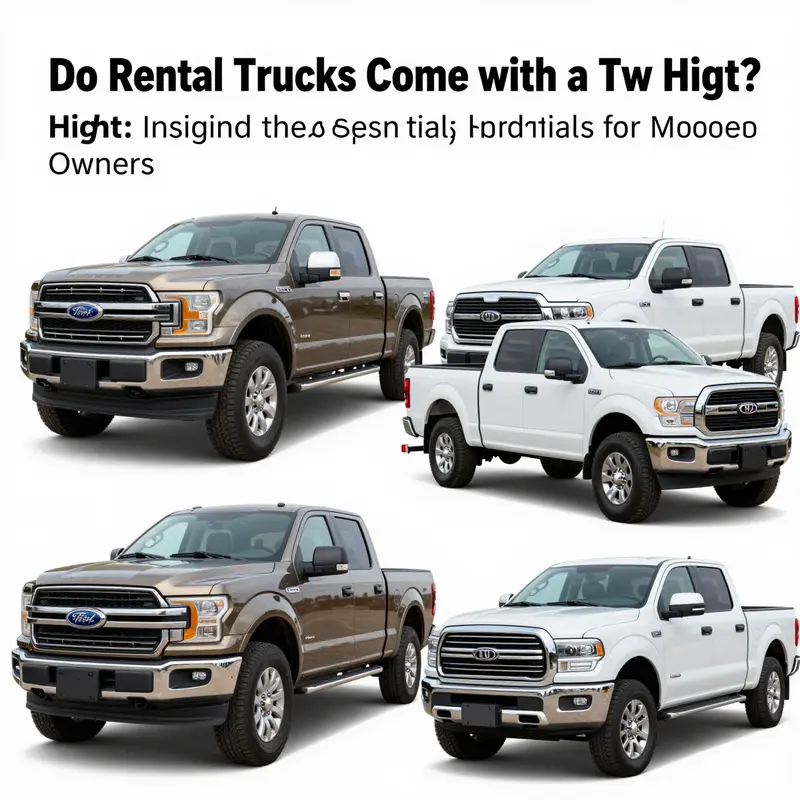
When people plan a move or haul a trailer for a weekend, a central question often arises: do rental trucks come with a tow hitch. The answer is not a simple yes or no but a practical reality shaped by the truck model, the rental fleet, and how a renter plans to use the vehicle. For many, the hitch is a quiet feature that enables a larger plan; for others it is a nonstarter that forces a rethink about logistics. The practical takeaway is to verify the exact configuration of the vehicle you will rent before you commit, and to understand the implications of towing with a rental truck so you avoid weight limit or safety surprises on the road.
In many rental fleets, especially those focused on light to mid duty pickup patterns, the presence of a tow hitch is common but not universal. A renter may visit a branch, walk the lot, and inspect the truck to be sure. Seeing the tail end of the bed, the hitch receiver, and the electrical connections in person helps remove ambiguity. In practice you will encounter a scenario where a popular full size pickup style rental is equipped with a hitch and a standard wiring harness for trailer lights. But this is not guaranteed. Fleet configurations change and the same model can appear with or without a hitch depending on trim, market, or regional demand. This means a renter with a plan to tow a small trailer should confirm the vehicle exact specifications at pickup rather than assume the hitch will be there by default.
Beyond the basic presence of a hitch, the towing capability rests on a broader framework. A factory installed towing package often signals more than a pin and a ball; it may include an integrated trailer brake controller, a system that helps modulate brakes on a trailer. This feature matters when the combined weight of vehicle and trailer exceeds thresholds, since it helps prevent the trailer from pushing the truck forward during deceleration. Trailer sway is another factor that can magnify in wind or on uneven pavement if no active stabilization is present. A comprehensive towing package commonly includes trailer sway control to help the truck apply braking or engine modulation to keep the tow near the intended path. These elements improve controllability when pulling heavier loads and form part of the renter decision.
Hitch assist is another feature that may appear in rental units. It helps a driver align the hitch ball with the trailer coupler, using a range of technologies from simple guides to sensors or cameras. In rental contexts it typically offers a more forgiving alignment to reduce the risk of damage during hitching. A reinforced chassis can signal that a vehicle is built to handle towing demands. It is not just about a hitch, but about the structural resilience of the vehicle under repeated towing stress. For renters who expect to tow regularly, this resilience matters more than any single accessory.
For renters who want to dive deeper into towing systems, broad explanations of towing technology can be useful. A well regarded resource describes a range of towing setups from wheel lift to conventional trailer tow systems. While many discussions address professional use, the underlying physics and engineering still apply to consumer towing: weight distribution, braking dynamics, and the interaction between vehicle and trailer shape safety and performance on the road. Understanding these systems helps renters avoid missteps such as assuming a trailer brakes are unnecessary when the vehicle brakes handle the load, or underestimating how wind and grade affect control.
With this frame in mind, consider the renter’s decision path. The first step is to identify the load’s weight and distribution. The combined weight of vehicle and trailer matters, and the gross vehicle weight rating and gross combined weight rating provide guardrails. If the total exceeds those limits, performance and safety can deteriorate. A trailer brake controller is a safety feature for heavier tows, and if the hitch is present but the braking system is not integrated or not rated for the load, the renter should rethink or pick a different vehicle with proper braking. The trailer lighting and braking systems must be correctly wired and tested before departure. A hitch without a working electrical system is not a complete tow solution; it is a setup for roadside frustration.
Towing also intersects with fuel economy and driving dynamics. Towing adds drag and increases rolling resistance, and the engine and drivetrain must work harder over long distances. It is common to see lower fuel economy when towing, and practical planning should reflect that reality. The benefit of a well equipped towing package is smoother driving and more predictable performance, which can offset some penalties over distance.
Yet not every rental truck is designed for heavy towing. The fleet focus can range from urban daily movers to rural higher capacity workhorses. A renter planning a modest tow may find a hitch present and adequate for light to moderate use. A renter with plans for heavier loads or challenging conditions will want to verify that the truck hitch, wiring, and braking systems are matched to the task. The decision rests on aligning load weight, trailer requirements, and the truck capabilities.
Within the rental process, being able to visit a location and confirm the exact truck configuration provides assurance. If a preview shows a hitch receiver, a functioning trailer wiring harness, and indicators of a towing package, a renter gains confidence that the plan can proceed without late complications. If not, adjusting the plan or selecting a different truck within the same fleet is reasonable. The practical outcome is clear: do not rely on secondhand information or assumptions; confirm at pickup and document the truck configuration before leaving the lot.
Finally, safety and best practices apply across the board. Do not exceed the trailer rating or the hitch rating. Ensure the trailer brakes, lights, and safety chains are connected and tested. Verify braking efficiency in a controlled environment before entering traffic, especially if the trailer brakes are manually controlled. Distribute weight correctly on the trailer to keep tongue weight and hitch load within safe ranges. These steps are essential guardrails that protect you and others on the road.
As some renters may encounter specialized towing solutions such as wheel lift in certain operations, these methods are not common in everyday moves. If a task grows beyond simple towing, seek a careful consultation with the rental provider about equipment and safety considerations. For those who want to deepen understanding, look to external resources that analyze towing standards and configurations. Such knowledge helps renters compare options not just on price or availability, but on the actual suitability of the truck for the chosen tow task. A practical focus is choosing a truck with the right towing package, ensuring hitch and wiring are correctly configured, and planning the trip with an honest assessment of trailer demand.
To access broader analysis of towing technologies, a useful resource is the drive that explains how various towing setups work and what they imply for consumer trucks. The content here provides a practical, focused look at the integration of towing components in rental fleets and how to pick the right combination of features for a given task.
Tow Hitches on Rental Trucks: A Practical Guide to Towing Capability Within Fleet Choices
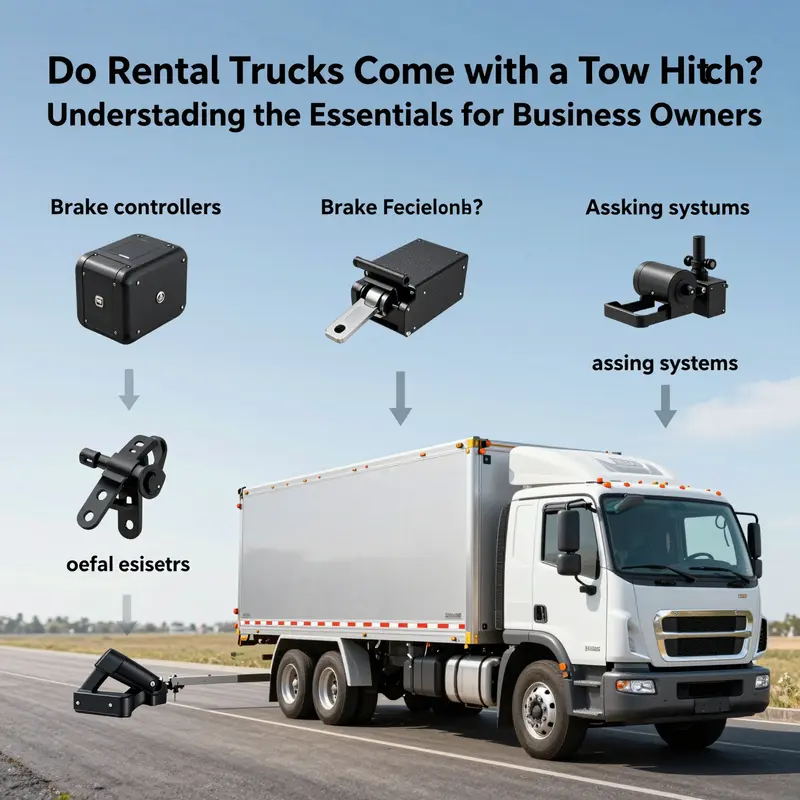
When you start weighing your moving or hauling plans, a central question often surfaces early in the decision process: will the rental truck you’re about to book come with a tow hitch? The short answer is that it depends. Across rental fleets, the likelihood of a factory-installed hitch rises with the size and purpose of the truck, but it is not universal. In other words, a large, purpose-built moving or cargo hauler that is designed to tow will most often come with a hitch as part of a towing package. On smaller utility trucks or cargo vans, towing capability may be limited or entirely absent. The practical implication is simple: if your task involves pulling a trailer, boat, or camper, you owe it to yourself to confirm the hitch situation before you finalize a rental. The choice you make for the vehicle should align with what you intend to tow, how far you’ll travel, and the weight you expect to haul. A careful approach at the outset can prevent surprises on pickup day and protect both your load and the truck from unnecessary strain.
In the broader landscape of rental fleets, many full-size pickups are equipped with a factory-installed hitch as part of a standard towing package. This isn’t just about a simple bar welded to the frame; it’s about an integrated system that often includes thoughtful towing enhancements. A typical towing package can encompass features that help you control a trailer more confidently. A trailer brake controller is a key example, allowing you to synchronize the stopping power of the trailer with the truck’s brakes. This is especially important when towing heavier loads, where the momentum of a trailer can affect stability and stopping distance. Integrated trailer sway control is another common feature that contributes to safer travel on gusty days or during sudden maneuvers. By sensing trailer oscillations and applying corrective braking or torque to the wheels, the system can dampen sway before it becomes an issue. These components work in concert with the hitch itself to create a more predictable towing experience, reducing the guesswork that often accompanies pulling a load through unfamiliar terrain.
Beyond the core hitch and braking features, there is often attention paid to the overall driveline and cooling systems. Heavier towing tasks place extra demands on a vehicle’s engine, transmission, and cooling, so rental trucks configured for towing are typically equipped with reinforced chassis designs and upgraded cooling and lubrication provisions. The result is a platform that can sustain longer pulls, handle steeper grades, and maintain performance while under load. When you’re moving a trailer, a boat, or a sizeable equipment trailer, these underlying design choices translate into practical benefits, from steadier acceleration to reduced heat soak during climbs. It’s not just about being able to attach a trailer; it’s about delivering a towing experience that feels controllable, predictable, and safe from the first mile to the last.
That said, not every rental truck has a hitch, and not every hitch supports the same range of trailer weights. The diversity of rental fleets means you still need to verify the exact configuration of the vehicle you’ll be handed. A smaller utility truck or a compact cargo van might offer limited or no towing capability, simply because their design priorities are payload space and maneuverability over heavy towing. If your plan includes towing, you should actively confirm two things: whether the truck has a pre-installed hitch, and what its towing capacity is. If a hitch is available but the capacity is not clearly stated, it’s prudent to ask for the vehicle’s exact gross trailer weight rating (GTWR) and tongue weight rating, and compare those figures to the weight of the trailer and its load. These specifications matter because exceeding them can compromise handling, braking, and overall safety.
Many rental providers recognize the demand for towing and respond with flexible options. Some fleets offer optional towing packages for an extra fee, which can include a stronger hitch, upgraded electrical connections, or enhanced braking controls. Others may provide detachable or removable hitch assemblies that you can install with guidance at the rental counter or at an affiliated service location. The choice between a fixed, factory-installed hitch and an aftermarket or detachable solution often reflects the intended use cases the fleet has anticipated for such vehicles. If your job requires temporary towing capability, a detachable hitch might deliver the flexibility you need without permanently altering the truck’s configuration. Conversely, if you anticipate frequent towing over the life of a rental period, a fixed hitch within a dedicated towing package could offer a more streamlined and dependable experience.
In addition to the hitch itself, it’s helpful to keep in mind the broader ecosystem of towing equipment that often accompanies a rental truck. A properly installed brake controller allows the trailer’s braking system to be harmonized with the truck’s brakes, which reduces stopping distances and prevents trailer yaw during deceleration. Integrated trailer sway control, when present, helps maintain stability in windy conditions or during sudden lane changes, responding to the trailer’s movements with selective braking or torque adjustments. Hitch assist systems are a newer, convenience-oriented feature that can ease the initial attachment process by guiding the hitch to align with the trailer’s coupling. While these features can be incredibly helpful, they do not eliminate the need for careful preparation and safe towing practices. You still need to check the trailer’s lights, brakes, and coupling, ensure the hitch is properly secured, and verify that the load is distributed according to the vehicle’s specifications.
Casting a cautious eye over the practical aspects of towing also means understanding the limits of the truck you’re driving. Towing capacity, gross vehicle weight rating, payload limits, and tongue weight are all design constraints that determine what you can tow safely. The hitch may physically attach to the vehicle, but if the trailer’s weight plus cargo exceeds the vehicle’s rated capacity, you risk mechanical stress, premature wear, or a hazardous situation on the road. This is why rental agreements are especially clear about vehicle specifications and the responsibilities that come with towing. If you’re uncertain, a quick review with the rental agent or a careful read through the vehicle’s spec sheet can avert costly or dangerous misunderstandings later on.
For those who need to tow in professional or industrial contexts, there are additional considerations. Mini tow trucks and wheel-lift systems exist to handle certain classes of recoveries or urban towing tasks. While these compact vehicles are efficient for specific applications, they are not universally compatible with all-wheel-drive or four-wheel-drive platforms and generally carry their own special precautions. In practice, the most straightforward path to a reliable towing experience with a rental truck is to stick to the vehicle you’ve confirmed has a hitch and to operate within its designated limits, then scale up only if your load requires it and the rental provider explicitly supports that capability.
To make the process of renting with towing in mind as clear as possible, the best approach is to start with your planning, not the pickup. List the trailer’s approximate weight, its tongue weight, and the combined load you expect to carry. Check whether the truck you’re considering has a hitch and, if so, what class it is and what the associated weight limits look like. When you arrive at the rental location, inspect the truck’s hitch area as part of your pre-pickup check. Look for visible signs of a factory-installed package, such as a receiver hitch and wiring harnesses that appear integrated rather than add-on after the fact. Ask to review the truck’s towing features on the vehicle’s spec sheet or the rental system’s online listing, and request confirmation of the trailer brake controller, sway control, and any hitch assist equipment. If you don’t see these features listed or are unsure, don’t hesitate to ask for a different vehicle or to add a towing package if available.
The practical upshot is that many full-size rental trucks are designed with towing in mind, but the exact configuration varies. By treating the hitch as a feature with a purpose rather than a mere accessory, you can select a vehicle that aligns with your plans and use-case. This approach keeps you from discovering on moving day that your truck is not equipped for the trailer you need to pull. It also helps you manage expectations around what kind of equipment you’ll need to bring along—things like compatible hitch receivers, hitch balls, safety chains, and electrical adapters—so you aren’t scrambling at the last minute.
In this context, it’s worth recognizing that the towing ecosystem includes both the vehicle and the load. The trailer, its brakes, lights, and connection to the truck form a system whose performance depends on compatibility and correct setup. The chain of responsibility includes the rental company ensuring that the vehicle’s towing-related features are functional, the driver understanding the vehicle’s limits, and the loading party properly configuring the trailer and its cargo weight. When all of these elements come together, a rental truck that comes with a hitch can function as a capable, safe tool for transporting a wide range of trailers and cargo without requiring a specialized tow vehicle for every job. If you focus on choosing a truck with a verified hitch and clear towing specifications, your move or haul has a stronger foundation and a better horizon for a smooth, controlled journey.
For readers who want a more technical understanding of towing systems and the nuances of hitch types, the broader literature offers helpful explanations about standardized towing practices, including how different wheel and hitch configurations affect load transfer and braking dynamics. A reliable external resource that delves into trailer braking, sway control, and overall towing standards can provide additional context for readers who want to go deeper beyond the rental experience. This reference helps ground the practical advice in real-world engineering insights and towing guidelines that apply across contexts. https://www.ramtrucks.com/truck-towing-guide
If you’re curious about the specifics of how a fleet might present towing options in your area, consider exploring the internal resources on your preferred rental site. One of the blog entries in the fleet’s ecosystem discusses the installation and alignment considerations for hitch systems, offering a useful practical companion piece to your on-site inspection. You can read more about hitch installation ideas and guidance at the linked resource penske-trailer-hitch-installation. This internal link provides a practical touchpoint for understanding how technicians approach hitch setup and alignment, which complements the on-the-ground verification you’ll perform when you pick up the vehicle.
In sum, the question of whether rental trucks come with a tow hitch is not answered by a single universal rule. It is best answered by a careful reading of the vehicle’s specifications, a quick inspection at pickup, and a candid conversation with the rental staff about your towing needs. The typical picture is that many full-size trucks in rental fleets do, indeed, come with a factory-installed hitch as part of a towing package. This package is commonly accompanied by features that enhance control and safety, including a trailer brake controller, integrated sway control, and hitch-assisted alignment support. Yet the reality is nuanced: some trucks won’t have a hitch, some will offer it as an optional add-on, and others provide detachable options that balance convenience with versatility. By prioritizing confirmation of hitch presence and capacity, you position yourself to tow confidently and safely, leveraging the rental truck’s design to support your hauling tasks rather than fighting against unexpected limitations. The goal is straightforward: select a vehicle that fits your load, confirm the towing features you need, and approach your move with a plan that respects the vehicle’s limits and your safety priorities. This approach makes the rental experience less stressful and more predictable, turning the question of “do rental trucks come with a tow hitch?” from a potential obstacle into a practical, workable answer that supports your moving or hauling ambitions.
Final thoughts
In conclusion, understanding whether rental trucks come with tow hitches and the specifics of their towing capabilities can significantly impact your business’s logistics and operational efficiency. Different models from rental companies such as Enterprise may provide varying hitch availability, so it’s essential to inquire at the local rental agency. Additionally, being aware of added towing features can enhance your rental experience and facilitate smoother operations. With the right truck equipped for your towing needs, you can optimize your transport logistics.