
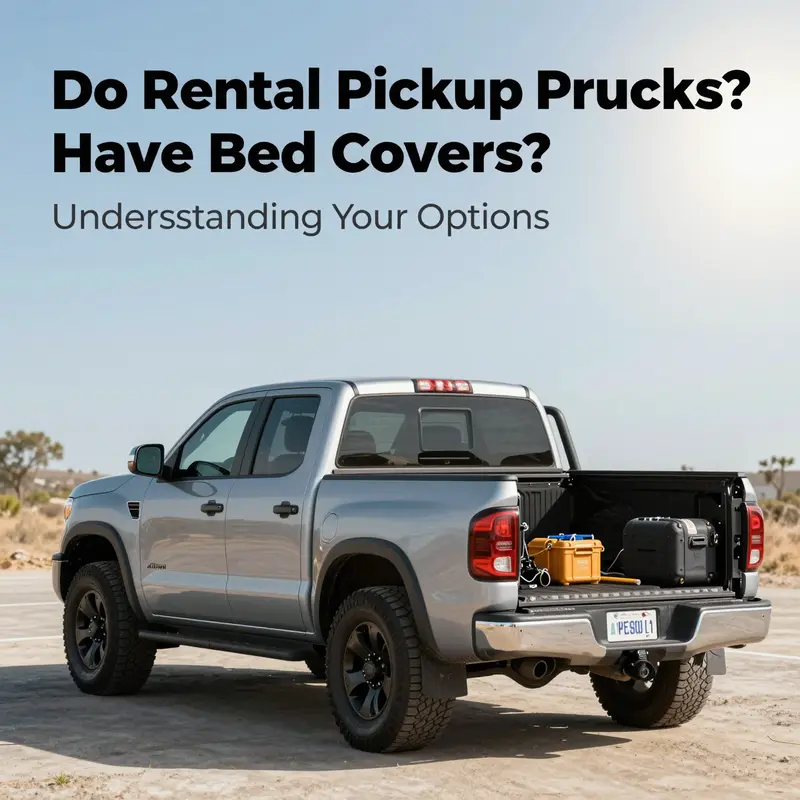
For many businesses, the versatility and utility of rental pickup trucks are invaluable. However, a common question arises: do these trucks come equipped with bed covers? Understanding the standard equipment provided by rental companies, the role of optional accessories, rental policies and limitations, as well as available alternatives can greatly impact how you use these vehicles in your operations. This comprehensive exploration will clarify these aspects, enabling you to make informed decisions when renting a pickup truck for your business needs.
null
null
Bed Covers and the Open-Top Question: How Optional Accessories Shape Rental Pickup Hauling
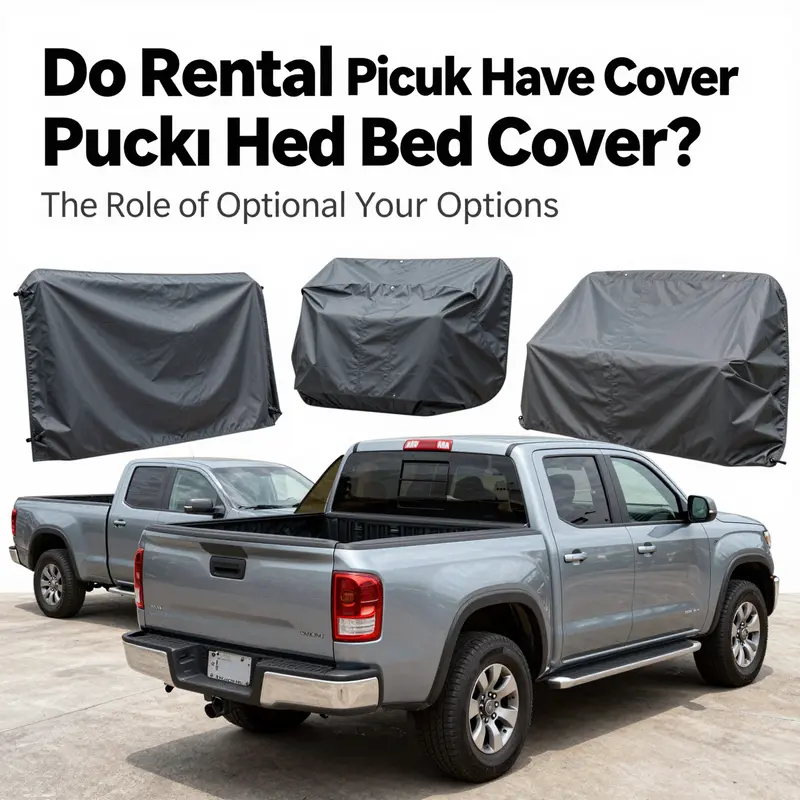
When you rent a pickup truck, the question of bed covers tends to surface only after you picture the job you’re about to tackle. If you’re moving a couch, you’ll appreciate a dry, weatherproof space. If you’re hauling dirt, firewood, or odd-shaped items that would otherwise snag on a rolled-up edge of metal, you might prefer the bed to be fully accessible. The central reality across the rental market is straightforward: bed covers are not standard equipment on rental pickups. They are typically regarded as optional accessories that may or may not be available, and certainly not guaranteed with every booking or every model. This is not a gap in service so much as a deliberate alignment with the enduring demand for versatility. Rental fleets are designed to be ready for immediate use by a broad cross-section of customers, from professional movers to weekend warriors. A one-size-fits-all approach would quickly become a liability for both the renter and the company, because every hauling scenario presses in a different direction: some journeys require an open bed, others benefit from protection against rain, dust, or prying eyes, and a few trips demand a reserve of space that can be reconfigured on the fly. Bed covers live in that space between blanket practicality and targeted add-on, a space that reflects how rental companies balance speed, safety, and cost.
To understand why a bed cover is not a universal feature, it helps to imagine the daily operations of a rental fleet. Each truck returns from a busy shift with a wide range of wear, dirt, and sometimes damage that needs to be inspected and documented before the next rental. The bed is a high-traffic area, exposed to the elements and to various types of cargo. If a cover were installed as a standard item, it would introduce a new set of maintenance steps: a cover would have to be cleaned, checked for seal integrity, fastener wear, and potential weather leakage. Any malfunction could become a dispute at return and perhaps scrap the vehicle’s readiness for the next customer. In addition, the possibility of improper installation by a customer or the need to remove and re-install between bookings would complicate workflow and could delay the fleet’s readiness for others who need an entirely open bed. The operational logic is not to deny protection or convenience to customers, but rather to reserve those as optional add-ons that can be scoped to a specific job, truck model, and location.
The practical takeaway for renters is simple: if you need a bed cover, plan for it as an add-on rather than something guaranteed with your standard rental. The first place to check is the rental company’s own information resources. Policies and available configurations vary by provider, truck model, and even region. A truck that comes equipped with a standard open bed in one city might be available with a tonneau cover in another, depending on stock, weather patterns, and demand. This variability means you should not assume a bed cover will be present, and you should verify before finalizing a reservation. The best path is to consult the rental company’s website or reach out to customer service to confirm whether a specific model supports a bed cover, whether it can be added at the time of rental, or whether you’ll need to arrange a third-party solution.
From a renter’s perspective, the spectrum of options typically falls into three broad categories. The first is to accept the standard configuration and adapt your load plan accordingly. In this case, you maximize the open bed space and prepare to protect your cargo through external measures, such as tarps or straps, rather than relying on a built-in cover. The second option is to request or rent a bed cover as an accessory. Some fleets maintain a catalog of add-ons that can be rented with the vehicle, whether it’s a rigid, semi-rigid, or soft tonneau cover designed to fit a range of model years and bed dimensions. The third path is to explore a third-party solution outside the rental contract. A consumer can purchase or borrow a cover from a separate provider and coordinate pick-up or return logistics to minimize risk to the rental agreement. Each path has its own set of considerations, including pricing, compatibility, maintenance responsibility, and the impact on fuel efficiency, if any. To navigate these choices smoothly, renters should be explicit about their priorities: weather protection, theft deterrence, dust resistance, or simply keeping cargo cleaner during transit.
In the realm of policy, the consent of the rental company remains central. Many providers explicitly prohibit customers from installing or removing aftermarket accessories in a way that could cause damage or affect the vehicle’s condition at return. This precaution is practical and prudent. It reduces the chance of disputes about interior or exterior wear and tear and helps ensure the vehicle returns in a state that is saleable to the next customer. When a bed cover is involved, the policy often centers on who is responsible for installation, removal, and any incidental damage that might occur during the process. In some cases, a short-lived installation at the depot is permissible, while in others, only staff can perform any accessory fitment. In all cases, renters should treat changes to the vehicle as potential points of accountability, and discuss them up front to avoid misunderstandings at the end of the rental period.
Within that framework, it is also worth acknowledging the practical realities of bed cover design and use. A cover that seals the bed against rain or dust can be a meaningful value for certain trips, especially when the cargo includes items that benefit from moisture protection or when a vehicle will sit outside overnight. A cover can also act as a theft deterrent by making the bed less visually accessible and more difficult to pry open quickly. Yet not every cover is the right fit for every truck. Design specifics matter: the attachment system must align with the bed’s rails and tie-downs, the seals must remain effective across temperature swings, and the overall system must not impede the vehicle’s payload capacity or fuel efficiency in ways that would surprise the renter after a long drive. These considerations become part of the decision matrix that rental providers navigate as they curate their fleets for broad usability while still offering value-added options to customers who require extra protection or security.
What, then, might a renter realistically expect in terms of availability and cost? The most reliable answer remains this: check early, confirm explicitly, and be prepared to adapt. Availability is frequently contingent on model year, bed dimensions, and regional stock. Pricing for optional covers, if offered at all, can vary by rental location and the duration of the add-on. In some instances, a renter may be asked to pay a daily surcharge or a flat fee for the accessory, with a separate arrangement for installation. The renter should also anticipate potential constraints in how long a cover can remain on the vehicle during a rental period, since most fleets want to minimize non-standard modifications that could complicate maintenance or stock rotation. In practice, this means a renter who commits to a bed cover should coordinate the add-on with the same attention they apply to insurance, mileage packages, and fuel options. The goal is to create a seamless experience where the bed cover serves the job rather than becoming a source of friction later.
An important thread running through this discussion is model compatibility. Not all trucks share the same bed geometry. The same basic concept of a tonneau cover can be adapted to different bed lengths, but fitment is not universal. A cover that fits a mid-size pickup might not snugly seal or securely clamp onto a larger, longer bed. That is another reason why the bed cover, when offered as a rental option, is carefully matched to specific configurations. It also underscores the value of speaking with a human agent or using a precise online configuration tool when you place your reservation. Those steps reduce the risk of ending up with a cover that does not align with the truck you rent or, worse, finding yourself without any cover when the weather turns damp or the truck must remain parked for an extended period.
Despite the absence of a universal standard, the rental ecosystem does offer a degree of flexibility. Some customers may choose to bring their own tonneau cover or purchase a temporary, rental-ready solution from a third-party provider. The latter path can be an efficient compromise when a cover is necessary for a single trip, or when a customer anticipates frequent shipments that would benefit from consistent weather protection across a fleet of vehicles. Third-party options vary widely in availability, fit, and price, but they are part of the larger ecosystem that makes rental services practical for people who need to move items of different shapes and sizes. In this context, a bed cover becomes less about inventory and more about risk management: it’s a tool to manage weather exposure, cargo security, and vehicle cleanliness, all while preserving the core utility of the pickup as a flexible, ready-to-work platform.
The takeaway for readers who are weighing whether to rent a pickup with bed cover capabilities is more than a simple yes or no. It’s an invitation to map your haul against the practical realities of rental logistics. Start by enumerating the items you plan to move, their size, weight, and how weather or dust could affect them. Then consider how often you might need to protect those items during transit and whether you require a true seal or a more modest barrier against the elements. With those criteria in hand, you can approach the rental provider with targeted questions rather than generic assumptions. Ask about the specific truck you intend to rent, whether an accessory is available for that model, what the installation entails, and the conditions for returning the vehicle with or without the cover. If you do discover that a bed cover is not available for your chosen truck, you can either adjust your booking to a model that does support a cover, or you can pursue a separate load-protection solution that doesn’t alter the vehicle’s interior and exterior characteristics. Either way, you’ll be making a choice that aligns with the realities of rental operations while preserving the flexibility that makes pickup trucks so useful for a wide range of tasks.
For readers who want to deepen their understanding of how model selection intersects with accessory availability, a practical touchstone is to examine model-specific rental guidance. A notable resource in this space offers focused information on truck dimensions, payload considerations, and the typical configurations for a given truck type. For example, a detailed guide on a 16-foot truck from a major rental brand outlines not only the bed length and cab space but also the typical equipment package, the standard interior layout, and the potential for add-on items. The guide helps frame expectations and supports smarter decision-making when you’re preparing a move or a major haul. You can see how these factors converge by examining the 16-foot truck configuration and how it stacks up against other sizes in the rental catalog. See this reference for a concrete sense of how bed dimensions and available add-ons relate to each truck model: Penske truck rental 16 ft guide.
In the end, the reality for most renters is that bed covers are not a given with rental pickups, but they are a viable option to pursue if the job truly benefits from them. The best approach is to treat bed covers as an optional accessory that must be confirmed in advance, either through the rental company’s own policy channels or by coordinating with third-party providers. This approach keeps expectations aligned with fleet realities and helps prevent last-minute surprises at the counter or on the return lot. It also preserves the speed and simplicity that are the hallmarks of a good rental experience: you get the truck you need for the job, with the flexibility to adapt to weather, load, and time constraints. And if a bed cover proves essential for a particular trip, there are practical pathways to secure it without compromising the terms of your rental agreement. The key is proactive planning, clear communication, and an understanding that the world of rental accessories exists precisely to match the diverse needs of moving, hauling, and traveling with confidence.
External resource for further perspective is a broader industry overview that discusses how accessory availability in rental fleets intersects with customer needs and vehicle readiness. See Road Trips’ exploration of how bed covers fit into the rental pickup landscape: https://www.roadtrips.com/rental-pickup-bed-covers
Bed Covers on Rental Pickup Trucks: Policy Boundaries, Practical Realities, and Planning for Your Haul
In rental pickups, bed covers are typically optional add-ons. The base truck is usually delivered with an open bed to maximize quick loading. Add-ons like bed covers or cargo protection are offered at additional cost and are not guaranteed to be compatible with every truck. To plan: verify availability with the local rental office ahead of pickup, confirm model year and bed configuration, and understand any installation requirements or liability implications. If weather protection is essential, consider third-party covers or alternative strategies. Always review the rental agreement since modifications may be restricted and charges may apply for improper installation. Planning ahead reduces surprises at checkout and return.
Bed Covers on Rental Pickup Trucks: Navigating Availability, Limits, and Third-Party Solutions
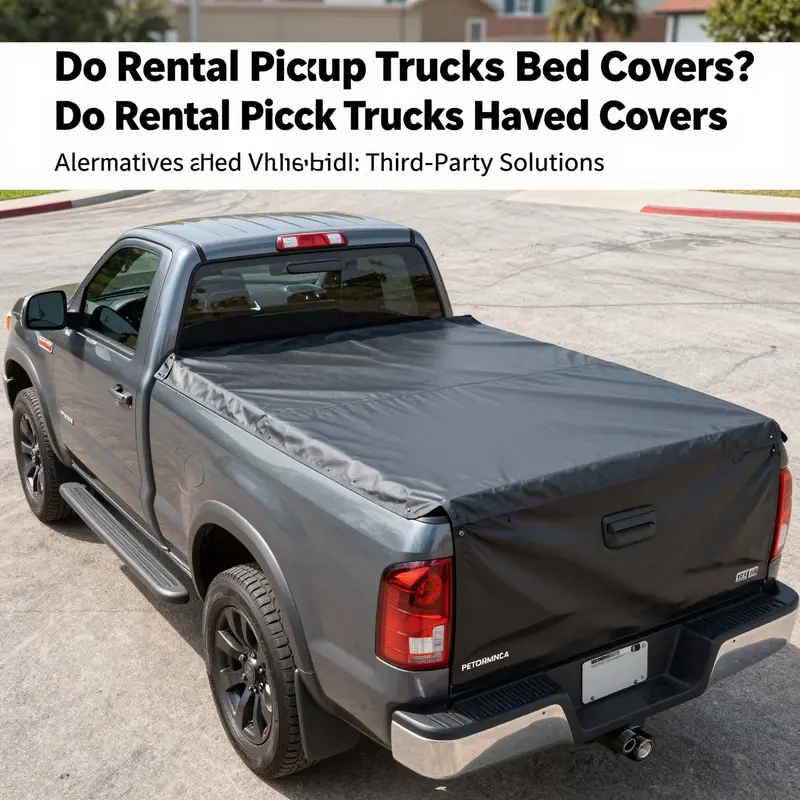
When you rent a pickup for hauling gear, tools, or loads that need protection, the first question that often comes to mind is whether the truck bed comes with a cover. The answer isn’t one-size-fits-all, and that uncertainty can shape how you plan your day on the road. Rental fleets are remarkably diverse, and their configurations reflect a balance between readiness, versatility, and maintenance. Bed covers are typically treated as optional add-ons rather than standard equipment. That means a lot hinges on the specific truck model you reserve, the region you’re renting in, and the particular rental company’s current inventory. The framing reason is practical: rental trucks are designed to be immediately usable by a broad range of customers. Some customers need a bare, open bed for oversized items, while others want shielding from weather, dust, or theft. Introducing a cover would implicate maintenance routines, cleaning protocols, and, crucially, the inspection process when a vehicle is returned. A cover can complicate the line of sight during pre- and post-trip inspections, and it can be damaged or misrepresented on return if not managed carefully. For that reason, many rental agreements disallow customers from installing or removing accessories like bed covers, or they restrict any modification that could affect the truck’s condition or the insurance terms. If you require a bed cover for the duration of your rental, the typical path is to either purchase a cover separately or rely on a third-party provider for a temporary solution. The availability of compatibility with the specific truck model you’re renting will depend on the fleet, the model year, and the garage’s stock. If you want a precise answer, the most reliable approach is to consult the rental company’s website or speak with a customer service representative who can confirm what’s included and what’s allowed for your reservation.
The practical takeaway from this landscape is that bed covers are not a universal feature across rental fleets. Some branches or regions may stock trucks with bed covers, particularly in areas prone to rainy or snowy weather where cargo protection is a higher priority. Others may field a standard configuration with an open bed, leaving protectors to be added later if the customer requests them. Even when a bed cover exists as a factory option or as part of a dealer-installed package, it may not be available on every trim level or every vehicle in a given fleet. The variability is most noticeable when comparing different makes and models offered by a rental company. A smaller, lighter pickup might come with a simple tonneau cover in some markets but not in others, while a larger, more rugged model could offer a bed enclosure as an optional feature on certain configurations. The takeaway is not to assume coverage but to confirm—before you drive off the lot—that the vehicle you choose will meet your cargo protection needs. The rental terms themselves often reinforce this reality, because they are designed to prevent disputes about damage or wear stemming from unauthorized modifications. If you’re not sure, ask the staff to confirm whether a bed cover is included, and if not, what options exist to address your specific shipment needs within the policy framework.
When the bed cover is not part of the standard fleet, renters have a practical path to the protection they want without compromising the rental agreement or the vehicle’s condition. A widely used approach is to turn to third-party solutions that are designed to be compatible with a broad range of truck beds. Among these, a hard folding tri-fold bed cover stands out for its combination of flexibility, durability, and user-friendliness. These covers are engineered to sit atop the bed rails without drilling into the truck bed, instead clamping onto the sides with mounting hardware that leaves the bed itself untouched. That no-drill installation is particularly appealing for renters who want to preserve the truck’s original configuration and for those who expect to switch vehicles frequently. The practical advantage is straightforward: you can secure cargo quickly, without tools or extensive downtime. In many cases, installation can be completed in a matter of minutes, and removal is similarly swift if you’re changing vehicles or returning the rental.
Beyond ease of install, weatherproofing is a central selling point. OE-grade rubber seals and compression seals around the edges of a hard folding cover create a barrier against rain, snow, and dust. The better designs employ advanced sealing technologies that maintain a watertight bed space while also minimizing wind-driven leakage at highway speeds. This matters not only for soggy boxes but also for items sensitive to humidity, such as electronics, fabrics, and some tools that could corrode or degrade in damp environments. A well-made cover also helps keep cargo secure from casual theft, reducing the temptation for quick grabs or unintentional exposure to the elements during a long haul. For renters, the added protection can translate into fewer concerns about weather-related delays and a smoother experience at the job site.
Load capacity is another critical attribute. Some hard folding tri-fold covers are engineered to support substantial weight, with specifications that can reach hundreds of kilograms. These loads are not just about the cover’s own structural integrity; the technology behind the cover—such as reinforced panels and honeycomb core designs—contributes to stiffness and endurance under load. The practical implication is that a renter can haul tall stacks of lumber, landscape supplies, or equipment yet still rely on the cover to maintain a seal and to distribute load without sagging. It’s worth noting that while a cover can add a protective layer over the cargo, it does not neutralize every risk. Heavy items can still shift, and the user must ensure that loads are properly secured with straps and tie-downs. The cover aids weather protection and theft deterrence, but the fundamental rules of safe loading—uniform weight distribution, secure restraints, and careful driving—remain unchanged.
There are additional performance attributes that can influence your experience with a bed-cover-equipped rental. Some covers contribute to fuel efficiency by streamlining the airflow over the bed, which can marginally reduce drag. While the impact on fuel economy varies with vehicle, speed, and load, even a modest improvement can be meaningful for long trips or repeated trips over a rental period. Insulation benefits also come into play in cooler climates; some designs help reduce heat transfer into the cargo space and can create a small but useful difference for temperature-sensitive items. It’s not a magic solution for an extreme climate, but it’s a tangible perk that can matter over time when you’re covering exposed loads. When you’re choosing a third-party option, it’s sensible to compare features across models and to verify that the product has a robust sealing system, a reliable mounting mechanism, and a track record of compatibility with common truck bed dimensions and rail systems. The goal is a solution that remains secure, water-tight, and easy to operate under typical job-site conditions.
One point of practical caution is compatibility. Bed covers come in many shapes and sizes designed to fit specific bed lengths, rail configurations, and anchor points. A universal-looking cover may not truly fit all pickups, and attempting a mismatch can compromise protection and even damage rails or seals over time. That’s why many third-party options emphasize compatibility with a range of popular truck models and bed sizes. If you’re renting a mid-size or full-size pickup, you’ll want a cover that’s advertised as compatible with that class of vehicle and with the common rail designs used by the fleet you’ve chosen. When a cover is not included with your rental, you’ll typically find product pages or retailer listings that note which bed lengths they support, how the mounting clamps work, and whether the installation requires any tools beyond what you’d normally carry. For renters, this means you can plan ahead by selecting a cover that matches the bank of trucks you’re likely to encounter in your area and that can be installed in minutes when needed.
For readers who want a concrete reference point on how this translates into real-world choices, it can be helpful to connect with practical guides that cover truck size, bed dimensions, and the feasibility of adding a cover to a rental vehicle. If you’re curious about the typical dimensions and the context of the vehicle you might encounter on a rental lot, you can explore a detailed overview in the 16-foot truck guide. This resource offers a grounded sense of the kind of bed length you’re dealing with and helps you gauge how a cover would interact with that space. See the 16-foot truck guide here: 16-foot truck guide.
Beyond the do-it-yourself route, there is also the matter of how you secure a bed cover in the first place within the rental framework. In many cases, you’ll find that rental agreements do not prohibit customers from using third-party covers, but they do caution against damage, improper installation, or alterations that might affect insurance coverage or the vehicle’s return condition. If you anticipate a need for cargo protection, you can either request a truck with an included bed cover when you book, or you can plan to add a third-party cover for the duration of the rental. The latter option is particularly common for customers who are flexible with vehicle choice or who want to compare different protection strategies for various trips. When selecting a third-party cover, consider not only the fit and the weatherproofing but also how easily you’ll be able to remove and reinstall it as you switch vehicles or return the truck. The advantage of a well-designed hard folding system is that it’s engineered to be practical for the rental cycle: minimal tools, quick setup, reliable seals, and a sturdy mounting scheme that reduces the risk of shifting during transit.
In short, bed covers on rental pickup trucks are not universally bundled, but they are by no means out of reach. The decision rests on the particular vehicle you reserve, the region, and the policies of the rental company. If a cover is essential for your cargo, you have a couple of viable paths: request a truck that includes a cover where available, or equip a third-party bed cover that clamps onto the bed rails and does not require drilling. Either approach can provide weather protection, theft deterrence, and a cleaner cargo environment, while preserving the vehicle’s original configuration for return. The most important step remains the same across scenarios: verify what is included, understand the rules around modifications, and choose a solution that aligns with your cargo needs and your schedule.
For readers who want a grounded sense of the realities on the ground, it’s worth acknowledging that the availability of bed covers is dynamic. Fleet changes, seasonal demand, and regional weather patterns can shift what’s in stock from one week to the next. The best practice is to check with the rental company before your booking is finalized and again at pickup. If you’re working with a specific truck model, you can confirm whether a cover is compatible with that bed length and rail system. If it isn’t included, you can proceed with a third-party solution that’s designed for quick, tool-free installation and removal. This approach keeps your options open and helps ensure that you can protect your cargo without delaying your schedule or compromising the vehicle’s condition. For more detailed information on product features and compatibility, you can consult a dedicated third-party guide that emphasizes no-drill installation, weather seals, and high load capacity, and compare it against the real-world experiences of renters who have used these solutions during short- or long-term rentals. To explore a practical example of a bed cover option, you can visit this illustrative product page (external resource): https://www.amazon.com/dp/B0C9XZKJQ7.
Final thoughts
In conclusion, rental pickup trucks generally come without bed covers as part of their standard equipment to maintain versatility for various users. Optional accessories, such as tonneau covers, are available, but policies often restrict modifications to ensure vehicle integrity and rental agreement compliance. For businesses needing such accessories, exploring third-party options can be an effective solution. Understanding these aspects will help you maximize the utility of your rental decisions and safeguard your cargo effectively.