
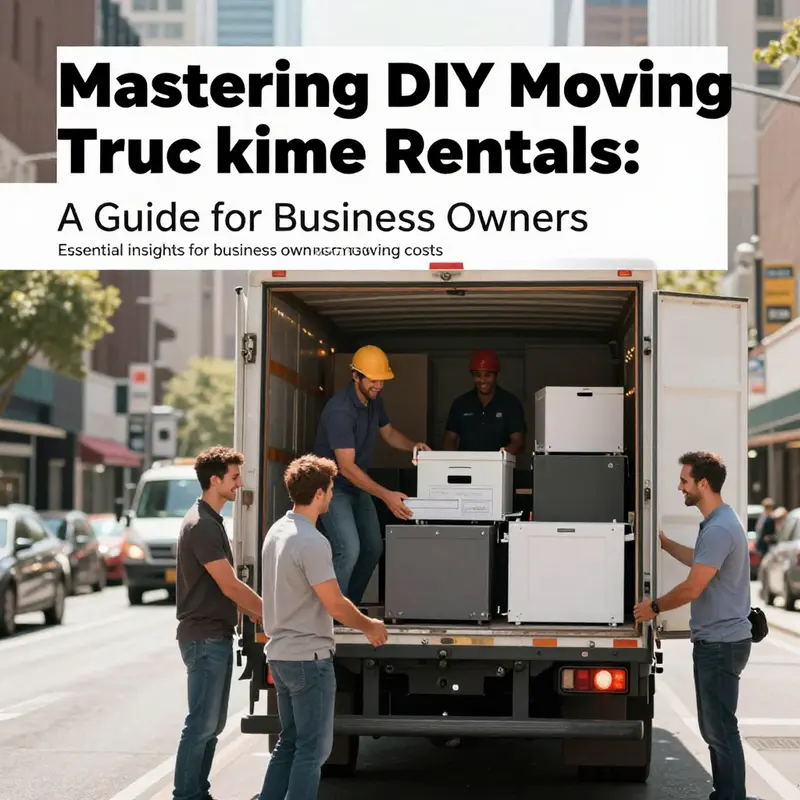
For business owners contemplating a do-it-yourself move, understanding the nuances of renting a moving truck can significantly impact both cost and efficiency. With the potential for substantial savings on moving expenses, renting a truck becomes a viable option for smaller relocations or when needing to transport equipment. However, the physical hardships, safety concerns, and logistical challenges are crucial aspects that must be considered beforehand. This guide will explore vital safety considerations, cost-saving strategies, effective planning and logistics, and valuable tools and resources to enhance your DIY moving experience. With the right knowledge, business owners can navigate the moving process with confidence, ensuring a successful transition to their new location.
Steering Safely Through a DIY Move: A Comprehensive Guide to Safe Moving Truck Rentals
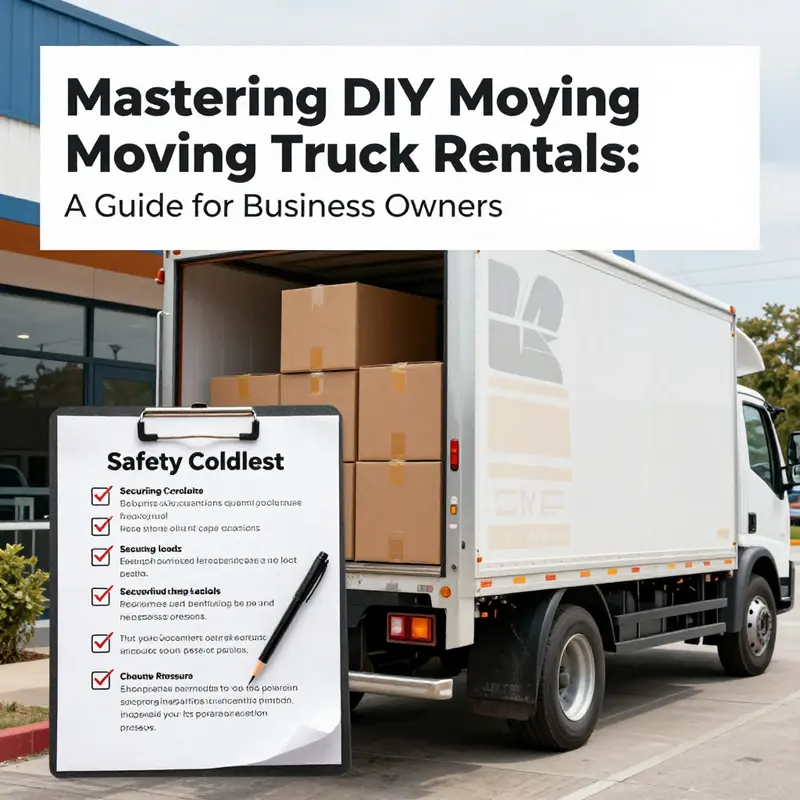
Choosing to move yourself with a rental truck can be a smart way to save money and keep control of the day. Yet safety is not a minor detail; it is the backbone of every step from planning to driving, loading to unloading, and finally settling into a new space. When you balance the appeal of a DIY move with the realities on the road, the goal becomes not just to get your belongings from point A to point B, but to do it with as little risk as possible. This chapter unpacks the integrated approach that turns a potentially exhausting task into a disciplined, safer process. It leans on established guidance about truck dimensions, traffic realities, and the practical habits that reduce danger on moving day, while remaining true to the DIY ethos of taking charge and saving money. It also weaves in situational examples—family moves, short relocations, and military relocations—so readers can see how the same safety principles apply across different circumstances. As you plan, the essential truth is simple: safety shapes timing, effort, and even the total cost of a DIY move, more than any single gadget or technique. Rigorous preparation, a conservative pace, and a clear mental checklist will keep the experience from becoming a test of endurance and a lesson in damage control.
A practical road to safety starts long before the truck leaves the curb. It begins with choosing the right truck size and confirming the route you will take. The common rule of thumb—12- to 16-foot trucks for small to mid-sized moves—still holds, but the exact fit depends on how densely packed your belongings are, how many furniture pieces require disassembly, and whether you have fragile items that demand extra padding. A shorter vehicle has nimble handling and easier maneuvering in tight spaces, but it may force more trips if you underestimate your load. Conversely, a larger truck might tempt you to push your capacity, which increases driving strain and the risk of overloading. An informed middle ground, such as a 16-foot truck for a modest apartment or a compact home, often delivers a balanced combination of space, handling, and efficiency. For readers who want a concrete reference point, a deeper look at typical dimensions for a 16-foot truck can be found in dedicated resources that outline cargo space, loading configurations, and best-use scenarios. While the specifics differ by model and company, the principle remains: size wisely, plan for a safe margin, and avoid cramming. For insight into the practical aspects of a commonly used size, see the guide associated with the 16-foot truck.
Before any gear is moved, a strategic mindset matters as much as any piece of equipment. Safety starts with preparation: reserve the truck well in advance, ideally at least two weeks before the move, especially if you’re moving during peak season. This not only improves the odds of getting your preferred size and pickup time but also reduces last-minute stress that can lead to rushed, careless decisions. An organized person on moving day is the person who has already thought through the route, the parking constraints, and the sequence of loading. With a DIY move, every mile you plan in advance is a mile you save in headaches later. A well-considered route considers street widths, potential tight turns, low clearances on bridges or overhangs, and areas with heavy traffic that could slow you down. In many urban environments, these factors aren’t just preferences; they’re safety imperatives. Height awareness is a critical piece of this forward planning. Moving trucks rise well above passenger cars, and misjudging clearance can produce costly scrapes, structural damage to property, or worse—injury. The simple step of measuring expected routes, then matching them against clearance data for bridges, parking structures, and garage doors, can dramatically reduce risk. If there’s any doubt about clearance, identify a backup route or consider a different departure time. Small differences in route choice can translate into big safety dividends on moving day.
The practical questions surrounding who drives a rental truck are as important as the route itself. Driver qualifications and age restrictions vary by company and by jurisdiction. In many states, renters as young as 18 may be allowed to operate certain classes of moving trucks, while others require drivers to be at least 21 for larger vehicle classes. International considerations exist too; some regions under specific regulations, such as certain provinces, impose higher age thresholds for commercial vehicle operation. The overarching message is clear: verify the rental company’s policy and check local licensing requirements before booking. Planning around these rules helps prevent uncomfortable surprises on the day you need the truck. Insurance coverage is another essential layer of safety. Confirm what the rental includes in terms of liability protection, and determine whether you need extra coverage for items you own or for high-value possessions that require special care during transport. Clear policy about roadside assistance, if available, can also be a practical safety net during a long move.
Once the truck is secured and the driver is ready, the focus shifts to securing the belongings inside the vehicle. This is where the discipline of a DIY move becomes truly practical. Proper loading is not about maximizing space; it’s about maintaining control of the cargo during transit. Start by segmenting items into logical groups: heavy, dense items belong on the truck floor near the axle and centered to preserve balance; lighter items and boxes should be layered above with care. Straps should be used to secure each major object, preventing shift in acceleration, deceleration, and cornering. Blankets or furniture pads act as both protection and buffer to keep fragile items from rubbing against each other. Don’t forget about weight distribution. An uneven load can affect steering and braking, increasing the potential for a sudden loss of control. When a shift happens—whether because a box isn’t strapped properly or a piece slips during a stop—the consequences can be significant. The rules are straightforward: load heavy items first, secure them tightly, and build up a stable, well-braced stack that won’t slide in transit. A small checklist helps keep this discipline: secure every item, check straps for tightness at each stop, and recheck after the first hour of driving and again after the first major corner or stop. These steps may seem granular, but they form the backbone of safe, predictable handling of a large, moving vehicle.
Getting familiar with the rental truck itself is another essential phase. The controls on a moving truck differ from those in a private vehicle. Mirrors, braking, and the geometry of the instrument panel require a deliberate approach. If you aren’t accustomed to heavy vehicles, plan a practice drive in a safe area before loading. The aim is to cultivate confidence without compromising safety. It’s reasonable to spend a few minutes in the cab to adjust seating, mirror angles, and seatbelts. The more comfortable you are with the vehicle, the less likely you are to misjudge distances or misread a blind spot. In addition, this pre-move familiarization minimizes the risk of last-minute panic that can lead to poor decisions under pressure.
Equally important is a commitment to proactive route planning. The smartest plan anticipates bottlenecks, avoids steep grades where possible, and reserves time for breaks. Driving a larger vehicle intensifies typical road challenges: longer stopping distances, wider turning radiuses, and more space needed for lane changes. A cautious driver adapts speed to the vehicle’s momentum and the road’s friction conditions, particularly in rain or heat. Weather introduces a variable that can alter load stability and braking performance; plan for contingencies such as delaying a move or adjusting the schedule to avoid hazardous conditions. If rain or strong crosswinds are expected, consider delaying the move or adjusting the route to minimize exposure. In every scenario, safety grows stronger when you separate urgency from the process. The more you slow down to check your load, the clearer it becomes how and where to adjust.
The decision to undertake a DIY move with a rental truck should incorporate a candid appraisal of time and effort. For some, the project is a test of endurance that pays off with cost savings. For others, the strain—physically, emotionally, and financially—outweighs the savings. A balanced assessment asks: Do you have the time to pack methodically, load carefully, drive a larger vehicle with attention to fatigue, and manage the day’s logistics from start to finish? If the answer is yes, the DIY route can be both economical and empowering. If not, hiring professional help may offer safety advantages through experienced crews and robust equipment. Either choice benefits from a clearly defined plan, a realistic sense of your capabilities, and a willingness to pivot if conditions change.
In a practical sense, the safety framework for a DIY move with a rental truck rests on a few disciplined practices that can be carried out by anyone who takes the process seriously. Preparation and planning shape every other decision. A reserve window of two weeks ensures you can select the right truck size and pickup time, reduce the risk of last-minute compromises, and avoid weather- or traffic-driven stress. A realistic loading plan, reinforced with secure strapping and padding, safeguards belongings from damage—both to items within the truck and to the truck’s own interior surfaces. A careful, staged approach to driving—one that prioritizes smooth acceleration, controlled braking, and cautious maneuvering—reduces wear on the vehicle and minimizes risk to other road users. And a constant attention to route clearance, weather conditions, and local driving rules protects you from costly detours and potential legal issues. Taken together, these elements create a safety framework that makes a DIY move more predictable, less exhausting, and far more secure for you and everyone on the road.
An important note for readers planning logistics around specific circumstances is the relevance of tailored guidance, such as military relocation resources that recognize the unique rhythm of frequent moves. The core safety principles, however, remain universal: know your truck, secure your load, plan your route, and drive with patience. The combination of careful preparation and deliberate performance is what transforms a DIY move from a stressful gamble into a well-managed operation. For readers who want a quick reference to a commonly used truck size and its applications, a concise overview of the 16-foot truck can be particularly helpful as a starting point for planning and comparison. See the internal link below for more detail on that size and its typical uses.
Internal link for further context: For a practical reference on what a 16-foot truck can accommodate and how it might fit your move, explore this guide: 16-foot truck.
In conclusion, the safety considerations embedded in a DIY move with a rental truck are not ancillary; they are central to the entire experience. The more you center safety in the early stages—selection, route planning, loading discipline, and vehicle familiarity—the more likely you are to complete the move with your belongings intact and with minimal stress. It is possible to harness the benefits of DIY budgeting while still preserving safety by treating moving day as a structured, safety-first operation rather than a sprint. As you prepare to lift, strap, and steer, remember that the safest move is a planned move—and the plan begins long before the first box leaves the curb.
External resource: For additional, externally sourced guidance on moving-truck safety tips, see Penske’s dedicated safety resources: https://www.penske.com/truck-leasing/moving-truck-safety-tips
The Real Cost Equation: Unpacking DIY Moving Truck Rentals and What They Really Save You
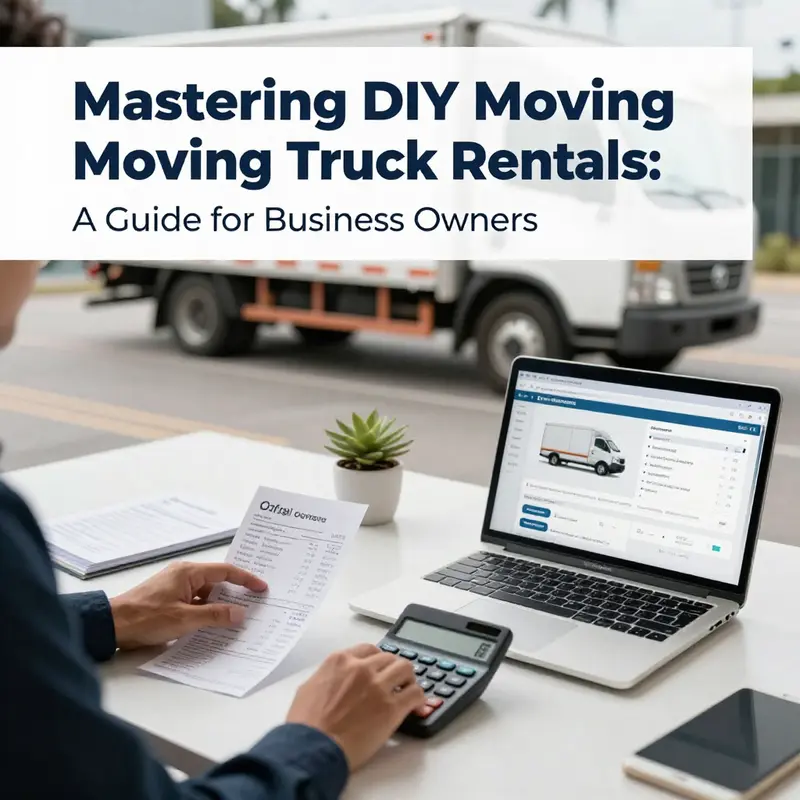
External research underscores that the most common misstep is underestimating the physical toll and the logistical complexity. The New York Times highlighted how even well planned DIY moves can become fatigue and time sinks, which translates into higher operating stress and the potential for damage or error in handling. This perspective is a reminder that the cheapest headline is not always the ultimate bargain. The chapter draws on those insights to empower readers to construct a decision framework that weighs upfront rental costs against the full spectrum of expenses and personal cost. For anyone weighing this path, the critical task is to quantify the hidden costs, to compare apples to apples, and to decide whether the time and risk you absorb are worth the amount you hope to save. The route forward is to plan carefully, reserve early, pack strategically, and recognize when the pace of the DIY approach would benefit from the involvement of a pro who can deliver both efficiency and assurance. External resource: https://www.nytimes.com/2026/01/29/mobility/diy-moving-truck-costs.html
null
null
Gear, Guides, and Ground Rules: Mastering DIY Moving Truck Rentals
When you step into the realm of a do-it-yourself move, you step into a practical test of planning, stamina, and resourcefulness. The truck is only part of the equation. The real work begins with the tools you have at your disposal, the guides you consult, and the rules that keep you safe and organized on moving day. A successful DIY move rests on more than just a rental agreement; it rests on a careful blend of calculation, preparation, and disciplined execution. The best moves feel almost seamless because every element falls into place ahead of time. The most essential elements are the ones you can control: the right truck size, accurate packing, secure loading, and a plan that respects your limits and your budget. In this sense, the vehicle is really a conduit for a smoother process, a means to move your life without breaking your back or breaking the bank. And the more you lean on credible tools and well-considered routines, the less the move looks like chaos and more like a well-choreographed set of steps you’ve rehearsed in advance.
Choosing the right truck size is the first practical decision. Trucks typically range from compact 12-foot models to expansive 26-foot configurations. The logic is simple: underestimate, and you risk multiple trips, more wear and tear, and an inflated time commitment. Overestimate, and you’re paying for space you won’t use and staring at an empty back end during the drive. A straightforward approach helps: for a small apartment with a few large items, a 12- or 16-foot truck is usually sufficient. If you’re moving a two-bedroom apartment or a small house with a lot of boxes and loose items, a 20- to 26-foot truck is a safer bet. It’s not just about the furniture; it’s about the boxes, the mattress, the couch cushions, and the way all these pieces will stack and shift if you hit a bump in the road. The common-sense rule is to estimate based on volume, not just the number of rooms. A solid inventory helps, too. Make a quick list of the sizeable items and ballpark their dimensions. If you’re unsure, most rental providers offer online calculators that translate your item count and rough sizes into a suggested truck size. These tools can save you a surprising amount of time and avoid the frustration that comes from realizing you underestimated the space after you’ve loaded a truck and driven half the route.
Beyond the math of space, the timing of your reservation matters a great deal. Booking at least two weeks in advance is widely advised, and it becomes particularly prudent during the busy May through September window when demand expands and inventory tightens. This isn’t merely about securing a vehicle; it’s about mitigating price volatility and guaranteeing you have a truck that’s in decent mechanical condition for the duration of your move. The reliability of the vehicle translates into smoother driving, fewer breakdowns, and less time spent dealing with mechanical concerns on a day that is already stretched thin with tasks. When you book early, you also gain leverage to tailor optional add-ons—like dollies, moving blankets, or tie-down straps—so you can secure everything you need without scrambling at the last moment.
To keep the process efficient from the outset, turn to the preparation tools and resources that are designed to guide you through the essentials. Many rental companies provide a suite of online tools that can transform a potentially stressful operation into a sequence of predictable steps. A move calculator can estimate the truck size you need based on a simple inventory of items and their approximate volumes. You enter the number of rooms, the types of furniture, and the number of boxes, and the calculator suggests a trunk that minimizes trips while leaving room for safe loading. Packing guides offer proven methods for organizing items and protecting them during transit. They cover everything from choosing the right boxes and padding to how to wrap fragile items and secure them for the ride. Loading tips are especially valuable; they explain the best way to distribute weight, create anchors, and use equipment like straps and moving blankets to prevent shifting, scuffs, and damage during transit. These online resources aren’t mere checklists; they’re practical playbooks that translate a moving day into a series of repeatable, safe actions.
The actual loading and driving phases demand careful attention to safety. Safety guidelines fall into two broad categories: driving safety and loading safety. Driving safety focuses on reduced risk in challenging weather and road conditions. It emphasizes maintaining visibility, keeping a safe following distance, and adjusting speed to the truck’s size and weight. It also includes practical wisdom about how to handle rain, wind, or glare that can affect your ability to maneuver. A crucial but sometimes overlooked facet of safety is pre-trip vehicle readiness. A quick check of tires, lights, brakes, fluids, and mirrors can prevent a roadside stoppage that could derail your timetable and complicate logistics. For many DIY moves, the route itself becomes a moving puzzle—traffic patterns, construction zones, and tolls all influence risk and time estimates. With a reliable safety framework, you approach the road with confidence rather than trepidation.
Loading safety is equally important and often more impactful on the move’s outcome. Proper loading requires more than stacking items in a row; it requires thoughtful distribution and securement. The heaviest items should go toward the cab or the lower portion of the truck, with lighter items on top. Anticipate that gravity will shift items during travel, especially on uneven roads or turns. Use sturdy straps or ratchets to anchor furniture and boxes to tied points. Pads and blankets cushion delicate surfaces and prevent scratches. A dolly or hand truck reduces the risk of strain and makes moving heavy items more controllable. The key is to create a stable, interlocked core of heavier items that won’t shift during transit, with lighter, well-packaged items filling the remaining space. This approach not only protects your belongings but protects you from back and shoulder injuries caused by awkward lifts and sudden movements.
If you have to trek through stairs or elevators, the stakes rise. Renting or borrowing the right equipment becomes essential. A sturdy dolly can weather stairs when used in tandem with careful lifting technique and a capable helper. Straps and ratchets enable you to secure items to the dollies and prevent them from sliding. It’s worth noting that many moving tools—pads, straps, boxes, dollies—are available from the rental company itself or through third-party suppliers. While the temptation to cut corners on supplies can be high, skimping on padding and securing devices often leads to more damage to furniture and to your own body. The math of cost versus risk tilts decisively toward investing in solid moving gear, especially when you consider the potential expense of repairing damaged items or paying for assistance after a mishap.
For those moving within a military context or along tight timelines, flexible support systems exist that acknowledge the realities of frequent relocations. Resourceful providers often offer dedicated programs to support moves tied to assignments with compressed schedules. The overarching aim is straightforward: deliver reliable guidance and resources that align with a demanding timetable, ensuring you can handle the DIY approach even under stress. This specialized support might include targeted driving tips for adverse weather, guidance on packing efficiently, or extended access to resources that simplify the logistics of a shorter, more intense move. The focus remains on safety, reliability, and self-sufficiency, so you retain maximum control over how your move unfolds while still benefiting from professional-grade infrastructure in the background.
Packing efficiency is not an afterthought but a core skill within the DIY moving toolkit. A well-executed packing plan reduces waste, speeds up the loading process, and minimizes the risk that a houseful of items ends up damaged or mis-sorted. Efficient packing depends on using the right sizes of boxes and the correct amount of padding. Heavier items belong in smaller boxes and lighter items can fill larger ones, which helps keep the overall weight manageable. Labeling is more than a courtesy; it’s a practical system for loading and unpacking, especially when moving into a new space with awkward layouts. A clear labeling convention prevents the confusion that makes unloading longer than it needs to be and helps you streamline the process of returning the truck and reclaiming your time.
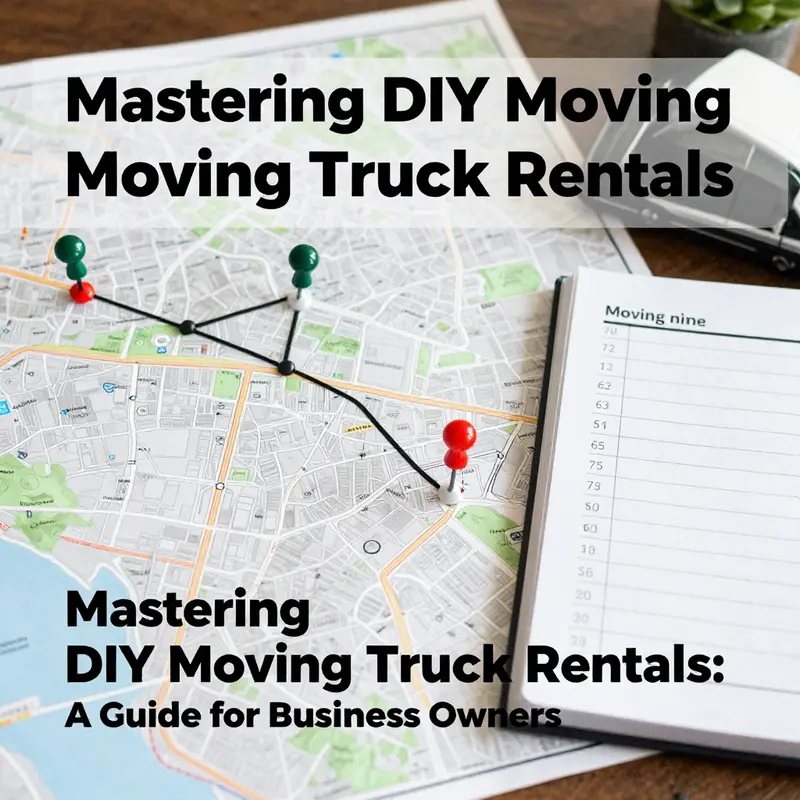
Route planning is the quiet partner to packing and loading. A well-mapped route considers not only distance but also rest breaks, fueling, and possible traffic snarls. If you can, drive the route with a practice session in mind, especially if you’re unfamiliar with the truck’s length and turning radius. A test run around the neighborhood can reveal blind spots and handling quirks that you may not notice in a standard car. The mental rehearsal of managing a rolling load, negotiating turns, and identifying safe stopping points makes the actual move less daunting. Remember that the objective is steady progress, not heroic speed. A realistic pace reduces the chance of mistakes, fatigue, and frustration, and it preserves your stamina for the critical moments of loading and unloading.
The evidence-based choice between DIY and professional movers is not about a single metric but a balance of time, energy, and risk. A DIY approach saves money when your move is straightforward, involves manageable volumes, and you have a helper or two who can share the workload. It becomes less attractive when the move involves heavy or fragile items, multiple flights of stairs, or a long cross-country trek. In some circumstances, combining a DIY move with professional assistance for the heaviest items or for the most physically demanding parts of the process can be a prudent middle path. Acknowledging your own limits is not a concession; it’s a strategic decision that preserves safety and sanity while still delivering the cost benefits of a DIY framework.
As you navigate the blend of tools, guides, and ground rules, you’ll notice how attention to detail compounds into real gains. A small investment in time before moving day—inventorying belongings, measuring spaces, and rehearsing loading steps—pays off in smoother execution and fewer surprises on the day itself. The online calculators, packing guides, and loading tips are not merely informational aids; they are practical blueprints that translate planning into action. They help you forecast space, anticipate the needs for padding and straps, and align your schedule with a realistic timescale. The ultimate payoff is simple and tangible: a move that feels manageable, controlled, and less exhausting than the generic nightmare many people fear when they hear the words “moving day.”
All of these elements—truck sizing, advance booking, preparation tools, safety practices, supplies, military-relocation considerations, packing strategies, and route planning—coalesce into a practical philosophy. DIY moving truck rental becomes not a gamble but a system. It is a system built on credible tools, a sequenced plan, and a clear understanding of what the move will demand. This system respects the realities of physical exertion and weather, honors the realities of time and budget, and ultimately preserves your energy for the parts of your life that matter most after the last box lands and the truck is returned. In this light, the tools and resources you choose are not peripheral accessories; they are integral to the entire experience, shaping not only how smoothly you move but how confidently you navigate the transition into your next space. If you carry these principles with you, your DIY move can prove to be a disciplined, efficient, and surprisingly empowering process that turns a potentially overwhelming day into a sequence of controlled, manageable steps.
For readers seeking concrete next steps, start with a quick inventory of your belongings and draft a rough floor plan of the spaces you’re vacating and entering. Use a move calculator to translate that inventory into a suggested truck size, and then reserve the vehicle well ahead of time to secure your date and the accessories you’ll need. Build a packing plan that allocates items by room and by fragility, and pencil in loading times that align with daylight hours and weather forecasts. Gather the essential supplies—pads, straps, boxes, and dollies—so you’re not surprised with a last-minute run to a hardware store. Finally, map a route that includes safe fueling spots and rest breaks, and practice your driving with the truck in a low-stress setting if possible. By stacking these steps, you create a resilient framework for your DIY move, a framework that pays dividends in safety, speed, and peace of mind.
External resource for official guidelines: DIY moving tips. https://www.penske.com/moving-truck-rental/diy-moving-tips
Final thoughts
Conducting a DIY move with truck rentals offers business owners an opportunity to save money and take control of their relocation process. By acknowledging and addressing safety concerns, employing strategic planning and logistics, and utilizing appropriate tools and resources, businesses can navigate the complexities of moving more effectively. While the idea of moving oneself can seem daunting, with the right approach, it can transform into a manageable and cost-efficient endeavor. As you prepare for your next move, keep these insights in mind to ensure a safe and successful transition to your new workspace.