
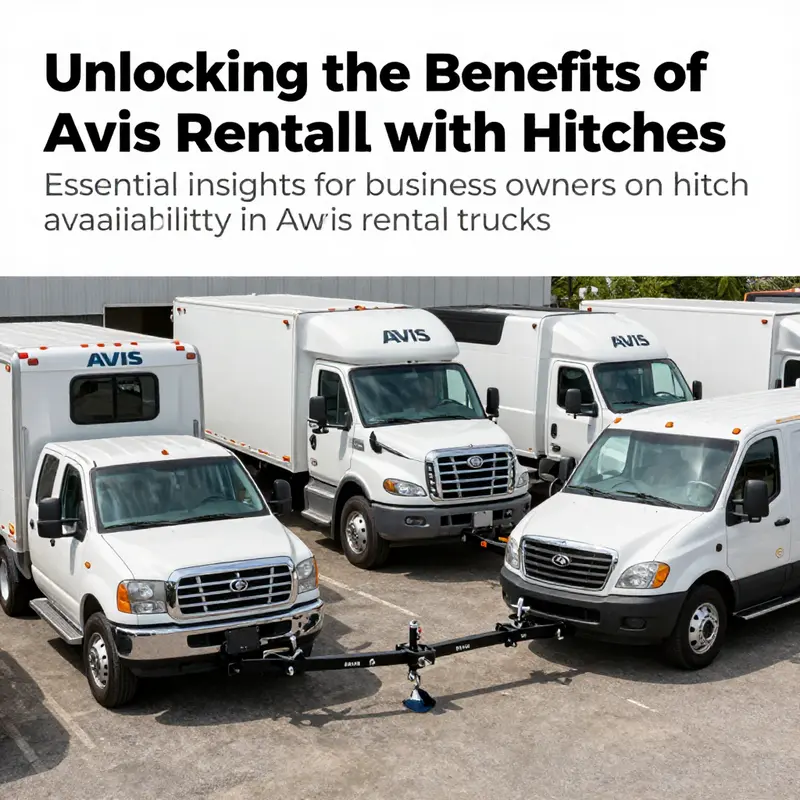
For business owners seeking reliable transportation solutions, understanding the hitch availability on Avis rental trucks is crucial. Whether you’re moving equipment, towing trailers, or managing logistics, knowing how to leverage these vehicles can enhance operational efficiency. This article covers the availability of hitches on Avis trucks, the different types available, how to confirm hitch features, potential additional fees, and a comparative analysis with other rental companies to help you make informed decisions.
Navigating the Nuances: Understanding Hitch Availability on Avis Rental Trucks
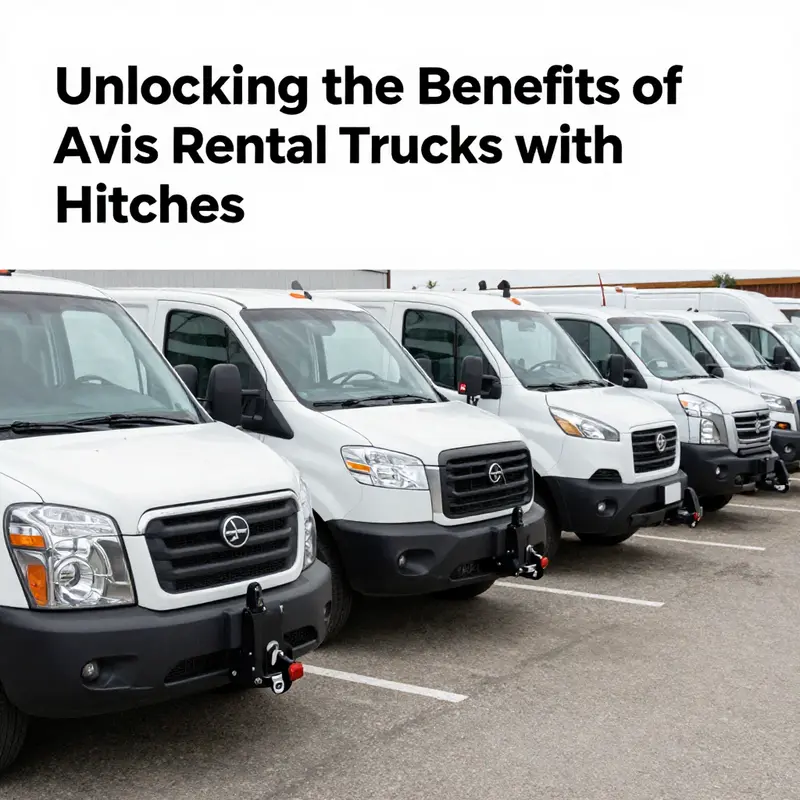
Avis rental trucks often promise a versatile moving experience, but when it comes to a crucial accessory like a hitch, the situation can appear complex. The availability of hitches on these trucks is not a one-size-fits-all scenario. In many cases, larger moving trucks in the Avis fleet are built with a hitch receiver, primarily to accommodate the needs of customers planning to tow a trailer or additional equipment. However, the specifics depend on factors such as the truck model, the rental location, and the terms specified in the rental agreement. As a customer seeking a hitch-equipped vehicle, it is wise to understand the policies and offerings in depth to ensure that your moving plans remain on track.
When planning a move, many renters may assume that a hitch is standard on every large truck available from major rental companies. For Avis, this is partially accurate. For example, in the United States, many of Avis’s larger models, especially those designed for moving purposes like the 15-foot or 26-foot trucks, often include a hitch receiver as part of their standard equipment. This feature is significant because it allows renters to easily attach a trailer, cargo carrier, or other auxiliary equipment that might be necessary for larger moves. Despite this common practice, discrepancies in availability arise based on specific models and regional practices. Avis rental trucks vary in their configurations, which means that while one branch might show a hitch-equipped model readily available, another location might have a different fleet with varying features.
This variability underscores the importance of confirming equipment details before finalizing your reservation. Customers are advised to carefully review the rental agreement, where the specific equipment and features of the vehicle are listed. While many renters have found that their selected trucks come with a hitch, it is not an absolute guarantee. Occasionally, Avis may offer the presence of a hitch as an optional feature, one that might require an additional fee or even necessitate prior arrangement with the rental office. Even though the larger trucks are more likely to include a hitch, this convenience is not universal across all vehicle types or locations.
Another factor to consider is Avis’s policy regarding the rental of hitches as standalone accessories. Detailed research indicates that Avis Rent A Car generally does not offer hitches for rent on their trucks if a customer’s selected truck does not come equipped with one. In such scenarios, renters who require a hitch for towing purposes need to be proactive. They should either arrange to bring their own hitch or explore third-party options to purchase or rent one independently. This policy approach is consistent with Avis’s overall business model, which prioritizes the reliability and consistency of its vehicle features rather than managing a separate inventory of towing accessories. In practice, these policies serve both Avis and the customer by reducing the risk of last-minute complications during the rental process.
The decision not to offer hitch rentals might come as a surprise to some customers, especially those who are juggling multiple moving components at once. Those planning large moves may have an array of equipment and need every available feature to align. However, this policy has its roots in the need for safety and compatibility. A hitch, when not properly matched to the vehicle or trailer, can create significant safety hazards on the road. Avis, along with other rental companies, prefers that customers adhere to strict guidelines regarding the equipment provided directly by the manufacturer or the rental service. When customers bring their own hitches, they are expected to have already verified that the accessory meets the necessary safety standards for the vehicle in question.
For those who encounter a situation where their rental truck does not include a hitch, several avenues are available. First and foremost, it is essential to contact the rental location immediately upon making the reservation. Clarifying the presence or absence of a hitch can save time and prevent unnecessary stress later. Since policies may vary by location, direct communication with the local Avis branch can yield information that the general guidelines might overlook. This proactive approach is recommended by industry experts and experienced renters alike. In many cases, direct inquiry can also reveal whether an optional hitch upgrade is possible. Such upgrades, if available, may come at an extra cost, but they ultimately allow renters to align their rental vehicle with the specific demands of their moving plans.
Furthermore, it is important for customers to note that Avis maintains a robust online presence where detailed descriptions of vehicle features can be found. By visiting the official Avis website, renters can see current fleet details and verify whether the truck of interest includes a hitch receiver. This online research complements the direct inquiries made either over the phone or during an in-person visit to the rental location. Many customers have found that the Avis website serves as a comprehensive repository of up-to-date information regarding vehicle features, special equipment options, and promotional offers. It is, therefore, an indispensable resource for anyone keen on avoiding unexpected surprises at pickup.
From a broader perspective, the discussion of hitch availability on Avis rental trucks touches on a recurrent theme in the rental industry—transparency and communication between the service provider and the customer. In a field where each rental transaction is unique and subject to a multitude of variables, ensuring that customers are fully informed about the equipment available is crucial. Rental companies like Avis strive to maintain clear and accessible channels of communication to avert potential misunderstandings. This is particularly important when ancillary equipment such as hitches plays a role in the overall functionality of the vehicle. When customers understand that Avis’s approach may involve standard equipment on some trucks and optional additions on others, they are better equipped to manage their expectations and prepare accordingly.
In addition to these considerations, it is also useful to think about the practical implications of having a hitch-equipped truck for a moving operation. A hitch not only adds to the functionality of the truck, but it also enhances its adaptability. Whether towing a utility trailer, carrying extra equipment, or simply ensuring that heavy loads are securely managed, a hitch is an important tool on the road. Nonetheless, this potential benefit must always be weighed against the reality that hitch availability cannot be taken for granted with Avis rental trucks. As such, renters must remain vigilant and confirm the necessary details before embarking on their journey.
The nuances of hitch installation and usage also merit attention. One aspect that often escapes notice is the compatibility between the truck’s hitch receiver and the trailer being towed. Different moving scenarios may require different types of hitches, and mismatches could lead to unsafe conditions. It is therefore recommended that renters, before they secure a truck, verify that the hitch receiver is compatible with their trailer or towing setup. This might also involve checking the hitch’s weight rating, ensuring it can safely handle the intended load. For additional guidance on such matters, resources on trailer hitch installation can provide valuable insights. For instance, you can explore relevant details on how to ensure proper installation by visiting this helpful guide on trailer hitch installation details.
Equally critical is the need for renters to have a contingency plan. In cases where a hitch is not present, having the flexibility to either procure one via a third party or modify the moving strategy can prevent delays. Safety standards and legal regulations reinforce the necessity of using equipment that has been verified as appropriate for towing. Many renters who have relied on the assumption that a hitch is included have sometimes found themselves in a stressful scramble when the equipment is absent. Being prepared for such a possibility by either renting a truck that has a confirmed hitch or ensuring that all equipment is compatible can make a significant difference in the smoothness of the move.
It is also important to consider how Avis’s practices compare with those of other rental companies. While some competitors may offer hitch rentals as separate add-ons, Avis has chosen a strategy focused on providing vehicles with integrated features whenever possible. This approach, while sometimes causing a mismatch between expectations and reality, is also reflective of the broader industry trend that prioritizes vehicle safety and operational readiness over modular accessory rentals. The consistency in Avis’s policy helps to build a level of standardization across the fleet, even though individual location policies might still vary. Customers who have experience with multiple rental companies will recognize that the differences in equipment availability often hinge on each company’s operational strategy. For Avis, the focus has remained on the reliability of the vehicles and ensuring that any accessory used during a move adheres to the highest safety standards.
For many renters, the takeaway from these considerations is clear: due diligence is essential. Checking directly with the rental company, whether by phone or through the official Avis website, remains the best strategy to avoid last-minute surprises regarding equipment availability. When planning a move that involves additional accessories like trailer hitches, the extra few minutes taken to verify details can spare renters from considerable inconvenience later on. This practice is not just about ensuring that the truck suits the immediate needs of the move but also about aligning with broader safety protocols.
In final analysis, the image of a hitch-equipped Avis rental truck is one that promises functionality and adaptability in the midst of a potentially stressful move. However, the reality is that hitch availability is subject to a variety of factors. Avis continues to offer many of its larger moving trucks with hitch receivers as a standard feature, particularly in key markets like the United States. Nevertheless, the option to rent a hitch separately is not typically on offer. This means that if your moving plan relies heavily on the hitch function, you must confirm in advance, using both the rental agreement and direct communication with Avis representatives, whether your chosen truck will meet your towing requirements.
The situation underscores a broader reminder for renters: the importance of reading the fine print and understanding the equipment provided with your vehicle. When all details are laid out clearly, planning becomes smoother, and the potential for last-minute obstacles is greatly reduced. In this way, a well-informed renter can navigate the nuances of Avis’s policies effectively, ensuring that the vehicle chosen is perfectly aligned with the operational demands and safety requirements of the move. More detailed information can ultimately be retrieved from official sources such as the Avis website, which continues to be a reference point for reliable vehicle specifications. For further insights into the standard practices of such equipment policies, visiting the official information page at Avis can provide significant clarity.
This comprehensive understanding of hitch availability is a strategic advantage for those embarking on moves that require additional towing capabilities. By digging deeper into the policies and confirming details ahead of time, customers are empowered to make the best choice for their specific situation. In a landscape where convenience and safety are paramount, being well-prepared is not just an option—it is a necessary step toward ensuring that every part of your move, from loading to towing, runs smoothly. In essence, successful moving planning with Avis rental trucks hinges on a proactive, detail-oriented approach that recognizes the myriad factors influencing equipment availability. By approaching your rental with this mindset, you turn potential uncertainties into manageable, predictable aspects of your moving experience.
Ultimately, understanding the interplay of these factors allows renters to craft a moving plan that is robust, reliable, and free of unexpected interruptions. Ensuring that all equipment needs, particularly the inclusion of a hitch, are met transforms a potentially challenging move into a streamlined operation. By embracing the importance of clear communication, thorough research, and proactive verification, you set the stage for a move that not only meets your expectations but exceeds them in terms of safety and efficiency. This detailed, practical approach ensures that you get the most out of your rental experience and that the nuances of hitch availability do not transform into a roadblock on moving day.
Exploring Avis Rental Truck Varieties and Their Towing Capabilities
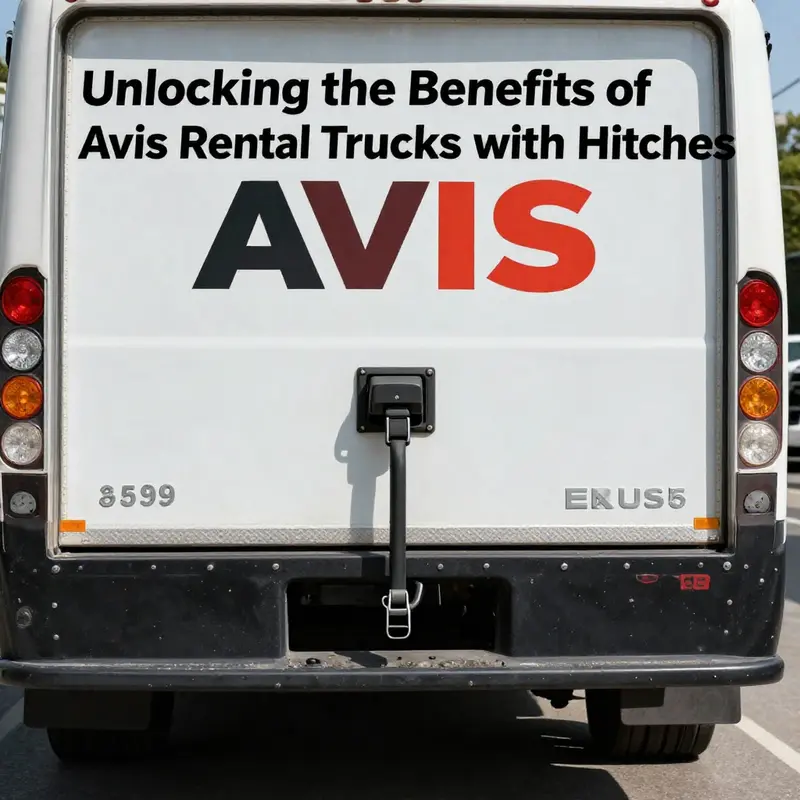
Avis rental trucks serve as a reliable solution for customers with diverse hauling needs, offering a range of models and features designed to facilitate smooth moves and efficient transport of equipment. Among these features, the hitch plays a critical role in enabling customers to tow trailers or additional equipment, and understanding the specifics of these towing capabilities can be essential when planning a move or transport project. Over the years, Avis has built a reputation for offering well-maintained, versatile vehicles that can accommodate varying cargo sizes while incorporating the necessary equipment for towing.
At the heart of the renting experience is the variety of trucks available through Avis. The fleet is designed to meet the demands of different moving scenarios. Whether the task involves a small residential move, the transportation of heavy equipment, or long-distance hauling, Avis provides multiple truck models that integrate towing features to enhance their functionality. Often, these trucks range from smaller cargo vans, which are ideal for urban deliveries and short moves, to larger trucks designed for more significant moves that demand substantial cargo space and higher towing capacities.
For customers who require only the basics, the cargo vans can be a perfect choice. These compact vehicles cater to small relocations, offering ample room for everyday cargo and the added benefit of easier maneuverability in congested city streets. Although cargo vans are not always equipped with heavy-duty towing hitches, they occasionally include a hitch receiver to allow for the towing of a modest trailer or additional equipment. This option ensures that customers with lighter moving needs can benefit from the convenience of a hitch without stepping up to a larger, more expensive truck model.
Moving up in size, medium-sized trucks—typically ranging from 12 to 16 feet in length—serve as a middle ground for customers balancing cargo capacity with ease of handling. These trucks are particularly popular for moves that require the transportation of furniture, home appliances, or office supplies. In many instances, medium-sized trucks feature a standardized receiver hitch, which might be a Class III type. This hitch is engineered to support moderate towing needs, allowing renters to tow a trailer with a moderate weight capacity. With integrated wiring for trailer lights and clear instructions for hitch installation and removal, these vehicles ensure that clients can set up and secure the hitch properly, reducing the risk of damage or operational mishaps.
For customers undertaking larger moves or needing to transport bulky, heavy objects over considerable distances, Avis provides a range of large trucks, usually in the 17- to 26-foot category. These vehicles are purpose-built to handle heavy loads, substantial cargo, and robust towing requirements. The available large trucks often come equipped with high-grade receiver hitches, sometimes classified as Class IV, which are capable of supporting significantly higher towing capacities compared to the smaller vans or trucks. Depending on the model and engine performance, these trucks can tow trailers that weigh from around 5,000 lbs up to more than 10,000 lbs. This feature is particularly valuable for long-distance moves, where the combination of a large truck’s cargo space and its towing ability provides a one-stop solution for multi-faceted transportation needs.
Beyond the basic inclusion of a hitch receiver, Avis enhances the practical utility of its trucks with features such as pre-wired trailer electrical systems. These systems are constructed to simplify the process of connecting trailer lights, thereby ensuring that users adhere to road safety standards without the hassle of additional aftermarket wiring. The integration of these safety features demonstrates Avis’s commitment to providing not only functional but also safe vehicle options for customers. When preparing for a rental, one can expect clear guidelines outlining how to properly install or remove the hitch. Such detailed instructions help prevent damage to either the truck or the trailer, enabling a smoother rental experience overall.
While many Avis rental trucks are equipped with towing features as a standard part of their design, it is essential for renters to confirm the inclusion of a hitch during the booking process. Depending on the location and specific truck model available at the rental branch, a hitch might be part of the standard package or offered as an optional upgrade. Customer-specific rental agreements may outline whether the hitch is included or scheduled at an additional fee, and this variation underscores the importance of verifying these details prior to pickup. It is advisable for renters to consult their rental agreement and, if needed, reach out to customer service for a definitive answer regarding the availability of a hitch. This pre-emptive check helps ensure that the vehicle selected meets all of the customer’s operational requirements.
Often, customers planning to tow a trailer are not only seeking a vehicle with a hitch but also need assurance regarding the truck’s overall towing capacity and structural integrity. The towing capabilities of a truck are influenced by several factors, such as the engine’s horsepower, the design of the hitch assembly, and the overall build of the vehicle. For instance, a 20-foot truck within Avis’s lineup may exhibit a towing capacity in the vicinity of 5,000 lbs, while models on the larger end of the spectrum might support towing weights that far exceed this figure. Recognizing the power and limitations of the truck being rented is critical when planning to tow heavy loads over potentially lengthy journeys.
In addition to basic hitch mounting and towing capacity, the manner in which a hitch is incorporated into a truck’s design can impact the user experience. Avis typically provides detailed, model-specific instructions for proper hitch installation and removal. These guidelines are not merely technical instructions—they are safety protocols intended to protect both the renter and the truck. Proper use of a hitch ensures stability during towing, reduces the risk of mechanical failure, and contributes to the safe handling of both the truck and the attached trailer. Customers are encouraged to become familiar with the instructions accompanying their chosen vehicle, as adherence to these guidelines can prevent accidents and mitigate potential damage, ultimately leading to a more satisfying rental experience.
Moreover, the design and installation of a hitch are often reflective of the truck’s intended purpose. For moving professionals or individuals who require robust machinery for relocating sizable household inventories, a truck equipped with a high-capacity hitch is indispensable. Such models not only provide the muscle required to move large items but also offer the added benefit of versatility. For example, when additional equipment is needed during a move, a trailer can be attached without the need for a separate vehicle. This ergonomic synergy between the truck’s cargo capacity and its towing capability is particularly valuable during busy periods when efficiency is paramount.
Understanding the versatility of Avis rental trucks is also a matter of appreciating how they cater to both the nuances of urban mobility and the demands of extensive, heavy-duty transportation. The urban renter may value the compact design of the cargo vans, which combine economic fuel efficiency with ease of navigation, while the long-distance mover prioritizes the strength and capacity of large trucks. Regardless of the model, the hitch remains a shared element that underscores the vehicles’ multi-functional nature. Whether you are managing a small-scale urban relocation or a comprehensive long-haul move, the hitch feature is often a decisive factor in selecting the right vehicle for the task.
Additionally, it is worthwhile for renters to note that Avis’s commitment to customer service extends beyond the vehicle features. The company has established protocols to ensure that any concerns regarding towing or hitch performance are addressed promptly. In circumstances where a hitch might be missing or if a customer encounters any issue with the towing feature, Avis customer service is available to offer guidance and, if needed, arrange for a suitable upgrade or alternative solution. Such customer-centric policies exemplify the company’s understanding of the dynamic needs of movers and transport enthusiasts, reinforcing the notion that Avis trucks are engineered for reliability and convenience.
When planning for a rental, the importance of thoroughly reviewing the rental agreement cannot be overstated. A detailed rental document provides clarity concerning which features are included, the safety instructions for using these features, and any potential additional charges. This careful review not only prevents surprises at pickup but also ensures that the renter can confidently use the hitch and associated towing features. For those unfamiliar with the technical aspects of towing, a brief consultation with an Avis service representative can offer peace of mind, ensuring that all equipment is in proper working order. For a deeper dive into the specifics on vehicle size and performance, potential renters might find additional insights in resources like the 16 moving truck rental guide, which further demystifies the complexities of truck sizes and their associated capabilities.
In summary, Avis rental trucks are engineered to meet a wide spectrum of transportation needs, from the nimble navigation of cargo vans to the formidable power of large moving trucks. The inclusion of a receiver hitch in many of these models is a testament to the company’s focus on providing versatile, multi-faceted vehicles that cater to both the casual mover and the professional mover alike. Whether you are planning a small urban move or gearing up for a large-scale relocation, understanding the hitch features and towing capacities of the truck you rent is essential for a successful experience. These trucks support a variety of towing needs, with detailed guidelines ensuring that the hitch is used safely and effectively. Moreover, Avis’s customer service and transparent rental agreements help create a seamless rental process, ensuring that any hitch-related queries or concerns are promptly addressed.
For those with specific towing requirements, it is advisable to verify all details regarding the hitch prior to finalizing the rental. By taking this proactive approach, customers can avoid potential complications during their move and ensure that their chosen vehicle operates exactly as required. It is this blend of vehicle versatility, detailed safety protocols, and a customer-focused rental process that underscores the operational excellence of Avis rental trucks in fulfilling towing and cargo transport needs.
For more detailed and updated information on available truck models and their hitch features, potential renters are encouraged to consult the official Avis rental trucks page at Avis Truck Rental Options. This external resource offers comprehensive details that can help guide your decision-making process, ensuring that every choice is informed and perfectly tailored to your specific moving and towing requirements.
Navigating the Hitch Confirmation Process: Ensuring Your Avis Rental Truck is Ready for Towing
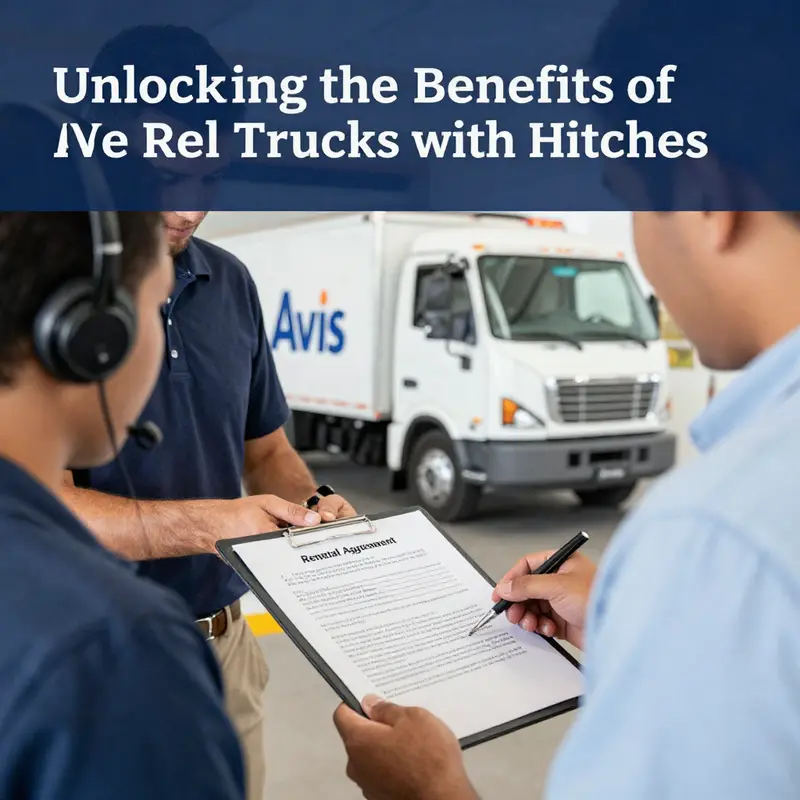
When planning a move, every detail counts. One important aspect for many renters is confirming that their truck comes with a hitch so they can connect a trailer or additional equipment. Avis rental trucks commonly include hitches, yet this feature requires a clear and careful confirmation process at the time of booking and throughout the rental period. This chapter offers a comprehensive look into that process, outlining key steps and providing insights that help ensure your rental experience is as smooth and reliable as possible.
At the onset of your rental journey, the booking step is where the significance of the hitch becomes apparent. Whether you are moving household items or transporting equipment, knowing that a hitch is installed provides the confidence you need to proceed. During the booking process, you must specify your need for a hitch. Avis typically offers trailer hitches as an optional add-on service, a feature especially common on larger moving trucks. Though many Avis rental trucks are pre-equipped with hitches, availability can vary based on factors such as truck model, location, and even the specifics of your rental agreement. It is essential to make your request known at this stage, as pre-booking a hitch minimizes the risk of surprises later when you arrive at the rental counter.
Upon arrival at the rental location, a series of verification and documentation steps takes place to confirm the hitch. The initial interaction always begins with showing your driver’s license and rental reservation details. This documentation is critical not only for identity verification but also to ensure that the reservation you made – including any special requests such as a hitch – is fully acknowledged by the rental agent. During this step, the agent checks the specifics of your booking. They examine the vehicle’s configuration and confirm whether a hitch is present. This process guarantees that the vehicle matches both your expectations and the safety requirements for towing.
Once the appropriate truck has been identified, the rental agent provides a clear explanation of the hitch installation procedure. Although some Avis trucks come with pre-installed hitches, there may be cases where the hitch is an optional accessory that must be added at the time of rental. The agent outlines how to correctly secure the hitch and what tools, if any, are needed for installation. This overview is not just an operational guide; it underscores the responsibility you assume when opting for a hitch-equipped vehicle. Rentals that include a hitch often come with additional safeguards, including a waiver that confirms your acknowledgment of the accessory’s proper use and the associated liability. Signing this waiver is a critical responsibility that emphasizes safety.
The process of securing the hitch does not end with an explanation. Avis requires that the hitch be properly installed and inspected before you leave the counter. This step ensures that the hitch is secured in accordance with the vehicle’s design specifications and safety standards. The agent or technician will perform a brief inspection, checking for any potential issues such as loose fittings or misaligned components. It is important to understand that this inspection is more than a mere formality. If the hitch is not correctly installed, you may face additional fees or even be denied the use of the vehicle until the issue is rectified. In essence, the thoroughness of this check is in place to prevent unforeseen issues on the road that could jeopardize the safety of your cargo and the integrity of the rental truck.
In certain cases, the hitch is available as an optional upgrade. This option may come with an additional fee, particularly if your selected truck model does not include the hitch as a standard feature. The availability of a hitch upgrade is subject to variations in fleet composition across different locations. Therefore, if having a hitch is essential for your moving or towing needs, it is advisable to reconfirm at both booking and pickup. Clear communication with Avis customer service can alleviate any uncertainties regarding availability and cost. In doing so, you align your rental requirements with the location’s operational specifics, avoiding last-minute complications.
Once all the necessary documentation is handled and the hitch is confirmed and installed, it’s equally important to understand the capability limits associated with the hitch. Different trucks have different towing capacities, and Avis clearly communicates these limits when you request a hitch. The weight capacity of a hitch is crucial to know, since overloading may lead to mechanical failures or fines. Always ask the rental agent to explain the maximum allowable trailer weight and how it aligns with the truck’s engine and braking systems. By doing so, you ensure that you do not inadvertently exceed the truck’s capacity. This conversation also provides a chance to clarify whether any specific instructions or additional tools are needed for safely transferring the towing load.
Understanding the intricacies of the hitch confirmation process also involves keeping abreast of the responsibilities that you as the renter assume. Once the hitch is in place, you are responsible for its proper use until the vehicle is returned. This accountability extends to ensuring that the hitch remains secure during use. Many rental agreements include a clause that holds the renter responsible for any damage incurred from improper hitch usage. It is wise to revisit the signed waiver and the terms of your rental contract, taking note of any stipulations relating to the hitch. In doing so, you equip yourself with the necessary information to mitigate risks and avoid unexpected charges.
In addition to verifying the presence of the hitch, part of the overall confirmation process involves detailed discussions regarding the proper use of the accessory. The rental agent will typically walk you through the steps of coupling a trailer and checking its secure connection to the truck’s hitch. This hands-on demonstration is invaluable, especially if you have little experience with towing equipment. For instance, you might be provided with a brief tutorial on aligning the hitch receiver to effectively latch onto a trailer coupler. The clarity of these instructions reduces uncertainty and enhances your confidence in handling the towing equipment. It also serves to underscore the safety protocols enforced by Avis to prevent mishaps during transit.
For many renters, the confirmation process serves as an assurance that all safety measures are rigorously followed. By ensuring that the hitch is properly installed, inspected, and aligned with the rental company’s safety standards, you develop a clear picture of the practical aspects of towing with an Avis truck. This transparency can be invaluable when navigating subsequent stages of your move. From safely connecting a trailer to adhering to weight limitations and understanding roadside precautions, every step of the process is designed to support a seamless and secure towing experience.
It is also worth noting that similar processes are observed among other truck rental companies. While this chapter focuses on Avis rental trucks, the general process of verifying the hitch and confirming its safe use finds parallels in other rental services. Those who are curious to explore more specific details about hitch installation might find additional insights by reading through materials on similar implementations. For instance, one resource presents a detailed explanation of the hitch installation process by another major rental company, which, while not directly related to Avis, offers useful comparative insights into how hitch installations and safety procedures are standardized across the industry.
Furthermore, the confirmation process for hitches is not just a one-time verification. It is an ongoing responsibility that begins the moment you leave the rental counter and continues throughout your use of the vehicle. Maintaining a level of diligence with regular checks on the hitch, especially after long trips or when towing particularly heavy loads, is advisable. Small movements or repeated stress on the hitch connection could gradually affect its integrity. As a prudent measure, it is wise to inspect the hitch periodically to ensure that nothing has shifted or loosened during your trip. Avis generally advises renters to confirm the stability of all installed accessories prior to embarking on long journeys. In doing so, you help ensure that your towing experience remains safe and that the hitch continues to perform at its best.
In scenarios where you notice any issues with the hitch after departure—whether it be a slight misalignment, an unexpected noise, or concerns about security—contacting Avis customer service immediately is the recommended course of action. This proactive approach supports safety standards and prevents further complications during your move. It is important to remember that the customer service teams at rental companies are equipped to address these concerns quickly and efficiently. By following the set guidelines and promptly reporting any anomalies, you contribute to a safe operational environment and help uphold the reputation of reliable vehicle rental services.
Customer interactions play a significant role in this process, and clear, direct communication with your rental agent is vital. Experienced agents not only verify equipment specifications but also offer insights on best practices when using towing equipment. Their expertise is an invaluable resource for renters who depend on the hitch for transporting additional loads. An agent might point out critical safety tips, such as the proper adjustment of suspension settings when additional weight is applied, or the importance of spacing the towing load evenly to prevent undue strain on the truck’s chassis. This personalized advice, paired with the explicit instructions on hitch installation, forms the backbone of a safe and informed towing experience. Many renters find that these detailed discussions also include reminders about adhering to local traffic regulations and weight limits, all of which further enhance the security of your rental experience.
Moreover, renters are encouraged to review the terms and conditions related to the hitch in their rental agreement. The fine print often contains important details regarding the care and use of the hitch during your rental period. It is advisable to read through this information carefully and ask any clarifying questions before accepting the rental vehicle. This careful attention to the contractual details protects you from potential misunderstandings about the responsibilities you bear once the vehicle is in your possession. Clarity regarding these details ensures that you remain compliant with the rental company’s policies, ultimately avoiding any additional fees that might arise from the misuse or mishandling of the hitch.
The entire confirmation process is designed with safety and customer satisfaction in mind. It enables Avis to provide a highly reliable tool for renters who require towing capabilities. By confirming the hitch at multiple stages—from booking and counter verification to installation and periodic inspection—the process minimizes risks related to equipment failure and improper usage. These layered safety measures underscore the rental company’s commitment to both the renter’s security and the overall integrity of their fleet.
In summary, confirming the presence and proper installation of a hitch on an Avis rental truck is a critical process that demands attention at every stage of the rental journey. From the moment you book your truck to the time you complete your rental, each step is designed to ensure that the hitch is secure, that you are aware of your responsibility, and that you operate within the safety guidelines stipulated by the rental service. With clear documentation, thorough inspections, and a detailed explanation of procedures, you are well equipped to handle towing with confidence. For those who want to explore further details on installation methods, the detailed hitch installation process offers additional insights that may prove useful during your journey.
Finally, to stay updated on the latest guidelines and any changes regarding hitch availability and installation, it is advisable to consult the official resources provided by the rental service. Visit the official Avis website for the most current guidelines on hitch features available to you: Avis Official Website.
This chapter has provided an in-depth and unified narrative of the confirmation process for hitches on Avis rental trucks. By understanding each step—from the initial booking and documentation to installation checks and periodic maintenance—you can ensure that your experience with a rental truck is both safe and tailored to your towing needs. Every detail in this process reinforces the importance of proactive communication and strict adherence to guidelines. With these measures in place, you can confidently embark on your move, secure in the knowledge that your truck is equipped and ready for any towing requirement that may arise.
Unpacking the Costs: Navigating Additional Fees for Avis Rental Truck Hitches
Avis rental trucks have established themselves as a reliable option for individuals needing a robust vehicle for moving or towing, and one question that frequently arises is whether these trucks include hitches without extra cost. While many Avis rental trucks, especially the larger models designed for moving, come with hitch receivers built into their design, determining if there might be additional fees associated with the hitch can be a bit more complex. This chapter explores the nuances of potential extra charges, the importance of reading rental agreements thoroughly, and the steps you should take to ensure your rental meets your towing needs—all within the larger context of Avis rental trucks having hitches.
When planning your move or assessing the towing requirements for your journey, it is crucial to understand that not every rental truck is the same. Although many of the larger trucks in the Avis lineup are equipped with hitch receivers, availability and the policy on additional fees may vary depending on several factors. The type of truck you select, the geographical location of the rental, and the specific terms detailed in your rental agreement are all variables that can impact whether you are charged extra for the hitch feature. This intricate matter makes it essential for renters to consider the fine print and consult directly with Avis customer service before finalizing their booking.
One of the primary points of discussion regarding Avis rental trucks is the fact that while they generally include hitches on their larger models, not every vehicle will meet this specification by default. For those renting a 15-foot or 26-foot moving truck, indications are that these vehicles are likely to have a hitch receiver. However, if your needs include towing a trailer, carrying additional equipment, or any task that requires extra stability during towing, it might be wise to confirm with the rental agent that the truck you are about to rent is indeed equipped with a hitch. This proactive confirmation process can preempt any potential issues that might arise on the day of pickup.
The conversation about fees sometimes centers on the possibility of additional charges if a hitch is not pre-installed as a standard feature in the truck you have chosen. While most Avis rental trucks do include a hitch on larger moving vehicles, there have been instances where certain models or specific locations might require an optional upgrade. In these scenarios, if the truck you have reserved is not equipped with the hitch you need, an additional fee may apply to retrofit or otherwise install the required equipment. These fees vary, and without clear, detailed information in each rental agreement, renters are encouraged to ask directly about potential upgrade fees when making their reservation.
Understandably, the ambiguity regarding potential additional fees can be unnerving. Renters might worry that hidden charges could raise the overall cost of their rental more than anticipated. The best defense against unexpected fees is careful planning. It is advisable to thoroughly review your rental agreement prior to signing and to inquire specifically about the inclusion of a hitch, along with whether any additional fees might be charged if the truck does not meet this specification. Communication with the substitution agent can clarify what is standard and what might incur an extra cost.
Further complicating the matter is that some locations or regional offices might have different policies about hitch installation fees or optional upgrades. For example, if you are renting in one state, the policy might differ from another state’s guidelines. This discrepancy can lead to a variation where the same truck model might incur a fee in one rental location and be fee-inclusive in another. It is therefore important to understand that policies are not necessarily uniform across the board. By contacting your local Avis branch or calling their customer service hotline, you can confirm the exact details applicable to your area. In doing so, you avoid the common pitfalls associated with assuming uniformity across different rental offices.
The intricacies of fees do not stop at the hitch installation itself. Some renters might misunderstand the overall pricing structure, conflating the inclusion of a hitch with additional service fees related to the rental. Often, the hitch is simply considered one part of the overall utility of the truck. In general, if a hitch is installed as standard, there is no need for an additional charge; however, if the hitch is not part of the standard configuration, fees charged for an optional upgrade might reflect not only the cost of installation but also the cost of ensuring that the hitch meets all safety standards for towing. This is a critical aspect because the safety of the driver, the cargo, and any towed equipment depends on the hitch’s proper installation and maintenance.
Safety considerations are deeply intertwined with the issue of additional fees. While cost is always a factor, ensuring that the towing attachment meets safety regulations and is installed correctly is paramount. A hitch may need to be inspected or even upgraded to meet specific towing requirements. When extra fees are involved in this process, they help cover the expense of professional installation and safety checks. In some cases, the additional fee is a worthwhile investment that ensures your truck is safe for the added burden of towing. Safety should never be compromised for the sake of saving money, and if it means paying a little extra to have a hitch that is properly installed and secure, it is advisable to take that route.
When discussing potential additional fees, it is also beneficial to consider the context of different rental scenarios. Some renters may have specific, niche requirements where the hitch is more than just a standard feature—it is an essential component of their move or project. For such renters, the willingness to pay a supplemental fee may be outweighed by the need for assurance that the equipment is precisely what they need. In this context, the fee is not merely an extra cost; it becomes part of a larger investment in convenience, efficiency, and peace of mind. Moreover, knowing that you have addressed all aspects of your rental needs, including the hitch, can contribute significantly to a smoother rental experience overall.
Beyond the initial reservation and confirmation process, some renters find it useful to familiarize themselves with experiences shared by previous customers. Personal reviews and blog posts on related subjects tend to offer real-world insights into the process of renting from companies like Avis. For instance, reading about how others navigated the confirmation process for hitch-equipped trucks, or learning about other logistical considerations during the truck pickup, can provide added clarity and direction. These resources, such as detailed discussions on similar topics available in posts about service safety, can be particularly insightful. One informative piece on hitch installation requirements is available on a blog focused on trailer hitch installation options this resource offers practical guidance on hitch installations. Such firsthand accounts serve as valuable references for understanding the broader context of additional fees and service extras in truck rentals.
In a broader sense, the lack of a standardized policy regarding hitch fees highlights the dynamic nature of rental agreements. Avis, like many rental companies, may adjust its policies based on market demand, regional regulations, and the evolving needs of its clientele. Even though current research does not point to any specific fee breakdown for Avis rental truck hitches, it is evident that policies may evolve over time. Thus, staying current with the latest rental policies by regularly checking the official Avis website or contacting customer support is advisable. For up-to-date information, you might consider visiting Avis’s official online resources here to get the most recent details directly from the source.
In addition to the potential of extra fees, it is important to factor in the overall cost-effectiveness of opting for a rental truck that meets all your needs from the outset. When considering the budget for your move or towing needs, the inclusion of features such as a hitch can make all the difference in avoiding costly workarounds. Instead of renting a truck without a hitch and having to pay extra or arrange for a separate towing service, selecting a rental truck that comes equipped with the hitch as part of its standard configuration often proves to be more economical. In many cases, the standard inclusion of a hitch, especially in larger vehicle models, underscores Avis’s commitment to meeting the demands of their customers, though attention to detail remains critical during the reservation process.
It is also worth considering that the potential for additional fees might serve as an indicator of the extra care and attention given to customers who require specific configurations. In essence, if your rental truck needs to have a hitch installed to meet the rigors of towing heavy loads safely, the willingness to pay a small extra fee—if applicable—may represent a worthwhile trade-off for the enhanced service and safety it provides. A well-maintained hitch that has undergone professional inspection or upgrade can be seen as a guarantee of the service quality that Avis aims to deliver. Therefore, when planning your rental, include this consideration as a part of the overall cost analysis and service evaluation.
While the detailed research available does not provide an exhaustive explanation of any additional fees related to Avis rental truck hitches, the discussion presented here underscores the importance of a thorough review of rental documentation and proactive communication with the rental agency. Every renter’s situation is unique, and advancing with a clear understanding of all potential costs can make the rental process smoother and more predictable. Taking the time to inquire about every detail—especially for something as critical as a hitch that may be vital for towing operations—ensures that you are not caught off guard on the day of your rental.
Ultimately, whether you discover that the hitch is included in the overall rental package at no extra cost or that there is a small, separate fee for its installation, being well-informed makes all the difference. As you finalize your rental plans, consider reaching out to customer service to ask precise questions about hitch availability and any associated fees. By doing so, you can focus your energy on the task at hand—whether that’s safely moving your belongings, transporting goods, or towing a trailer—without worrying about unexpected complications.
In conclusion, potential additional fees for Avis rental truck hitches are enveloped in a mix of variable policies, location-specific practices, and rental agreement nuances. The key takeaway for renters is to proactively verify the presence of a hitch and clarify whether any extra costs may be incurred. The issue, while sometimes seen as a minor detail, can have significant implications for both the safety of your towing operation and the overall efficiency of your move. With careful planning, direct inquiry, and a willingness to review all available documentation, renters can navigate these potential pitfalls and secure a rental truck that fully meets their needs. As policies are subject to change, it is always a good idea to consult the latest information available from the official source before finalizing your rental, ensuring that all factors are considered and accounted for.
Hitch Integration in Truck Rentals: A Comparative Exploration of Avis and Its Competitors
In the diverse world of truck rentals, the presence of a hitch can mean the difference between a simple move and a logistical hurdle. As many renters search for answers to questions such as, “do avis rental trucks have hitches?”, a detailed look into the hitch integration approaches among major rental companies offers valuable insights for those facing towing challenges. Avis, a well-known name in truck rentals, typically includes hitches on many of their larger moving trucks. However, much like many other companies, hitch inclusion can vary depending on the specific truck model, rental location, and the nuances of the rental agreement itself. The nuance here is that while Avis may cater to customers with towing needs by equipping certain trucks with hitch receivers, customers must exercise due diligence by confirming hitch availability at the time of booking. This critical step ensures that no surprises arise during pickup and that the vehicle meets every towing requirement, particularly for those planning to haul additional equipment, campers, or trailers.
When examined in a broader context, Avis’s policy on hitches is one part of a larger comparative landscape among rental companies. A comprehensive analysis reveals clear differences. Some companies, for example, focus on delivering an effortless towing experience by integrating hitches as a standard feature across their truck fleets. One prominent example is a company that has built its reputation on towing readiness. Their vehicles, especially the pickup truck segment, are provided with hitches pre-installed, a convenience that speaks to both the quality of the service and the immediate readiness for any towing task. With hitch-equipped vehicles, customers are relieved from the technical hassle of having to arrange a hitch installation after the rental. This provides time savings and peace of mind, especially for those who may be new to the mechanics of truck towing.
In contrast, some rental companies offer a more modular approach where hitches are treated as optional add-ons rather than as standard equipment. For instance, a well-known rental firm in the industry distributes its fleet such that only certain models come with a hitch, and even then, it might depend heavily on the vehicle’s size and intended use. This means that while some full-size SUVs and light-duty trucks are capable of towing, a hitch is not always guaranteed in the rental agreement. In such cases, renters must pay extra attention when booking and might find themselves needing to confirm the hitch’s existence via a phone call or during the reservation process. Such uncertainty not only introduces an element of complexity into the rental process but also poses potential costs beyond the basic rental fee if an upgrade or an extra accessory fee is required at the time of rental.
Another rental company has adopted an approach that necessitates an additional service fee for towing accessories. They offer a separate rental option—for instance, by providing a Trailer Hitch Rental add-on service—that customers must select if a hitch is not pre-installed. This method is less than ideal for individuals who need to get on the road quickly with the assurance that their towing equipment is ready to use. The requirement to install the hitch at a designated location, or returning it after use, poses additional logistical challenges. Customers must plan ahead and consider that the availability and convenience of hitches can vary widely based on location and the detailed rental terms of their contract. For renters who value simplicity and immediacy, these add-ons may cause unwanted delays or introduce unexpected expenses during an already stressful moving process.
A notable example of hitch integration excellence is seen in the comprehensive approach of one industry leader. By including a hitch on every pickup truck rental, the company effectively streamlines the process, ensuring that customers who require towing capabilities are not burdened with extra planning or unforeseen fees. This practice not only boosts customer confidence but also provides an equitable comparison point when evaluating options in the truck rental market. For many renters, the need for a hassle-free towing solution factors significantly into their decision-making process. The convenience of a hitch-ready truck is especially important for those carrying heavy loads of personal belongings, equipment, or recreational vehicles such as boats and campers. The company’s marketing material is clear in emphasizing the benefit of immediate towing capability, an advantage that many customers find compelling.
Avis, for its part, has maintained a competitive position by equipping many of its larger rental trucks with a hitch receiver, a feature that often comes as a standard element rather than an optional upgrade. Nevertheless, Avis’s hitch inclusions are subject to variations that are influenced by rental location, truck model, and contractual specifics. This means that a potential renter must engage with the rental process with a certain level of careful inquiry. A careful review of the rental agreement or a direct dialogue with customer service representatives becomes a necessary step to ensure that the intended truck for rent has the required towing equipment. Although Avis generally meets customer expectations, the variability requires prospective renters to double-check their needs in order to avoid any last-minute complications.
Such detailed comparisons illustrate how hitch integration is not only a key feature when considering truck rentals but also a decisive factor in choosing between rental companies. The divergence in approaches across rental companies can be viewed as a spectrum, with some companies, such as the one mentioned earlier with its hitch-enabled fleet, setting the benchmark for integration, while others might leave customers to navigate the intricacies of add-on services and potential extra fees. This spectrum reflects broader trends in the transportation and moving industry, where convenience and customer experience are paramount. As renters are continuously seeking solutions that minimize hassles, the pre-installed hitch becomes a major point in evaluating overall service quality.
Drawing a direct line to the original inquiry about Avis, it is evident that while Avis does provide hitches on many of its trucks, the decision-making process for the renter does not end there. Rather, it encourages engagement with the rental company’s specific conditions and a thorough understanding of the contractual terms. Users are advised to use every resource at their disposal, including reviewing rental agreements and making inquiries to customer support well before the scheduled pickup. By taking such steps, renters can safeguard themselves against unexpected limitations that might arise if a truck turns out not to have the necessary hitch, and they can make more informed decisions when comparing Avis with other rental companies.
The broader market reality is that not every rental provider operates with the same towing priorities. While some may charge additional fees for hitch installation or have the hitch equipment available only in select models, others ensure that all vehicles, especially those designed for moving, come universally equipped. For instance, U-Haul has long been recognized for its impeccable preparation when it comes to towing readiness. Their fleet is known for pre-installing hitches on all pickup truck models, so renters do not need to worry about sourcing additional equipment. This level of preparedness can be particularly appealing for customers whose projects depend on an immediate towing solution. For those interested in exploring a fleet that does not mandate extra planning for hitch installation, U-Haul’s offerings represent a valuable alternative. More details on their hitch-equipped rental options can be found on their official website at U-Haul Truck Rentals.
In contrast, some companies have adopted a pay-as-you-go model regarding towing accessories. The necessity for add-ons, such as the Trailer Hitch Rental service, illustrates a fundamental difference in how services are structured. Renters with a tight schedule or those unversed in mechanical adjustments might view this as a drawback. This tactical divergence underscores the importance of the rental process being transparent in terms of accessory availability. The clarity of such information directly affects the overall customer experience. When a renter is compelled to add extra not just in cost, but also in planning and potential delays, the entire process becomes more cumbersome than anticipated – especially when contrasted with companies whose vehicles are fully prepared for towing.
One might consider how such differences affect the overall market competitiveness among rental companies. It is clear that the strategic integration of a hitch in rental trucks offers significant competitive advantages. Companies that incorporate tilting solutions and ensure towing readiness from the start often enjoy higher customer satisfaction ratings. The decision-making process is simplified, and renters can concentrate on the task at hand—be it the moving process or the transportation of additional cargo—without having to worry about supplementary arrangements. This ease of use is both a reassurance and a tangible benefit that resonates well with customers who value efficiency.
Beyond the practical implications, the philosophy behind hitch inclusions touches on a broader customer service promise. When renters see that a company is willing to invest in the seamless functioning of their vehicles by ensuring all necessary capabilities are built-in, it fosters trust. There is an inherent assurance that the company is aware of the demands of moving and towing, and is prepared to meet those needs head-on. This level of service transparency contributes to long-term loyalty, particularly in an industry where the reliability of transportation is paramount. Customers who have experienced the benefits of a hitch-ready vehicle are likely to recommend such services to friends, family, and colleagues, thereby reinforcing the competitive positioning of the provider with best-in-class hitch offerings.
Furthermore, the underlying business models across different rental companies reflect a responsiveness to evolving consumer needs. While some companies have adopted a more traditional model of optional accessories, others have innovated by incorporating features like hitches into the base rental package. This evolution has been influenced by direct feedback from customers and by the growing complexity of towing requirements in modern transportation. For companies that were once focused solely on the need to transport goods, integrating supplementary equipment like hitches has become a strategic initiative to enhance overall service value.
An interesting aspect to contemplate is the renewed interest in self-installation and customization options among some renters. For a segment of the population comfortable with technical modifications, the choice to opt for a hitch as an add-on might have its own appeal. These users might prefer the flexibility of renting a truck without a hitch at a lower base cost and then introducing the upgrade when absolutely necessary. However, for the majority who prefer a turn-key solution, a pre-installed hitch is gold standard. The contrast between these approaches further underscores the importance of clear communication from the rental companies to their clients. Detailed explanations provided during the booking process, such as those found in comprehensive guides on hitch installation, help customers navigate these decisions with well-informed confidence. An informative article on this subject is available at Penske Trailer Hitch Installation, which offers valuable insights for those considering the cost-benefit analysis of optional hitch features.
Ultimately, the decision to rent a truck should be shaped by a concrete understanding of what each provider offers, particularly regarding towing accessories. For Avis renters, where the primary question remains: “do avis rental trucks have hitches?”, the answer is nuanced. While a hitch is often included in many of Avis’s larger moving trucks, it is essential for customers to confirm details before finalizing their reservation. The comparative landscape shows that while Avis may offer hitch-equipped trucks in many cases, other companies may excel by ensuring that every vehicle in their fleet is prepped and ready for towing with no additional fuss.
By understanding these differences, renters can position themselves to make informed decisions that align with their precise needs. Whether the priority is immediate towing capability, the avoidance of extra fees, or the convenience of a one-stop solution, knowing the variance in hitch integration across providers can significantly influence the overall rental experience. In a market where every detail matters, the integrated approach to hitch installation serves as a benchmark for quality service and operational readiness. With careful planning and attentive inquiry, customers are better equipped to navigate the myriad options in truck rentals, ensuring that their needs are met seamlessly and efficiently.
Final thoughts
Understanding the availability of hitches on Avis rental trucks empowers business owners to optimize their logistics and transport solutions. By confirming hitch features during the booking process and being aware of possible extra fees, you can effectively plan your tasks. Additionally, comparing Avis’s hitch offerings with other rental services ensures you choose the best fit for your business needs. This knowledge positions you to leverage rental trucks effectively, enhancing your operational capabilities.