
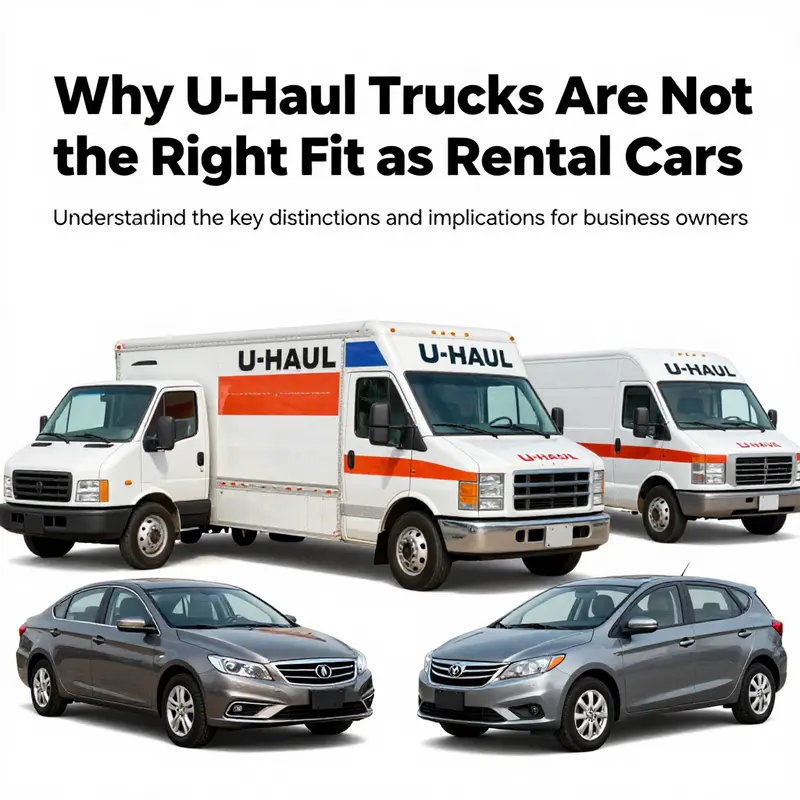
In today’s dynamic marketplace, business owners often seek versatile transportation solutions. However, the notion of using U-Haul trucks as rental cars raises significant questions. It is essential to understand the specific purpose and design of U-Haul vehicles, as they are tailored for moving rather than daily transportation. This article explores the limitations of U-Haul trucks, the safety and comfort standards that rental cars meet, the legal implications of misusing rental agreements, the cost considerations when comparing U-Haul and traditional rental cars, and the alternatives available for business needs. By the end of this investigation, owners will be better equipped to choose the most appropriate vehicle for their specific requirements.
Moving-Only Machinery: Why a U-Haul Isn’t a Replacement for a Rental Car
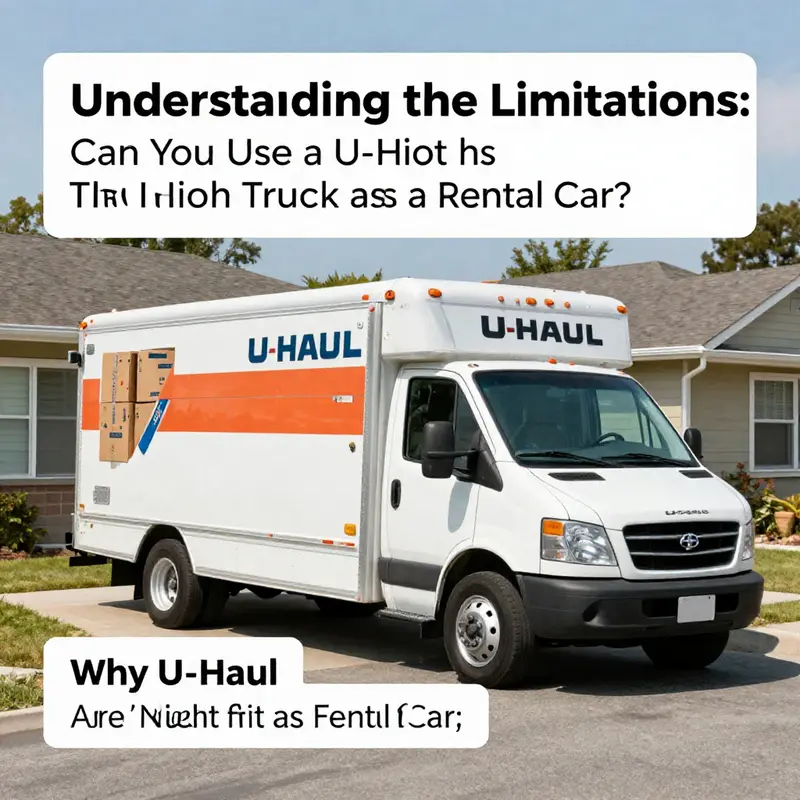
Moving-Only Machinery: Why a U-Haul Isn’t a Replacement for a Rental Car
If you ask most drivers what they would choose for a quick day trip or a short road journey, a typical passenger car would win every time. But someone facing a temporary need for wheels might look at a U-Haul truck and wonder if the same vehicle could double as a rental car. The short answer is no. U-Haul trucks are purpose-built for moving household goods, not for daily transportation. Their design emphasizes cargo space, tie-down anchors, and straightforward control of a large, heavy vehicle rather than passenger comfort, fuel efficiency, or refined ride quality. The line between necessity and practicality narrows fast once you try to repurpose that truck for ordinary errands or long-distance travel. The rental agreement itself reinforces this distinction, drawing a clear boundary between moving and personal use.
From a safety and engineering standpoint, the differences matter everywhere you drive. A moving truck typically rides higher, has a longer wheelbase, and uses brakes and steering tuned to carry heavy loads. The cockpit is more utilitarian and shows fewer features that drivers expect in a passenger car, such as responsive infotainment, comfortable seats for long hours, climate control tailored to individual comfort, or ample cabin soundproofing. Even routine tasks like parking in a tight garage or navigating a crowded city street become a test of nerves when you’re piloting a tall, bulky vehicle that dwarfs many surrounding cars. The risk isn’t just about inconvenience; it’s about how the vehicle behaves under normal conditions, such as sudden lane changes, rain, or slick pavement while carrying cargo and with a driver who is not acclimated to the truck’s handling characteristics.
Legally and contractually, the restrictions are explicit. U-Haul and other moving-truck operators frame their contracts around the concept of moving goods, not offering a substitute for a personal vehicle. Using the truck to commute, run daily errands, or go on cross-country road trips typically violates the rental terms. The penalties can include extra charges, the loss of insurance coverage rendered useless for non-moving purposes, and even termination of the rental agreement. The consequence isn’t merely administrative. If an accident occurred while the vehicle was used outside the approved scope, the liability could fall squarely on the driver, leaving them personally responsible for damages and injuries. In short, the safety net that might protect a person renting a passenger car simply isn’t there when the truck has been pressed into non-approved use.
Financial considerations reinforce this division. Fuel economy on a large moving truck is far from something a typical consumer would consider economical. Their engines are sized for torque to move heavy payloads, not for optimizing miles-per-gallon across highway miles with a light passenger load. Maintenance schedules, tire ratings, and braking profiles are tuned for cargo stability and long-distance hauls, not for the wear and comfort of long, smooth city-to-suburb commutes. And while rental prices may appear competitive on the surface, the hidden costs—restricted mileage, penalties for early return, or charges for extra fuel, tolls, and fuel stops—can easily turn a once-okay deal into an expensive misstep. If you plan to drive for a few weeks, a passenger rental car represents a much more predictable, transparent, and supportive option, with insurance plans designed for everyday use and the flexibility many travelers expect.
For those with a clear moving objective, the U-Haul suite of equipment remains valuable. The same premise explains why the company emphasizes cargo vans, box trucks, and even auto-transport trailers, all engineered to transport goods securely rather than people. If you must relocate or transport an entire living space, the moving-truck path makes sense, and you’ll find configurations that balance payload with maneuverability for various city layouts or long-distance routes. And if your situation straddles the line—needing a temporary car but also facing a move—the practical route is to arrange a separate passenger rental for daily use and reserve the moving vehicle for the actual move. This approach preserves safety, ensures appropriate insurance coverage, and keeps you compliant with the rental terms. For readers who want to explore a related topic on how rental discounts or promotions can help when choosing a moving-truck option, a focused resource on Penske rental promotions can be informative: Penske truck rental promotion code.
Beyond the contract and compensation calculus, there is a matter of reliability and service. Passenger cars and moving trucks are built around different service intervals, tire types, and service networks. A rental that doubles as a personal vehicle may not receive the roadside support a person expects during a cross-country crawl, particularly if you are far from a facility that services heavy-duty trucks. In the event of a breakdown when you need to reach a destination on a tight schedule, the last thing you want is a fretful warranty or a complicated claims process. Car-rental companies craft their business models around short-term drivers who expect a streamlined experience—quick check-in, predictable mileage limits, and accessible roadside assistance—whereas moving-truck providers design their operations around loading plans, route efficiency for moving crews, and specialized hauling equipment. The mismatch is not a petty quirk; it’s a structural difference that can determine whether a trip proceeds smoothly or devolves into delays, extra costs, or safety concerns.
That is why the common-sense recommendation is straightforward: reserve a passenger rental if your goal is personal travel, daily errands, or short trips around town. If the task is moving furniture, appliances, or a household, that is the time to consider a moving-truck option. The two use cases are not interchangeable because the vehicle’s core purpose—the reason for its design and its safety features—shapes everything from the driving experience to the legal responsibilities of the renter. The terms and the insurance landscape are different for a moving vehicle than for a passenger car, and this difference matters at the point of decision, long before you sign a contract. As you plan, reflect on the primary purpose of the vehicle, the expected distance, the comfort needs of the driver, and the level of support you require in case something goes wrong on the road. In this sense, the answer to whether a U-Haul can serve as a rental car is not a nuance of taste; it is a matter of purpose and protection, aligned with the expectations of the broader transportation landscape in which moving and personal mobility operate on separate tracks.
In sum, the practical and legal realities point decisively in one direction. A U-Haul truck is designed for moving, not for everyday transportation. The vehicle’s configuration, safety considerations, insurance coverage, and contractual terms all signal that it should not be used as a rental car for personal use. If you are facing a temporary need for a vehicle while a car is in the shop, or you are navigating a short trip that requires comfort and reliability, the most responsible choice is to select a passenger vehicle rental. If your aim is to move, then a moving truck is appropriate, and you can pair it with specialized equipment for furniture handling, towing, or long-distance moving. The distinction between these two paths is not merely about preference; it is about safety, compliance, and the peace of mind that comes from choosing the right tool for the job.
Take a hypothetical week when you travel for a project and your car is in the shop. You might call around to car-rental offices and find a compact or midsize sedan available with coverage, navigation, and a familiar driving experience. If the move is separate—say you’re shipping a bed frame across town—the U-Haul can be a good fit for that leg of the plan. The critical point is to separate the tasks: a personal car rental for daily transport, plus a moving truck for the relocation portion, rather than repurposing one vehicle for both tasks. This separation respects the terms and keeps your insurance aligned with the vehicle’s use.
Enforcement and costs become a practical concern as well. If a renter attempts non-approved use, the rental agency may audit the account, request proof of permissible use, or impose fines. Some tracking systems and mileage caps exist precisely to prevent unauthorized operations. If you need long-haul capacity or extra cargo security for a real move, you’ll be better served by renting a vehicle that matches the job—one with the appropriate payload rating, seating comfort, and trip-support features. The goal is to avoid situations where a roadside assist call becomes complicated by a mismatch of vehicle type and driver expectations.
Finally, for readers who want to stay within the frame of the current topic but still need practical guidance, consider this approach: outline exactly what you must transport, estimate the distance and time, and compare options side by side. A passenger rental can deliver comfortable seating, climate control tuned for ambient comfort, and predictable insurance coverage. A moving truck will offer ample cargo space but trade that for higher driving height, less interior refinement, and less favorable fuel economy. The choice should be anchored in the primary purpose of the trip. When the objective is to move items efficiently, the moving truck wins. When the objective is safe, comfortable personal travel, the car rental wins. With this clarity, the decision becomes straightforward, and you avoid the headaches that come from bending a vehicle into a role it was never designed to fulfill.
As you proceed, make the decision in writing, if possible, to ensure the terms are clear and all parties know the intended use. The sooner you match the vehicle to its purpose, the smoother the experience, and the less likely you are to encounter penalties, insurance gaps, or disputes at the end of the rental period.
External resource: https://www.uhaul.com/moving-information/rental-terms-and-conditions.aspx
Rethinking the Ride: Safety, Comfort, and the Limits of Moving Trucks as Everyday Cars
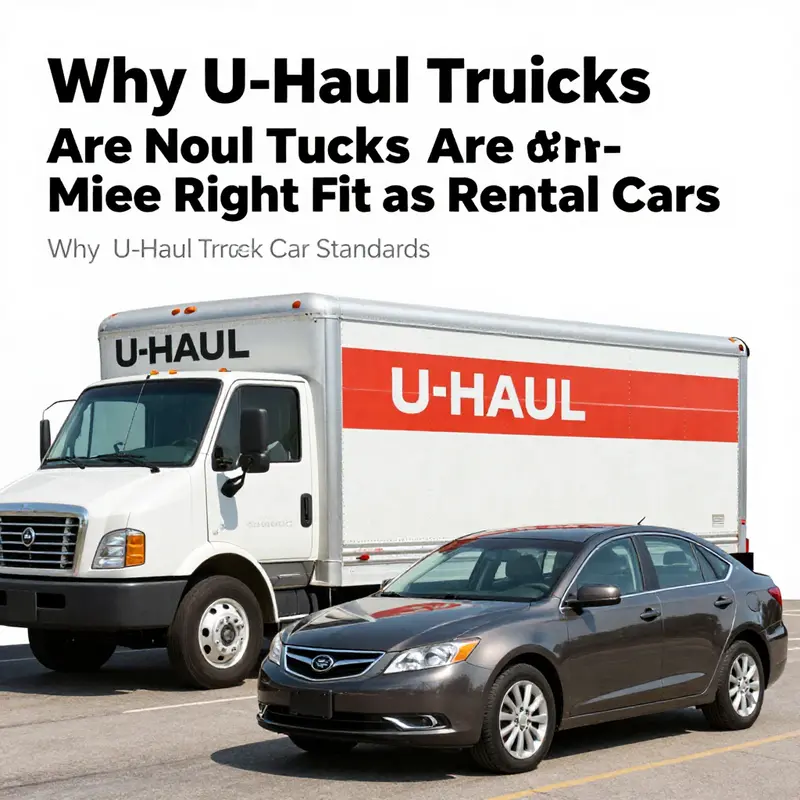
When people plan a trip or a quick move, they sometimes wonder if a moving truck could double as a rental car for daily errands or weekend getaways. The premise is simple: if a vehicle is available for rent, why not use it for more than its stated purpose? Yet moving trucks are built with a single, practical mission in mind—carrying cargo from one place to another. They are designed around the needs of loading and transporting boxes, furniture, and appliances. They sit at the intersection of utility and mass, not of passenger comfort or car-like handling. As a result, they fall short of the safety, comfort, and liability standards that define a standard rental car fleet. This chapter examines why that gap exists, what it means for travelers and movers alike, and how best to arrange transportation that matches the task at hand. It is a discussion grounded in the everyday realities of the road and backed by the concrete distinctions between two categories of rental equipment that often share a storefront but diverge in purpose.
Safety systems, for instance, illustrate the core difference. A moving truck’s primary job is to move goods securely, not to protect diverse passenger needs in a range of traffic scenarios. While some cargo vehicles may carry airbags or basic restraint systems, these features are not always integrated with the same level of occupant-safety design found in passenger cars. Advanced safety aids such as automatic emergency braking, lane-keeping assist, and adaptive cruise control—now common in many rental cars—are not universally standard in moving trucks. When they exist in cargo vehicles, they are often basic, limited, or paired with a cab that was never engineered to serve as a high-end passenger cabin. The result is a safety profile that, while adequate for transporting boxes in predictable situations, does not meet the expectations modern car renters rely on for daily driving or long trips. And because safety assessments in passenger vehicles are tightly linked to occupant protection standards and child restraint regulations, the gap becomes even more apparent for households traveling with children. Child safety seats, anchors, and the integration of car seats with airbags reflect a regulatory architecture tailored to passenger transport, not to cargo-focused interiors. In a moving truck, the absence or non-ideal alignment of such features creates a safety calculus that is not simply a matter of comfort but of compliance and risk management when passengers—especially young ones—are part of the journey.
Comfort follows safety, and it too reveals the mismatch. The interior environment in a passenger rental is engineered for the predictability of everyday use: adjustable seats with ergonomic support, climate-control systems that can maintain stable temperatures across multiple zones, and sound-dampening treatments that make a long drive feel less punishing. In contrast, a cargo vehicle prioritizes space, weight handling, and durability under load. The seating is often upright and functional rather than plush, the cushions are designed for short-term endurance rather than hours of continuous driving, and the cabin materials are chosen for easy cleaning and ruggedness rather than quiet luxury. Climate control, while serviceable, is rarely as nuanced as in a car designed to optimize both driver comfort and passenger experience. The contrast matters, especially for families or travelers who expect to spend a day or more behind the wheel. When you combine higher seating positions with larger pillars and less refined aerodynamics, the result can be a cabin that feels exposed to wind and road noise, with limited ability to tailor the environment to personal preference.
Driving dynamics further illuminate the divide. The physics of a heavy, boxy vehicle differ markedly from those of a passenger car. A moving truck’s center of gravity sits higher, and its mass can be concentrated behind the cab when the cargo area is loaded. Steering tends to feel heavier, and the steering ratio is not tuned for nimble lane changes or spirited city driving. Braking responses reflect not only disc brake performance but the reality of stopping a long-wheelbase, tall vehicle laden with cargo. The turning radius is larger, and visibility—though commanding in some respects—can be compromised by the solid bulk of the cargo compartment and the tall sidewalls of the vehicle. In urban environments, where quick decisions and precise car-like maneuvers are invaluable, these traits translate into a driving experience that demands greater caution, more preparation, and a higher tolerance for compromise. For a daily commuter or a weekend traveler who is used to the predictability of a car rental, those differences may be more than a minor nuisance; they become a source of fatigue, anxiety, and heightened risk on busy streets.
The safety and comfort gaps cascade into practical concerns about liability and usage terms. Passenger rental agreements are premised on personal transport, common travel patterns, and standard insurance coverage designed to respond to everyday scenarios. A moving-truck rental often carries terms tailored to cargo transport, with restrictions related to mileage, route, or the nature of loads carried. Breaches can trigger penalties, liability allocations, and insurance gaps that are not a typical feature of passenger-car rentals. The risk increases when a vehicle is used in ways that stray from its intended function. A passenger is not merely a driver but also a passenger in a vehicle designed to accommodate people, with safety features and comfort designed to support that role. In a cargo-oriented vehicle, the same safety assurances may not extend to passengers, and the odds of facing unexpected charges or liability exposure rise if the vehicle is used beyond its intended scope.
From a cost perspective, the calculus grows more complex. Fuel economy, maintenance, and insurance costs are substantial in any rental scenario, but moving trucks operate on a different economic axis than passenger cars. Even when a truck demonstrates reasonable fuel efficiency for its size, the miles-per-gallon metric does not translate into the same per-mile value as a passenger vehicle. Larger engines, heavier frames, and the need to power a bulky cargo space can push operating costs higher, especially when trips include urban starts and stops, steep hills, and long stretches of highway where fatigue and wear compound the expense. For a traveler or family trying to manage a tight budget, that disparity matters. The overall travel experience shifts from an expectation of convenience and reliability to a calculation of whether the truck’s capabilities align with the day’s plan and whether the added payload is worth the extra cost and complexity.
The practical upshot is clear: U-Haul and similar moving trucks excel at their core mission—moving goods. They are invaluable tools for long-distance moves, shipping large items, and transporting bulky loads that would strain a standard rental car. Yet when the task shifts toward regular passenger transportation, the moving truck yields to the more car-like rental options that are purpose-built for people. If the goal is a comfortable daily ride, a fuel-efficient passenger car, or a rental that supports family travel with child-safety considerations, the fleet of passenger vehicles stands apart from the cargo-oriented lineup. If a move is on the horizon, the better approach is to reserve the truck for the actual moving task and rely on a separate passenger rental for the daily travel and errands that follow. In other words, the decision is not about denying options but about aligning the right tool with the job at hand. The safety, comfort, and liability implications alone provide a compelling case for keeping moving trucks and passenger cars in their respective lanes.
For readers curious about the nuances of fuel efficiency and its practical impact on planning and budgeting, the topic becomes more concrete when numbers replace assumptions. A quick exploration of truck fuel economy offers a tangible measure of how far a given vehicle can travel on a tank and how that translates into daily costs. The numbers can be surprising: a vehicle designed to haul thousands of pounds of cargo will inevitably show a different fuel profile than a compact or midsize car, especially in mixed driving conditions. Those figures, when viewed in context with the intended use, reveal why a rental car is typically the smarter choice for everyday travel and why moving trucks retain their essential value for relocation tasks. If you want to connect the dots between fuel use and decision making, a trusted source on truck-specific fuel data can be a practical reference in planning a move or a trip. For a clearer sense of how a typical moving truck performs in terms of fuel economy, see the detailed guidance in the Penske MPG resource linked here: Penske truck MPG.
The overarching conclusion remains straightforward. Moving trucks are specialized tools designed for a specific purpose: to move goods efficiently and safely within the constraints of cargo handling. They are not designed to serve as everyday transportation for people, with the same safety expectations, interior comfort, driving dynamics, and liability frameworks that govern passenger car rentals. If your objective is reliable transport for daily life, book a passenger vehicle from a car-rental fleet. If your objective is moving belongings, reserve the moving equipment and plan for the job with the appropriate loading, unloading, and route strategies. The two paths diverge for good reasons, rooted in design priorities and regulatory expectations. Recognizing those differences helps travelers avoid unnecessary risk, unexpected fees, and uncomfortable reality checks once a trip has begun. The result is a smoother journey overall—whether you’re moving a couch across town or planning a family road trip that stretches across state lines.
External reference: https://www.uhaul.com/truck-rentals/
Shifting Gears, Breaking the Lease: The Legal Risk of Using a Moving Truck as a Personal Rental Car
When you consider renting a vehicle for daily life—commuting, errands, weekend road trips—the instinct is to pick a car that feels familiar, efficient, and easy to drive. Yet some people imagine repurposing a moving truck—built to haul furniture and boxes—as their regular ride. The idea may arise from a need for space or from a misplaced sense of economy, but the moment you press the gas pedal, the legal and financial hazards become evident. A moving-truck rental, like the one offered by the national truck rental provider, is designed for a specific purpose: transporting personal belongings during a move. It is not a substitute for a standard passenger car or a light truck rental intended for everyday driving. The lived reality of this misalignment becomes clear as soon as you read the rental agreement, and the terms are not merely formalities. They are precise guardrails that protect the rental company, other road users, and you, the renter, from a tangle of liabilities and penalties that can be difficult to unwind after the fact.
The core issue is simple to state but carries complex consequences. U-Haul and similar moving-truck services spell out that their vehicles are to be used for the purpose of moving household goods. Using a moving truck for non-moving activities—such as commuting to work, running daily errands, or simply driving around town—constitutes unauthorized use. This is not a minor breach; it is a breach that carries real legal and financial risk. The rental agreement makes clear that the renter is responsible for any citation or violation related to the rental and/or use of the equipment. That means traffic tickets, parking fines, or other infractions incurred while driving the truck during unauthorized use can become the renter’s burden. It is not merely a matter of a breach of contract; it is a potential collision with the law, a situation where insurance coverage becomes murky and liability can fall squarely on the renter.
The practical implications extend beyond tickets. Violating the terms can lead to fines, penalties, and the possibility of liability for accidents that occur while the vehicle is being used outside its intended purpose. If a collision happens during an unauthorized use, the renter may find that the insurance policy associated with the rental does not provide coverage for that scenario. Insurance companies often stipulate that non-approved use voids coverage, which leaves the renter personally liable for damages, medical costs, and property destruction. This is not a hypothetical risk; it is a standard feature of most moving-truck rental contracts. The company may also reserve the right to charge additional fees for violations, including administrative charges, towing costs, or repair expenses resulting from misuse. In practical terms, the cost of a single ticket or the aftermath of a preventable accident can surpass what a person might expect to save by avoiding a traditional car rental.
Beyond the immediate contract and insurance questions, there are age and licensing issues that vary by jurisdiction and can complicate matters further. In many places, there are specific rules about who can rent commercial vehicles, and the requirements are not uniform. For example, while some commercial-truck rentals may permit younger drivers in the range of 18 to 20 for certain classes of vehicles, individual states often impose stricter rules or outright prohibitions on renting larger vehicle classes to drivers under 21. In provinces like Quebec, Canada, the driving age for commercial vehicles can be higher still. These rules aren’t mere formalities; they shape who is legally allowed to rent a moving truck in the first place. Violating age or licensing requirements constitutes a breach of the rental agreement and can trigger immediate termination of the rental, denial of future rentals, and potential legal action by the rental company or law enforcement. Even the prospect of extended or unstipulated use—the kind of extended daily drive that turns a move into a long road trip—can trigger mileage penalties or an effect similar to a repossession risk under the lease terms.
To truly grasp the stakes, it helps to separate the life of a moving truck from the life of a passenger car. Moving trucks are designed for a different subset of driving tasks: higher seating position, limited acceleration compared to most passenger cars, and a heavy focus on cargo space rather than ride comfort for long daily commutes. They are built to withstand the demands of long-distance hauling and repeated loading and unloading of heavy items. Yet while this is the core design, it is precisely the combination of size, weight, and purpose that makes these vehicles less suitable for regular driving. The interior features of a moving truck are optimized for cargo handling, not for daily comfort, wind noise reduction, or fuel-efficiency in everyday use—factors that matter when covering daily miles, especially over weeks or months. In turn, these trucks tend to consume more fuel than standard passenger cars, a cost that is rarely recouped by the renter in any meaningful way if the primary aim is routine transportation.
Another layer to consider is safety and training. A vehicle of this class handles differently than a car on the highway. The braking system, steering effort, and overall handling are calibrated for the higher mass of the vehicle when it is loaded with cargo. Even when empty, a moving truck’s dimensions alter its braking distance, cornering behavior, and lane presence. The renter, who may have primarily driven passenger cars, can misjudge stopping distances or maneuvering in crowded urban environments. The risk not only to themselves but to other road users increases. This safety risk ties directly back to the legal framework of the rental agreement. If an accident happens under unauthorized use, the financial and legal fallout can be severe, with investigators and insurers focusing on whether the vehicle was being used in a manner consistent with the stated purpose of the rental.
For people who truly need a vehicle capable of moving items, the smarter path is to align usage with the vehicle’s intended function. If the goal is to transport belongings across town or across a state line, a moving-truck rental is the right tool. For everyday travel, a passenger car rental from a company specializing in passenger vehicles is the appropriate option. The move-from-one-home scenario remains the domain where moving trucks shine. Even in the long-distance moving context, these trucks offer practical advantages: roomy cargo space, the ability to haul larger loads, and the option of auto-transport trailers with substantial towing capacity for vehicles being moved rather than for daily driving. In fact, the auto transport trailers associated with some moving-truck operations can have a maximum towing capacity of around 5,290 pounds, a detail that underscores the specialized nature of this equipment and reinforces the idea that its primary use is not daily transportation.
This distinction matters when a renter weighs cost versus risk. It is tempting to view a moving truck as a bargain or a one-size-fits-all solution, especially for those facing tight timelines or unusual moving needs. But a move from one residence to another is not a typical road trip, and the rental agreement is crafted to reflect that reality. The terms emphasize that the vehicle is for transporting belongings during a move, not for daily driving. In practice, this means the renter must accept the consequences of any deviation from the intended use, including termination of the rental, exposure to legal action, and the financial burdens that accompany such violations. The penalty framework is designed to deter misuse while providing a clear path for the renter to seek appropriate alternatives when a scenario arises that requires a different kind of vehicle.
For readers charting a course through this decision, a practical takeaway emerges with surprising clarity. If the objective is to move items, sign up for a moving-truck rental and adhere to the stated purpose. If the objective shifts to daily commuting or regular errands, pivot to a passenger-vehicle rental from a car-focused rental company. When the need intersects—such as traveling with heavy goods or transporting a vehicle during a move—explore equipment specifically designed to accommodate those scenarios, including trailers and car-hauling options that align with the rules and safety standards of the rental framework. This approach not only minimizes risk but also aligns expectations with what the rental contract actually allows.
The world of rental vehicles can feel opaque, but the terms of use are not arbitrary. They reflect a balance between the vehicle’s intended function, insurance realities, and the practical duties of both the renter and the rental company. Reading the agreement with care—before you drive off the lot, before you load the cargo, and before you treat the truck as a daily transportation solution—creates a transparent picture of what is permissible and what carries real consequences. If cost considerations push someone toward unconventional uses, it is worth remembering that the supposed savings rarely hold up once penalties, liabilities, and legal exposure are included. In the end, the best option remains the one that respects the vehicle’s design, honors the terms of the contract, and keeps you protected from avoidable risk.
Internal link reference: For readers curious about cost-saving avenues within the broader context of truck rentals, you can explore a related resource such as Penske truck rental discounts. This kind of information can help in planning legitimate, cost-conscious moves or transportation needs without stepping outside the boundaries of the rental agreements. Penske truck rental discounts.
External resource: To understand how tolls, citations, and enforcement are handled within the scope of moving-truck rentals, consult the official guidance from the rental provider’s tolls and citations policy. This external resource outlines how violations are tracked, processed, and charged to the renter when the vehicle is used in ways not permitted by the contract. U-Haul Tolls and Citations.
Moving-Truck Realities: Why a U-Haul Isn’t a Practical Rental Car for Everyday Driving
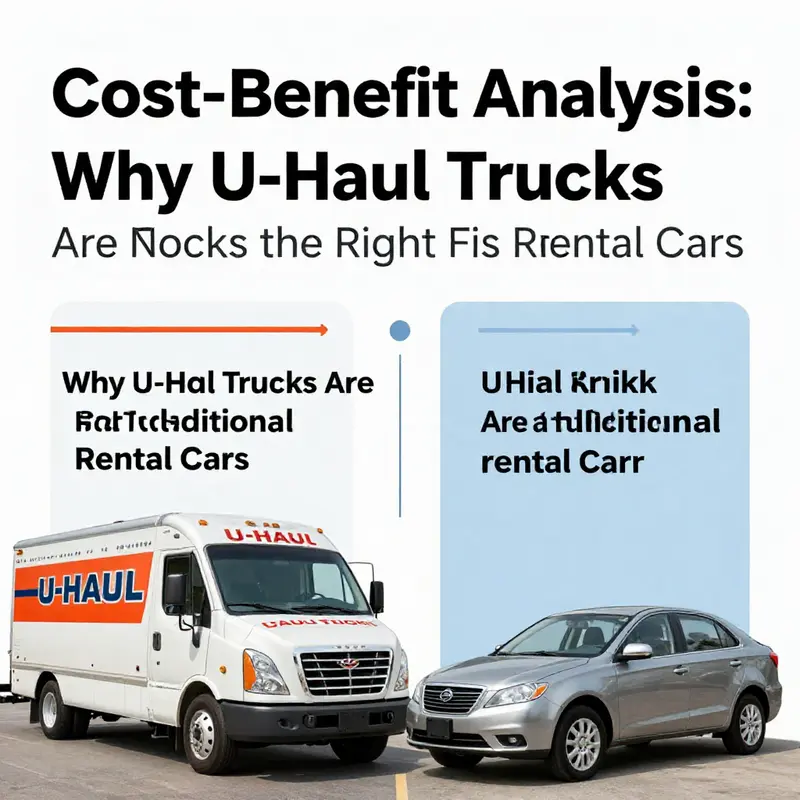
The question surfaces whenever plans blur the line between a move and a road trip: can a moving truck double as a rental car for everyday driving? The honest answer is no. These vehicles are built to move goods, not to provide the comfort, efficiency, or safety profile people expect from a personal car. They emphasize cargo space, loading ease, and a driving feel calibrated for shifting heavy loads rather than handling routine traffic. That fundamental purpose difference ripples through every decision a renter must make, from fuel consumption and insurance to maneuverability and the daily driving experience. This chapter unpacks those practical realities, balancing cost considerations with safety and usability, to illuminate why the same vehicle that excels at relocation often falls short as a regular passenger car.
At the heart of the matter is design intent. A moving truck trades passenger comfort for cargo capacity. The cabin is functional but not optimized for long commutes or frequent stops in urban settings. Seats may lack ergonomic refinement, climate control is calibrated for a different balance of space and airflow, and controls are positioned for quick access to loading gear rather than the smooth, quiet operation you expect from a car. In contrast, passenger rental cars are engineered for daily use: adjustable seating for a wide range of body sizes, refined suspension that smooths rough pavement, and accelerative response tuned for predictable, economical highway travel. When you sit behind the wheel of a boxy moving truck, you’re immediately reminded that the vehicle exists to carry rather than to dwell on comfort. Over hours of driving, differences in visibility, cabin noise, and vibration accumulate, shaping fatigue and focus in ways that can surprise drivers who switch from a car to a truck for a single trip.
Safety and liability add another layer of nuance. Insurance arrangements for moving trucks generally reflect their primary purpose—moving goods and serving as a tool for relocation. Using the vehicle for non-moving purposes can violate the rental agreement or trigger higher premiums, restricted usage terms, or limited coverage in the event of an accident. The risk profile shifts because the vehicle’s weight distribution, high center of gravity, and cargo-related dynamics influence stopping distances and stability. In a passenger car, airbags, seat belts, and stability control are designed to shield occupants in everyday scenarios. In a moving truck, while safety features exist, the focus is often on protecting cargo and the vehicle’s mechanical integrity during a relocation. That mismatch between intended use and actual daily driving can leave drivers exposed to unexpected liability and out-of-pocket costs if a mishap occurs during a routine commute or a short city run.
Beyond safety, the practicalities of driving a tall, long vehicle in real-world street conditions quickly become evident. Parking in urban garages, threading through tight lanes, or making a tight turn in a crowded lot requires a level of spatial awareness that many renters underestimate. The larger size, heavier braking, and amplified blind spots demand patience and different techniques. Even routine fueling feels different; fuel efficiency is typically modest compared to a car, and the crewed cab design can complicate trips to the pump and navigation through traffic while managing a load. The cumulative effect is more time, more attention, and more planning. For many people, those extra considerations translate into less availability for spontaneous trips, fewer errands completed in a single outing, and a tighter timetable overall.
When it comes to cost, the numbers tell a nuanced story. A moving-truck rental can look deceptively affordable at first glance because the daily rate is earnestly modest—15-foot models often advertise around $29.95 per day, with 20-foot trucks at about $39.95 per day. Yet those base rates assume favorable conditions and do not reveal the full ledger. Most renters will face mileage charges, varying by distance and route, plus taxes and fees that accumulate over longer moves. Equipment fees for dollies, straps, or furniture blankets, as well as insurance options, can also tilt the total well beyond the initial figure. The economics, then, hinge on the scope of the move. Large, one-way relocations that consolidate many items into a single trip often reveal a clear advantage for the moving truck, reducing the need for multiple carloads and trips that would amplify time and fuel costs if a car were used instead.
Traditional passenger rentals play a different game. Cars—especially larger sedans or SUVs—can command higher daily rates, driven by demand, maintenance, and the broader range of included comfort features and protections. The cargo limitation of a car means you may need multiple trips or a secondary trailer to transport the same quantity of belongings, which adds time, fuel, and potential coordination costs. In dense urban contexts, the convenience of a car—easy parking, nimble handling, quiet cabins—can outweigh any cargo-related savings a truck might offer. In suburban or rural relocations, trucks often win on space and one-way flexibility, but still require careful budgeting for insurance and fuel, especially on longer trips or when loaded to full capacity.
A practical takeaway follows from matching the tool to the task. If the plan is to move a substantial amount of furniture and boxes across state lines in a single journey, a moving truck typically offers the simplest, cost-effective approach. The space, the one-way options, and the ability to complete the relocation in fewer legs create tangible savings in time and logistics. If the objective is to travel with passengers and keep trips light on cargo, a traditional rental car is the sensible choice. For small, household-scale moves, the compact size of a car can still be feasible, but the limited space tends to push you toward multiple trips, which may erode any perceived savings.
For readers seeking a clearer path through the options, one-way moving-truck rentals are a substantial part of the calculus. A dedicated guide details how one-way routes work, the fleets that are typically available, and the practical steps to executing a relocation in a single, streamlined trip. You can explore those specifics with a focused look at Penske’s one-way moving-truck rental guidance, which offers a deeper dive into fleet types, pricing structures, and route considerations that matter when planning a long-distance move. See the guide here: Penske one-way moving truck rental.
Ultimately, the decision rests on context, planning, and risk awareness. If you anticipate handling a heavy, bulky load over a substantial distance, the moving truck is often the most coherent and economical choice. If the goal is regular travel with people and modest cargo, a passenger rental remains the practical option. In all cases, securing a clear understanding of insurance terms, mileage structures, and load limits helps prevent surprise costs and protects you from inadvertent misuse of the vehicle. When you map out the route, calculate the cargo weight, and compare the all-in costs against the alternative car rental scenario, the decision becomes much less about general preference and much more about logistical fit.
For those aiming to verify current pricing and model availability, consult the official provider pages for the most accurate, up-to-date information. This ensures that the numbers you base your decision on reflect today’s market conditions, fuel costs, and route considerations. External resource: https://www.uhaul.com/Trucks/
Not a Car, Not Your Everyday Ride: Why a Moving Truck Isn’t a Rental Car
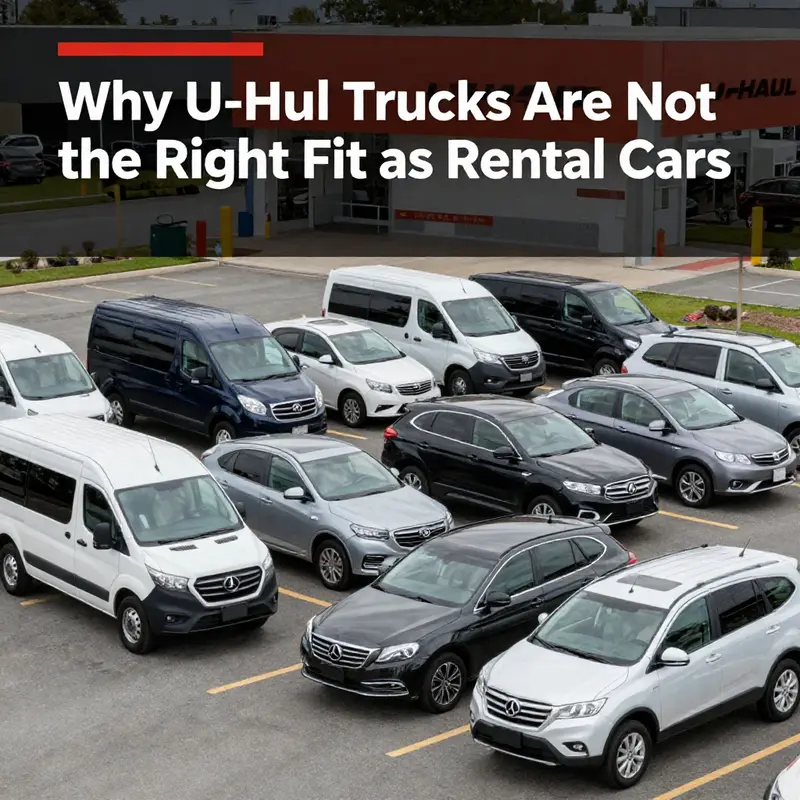
When you first picture a moving truck hitting the road, the image is practical and familiar: a large cab, a boxy cargo area, and the sense that this vehicle exists to haul boxes more than to ferry people. Yet the misalignment between that purpose and the needs of daily driving is subtle yet real. The idea of repurposing a moving truck as a rental car appears convenient on a calendar or in a budget calculator, but it collides with the essentials of everyday mobility, safety, and the legal framework that governs vehicle use. A moving truck is engineered for moving, not for the rhythm of daily commuting or for the nuance of long-distance car travel where comfort, fuel economy, and predictable maintenance play outsized roles. The notion might seem attractive in a moment of urgency or scale, but the consequences can ripple through insurance, liability, and personal safety. Understanding these dynamics helps you make a choice that aligns with both your logistical needs and your peace of mind.
The first consideration is clear-cut: a moving truck is designed to move belongings, not people. The chassis, suspension, and braking systems prioritize cargo stability and payload capacity over ride quality and occupant comfort. Inside the cab, seating is often utilitarian, with limited lumbar support and fewer creature comforts than a passenger car or a typical rental car. For anyone who spends hours behind the wheel, the difference is not merely academic; it translates into fatigue, reduced vigilance, and a higher chance of mistiming a stop or a lane change. Even the basic ergonomics—pedal placement, steering effort, and visibility through wide mirrors—tend to reward the careful, patient driver rather than the quick-reacting operator needed in mixed traffic. In daily use, that misalignment matters, especially when the road suddenly demands quick decisions, such as merging in heavy traffic or reacting to a sudden obstacle.
Beyond comfort, insurance and liability create an often overlooked boundary. Rental car agreements and the policies that back them assume passenger vehicles used for personal travel. They anticipate a certain range of coverage, wear and tear standards, and permitted uses. A moving truck, conversely, sits in a different risk category, governed by terms that emphasize cargo handling, loading and unloading procedures, and commercial or semi-commercial use. Using a moving truck for personal transport can breach the rental agreement, exposing you to extra fees, denied claims, or gaps in liability protection should an accident or mechanical failure occur. In practice, this means a trip that might otherwise be routine can become a maze of unexpected charges and disputes. When your goal is a smooth, predictable journey, mixing the two worlds rarely pays off.
Then there are mechanical realities that quietly shape every drive in a vehicle of this size. The powertrain in a moving truck is tuned for torque and payload rather than for highway fuel economy or refined throttle response. The fuel economy, while adequate for a vehicle of its class, is far from the efficiency you expect in a typical rental car. The transmission may feel clunky, with gears that aren’t optimized for smooth, steady acceleration in city traffic. Steering can require more effort, especially at low speeds or when the loading of the vehicle changes the balance of weight distribution. Braking systems are built to stop heavy loads, not to provide the subtle, progressive fade that a car traveler might rely on during a long day of sightseeing or a congested commute. Each of these differences compounds over a trip, turning what should be a simple ride into a demanding test of endurance. This is not merely a matter of preference; it is a matter of safety margins and the predictable handling that drivers rely on when the road tightens or uncertainty arises.
There is also the intellectual challenge of how a moving truck is configured to support its core mission: moving. The cargo area is tall, wide, and designed to accept large boxes, furniture, and appliances. That configuration restricts lines of sight, complicates the use of child seats or booster seats, and alters the geometry of space that a driver expects in a passenger vehicle. If you are transporting a small family, you may be dealing with a cramped back seat, limited rear visibility, and a cockpit that prioritizes the driver and the cargo over every passenger’s comfort. The interior layout is simply not optimized for the passenger experience, nor for the routine tasks that accompany travel, like loading luggage, installing a child seat, or adjusting climate controls while navigating unfamiliar streets. In short, what makes a moving truck efficient for hauling items can be a hindrance when the vehicle is treated as a normal car.
Legal and logistical constraints extend this argument beyond subjective comfort and mechanical design. Rental agreements include restrictions on permitted uses, mileage charges, and relocation terms. Using a moving truck for personal trips may breach those permissions, inviting penalties that escalate with the distance traveled and the duration of the trip. Even if you manage to secure a waiver, the insurance landscape remains a patchwork of rules that can be difficult to navigate in the moment of need. The risk landscape includes liability in the event of an accident, damage to the vehicle, and the potential for cargo-related incidents to complicate a claim. The move from “could” to “should” is not a pivot you want to make in the middle of an unexpected breakdown or a long highway stretch when help might be hours away. People who plan carefully recognize these boundaries early, choosing instead options that align with the vehicle’s design, the insurance framework, and the expectations of the rental market.
For many, a more practical route is to consider alternatives that match the scale of the move or the nature of the trip without forcing a mismatch between vehicle design and use case. If the need is a DIY move with a large volume of belongings, a modern moving-truck rental with clear service options might be appropriate, but it should be approached with a plan that respects the vehicle’s purpose. Some providers offer enhanced moving packages that include packing services, loading, and even basic insurance coverage tailored to moving equipment. These services can reduce the burden and provide a more controlled, predictable experience. If the goal is to relocate only a few items or to cover a trip that is primarily about transportation rather than moving, a larger passenger vehicle or a cargo van can be a better fit. The idea here is to align the tool with the task rather than trying to fit the task to the tool.
In practice, this alignment often points toward alternatives that sit at the intersection of convenience, cost, and peace of mind. One path is to lean into the broader ecosystem of vehicle rental options that emphasize passenger comfort and road-handling while offering the space needed for a few large items. For some, this means choosing a larger cargo van or a robust SUV with ample cargo space and a comfortable ride, accompanied by familiar rental-car insurance coverage and standard road-side assistance. For others, a fully managed moving service offers a different kind of relief: professionals handle packing, loading, transport, and delivery. That approach trades some direct control for a lower physical burden and a clearer liability path. When the scale of the move, the distance, and the desired level of hands-on involvement vary, the decision tends to tilt toward these structured options rather than repurposing a vehicle that was never designed for the task.
The heart of the decision, then, is simple but rarely sexy: evaluate your needs honestly and choose a vehicle or service that matches them. If you are moving household goods in quantity, weigh the benefits of a self-drive moving truck against a professional moving service that can shoulder the heavy lifting. If you are traveling for personal reasons and require substantial cargo space, consider passenger-oriented rentals that still provide ample capacity without compromising ride quality. In all cases, read the rental agreement carefully, confirm the insurance terms, and assess the total cost of ownership and operation for the duration of your trip. The aim is a journey that feels straightforward, not a lesson in improvisation born from trying to shoehorn a cargo-focused vehicle into a role it was never intended to perform.
As a practical takeaway, the best approach is to view moving trucks and rental cars as different tools designed for different problems. You may find that an alternative that prioritizes passenger comfort or professional handling better suits your needs, whether that means a one-way moving-truck rental when the moving plan is complex or a traditional rental-car option when you simply need a dependable ride for a day or two. The decision process becomes less about finding a single, catch-all solution and more about selecting the tool that matches the task, the timeline, and the level of personal involvement you want to assume. If you want to explore structured moving options that keep you in the driver’s seat but with clearer boundaries and support, consider the dedicated moving-truck ecosystem and its array of services; if you want to keep it simple and fast for a shorter trip, a passenger-oriented rental can deliver comfort, reliability, and predictable costs without the freight-heavy tradeoffs.
For readers who want a deeper dive into the spectrum of available options, a related resource discusses how different providers structure their offerings, from one-way moving-truck arrangements to broader backup services that can help you adjust plans on the fly. This broader landscape helps you compare not just price, but the level of support, the ease of pickup and return, and the reliability of the equipment you’ll be using. By approaching the choice with clarity and a clear picture of what you truly need, you can avoid uncommon headaches and ensure your transportation choice aligns with your goals for the move or trip. If you want to read more about a one-way moving-truck option and how it compares to other self-drive choices, you can explore related discussions that break down the practicalities, costs, and service levels involved. One practical takeaway is that choosing the right vehicle or service often hinges on recognizing the constraints of the tool you’re using and matching them to the task at hand.
External resource: https://www.uhaul.com
Internal reference for further reading: one-way arrangements and related options can be explored in the following internal resource that discusses flexible moving-truck options: one-way moving truck rental
Final thoughts
In summary, while U-Haul trucks serve their purpose well in hauling items for moving, they lack the suitability and comfort necessary for being classified as rental cars. The legal and safety standards, along with cost analyses, clearly indicate that business owners should look towards traditional rental vehicles for their everyday transportation needs. Understanding these differences not only aids in legal compliance but also ensures a smoother transportation experience for both personal and business use. By exploring alternative vehicles better suited to your needs, you can enhance your operational efficiency and maintain high standards of safety and comfort.