
For business owners who need to transport goods or equipment, understanding how to tow a trailer with a rental truck can be crucial. Towing with a rental vehicle is not universally allowed; it depends on several factors that include the rental agreement, the truck’s towing capacity, and the necessary equipment. This article will guide you through these essential considerations, providing a comprehensive understanding of how you can successfully and legally tow a trailer using a rental truck. From interpreting rental agreements to ensuring you have the right insurance coverage, we’ll explore every aspect to help you make informed decisions for your business. Each chapter will build upon the previous one, ensuring a thorough grasp of the topic.
Reading the Fine Print: Tow Safely with a Rental Truck and Trailer
Choosing to tow a trailer with a rental truck starts with a careful reading of the rental agreement. It’s not enough to assume that a vehicle can handle extra weight simply because it seems capable. The contract acts as a rulebook that governs what you can do, what you must equip, and what happens if something goes wrong. A smooth moving day hinges on understanding a few core ideas buried in the pages you sign or accept online. The steps that protect you are practical, not legalistic. They translate into safer handling, fewer surprises at the counter, and a clearer path to resolving issues if a hitch goes wrong. In practice, this means verifying that towing is explicitly permitted, confirming the truck’s towing capacity for the payload you plan to haul, and making sure you have the right safety equipment. It also means protecting yourself with appropriate insurance coverage and understanding any fees that might apply specifically to towing. When you start with these elements, towing a trailer with a rental truck becomes a carefully managed activity rather than a gamble on a vehicle with a hitch welded on by luck.
The most immediate and non-negotiable step is explicit permission. A surprising number of rental agreements either restrict towing or require written authorization in advance. Without this, you risk insurance gaps, unexpected charges, or even refusal of service if a hitch is installed and a tow begins without authorization. The language varies by company, but the outcome is similar: you need to confirm from the rental office that towing is allowed for the exact truck you’re renting, and you may need to complete a brief form or pay an insurance upgrade. This is not merely a formality. Insurance coverage, when it exists, is contingent on following the company’s procedures for towing. One quick phone call or a visit to the desk can save hours of friction later and keep your coverage intact when you need it most. In future chapters, we’ll touch on the practical steps you can take to secure that written permission before you drive off with a trailer in tow, but for now, consider this your first checkpoint—no towing without written consent.
Next comes the vehicle’s towing capacity. Every rental truck lists a maximum towing weight, sometimes shown as maximum braked towing weight, sometimes as a Gross Vehicle Weight Rating (GVWR) combined with the vehicle’s own curb weight. The trailer you intend to pull has its own weight, and when you add cargo, the total can quickly exceed what the truck is designed to handle. Exceeding this limit is not a minor issue. It can threaten vehicle control, damage the powertrain, and void insurance if the rental company sees you have pushed beyond the approved limits. Before you attach anything, confirm with the rental rep that the specific truck model you’re taking has enough capacity for your planned trailer plus load. If you’re unsure about the math, ask for a vehicle with a higher rating or reconsider the trailer size. In many cases, your safest course is to bring the trailer’s GVWR and the anticipated load to the conversation so the staff can verify compatibility without guesswork.
The equipment you need is equally important as the permission and the capacity. Tow bars and hitch hardware must match both the truck’s hitch receiver and the trailer’s coupler. A brake controller is typically required if the trailer has its own braking system, which is common for trailers above a certain weight. Safety chains and a breakaway cable are essential safety features that connect the trailer to the truck if the connection fails. The electrical connection between the truck and trailer must reliably carry brake lights and turn signals, ensuring other drivers can anticipate your moves. These components are not optional add-ons; they are the minimum standard that makes a tow safe. You may be faced with options such as different hitch classes, sway control devices, or additional wiring harnesses. If you plan to use a trailer with brakes, verify that the rental truck is equipped with a compatible brake controller or that you can install one legally and safely in the field. In short, you should be prepared with the right hitch, a brake control if needed, safety chains, a breakaway device, and a reliable electrical connection before you ever press the ignition and back toward the highway.
Insurance is where many trips stumble. The standard liability coverage that comes with a rental vehicle often does not automatically cover damage to a trailer, nor does it always extend to third-party property when towing. You may need to purchase a supplemental liability policy or a towable endorsement specifically designed to cover towing incidents. The risk is not hypothetical; uninsured towing incidents are a frequent source of disputes, as noted by major rental industry associations. If your policy through the rental company excludes towing, you must negotiate an add-on that closes that gap. This is not a mere line-item to be shrugged off. A lack of proper coverage can leave you liable for repairs, medical costs, or legal penalties if something goes wrong on the road. The decision to add coverage should be made before you sign, not after a tow leads to a dispute.
In addition to permission, capacity, and insurance, you should be aware of the fees and the maintenance responsibilities that can accompany a towing setup. Some rental agreements impose a towing-specific daily or per-mile charge. Others may require a higher security deposit or a larger deductible if towing is allowed. There can also be fees tied to the use of particular hitch types or accessories. Maintenance responsibility typically falls to the renter for any damage arising from towing, including wear on the hitch, the electrical connections, or the trailer coupling that sustains a tow. If damage occurs to the truck’s transmission, frame, or other integral systems as a result of towing, the renter can be held liable. Understanding these charges and responsibilities in advance prevents the shock of unexpected costs when you return the vehicle. A careful read—focusing on sections that describe permitted use, fees, and maintenance duties—will reveal these obligations before you sign and begin the journey.
With permission, capacity, and equipment addressed, the practical planning for a tow begins. The load itself must be handled with care. You should confirm the trailer’s weight distribution, verify proper loading that keeps weight over the trailer’s axles, and ensure the cargo is securely lashed and balanced. Improper loading can affect braking, steering, and the overall dynamics of the vehicle, especially during turns and on grades. The trailer’s lights, brakes (if equipped), and coupler should be checked before setting out. A routine pre-trip inspection is not a luxury but a necessity, and it should be performed each time you connect or disconnect the trailer. While this content emphasizes the contract, the actual vehicle behavior is governed by real-world checks. In practice, you should drive more slowly than usual, leave extra space for braking, and adjust your following distance to account for the added momentum of towed weight. You may need to factor longer stopping distances into your plan, particularly on declines or in wet or icy conditions. The added mass and inertia, the potential for trailer sway, and the need to manage steering inputs smoothly all call for a measured, defensive driving approach.
If you are exploring options for moving with a trailer in tow, a practical resource to consult is a guide that focuses on one-way trailer rentals. This resource can offer clarity on how to manage a tow when you’re not returning to the starting point and may help you understand the nuances of permits, equipment, and fees across different rental locations. For more on one-way trailer rentals, see this guide: one-way trailer rentals.
Throughout this process, maintain a record of all communications with the rental company. Save emails, confirm dates, and request written permission for towing. If you need to make changes, notify the rental office promptly and obtain amended documentation. If anything about the agreement feels murky or incomplete, pause the plan and seek a clear resolution rather than proceeding with assumptions. A calm, informed approach protects you from surprises on the road and helps ensure that both your safety and your liability are managed according to the terms of the contract. As you move toward execution, you will understand that towing a trailer with a rental truck is not just a matter of hitching up and rolling out. It is an exercise in reading the rules, verifying the technical fit, equipping the setup correctly, and driving with the awareness that comes from preparation. In practice, the goal is simple: to complete the move with confidence, accountability, and safety, knowing that every part of the agreement supports that outcome. External references to formal terms and conditions provided by rental companies underscore the importance of aligned expectations and proper coverage, rather than leaving such concerns as afterthoughts. For a broader view of how terms can shape towing experiences, you can consult this external resource: https://www.enterprise.com/en/terms-of-use.html
Tow with Confidence: Decoding Capacity and Compliance When Towing a Trailer with a Rental Truck
When you rent a truck for a move or a job that involves hauling a trailer, you are stepping into a practical puzzle. The right truck can move more than boxes and furniture; it can be the backbone of a plan that keeps your belongings safe and your schedule intact. Yet towing a trailer with a rental truck is not a free-for-all. It hinges on a careful blend of rules, capacity, and safety that the rental agreement itself codifies and that your own preparation must honor. The central question—can you tow a trailer with a rental truck?—has a clear answer in many cases, but the path from yes to safe, legal towing is paved with specifics about the vehicle, the trailer, and the load you intend to carry.
First, the contract you sign carries the weight of what you may or may not do. The rental agreement is not merely a formality; it is a rulebook that outlines whether towing is permitted, and if so, under what conditions. Some trucks may be clearly designated as tow-capable, while others may explicitly restrict any towing, or require you to obtain auxiliary equipment or additional insurance. Before you even hook up a trailer, you want to confirm that your particular rental truck is approved for towing. That check might seem obvious, yet it is the single most important step. If the agreement restricts towing, attempting to pull a trailer could void insurance, void warranties, and increase liability in ways that are hard to recover from after an incident.
Beyond the contract, the vehicle itself speaks in numbers. Towing capacity is the heart of the matter. This is the maximum weight the truck can safely pull behind it, and it is determined by a combination of power, gearing, braking, suspension, and frame rigidity. In practice, the towing capacity is published for each vehicle in the rental fleet. For smaller movers, you may see capacities in the eight-thousand to ten-thousand-pound range, typical for many light-duty pickup configurations. For heavier hauling, larger full-size trucks may offer substantially higher capacities, potentially climbing into the double digits in thousands of pounds. However, the key point is not the number alone but how it matches the trailer you plan to tow and the cargo you intend to haul. You must compare the trailer’s gross weight, the cargo inside, and any added accessories—such as racks or hitch-mounted equipment—to the truck’s stated limit. Exceeding that limit is not just unsafe; it undermines the integrity of the braking system, the transmission, and even the tires, creating a domino effect that can lead to loss of control or a failed stop in an emergency.
To make sense of these numbers, it helps to understand the Gross Combined Weight Rating, or GCWR. This is the total allowable weight of the vehicle plus the trailer and its contents. In simple terms, GCWR sets the ceiling for what you can legally and safely manage in total. The practical formula is straightforward: Towing Capacity equals GCWR minus the curb weight of the truck. Curb weight is the truck’s weight with full fluids and no passengers or cargo. This math matters because a trailer with brakes introduces another constraint. If the trailer has its own braking system, the vehicle’s stopping power must account for that added mass. If the trailer lacks brakes, the calculation shifts, demanding even more caution, because the braking task remains primarily with the tow vehicle. In both cases, the manufacturer’s specifications, as reflected in the rental agreement, govern your limits.
Equipment matters as much as capacity. A compatible hitch is non negotiable. The hitch must be rated to withstand at least the same weight as the truck’s towing capacity, and it has to fit the trailer’s coupler securely. Electrical connections are essential so brake lights and turn signals synchronize between truck and trailer; a missing or faulty wiring harness can blind other drivers and dramatically increase the risk of an accident. If the trailer has its own brakes, a brake controller installed in the cab is usually required so that you can modulate the trailer’s braking in sync with the tow vehicle. Safety chains, a breakaway cable, and proper brake-line routing are not decorative add-ons but fundamental safety requirements. They are the last line of defense if the primary connections fail, and they are standard elements whether you are moving a single motorcycle trailer or a multi-axle cargo trailer. All of this equipment—hitch, brake controller, safety devices, and wiring—often exists as part of a towing package offered by rental companies for an additional fee. Knowing this can shape your decision to rent a truck that can shoulder the load or to choose a vehicle that simply cannot handle the trailer you intend to pull.
Insurance is another crucial piece of the puzzle. Your rental policy may or may not extend coverage to towing activities. Some policies exclude damage arising from towing or impose higher liability limits when a trailer is involved. If coverage is uncertain, you should seek explicit confirmation from the rental company and, if needed, secure additional insurance that applies specifically to towing. It is far better to clarify these aspects before you sign the dotted line than to discover gaps after a mishap occurs. The aim is to align expectations with protection so that the plan to move or transport equipment does not become a financial and legal minefield following an incident.
With the basics in place—the contract allows towing, the truck’s capacity supports the trailer, and the equipment is ready—the practical steps of preparing to tow begin. Start with a careful load assessment. Weigh the trailer and all contents to ensure the combined weight remains within the truck’s GCWR and the trailer’s own rating. If the trailer carries heavy items, distribute the weight evenly and keep the load centered to preserve steering control and reduce the risk of trailer sway. This is not just about maximizing capacity; it is about predictability. The more predictable the weight distribution, the easier it is to accelerate, steer, and brake in a controlled manner. Secure every item within the trailer with proper restraints, because loose cargo can become dangerous projectiles or shift the trailer’s center of mass unexpectedly during braking or cornering.
The hitch is the physical link between truck and trailer, and its compatibility is a fundamental safety check. A loose or mismatched hitch can fail without warning, turning a routine move into a crisis. Before departing, verify that the hitch receiver, ball size, and safety pins are correctly installed and locked. If the trailer uses brakes, confirm the brake controller is functioning and calibrated to provide smooth, proportional braking. A simple miscalibration can translate to jerky stops or uneven deceleration, which not only wears components faster but also surprises following drivers at important moments. Conduct a quick on-vehicle test in a safe area: accelerate gently, check the trailer’s lights, and perform a controlled stop to gauge how the system responds under real-world conditions.
Driving with a trailer changes many habits. The truck’s turning radius is effectively widened, and your stopping distance grows as you contend with the trailer’s inertia. You should drive more slowly, allowing extra time for lane changes and merges. When descending hills, use engine braking to reduce dependence on the vehicle’s primary brakes; this helps prevent brake fade and preserves control. Safe towing also means paying close attention to weight distribution during the drive. If you notice the trailer wandering or swaying, pull over when safe and recheck connections and cargo security. If sway persists, do not attempt to remedy it with sudden steering corrections; instead, slow gradually and consider disengaging towing until you assess the setup. It is worth noting that many rental fleets offer towing packages or accessories tailored to particular configurations, which can simplify the process and improve safety when towing heavy loads. If you need to explore such options, you can consult resources that discuss one-way trailer rental configurations to determine what best fits your plan.
To keep this journey coherent and practical, think of the towing decision as a careful synthesis of documents, weight, hardware, and habits. The rental contract sets the boundary lines; the vehicle’s specifications provide the essential arithmetic; the equipment ensures that the physical link and signaling are robust; and your driving choices maintain safety throughout. When all these elements align, towing a trailer behind a rental truck can be a reliable, cost-effective solution for a move, a project, or a temporary transport task. It becomes less about whether it is possible and more about whether you have the right combination of approvals, capacity, and preparation to do it safely. In the end, the goal is to move forward with confidence, knowing you have checked the boxes that matter and that you can meet the demands of the road and the task ahead.
For readers who want to explore specific towing options within the rental-truck ecosystem—particularly the flexibility of one-way trailer arrangements—an accessible resource discusses how such configurations can fit different moving plans and timelines. This guidance can help you weigh whether a towing setup aligns with your schedule and budget, without prematurely constraining your choices. trailer rentals—one-way options.
When the plan includes towing, the last consent you want to encounter is doubt about the capacity or the required equipment. The best practice is to verify every detail with the rental company before you sign the agreement and before you hook anything up. Ask pointed questions about the exact towing capacity of your specific truck, the GCWR for that configuration, the presence of any required towing packages, and the insurance implications of towing. If possible, request a written confirmation of all the towing-related terms. This proactive approach minimizes surprises and keeps your move—or work—on track. If you need further corroboration of capacity specs, consult a standard external resource maintained by a major rental provider that consolidates vehicle specifications for your reference. This external resource offers official, up-to-date details on capacity and configurations, helping you cross-check what you have been told in person with what is documented in writing. https://www.enterpriserentacar.com
Tow a Trailer Safely with a Rental Truck: Essential Prep and Gear
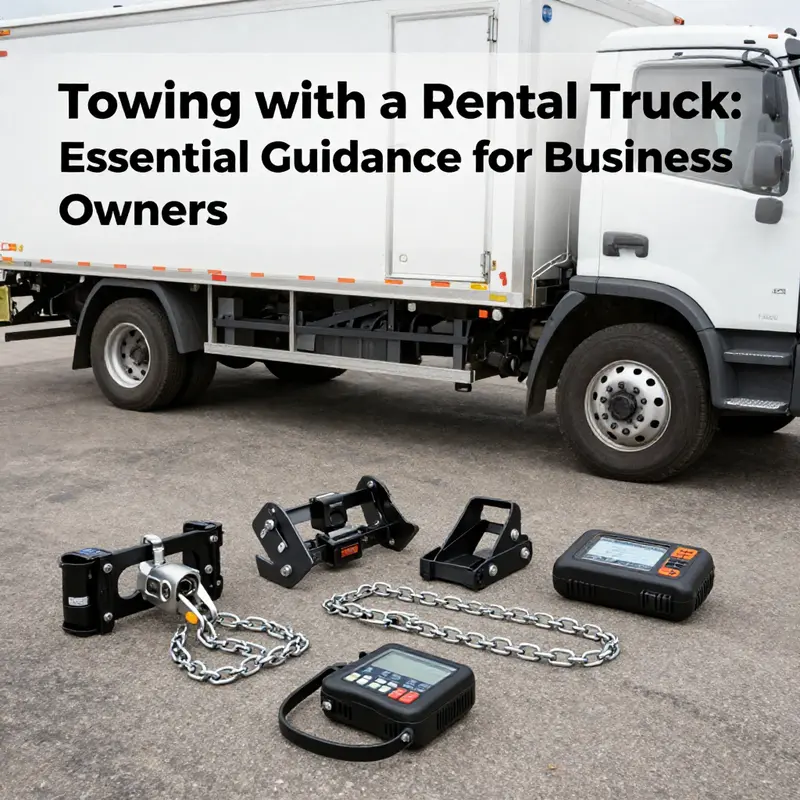
Tow a trailer with a rental truck is a practical option for many moves and projects, but it is not automatic. The key is to understand the rental agreement and the vehicles involved, including towing allowances, required equipment, and insurance limits. Check the truck for towing capacity and ensure the trailer weight does not exceed it, and verify hitch type and receiver size. Install and test the proper ball size, hitch, and safety chains, and make sure the trailer wiring and lights work with the truck. If the trailer has brakes, ensure a brake controller is available and configured. For heavier loads consider a weight distribution system. Conduct a pre trip inspection of tires, brakes, and load security. Confirm licensing requirements and insurance coverage for towing, and keep written confirmations from the rental company. Finally, perform a cautious test drive to check sway, braking, and steering before any long haul.
Securing the Move: Insurance Essentials for Towing a Trailer with a Rental Truck
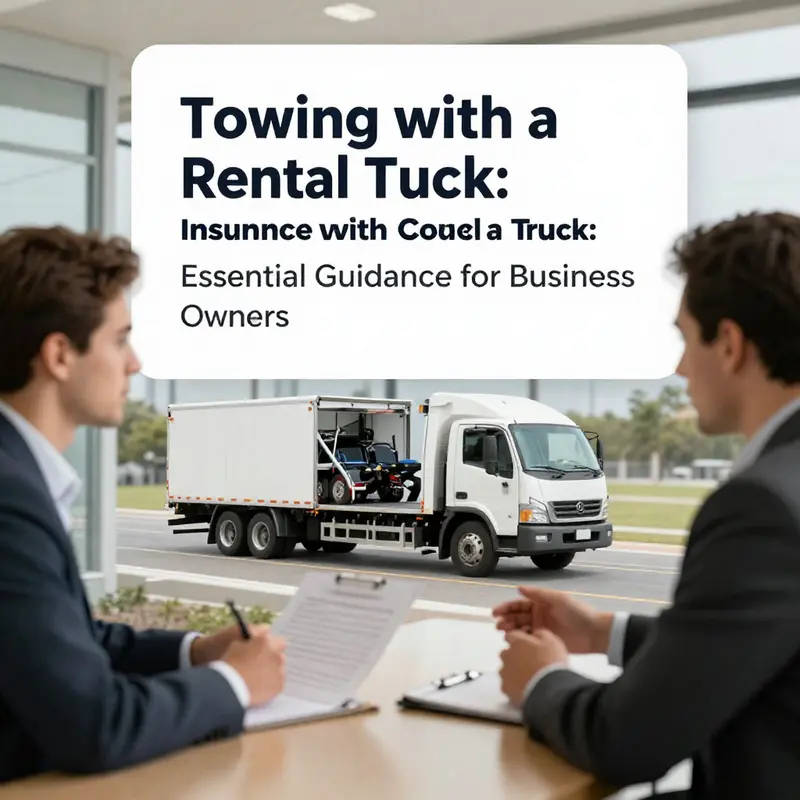
Moving with a rental truck and trailer requires planning, and insurance is a core part of that plan.
Start by reading the rental agreement to confirm that towing is allowed with the exact truck you will use and to understand any limits on trailers, routes, or weight. If towing is not clearly permitted, ask for written confirmation before you book.
Next, understand how liability, collision, and comprehensive coverages apply to the truck, the trailer, and the cargo. Many rental companies include basic liability only for the truck and do not automatically extend to a trailer or its load. Ask whether you can add trailer insurance and cargo insurance, and whether higher liability limits are available. Note the deductibles and any exclusions.
Consider whether your personal auto policy covers a rented vehicle and towing. Some policies extend to rental vehicles but may exclude certain towing scenarios or require additional endorsements. If your personal policy does not cover towing, you may need to arrange coverage through the rental company or a separate insurer.
To avoid gaps, request a written summary that lists exactly what is covered and what is excluded for both vehicle and trailer. Keep it with your rental documents and share copies with all drivers. If you are carrying valuable or fragile cargo, insist on cargo insurance or at least a high enough limit to protect against loss.
Understand the claims process in advance: who you contact, what documentation you need, and how total losses are valued. Ask about deductibles and how they apply when both truck and trailer are involved in a claim. Finally, compare the total cost of coverage to the value of what you are moving, and decide whether the additional protection is worth it for your move.
For practical knowledge, review the mechanical side of towing to ensure you meet the hitch and brake requirements of the trailer. A properly rated hitch and brake controller can affect coverage under some policies. If you want a quick resource, ask the rental agent for a printed checklist of requirements and a written coverage outline to take with you.
Towable Trails: Understanding the Types of Trailers You Can Haul with a Rental Truck
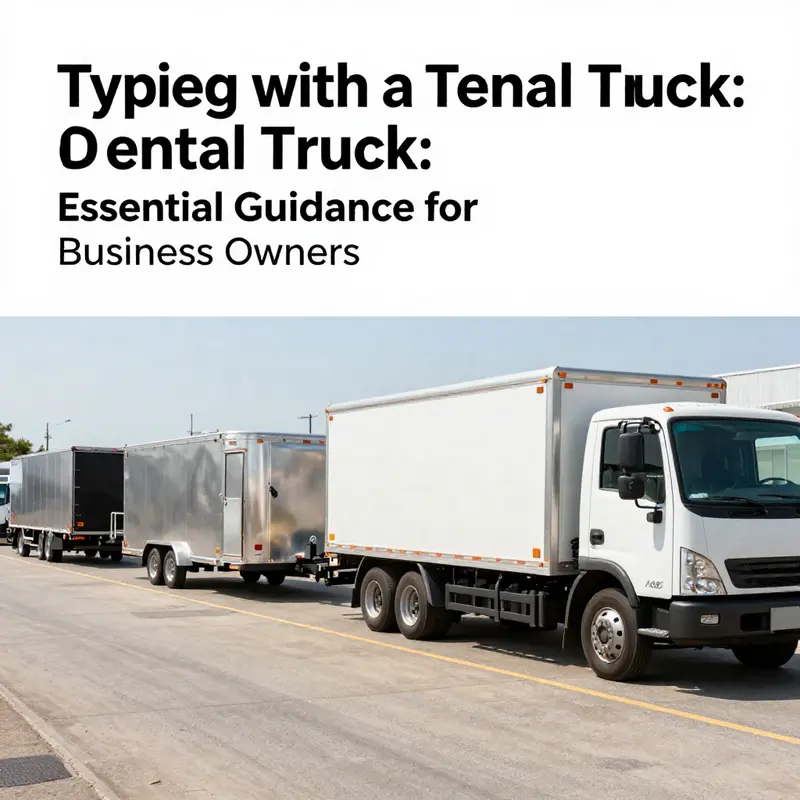
When you rent a truck for a move or a project, a common question surfaces as you plan the load: what exactly can you tow with this vehicle, and what do you need to do it safely? The answer hinges on a few core realities about the truck you’ve rented, the trailer you intend to pull, and the rules that come with the rental agreement. The goal is not to guess but to align capacity with cargo, to prepare the right safety gear, and to confirm coverage and legality before you hit the road. In practice, that means starting with a clear understanding of the rental terms, then verifying the truck’s towing capabilities, and finally ensuring you have the proper equipment, insurance, and compliance with local regulations. Each step protects your cargo, your passengers, and you from unexpected costs or dangerous situations that can arise when the numbers don’t line up. Read as a single, continuous arc, this chapter guides you through the practical decisions you must make, from the moment you sign the agreement to the moment you arrive at your destination with your trailer safely in tow.
The rental agreement is the first map you consult. While some trucks come with towing as a built‑in capability, others require explicit approval, additional equipment, or even restrictions on the size or type of trailer you can attach. The contract will spell out whether towing is permitted at all, and if it is, under what conditions. Some agreements may limit the combined weight of trailer and cargo, require that the truck have a specific hitch, or mandate professional installation of certain components. Others may prohibit certain trailer configurations altogether or place margins on the total miles you can cover with a trailer attached. The moment you suspect you might need to tow, the prudent move is to call or visit the rental office, ask specifically about towing, and request the exact terms in writing. This step is not about souring excitement for the move; it is about safeguarding your project against hidden fees, insurance gaps, or equipment that isn’t up to the task.
Beyond the contract, the vehicle’s towing capacity is the next critical bellwether. Towing capacity is usually stated as a maximum towing weight or maximum braked towing weight. This specification tells you the heaviest trailer your truck can safely pull, but the calculation doesn’t end there. You must consider the trailer’s own weight when empty, plus the load you plan to carry inside it—gasoline, tools, furniture, landscaping materials, or vehicles. In other words, to determine if your planned trailer is a match, you add the trailer’s gross vehicle weight rating to the payload. If that sum remains under the truck’s stated limit, you have a green light in principle. If not, you need a different truck, a lighter trailer, or a lighter load. It’s all about balance and control. If you’re unsure about the numbers, ask the rental agent to walk you through a weight calculation that factor in the trailer, your cargo, and any passengers, fuel, or equipment already loaded in the cab. This careful approach reduces the risk of overloading and keeps the trip within safe, legal bounds.
But even a trailer that fits the weight limit isn’t useful without the right hardware. The basic equipment list is straightforward: a hitch or tow ball compatible with both the truck and the trailer’s coupler; a brake controller if the trailer has brakes, which is common for heavier or longer trailers; safety chains and a breakaway cable to prevent a detached trailer from rolling away; and proper electrical connections that synchronize brake lights and turn signals between the tow vehicle and the trailer. The importance of these components cannot be overstated. A missing or improperly installed brake controller can mean delayed stopping power on the highway; missing safety chains could lead to dangerous separation; improper wiring can render brake lights and turn signals invisible to others on the road. Each item is a small but essential link in a larger system designed to keep your journey predictable and safe.
Insurance is the final piece of the puzzle. Even when numbers add up and equipment is in place, towing with a rental truck can introduce scenarios that your standard insurance might not cover. Some rental policies extend liability or damage coverage to towing, while others exclude it or require additional riders or endorsements. Before you sign, confirm that your policy includes towing within its terms, or request the extra coverage if it’s available. It’s better to know in advance that you’re protected than to discover a gap after you’ve already started moving. If there are exclusions, ask the agent to explain how they apply in practical terms—what kinds of incidents are covered, what the deductibles look like, and whether there are limits tied to the trailer’s type or size. Adhering to these insurance parameters can prevent you from facing substantial out‑of‑pocket costs if something goes awry on the road.
With the contractual and safety framework in place, it’s time to consider the kinds of trailers that rental fleets commonly offer and that you’re likely to encounter on a move or a project. Flatbed trailers are a staple for transporting vehicles, equipment, or machinery. They present a flat, open bed that makes loading straightforward—vehicles can drive onto the trailer, or a winch can assist, and the weight is distributed evenly along the frame to minimize damage to the towed object. The practical advantage is clear: you can load large or irregularly shaped items without interior walls or doors obstructing the path. Enclosed trailers, sometimes called box trailers, offer weather protection, theft deterrence, and a clean, secure space for motorcycles, lawn equipment, tools, or furniture. The weatherproof shell is especially valuable for sensitive cargo or valuables that you want to keep free from road spray and grime. For moves that include more than one vehicle or a need for protection from the elements, car haulers provide a dedicated space for multiple vehicles, often with ramps and robust tie‑down systems. They are larger and more specialized, sometimes available only for longer rentals or specific moving scenarios, but they open possibilities for moving several cars without compromising safety and access.
Utility trailers are the versatile workhorses for general cargo. They’re typically lighter and easier to maneuver with standard pickup trucks, making them ideal for landscaping material, building supplies, or camping gear. Because they’re often configurable with removable sides, they can adapt to a variety of loads, from bulk materials to bulkier items that don’t fit a standard box. For heavier or specialized tasks, gooseneck trailers use a hitch that sits in the bed of the tow vehicle, giving greater stability and weight distribution for large loads. They’re tailored for heavy equipment and livestock in practical farm and industrial contexts. Finally, dump trailers meet a different set of needs, designed to haul loose materials like sand or gravel and to unload quickly with a hydraulically operated bed. These are typically rented for construction or landscaping projects and demand careful handling due to their unique center of gravity and ballast characteristics. The common thread across all these trailer types is weight awareness. Always ensure the combined weight of trailer and cargo aligns with the truck’s maximum towing capacity and that your loading plan does not push you beyond safe limits.
In practice, choosing the right trailer starts with your cargo and ends with a thorough review of local rules. Regulations governing trailer size, lighting, and safety equipment can vary by jurisdiction, so before you drive away, take a moment to verify that your setup complies with the local rules where you’ll be traveling. A practical approach is to plan your route with the trailer in mind—from tolls and road restrictions to bridge clearances and turn radii. The more you anticipate, the less likely you are to encounter a situation where you must backtrack or reroute because a trailer simply cannot fit or is not legally allowed on a certain stretch of road. This mindful preparation is part of the responsible practice of towing with a rental truck, especially if you’re new to pulling trailers or if you’re combining a large load with a tight timeline.
If you want to deepen your understanding of installing the hitch and ensuring compatibility with a trailer, you can refer to the hitch installation guide linked here: trailer hitch installation guide. This resource, while specific, illustrates the kinds of steps and precautions that accompany proper hitch setup, including alignment checks and secure fastenings. Keeping the installation correct reduces the risk of hitch failure and helps ensure that your trailer remains coupled throughout the journey. As you finalize your plan, keep in mind that the most important elements are to confirm towing is permitted in the contract, verify the truck’s capacity, equip the vehicle and trailer properly, secure adequate insurance, and comply with local regulations. When these factors align, towing a trailer with a rental truck becomes a practical, efficient solution for moving, transporting equipment, or completing a project without the commitment of a dedicated tow vehicle.
For readers who want a broader sense of trailer options and availability at rental locations, industry resources and up‑to‑date listings can provide useful context on what sizes and configurations you might encounter in your area. External resources can offer additional confirmation of general guidelines and safety practices as you prepare for a tow. External resource: https://www.uhaul.com
Final thoughts
Understanding the intricacies of towing a trailer with a rental truck is vital for business owners. From reviewing rental agreements to ensuring you have the appropriate towing capacity and equipment, each element plays a key role in successful transportation. Moreover, securing the right insurance coverage can protect your business from unforeseen mishaps when towing. By mastering these essential factors, you can confidently leverage rental trucks to meet your logistical needs and enhance your operational efficiency. Always remember to conduct thorough checks and remain compliant with rental policies to ensure a smooth towing experience.