
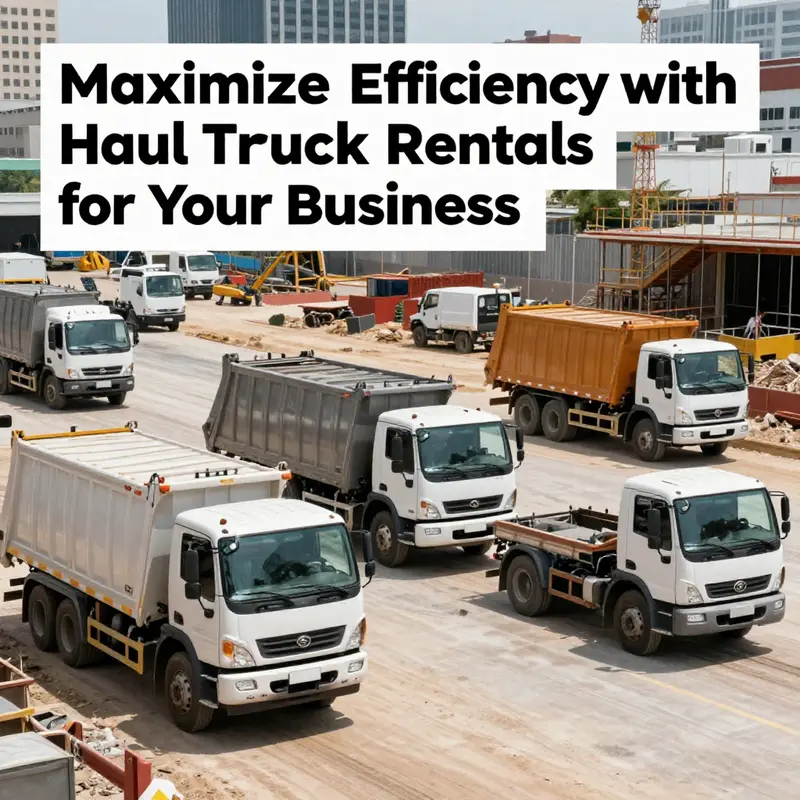
Haul truck rentals have become an indispensable resource for businesses requiring efficient transportation of goods and materials. Whether you’re managing a construction site, delivering large items, or transporting equipment, choosing the right haul truck can significantly affect productivity and overall operational costs. This guide will explore the different types of haul truck rentals available to businesses, delve into pricing strategies and financial considerations, and outline the crucial safety regulations that must be adhered to. Each chapter provides vital insights, ensuring that business owners can make informed decisions that align with their specific hauling needs.
The Moving Fleet: Navigating the Spectrum of Haul Truck Rentals to Match Cargo, Conditions, and Cost
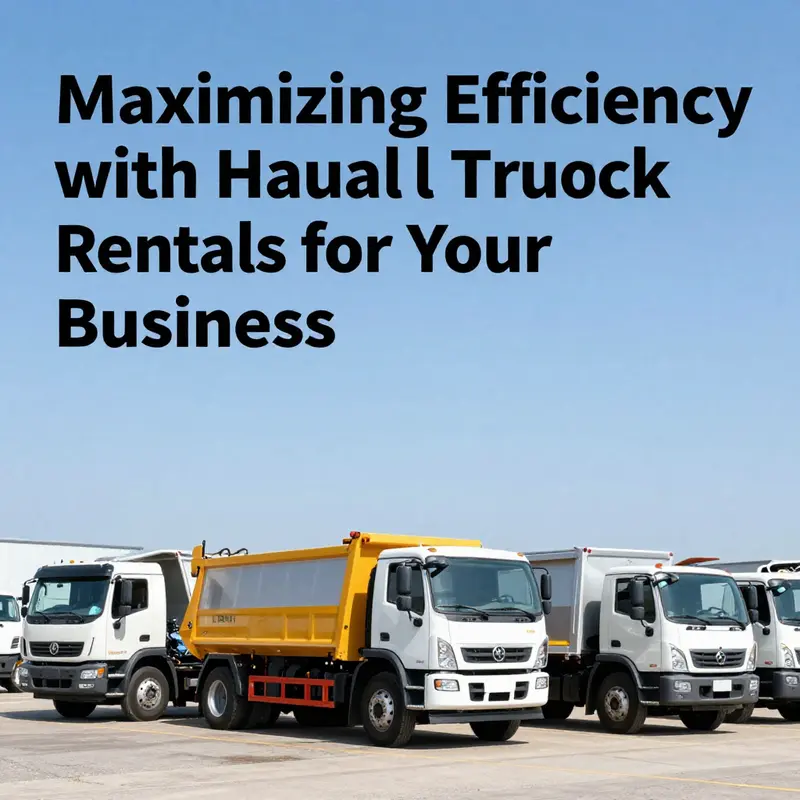
When businesses and households plan a move or a demanding transport job, choosing a haul truck rental is less about finding a single vehicle and more about matching the fleet to the load, the route, and the clock. The rental landscape for haul trucks resembles a toolbox in use rather than a showroom display. Each vehicle type is purpose built to address a distinct combination of cargo characteristics, operating environment, and risk considerations. The result is a practical spectrum rather than a one-size-fits-all solution. A well-chosen truck does not just haul; it protects, stabilizes, and speeds the work, turning a potentially fragmented operation into a cohesive, scalable process.
At the broadest level, the spectrum begins with standard flatbed trucks. These open-bed machines are the workhorses for bulky, irregular, or oversized loads that do not fit neatly within walls or sides. Heavy machinery components, long steel beams, or bulky construction materials benefit from the simplicity of a flatbed. The open design makes securing points obvious and loading flexible, but it also demands meticulous restraint and tie-down methods. Without walls or a roof, the risk of shifting loads on transit increases, which means operators must plan for wind drift, road spray, and the possibility of weather exposure to the cargo. For projects where speed and adaptability trump weather protection, the flatbed stands as a straightforward, robust choice.
Enclosed box trucks, sometimes described as step-vans in the rental arena, represent the other end of the open-closed spectrum. The box structure shields cargo from the elements and from theft, which matters for retail goods, sensitive equipment, and items requiring a climate-controlled environment. Inside the box, cargo can ride on internal dunnage that keeps items from rubbing, vibrating, or colliding during movement. This category contributes to predictable delivery windows because the exterior conditions do not directly impact the load’s condition. For many moving services and distribution tasks, the enclosure translates into reliable protection that can justify the higher operating cost when weather, theft risk, or temperature sensitivity is present.
Temperature control is the distinguishing feature of refrigerated trucks, or reefers, within the rental market. The ability to maintain precise temperatures throughout transit is essential for perishable food items, certain pharmaceuticals, and some chemical products. Reefers embody a disciplined approach to cargo integrity; they operate with insulated walls, defined setpoints, and monitoring that can extend beyond simple load securing. In regulated industries, maintaining a controlled environment is not optional but a compliance question. The maintenance routines for these vehicles include careful checks of refrigeration units, seals, and cooling agents, ensuring that the consignee receives goods in a state that meets health and safety standards. The value of reefers becomes especially visible when the destination imposes strict delivery conditions, or when delays can threaten product quality.
For projects that involve loose materials like sand, gravel, dirt, or demolition debris, dump trucks fill a crucial niche. The hydraulic bed that lifts to unload streamlines the process of returning bulk materials to site piles or waste containment areas. In construction and landscaping contexts, dump trucks help teams maintain momentum rather than stopping to unload manually. Their design focuses on simplicity of operation, rapid unloading, and the ability to traverse varied terrain, including uneven ground or dirt roads. The trade-off is that the cargo area is not suited to small, delicate, or highly valued goods; the bed is built for bulk rather than finesse, and securing loose material requires robust containment strategies to prevent loss during transit.
Heavy, specialized equipment demands even more tailored platforms, and lowboy trailers are a prime example. They offer a notably low deck height with a long, stable profile, optimized for exceptionally heavy or tall machinery. Vehicles like cranes, large excavators, or other industrial machinery can ride the low deck with reduced risk to hydraulic lines and delicate components. The stability advantages of a lowboy are not merely about weight ratings; they also translate into safer handling when maneuvering through tighter job sites. In turn, the loading and unloading sequences for these trailers often involve cranes or ramps and require trained operators who understand the weight distribution, center of gravity, and the critical importance of securing tall loads against wind gusts and road irregularities.
Step-deck trailers present a hybrid approach that blends the best features of flatbeds and enclosed boxes. Their design raises the middle portion with a lower front and rear deck, enabling tall loads to travel safely without exceeding a single, rigid height limit. The lower forward and rear sections give the vehicle greater versatility for longer items such as pipes, timber, or large architectural elements. The center deck’s higher clearance accommodates longer cargo while preserving the vehicle’s overall stability. In practice, step-deck trailers require careful planning to ensure that the weight distribution remains balanced as loads extend toward the midsection. Operators must be mindful of clearance under bridges and overhangs, particularly in urban environments or on routes with limited vertical flexibility.
Beyond these core categories lies a range of specialized haul trucks designed for unique operational challenges. Extendable booms, crane-equipped units, and articulated configurations expand the toolkit for utility work, disaster response, and offshore logistics. Specialized vehicles excel where standard machines falter, providing the reach, articulation, or terrain handling that enables work in difficult conditions. The common thread across these specialized assets is the explicit alignment of vehicle capability with the task’s demands—whether it is a delicate load that requires controlled handling or a heavy, awkward item that tests a fleet’s balance and braking performance. Across all categories, the underlying safety framework remains essential. Rental providers typically couple vehicle access with maintenance programs, insurance options, and, in some cases, driver training. This combination aims to minimize downtime while elevating the reliability and safety of each transit.
From a policy and standards perspective, all these categories operate under regulatory frameworks that define safety, emissions, and performance expectations. While the specifics can vary by region, the core principle is consistent: rentals should enable operators to meet their schedules without compromising roadworthiness or human safety. Maintenance schedules, tire conditions, brake performance, and lighting are essential checks that accompany any rental agreement. The provider’s role often extends to offering guidance about securing loads, choosing the most appropriate configuration for a given cargo, and ensuring that the equipment is suitable for the route’s environmental conditions. This partnership between renter and supplier helps organizations scale operations efficiently, turning temporary capacity into dependable throughput while avoiding the long-term commitment of owning a fleet.
Cargo characteristics largely drive any rental decision. A move that involves many household items requires a different approach than a construction site that demands heavy, irregular, or high-value equipment transport. Weight capacity and the dimensions of the cargo space must be considered in tandem with the vehicle’s load-securing features, tiedown points, and interior geometry. In addition, the route’s geography—how urban or rural it is, what kinds of roads are typical, the presence of bridges or tunnels, and the likelihood of weather events—shapes which truck type makes the most sense. For instance, a dense city move with sensitive belongings benefits from an enclosed or climate-controlled solution, while a rural site with rough ground may favor a robust flatbed or lowboy configuration. This is not merely about capacity; it is about how the vehicle behaves under real-world conditions, how that behavior affects loading times, and how it influences the overall project timeline.
The cost structure for these rentals is another central consideration. Prices fluctuate with vehicle class, rental duration, mileage, geography, and demand. A baseline daily rate may be lowest for smaller, simpler trucks, but additional costs for mileage, fuel, insurance, and optional equipment can quickly level the playing field. In practice, many renters find value in a transparent pricing model that clearly distinguishes base rental, incremental mileage, and any service fees. This clarity helps teams budget with confidence and plan for contingencies, such as extended rental periods caused by weather, supply chain delays, or unexpected site access issues. The economics of rental sometimes favor mid-size, versatile platforms that can handle a broad range of loads without requiring a switch to a different vehicle between tasks. For larger or more specialized projects, the flexibility to swap configurations, or to secure a dedicated vehicle for a fixed period, can tilt the decision toward a planned, multi-vehicle rental strategy rather than a single, all-purpose truck.
In the end, the chapter on haul truck rentals is really a chapter on problem solving at scale. The best choice aligns cargo type, operational environment, and schedule with a vehicle configuration that minimizes risk and maximizes throughput. The decision is rarely made on a single factor; more often, it is a balance among protection of goods, loading and unloading efficiency, route feasibility, and total cost of ownership for the duration of the project. When a plan accounts for load characteristics, anticipated weather and road conditions, and the team’s proficiency with different configurations, the rental becomes a strategic tool rather than a mere vehicle. The result is smoother transitions between job phases, fewer delays waiting for the right equipment, and a project timeline that remains achievable, even when surprises arise.
For readers who want a practical way to explore a compact, everyday option, the industry does offer vehicles that strike a balance between capacity and maneuverability. A commonly used choice is the 16-foot truck, which serves as a versatile baseline for many local moves and light-to-medium-loading tasks. See a concise overview of that option here: 16-foot-truck. While larger and more specialized trucks fill the corner cases, the 16-foot platform often proves sufficient for a wide array of moving and transport needs, especially when budgets, access, and loading precision are critical considerations. The choice of vehicle, however, should be guided by cargo dimensions, weight, and the job’s unique constraints rather than by price alone. A thorough assessment of what will be loaded, how it will be loaded, and how the load will be secured is the most reliable gateway to a productive rental decision.
As this discussion unfolds, it is worth noting the broader ecosystem that supports efficient haul truck rental. Rental providers often offer more than the hardware. They provide maintenance coverage, insurance options, and, in many markets, driver training or guidance. This ecosystem helps renters manage risk, maintain uptime, and ensure that every mile traveled aligns with safety standards and regulatory expectations. It also offers a bridge to scale, allowing a single project to grow from a handful of moves or shipments into a broader logistical effort without committing to a permanent asset base. The ability to reserve, modify, or cancel online, and to pick up or return at flexible times, adds a layer of convenience that reduces downtime. The net effect is a rental experience that supports complex operations with the ease and predictability of a well-run supply chain.
For readers seeking more technical grounding on standards and applications in the larger truck rental world, outside literature confirms the breadth and diversity of options available. Transportation-focused analyses describe how large-truck rentals are evolving to meet regulatory expectations while supporting a wide spectrum of industries, from manufacturing and construction to healthcare and retail. These reports underscore safety, maintenance, and compliance as core pillars that must accompany any rental arrangement. They also illustrate how advances in telematics, load-sensing technologies, and route optimization contribute to safer and more cost-effective operations, especially for fleets that operate across state lines or through urban corridors. The practical takeaway is clear: when planning a haul truck rental strategy, treat the choice as a collaborative process among cargo engineers, drivers, maintenance staff, and the rental partner. The goal is not simply to move items from point A to point B; it is to move them efficiently, predictably, and with a safety margin that reduces risk across the mission profile.
In sum, the spectrum of haul truck rentals offers a toolkit calibrated to cargo, context, and cadence. From open flatbeds to climate-controlled boxes, from reefers to heavy-lift lowboys, each vehicle type is a deliberate response to a distinct class of transport challenge. The art of selecting the right configuration lies in tracing the cargo’s exact needs, mapping those needs to a vehicle’s load characteristics, security features, and operating environment, and then aligning that assessment with the project timeline and budget. When done well, the rental becomes not a cost but a strategic enabler—an enablement that helps teams move more goods, faster, with less disruption and more confidence. For professionals and households alike, that is the essence of a smart haul truck rental.
External reference for further context on industry standards and practice: Transportation Today provides an in-depth guide on large-truck rentals, standards, and applications that complements practical decision-making on rental fleets. See: https://www.transportationtoday.com/large-truck-rentals-types-standards-applications
The True Cost Equation: Navigating Prices, Policies, and Practical Choices in Haul Truck Rentals

When you plan a move or a large-scale transport task, the price tag of a haul truck rental often becomes the most immediate and stubborn obstacle. Yet the true cost is not a single number that appears on a checkout screen. It is a layered equation that depends on how you define the job, how you measure risk, and how far you are willing to go to balance efficiency with accountability. The different pieces—the base rate, mileage charges, insurance and protection plans, fuel policies, and the less visible fees—arrange themselves into a cost landscape that shifts with time, demand, and location. Understanding this landscape is not about finding a single cheapest option. It’s about aligning the numbers with your specific needs and avoiding the surprise line items that can turn a straightforward move into a financial scramble.
The base rate is the most obvious starting point, yet it is also the most nuanced. Rental companies typically price local moves with a flat daily rate plus a mileage allowance, while one-way trips carry a different structure that prioritizes the use of the vehicle in a particular route and the risk of not having the truck available for return. In practical terms, a local haul often begins with a lower daily rate, but it grows quickly if you pull beyond the included miles. The distance you intend to cover becomes a multiplying factor; even a small miscalculation in miles can convert a modest daily rate into a higher aggregate cost. It helps to forecast not only the distance you will travel, but also the number of loading and unloading stops, the time you will keep the vehicle, and the potential need for fuel top-offs during the trip. The regional variation adds another layer. Price floors and ceilings exist because supply, demand, and fleet availability differ from city to city. A truck might be more affordable in a region with oversized inventory of vehicles, while a high-demand corridor during peak season can push rates up quickly.
Mileage charges deserve more than a casual skim. The included mileage is the safety valve that makes budgeting feasible. If you stay well within the quota, you can enjoy predictable costs. Exceed it, and you will face per-mile rates that can rival the daily base in a worst-case scenario. The impact of mileage overages becomes more pronounced when the trip involves long highways, multiple state lines, or a series of back-and-forth trips between suburbs and urban centers. The practical remedy is straightforward: measure twice, reserve once. Use online calculators or built-in quote tools to estimate the miles with a margin for error, then adjust the plan accordingly. If your load is heavy or your route includes mountain passes or urban detours with extra traffic, factor in the time and fuel consumption that accompany those choices, even if they do not strictly add miles to the clock.
Insurance and protection plans sit at the crossroads of risk management and cost efficiency. Optional coverage ranges from basic liability to broad protection that reduces out-of-pocket exposure to substantial repair costs. The seduction of a lower upfront price can mask a heavy potential bill when damages occur. Weighing these options requires a realistic assessment of your skills, the vehicle’s complexity, and the environment you’ll operate in. If you are moving locally with a familiar route, a minimal protection plan might suffice, especially if you already carry personal auto insurance with rental coverage add-ons. For longer journeys, tricky urban navigation, or moving valuable items, the peace of mind offered by more comprehensive protection can be a sound investment, provided you compare the incremental cost against the risk of damage, loss, or liability.
Fuel policies represent another important axis in the pricing matrix. Some arrangements require you to return the vehicle with a full tank, while others include a gauge of fuel or offer the option of prepaying for fuel. The difference may seem small at first glance, but it can accumulate over several days or weeks of use. If your move is tightly scheduled, the convenience of a full-to-full policy might trump a slightly higher base rate that springs from a pre-paid fuel plan. If your trip is modular, with frequent starts and stops in mixed neighborhoods, a flexible policy that mirrors your actual fuel usage could be more economical, especially when you take into account the current price of fuel and the vehicle’s expected mpg. Speaking of mpg, the fuel economy of hauling trucks varies with size and load. A larger truck can carry more, but it also consumes more fuel. A careful cost comparison should include an approximate fuel cost for the planned route, not just the rental rate.
Beyond these core components, there are ancillary charges that can quietly tilt the total price. Fees for late returns, drop-off at a different location, fuel gauging penalties, and administrative charges for changes to the reservation can all add up. It is worth noting that some terms can be negotiable in advance, especially if you are booking during a slower period or you have a strong relationship with the rental company. While you may not eliminate every fee, you can often minimize them by clarifying expectations up front, selecting the right vehicle size for your payload, and avoiding peak hours when possible.
Seasonality is a practical reality that affects the bottom line. In many markets, demand swells in the late spring and summer as households begin their moves and students transition between dorms and apartments. Weekends are typically busier than weekdays, which can translate into higher rates or tighter vehicle availability. Booking well in advance is not a gimmick but a strategic move. It gives you a better chance of locking a favorable base rate, securing a vehicle in the right size, and avoiding late-summer surges. If your schedule allows, flexibility can pay off; shifting a move to a weekday or a shoulder season might unlock lower daily rates and more favorable mileage terms.
Discounts can significantly alter the economics of a rental. Many providers extend targeted programs to certain customers—military members, seniors, or corporate affiliations may find substantial reductions that reduce the overall price by a meaningful margin. The practical approach is to identify any eligible programs early in the planning process, then factor those discounts into the initial calculations rather than discovering them at checkout. The benefit of discounts, however, goes beyond the per-day price. Some programs also include additional mileage allowances, reduced drop-off fees, or included extras that otherwise would have to be paid separately. The trick is to know what to ask for and to document your eligibility in advance, ensuring the discount is applied automatically when you pick up the vehicle.
The rental agreement itself deserves careful scrutiny. It is easy to skim a contract and miss a potential trap in the fine print. The agreement will lay out fuel policies, mileage terms, drop-off charges, late return penalties, and the conditions under which the vehicle can be kept longer or extended. A deliberate read-through helps you map every potential cost to a scenario you can forecast. It is not merely a legal safeguard; it is a financial tool that clarifies what you owe should plans change. For those who want to be thorough, there are reputable guides that explain how to read these contracts, interpret liability clauses, and identify hidden fees embedded in the fine print. A quick online resource can give you a framework to compare offers side by side, making it easier to spot the best overall value rather than the lowest advertised rate.
In practice, the most effective way to manage the cost is to adopt a disciplined budgeting approach. Start with a budget that reflects the estimated base rate and mileage in your chosen scenario. Add a buffer for contingencies—traffic delays, route changes, or last-minute modifications to your plan. Layer on the insurance or protection costs that match your risk tolerance, and then tack on an estimate for fuel. Don’t forget to include potential fees for late returns or cross-docking to a different location. When you view the rental as a balanced package rather than a single line item, you can compare options more meaningfully and avoid overpayment for services you do not use.
Technology has become a practical ally in this budgeting process. Most providers offer online quoting tools that let you simulate different scenarios quickly: a local move with a 150-mile plan, a one-way trip across several states, or a short-term haul for a large item. These tools can reveal the impact of changing vehicle sizes, mileage inclusions, and insurance levels in real time, helping you adjust your plan before you commit. If you want to keep the process transparent with your household or team, use a single baseline scenario and then create a few variants. The comparison will illuminate how sensitive your total cost is to mileage, duration, and protection choices. It is a useful reminder that the lowest daily rate is not always the best value if it pushes you toward high mileage overruns or costly penalties.
An essential, practical step is to read and understand the rental contract before signing. Even if you plan to rely on online quotes, the final agreement can carry nuances that alter the total due. Check the fuel policy and the return requirements in writing, confirm the exact pickup and drop-off locations, and understand the charges for late returns or early pickup windows. If you find a clause that seems ambiguous, ask for clarification in writing and request a revised document before you proceed. The knowledge you gain from a careful read can prevent unpleasant surprises at checkout and guard your wallet against inadvertent overcharges. In addition to this, a broader reading habit—learning how to interpret the marketing language versus the actual terms—helps you separate promotional bait from genuine savings. You may discover that a seemingly attractive base rate hides a stack of separate fees that only appear once you read the contract closely.
To round out the planning, consider the value of flexibility. Some people find it worthwhile to reserve a basic vehicle with the option to upgrade to a larger model if the items to be moved are unexpectedly heavy or bulky. Others prefer a smaller vehicle with an extended rental period to accommodate any delays. The key is to balance flexibility with cost predictability. If your schedule is tight, a firm plan with precise mileage and return time can minimize the risk of overage charges. If your schedule is looser, a contingency-minded approach might save money by allowing a shorter rental while still accommodating any last-minute changes without costly penalties.
For readers who want to explore the concept of cost-conscious planning in a structured way, a practical shortcut is to review resources that distill the terms into actionable advice. Though the landscape includes regional differences and provider-specific terms, the core principles remain stable: estimate miles and days, understand what is included, search for eligible discounts, read the contract carefully, and use online tools to model scenarios before you book. In particular, an accessible guide on how to read a rental contract can empower you to identify hidden fees and liability provisions that commonly appear in the fine print. For readers who want to drill down into discount strategies, consider exploring the general topic of truck rental discounts, which can offer meaningful savings when applied to the right situation. This approach allows you to tailor your plan around the actual needs of your move rather than simply chasing the lowest sticker price.
Internal reference for a broader look at discounts and how they fit into the overall cost picture can be found here: truck rental discounts. This resource provides a conceptual lens on how discounts interact with mileage limits, insurance pricing, and seasonal pricing dynamics. The goal is not to push a single option, but to illuminate how to recognize value across different scenarios and to equip you with a framework for evaluating offers in real time.
No discussion of cost would be complete without acknowledging the broader context of moving in a highly dynamic market. A well-planned rental can smooth the rough edges of a move, reduce dependence on multiple trips, and prevent the lodging of unanticipated charges that creep in when plans shift. By treating the rental decision as a financial project—one that requires an accurate forecast, a careful reading of terms, and a measured appetite for flexibility—you gain leverage over the entire process. You gain confidence that the sum you pay truly reflects the effort, the equipment, and the responsibility you undertake.
External resource: for a comprehensive breakdown of how to interpret rental contracts and identify potentially hidden charges, you can consult a detailed guide on rental contract reading at https://www.uhaul.com/rental-contract-guide/. This resource complements the budgeting framework described here and helps you translate the terms of a rental into dollars and cents you can count on as you prepare for the move.
null
null
Final thoughts
Understanding the intricacies of haul truck rentals is essential for any business aiming to optimize its logistics and operational efficiency. By thoroughly exploring the various types of trucks available, aligning your rental choices with budgetary constraints, and strictly adhering to safety regulations, you can significantly enhance your business operations. Leveraging these insights allows you to choose the most suitable truck for your hauling needs, streamline your processes, and ensure compliance with all necessary regulations. As a result, you can focus more on driving your business forward while efficiently managing your logistical challenges.