
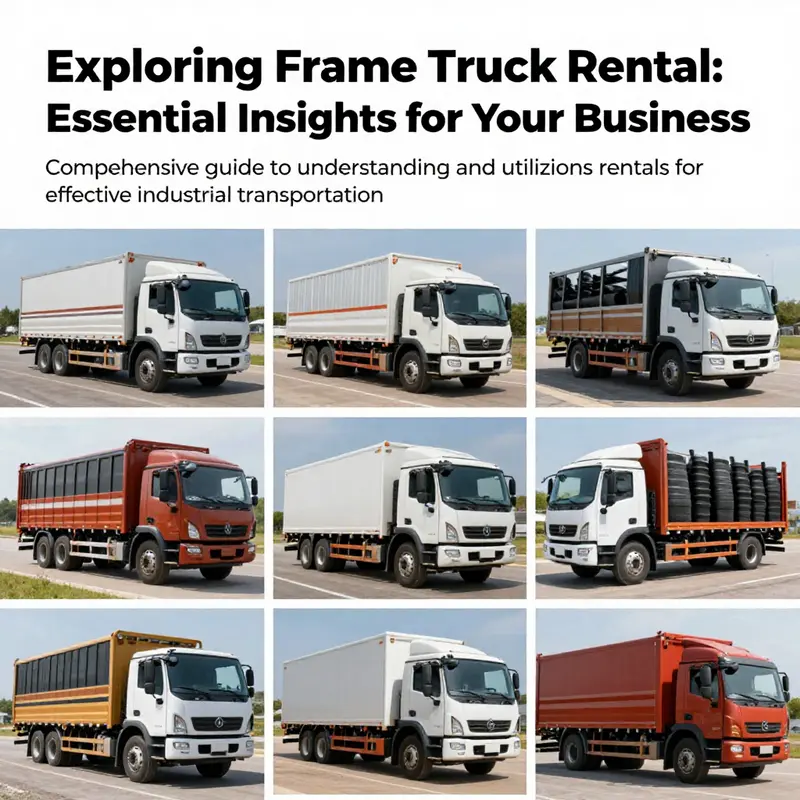
As businesses continue to expand their operations, the need for specialized transportation solutions becomes increasingly vital. Among these solutions, frame truck rental provides a unique advantage by facilitating the safe and efficient movement of heavy and specialized cargo. Whether you’re transporting construction equipment, industrial machinery, or delicate art frames, understanding the nuances of frame truck rentals is essential for business owners. This guide delves into three crucial areas: the fundamentals of frame truck rentals for industrial purposes, key considerations for special cargo handling, and tips for selecting the right rental service. By the end of this article, you’ll be equipped with the knowledge to make informed decisions that enhance your logistics capabilities.
Framing the Route: How Frame Truck Rental Accelerates Industrial Transport
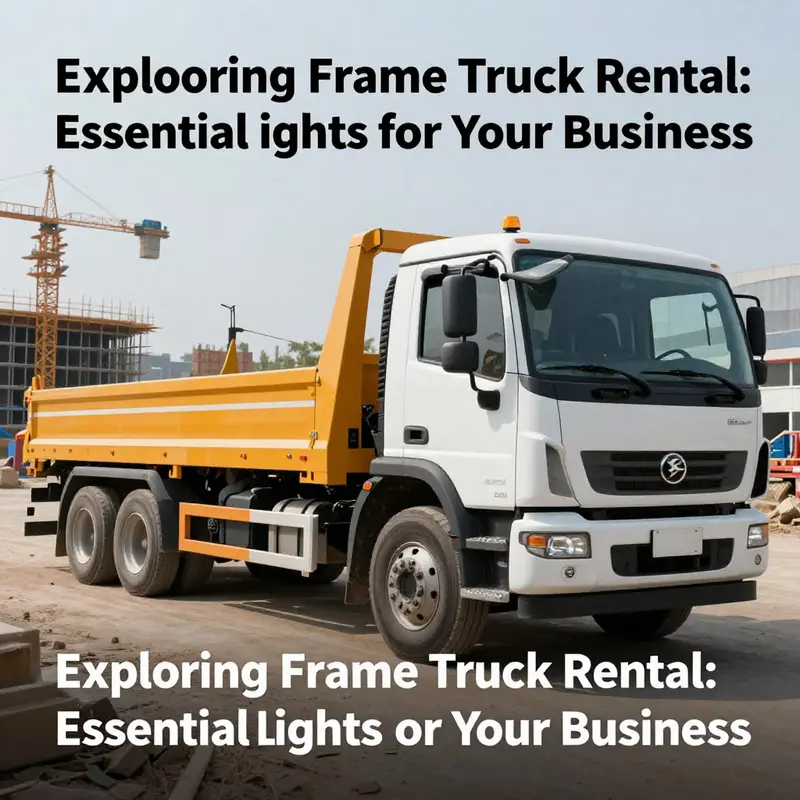
When a business faces the challenge of moving oversized, heavy, or irregularly shaped cargo, a frame truck rental becomes more than a rental choice. It becomes a key enabler of project timelines, a safeguard for delicate components, and a flexible bridge between manufacturing floors and distant installation sites. Frame trucks, often referred to in the industry as open-deck or flatbed options, stand apart from enclosed trailers because they expose the entire loading surface. That openness is not merely a convenience; it is a decisive advantage for loading long steel beams, turbine blades, oversized machine tools, wind turbine nacelles, or modular construction components. The platform’s flatness and the absence of a roof or sides mean there are fewer restrictions on the dimensions that can be accommodated. A well-configured frame truck rental can accommodate cargo that simply would not fit on a standard enclosed trailer, enabling a direct path from fabrication shop to job site with minimal handling. In practice, this translates into fewer transfers, faster loading and unloading, and a clearer chain of custody for high-value equipment. The decision to rent a frame truck is rarely about a single metric like cost per mile; it is about total logistics efficiency, risk management, and the ability to respond to shifting project demands with agility.
The core appeal of frame truck rental lies in the strength of its frame and the flat, open deck. The chassis is engineered to handle substantial payloads while maintaining structural integrity across long hauls and diverse terrains. In many markets, these frame trucks are classified within the heavy-duty segment, with Class 8 configurations capable of carrying tens of thousands of pounds. Some specialized models, when paired with reinforced platforms or enhanced chassis, can shoulder loads that approach the 45-ton range. That level of capacity opens doors for industrial equipment, heavy machinery components, long structural members, and large prefabricated sections that would otherwise require multi-piece transfers or custom-built transport solutions. An essential feature of modern frame trucks is the attention paid to safety and load security. A robust deck is paired with a network of secure tie-down points, often complemented by non-slip decking, load distribution systems, and strategically placed anchor points that accommodate various lashings, chains, straps, and edge protectors. This focus on securement is not optional; it is a prerequisite for transporting heavy, potentially unstable cargo on public highways over long distances.
Yet capacity and safety are only part of the story. The practical realities of industrial transport demand careful packaging and load protection, particularly when items themselves are fragile or irregular in shape. Frameworks, machine frames, and large metal components can be susceptible to bending, chafing, or distortion if not properly protected. In such cases, the rental choice extends beyond the chassis to include a suite of protective measures. For example, when transporting large frame-like items or machinery with sensitive edges, operators often employ edge protectors, anti-slip mats, and padding along the deck. In some scenarios, the cargo may require custom cradles or interior supports to prevent movement during transit. Packaging considerations are not a mere afterthought but a necessary partner to the rental itself. They dictate loading techniques, securing patterns, and even the sequence of loading and unloading at the destination. The result is a transport plan that aligns with regulatory requirements, site access constraints, and the unique geometry of the cargo.
A seamless frame truck rental experience also hinges on how the operation is planned end to end. The route must accommodate not only the gross vehicle weight and dimensions but also road restrictions, temporary weight limits, and the potential need for permits or escorts for oversized loads. The driver’s familiarity with tight urban throughways, rural detours, and industrial loading docks becomes a critical factor in maintaining project schedules. In many projects, the frame truck acts as a mobile work platform, offering quick and stable access for on-site activities. Operators may use ramps, temporary loading docks, or small crane assistance to position the cargo. Familiarity with safe rigging practices, proper use of chocks, and the ability to coordinate with site personnel are essential skills for teams relying on frame truck rentals to keep work progressing on time.
The versatility of frame trucks is most evident in the sectors they support. In manufacturing contexts, frame trucks move large presses, machining centers, or long structural elements from a fabrication line to a testing facility or shipping yard. Infrastructure projects frequently require moving heavy components such as bridge girders, large culverts, or prefabricated concrete elements, all of which benefit from the open-deck design. In energy and utilities, the transportation of turbine components, wind blades, or solar project assemblies often depends on frame trucks to deliver oversized assemblies from factory to installation site. In logistics and general contracting, frame trucks complement the broader fleet by providing a flexible platform for unusual shipments that do not fit neatly into standard trailer categories. The result is a transport ecosystem where rental trailers are not just a means of moving cargo; they are an integral part of the project’s risk management and its ability to respond to sudden shifts in demand.
In practice, the decision to rent a frame truck should be grounded in a careful evaluation of payload needs, dimensional requirements, and the specific handling demands of the cargo. A well-chosen rental solution offers more than a flat surface; it provides an integrated set of capabilities. These include lockable tie-down arrangements tailored to the cargo type, the availability of reinforced decking for heavy loads, and the possibility of customizing the deck with accessories that improve load stabilization. The rental provider also brings value in terms of maintenance responsiveness and access to a network of service centers, ensuring that a critical shipment is not delayed by an unexpected breakdown. The availability of service and ongoing support is a major differentiator in a realm where delays can cascade into missed milestones or contractual penalties. In this way, a frame truck rental becomes not just a vehicle but a turnkey component of a project’s logistics backbone.
As the industry has evolved, so too have the configurations and modular options that accompany frame truck rental. The rise of modular or collapsible frame systems offers new flexibility for storage at the job site and rapid reconfiguration when the cargo type changes. This adaptability is especially valuable in multi-project environments where the same fleet must accommodate different loads without the need for new trailers each time. The ability to stack or collapse frame elements during downtime can optimize yard space and reduce total capital outlay for a fleet that must handle a variety of demands. In addition, advances in containerization and port-side frame handling have begun to shape how frame trucks integrate with broader multimodal chains. In the large-scale movement of industrial goods from factory gates to overseas terminals, frame trucks serve as the starting point of a chain that may include containerized frame boxes, flat racks, or hybrid Ro/Ro arrangements. While the specifics of these workflows vary by region and project, the underlying logic remains consistent: maximize cargo compatibility, minimize handling, and preserve cargo integrity across the journey.
The interplay between frame trucks and the broader logistics network is a story of resilience and coordination. Ports in key hubs have begun treating frame transport as a strategic component of supply chain design, recognizing that oversized modules often define project timelines in energy, infrastructure, and manufacturing. The result is a growing alignment between rental fleets and the needs of long-haul, multi-leg journeys. This alignment is reinforced when rental providers offer added-value services, including route planning assistance, specialized load-securement consulting, and access to packaging materials tailored to frame operations. In turn, forward-looking buyers gain a more predictable planning horizon and a clearer view of total landed cost. The synergy is not about a single tool but about an integrated approach that treats the frame truck rental as a collaborative solution, part of a larger program to optimize throughput, reduce risk, and improve on-site productivity.
From a budgeting perspective, frame truck rental presents a practical alternative to purchasing expensive equipment that may not be in constant use. For projects with variable load profiles or seasonal demand, renting allows teams to scale capacity up or down as needed without committing to a fixed asset base. The rental agreement can be structured to match project timelines, with options for one-way movements, multi-leg trips, or dedicated fleet access. The economics depend on several factors: the length of the rental period, the distance traveled, the required deck configuration, and the need for any specialized equipment to support loading or unloading. Insurance, permits, and potential escort costs for oversized loads must also be factored into the total cost of ownership. When these considerations are balanced, frame truck rental emerges as a flexible, cost-conscious choice that aligns with the unpredictable rhythms of industrial projects. It allows a project to maintain momentum even when demand for heavy transport fluctuates, and it helps keep critical milestones on track by offering reliable access to capable, well-maintained equipment.
In reflecting on how to make the most of a frame truck rental, it is essential to consider the staff and processes that accompany the vehicle. A skilled operator who understands securement patterns, load distribution, and the nuances of palletized versus non-palletized cargo can significantly enhance safety and efficiency. The operator must also be adept at coordinating with site crews, freight forwarders, and dock personnel to sequence loading and unloading in a way that minimizes downtime. This is where the value of training and clear protocols becomes pronounced. A well-documented loading plan, a checklist for securing hardware and tie-downs, and a simple signaling system between the driver and ground crew can transform a potentially complex lift into a smooth operation. In environments where weather, road conditions, or tight site access pose challenges, having a frame truck rental backed by a knowledgeable service provider reduces the risk of damage to cargo and delays in the schedule.
To illustrate the practical magic of frame truck rental, consider a scenario in which a manufacturer must deliver long turbine blades to a remote installation site. The blades are too large for enclosed trailers, and the installation schedule is tight. The frame truck arrives at the factory with a reinforced deck and a tailored set of strap points. The crew works with edge protectors to prevent chafing along the blade’s surfaces and uses non-slip mats to prevent droop during transit. A crane-assisted loading plan reduces handling steps, while a few strategic chokers and binders keep the blade secured against movement. On arrival, the site team uses a portable ramp to position the blade for crane removal, and the transfer to the installation scaffold proceeds without incident. A week later, the same frame truck is redeployed to move a different cargo—long steel beams for a bridge project—demonstrating the rental’s adaptability to variable demands without the need for new equipment purchases. This kind of operational efficiency is what makes frame truck rental compelling for industrial teams that must balance cost, risk, and performance across a portfolio of projects.
For teams that want to explore the practical nuances beyond the basics, a helpful reference point lies in industry discussions about mileage, capacity, and long-term planning. Tools and resources that discuss flexible transport options can provide guidance on how to optimize the choice between renting and owning, how to structure load-securement strategies around a given cargo profile, and how to integrate frame transport into broader multi-modal plans. When discussing mileage policies, for example, it is useful to weigh the trade-offs between unlimited miles versus distance-based pricing, especially in long-haul scenarios where efficiency matters as much as upfront cost. The choice of rental terms can have a meaningful impact on project budgets and scheduling, and savvy teams will seek providers that can tailor terms to match the specific cadence of their work.
Throughout these considerations, it is valuable to acknowledge that frame trucks are only one element of a wider system. Their value is amplified when paired with well-designed packaging, disciplined load-securement practices, and a logistics network that supports multi-modal transport. The open deck invites flexibility, but it also requires disciplined planning to protect cargo and ensure compliance with safety regulations. In global supply chains, the ability to coordinate with port operators, container providers, and inland carriers can translate into reduced handling, shorter lead times, and more predictable delivery windows. The ongoing evolution of modular, collapsible, and containerized frame systems suggests a future in which the same basic platform can be reimagined to carry a wide array of cargo types, further extending the utility of frame truck rental in a world defined by rapid change and rising demand for industrial capacity. In short, frame truck rental is not just a transport solution; it is a strategic tool that helps industrial teams move faster, safer, and more reliably through the complexities of modern logistics.
Internal link reference for further thoughts on mileage considerations and flexible usage: unlimited-miles-box-truck-rental.
External resource for broader industry context and best practices: https://www.fedex.com/en-us/industrial-logistics.html
Frame by Frame: Mastering Rentals for Oversized Loads and the Safe Handling of Special Cargo
Frame trucks, often described as cab-and-chassis platforms, sit at a practical intersection of adaptability and reliability. They are not a single solution but a versatile starting point for customized configurations that must carry heavy, oversized, or unusually shaped loads. In practice, they empower operators to tailor the body to the task at hand—whether that means a flatbed for industrial equipment, a canopy-covered setup for weather protection, or a fully enclosed box body for sensitive shipments. As with any specialized transport, the value of a frame truck rental rests not only in the ability to choose a powerful chassis but also in understanding how the open, modular nature of the frame interacts with the cargo, the route, and the people who will move it. A well-chosen frame truck becomes a precise tool rather than a generic carrier, and that distinction guides every decision from weight planning to securing methods and permitting. The chapter that follows invites readers to move beyond price alone and to consider frame trucks as adaptable platforms whose true worth emerges when the vehicle architecture aligns with the load, the environment, and the regulatory framework surrounding the move.
The core reality of frame truck rentals is that capability and responsibility travel together. Vehicle manufacturers design these frames to withstand heavy use and to accept a wide range of body configurations. This flexibility is essential for the kinds of freight that populate construction sites, manufacturing yards, or specialized logistics hubs. A rental program that supports such versatility should offer a spectrum of GVW options, axle configurations, and chassis lengths, so planners can match the frame’s strength to the load’s actual demands. Exceeding a vehicle’s weight limits doesn’t just risk mechanical failure. It invites a cascade of complications—from insurance and liability concerns to potential regulatory penalties that can derail a project. The first practical question a fleet manager or a project manager should ask is: what is the load’s weight and its distribution across the axle lines? The answer will dictate not only whether the frame truck is appropriate but also what kind of body, how long the wheelbase should be, and what kind of securing system will be required for safe transport.
Weight management begins with a precise assessment of load capacity and distribution. GVW, axle ratings, and tire load capacity are not abstract numbers. They are boundaries that shape the way a cargo sits on the bed, how it interacts with the truck’s suspension, and how predictable its behavior will be under braking and cornering. When transporting heavy machinery, steel beams, or industrial equipment with uneven weight spread, planners must consider the position of the load along the frame. A load anchored toward the rear, for instance, can alter the truck’s weight transfer during braking and in downhill descents, affecting stability. Conversely, a forward-weighted load may improve steering feel but increase the risk of overloading the front axle in tight turns. The rental agreement should make it clear where the permissible weight limits lie and how they are calculated, including considerations for temporary ballast or counterweights that may be used during loading and unloading. These are not mere formality; they are essential for protecting the frame, the load, and the road user around the vehicle.
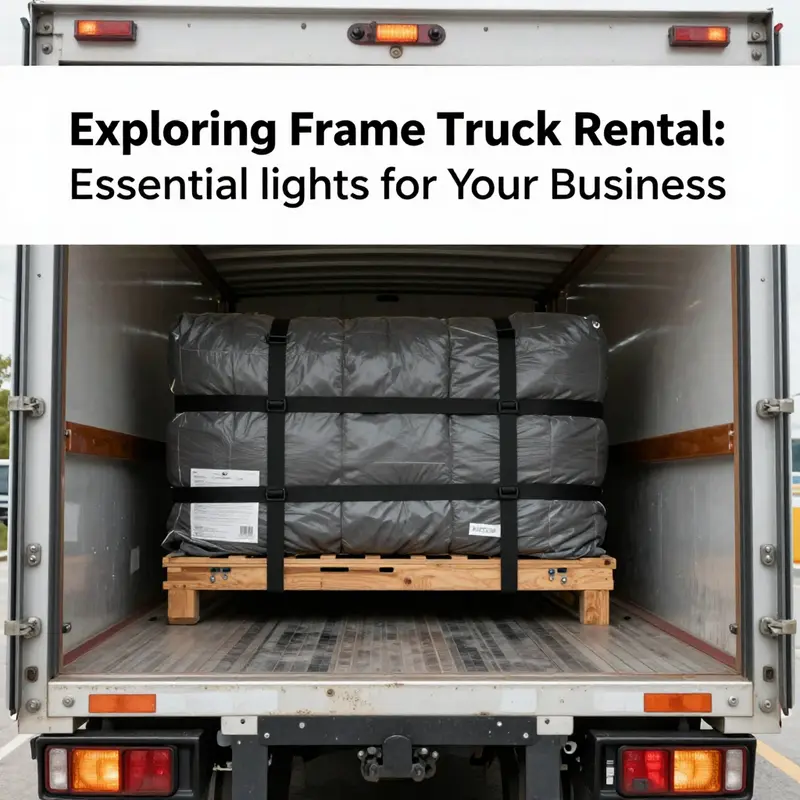
Cargo securing and protection form another axis of risk and safety. The open frame provides easy access for attaching lifting gear, loading ramps, or crane hooks, but it also demands robust and deliberate securing strategies. For less fragile loads, open flatbeds with strong tie-down systems may be optimal because they allow quick access for shoring, strapping, and adjusting during transit. However, even on open frames, a tarp or a weather-resistant cover will be necessary to shield against rain, wind, and road spray, especially when the cargo sits exposed for long periods or in unsettled weather. When the cargo is weather-sensitive or high-value, a fully enclosed box body or canopy-equipped variant becomes worth the extra cost. The latter not only provides a barrier against the elements but also helps deter theft and reduces the chance of incidental damage from road debris. The importance of securement cannot be overstated: proper tie-down patterns, edge protection to prevent strap damage from sharp edges, and the use of corner pockets or D-rings integrated into the frame are key elements. For delicate or unusually shaped items—such as framed artwork or equipment with protruding components—the securement plan should include padding, bracing, and restraint systems that minimize shifting and vibration. Even seemingly minor shifts can accumulate into dangerous movements that compromise both the cargo and the vehicle during a long haul. In practice, this means a detailed, load-specific securing plan must be drafted before departure, with checks at loading, during transit, and at the destination.
Special cargo handling introduces a layer of nuance that turns frame trucks from generic carriers into purpose-built transport platforms. In the realm of oversized and sensitive shipments, the packaging and protective strategy is as important as the chassis selection. For items that are especially vulnerable to bending, chafing, or impact, purpose-designed packaging with internal supports can be a practical safeguard. Protective materials—such as foam inserts, corrugated edge protectors, and custom mounts—offer controlled contact points that absorb shocks and minimize vibration-induced damage. In some cases, items can be mounted on a pallet or a mezzanine bracket that keeps them level and stable, reducing the risk of shifting. The general rule is simple: the less the cargo moves, the lower the risk of damage. But this requires discipline in planning and execution. It also requires coordination with loading staff, who must be proficient in securing fragile loads and in accounting for the dynamic nature of road travel. The same logic applies to hazardous materials or regulated items, which demand additional labeling, segregation, and compliance steps. The trailer and the frame must be prepared to meet not only the cargo’s physical needs but also its regulatory requirements, including placarding, documentation, and transit planning that avoids restricted routes or times when supervision and oversight may be limited.
Route planning and permitting constitute the bridge between vehicle capability and practical execution. Oversized or overweight loads often trigger a regulatory process that goes beyond ordinary road travel. The operator may need permits that specify permitted routes, times of day, lane restrictions, and even escort requirements depending on the load’s size and weight. The route chosen must respect clearance heights under bridges, road width in narrow urban corridors, and the functional limits of key infrastructure like scale houses and weigh stations. In some jurisdictions, permits are time-specific, which means a project manager must align the loading window, the transit window, and the unloading window with the permit’s validity. This is where the frame truck’s flexibility becomes a strategic advantage. The rental company can supply not just the vehicle but also advice about the best route profiles and potential permit requirements. A thoughtful rental plan also considers the possibility of encountering unexpected detours or weather disruptions, and it includes contingency plans for alternate routes that still stay within legal limits. The design of the trip—how the load, the route, and the time constraints align—often dictates the most efficient and cost-effective strategy for the move.
Operator qualifications and training tie the entire process together. Handling oversized or fragile cargo on a frame truck is not a casual task. It requires drivers who understand load dynamics, securement techniques, and emergency procedures. Many rental operations offer training programs or on-call support that can significantly mitigate risk. A competent operator will verify the securing system before departure, perform a post-loading inspection, and be prepared to adjust the plan if the route or weather shifts. The human element—skill, experience, and situational awareness—often determines whether a well-configured frame truck moves smoothly or confronts avoidable delays and damage. In practice, a successful rental agreement should include access to guidance on securement methods, inspection checklists, and contact points for assistance when unusual situations arise on the road. These resources are not luxury add-ons; they are a recognition that the frame truck is a tool whose efficacy rests on the operator’s competence.
The practical implications of these considerations extend to the procurement process itself. When selecting a frame truck rental, the project team should look for alignment between the vehicle’s physical capabilities and the specific shipment profile. This alignment includes the anticipated weight, the length and height of the load, and how the cargo will be secured. It also encompasses the availability of accessories that might reduce loading and unloading times, such as ramps, wheel chocks, and forklift-ready configurations if the load requires mechanical handling. Another dimension is reliability and support. A rental partner that can arrange for pre-load inspections, post-load checks, and routine equipment maintenance reduces the likelihood that a vehicle issue will derail the project. It also bolsters overall safety by ensuring that the vehicle remains within its designed tolerances throughout the move. Insurance considerations accompany these operational factors. A well-documented risk management approach should be part of the rental agreement, with clear responsibilities for coverage in the event of damage or loss, and a framework for addressing any incidents that occur on the road. Together, these elements create a cohesive fabric of safety, compliance, and efficiency that frames the value proposition of a frame truck rental for heavy, oversized, or specially protected cargo.
To connect this discussion with practical, on-the-ground guidance, consider the vehicle dimensions and how they inform a cargo plan. The dimensions of a frame truck and its compatible body can define everything from load securing points to the space available for protective packaging. For readers who want to explore the dimensional specifics without guessing, the boxed dimensions and related details are summarized in a dedicated resource that can be consulted during planning. This reference provides an objective basis to determine if a given body type will accommodate the cargo width, height, and length, ensuring that the frame and the body combination will perform as intended under typical road conditions. box truck dimensions offers a practical reference point for those who must translate abstract numbers into real-world loading decisions.
As readers reflect on these considerations, a recurring theme emerges: the frame truck is most effective when its customization aligns with the cargo and the journey. It is not merely a vehicle; it is a platform for controlled risk management. When used properly, a frame truck rental enables precise payload configurations, predictable securing protocols, and route plans that anticipate the realities of the road. When misaligned, it can expose the shipment to weather exposure, shifting loads, and regulatory friction that slows the project or damages the cargo. The art and science of frame truck rental lie in balancing capability with discipline—matching the chassis strength and the securing architecture to the cargo’s fragility, the route’s constraints, and the regulatory environment that governs every mile of travel. In this light, the decision to rent a frame truck becomes less about selecting a single piece of equipment and more about selecting a process—one that integrates load analysis, securing strategy, route planning, driver training, and regulatory compliance into a cohesive operational approach.
For those seeking further reading on regulatory expectations and best practices in commercial transport, official guidance from national authorities provides a grounding that complements the practical, field-tested wisdom discussed above. The relevant standards cover vehicle operation, cargo handling, and the safe execution of commercial moves in diverse environments. Familiarity with these guidelines helps ensure that the rental choice remains robust across different jobs and evolving regulatory landscapes. In particular, regulatory bodies emphasize the importance of documented load securement, proper labeling, and clear logistics documentation, all of which strengthen safety and accountability on the road. Access to authoritative references, including the Federal Motor Carrier Safety Administration’s standards, offers a framework within which frame truck rentals can operate with confidence and clarity. For official guidelines, refer to the FMCSA’s comprehensive resources available online at https://www.fmcsa.dot.gov/. This external resource serves as a touchstone for the principles that underpin safe, compliant transport of heavy or special cargo and helps readers anchor practical decisions in established rule sets.
In sum, frame truck rentals address a spectrum of practical needs—from structural versatility and weight management to securing delicate cargo and navigating permits. The best outcomes arise when each dimension—frame strength, body configuration, securing method, route selection, operator training, and regulatory awareness—flows from a single, well-considered plan. The frame truck becomes a partner in the project, not simply a means of moving freight. As the next chapter explores the broader ecosystem of equipment rental within the logistics workflow, readers will see how frame trucks fit into a continuum of assets designed to optimize efficiency, safety, and reliability for complex, heavy, or specialized cargo movements.
Frame-Ready Transport: How to Choose a Frame Truck Rental for Moving Heavy Equipment
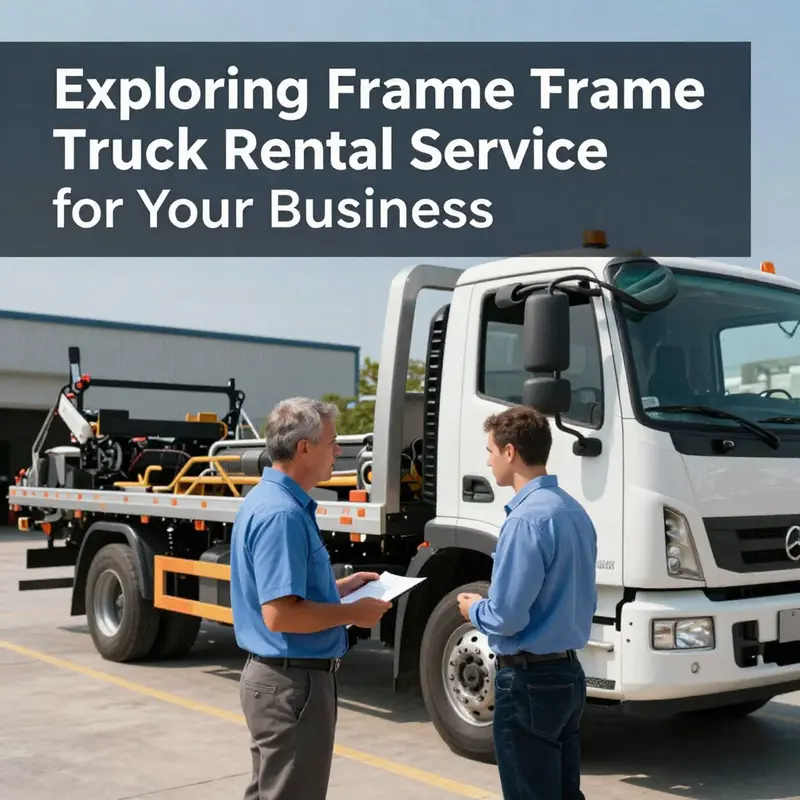
A frame truck is more than a vehicle; it’s a platform that holds the weight of the project, the integrity of the cargo, and the efficiency of a move. In the world of heavy equipment and specialized loads, the frame becomes a critical part of the transport solution. The decision to rent a frame truck should not be treated as a generic rental, but as a strategic choice that aligns equipment needs, risk management, and cost discipline. When you step into this process, you are selecting a temporary mobility partner that must perform under stress, deliver predictably, and protect both your assets and your operations from delay, damage, or dispute. The path to that outcome begins with a clear understanding of what you are moving, how it must travel, and what kind of support you will rely on along the way. It is a journey that rewards thorough planning and disciplined execution more than last-minute improvisation. The key is to weave together the technical realities of the load with the operational capabilities of the rental provider, so the transport becomes a seamless extension of your project timeline rather than a stumbling block between milestones. In practice, choosing the right frame truck rental means integrating six interconnected considerations into a single, coherent decision. Each piece matters, and none should be treated as an afterthought, because heavy equipment moves demand both mechanical reliability and logistical clarity. The frame of the truck is not just steel; it is the frame of your schedule, your budget, and your safety standards, all aligned in one moving platform.
First, assess the equipment and the load. Begin by identifying the exact type, dimensions, weight, and center of gravity of the machinery, tools, or material you intend to transport. Frame trucks vary widely in their configurations: some are standard flatbeds with reinforced decks, others are low-ride or lowboy trailers designed to lower the deck for oversized items, and there are specialized frames built to handle hazardous materials or precisely tall or wide cargos. The weight and footprint of the load determine not only which trailer is physically capable but also which tie-down points, ramps, and securing hardware you will need. A precise measurement of length, width, height, and weight distribution helps prevent overloading, which compromises braking, steering, and tire wear. In this context, even seemingly minor factors such as deck height or wheelbase can influence load positioning and compliance with road restrictions. When you reference a baseline for practical dimensions, consider tapping into a generic, widely used profile such as a 16-foot truck as a starting point; such benchmarks can illuminate where your load lies on the spectrum of capability and keep expectations realistic. For a practical baseline on trailer sizes, consider the 16-foot truck page.
Second, verify credentials and insurance with rigor. A rental company serving heavy equipment moves must operate with legitimate licenses and full coverage that extends to liability and cargo. The stakes are high: a single incident can expose you to liability, repair costs, and operational downtime that ripple through a project schedule. Ask for current insurance certificates and confirm that coverage includes cargo and non-owned equipment, especially if you plan to load third-party assets or operate across state lines or provinces. In parallel, review the company’s safety record and compliance posture. This is not about chasing perfect histories but about seeking transparent information you can verify through official registries or industry databases. A company that can articulate its safety program, driver qualifications, and maintenance protocols without hesitation is more likely to provide a stable, predictable experience. A strong credentialing mindset protects both your interest and the integrity of the transport arrangement as a whole.
Third, scrutinize the trailer’s condition and maintenance history. Before you sign, perform a thorough visual and functional inspection. Look for structural integrity in the frame, welds, and mounting points; inspect tires for tread wear, cracks, or bulges; test brakes and lighting, and confirm the hitch or coupling system is appropriate for the intended draw. Verify that the brake system, suspension, and steering respond promptly and smoothly. Cleaning matters too; a well-kept trailer tends to be better maintained and less likely to conceal hidden defects. Request maintenance records and be prepared to review recent service, tire rotations, linings, and any repairs that could affect load stability or braking performance. A frame that shows consistent maintenance reduces the risk of mechanical failure en route and supports more reliable delivery windows, which in turn stabilizes project budgets.
Fourth, understand the full cost structure. Frame truck rental pricing can appear straightforward at first glance but often hides additional charges that alter the total cost of ownership. In your evaluation, request a transparent quote that itemizes base rates, mileage, fuel surcharges, delivery and pickup fees, and any charges for extended rental periods or specialized services, such as driver-assisted transport or on-site coordination. Don’t rely on a quoted daily rate alone; your planning should incorporate anticipated travel distance, potential tolls, and any charges for protective equipment like load mats or edge protection. Carefully compare whether a flat-rate arrangement or an all-inclusive pricing model provides greater predictability for budgeting. If a provider attempts to obscure potential fees or binds you to nonstandard terms, push for clarity or seek alternatives. The goal is a cost framework that aligns with project milestones, not a mash of unpredictable line items that complicate invoice reconciliation and disrupt cash flow.
Fifth, confirm service availability and support structure. Heavy equipment moves demand reliable access to the right trailer at the right time, often across multiple sites or regions. When you’re coordinating a complex move, you want a partner who can respond quickly to requests, offer timely delivery and pickup, and provide robust support during the transport. Ask about 24/7 emergency assistance, response times, and the geographic coverage that their fleet can sustain. Consider whether the rental company can provide value-added services such as logistical coordination, route planning, or even driver-assisted transport if your operation requires specialized handling. The ability to adapt to shifting schedules, weather, and access restrictions can make the difference between a smooth move and a costly delay. In evaluating support, look for clear escalation processes, documented service level expectations, and a commitment to communication that keeps your project on track rather than chasing updates.
Sixth, study the contract terms with a careful eye toward liability and remedies. The rental agreement should spell out who bears responsibility for damage or loss, how damages are assessed, and what steps are taken in the event of an incident. Pay attention to liability waivers, repair responsibilities, and cancellation or modification policies. A straightforward contract protects both parties and helps prevent disputes when something unusual occurs, such as an unexpected load shift, a late delivery window, or a misalignment between planned and actual mileage. It should also specify the process for obtaining and using any protective equipment or packaging materials, especially if the cargo requires internal supports or framing to prevent movement. Reading the contract with a focus on risk, timing, and financial exposure positions you to avoid surprises and maintain control over the transport logistics you depend on.
As you weave these considerations into your decision, it is essential to balance diligence with practicality. The aim is not to chase a flawless vendor but to identify a partner that demonstrates consistency in capability, responsiveness, and value alignment with your project needs. A frame truck rental that meets these criteria provides more than a vehicle; it offers a stable platform for moving sensitive or heavy assets with confidence. On a practical level, this means you can plan around a concrete schedule, expect predictable handoffs, and minimize the kind of last-minute changes that disrupt production timelines. It also means you avoid over-committing to equipment that underperforms or fails to meet the cargo’s requirements. When your load is a delicate balance of weight, size, and security needs, the rental choice becomes a critical line item in your logistics plan rather than an afterthought in the procurement process.
In the broader context of transport planning, framing the decision around these six areas also helps you align with internal stakeholders. Engineering, operations, safety, and finance all have different concerns, and a well-structured rental decision anchors conversations across departments. Engineering will want to confirm that the trailer platform can accommodate tie-down patterns and load distribution they have validated in design or field tests. Operations will focus on the reliability of deliveries, on-time performance, and the ability to adjust routes or schedules as needed. Safety teams will scrutinize the compliance and training aspects, while finance will look for predictable costs and transparent billing. A transparent, well-documented rental decision serves as a bridge across these concerns, reducing friction and accelerating approvals. In this sense, the choice of frame truck rental becomes a project governance decision as much as a procurement one, with measurable implications for risk management, cost control, and schedule adherence.
To further ground these ideas in practical experience, consider how this process unfolds in typical moves. A project team begins with a clear bill of equipment, including exact dimensions and weight. They then solicit quotes from a shortlist of providers who publicly emphasize safety records, maintenance standards, and customer support. During site visits or virtual inspections, they verify trailer condition, confirm available delivery windows, and compare the total cost of ownership rather than the lowest daily rate. They request sample maintenance logs and proof of insurance, and they test the responsiveness of the provider’s support team by posing a hypothetical emergency scenario. They also review the contract terms with legal counsel to ensure that liability, risk, and repair responsibilities align with internal policies. This methodical, yet practical, approach yields a rental decision that is robust, auditable, and adaptable to change—qualities that matter when heavy equipment moves demand precision and reliability.
In sum, the right frame truck rental is not a singular feature or an isolated capability. It is an integration of load-specific compatibility, credentialed reliability, proactive maintenance, transparent costing, dependable service, and clear legal terms. Each element reinforces the others, and together they form a foundation for safe, efficient, and cost-controlled transportation of heavy equipment. When you can demonstrate the frame truck’s ability to handle your load with predictable performance, you set the stage for a project that advances on schedule rather than in fits and starts. This is how you translate a rental decision into real operational advantage: by treating the frame as a critical component of the transport solution, not merely as a passive carrier. For a practical baseline on trailer sizes, consider the 16-foot truck page.
If you are seeking to deepen your understanding of how global logistics perspectives intersect with local transport choices, you can consult external resources that survey cross-border and intermodal considerations. For broader context on cross-border and intermodal logistics, see https://www.flexport.com.
Final thoughts
In the realm of industrial transportation, frame truck rental is not just a service—it’s a vital resource for businesses that need reliable methods for moving heavy and specialized cargo. From understanding the essential features of frame trucks to being mindful of the specifications for safe handling of special items, the knowledge shared in this guide aims to empower business owners. By carefully considering your needs and selecting the right rental service, you can optimize your logistics processes and enhance your operational efficiency. The right frame truck rental can make a significant difference in ensuring that your prized equipment or unique goods are transported safely and reliably.